2026 Deqin Travel Guide: must-see attractions, popular food, hotels, transport & travel experiences (updated in February)
Essential Travel Information for Deqin
Deqin Today's weather
Cloudy -7-8℃

Latest Travel Trends in Deqin
Popular Attraction in Deqin
Meili Snow Mountain National Park
(493)Yubeng Village
(304)Wunongding Viewing Platform
(125)All Trip Moments about Deqin | Travel Experiences
Treasure homestay with an average cost of 80+ per person for a relaxed stay
Shangri-La Dukezong Ancient Town, average 80+ per person, floor heating + negative ion oxygen supply On the second day in Shangri-La, I found a nice homestay near the ancient town. It has 4 floors and quite a few rooms with many themed styles. The rooms are spacious and bright, mainly clean and comfortable. I really like this tatami style. The room does not face the street, so it is very quiet. The room has floor heating, 24-hour hot water, negative ion oxygen supply, and is fully equipped with daily necessities... I especially like this small bar counter, where I can sit after a shower to have a late-night snack, drink something, and chat, which feels very relaxing. The location is near the East Gate of Dukezong Ancient Town, very convenient for transportation. It’s about a two-minute walk to the ancient town and only 5 minutes to the prayer wheels, very convenient. It’s super easy to get to Pudacuo National Park and Feilai Temple by car. It’s only a 10-minute drive from Shangri-La Station and 6-7 minutes from the airport. Plus, there’s free parking 🅿️ and an automatic washing machine... I sincerely recommend staying at this place when you come to Shangri-La! •HarperWilson3Shangri-La is stunning, but I honestly don’t recommend going in January because.........
Shangri-La Travel Guide (Budget: 2000-5000 RMB per person) Shangri-La, meaning "Sun and Moon in the Heart" in Tibetan, is a highland city located in northwest Yunnan. It attracts countless visitors with its magnificent snow-capped mountains, vast grasslands, clear lakes, and unique Tibetan culture. Below is a detailed guide covering transportation, accommodation, dining, attractions, and itinerary planning to help you spend wisely and deeply explore Shangri-La. 1. Detailed Transportation Costs External Transport: Shangri-La has an airport with direct flights from some cities, but most require transfers from Kunming or Lijiang. One-way direct flight tickets cost about 800-1500 RMB in peak season and 300-800 RMB in the off-season. To save money, you can fly to Kunming first, then transfer to Shangri-La, with off-season one-way tickets from Kunming to Shangri-La as low as around 200 RMB. If departing from Lijiang, the bus is the most convenient option. The journey from Lijiang Bus Station to Shangri-La takes 3.5-4 hours, costing 60-80 RMB, with stunning views of the Jinsha River Gorge along the way. Internal Transport: Taxi starting fare in Shangri-La city is 8 RMB. Short trips, such as from Dukezong Ancient Town to Songzanlin Monastery, cost about 20-30 RMB. For farther spots like Napa Lake and Pudacuo National Park, round-trip taxi fares are about 150-200 RMB. You can also take tourist shuttle buses, such as from the ancient town to Pudacuo National Park, costing 20 RMB per person. For more freedom, renting a car is an option; economy cars cost 200-300 RMB per day in peak season and 150-200 RMB in off-season, but be aware that some road sections are challenging. 2. Accommodation Options and Price Ranges Shangri-La offers a variety of accommodations, from budget inns to high-end Tibetan-style guesthouses. Budget Inns: Around Dukezong Ancient Town and city center, off-season prices for standard rooms with private bathrooms range from 100-180 RMB per night, and 150-250 RMB in peak season. Dorm beds in hostels are cheaper, about 50-80 RMB per night. Mid-to-High-End Tibetan Guesthouses: Located inside the ancient town or near Songzanlin Monastery, rooms feature fireplaces and Tibetan carpets, with views of the ancient town or snow mountains. Prices range from 300-600 RMB per night. Some high-end guesthouses offer free butter tea experiences. Luxury Resort Hotels: For the ultimate experience, choose a scenic hotel near Feilai Temple. Off-season scenic rooms cost 300-500 RMB per night, doubling in peak season. 3. Must-Visit Attractions and Ticket Prices Dukezong Ancient Town: Free admission. This "Moonlight Town" has over 1300 years of history, with stone-paved streets and old Tibetan houses full of stories around every corner. Guishan Park inside the town has the world's largest prayer wheel, which you can spin for blessings free of charge. Songzanlin Monastery: Known as the "Little Potala Palace," tickets cost 90 RMB (including shuttle bus). Recommended visit time is 2-3 hours. Visiting in the morning, the golden roof and white walls shrouded in mist are especially solemn. You can also hire a guide to learn more about the monastery’s history and culture. Pudacuo National Park: China’s first national park, tickets cost 138 RMB (including shuttle bus). Recommended visit time is 4-5 hours. The park features highland lakes like Shudu Lake and Bitahai Lake, as well as primeval forests and meadows. You can hike the boardwalks and may encounter squirrels and other wildlife. Napa Lake Yila Grassland: A seasonal attraction; it’s a grassland in summer and a lake in winter. Tickets cost 30 RMB. You can experience horseback riding for about 50-100 RMB per hour or rent a car to drive around the lake, enjoying the beautiful blend of grassland and lake scenery. Meili Snow Mountain: If you have enough time, make a special trip to Feilai Temple to watch the sunrise on the golden mountain. The free viewing platform offers magnificent views. For deeper exploration of areas like Yubeng Village, additional fees for tickets and hiking guides apply. 4. Dining Guide Shangri-La’s cuisine mainly features Tibetan food at affordable prices. Breakfast in small shops inside the ancient town costs about 15 RMB for a bowl of butter tea and barley cake. Lunch offers Tibetan stir-fry dishes at 40-50 RMB per person, with recommended dishes like yak meat stir-fried with green peppers and matsutake mushroom chicken stew. For dinner, if you want to experience a Tibetan family feast, expect to pay 80-100 RMB per person, where you can enjoy hand-pulled meat, tsampa, and watch local song and dance performances. Additionally, there are many snack stalls in the ancient town, with Tibetan cold noodles at 10 RMB per serving and barley steamed buns at 8 RMB each, offering great value. 5. Sample Itinerary Plans Three-Day Easy Tour: Day 1: Arrive in Shangri-La, check into your hotel, then visit Dukezong Ancient Town. Stroll the stone streets, spin the prayer wheel, and enjoy Tibetan cuisine in the evening. Day 2: Visit Songzanlin Monastery in the morning to experience the solemnity and mystery of Tibetan Buddhism; in the afternoon, head to Napa Lake Yila Grassland for horseback riding or a scenic drive around the lake. Day 3: Explore Pudacuo National Park, hike the boardwalks, and admire the highland lakes and primeval forests. Return to the city in the evening for free activities or shopping. Five-Day In-Depth Tour: Days 1-3: Same as the three-day easy tour. Day 4: Hire a car to visit Meili Snow Mountain, stay at a hotel near Feilai Temple, wake early to watch the sunrise on the golden mountain, then return to Shangri-La city in the afternoon. Day 5: Free activities in Shangri-La city, shop for local specialties like yak jerky, Tibetan incense, and barley wine, then return according to your flight or train schedule. 6. Important Notes Altitude Sickness: Shangri-La is at a high altitude. Upon arrival, avoid strenuous exercise, drink plenty of water, eat small frequent meals, and consider preparing altitude sickness medication in advance. Weather and Clothing: Highland weather is changeable with large temperature differences between day and night. Bring warm jackets and sun protection. Cultural Respect: Dress neatly when entering temples; shorts and skirts are not allowed. Spin prayer wheels clockwise. Photography of indoor Buddha statues is generally prohibited. Shopping Traps: Many shops in the ancient town sell local specialties. Be cautious when buying to distinguish genuine products. For example, yak jerky priced below 80 RMB per jin (500g) may not be pure yak meat.James Reed James638It is said that only 1% of lucky people can see the sunlit golden peaks of Meili Snow Mountain
In the hearts of the Tibetan people, Meili Snow Mountain is the supreme sacred mountain, and its main peak, Kawagebo, remains unclimbed to this day❗️This might be the last virgin peak~ For travelers, witnessing the miracle of the "sunlit golden peaks" with their own eyes is already a great fortune✨It is said that those who see it will be lucky for the whole year!💫 When the sun rises🌞 and the first ray of golden light precisely hits the summit of the snow mountain, then flows like liquid gold💰lighting up all thirteen peaks inch by inch💡that brief 8-minute brilliance and sacredness will truly move you to tears🥺 🏔️【How to Encounter the "Sunlit Golden Peaks"】Here’s the guide! 🌈Best viewing platforms: • Wunongding Viewing Platform Advantage: Open terrain, panoramic view of all thirteen peaks Tips: Bring a telephoto camera📷 to capture the stunning scene • Feilai Temple Viewing Platform 📍Address: Next to G214, Deqin County, Diqing Tibetan Autonomous Prefecture Advantage: You can watch the golden peaks lying in bed at the hotel🏨 Recommended hotel: Gaoshan Bie Zhuang Hotel (you can watch the sunrise directly from your room) 🎯Choosing the right time is very important: Best season: October to May of the following year (dry season for better visibility) Daily time: Check sunrise time in advance⏰ and arrive 1 hour early to secure a spot 🚶♀️【In-depth Experience Options】 ◆ Yubeng Trekking 🏡Divided into Upper Yubeng Village and Lower Yubeng Village Route 1: Divine Waterfall Line (easier) Route 2: Ice Lake Line (more challenging) Gear tips: Trekking poles + hiking shoes are essential ◆ Mingyong Glacier 📍Altitude: 2800-4000 meters Feature: Close-up contact with the glacier! The eternal ice blue is super stunning💎 ⚠️【Pitfall Avoidance Guide】 1. Altitude sickness prevention: Remember to bring Rhodiola + oxygen bottle 2. Clothing guide: Big temperature difference between morning and night, down jacket is a must❄️ 3. Cultural respect: Do not point at the snow mountain with your finger; use your whole palm to gesture🙏 💡A little bonus: If you have enough time, visit Songzanlin Monastery in Shangri-La to experience Tibetan Buddhist culture~ May you also be blessed by the sacred mountain and have your own "Sunlit Golden Peaks" moment🌟XZAVIER TAYLOR3Feilai Temple: Visit Feilai Temple and admire the Meili Snow Mountain.
#Get a discount without relying on luck 🏔️ Feilai Temple / 飞来寺 📍 Deqin County, Yunnan, China This Tibetan-style temple boasts a highlight of stunning views of Meili Snow Mountain and features unique pagodas lined up in front of the courtyard. ✨ Tourists often arrive in the early morning to witness the golden sunrise over the mountaintops, but we arrived at 11:00 AM, enjoying clear skies and almost no crowds. 💰 No entrance fee! 🚙 It's 3-4 hours from Shangri-La city. We recommend taking a bus from Shangri-La or hiring a car with a driver (the road up is a very high mountain road), but altitude sickness is not a problem. It's very cold and windy, so be sure to pack warm clothing. 📸 December 2025 #TravelChina #Yunnan #MeiliSnowMountain #ShangriLa #meilisnowmountain #yunnan #diqing #shangrila #deqin #china #tibetChomMoments4Travel to Lijiang – Shangri-La – Meili Snow Mountain
📍 Itinerary: Lijiang – Shangri-La – Meili Snow Mountain ⛰️📸 🗓 7 Days 6 Nights | December 4–10, 2025 This trip is all about taking it slow but still making the most of it 😆 Mountain routes, breathtaking views, autumn foliage, and the first snow of the season. If you love nature, ancient towns, and world-class scenery, save this plan ✨ ⸻ 📌 Day 1: Arrival – Lijiang ✈️ Arrive in Lijiang, head to the city, and relax. 🏨 Accommodation: Yuehao Designer Garden Mei Suk (Lijiang Sifang Street) 📍 Close to the old town, convenient for strolling, with a great atmosphere. ⸻ 📌 Day 2: Lijiang – Baisha ☕ Yun Ti Yang Café 🏘 Baisha Ancient Town 🍜 Try "Crossing the Bridge" noodles 🍁 Enjoy autumn foliage at Zhongjhai Redwood Forest 🧸 Visit the adorable Fang He Zi Café (方盒子咖啡) ☕🎀 Plenty of photo spots, super cute vibes. 🏨 Stay at the same place (Night 2) ⸻ 📌 Day 3: Lijiang – Shangri-La ☕ Stop by Moye Snow Mountain Cliff Hotel Café 🌄 Travel to Shangri-La Explore: – Songzanlin Monastery (Little Potala Palace) – Dukezong Ancient Town – Visit Dafa Temple – Evening stroll in the old town to see the night lights 🏨 Accommodation: Homestay in Shangri-La's ancient town (Night 3) ⸻ 📌 Day 4: Shangri-La – Meili Travel to Meili Snow Mountain – Enjoy views of snow-capped mountains and Jinsha River 🏔 Scenic views of Meili Snow Mountain Feilai Temple Scenic Spot 🌅 Kawagebo Peak viewpoint 🏨 Accommodation: Snow Mountain Wake Up Hotel Wake up to a stunning snow mountain view ❄️ ⸻ 📌 Day 5: Meili – Return to Lijiang 🚗 Travel back to Lijiang, a long journey. – Visit Meili viewpoints – Satisfy your Thai food cravings at a local restaurant (great stir-fried basil with fried egg!) 🏨 Accommodation: 97 Xingren Upper Section, Wuyi Street GuCheng District, Lijiang (Stay for the last 2 nights) ⸻ 📌 Day 6: Jade Dragon Snow Mountain 🏔 Visit Jade Dragon Snow Mountain Enjoy the views at Blue Moon Valley 🎭 Watch the Impression Lijiang show Spend the day exploring and taking in the stunning scenery. ⸻ 📌 Day 7: Shuhe – Departure 🏘 Shuhe Ancient Town Stop by a new, beautiful restaurant with great food. ✈️ Head to the airport and return to Thailand safely. ⸻ 💰 Estimated Costs (Per Person) Approximately no more than 30,000 THB ✈️ Flights: 8,680 THB 🚗 Car with driver: 38,500 THB (shared) 💴 Shared expenses: 1,200 CNY 🏞 Park entrance fees: ~4,000 THB 🏨 Accommodation: ~5,340 THB 🛡 Travel insurance: 200 THB SIM card: 300–500 THB ⸻ 📌 Book flights/hotels/parks: Via Trip.com for peace of mind. 📌 Important Tips: • December is very cold (some days as low as -5°C). Pack warm clothes. • For the Meili route, hire a car with a driver for safety, or rent a car with a driver if traveling in a group. • Be cautious of altitude sickness.Dekyingminnie3[Shangri-La 3 Days 2 Nights] Enter the corner of paradise for about 2k per person.
💫 Trip Overview 💰Cost: Accommodation 600 + Food 800 + Tickets 800 + Transportation 600 + Others 200 = about 4000 RMB (for 2 people) 🚗 Transportation: Private car throughout + hiking 🏔️ Theme: Secret hiking spots + Tibetan cultural immersion + Plateau healing 📅 Day 1: First encounter with Shangri-La · Tibetan style first experience 🚌 Transportation: Lijiang → Shangri-La (shared car 120/person, about 4h) 🏨 Accommodation: Dukezong Ancient Town Tibetan-style guesthouse (300/night, includes floor heating + Tibetan breakfast) ✨ Highlights 15:00 Check in at Dukezong Ancient Town🌆 ✅ Spin the world’s largest prayer wheel (needs 3 people to turn!) ✅ Mini Thangka painting experience at Thangka Experience Hall (50/person) 18:00 First Tibetan meal experience 🍲 🔥 Must order: Butter tea + Yak meat hotpot + Highland barley cake (80 per person) 20:00 Dance Guozhuang at Moonlight Square 💃 (free and super lively!) 📅 Day 2: Secret Pudacuo · Plateau lake hiking 🚗 Transportation: Ancient town → Pudacuo private car round trip (200/car) 🎫 Ticket: Pudacuo National Park 138/person (includes sightseeing bus) ✨ Highlights 9:00 Shudu Lake boardwalk hike 🚶♀️ 📸 Photo spots: Dead tree by the lake + floating bridge on water (chance to see squirrels!) 12:00 Grassland picnic 🍱 ✅ Prepare Highland barley tsampa + dried yak meat in advance (30 per person) 14:00 Bitahai light hike 🏞️ 💡 Tips: Wear a windbreaker! Plateau weather changes instantly 19:00 Tibetan family visit experience (150/person) 🔥 Immersive butter tea drinking, learn Tibetan songs, offer khata scarves 📅 Day 3: Songzanlin Monastery morning light · Napahai lake loop 🚗 Transportation: Electric bike rental (80/day) ✨ Highlights 8:00 Songzanlin Monastery ☀️ ✅ Get up early to shoot the morning mist and golden roof (ticket 90/person) ❌ Avoid: No short skirts or sunglasses inside the temple 11:00 Napahai Yila Grassland 🖼️ ✅ Free lake loop road! Locate “Lake Loop Road,” not the ticketed horse ranch ✅ Hold a lamb for photos (20/person) 🐑 15:00 Shopping before departure 🔥 Bring yak jerky (120/jin) & Tibetan incense (50/box) 💡 Babysitter-level Tips 1️⃣ Altitude sickness: Drink Rhodiola in advance, don’t wash your hair on the first day 2️⃣ Dressing guide: Onion-style layering + sunglasses + sun hat 3️⃣ Photo outfit: Recommend red/white shawls (30 RMB in the ancient town) 4️⃣ Money-saving tip: Songzanlin Monastery ticket includes guide, no extra fee needed! 📣 Real experience “Shangri-La is not a place name, it’s an oxygen-deficient but faith-filled cloud dream!” — The moment a Tibetan grandma stuffed me with butter candy under the prayer wheel broke me down😭 🔥 Follow me! Next update: [Meili Snow Mountain Sunrise Golden Peak Guide] 📍 Reproduction requires authorization | Original text and images ©️ Travel Inspiration Queendorian_92038Shangri-La Family Secret Journey Unlocks the Autumn and Winter Beauty of Tibet with Kids!
Take the kids to Shangri-La for a feast of colors! Sunshine on the golden mountain, sea of wolfberry flowers, snowy meadows, plus amazing family-friendly hotels—an unforgettable trip~ 🏔 Family Trip Highlights Starting from Lijiang, travel through Tiger Leaping Gorge, Shangri-La, Baima Snow Mountain, and finally reach Meili Snow Mountain, with breathtaking scenery all along the way. The autumn sea of wolfberry flowers blooms brilliantly, the winter snow mountains stand majestic and pure, and the open meadows, colorful forests with layered foliage, and winding gorges let kids experience the diverse beauty of Tibet. The spectacular "Sunshine on the Golden Mountain" is a visual feast—bring the kids to witness this magical moment and cultivate a sense of awe for nature. 🏨 Recommended Quality Family Hotels ✔ Meili Jixia Mountain · SUNYATA Facing Kawagebo Peak directly, it offers the best view of Meili Snow Mountain, with an excellent 360° glass observation deck on the top floor. No need to get up early in the morning; you can lie in your room and watch the golden sunshine on the mountain, letting kids feel the shock of this natural wonder. The hotel is exquisitely decorated and comfortable for family stays. ✔ Yeyu YEYU Yubeng Wild Scenery Every day, open the curtains to see snow mountains, grasslands, and cattle and sheep. The large floor-to-ceiling windows capture the Tibetan scenery perfectly. Snuggle by the window with the kids to enjoy the view and afternoon tea, savoring a leisurely family time. The hotel is surrounded by excellent natural environment, perfect for kids to get close to nature. ✔ Shangri-La Songtsam Linka Outside the window is the stunning Tibetan landscape—hills, Songzanlin Monastery, grasslands, and Tibetan houses form a natural painting. Bring the kids to learn about Tibetan architecture and culture. The hotel offers a variety of family activities, and the staff provide thoughtful service to meet family needs. 📅 Family Trip Itinerary (Comfort Version) 𝐷𝑎𝑦 1: Begin Shangri-La Departure → Shangri-La → Acclimate to altitude → Songtsam Linka After arrival, check into the hotel to rest and adapt to the high altitude to avoid altitude sickness in kids. In the evening, take a stroll near the hotel to get a first feel of the Tibetan atmosphere. 𝐷𝑎𝑦 2: Explore Napa Lake Tour Napa Lake Wetland → Watch black-necked cranes → Stay at Benzilan Songzan Mountain Residence Napa Lake Wetland is beautiful; bring the kids to observe rare birds like black-necked cranes and learn about wetland ecology. The drive is gentle, so kids won’t feel tired. 𝐷𝑎𝑦 3: Traverse the ‘Pilgrimage Road’ Light hike in Niding primeval forest → Jinsha River’s great bend → Meili Jixia Mountain The light hiking route is easy, letting kids enter the primeval forest, breathe fresh air, observe plants, and enjoy the magnificent scenery of the Jinsha River’s great bend. 𝐷𝑎𝑦 4: Await the ‘Sunshine on the Golden Mountain’ Admire the sunshine on the golden mountain → Visit Yubeng Village → Afternoon tea at Yeyu YEYU Snow Mountain Wait at the hotel early morning for the golden mountain sunshine, letting kids capture this unforgettable moment. In the afternoon, head to Yubeng Village to enjoy afternoon tea under the snow mountain and relax. 𝐷𝑎𝑦 5: Light Hike to the Sacred Waterfall Light hike to the sacred waterfall → Return to Shangri-La Songtsam Linka The light hike is easy, letting kids feel the sacredness and grandeur of the waterfall, enjoy the colorful forest scenery along the way, and return to the hotel for a good rest in the evening. 𝐷𝑎𝑦 6: Secret Journey Ends Perfectly Tibetan costume family photo shoot in Shangri-La → Taste Tibetan cuisine → Departure Dress the kids in Tibetan costumes for photos to create unique family memories, taste Tibetan specialty dishes to broaden their palate, and conclude the joyful family trip. 【Family Travel Tips】 ▪️ Educate kids about altitude sickness in advance, ensure enough sleep before departure, and avoid strenuous exercise after arrival. ▪️ Tibet has large temperature differences between morning and night; whether autumn or winter, bring thick jackets, thermal underwear, and other warm clothes for the kids. ▪️ Bring children’s sunscreen, sunglasses, and hats; the high-altitude UV rays are strong, so take good sun protection measures. ▪️ Prepare snacks the kids like and enough warm water to replenish energy and relieve travel fatigue along the way. ▪️ Respect local religious and cultural customs, explain related etiquette to the kids, and travel with civility.Evelyn Price Evelyn^581537You have to visit Shangri-La at least once! Live your days like a poem
Hidden in Diqing Tibetan Autonomous Prefecture, Yunnan, Shangri-La is the "pure land on earth" in the hearts of countless people. There is no city noise here, only blue skies, snow-capped mountains, grasslands, and the simple smiles of Tibetan people. No matter what reason you set out with, once you arrive, you will be deeply healed by this purity. 🌄 Look up and you see the pure blue sky within reach; in the distance, the Meili Snow Mountain is snow-covered all year round, shining with a sacred light under the sun; beneath your feet lie endless alpine meadows, carpeted green in spring and summer, dyed golden in autumn and winter, with herds of cattle and sheep leisurely grazing, and even the wind carries the scent of freedom. The mountain lakes are like scattered blue sapphires on the earth, with crystal-clear water reflecting the blue sky and white clouds. Standing by the lake, you instantly feel all your worries vanish. 🏯 Dukezong Ancient Town is a must-visit treasure. As the best-preserved and largest Tibetan residential area in China, its stone-paved streets are polished shiny by time. The ancient town is especially quiet in the early morning; strolling along the alleys, you can see Tibetan-style carved doors and windows and smell the faint fragrance of butter tea. In the evening, climb Guishan Park, spin the world's largest prayer wheel, and while praying, you can overlook the entire ancient town’s lights—warm and healing. 🕯️ Tibetan culture permeates every corner here: locals dressed in Tibetan clothes wear sincere smiles, devotees on the pilgrimage path kowtow step by step, butter lamps in temples burn continuously, and the chanting is deep and far-reaching. Step into a Tibetan family courtyard, drink a steaming cup of butter tea, taste authentic tsampa and yak meat, and listen to the host tell local stories. The warmth of this everyday life makes you want to slow down. Shangri-La is never an unreachable dream but a beautiful reality. It doesn’t require ticking off trendy spots; you just need to calm your heart and feel the majesty of the snow mountains, the vastness of the grasslands, the charm of the ancient town, and the enthusiasm of the Tibetan people. Here, time seems to stretch, and every moment is filled with healing power. This is probably why people always want to come here—to meet the purest version of themselves on this pure land.Benjamin Walker3Lijiang in the off-season is simply an earthly paradise
Hi, I’m Vivivico! Lijiang with fewer people is truly an ideal place! Wake up right at the foot of the snow-capped mountains Whether it’s Lijiang or Meili, holding a cup of coffee quietly in the morning, waiting for the golden sunlight to hit the mountain, this moment is really beautiful✨ 🚗【Lijiang Itinerary Guide】 Day 1: Heilongtan Park Golden Sunlight on the Mountain - Shuhe Ancient Town - Lijiang Old Town Day 2: Yundian Bank Golden Sunlight on the Mountain - Baisha Ancient Town - Jade Dragon Snow Mountain 🚶♂️【Meili Snow Mountain Route Guide】 Day 1: Feilai Temple Viewing Platform Golden Sunlight on the Mountain - Feilai Temple No. 3 Viewing Platform - Kawagebo Peak Viewing Platform - Rest at guesthouse - Feilai Temple Viewing Platform Sunset - Wunongding Starry Sky - Wunongding Lonely Tree Starry Sky Day 2: Wunongding Golden Sunlight on the Mountain - Wunongding Lonely Tree - Meili Bodu - Return trip 📸【Photo Spot Guide】 ✅ Yundian Bank This little coffee courtyard is really worth it! You can warm yourself by the charcoal fire while waiting for the sunrise! There’s a small house with a rooftop perfect for photos! - ✅ Heilongtan Park Enter from the west gate, walk all the way to Jietuolin next to Suocui Bridge, and you’ll find the perfect spot for the snow mountain pavilion reflection shot - ✅ Lijiang Old Town The morning is not as noisy as the night, a leisurely stroll is very pleasant! Remember to visit the Mu Mansion! From the Sanqing Hall, you can overlook the entire Lijiang Old Town - ✅ Baisha Ancient Town A quiet little town at the foot of the snow mountain! There are two coffee shops next to the archway where you can go upstairs and take photos with the snow mountain - ✅ Feilai Temple No. 3 Viewing Platform Few people! Very close to the snow mountain! The viewing platform is decorated with prayer flags - ✅ Kawagebo Peak Viewing Platform Right opposite the main peak of Meili Snow Mountain! Bring your own camping chair for great photos ✔️Each trip makes me value the spiritual experience nature gives me more than the material enjoyment of luxury goods. Whether it’s watches or bags, rather than letting them gather dust in the closet, I’d rather have them help me start the next journey. ✔️The luxury goods recycling service I chose, Luxury Goods Recycling, is great. They have many stores, clear and convenient procedures. Multiple recyclers offer prices online, and you sell to whoever offers the highest price, so there’s no worry about selling at a loss! They pay on the spot and accept many categories! When I casually asked a second-hand luxury store about my watch, they offered less than 7 (ten-thousands), but through their system’s little “auction,” I finally sold it for 7.8, which was a very pleasant surprise! It also saved me from having to compare prices at multiple offline stores.Matthew@123 Baker21Shangri-La's Autumn Hidden in Places You Don't Know: A Nanny-Level Guide with Pitfall Avoidance
Who understands! October in Shangri-La is the true earthly paradise! Avoid the National Day crowds, with red walls and golden roofs paired with golden meadows, and the wolfberry flowers dyeing the grasslands red, even the wind carries a healing feeling. This article reveals all the lesser-known secret spots and detailed activities for you—follow it and you won’t go wrong~ 🍁 Autumn Secret Spots Hidden Deep Inside (Less Crowded!) 1. Wudi Lake (A True Hidden Paradise) Still rushing to Pudacuo? This less developed lake is the real private treasure! The forest by the lake turns golden red, the water is so clear it reflects the snow-capped mountains, and the shore is covered with soft fallen leaves—sitting and daydreaming here all afternoon never gets boring. ✅ How to play: Self-drive navigation to "Wudi Lake," passing Tibetan villages along the way, perfect for stopping anytime to take stunning photos; camping by the lake is allowed (bring your own gear), and you can see a sky full of stars at night. ✅ Tips: No entrance fee! The road is good but winding, drive slowly; wear non-slip shoes as some sections have slippery fallen leaves. 2. Xiaozhongdian Wolfberry Flower Sea (Autumn Exclusive Red) A hidden gem on the way from Lijiang to Shangri-La! From late September to November, wolfberry flowers bloom passionately, covering the grassland in fiery red. With barley racks and Tibetan houses, every photo looks like an oil painting, and the best part is very few people, no need to fight for a spot. ✅ How to play: Navigate to "Xiaozhongdian Flower Sea Viewing Platform," free entry; recommended to go after 3 PM when the sunlight is soft and not backlit. ✅ Outfit: Wear white or Tibetan blue dresses for a stunning contrast with the red flower sea. 3. Napahai West Lakeside Road (Less Crowded Scenic Section) Stop crowding the main road! The autumn colors on the west lakeside road are richer, with golden grasslands extending to the lake edge. The reflection on the water road is beyond beautiful, and you might encounter free-range yaks, with no commercial traces at all. ✅ How to play: Rent an electric bike to circle the lake (80 RMB/day), flexible and free; focus on the "West Lakeside Road - Yila Grassland section," fewer cars and beautiful scenery. ✅ Pitfall: Don’t take horse carriages from roadside touts (they tend to overcharge), self-driving or electric bikes are the best deals. 🏔️ Classic Must-Do (Autumn Upgraded Version) Pudacuo National Park (Autumn Fairy Tale) The wooden boardwalk at Shudu Lake is a must! Pine needles form a golden carpet, the lake water is emerald green like jade, and the wolfberry flowers on the shore are dazzling red. Occasionally, a little squirrel runs by. The full hike takes 2 hours, an immersive oxygen boost. ✅ Tips: Enter before 9 AM to avoid tour groups; wear comfortable hiking shoes, the 3.3 km boardwalk has no elevation; the Bitahai section is wilder in autumn, go if you have time. Songzanlin Monastery (The Little Potala Palace under Light and Shadow) Autumn sunlight shines on the red walls and golden roofs, and the fluttering prayer flags add a sacred filter! The best photo light is from 2 to 4 PM. From the high temple, you can overlook the entire golden grassland. ✅ Note: Wear long pants or skirts (exposed legs will be stopped); follow a guide to hear stories (50 RMB/person), otherwise you won’t understand the meaning of murals and thangkas; walk clockwise around the temple to pray and respect religious customs. Meili Snow Mountain (Best Season for Sunlit Golden Peaks) In October, the chance to see the sunlit golden peaks is over 70%! This is the sacred mountain in the hearts of Tibetans. The moment the first morning light dyes the snowy peak gold is truly speechless and moving. ✅ How to play: Stay in a viewing room at Feilai Temple (book 3 days in advance! Choose a high floor with no obstructions); get up at 6 AM to wait for sunrise, wear a thick down jacket plus hat and gloves. ✅ Pitfall: Don’t book cheap one-day tours, the 4-hour drive rushes the schedule; to see the full view, stay one night and return the next morning. 📅 Itinerary Planning (Choose from 2 Options) 4 Days 3 Nights Light Vacation Version (Relaxed, No Rush) Day 1: Arrive in Shangri-La → Dukezong Ancient Town (visit Guishan Park and prayer wheels, dance Guozhuang in the evening) Day 2: Pudacuo National Park → Evening visit to Xiaozhongdian flower sea Day 3: Napahai West Lakeside Road → Light hike at Wudi Lake Day 4: Songzanlin Monastery → Buy matsutake mushroom specialties → Return 6 Days 5 Nights Deep Version (Including Meili + Yubeng) Day 1: Arrive in Shangri-La → Acclimate to altitude → Dukezong Ancient Town Day 2: Shangri-La → Jinsha River Great Bend → Feilai Temple (stay in a viewing room) Day 3: Early morning sunrise at Meili Snow Mountain → Hike to Yubeng Village (take the Ninong route, autumn scenery is stunning) Day 4: Yubeng Village → Ice Lake → Return to Yubeng Village Day 5: Yubeng → Shangri-La → Napahai sunset Day 6: Songzanlin Monastery → Return 👔 Outfit & Practical Tips (Pay Attention!) Outfit Guide (Layering is key) - Tops: Quick-dry shirt + thin sweater + shell jacket/thin down jacket (temperature difference of 15°C+ between morning and night) - Bottoms: Fleece-lined pants + thick socks (essential for horseback riding/hiking) - Accessories: Sun hat + sunglasses + high SPF sunscreen (UV is very strong) + scarf (warm and photogenic) Pitfall Avoidance & Practical Checklist 1. Altitude Sickness: Take Rhodiola a week in advance, walk slowly and avoid running or jumping after arrival, drink plenty of water (bring a thermos) 2. Food Recommendations: Matsutake chicken hotpot (autumn exclusive! So fresh it’ll blow your mind), yak meat hotpot, butter tea (essential for warmth) 3. Transportation: Taxi starting fare in Shangri-La city is 10 RMB; for nearby attractions, it’s recommended to rent a car (300-400 RMB/day) or join a carpool 4. Accommodation: Stay inside Dukezong Ancient Town for convenience in eating and shopping, choose oxygen-supplied guesthouses (friendly for those with altitude sickness) 5. Others: Bring lip balm + moisturizer (climate is very dry); carry a small amount of cash (some remote spots have poor signal) Autumn in Shangri-La is too short, only the limited beauty of October to November~ No crowded crowds, only snow mountains, grasslands, red walls, and healing winds. Save this now and make an appointment with this earthly paradise this autumn!GabrielWoodward_976These forgotten small towns lie dormant for a year just to become legendary in late autumn
November is the time to shine! Four off-the-beaten-path hidden gems promise all the romance of late autumn🍂 Who can resist the exclusive beauty of late autumn? These four lesser-known small towns hide the most stunning autumn feasts🌾—sunlit golden mountains, golden ginkgo trees, ancient villages drying autumn harvests, and transnational waterfalls. Each spot is breathtakingly beautiful; miss it and you’ll have to wait another whole year. Hurry and get ready to go~ 📍Detailed addresses and transportation guides Meili Snow Mountain, Deqin, Yunnan: Yunling Township, Deqin County, Diqing Prefecture. Recommended to self-drive from Lijiang/Shangri-La (4-5 hours) or hire a car. Sightseeing buses are required in the scenic area🚗; Ginkgo Village, Tengchong, Yunnan: Gudong Town, Tengchong City, Baoshan. One hour by taxi from Tengchong Airport, with direct shuttle buses from the city🚌; Huangling + Wangxian Valley, Wuyuan, Jiangxi: Northeast Wuyuan County, Shangrao City. Take high-speed train to Wuyuan Station then transfer to a direct scenic shuttle (40 minutes)🚄; Detian Waterfall + Mingshi Pastoral, Chongzuo, Guangxi: Shuolong Town, Daxin County, Chongzuo City. Three hours self-drive from Nanning or take a tourist shuttle bus🚌. ✨Scenic highlights and features Meili Snow Mountain: November to February is the best time to see the sunlit golden peaks☀️. The Kawagebo Peak glows with golden light at dawn—staying at a mountain-view hotel lets you see it right from your window. Mingyong Glacier hiking is easy, and the prayer flags at Lotus Temple create a deeply atmospheric photo spot with rich Tibetan culture🙏; Tengchong Ginkgo Village: Mid-November to early December is peak yellow leaf season. The thousand-year-old ginkgo forest is carpeted with golden leaves. Enjoy a golden lunch in a farmhouse courtyard plus travel photography📸; soak in natural hot springs while admiring autumn colors, boat on Beihai Wetland to watch birds—pure healing♨️; Wuyuan Huangling + Wangxian Valley: Huangling’s autumn drying scenes with red maples and Hui-style ancient architecture, mountain-top boutique stays with window views, and the Danxia landform of Shicheng is a perfect photo spot📷; Wangxian Valley’s night scene features hanging red lanterns, intangible cultural heritage Nuo dance, and immersive ancient craft experiences. The Lushan small train ride to see autumn is super romantic🚂; Chongzuo Detian Waterfall: Autumn waters shimmer gold, the transnational waterfall is majestic, and bamboo raft drifting lets you feel the mist up close🌊; Mingshi Pastoral’s karst landscape is like a painting, enjoy breakfast by Lishi Island River and the night view of Taiping Ancient City, full of exotic borderland charm🌃. 📌Other practical information Opening hours: Meili Snow Mountain (Feilai Temple 6:00-20:00, Mingyong Glacier 8:00-16:00)⏰; Ginkgo Village (8:00-18:00); Huangling (7:30-17:30), Wangxian Valley (8:00-22:00); Detian Waterfall (8:00-18:00), Mingshi Pastoral (8:30-17:30); Ticket prices: Meili Snow Mountain package about 115 RMB🎫, Ginkgo Village 40 RMB, Huangling 145 RMB, Wangxian Valley 100 RMB, Detian Waterfall 115 RMB, Mingshi Pastoral bamboo raft 120 RMB. 💡Tips to avoid pitfalls Check weather in advance for Meili Snow Mountain; clear skies are more likely. Large temperature differences on the plateau mean thick coats and oxygen bottles are essential🧥; Avoid weekends at Ginkgo Village; early morning or late afternoon light is best for photos. Wear light-colored clothes for better shots👗; For Wuyuan, travel off-peak. The best photo spot for autumn drying is the drying workshop in Huangling. Wear comfortable shoes for night tours in Wangxian Valley👟; At Detian Waterfall, choose the left side for bamboo raft rides for better views. Saltwater is corrosive—avoid splashing on clothes. Don’t forget sunscreen and insect repellent🧴; Book tickets and accommodation at least 3 days in advance for all spots. Some scenic areas offer discounts for consecutive stays, and students get half price with a student ID~ All the romance of late autumn is in these four small towns! Whether it’s the sacredness of Meili Snow Mountain, the healing ginkgo of Tengchong, the rustic charm of Wuyuan’s ancient villages, or the grandeur of Chongzuo’s landscapes, you’ll be fully immersed in autumn’s beauty🍁. These off-the-beaten-path places are uncrowded with stunning scenery. Pack your bags and head to this once-a-year autumn feast—guaranteed to get you amazing photos that will blow up your social media and leave unforgettable travel memories~CodeCrafter_4563The best viewing season for Meili Snow Mountain has arrived, with golden sunlight on the peaks every day!
When the first ray of morning sunlight kisses the sharp peaks of Meili's thirteen summits, the entire snow mountain instantly turns golden red. At that moment, you dare not even breathe too hard—this is the romantic knockout of the sacred mountain in Tibet! By November, the best season of the year to admire Meili Snow Mountain is here! The chance of clear skies is at its highest, with an 80% probability of seeing the golden sunlight on the peaks. Missing it means waiting a whole year! 🌟Meili Snow Mountain Meili Snow Mountain is the foremost of the eight sacred mountains in Tibet. Its main peak, Kawagebo, stands at 6,740 meters (still unclimbed). The "golden sunlight on the mountain" is a spectacular phenomenon caused by sunlight reflecting on the snow, usually lasting only 5-10 minutes. Those who witness it are said to be "blessed with good luck"! 📅Best Viewing Time - Season: November to March (dry season with less rain, thin clouds, and crystal-clear mountain views) - Daily: Arrive 20 minutes before sunrise; the peak golden moment is 5-10 minutes after sunrise (check "Meili Snow Mountain sunrise time" and set your alarm in advance!) - Avoid: April to October is the rainy season with lots of clouds and fog, mostly just "cloudy and misty" views 3 Viewing Spots Suitable for Beginners and Photographers 1. Feilai Temple (Classic & beginner’s first choice) ▪️Advantages: Convenient transportation, concentrated accommodations, snow mountain views right outside your door, no climbing needed! Many hotels have viewing decks facing the thirteen peaks directly, perfect for the lazy to win effortlessly. ▪️Tips: When choosing a "snow mountain view room," make sure it is "unobstructed" and confirm the view with the owner in advance; arrive at the viewing deck 1 hour before sunrise to get front-row spots, wear bright clothes for great photos. 2. Wunongding Viewing Platform (Less crowded & wider views) ▪️Advantages: Fewer people than Feilai Temple, panoramic views of the snow mountain and village, telephoto lenses capture the stunning arrangement of the thirteen peaks, ideal for those wanting to avoid crowds. ▪️Transportation: 10 minutes by car from Feilai Temple, taxi costs 20 yuan, or self-drive navigation to "Wunongding Thirteen Towers Viewing Platform." 3. Yubeng Village (Immersive & must for hikers) ▪️Advantages: Stay at the foot of the snow mountain, open your window in the morning to see the mountain, hike the "Ice Lake Trail" and "Sacred Waterfall Trail" for close encounters, watch the mountain darken at dusk in the village—so healing it brings tears. ▪️Note: Yubeng requires hiking or off-road vehicle access, suitable for those with 1-2 days available. For moderate fitness, choose "Upper Yubeng," which is at a lower altitude and easier. ✅Altitude Sickness & Customs (Must read!) - Altitude sickness: Feilai Temple is at 3,400 meters. Avoid strenuous exercise and bring glucose and oxygen bottles. - Customs: Meili is a sacred mountain. Do not point at the mountain with your finger, do not shout loudly, and respect the beliefs of the local Tibetan people.CADEN SIMS12The place closest to the divine is called "Yubeng Village"
Every moment of the journey in Yubeng has always warmed my heart. I really love this tranquil paradise so much 🤍 Take some time to carefully put together a travel guide~ ✅ Hiking Gear We were hiking beginners and didn’t prepare professional outdoor clothing, only brought trekking poles, which were enough for the Shen Waterfall route! For other more difficult routes, outdoor gear is still recommended. ✅ Instant Food & Snacks Prices in Yubeng are high, so you can bring some food with you; we brought self-heating rice, which was a lifesaver during the hike 😭 ‼️ It is not recommended to bring suitcases, as the roads in Yubeng are mostly muddy and rocky, so light packing is best. —————— ❓ How to Get There 🙅🏻♀️ You cannot drive into Yubeng Village by yourself. You can only drive to Xidang Village, park your car in the scenic area parking lot, then buy a ticket and take a jeep into the village. ✅ Each jeep has a limited number of seats, and carrying too much luggage may incur extra fees. One to two bags per person is fine. ✅ Fees: Entrance ticket ¥55/person, jeep fare to Upper Yubeng ¥200/person, to Lower Yubeng ¥260/person. ✅ If you don’t take the jeep, you can also hike into the village, but it’s the same road as the jeep, so be prepared to get dusty. ❓ Accommodation Options 💁🏻♀️ Whether to stay in Upper or Lower Yubeng depends mainly on which hiking route you take (see map at the end). If you don’t consider that, I think Upper Yubeng offers better views of the snow-capped mountains, while Lower Yubeng is more convenient with more dining options. This time we stayed at [Cats in Yubeng], and as the name suggests, there are several adorable cats in the guesthouse 🐈 The guesthouse has excellent views, and from the rooms and rooftop you can directly see the golden sunlight on the mountains 🌚 🛏️ Stay at: Cats in Yubeng 💰 Price reference: ¥1168/2 nights ❓ About Transportation Walking from Upper to Lower Yubeng takes about half an hour. If you don’t want to tire your legs, you can also take a car for ¥60/person/one way. You can ask the guesthouse owner for contact info. PS: Every driver in Yubeng Village is quite a character 😵💫 ❓ About Hiking The Shen Waterfall route is relatively simple and safe👌🏻, about 5.4 km and takes around 5 hours; the last 900 meters are the most challenging for your willpower 😩 but the memories are still beautiful~ Next is the Ice Lake route, and the Cordyceps route is advanced level. Officially, the Cordyceps route is not fully developed, and the scenic area is not responsible for accidents if tourists hike it on their own. But judging by photos from fellow travelers, the views on the Cordyceps route are truly stunning!! 👏 ⚠️ Note: There are basically no restrooms on the hiking trails, and the few that exist are dry toilets. —————— 🌟 Tips ☑️ Check the weather carefully‼️ On cloudy days, you might not even see the snow mountains, let alone the golden sunlight on the mountains; in bad weather, the jeep service may also be suspended. ☑️ Jeep operating hours in winter are 9:00 AM to 5:00 PM; a special reminder to avoid peak times‼️ When we left the village, everyone was leaving at checkout time, causing us to wait for over three hours 😭 ☑️ Besides the golden sunlight on the mountains, the starry night sky 🌌 in Yubeng is equally healing.yara_39503Step into the clouds and enter a painting: A complete guide to 4 lesser-known immortal fantasy secret realms, capturing epic Jianghu scenes with every shot
Tired of the crowds at popular tourist spots and longing for a mystical immortal fantasy realm wrapped in mist and ancient temples hidden in deep forests? This guide avoids Wangxian Valley and Gexian Village, selecting 4 secluded and stunning real-life “cultivation lands.” Combined with Trip.com's top activities, it offers an immersive way to unlock the Jianghu landscape between mountains and waters. Shenxianju, Taizhou, Zhejiang: An Immortal Mountain Illusion Above the Clouds As the filming inspiration for the game "The Legend of Sword and Fairy," Shenxianju’s volcanic rhyolite peaks and sea of clouds create the most vivid immortal fantasy backdrop. Enter the park at 7:30 AM and take the Nantian cable car up the mountain. As soon as you step out of the cabin, you are enveloped by clouds, with peaks faintly visible below, like floating fairy islands. A must-visit is the Ruyi Bridge, suspended 170 meters in the air, shaped like a jade ruyi scepter stretching across the mountains. Wearing bright-colored Hanfu on the glass bridge section, aerial shots look like you’re sword-flying through the sky. At 9:00 AM sharp, the Buddha Shadow Lotus Mist spot sprays water mist; standing by the lotus platform for a back shot, the clouds create an ethereal atmosphere reminiscent of "Eternal Love." In the afternoon, walk the suspended plank road to Guanyin Peak, where a naturally formed Guanyin statue with hands clasped in prayer emerges from the mist, the immortal aura reaching the summit. Don’t miss the local specialty “Xianju Eight Bowls” at the park entrance, especially the wine lees steamed buns with dried bamboo shoots and braised pork. Stay at a guesthouse at the foot of the mountain, some offering Hanfu rentals, perfect for early morning shots of the empty sea of clouds plank road. Driving is recommended; it’s 1.5 hours from Taizhou city center. Book the “ticket + cable car” package on Trip.com in advance to save 30 yuan. Qiyun Mountain, Anhui: Taoist Immortal Traces Among Danxia Peaks This Taoist sacred mountain hides the most rustic cultivation ambiance. The combination of Danxia peak forests and ancient temples with sea of clouds is called the “real-life Sanqing Mountain” in Trip.com reviews. Taking the cable car up, the moonlit street below appears faintly in the mist, with Huizhou-style houses and Taoist temples lining the bluestone path, the scent of incense blending with morning fog. The red walls and black tiles of Taisu Palace are perfect for photos. Wearing plain Hanfu in front of the hall with the sea of clouds as a backdrop, no filter is needed for an ancient-style masterpiece. In the afternoon, pass through the natural stone cave “Little Pot Heaven,” where the view suddenly opens to a flowing immortal fantasy painting of Danxia peaks and clouds. At sunset, climb Xianglu Peak to watch the sun dye the mountains golden-red, with the sea of clouds glowing pink. Local peach gum stewed with white fungus is sweet and nourishing, paired with Huizhou tart for afternoon tea. Stay in a guesthouse on Moonlight Street for the best atmosphere; open your window in the morning to see clouds spilling over the eaves. It’s a 1.5-hour drive from Huangshan city. The best time to visit is March to April after spring rains, when the sea of clouds appears over 80% of the time. Pingshan Canyon, Hubei: Floating Immortal Boat Above Clear Waters Known for the surreal scene of “boats floating on water, people sitting in the air,” this spot is called the “Yunmeng Jiang filming location” by visitors. Take a sightseeing bus to the canyon entrance, then hike an hour to the boat dock. The moment you board a kayak, you understand what a fairyland is—the crystal-clear water makes the boat seem suspended in midair, with sunlight filtering through cliff crevices casting dappled shadows. Walk along the canyon plank road; the “One Line Sky” spot only fits one person at a time, and when mist rises, it feels like entering an immortal’s cave. Wangyue Bridge is a great spot for panoramic shots, capturing cliffs, clear water, and floating boats in one frame. Stay at the exit viewing platform for sunset; the sun dyes the water golden, making every snap a cinematic scene. For dinner, try Enshi Tujia smoked pork stewed with potatoes, paired with a bowl of Hezha tofu to cut the richness. Stay at a guesthouse near the canyon, some offering night canyon exploration. It’s a 2.5-hour drive from Enshi city. Book tickets on Trip.com in advance to skip lines. Wearing light-colored clothes is recommended for better photos. Yubeng Village, Yunnan: A Hidden Peach Blossom Land Beneath Snow Mountains Nestled at the foot of Meili Snow Mountain, Yubeng Village is connected to the outside world by only one hiking trail, known as the “real-life Kunlun Xu.” The village is wrapped in morning mist, wooden houses with curling smoke, and cattle and sheep grazing on the grass, instantly healing urban fatigue. The classic Ice Lake trail takes 8 hours, passing through primeval forest with streams and occasional squirrels. At Ice Lake, the deep blue water reflects the snow mountains, prayer flags fluttering in the wind, offering a moment of natural tranquility. The Divine Waterfall trail is easier; water cascades from cliffs, often creating rainbows in sunlight, where local Tibetans pray. At night, be sure to try yak meat hotpot with butter tea to warm up. Stay in a scenic guesthouse in the village, with views of Goddess Peak from your window. The snow mountains under the starry sky are especially breathtaking. Travel requires a bus from Shangri-La to Xidang Village, then a 5-hour hike to Yubeng. For those less fit, Trip.com offers mule and horse luggage transport. The best time to visit is September to November when the weather is clear. Travel Tips Bring a light jacket and non-slip hiking shoes; mountain areas have large temperature differences between morning and evening, and plank roads can be slippery. For photos, bring oil-paper umbrellas, round fans, and other ancient-style props; early morning or late afternoon light is best for shots. For high-altitude spots like Jade Dragon Snow Mountain and Yubeng, prepare altitude sickness medication in advance. It’s recommended to book all tickets on Trip.com ahead of time; some package deals offer discounts and skip-the-line benefits. Pack your bags and set off—these immortal fantasy secret realms hidden among mountains and rivers are waiting for you to write your own Jianghu story.MidnightBlazefire_344Shangri-La Two-Day Travel Guide
Suitable for: Travelers who enjoy natural scenery, Tibetan culture, and photography spots Best season: May to October (summer grasslands are most beautiful, autumn brings colorful forests) Budget reference: 800-1500 RMB per person (depending on accommodation and transportation choices) 📅 Itinerary Day 1: Dukezong Ancient Town + Songzanlin Monastery + Napa Lake Morning: Arrive in Shangri-La Transportation suggestions: Flight: Direct flights to Diqing Shangri-La Airport (from Kunming/Chengdu/Chongqing). Bus: Lijiang → Shangri-La (about 4 hours, ticket price 80-100 RMB). Accommodation recommendation: Tibetan-style guesthouse inside Dukezong Ancient Town (200-400 RMB/night), convenient for sightseeing. Noon: Stroll around Dukezong Ancient Town Highlights: Guishan Park: Home to the world's largest prayer wheel (free), overlooking the entire ancient town. Moonlight Square: Experience Tibetan customs, take photos in Tibetan costumes (rent Tibetan clothes about 50-100 RMB/day). Lunch: Tibetan cuisine in the ancient town (recommended yak meat hotpot, butter tea, about 60-80 RMB per person). Afternoon: Songzanlin Monastery (Little Potala Palace) Entrance fee: 90 RMB (includes shuttle bus) Visiting time: 2-3 hours Tips: No short skirts or hats allowed inside the temple; respect religious customs. Afternoon light is ideal for photography; the golden roof against the blue sky is stunning. Evening: Napa Lake lakeside (free) Transportation: Chartered car or rent an electric scooter (about 100-150 RMB/vehicle) Activities: Drive or cycle along the lakeside road, encounter grasslands, cattle, sheep, and wetlands. Avoid traps: Navigate to "Lakeside Road" instead of "Napa Lake Scenic Area" to avoid horse riding fees. Dinner: Tibetan restaurant (recommended barley cake, yak yogurt, about 50 RMB per person) Day 2: Pudacuo National Park + Return Morning: Pudacuo National Park Entrance fee: 138 RMB (includes sightseeing bus) Visiting time: 4-5 hours Highlights: Shudu Lake: Hiking trail (about 3.3 km), see snow mountain reflections and primeval forest. Bitahai Lake (seasonal opening): Plateau lake with flower sea scenery. Tips: High altitude (3500-4200 meters), bring oxygen canisters (about 30 RMB each). Bring snacks (few dining options inside the park). Afternoon: Free time before departure Options: Visit a Tibetan family (experience making butter tea, dancing the Guozhuang dance, about 80-100 RMB per person). Baishuitai (if time allows, 2-hour drive, entrance fee 30 RMB, China’s version of "Pamukkale"). Return transportation: Shangri-La Airport/Bus station (about 4 hours to Lijiang/Dali). 💰 Budget details (for 2 people) Item Cost (2 people) Notes Transportation 600-1000 RMB Chartered car/rental + transfers Accommodation 400-600 RMB Two nights in guesthouse/hotel Meals 200-300 RMB Tibetan cuisine + simple meals Entrance fees 456 RMB Songzanlin Monastery + Pudacuo Others 100-200 RMB Oxygen canisters, souvenirs, etc. Total 1756-2556 RMB Flexible adjustment ⚠️ Notes Altitude sickness: Avoid strenuous exercise, bring Rhodiola and oxygen canisters. Weather: Large temperature difference between day and night, bring a windbreaker/down jacket. Cultural respect: No photography or touching Buddha statues inside temples. Environmental protection: Drones are prohibited in Pudacuo, carry out all trash. ✨ Recommended off-the-beaten-path activities (add if budget allows) Meili Snow Mountain sunrise: Charter a car early morning to Feilai Temple (3.5-hour drive, requires an extra day). Yubeng Trekking: Suitable for outdoor enthusiasts (requires 3-4 days). This guide balances classic and niche experiences, allowing you to feel Tibetan culture and embrace nature. Wishing you encounter the "sun and moon in your heart" in Shangri-La! 🌄Gabriel Campbell1239Beautiful Autumn Viewing Spots Around Chengdu
Want to see colorful forests on a trip? 🚗 Jinfeng Mountain (Chechangping) in Chongzhou is definitely your best choice! ✨Transportation Guide: 📍Navigation address: Chechangping, Jinfeng Mountain, Chongzhou City, Chengdu 🚗Drive: 1.5 hours direct drive from Chengdu ⏰Best time to enjoy autumn colors: Late October to mid-November 🌈About the Scenery: Step out of the car and be surrounded by autumn colors 360°! 👉Golden ginkgo + fiery red maple + deep green pine and cypress = autumn palette 👉From the mountaintop, you can also see snow-capped mountains, unlocking the stunning "colorful forest + snow mountain" combo 👉The whole route is a gentle slope trail, easy for both elderly and children to walk 📸Must-visit photo spots: 1. Colorful forest area 🌈 2. Sunrise viewing platform ☀️ 3. Sunset valley 🌅 4. Golden leaf path 🍂 5. Snow mountain viewing platform 🏔️ 👨👩👧👦Tips for visiting: ✅It’s recommended to wear bright colors like white or red for better photos ✅Bring some fruit, snacks, and a picnic mat ✅The temperature difference on the mountain is big, remember to bring a jacket ✅If you want to capture morning mist, arrive before 8:00 AM 💛You don’t have to leave Chengdu to get the same autumn colors as western Sichuan. Quickly invite your friends to experience this golden fairy tale world!DimensionDynamo_12310Amazing! In Shangri-La, faith can really be seen
Shangri-La is truly a super hidden gem, but you must prepare well before going, or you might easily run into trouble! Today, I've put together a comprehensive Shangri-La guide for you, so save it quickly!✨ 1️⃣ Five essential tips before your trip 📅 Best time to visit: May to November, spring and autumn are neither too cold nor too hot, and the scenery is stunning. ⚠️ Altitude sickness: Take Rhodiola in advance, and once there, avoid running or jumping; adapt slowly. ✈️ Transportation: Either fly to Diqing Airport or take a bus from Lijiang (about 4 hours). 🏠 Accommodation recommendation: Stay near Dukezong Ancient Town for convenient dining and shopping, and experience Tibetan-style guesthouses. 👔 Clothing guide: Huge temperature difference between day and night! Bring a jacket in summer, and a down jacket is a must in winter. 2️⃣ Four Tibetan-flavored foods you must try 🍵 Butter tea + Tsampa: The standard Tibetan breakfast, once you get used to it, it's addictive. 🍲 Yak meat hotpot: Perfect for warming your heart and stomach on cold days. 🍪 Highland barley cake: Sweet and solid, great as a snack. 🥛 Yogurt chips: A local specialty snack, perfect as a souvenir. 3️⃣ Classic 3-day itinerary 🌟 Day 1: Dukezong Ancient Town (spin the giant prayer wheel + experience Thangka painting) → Songzanlin Monastery (Little Potala Palace) 🌲 Day 2: Pudacuo National Park (hike Shudu Lake + Bitahai Lake, enjoy breathtaking lake views) 🐎 Day 3: Napa Lake Yila Grassland (horseback riding around the lake is super fun) → Meili Snow Mountain (definitely go if you have time) 4️⃣ Three important reminders 👉 Respect the culture: No photos or hats inside temples, follow local customs. ☀️ Protect yourself from the sun: The UV rays on the plateau are very strong, so bring sunscreen, hats, and sunglasses. 💸 Bring some cash: Some scenic spots have weak signals, and online payments might not work, which can be troublesome. Friends, Shangri-La feels like the place closest to heaven. Take your time to explore and quietly feel it. Save this guide and review it before you go to enjoy Shangri-La with peace of mind!🚗🌟Graceful James~Scott235Today’s secret spot in Shangri-La is absolutely stunning, simply breathtaking to the point of being divine!
Shangri-La is truly the poetry and distant dream for many, and these hidden gems nestled among snow-capped mountains and lakes are the footnotes of that poetry, the answers to the distant call—few people, beautiful scenery, each spot is amazing! 🌟 1️⃣ Wudi Lake A high-altitude lake at 4,000 meters, surrounded by fir trees, with mirror-like water. Rainy days are the best time to experience it, as the lake is shrouded in mist, like stepping into a real-life Sky City. Before setting out, you can use Huawei Weather’s 15-day hourly precipitation forecast to precisely catch a light rain and capture the best atmospheric moments. 2️⃣ Abujicuo A group of alpine glacial meltwater lakes at nearly 5,000 meters, a paradise for hikers. However, strong winds prevail year-round here, with gusts reaching level 7 or above, making it easy to get hypothermia while hiking. Check Huawei Weather’s wind map in advance for the next 24 hours to avoid windy days before heading up the mountain, ensuring safety and comfort. 3️⃣ Laoyaoshan A high mountain secret spot featuring snow mountains, meadows, and canyons in one frame, with wide-open views perfect for photos. The high altitude causes large temperature differences between morning and night, and the weather is changeable. Huawei Weather’s smart alert cards will promptly send information on temperature drops, sun protection, thunderstorm warnings, and more, making your trip safer. 4️⃣ Meili Snow Mountain The sacred mountain with thirteen peaks standing in a row, a place of faith for many. To capture the golden sunlight on the peaks, you must stake out the light in advance. Open Huawei Weather’s dawn and dusk glow map to check the probability of colorful skies and the best viewing times over the next 7 days, precisely waiting for the mountain’s golden highlight moments. 5️⃣ Songzanlin Monastery The largest Tibetan Buddhist monastery in Yunnan with the most authentic Tibetan style. It’s recommended to visit on a sunny day, combining Huawei Weather’s multi-day forecast + 24-hour precipitation prediction map + UV index to plan the best visiting times, avoiding crowds and strong UV rays. 📱【Outdoor Travel Essentials】 🔸 Huawei Weather: 15-day hourly multi-day forecast, weather maps, sunrise and sunset cards, smart alerts, moon phases, and more—like carrying a “travel weather officer” with you. Whether it’s lake reflections, snow mountain glow, or alpine wind, you can plan your shooting time in advance. 🔹 Hiking boots / anti-slip trekking poles: Shangri-La’s high altitude and mostly mountain trails help reduce physical exertion and prevent sprains. 🔹 Softshell jacket / windproof warm layers: The plateau has large day-night temperature differences and variable weather; lightweight windproof and rainproof jackets are a must for outdoor activities. 🔹 Sunglasses / sunscreen / hat: UV rays are extremely strong, especially with snow reflection, so protect yourself from sunburn and avoid altitude sunburn and snow blindness. 🔹 Insulated water bottle / high-energy snacks: High altitude causes quick energy depletion and dehydration; carrying hot water and high-calorie snacks helps timely replenishment. 🔹 Portable oxygen bottle / altitude sickness medicine (optional): If you feel unwell when first arriving at high altitude, these can help relieve altitude sickness; however, it’s recommended to acclimate gradually, avoid strenuous exercise, and proceed step by step. Dear friends, these secret spots in Shangri-La are truly a paradise on earth—you won’t regret going! Hurry up and plan your trip to experience the magical charm of nature! 🚗🌟DiscoveringNewHorizons_7773Snow ❄️
#hellohalloween Ready to explore one of China’s absolute legend-status mountain ranges? Here’s the real scoop on Meili Snow Mountain (aka Meili Xueshan or Kawagarbo)—this place is straight-up bucket list material for adventure lovers and spiritual seekers alike! 🌨️⛰️ The Vibe & Key Facts Nestled in Deqin County (Diqing Tibetan Autonomous Prefecture, Yunnan Province), right near the Tibet border, Meili Snow Mountain is part of the epic Hengduan range. Kawagarbo, the main peak, towers at a wild 6,740 meters—she’s iconic and mysterious, with thirteen other stunners over 6,000 meters competing for “king of the clouds” status. 🤩 Spiritual Goals Kawagarbo isn’t just a mountain; it’s sacred ground in Tibetan Buddhism. Local Tibetans believe it’s holy, so the main peak is strictly no-go for climbers (yep, zero successful summit attempts—respect to tradition!). Visiting here is a spiritual vibe itself, whether you’re here for the peace, the culture, or the aesthetic. Nature That’s Next-Level Meili’s got more than just snow: the Mingyong Glacier drops to a super-low 2,700 meters—one of China’s lowest-elevation glaciers by latitude! The biodiversity is also top tier: massive altitude changes = forests, wildflower meadows, hidden alpine zones, and rare creatures like clouded leopards and black bears living free. It’s the kind of place that’ll leave you gasping “No way, is this for real?!” 😍🌲 Trip Checklist Best Time to Go: October to May, especially after October, for those crystal-clear mountain panoramas and next-level sunrise shots. How to Get There: Swing by Deqin—the main traveler hub! If you’re rolling in from Shangri-La or Lijiang, you’ll road-trip it (which can be half the fun). Closest airport is Diqing Shangri-La Airport. Must-See Spots: • Mingyong Glacier – Insta-worthy icy wonderland • Yubeng Village – all about those remote trekking trails • Feilai Temple – your spot for chilling and epic mountain views • Flying Monastery area – dawn and sunset here = screensaver material every single day 🌅 Quick Attraction Fact Attraction Name: Meili Snow Mountain National Park Address: Moirig Snow Mountain, Deqen, China Opening Hours: 08:00–16:30 daily, year-round Thinking of heading over? Drop me a DM for current weather or top tips—trust me, this trip is gonna be a total game-changer!new writer11Yubeng Village has returned, but it is really not recommended to go after the beginning of autumn because it is just...
🌟 Yunnan Secret Realm Yubeng Village|Explore the Peach Blossom Land at the Foot of Meili Snow Mountain with a Budget of 2k+ per Person 🏔️ 🌟 ---- ✨ Budget Reference (4 days 3 nights, excluding round-trip major transportation) Economy Plan (about 1000 RMB): • Entrance Fee: 55 RMB (student ID may get a discount). • Transportation In and Out: Free hiking into the village, or choose a one-way off-road vehicle for 200-260 RMB (Xidang to Yubeng). • Accommodation: Recommended to stay in Yubeng village guesthouses, dorm beds about 50 RMB/night, 3 nights about 150 RMB; standard rooms about 200 RMB/night, total 600 RMB for 3 nights. • Meals: Daily budget of 150 RMB, try Tibetan specialties like tsampa, butter tea, yak meat hotpot, etc. Comfort Plan (about 1700 RMB): • Transportation: Prefer off-road vehicle round trip (about 460 RMB), saving energy. • Accommodation: Choose scenic guesthouses or hotel standard rooms (such as Yubeng "Wild Language" Hotel, budget about 600 RMB/3 nights). • Meals: Daily budget of 200 RMB, experience specialties like matsutake mushroom stewed chicken, Tibetan-style roasted lamb chops. Note: Does not include hiking gear rental fees; it is recommended to bring trekking poles, anti-slip shoes, etc. ------ 🏞️ Must-Visit Attractions Recommended 1. Divine Waterfall Trail (Beginner Friendly) ◦ 📍Starting from Lower Yubeng Village, round trip about 4-5 hours, a Tibetan Buddhist holy site, clockwise waterfall circuit for blessings is a local tradition. ◦ 🌈 Waterfalls are abundant in spring and summer, like fluttering khatas in autumn and winter, rainbows often appear under sunlight! 2. Ice Lake Trail (Intermediate Challenge) ◦ 📍Starting from Upper Yubeng Village, round trip about 8-9 hours, passing through Xiaonong Base Camp (site of Sino-Japanese mountaineering teams). ◦ 💧The lake water is emerald green like jade, frozen in winter, crampons needed. 3. Ninong Canyon (Exit Village Route) ◦ 🏞️The cliffside trail is steep, rhododendrons bloom from May to June, but there are many falling rocks during the rainy season, hiking on sunny days is recommended. 4. Hidden Gems ◦ Divine Lake Trail (altitude 4350 meters, guide accompaniment required); Ice Hell Bridge (wooden bridge connecting Upper and Lower Yubeng). ------ 🗺️ Classic Itinerary (5 days 4 nights in-depth version) Day 1: Shangri-La → Deqin → Xidang Village → hike or off-road vehicle into Yubeng → stay in Lower Yubeng ⚠️ Avoid strenuous exercise upon arrival at the plateau, prepare oxygen bottles and altitude sickness medicine. Day 2: Divine Waterfall Trail → return to Lower Yubeng 🍲 Dinner recommended: Tibetan yak hotpot or butter tea with barley cakes. Day 3: Ice Lake Trail → stay in Upper Yubeng 📸 Xiaonong Base Camp wooden cabin is a great photo spot; in winter, ice lake can be cautiously skated on. Day 4: Ninong Canyon exit → return to Deqin 🌅 If time allows, visit Feilai Temple to see Meili Snow Mountain’s golden sunlight (entrance about 60 RMB). Day 5: Deqin → Shangri-La (passing by Jinsha River Moon Bay). ------ 🍴 Food Highlights and Warnings ✅ Must-Try • Butter tea + barley cakes: Tibetan breakfast staple, cold-resistant and energy-boosting. • Matsutake mushroom chicken pot: fresh matsutake stewed soup in rainy season, delicious and limited. • Yak meat hotpot: "Wild Language" in Lower Yubeng has rich broth, essential for warming up. ❌ Avoid • Instant noodles and snacks inside the scenic area are overpriced; bringing energy bars is more cost-effective. • "Home-style dishes" in non-established inns may be bland; confirm cooking methods before ordering. ------ 💡 Practical Tips 1. Gear List: trekking poles, anti-slip shoes, knee pads (Z-shaped mountain roads are tough on knees); raincoat for rainy season, down jacket for winter. 2. Safety First: Falling rocks or avalanches occasionally occur on Divine Waterfall/Ice Lake routes; check weather before departure and avoid solo hiking during rainy season. 3. Respect Culture: No loud noises under the Divine Waterfall, walk clockwise around mani stones, do not step on prayer flags. 4. Environmental Awareness: Carry out all trash, protect the fragile plateau ecosystem. ------ 📌 Final Thoughts The beauty of Yubeng lies in its "isolated from the world" purity~ Mobile signal is intermittent (mobile network is better), put down your camera and daydream, that is the true experience of "Heaven on the left, Yubeng on the right" ❤️CD. Shelly 215Three days after returning from Yubeng, I was still staring blankly at the snow mountain photos on my phone—
it turns out "paradise on earth" is not an exaggeration; there really is a place that makes you forget all your fatigue, where you just want to dissolve time in the snow mountains, meadows, and wind… And the luckiest decision on this Yubeng trip was booking a room at Yeyu YEYU Yubeng Wild View Hotel at the last minute— It’s not an "ordinary guesthouse" in Yubeng, but a "human observation deck" that can "bring the snow mountains into your room"! ------ The first time I heard about Yeyu was when I saw a photo of the "14-meter panoramic window"— Until the moment I opened the door, I was stunned: The entire floor-to-ceiling window framed the Shennong Peak & Five Crown Peak like a painting! The snow mountains shimmered with a light pink in the morning light, clouds floated like cotton candy on the mountain peaks, and even the breath carried the crispness of the snow mountains… Yeyu has only 10 rooms (no wonder it’s hard to book!), and each faces the snow mountains directly! In the morning, you can laze in bed watching the golden sunlight climb the snowy peaks; in the afternoon, curl up on the lazy sofa reading a book, with sunlight streaming through the sheer curtains onto the floor… Public area: the "snow mountain living room" even more photogenic than the rooms The floor-to-ceiling windows in the public area are even more breathtaking than in the rooms! In the morning, hold a coffee watching the snow mountains "emerge" from the clouds; in the afternoon, bask in the sun on the sofa; at night, gather around the fireplace listening to the owner’s Yubeng stories… ------ ❗️Yubeng Pitfalls to Avoid & Practical Tips 1️⃣ Tickets & transport: Scenic area ticket 55 RMB/person (must buy), village shuttle ticket 260/200 RMB (one way), may be suspended in snowy weather, so you might have to hike; 2️⃣ Accommodation booking: Yeyu has only 10 rooms! Book 3 months in advance during peak season, or grab last-minute vacancies (that’s how I got lucky!); 3️⃣ Gear checklist: Windproof jacket (cold even in summer), non-slip shoes (essential in rainy/snowy seasons), sunglasses (to prevent snow blindness); 4️⃣ Food: Guesthouse provides meals (Tibetan/Sichuan cuisine), you can also bring snacks (village has few small supermarkets); 5️⃣ Respect customs: Yubeng is a Tibetan area, do not step on prayer flags or take photos of locals without permission, carry out all your trash~ ------ On the day I left Yubeng, I sat on Yeyu’s terrace for a long time. The snow mountain was still the same snow mountain, the meadow still the same meadow, but I knew— Some scenery, once seen, is etched into your DNA; Some hotels, once stayed in, become "the direction of home." If you also want to: "Wake up at the foot of the snow mountain," "watch clouds roll by without rushing," "breathe in the taste of freedom"… Then you must come to Yubeng and stay at Yeyu. After all— The best view in the world is "opening the door to the snow mountain"; The most healing trip in the world is "doing nothing but talking to the snow mountain." 💌 Guesthouse name: Yeyu YEYU Yubeng Wild View Hotel 📍 Location: Diqing Prefecture, Meili Snow Mountain National Park · Yubeng Lower VillageHALEY BALLARD3At the foot of Meili Snow Mountain lies Yubeng
🏔️The secret realm of Yubeng Village! A fairyland under Meili Snow Mountain, a hiker’s paradise! 🔹The tears of Meili Snow Mountain! The ultimate dream for trekkers!✨ 📍Address: Yubeng Village, Yunling Township, Deqin County, Diqing Tibetan Autonomous Prefecture, Yunnan Province 🚌Transportation tips: 1. Take a bus from Shangri-La Bus Station to Deqin County (about 4 hours) 2. Charter a car from Deqin County to Xidang Hot Springs (1.5 hours) 3. Trek or ride a horse into Yubeng Village (trekking about 6-8 hours) 📸Must-visit spots: 1️⃣ Ice Lake Trekking Route The classic Yubeng hiking trail! Pass through primeval forest along the way, ending at the ice lake formed by snowmelt from the mountain. The lake’s blue under the sunlight is stunning. 📸Best photo spot: The big rock by the ice lake, with Meili Snow Mountain’s main peak as the backdrop 2️⃣ Sacred Waterfall Route A Tibetan Buddhist holy site! It is said that circling the sacred waterfall three times can cleanse sins. ⚠️The water flow is largest and most spectacular during the rainy season (July-August), and it freezes in winter. 🥘Tibetan cuisine: 1. Butter tea + Tsampa: An energy bomb! A must-have for trekking 2. Yak meat hotpot: A signature dish at Yubeng inns, with generous portions of meat 3. Highland barley cake: Freshly baked with local highland barley, rich in wheat aroma 💡Practical tips: • It’s recommended to bring trekking poles! There are many ups and downs • Stay in Upper Yubeng Village for better scenic views • The best season is from May to October; the mountain closes in winter • Take altitude sickness medicine one week in advance; the village altitude is about 3100 meters Escape the city plan! I could stay in this fairy village forever🏡SilverDragon!21Rainy Bu Hiking | Explore the Hidden Paradise of Meili Snow Mountain in 4 Days!
Outdoor enthusiasts, this is a must-try! Rainy Bu is truly a secret garden at the foot of Meili Snow Mountain. With no road access, you can only get there by hiking or riding a mule. Cell phone signals are spotty, making it the perfect escape from the hustle and bustle of city life. 😌 The classic 4-day route (starting from Xidang and exiting through Ninong) is amazing! On the first day, hike from Xidang to Lower Rainy Bu Village. Climbing to the Nanzong Pass offers stunning views of the Meili Snow Mountain peaks, and you might even catch the breathtaking golden glow of the mountains at sunset. If you're not up for the physical challenge, you can ride a mule for about 300 yuan—super convenient! 🌅 On the second day, head to the Sacred Waterfall, a 4-hour round trip. Many Tibetan locals come here to pray. In June, the mountains are covered with blooming rhododendrons, making it a photographer's paradise! On the third day, challenge yourself with a hike to the Ice Lake. Pass through Xiaonong Base Camp and ascend to the Ice Lake at an altitude of 3,800 meters, where you can admire the majestic Kawagebo Peak up close. The lake's blue hue is as dazzling as a gemstone. 💎 Be mindful of your gear! High-top hiking boots, trekking poles, and waterproof jackets and pants are essential. The Ninong Gorge has lots of loose rocks, so hiking boots are a must for safety. Trekking poles can save you half the effort, and the strong winds at the pass make a windproof jacket indispensable. 🧥 Pay attention to altitude sickness and weather conditions! Rainy Bu Village is at an altitude of 3,100 meters, so avoid taking a shower on the first day and prepare some Rhodiola supplements. From June to August, rain is frequent, so bring a waterproof backpack and rain gear. This hike is moderately challenging and manageable for those with a basic fitness level. June offers fewer crowds and stunning scenery. If you want to experience the sacredness of Meili Snow Mountain and the tranquility of Tibetan villages, start planning your trip now!fansnty4Meili Mountain...in Shangri-La
#GetDiscountsWithoutLuck Meili Mountain is considered one of the most sacred mountains in Shangri-La. It's a snow-capped mountain that's truly worth a visit. During clear weather, the sun rises and the snow-capped peaks reflect the golden rays of the sun across the mountain. This popular spot is popular with both Chinese and international travelers. To get there, you'll need to travel from the city or stay at a hotel near the mountain. You can purchase a tour within the city for 150 yuan, or take a bus to Meili. #TravelChina #Shangri-La #MeiliSnowMountainPchaพาเที่ยว3ชมวิว meili snow moutain
#TravelChina ❤️ Just returned from Meili Snow Mountain with a local tour. I'm so impressed! 🏔️ We communicated via WeChat. We left our accommodation around 5:00 AM. The weather was so cold my hands were numb and I was coughing. But the guide and driver took such good care of us. They provided blankets in the car and warm water. We arrived at the Feilai Temple observation deck while it was still dark. The guide took us to sip hot tea and have a simple breakfast up there to warm our stomachs before waiting for the sunrise. It was such a wonderful experience. As the first rays of the day slowly emerged from behind Kawagebo Peak, the coldness was all but forgotten. The Golden Sunrise slowly cast a golden glow over the snowy peaks. It was truly a spectacular sight, giving me goosebumps. The guide even helped me decide when to take photos, as the Golden Sunrise only lasted for a few minutes. Afterward, the tour continued on to Mingyong Glacier. It wasn't a very long walk, but it was incredibly cold and windy, but the view of the long, pristine white glacier was worth the effort. ❤️ My post-trip feelings The local tour guide was excellent. They provided warm water, snacks, and blankets along the way. It was freezing cold, but eating breakfast on the mountain while watching the Golden Sunrise was a rare experience. I recommend packing a warm jacket for those going, as the wind was strong. Personal tips from this trip: Waking up early for the first light was worth it. Staying near Feilai Temple meant avoiding the long 5:00 a.m. drive. Taking continuous shots of the Golden Sunrise was a snap. Keep a power bank in your jacket pocket, as the cold can drain your battery quickly.bbwander8Back from Shangri-La Suffering in July – Really Not Recommended to Visit
1. Best Time to Visit • May-October: Mild climate, lush grasslands, and blooming wildflowers (peak season in July-August with more tourists). • September-October: Stunning autumn foliage, perfect for photography. • November-April: Pristine winter snowscapes with fewer tourists, but beware of extreme cold (some attractions may close). ------ 2. Must-Visit Attractions 1. **Dukezong Ancient Town** • Highlights: One of China’s best-preserved Tibetan ancient towns with 1,300 years of history, featuring Tibetan wooden houses, prayer wheels, and thangka shops. • Must-do: Climb Guishan Park to rotate the world’s largest prayer wheel (21m tall) and enjoy panoramic views; join Tibetan singing and dancing performances at night. • Ticket: Free. 2. **Songzanlin Monastery** • Highlights: Yunnan’s largest Tibetan Buddhist monastery, dubbed the "Little Potala Palace," with golden roofs and white walls against the blue sky. • Must-do: Follow monk-led tours to learn about Tibetan Buddhism; witness morning mist at sunrise. • Ticket: ¥90 (includes shuttle bus). 3. **Potatso National Park** • Highlights: Mainland China’s first national park, blending alpine lakes, primeval forests, and meadows. • Must-do: Hike the Shudu Lake boardwalk (3.3km) to spot squirrels and yaks; admire rhododendron blooms in summer. • Ticket: ¥138 (includes shuttle bus). 4. **Napa Lake & Yila Grassland** • Highlights: Seasonal alpine lake (a lake in summer, grassland in winter) and a haven for migratory birds. • Must-do: Cycle or horseback ride around the lake for mirror-like reflections; spot black-necked cranes in winter. • Ticket: Free (horseback riding ~¥80-150/hour). 5. **Meili Snow Mountain (2-3 days)** • Highlights: The sacred Kawagarbo Peak (6,740m), leader of Tibet’s eight holy mountains. • Must-do: Witness the "Golden Sunrise" at Feilai Temple (best in October-December); trek to Yubeng Village (requires stamina). • Transport: 4-hour bus from Shangri-La to Deqin, then transfer to Feilai Temple. ------ 3. Transportation Guide • **Getting There:** ✈️ Flights: Direct to Diqing Shangri-La Airport (from Kunming, Chengdu, Chongqing, etc.). 🚌 Bus: ~4 hours from Lijiang (¥80-100), ~6 hours from Dali. • **Local Transport:** 🚗 Private/Shared Cars: Attractions are scattered; recommended to charter a car (~¥400-600/day) or join day tours. 🛵 E-bikes: Rent in the ancient town (~¥50/day). ------ 4. Accommodation Tips • **Dukezong Ancient Town:** Tibetan-style guesthouses (¥150-400), e.g., "Yanyi," "Arro Khampa." • **Near Songzanlin Monastery:** Luxury Tibetan hotels like "Songtsam Linka" (~¥1,500+). • **Near Potatso:** Tibetan homestays in Luorong Village (experience herder life). ------ 5. Food Recommendations • **Yak Hotpot:** Rich broth served with barley bread (try "Quiet Mani Stone"). • **Butter Tea:** Salty or sweet, helps with altitude sickness. • **Tsampa:** Roasted barley flour mixed with butter, a Tibetan staple. • **Matsutake Chicken Stew:** Seasonal summer delicacy, nourishing and flavorful. ------ 6. Important Notes 1. **Altitude Sickness:** Avoid strenuous activity on the first day; carry oxygen (sold in town pharmacies). 2. **Sun Protection & Warmth:** Strong UV rays and large temperature swings—pack sunglasses, sunscreen, and a windbreaker. 3. **Respect Customs:** No photos inside temples; rotate prayer wheels clockwise. 4. **Eco-Friendly:** No littering to protect the fragile alpine ecosystem. ------ 📅 Recommended Itinerary (3-4 Days) • **Day 1:** Dukezong Ancient Town – Guishan Park – Tibetan family visit. • **Day 2:** Songzanlin Monastery – Napa Lake loop. • **Day 3:** Potatso National Park – Return (or extend to Meili Snow Mountain). Shangri-La is a spiritual sanctuary—slow down and embrace Tibet’s sacred serenity! 🌄Leo Cooper 45654Hiking Without Going to Yubeng? You're Really Missing Out! Beginner-Friendly and Advanced Challenge Routes Recommended
Yubeng, Yunnan: A Detailed Guide to the Hidden Hiking Paradise Based on the latest updates and high-demand requests, we’ve compiled an in-depth guide covering transportation, accommodation, routes, and key tips—perfect for beginners! Let’s dive in! 🚙 Transportation to/from Yubeng **Entering Yubeng** Current restrictions: Due to road maintenance in Xidang Village (starting June 2025), all visitors must enter via Ninong. Updated bus/self-drive route: Shangri-La/Lijiang → Deqin County → Ninong Village → Yubeng (6–8 hours total, including gravel roads; SUVs/off-road vehicles recommended). Public transport: Take a bus from Shangri-La Station to Deqin (~3.5 hours), transfer to a Deqin→Ninong minibus (~2 hours), then hike 2 hours to Yubeng Village (shared rides available to the village entrance). **Village transport**: Arrive early (especially on holidays) to avoid traffic; some sections offer horse rides (pricey—better to hike). 🏠 Accommodation & Dining **Upper Yubeng Village**: Stunning mountain views (e.g., "Wild Language Yeyu Hotel"—a photogenic spot for relaxation). **Lower Yubeng Village**: Close to Sacred Waterfall and Sacred Lake, budget-friendly stays (e.g., "Sacred Waterfall Inn"—ideal for hikers). Dining tips: Village cafes/restaurants (try "Mountain Wild Coffee" for barley coffee); pack energy bars/chocolate for hikes. 🥾 Top Hiking Routes **Beginner-Friendly** 1. **Sacred Waterfall Trail** (Lower Yubeng, 13km round trip, 3–5 hours): Flag-lined stone paths, rich cultural vibes. *Tip*: Start early to avoid crowds; visit "Little Forest" (a hidden gem below the waterfall) afterward. 2. **Ninong Grand Canyon** (Ninong→Lower Yubeng, 7km one-way, 2–3 hours): Best tackled in the morning (winds pick up later). **Advanced Challenges** 1. **Ice Lake Trail** (Upper Yubeng, 12km round trip, 6–10 hours): Avoid in rainy season! Features ancient forests and epic vistas. 2. **Sacred Lake Trail** (Lower Yubeng, 12km round trip, 10–12 hours): Not for beginners. ⚠️ Key Tips **Altitude prep**: Yubeng sits at ~3,000m; Shangri-La is higher (take Rhodiola in advance, avoid overexertion). **Village stays**: Most lodges have floor heating—pack lip balm/moisturizing masks. **Gear must-haves**: - SPF50+ sunscreen, sunglasses, windproof jacket (big temp swings), waterproof hiking boots. - Recommended: Trekking poles (knee relief), headlamp (night hikes), trash bags (leave no trace). **Best seasons**: - May–June: Rhododendrons bloom; lush meadows. - Sept–Oct: Autumn colors; clear mountain views. - Rainy season (July–Aug): Slippery trails; avoid Ice Lake. **Safety**: - Bring meds (cold/altitude pills)—village pharmacies are scarce. - Don’t feed wildlife (e.g., squirrels—vaccination stories exist 😭). 🌟 Hidden Gems **Stargazing**: Milky Way views; moonlit snow peaks (tripod recommended). **Luxury retreats**: Tired? Try "Wild Language’s" afternoon tea + view packages. **Songzanlin Monastery**: Stop by en route back to Shangri-La (Tibetan Buddhist cultural site). 💡 Sample Itinerary **4D3N Classic Plan** Day 1: Arrive (stay in Lower Yubeng) → acclimatize + explore. Day 2: Sacred Waterfall hike → night photography. Day 3: "Little Forest" walk → café break. Day 4: Depart early (allow extra travel time). **Solo Travel Tips** - Share rides: Find buddies in Shangri-La’s Dukezong Old Town. - Team up: Check comments for hiking partners (prioritize experienced ones).CALVIN HARRISON4Top 10 Hiking Routes - Yubeng Village
Yubeng Village Hiking Guide | Encounter the "Heavenly Secret Realm" and Measure Meili with Your Steps I. Preparations (1) Best Time to Visit May - June: Alpine rhododendrons in full bloom, meadows turning green, snowline still visible—experience both flowers and snow-capped mountains simultaneously. September - October: Autumn colors paint the forests, clear weather increases chances of witnessing the "Golden Sunlight over Snow Mountains." November - February: Stunning snowscapes, frequent winter sunshine makes "Golden Sunlight" views easier, fewer tourists ensure tranquility. Avoid: July - August is rainy season—landslides, slippery paths, and clouds often obscure the mountains, diminishing the experience. (2) Gear Checklist Clothing: Quick-dry shirts/pants (base layer for sweat-wicking), fleece/thin down jacket (insulation for mornings/high altitudes), waterproof shell jacket/pants (for unpredictable weather). Choose lightweight, anti-slip hiking shoes with thick socks to prevent blisters. Essentials: 30-40L backpack (for daily items), trekking poles (knee relief, especially downhill), sunglasses (snow/glare protection), high-SPF sunscreen (intense UV), hat (sun/warmth), headlamp (for night hikes/sunrise views), thermos (hot drinks), personal meds (altitude sickness, fever, inflammation, etc.). Supplies: Chocolate, energy bars, sports drinks (energy boost). Stock up on snacks/water before entering Yubeng, as supplies are limited. II. Transportation Guide (1) Major Routes Fly to Shangri-La: Arrive at Shangri-La Airport, then carpool/bus to Deqen (~4hrs), followed by a taxi to "Xidang Hot Springs" (trailhead, ~1hr). From Lijiang: Take a bus from Lijiang Station to Deqen (longer but budget-friendly), then transfer to Xidang. (2) Village Transport Upper Yubeng ↔ Lower Yubeng: ~40min hike or take a pickup truck (¥60/person). Call for a 4WD (¥60) if needed. Exit: Hike through Ninong Gorge (~3hrs, cliffside scenery) or return to Xidang by 4WD. III. Classic Hiking Routes (1) Sacred Waterfall Route (Beginner-Friendly) Distance/Duration: 12km round trip, ~5hrs. Highlights: Tibetan pilgrimage site with sacred waterfall and prayer flags; stone-paved path, easy navigation, rest stops/supply stations. Tips: Wear anti-slip shoes. The final "Despair Slope" is steep—opt for a mule ride (¥500-800 round trip). At the waterfall, remove hats, circle it 1/3/5 times (odd numbers), and drink the pure water. (2) Ice Lake Route (Intermediate, Physically Demanding) Distance/Duration: 14km round trip, ~8hrs. Highlights: Primeval forests, glaciers, rivers, and snow peaks; emerald Ice Lake nestled among mountains—"body in hell, eyes in heaven." Tips: Windy passes require shells. Pre-May, bring crampons. Steep climbs demand stamina—turn back by 3pm for safety. (3) Ninong Gorge Route (Exit Path, Relatively Easy) Distance/Duration: 18km, mostly flat/downhill, ~3hrs. Highlights: Follow the Lancang River through cliffs and rapids—thrilling and majestic "cliffside secret realm." (4) Sacred Lake Route (Expert-Level Challenge) Distance/Duration: 20+km round trip, ~10hrs. Highlights: At 4,500m, face the Goddess Peak with clouds at your fingertips—stunning but grueling, requiring endurance. Tips: Hire a local guide for rugged terrain. Retreat by 4pm. Not for the frail or altitude-sensitive. IV. Sample Itinerary (4D3N) D1: Arrive in Shangri-La → carpool/bus to Deqen → taxi to Xidang → 4WD/hike to Upper Yubeng. Stay at "Butter Tea Inn" with mountain views. D2: Ice Lake hike (depart 7:30am), passing through sea buckthorn forests and Xiaonong Pasture. Evening "Golden Sunlight" photos. D3: Sacred Waterfall hike, then move to Lower Yubeng. Visit "Wild Bistro" café, stay at "Wandering Blue Inn," and shoot starry skies. D4: Exit via Ninong Gorge (~3hrs), then carpool to Shangri-La/Lijiang. V. Food, Lodging & Tips (1) Accommodation Upper Yubeng: Budget-friendly, ideal for acclimatization and panoramic views (e.g., Butter Tea Inn). Lower Yubeng: Rustic charm, closer to Sacred Waterfall, serene (e.g., Wandering Blue Inn). (2) Must-Try Foods Yak hotpot (warming highland delight), butter tea with tsampa (Tibetan breakfast), pine mushroom chicken (seasonal delicacy). (3) Pro Tips Altitude: Carry oxygen/glucose. Avoid showers first two days to prevent colds worsening AMS. Pack Light: Hire mules for luggage (~¥100/item). Eco/Respect: Pack out trash. Circle mani piles left-to-right; avoid stepping on prayer flags—honor local customs. Yubeng’s beauty—a photo-defying, soul-stirring "spiritual utopia"—calls urbanites to tread its snowy peaks, forests, and sacred trails. If you crave an escape, Yubeng Village awaits.DAMIAN MARSH3

Popular Travel Topics in Deqin

2026 Recommended Guides in Deqin (Updated February)
1266 posts

2026 Recommended Attraction in Deqin (Updated February)
1011 posts

2026 Recommended Comprehensive guides in Deqin (Updated February)
477 posts

Popular Destinations Near Deqin

2026 Lijiang Travel Guide: must-see attractions, popular food, hotels, transport & travel experiences (updated in February)
10189 posts
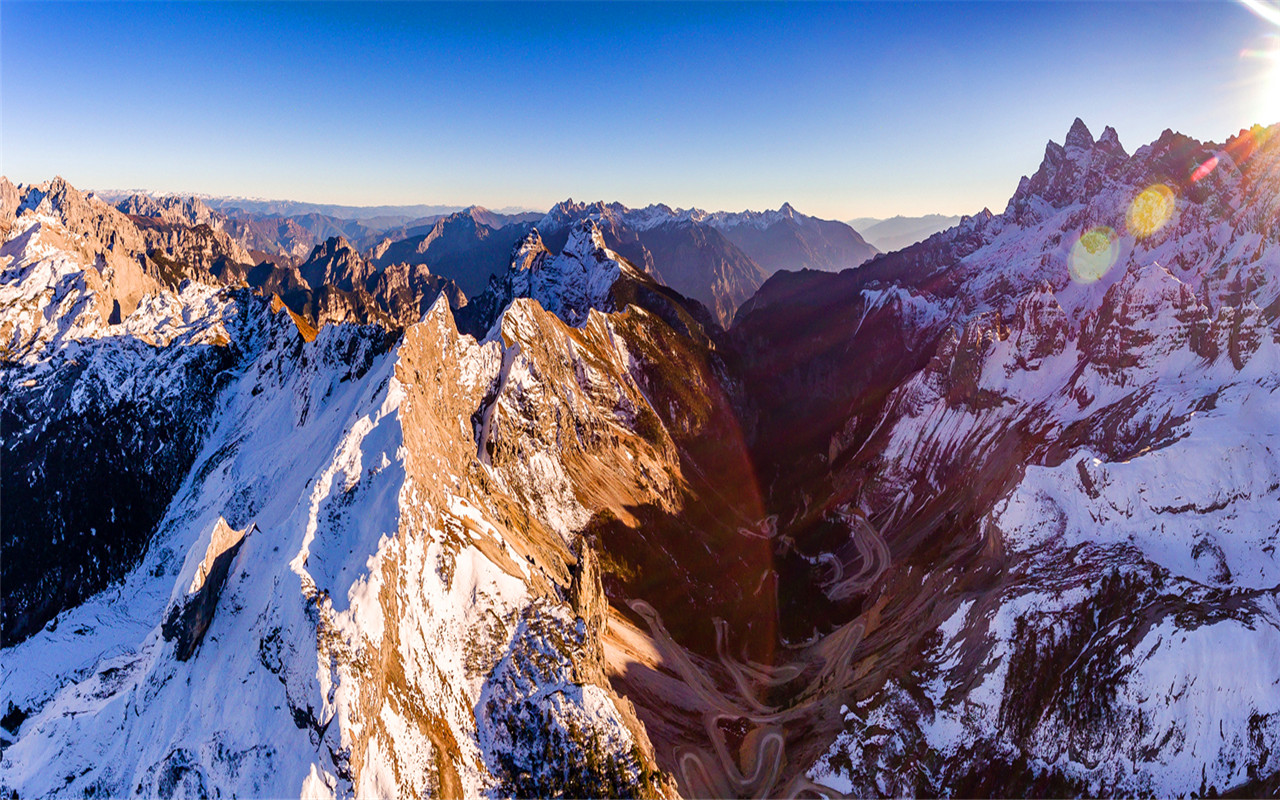
2026 Shangri-La Travel Guide: must-see attractions, popular food, hotels, transport & travel experiences (updated in February)
5627 posts
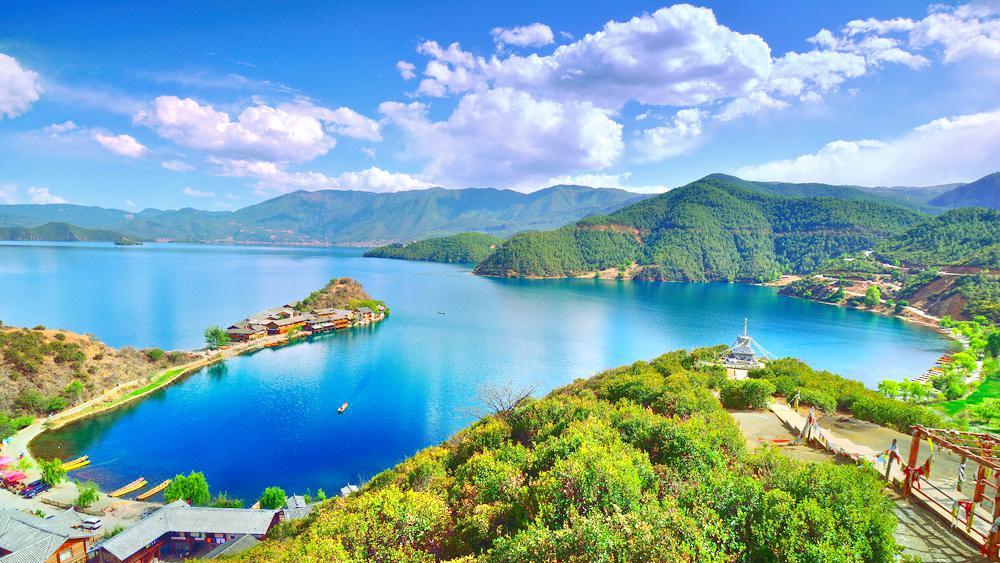
2026 Lugu Lake Scenic Area Travel Guide: must-see attractions, popular food, hotels, transport & travel experiences (updated in February)
100 posts
- 1
- 2
- 3
- 4
- 51
Post
More recommendations
Popular Trip Moments
Just how amazing is the 318 Sichuan-Tibet Highway, a must-drive route in one's lifetime? | A magical homestay in Meili Snow Mountain where you can lie down and watch the golden mountains on the winter solstice. | Helong Bridge : สะพานข้ามแม่น้ำบนเทือกเขาจีนทิเบต | Meili Snow Mountain! Golden sunrise over the mountains! In the final round! The Hotel of Life! | Check out this secluded Shangri-La hotel! A Tibetan aesthetic experience by Napa Beach. | Meili Snow Mountain Travel Guide | Embark on a journey to witness the golden sunrise over the mountains and sea | Hidden Persimmon Paradise in the Mountains | Exploring a Cloud Village on the Verge of Disappearing | A complete guide to gambling on Meili Snow Mountain | Some parts of Bingchacha are quite beautiful. | Shangri-La Tourist Ticket Prices | Heaven on the Left, Yubeng on the Right | Hiking Guide at the Foot of Meili Snow Mountain | A glass of Zaxi wine, a bite of Yunnan-style sausage, and you'll encounter Shangri-La in Beijing. | Baima Snow Mountain : แวะชมวิว-ขอพรที่ภูเขาไป๋หม่า | Shangri-La High-Value Homestay | Hidden paradise on the Yunnan-Tibet route! With my bestie at a Tibetan-style manor beneath the snowy mountains, quietly watching the clouds roll by | Cloud Tibetan Manor Secret Realm by Napa Lake: A Poetic Residence | Ultimate Winter Romance in Western Sichuan! Embrace the Milky Way and Dawn in a Snowy Mountain Luxury Tent | In-Depth Shangri-La Tour|Stay in a Tibetan-Style Manor and Live Like Locals for Three Days | Lying down to watch Meili Snow Mountain! This newly opened design hotel is simply the king of scenic spots? | Healed by the blue of Yamdrok Lake at an altitude of 5,000 meters! | Healing Journey in Tibetan Land Beneath the Glacier|Rediscover Your Sense of Life with Your Bestie at the Foot of the Snow Mountain | Hidden cultural gem beneath the plateau snow mountains, Ji Xiashan·Meili Hotel lets you live inside a painting | Deqin | Lying down to see the snow-capped mountains | Yunnan Deep Dive: Kunming Edition | A Complete 3-Day Guide to Seagull Watching, Food, and Shopping | Off-season travel, this should be considered world-class natural scenery | Shangri-La & Deqin: 3 Days 2 Nights Travel Plan | Blue and White Wonderland Under the Snow Mountain: Meili Snow Mountain|Unlock a Peacock Mountain One-Day Tour for 350 RMB at | 【In Shangri-La, time flows at a different pace】 | 53.15 Baima Snow Mountain | See the golden sunlight on Meili Snow Mountain, welcoming good luck in 2026!
Popular Destinations
Wudi Travel | Powys Travel | Kilifi Travel | Kenting National Park Travel | Castle Rock Travel | Shengsi Travel | Arezzo Travel | Iron County Travel | Sidney Travel | Calpe Travel | Nueces County Travel | Resistencia Travel | Anapsky District Travel | Beaufort County Travel | Nichinan Travel | Steingaden Travel | Orono Travel | Muscatine Travel | Anhua Travel | Honghe Travel | Forster Travel | Bacoor Travel | Curacautin Travel | Ubatuba Travel | Slovakia Travel | Quernmore Travel | Giverny Travel
Recommended attractions at popular destinations
Popular Attractions in Bangkok | Popular Attractions in Manila | Popular Attractions in Tokyo | Popular Attractions in Taipei | Popular Attractions in Hong Kong | Popular Attractions in Seoul | Popular Attractions in Kuala Lumpur | Popular Attractions in Los Angeles | Popular Attractions in Shanghai | Popular Attractions in New York | Popular Attractions in Shenzhen | Popular Attractions in Osaka | Popular Attractions in Singapore | Popular Attractions in London | Popular Attractions in Guangzhou | Popular Attractions in San Francisco | Popular Attractions in Beijing | Popular Attractions in Macau | Popular Attractions in Bali | Popular Attractions in Jakarta | Popular Attractions in Paris | Popular Attractions in Ho Chi Minh City | Popular Attractions in Istanbul | Popular Attractions in Phuket | Popular Attractions in Chicago | Popular Attractions in Seattle | Popular Attractions in Toronto | Popular Attractions in Orlando | Popular Attractions in Cebu | Popular Attractions in Chiang Mai
Popular Restaurants in Deqin
拾柒·山居艺术酒店·拾柒·味餐厅 | 梅里特色火锅店 | 老字号特色火锅店 | yi ping yang hot pot | 守望梅里餐厅 | 啊香牛肉馆 | 浓香园 | 大理聚缘饭店(下街店) | 仓木餐厅Elimwood | 俊平你好 | 山野Bistro(下雨崩店) | 丽世云阁餐厅 | 卡瓦格博酒店餐厅部 | 德钦布村迪吉康萨乡间民宿.餐厅 | 宏运饭店 | Gesang Yunlang Restaurant | 野叙·ANANDA咖啡厅(雾浓顶) | 永胜农家饭店 | 高山别庄德钦精品酒店-如意轩 | 德钦雨崩山语民宿·野奢帐篷营地 | 德钦陌上花开精品民宿·揽雪观景餐厅 | 雨崩愈见山·雪山民宿·雪山观景餐厅 | 疯狂烤翅 | 德钦石义庄园·餐厅 | 德钦松赞奔子栏酒店·餐厅 | 飞来寺竹外云·梅里山居·竹外云餐厅 | 丽江一品腊排骨火锅 | Juesei oleum tea | 古城藏家院 | 把把烧昭通小肉串
Popular Ranked Lists
Top 50 Must-Visit Restaurants in Barcelona | Top 10 Luxury Hotels in Ibiza | Popular Luxury Hotels in Mexico City | Popular Luxury Hotels in Bintan | Top 10 Must-Visit Restaurants in Bad Ischl | Top 50 Must-Visit Restaurants in Munich | Top 10 Best Things to Do in Qingyuan | Top 50 Must-Visit Restaurants in Taipei | Popular Best Things to Do in Jiangmen | Popular Luxury Hotels in Adelaide | Top 10 Luxury Hotels in Cape Town | Top 20 Luxury Hotels in Doha | Top 10 Luxury Hotels in Mumbai | Top 50 Must-Visit Restaurants in Fukuoka | Top 10 Luxury Hotels in Athens | Top 10 Best Things to Do in Chifeng | Top 10 Best Things to Do in Gannan | Top 50 Must-Visit Restaurants in Bangkok | Top 50 Must-Visit Restaurants in Dubai | Popular Luxury Hotels in Edinburgh | Top 10 Best Things to Do in She County | Top 20 Best Things to Do in Baise | Popular Best Things to Do in Kaiping | Top 50 Must-Visit Restaurants in Sapporo | Popular Luxury Hotels in Valletta | Top 50 Must-Visit Restaurants in New York | Popular Best Things to Do in Sheyang | Top 50 Must-Visit Restaurants in Songyang | Popular Luxury Hotels in Cancun | Top 50 Must-Visit Restaurants in Kyoto
About
Payment methods
Our partners
Copyright © 2025 Trip.com Travel Singapore Pte. Ltd. All rights reserved
Site Operator: Trip.com Travel Singapore Pte. Ltd.
Site Operator: Trip.com Travel Singapore Pte. Ltd.