2026 Hsinchu Travel Guide: must-see attractions, popular food, hotels, transport & travel experiences (updated in February)
Essential Travel Information for Hsinchu
Located in the northwestern part of Taiwan, Hsinchu is the seventh largest city in Taiwan and the earliest developed area in Taiwan. There are many places of historic interest and scenic beauty, a good cultural environment and a rich cultural heritage, including a wide variety of churches. Precious artwork. Among them, because many high-tech talents have moved here and promoted the rapid development of the economy here, Hsinchu also has a vibrant city called “Taiwan Silicon Valley”.
Hsinchu Today's weather
Overcast 15-23℃
All Trip Moments about Hsinchu | Travel Experiences
Hsinchu Howard Plaza Hotel|Top Choice for Family-Friendly Accommodation in the City Center
Location📍1F, No. 178, Zhongzheng Road, North District, Hsinchu City Hsinchu Howard Plaza Hotel is conveniently located in the heart of Hsinchu City, close to Big City Shopping Center and Hsinchu Train Station, making it easily accessible whether you drive or use public transportation. Renowned for its family-friendly environment, the hotel offers spacious rooms that accommodate baby strollers and luggage comfortably. The hotel features an indoor swimming pool, allowing children to enjoy water activities regardless of the weather. With diverse dining options and a buffet with a wide variety of dishes, it caters to the needs of both adults and children. Combining a prime location with excellent facilities, it is a reliable choice for families seeking a safe and comfortable stay in Hsinchu City.行李箱裡有貓11🐾 Recommended Family-Friendly Zoo | Even toddlers can easily walk the entire zoo without a stroller.
📍Hsinchu City Zoo If you're looking for a zoo where toddlers can explore on their own without a stroller, I highly recommend Hsinchu City Zoo. While it's not as large as some other zoos, its compact layout and well-planned pathways make it perfect for families with young children to stroll around at their own pace. ✨ Parent-Child Experience ✔ Stroller-Free Accessibility: Toddlers can easily walk the entire zoo. The zoo is small, making walking distances just right, which isn't too strenuous for toddlers or toddlers, and also eliminates the inconvenience of strollers for adults. ✔ Terrain-Following Design: Excellent Observation Angles The zoo features different observation points based on the terrain, with some animals even visible through glass, making it easy for children to focus on them. ✔ User-Friendly Fence Heights: Children Don't Need to Be Carried Constantly The height and spacing of the fences in many areas are designed so that children can see the animals naturally while standing, making parent-child interaction easier. ✔ Close animal proximity for a realistic observation experience The spacing design of some exhibits creates the feeling that "the animals live right next to you," reducing the sense of alienation from being confined far away. ✔ Plenty of rest areas and ramps minimize physical strain for families The park has plenty of seating, and most routes are designed with ramps, avoiding constant climbing stairs. Elevators are also available in some areas. ✔ Highly adaptable to different areas, allowing children to burn off energy beyond the zoo The other end of the park connects to a flower market, park, and small market, making it convenient to continue burning energy or find food after visiting the zoo. 🧡 Summary The Hsinchu Zoo isn't geared towards "seeing a lot of animals," but rather as a family-friendly zoo where children can freely walk around, observe up close, and enjoy a comfortable pace. If your child is at the stage where they "want to walk on their own but don't want to go far," this is a perfect choice. #FamilyTrip #HsinchuFamilyAttractions #HsinchuZoo #WeekendGetaway小曦媽咪4Hsinchu|Right next to the Hsinchu Science Park! Jingxin Lake: A serene escape resembling a Suzhou garden
It's hard to imagine that such a tranquil place like Jingxin Lake exists right beside the bustling Hsinchu Science Park. Here, there's no commercial hustle and bustle, only the greenery and leisure of the lakeside trail. The most captivating feature is the classical Suzhou garden-style architecture, with its white walls and black tiles reflecting on the lake's surface, creating an illusion of being in Jiangnan. Visiting during autumn and winter, the trees around the lake turn a deep green, and the gentle breeze rippling across the water is incredibly soothing. The 1.8-kilometer lakeside trail features a zigzag bridge, pavilions, and large scenic stones. Walking on the zigzag bridge while watching ducks play in the water instantly melts away work stress. If you're looking for a quiet spot in Hsinchu City to slow down and enjoy some peaceful moments, this is undoubtedly the top choice. Reasons to visit: 1. Ultimate Zen: The classical garden architecture makes every photo look like it's taken abroad. 2. All-age friendly: The flat and easy-to-walk lakeside trail is perfect for family strolls or autumn and winter exercise. 3. Rich ecology: The lake often hosts egrets and mallards, making it a precious natural classroom in the city.DAVIDxuan3Getting Along with Your Middle-Aged Self
Born in 1980, now 45 years old. Fewer friends, but happier than before. To be honest, I hardly have any friends now. My LINE rarely pings, Facebook and Instagram interactions are almost non-existent, and my phone stays quiet all day. Occasionally, it rings, but it's either a delivery or a telemarketing call. If someone had told me in my 20s or 30s, "This is what you'll become," I would have thought—how pitiful! But now that I've reached this age, I've realized that what truly exhausts me has never been work, but rather ineffective socializing and forced friendships. I used to be afraid of being labeled "unsociable." When colleagues invited me to dinner, even though I just wanted to go home, shower, and relax, I forced myself to go. When relatives organized last-minute gatherings, I would reluctantly show up even if I didn't want to. It felt like not showing up meant there was something wrong with me. Happy moments had to be performed for others, while sad moments left me with no one to confide in. Back then, I was surrounded by people, yet felt incredibly lonely inside. Now, my life looks like this: I don't initiate dinner plans, and I'm used to not being invited. I rarely interact with relatives, fulfilling only the necessary courtesies and responsibilities. I don't play mahjong or group games, dislike gossip, and avoid gatherings where drinking excessively is considered enthusiasm. If I can avoid it, I do. It might sound cold, but only I know—this comfort was hard-earned after countless moments of emotional exhaustion and disappointment. I've started letting go of unsuitable circles, muting groups that make me anxious, and dedicating time to things that genuinely improve myself. When I'm alone, I often do three things. The first is slow jogging and spinning. I no longer aim for intense sweating, extreme challenges, or impressive results. I don't need to prove how disciplined or capable I am. When I slow jog, my steps are small, my pace is slow—slow enough to hear my own breathing, slow enough for my mind to finally quiet down. It's not "exercise"; it's more like accompanying myself on a walk. Spinning, on the other hand, has a different rhythm. There's no competition, no need for conversation. With headphones on and resistance adjusted, the world narrows down to the spinning pedals and the emotions being cycled through—sometimes stress, sometimes unspoken frustration. By the time I'm drenched in sweat, the burdens in my heart feel a little lighter. The second thing is watching shows and playing video games. When I was younger, I thought these were a waste of time. But at this age, I've realized that people need moments where they don't have to think or produce, but simply receive. Watching shows allows me to temporarily step out of all my roles, to stop pretending to be a mature, sensible, and composed adult. Laughing, crying, and feeling emotions through someone else's story reminds me that I'm still alive and capable of feeling. Video games, too. Not for competition or proving skills, but for the clarity of goals and immediate feedback for every effort. That simple "do it, and you'll see results" is rare in real life. The third thing is traveling and digital nomadism. I no longer want to tie my life to a fixed office, routine, or city. With just a laptop and stable internet, I can wake up in a different place, have breakfast on a new street, and work under a different sky. Travel is no longer about checking off attractions but immersing myself in a different rhythm of life. Sitting in a café in an unfamiliar city, writing, working, or daydreaming—no one knows me, and no one expects me to be anyone. In that moment, I am simply myself. Digital nomadism isn't about escaping reality; it's about understanding that life doesn't have to follow a single path. As long as I can support and take care of myself, where I live doesn't really matter. People often ask me, "Don't you feel lonely or bored being by yourself every day?" Honestly, I used to think so too. But now I understand—true loneliness is being in a crowd yet feeling like you don't belong anywhere. In middle age, I've redefined my standards: it's not about how many friends I have, but whether I like the person I've become. A smaller circle is fine; compatibility matters more than appearances. Others' buzzing phones are their liveliness; my ability to thrive in quiet is my strength. If you're also 40+ and finding yourself increasingly "unsociable," don't rush to doubt yourself. Maybe it's not that you lack friends, but that you've finally learned to be your own best companion. If you resonate with this, then perhaps we are kindred spirits.武澤天6#NovemberD
#NovemberDestinations2025 In Hsinchu's East District, with its abundance of culinary options, finding a restaurant that the whole family can enjoy, with consistently delicious flavors that stand the test of time, is actually quite rare. "Caiyuan Shanghai Restaurant," located on Section 1, Dongda Road, is just such a place—a restaurant you'll quietly return to after your meal. Caiyuan doesn't have extravagant decor, nor is it a trendy Instagrammable spot. It relies on one sentence— "Making food with heart, letting the flavors speak for themselves." 🥢 One bite and you know: this is the authentic taste of home-style cooking. Caiyuan specializes in Shanghai and Jiangzhe cuisine, but not the overly sweet or oily kind. Instead, it's perfectly seasoned, refreshing yet layered—the authentic Shanghainese cuisine. For families accustomed to Taiwanese flavors, or small families with elderly members, this uninhibited and light cooking style is a real plus. 🪑 Dining Environment | Comfortable and Relaxed, Great for Seniors Caiyuan Restaurant is clean and bright, with tables spaced far apart, ensuring that even large gatherings won't disturb each other. It doesn't have fancy decor, but it has that: ✨ "You know this restaurant is worth the wait as soon as you sit down." The staff are skilled and friendly, and the service is fast, making it perfect for: ✔ Family gatherings ✔ Company dinners ✔ Parents' birthdays ✔ Anyone wanting some light and refreshing Chinese cuisine 🚗 Transportation (Very Convenient) 📍 Address: No. 136, Section 1, Dongda Road, East District, Hsinchu City 330 Approximately 10-12 minutes walk from Hsinchu Railway Station #HsinchuFood #HsinchuGatherings #HsinchuShanghaiCuisine #CaiyuanShanghaiRestaurant #JiangzheCuisine #EastDistrictFoodKkkkkkkkgogogo_____50Hsinchu General's Village, once home to "a hundred stars."
Located at No. 69, Jincheng 1st Road, East District, Hsinchu City, General's Village was built in 1959. It earned its name because many generals once resided here. Originally, there were 89 military dependents' houses, but now only 15 remain. The architectural design of General's Village was inspired by the layout of U.S. military advisors' residences at the time. Each house is a standalone structure situated in the center of a courtyard, with an area of approximately 100 ping (about 3,300 square feet). Compared to typical military dependents' villages, General's Village was considered quite grand. On weekends, the village often hosts markets and various cultural and artistic events. You can follow their Facebook page for the latest updates on activities. There are a fair number of parking spaces in the nearby parking lot, but it's still better to arrive early on weekends to secure a spot.泰國劉德華30The Taiwanese version of Jeju Island is right here – a reservation-only cafe open only four days a week.
Fudu Cafe, open only four days a week and by reservation only, is nestled in the mountains of Guansi, Hsinchu. The entrance is marked "Dongshan Farm"—don't doubt it, just follow the signs! The two-story wooden building, large floor-to-ceiling windows, and lush orange groves instantly evoked the relaxed and gentle atmosphere of Jeju Island. While the coffee wasn't quite to my taste, the overall environment was incredibly comfortable, and it's even pet-friendly! If you're looking to escape the city and find a place to unwind, this is definitely worth a visit! ✅ Fudu Cafe 📍 Address: No. 5-2, Lane 9, Zhu 28th Township Road, Dongshan Village, Guansi Township, Hsinchu County ⏰ Opening Hours: Friday to Monday, 10:00 AM - 5:00 PM #FuduCafe #HsinchuCafe #GuansiAttractions #MountainCafe #PetFriendlyCafe #HsinchuFood #HsinchuTourism #ReservationRequired #ForestThemedCafe #OrangeGardenCafe #HsinchuCafe #TaiwanCafe #HiddenGemTaiwan #Cafestagram #WeekendVibes #JejuVibes娜要幹嘛 naamangequoi15🏙️ Hsinchu City Image Museum|A light and shadow journey through time in an old Western-style building
The Image Museum, located in downtown Hsinchu, is an 80-year-old building. Its curved corners and red brick walls exude a retro charm. Enter the museum, and you'll discover the story of Hsinchu's early cinemas. Vintage projectors, film reels, and black-and-white images transport you back to a time when movies were still a luxury. The adjacent "Light Box" exhibition area exudes a modern flair, reinterpreting "time and memory" through light, shadow, and creativity. Perfect for photography day or night, the light playing between the glass and red brick creates captivating images. 📍Location: Hsinchu Image Museum / Light Box #HsinchuAttractions #ImageMuseum #LightBox #RetroArchitecture #HitmanWalk #OldHouseRebirthQaz7411116Hsinchu can also be romantic and artistic!
Reminiscing about the time when you didn't have to travel far to enjoy the light sculpture exhibition and the thoughtfully curated cultural and creative market around the Hsinchu City Art Museum. An entire block transformed into a vibrant art stage✨ During the day, explore the handmade cultural and creative market and experience the warmth of local artisans; At night, enjoy a high-quality light show, where the interplay of light and shadow reveals the artistic soul of this city. Whether you're looking to buy unique trinkets, take stunning photos, or simply soak in Hsinchu's slow pace and creative vibe, this place is definitely worth a visit! 📍Location: Around Hsinchu City Art MuseumQaz7411148Hidden in Hsinchu Market: a Hipster Café
Tucked away in a small alley near Zhulian Market in Hsinchu City, Chen Zhai Ka Fei is a charming old-house café. The single-family house is sparsely decorated, but its use of wooden tables, leather chairs, antique furniture, and industrial elements gives the space a hipster vibe. Some old houses feature a wealth of items from the 1970s and 1980s to create a nostalgic atmosphere. This is fine, but the problem is that sometimes too much clutter can lose its original meaning. Chen Zhai Ka Fei strikes the perfect balance, capturing a nostalgic feel without feeling overly edgy. The Flora Iced Coffee I had that day, after a long fermentation and washing process, had a noticeable aftertaste. The tea pudding was delicious, with a rich milky aroma and a perfect balance of sweetness. Served on a small, antique porcelain plate, it evoked a particularly nostalgic feeling. The second floor is reserved for art exhibitions, which change the theme from time to time. Interested parties can visit the official fan page for more information.泰國劉德華11The most relaxing yet breathtaking waterfall is here.
Frog Rock Skywalk | Jianshi Township, Hsinchu County - A Chill Forest Trail! Jianshi Township in Hsinchu County has always been a hidden gem for nature lovers seeking a relaxing getaway. This time, the "Frog Rock Skywalk" is the highlight, located deep in the mountains along Jinping Road in Jianshi Township. This trail not only offers expansive mountain views but is also shaded by trees along the way, making it an easy and enjoyable walk. The most captivating features are the frog-shaped rock and the skywalk spanning the valley, giving you the feeling of walking on clouds. Many people mistakenly think it's hard to reach, but it's actually very accessible, and the route is perfect for families and friends to enjoy fresh air together! Trail Highlights and Recommended Experiences The Frog Rock Skywalk trail is not too long, taking only about 1-2 hours to complete. The biggest highlight is the skywalk itself, where you'll feel a "flying" visual impact. With sunlight streaming down and lush greenery in the valley below, it's hard to resist taking a few extra photos. Many recommend visiting around 8-9 AM for the most comfortable experience, as the forest is cooler and less crowded, so you won't have to wait in line for photos. Personal Tips from Experience After personally completing the trail, here are some practical tips: 1. Although the trail is well-shaded, it's still recommended to wear comfortable shoes. Avoid casual flip-flops as some sections have dirt slopes. 2. The site has restricted opening periods (closed annually from October 15 to October 31), so be sure to check the official operating hours before heading out! Generally, it's open from 8:30 AM to 5:00 PM. Avoid descending too late in the dark. 3. The entrance fee is very affordable at 100 TWD, but it's more convenient to bring exact change. 4. There aren't many vendors along the trail, so bring your own water and snacks. Enjoy a picnic atmosphere near Frog Rock during breaks. Details Attraction: Frog Rock Skywalk Address: Jinping Road, Jianshi Township, Hsinchu County, Taiwan 313 Opening Hours: January 1 - October 14, November 1 - December 31, 8:30 AM - 5:00 PM Closed Period: October 15 - October 31 annually Tickets: 100 TWD for adults, 80 TWD for seniors, 50 TWD for elementary school students, free for children under 6 Transportation Tips & Additional Info For those driving, it takes about an hour from Hsinchu City. Jinping Road is built along the mountains, with clear signage. Parking is adequate but tends to fill up on holidays, so arriving early is recommended. For public transportation, you can take a shuttle bus from Hsinchu Train Station to Jianshi Township Office. Check the Hsinchu County website for detailed schedules. As mountain weather is unpredictable, bring a lightweight raincoat, especially during summer afternoons when thunderstorms are common. Mobile network coverage is generally good, so staying connected won't be an issue. Nearby Food Recommendations After your adventure, recharge with some local delicacies in Jianshi Township. Bamboo rice, Maqaw sausages, and stir-fried wild vegetables are must-tries. Alternatively, you can pack some rice balls or light snacks from Hsinchu City before heading into the mountains for a convenient and satisfying meal. Conclusion The Frog Rock Skywalk is not only a natural oxygen bar in Hsinchu County but also a fun and Instagram-worthy destination for a day trip. Take a leisurely stroll through the forest, snap photos of Frog Rock, and walk the skywalk. With simple gear, you can embark on a healing journey.呂學舜7Recommended Hsinchu Hotel: Ipso Hyatt Hotel
#SeptemberDestinations2025 #Hsinchu #HsinchuHotels Recommended Hsinchu hotel: Ipso Hyatt Hotel Near the interchange, not too far from the city center, and conveniently located. Driving is recommended, as taking a taxi is less convenient. Highly recommend the duplex room; it feels like a large suite, yet feels like home. The overall comfort and amenities are greatly enhanced. 👍 #HsinchuTravel #IpsoHyattHotel #Hyatt同畫世界3Grassroots Kitchen: A Must-Try Roasted Duck in Hsinchu
Grassroots Kitchen, located in Hsinchu's East District, is a popular restaurant that combines the charm of a retro-style old house with exquisite Chinese cuisine. The red-brick house and courtyard design evoke a nostalgic countryside vibe, creating a warm atmosphere perfect for family gatherings or friends' meetups 🏡. The menu primarily features authentic Chinese dishes with meticulous presentation. The highlight is undoubtedly their signature "Five Ways Roasted Duck" 🥢. From the crispy and juicy sliced duck, pickled cabbage duck bone soup, to the flavorful stir-fried duck bones, shredded duck stir-fry, and lettuce-wrapped minced duck, each dish offers a unique taste and rich layers of flavor that leave a lasting impression. Apart from the roasted duck, other stir-fried dishes on the menu are also commendable, catering to foodies who value both taste and visual appeal. While the price is slightly on the higher side, ranging from 300 to 600 NTD per person, the quality of the dishes and dining experience make it well worth the cost. Reservations are recommended, especially during dinner hours when the restaurant is often fully booked. Overall, Grassroots Kitchen is an excellent choice for gatherings, offering a nostalgic ambiance and delicious cuisine, with their roasted duck dishes being particularly worth a special visit. Name: Grassroots Kitchen Address: No. 350, Chaichiao Rd., East District, Hsinchu City 300 Price Range: 300-600 NTD/personEuuuuuuu7Taiwan's Oldest Zoo - Hsinchu Zoo
Hsinchu Zoo is absolutely perfect for bringing kids along! Unlike other zoos that are massive, you can complete a full tour in about 1-2 hours, so there's no need to worry about walking until your legs give out. Plus, the design here is quite unique, featuring a "no cages" concept that offers better views of the animals and makes you feel closer to them! One thing to note is that since the zoo isn't very large, the variety and number of animals are not as extensive as those in Taipei Zoo. If you're looking to see super large or rare animals, this might not be the place, but it's definitely a fantastic spot for a half-day family outing! 🐒 Atmosphere/Facilities: The layout of the zoo is well-planned, making it easy to navigate. The star attraction here is undoubtedly "Lele the Hippo"! You can view Lele from both above and below the water, and its wide-open mouth is absolutely adorable—kids will be thrilled to see it. In addition to the hippo, there are Bengal tigers 🐯, orangutans, Malayan sun bears 🐻, and other larger animals. Personally, I love the monkey area, where you can watch them swing through the trees—it’s incredibly soothing. The zoo has preserved many old trees, providing plenty of shade, so it’s not too sunny, and the overall environment is very comfortable. 💰 Ticket Information: General Admission: NT$50 (super affordable!) Discounted Ticket: NT$25 (for children aged 6-12) Free Admission: Children under 6, seniors over 65, and individuals with disabilities. 🚍 Transportation Information: 🔺 By Car: The zoo has an underground paid parking lot, but spaces are highly sought after on weekends. 🔺 On Foot/Public Transport: It’s about a 15-20 minute walk from Hsinchu Train Station, or you can take a bus. Along the way, you can also explore the city center. 📣 Hsinchu Zoo is located within "Hsinchu Park," right next to the Glass Art Museum, the Insect Museum, and the stunning Japanese-style building "Lakeside Pavilion." You can easily turn this into a full-day trip! Spend the morning at the zoo, grab lunch nearby, and then explore the park and museums in the afternoon for a packed itinerary. 🕰️ Opening Hours: Daily: 9:00 AM - 5:00 PM (Ticket sales end at 4:30 PM). Closed on Mondays and Lunar New Year's Eve.lauyi_travel6Zhubei|Really wanted to grab a few more plates of side dishes.
Beef Minced Meat Rice $75 Beef Noodles (Small) $180 Side Dish (Round Plate) *2 $60 Side Dish (Square Plate) *1 $40 It's been quite a while since I last visited Zhubei. This time, I was looking for a place to eat nearby during weekday lunchtime. The shop's signboard isn't very noticeable, and I almost missed it. There are parking spaces on both sides of the entrance, including spots for motorcycles, but they were all quite full. Upon entering the shop, the decor is quite distinctive. The staff immediately asked whether I was dining in or taking out. For dine-in, you first grab a menu, find a seat, and place your order. The staff will confirm your order, and then you can pick your side dishes from the cabinet near the counter. Dine-in customers also have access to self-serve drinks and daily soup. I noticed the gentleman at the next table had four bowls of soup with his meal! The Beef Minced Meat Rice comes in a fairly large portion. The sauce is generously poured over the entire bowl, coating each grain of rice with a light brown glaze. Paired with chunks of carrot, the dish looks incredibly appetizing. Every bite of the Beef Minced Meat Rice is truly flavorful. Although the sauce is abundant and there are plenty of carrot chunks, I felt there wasn't quite enough minced meat. A bit more minced meat would make it even better! The Beef Noodles also come in a fairly large portion. I saw the neighboring table order the large size, and the amount was astonishing! The noodles have a slightly chewy texture, and there are about five sizable chunks of beef, each well-braised and tender. The beef is rich and satisfying, and there's also a meatball included. Although the broth looks heavy, the overall flavor of the Beef Noodles is surprisingly mild. There are plenty of side dish options, and they all look good. I picked three plates, and my favorite was the onion dish. It had a nice crunch, a hint of spiciness, and a fragrant onion aroma—really enjoyable. Cultural City Beef Noodles No. 486, Guangming 1st Road, Zhubei City, Hsinchu County12_JC_1238No need to fly to Korea! Experience the relaxing experience of a jjimjilbang in Hsinchu!
After returning from Korea, I've been craving the relaxing feeling of a jjimjilbang (jimjilbang) again. I was surprised to find a similar place in Taiwan—right here at Fuk Yuen Hot Spring Bathhouse in Hsinchu, which is incredibly convenient! Unlike traditional Korean bathhouses, bathing here is done in separate cubicles, offering greater privacy. There are five different jjimjilbang rooms, each with its own unique style, offering different soothing and sweat-relieving benefits. I was also pleasantly surprised by the rest area: it's clean and spacious, with plenty of books to read, perfect for spending the entire day in peace. After working up a sweat, my skin felt so much better, and my body and mind were completely relaxed. Overall, Fuk Yuen Hot Spring Bathhouse is a healing place worth revisiting. I recommend it to anyone who wants to experience the relaxing feeling of a jjimjilbang in Taiwan! Fuk Yuen Hot Spring Bathhouse in Hsinchu陪我一起看世界178Hsinchu all-you-can-eat, Mrs. Sun's Youdao BBQ
#HsinchuBuffet #Mrs.Sun'sYouDaoBBQ Mrs. Sun's latest creation, YouDao BBQ, specializes in premium barbecue, and has opened its second location in Hsinchu. 🥰 The restaurant offers four price points: $1188, $1888, $3588, and $4888. During the opening event, get a free unboxing for each of the four in the $1888 price range (discounted to $1605 per person). I was curious why Mrs. Sun opened a second location in Hsinchu so quickly, but upon entering, I was captivated by the beautiful location. 💕 The $3588 and $4888 price ranges are in a separate area, and there's live music on weekend nights! After you're seated, the restaurant will ask if you'd like a basic plate. It includes seafood (angel red shrimp, scallops, and abalone) and a generous portion of A5 Wagyu beef, the marbling of which was truly stunning! 🥰 The second round begins with scanning the QR code to place your order. There's also a self-service area offering vegetables, desserts, fruits, drinks, and Häagen-Dazs ice cream! 🥳 Today, we focused on the meats from 1888. The basic plates of A5 tri-tip, kabocha, rib-eye top, and rump were all excellent. The A5 rib-eye top was especially recommended; it had just the right amount of marbling and was incredibly delicious! The 1388 bone-in short ribs, diaphragm, large intestine, and sorghum sausage were also excellent. As for the seafood, the angel red shrimp were exceptional—super large, fresh, and delicious! Wenjia is pretty good 🥰 What's even more amusing is how delicious the main courses are. The confit Tsukimi beef rice bowl was so good that the fresh-cut beef lovers kept ordering more 😂 Overall, the ingredients were above expectations. Only the barbecue sauce was a bit lackluster, but the yuzu soy sauce was quite good! The grill is a bit small, so a table of 2-3 is recommended. If you have a large appetite, a table of 1-2 is recommended. I really want to try 3588 again 😂 Mrs. Sun. Youdao. Barbecue No. 12-5, Jinshan 7th Street, East District, Hsinchu CityDavid110817Exploring the Beauty of Taiwan: Green Grass Lake in Hsinchu
Visiting Green Grass Lake in Hsinchu was truly a delightful surprise! Located not far from the city center, this place offers a serene natural atmosphere as soon as you step in. The lake is expansive, with crystal-clear water surrounded by lush green grass and trees, creating a tranquil haven away from the hustle and bustle of urban life. I strolled along the lakeside trail, enjoying the gentle breeze. There are plenty of benches by the lake where you can relax, making it an incredibly soothing experience. This spot is not only great for walking but also perfect for cycling. Riding along the trail feels exceptionally comfortable. There are some small restaurants nearby, so you can enjoy a meal and then take a leisurely walk without any stress. Whether you're here with family or friends, it's an ideal place for casual conversations or simply soaking in the scenic lake views.JackieZero3Cheng-Chi Hotel Hsinchu|Convenient Location & High Value for Money
Looking for affordable and conveniently located accommodation in Hsinchu? Cheng-Chi Hotel Hsinchu is a great choice! 🌟 ⸻ 📍 Hotel Location • Located in the heart of Hsinchu City, just an 8-minute walk to the train station 🚆 • Close to Dongmen Market, Huchenghe Park, and Chenghuang Temple Night Market, offering a one-stop solution for food, fun, and entertainment 😋 ⸻ 🛏 Room Types & Amenities • Clean and bright rooms with simple and comfortable designs • Free Wi-Fi, flat-screen TV, and tea/coffee-making facilities • Spacious bathrooms equipped with hairdryers and toiletries • 24-hour front desk, elevators, and accessible facilities ⸻ 💰 Price Reference • Weekday double rooms range from NT$1,200–2,300 per night • High value for money, ideal for budget travelers, business guests, or short trips ⸻ 🌟 Highlights from Guest Reviews • 👍 Super convenient location, walking distance to the night market • 👍 Clean and tidy rooms with friendly staff • 👎 Some guests found the beds slightly firm, so take note if this is a concern ⸻ 🎯 Highly Recommended For ✔️ First-time visitors to Hsinchu ✔️ Those who want to explore the night market and stay in the city center ✔️ Budget-conscious travelers seeking clean and comfortable accommodation不要偷看我ng39Hsinchu|Long-awaited Hakka Rice Dumplings
Hakka Rice Dumplings $85 Sweet Potato Leaves $55 Braised Egg $20 Dried Tofu $25 Liver and Meat $80 Bone-in Meat $80 It’s been a while since I visited this area, so I decided to come back and enjoy some Hakka rice dumplings. I remember thinking they were pretty good last time. Both dine-in and takeout orders are placed outside the restaurant. The menu is posted next to the ordering counter, and after placing your order, you can find a seat inside. The dining area inside is relatively clean and quite cool. As lunchtime approaches on weekdays, the number of dine-in and takeout customers gradually increases. The Hakka rice dumplings come in a fairly large bowl. The dumplings are small, and the soup looks less clear, but the taste is decent. The dried tofu and braised egg are average, but the liver and meat, as well as the bone-in meat, are generously portioned. Both are quite tender, with the liver and meat offering a bit more chewiness. The sweet potato leaves are plentiful, though they weren’t very tender this time. There’s a small parking lot diagonally across from the restaurant, so you can park your car and enjoy a nice lunch. Also, the seasonal mango smoothie from the drink shop next door is excellent—a must-have in hot weather. Rong Ji Hakka Rice Dumplings No. 64, Wuchang Street, East District, Hsinchu City12_JC_123Hsinchu One-Day Itinerary (TSMC Museum + Nanliao Fishing Harbor)
⏰ Morning: A Technological and Educational Journey 📍 TSMC Museum of Innovation • Location: Inside Hsinchu Science Park (advance reservation required). • Exhibition Highlights: Learn about TSMC's development history, semiconductor processes, and future applications of AI/5G. • Recommended Duration: 1.5 ~ 2 hours. 👉 After visiting, you can stop by the main entrance of Hsinchu Science Park for a photo op and experience the grandeur of Taiwan's "Silicon Shield." ⸻ 🍜 Noon: Must-Try Hsinchu Cuisine • Hsinchu Chenghuang Temple Shopping District (about 15 minutes by car): • Duck Meat Xu: Famous duck noodle soup. • Liujia Braised Pork Rice: Traditional flavors. • Hsinchu Rice Noodles and Meatball Soup: Iconic local snacks. • You can also buy local specialties like Fuyuan Peanut Butter and Xinfu Zhen Wedding Pastries. ⸻ 🌊 Afternoon: Leisure at Nanliao Fishing Harbor 📍 Nanliao Fishing Harbor & Fish Scale Ladder • Coastal scenery with must-visit photo spots like the "Rainbow Path" and "Fish Scale Ladder." • On weekends, there are markets and creative stalls offering seafood dishes. • Nearby, you can find the Seaside Bike Path. Rent a YouBike and enjoy a breezy ride along the coast. 👉 For a more relaxed experience: • The viewing platform near Nanliao Visitor Center is perfect for sitting back and unwinding. ⸻ ☕ Afternoon Tea Options • Black Cat Ice City (an old ice shop in Nanliao): Famous for its Eight-Treasure Ice. • Seaside Cafes: Options like "Wanghai Lane" or "Voice of the Sea Café" offer a relaxing ocean view. ⸻ 🌇 Evening: Sunset and Snacks • Watch the sunset at Nanliao Fishing Harbor, with a gentle sea breeze for a soothing end to the day. • Dinner options: • Seafood restaurants at the harbor (steamed fish, stir-fried clams, three-cup squid). • Or head back to the city and explore restaurants near Dongmen Castle or Hsinchu Big City Mall.Sophie Kk46Hsinchu Zoo
Hsinchu Zoo may be small, but it is packed with charm and features. As Taiwan's oldest zoo, it has preserved many historical architectural elements while incorporating modern designs, creating a space that is both historically rich and vibrant. The most popular attractions in the zoo are the orangutans, Bengal tigers, and hippos. Visitors can observe these majestic animals up close through sunken viewing tunnels, offering a visually stunning experience. The compact size of the zoo makes it easy to explore, making it an ideal destination for families looking for a half-day outing. The ticket prices are very affordable, and nearby attractions like Hsinchu Park and the Glass Museum of Hsinchu provide opportunities to plan a full-day itinerary. It's a wonderful place that combines history, education, and leisure.Razannn6August Birthday Special! Challenge: Update Every Day, Day 2 𐩢𐩺 That’s Tarta Cheese Tarta - Free Signature Basque Cheese with a minimum purchase
Join the official online store and spend $399 or more on your birthday that month, and we'll give you a 3.5-inch signature Basque! I bought a 3.5-inch Aomori Apple Basque for $360, plus a roasted tea and red bean financier for $40. That's a perfect $400 to get the gift! (Sorry, this is only available in Hsinchu again 😝) (The 3.5-inch size fits perfectly in my palm, and it's rich and delicious. A must-buy for cheese lovers 🧀)Hungry God27Hsinchu Dongmen Market Food - Sweet and Spicy Fish
I went to downtown Hsinchu again 😳 This time I visited the very local Dongmen Market. There weren't many shops open, especially on the second floor, where there were very few restaurants. We only went to Yuxiang for dinner because it had air conditioning (lol) 🔸Original Tempura Tempura is a must-try at Yuxiang. I don't know why, besides pork balls, there are so many famous tempura restaurants in Hsinchu. The fried tempura is absolutely delicious and absolutely perfect. The tempura is salty and chewy. They also sell a tempura similar to oden. 🔸Pork Ball Soup Hairui Pork Balls are a must-try in Hsinchu! Hsinchu's pork balls are incredibly chewy and delicious. They ooze juice when you bite into them. 🔸Mixed Rice It comes with braised pork and bamboo shoots, a northern-style dish. The gravy is salty and sweet, and the pork is a bit fatty. The rice becomes shiny and delicious when mixed with it. It's very delicious. Although the Google Maps rating isn't high, I think it's average overall (a bit pricey). See more Hsinchu food #ayueatsHsinchu 📍Fishery Sweet and Spicy Address: 2F, Dongmen Market, No. 86, Datong Road, North District, Hsinchu City #Tianbula #HsinchuFood #HsinchuAttractions #DongmenMarket #Pork Meatball Soup #TraditionalFood #Braised Pork Rice #Eco-FriendlyFood #Hsinchu #HsinchuTravel #Gatherings #HsinchuSnacks #Pork Meatballs #Fried Food小譽的食旅地圖3Hsinchu Royal Hotel
If you're looking for accommodation in Hsinchu, the "Hsinchu Royal Hotel" is worth noting down. This hotel feels like a rich and fun paradise, offering enjoyable amenities like a spa, swimming pool, sauna, and professional massage services. It's highly recommended to stay here for a night during your Hsinchu trip, enjoy delicious food, and then continue your journey the next day. Impressions after staying: The hotel's location is excellent, with convenient access to National Highways 1 and 3. The lobby and rooms are clean, tidy, and comfortable. There are also plenty of local eateries around the hotel. The only downside is that while the room is spacious, the bed is quite small. If two people share the same bed, it can feel cramped, and there's a concern about bumping into each other or even falling off the bed with a slight movement or turn. 📍Address: No. 227, Section 1, Guangfu Road, East District, Hsinchu City 🕰️Phone: 03-563 1122洪世華16Hidden Green Paradise in the Mountains: Discover Taiwan's Secret Forest and Reclaim Inner Peace
Stepping into this forest feels like entering another dimension. Sunlight filters through towering, straight cedar trees, creating a poetic interplay of light and shadow. Beneath your feet lies a soft carpet of ferns and moss, while the air is filled with the earthy aroma of damp wood and soil—this is a hidden green paradise nestled within Taiwan's mountains. Following the stone-paved path, you encounter an ancient tree with sprawling roots that naturally form a majestic archway. Like a portal to a fairytale world, it tempts you to peek through, wondering if magical creatures await to greet travelers from afar. The trail winds through the pristine forest, offering a quiet yet profound sense of healing, far removed from the bustling tourist spots. The most breathtaking sight is a tranquil lake. At its center stands a solitary, weathered tree trunk, surrounded by shimmering schools of golden fish that dance in the sunlight, as if guardians of this secret haven. Encircled by layers of mountains and cedar forests, the lake's edge is adorned with wildflowers. A gentle breeze stirs ripples across the water, creating a scene of perfect harmony. Here, the noise of the city fades away, replaced by the whispers of the forest and echoes of your inner thoughts. In this untouched natural sanctuary, time slows down, clarity emerges, and every step becomes a journey of reconnecting with yourself. Whether you're seeking an escape from daily stress, craving a moment of tranquility, or simply cherishing the raw beauty of nature, this place is worth a visit. Let the lush greenery cleanse your soul and rediscover serenity and purity in this hidden paradise.靜走世界的你25Thailand Michelin sister store, you can find it in Hsinchu!
🔥 【Hsinchu Big City】Thai Michelin sister store! "Thai Green Sauce Pasta" subverts imagination~ Soufflé with Thai milk sauce is too foul! Lady nara | Hsinchu Big City SOGO store ✨ I love Thai fusion creative cuisine! This is the most popular online beauty store in Bangkok, and even the Michelin sister brand is certified~ I have eaten here before when I was dating my little helper. This time I brought my family to taste the new menu. The Thai green sauce that challenged the new height of creativity was impressive! Every dish made everyone praise it, and you can go shopping after eating. It is very suitable for dating and dinner! ▪️ Why must you visit Lady nara? ✔️ Famous Thai restaurant: Bangkok's popular king NARA Thai sister brand, quality is guaranteed! ✔️ Creative fusion: Thai x pasta x soufflé, subvert your imagination of Thai food~ ✔️ Internet beauty favorite: bird's nest chair, dreamy gradient bubble drink, take pictures and make them out! ▪️ Must-try recommendations 🍝 Thai green sauce clams pasta: fish sauce + anchovy flavored Nanyang green sauce, with too many clams! 🦀 Yellow curry soft shell crab rice: a whole crispy soft shell crab + rich milky curry, a perfect rice killer~ 🥩 Tender roasted Matsusaka pork rice: a huge portion that will satisfy meat lovers! The meat is so tender that even the elders praise it! 🍰 Thai soufflé: freshly made soufflé with Thai milk sauce, super happy with ice cream! 🍹 Lychee rose butterfly pea flower soda: a fairy-like drink, lychee pulp + rose fragrance, super romantic~ ▪️ Who is it suitable for? Couples dating (beautiful environment + high-value drinks) Family dinner (full range of dishes from spicy to non-spicy) Internet beauty check-in (bird's nest chair, butterfly pea flower drink are super photogenic) #Hsinchu #Hsinchu food #Hsinchu restaurant #Hsinchu afternoon tea #Hsinchu dessert #Hsinchu travel愛麗森41Strolling Through Nanliao Fishing Harbor in Hsinchu: A Serene Time with the Sea Breeze
In the afternoon, I took a leisurely stroll at Nanliao Fishing Harbor in Hsinchu, where the gentle sea breeze brushed against my face, carrying a faint salty scent and a refreshing coolness. Fishing boats were docked along the harbor, their blue and white hues shimmering under the sunlight, gently swaying with the waves as if they too were enjoying the tranquil afternoon. Walking slowly along the seawall, I gazed at the endless expanse of the deep blue sea, feeling a profound sense of peace. The colorful art installations and the lighthouse in the plaza added a touch of romance to the fishing harbor. Occasionally, the laughter of tourists and the calls of seabirds could be heard, infusing the scene with a lively atmosphere. Amidst this picturesque blend of sea and sky, I simply wanted to slow down and savor this carefree, relaxing moment.幻影旅人9

Popular Travel Topics in Hsinchu
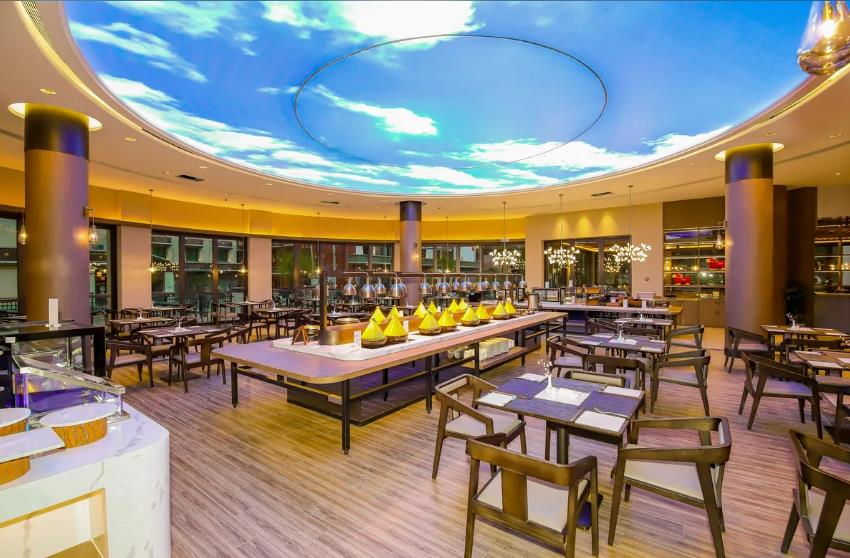
2026 Recommended Restaurant in Hsinchu (Updated February)
489 posts

2026 Recommended Guides in Hsinchu (Updated February)
450 posts
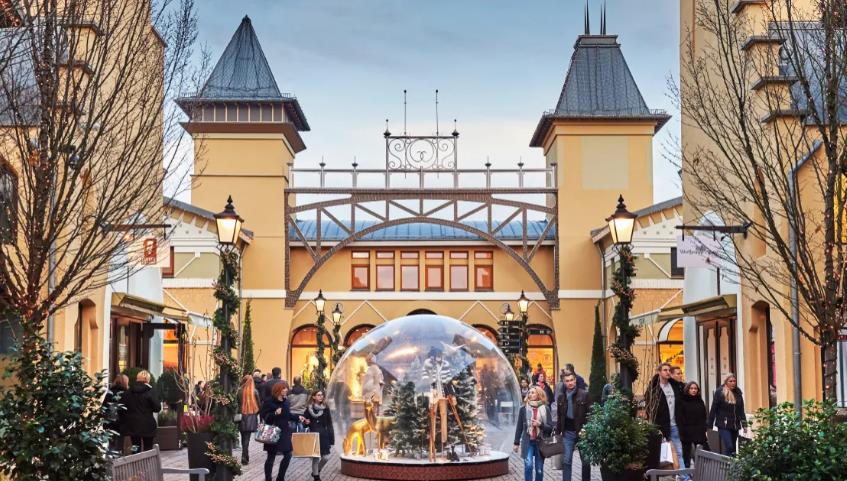
2026 Recommended Attraction in Hsinchu (Updated February)
424 posts

Popular Destinations Near Hsinchu
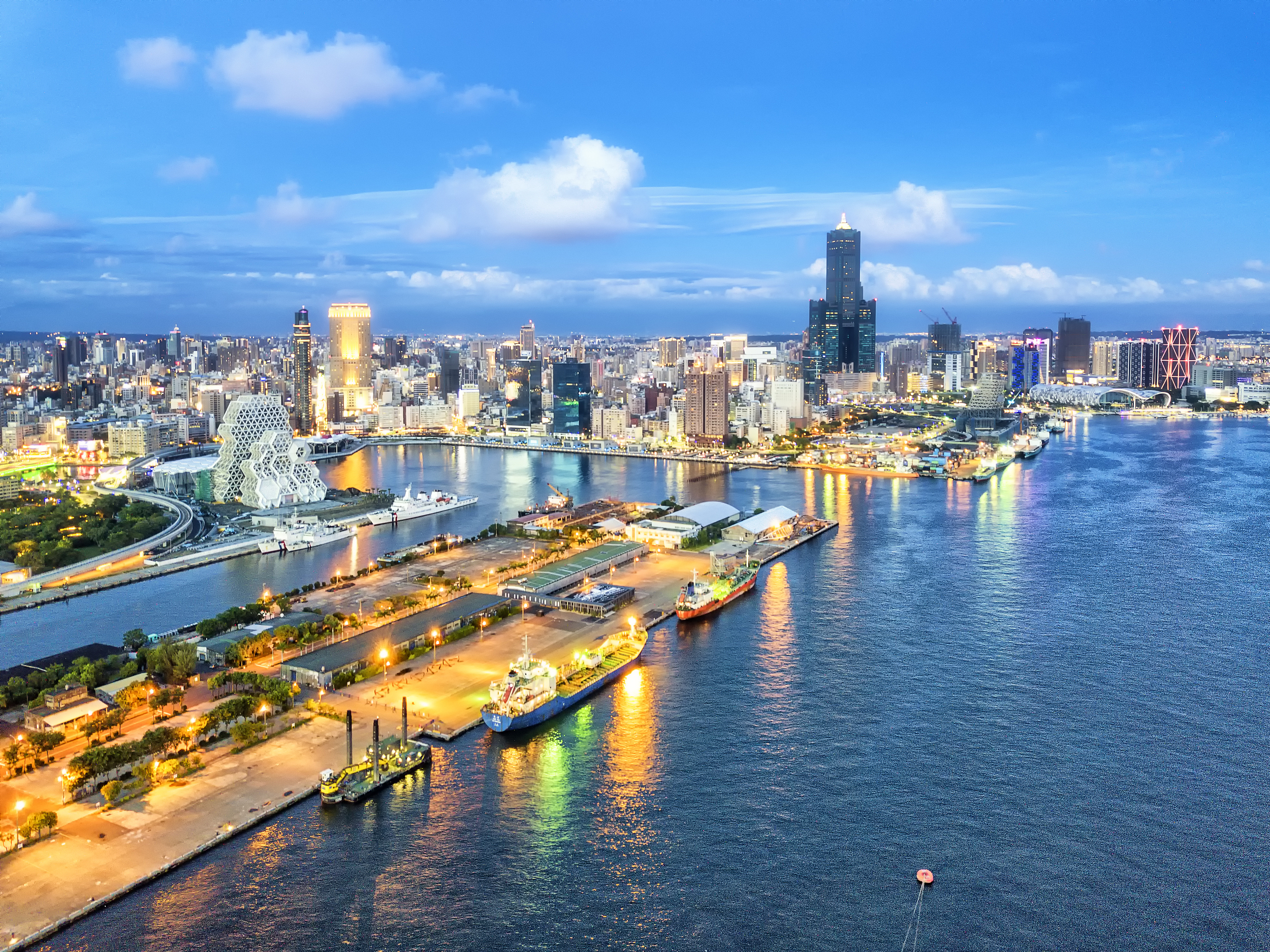
2026 Kaohsiung Travel Guide: must-see attractions, popular food, hotels, transport & travel experiences (updated in February)
3831 posts
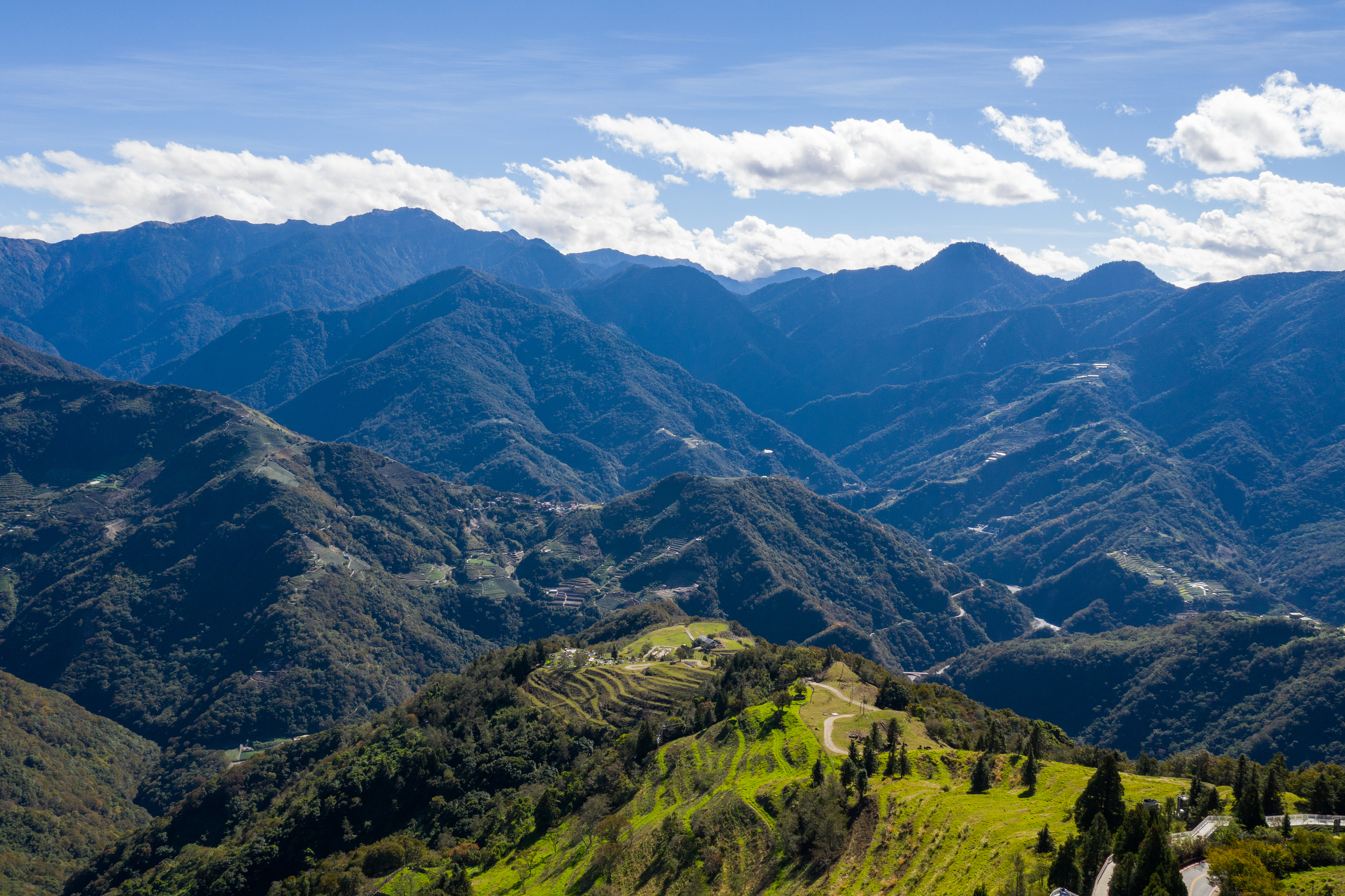
2026 Chiayi County Travel Guide: must-see attractions, popular food, hotels, transport & travel experiences (updated in February)
634 posts
2026 Chiayi City Travel Guide: must-see attractions, popular food, hotels, transport & travel experiences (updated in February)
480 posts
- 1
- 2
- 3
- 4
- 34
Post
More recommendations
Popular Trip Moments
A dreamy forest-themed cafe in Hsinchu | Qingquan, the initial place of Zhang Xueliang's house arrest in Taiwan. | Hsinchu Howard Plaza Hotel|Top Choice for Family-Friendly Accommodation in the City Center | Taiwanese hotels are truly price killers. | 🌾 香山濕地 (Xiangshan Wetlands) — Nature & Sunset Spot | Yearend escaped xiangshan wetlands | Xiangshan Tianhou Temple (香山天后宮) winter escape | 🚉 Xiangshan Train Station (香山車站) yearend escape | Hsinchu in a Day: Architecture, Temples & Street Food | Hsinchu|Right next to the Hsinchu Science Park! Jingxin Lake: A serene escape resembling a Suzhou garden | Hsinchu City God Temple / Chenghuang Temple (城隍廟) | TSMC Museum of Innovation – Year-End Visit | Getting Along with Your Middle-Aged Self | Matai Ancient Trail|A Beginner-Friendly Forest Hiking Path | Hsinchu Beipu Mazubu Forest Green World | Autumn by the Sea🍂 | Autumn Beach Ride🚴♂️ | Taiwan Timewalk🍂 | Hsinchu General's Village, once home to "a hundred stars." | KIYO Ramen with a sweet aftertaste from its soy sauce broth. (Hakata Ramen) | A tranquil lake perfect for strolling and romance | Jinshan Temple in Kaitai, built during the Qianlong era | [Hsinchu] A great place to enjoy plum blossoms 🌸 | Make your own rice noodles! Lao Guo Rice Noodles DIY: This generation of young people are all "showing off their rice noodles" in Hsinchu. | Hsinchu Zoo tickets start from NT$25, a great place for families.
Popular Destinations
Crawford County Travel | Qianxinan Travel | Hay Shire Council Travel | Tournai Travel | Laguardia Travel | Pontevedra Travel | Sindh Travel | Fairfield Travel | Rahway Travel | Bessemer Travel | Minehead Travel | Washtenaw County Travel | Santa Maria Da Feira Travel | Bickleigh Travel | Eastham Travel | Terra de Caldelas Travel | Uruma Travel | Hitachi Travel | Comarca Aviles Travel | Treviso Travel | Zhalantun Travel | Iowa County Travel | Wanurejo Travel | Meriden Travel | Pickens Travel | Aberdeenshire Travel | Coos Bay Travel | Subbetica Travel
Recommended attractions at popular destinations
Popular Attractions in Bangkok | Popular Attractions in Manila | Popular Attractions in Tokyo | Popular Attractions in Taipei | Popular Attractions in Hong Kong | Popular Attractions in Seoul | Popular Attractions in Kuala Lumpur | Popular Attractions in Los Angeles | Popular Attractions in Shanghai | Popular Attractions in New York | Popular Attractions in Shenzhen | Popular Attractions in Osaka | Popular Attractions in Singapore | Popular Attractions in London | Popular Attractions in Guangzhou | Popular Attractions in San Francisco | Popular Attractions in Beijing | Popular Attractions in Macau | Popular Attractions in Bali | Popular Attractions in Jakarta | Popular Attractions in Paris | Popular Attractions in Ho Chi Minh City | Popular Attractions in Istanbul | Popular Attractions in Phuket | Popular Attractions in Chicago | Popular Attractions in Seattle | Popular Attractions in Toronto | Popular Attractions in Orlando | Popular Attractions in Cebu | Popular Attractions in Chiang Mai
Popular Restaurants in Hsinchu
Table Joe Plus | 阿城號米粉 | Go Eat Tapas | 波波麗 | 茉莉絲義思廚房 | 玖樓中餐廳-新竹國賓大飯店 | 燃手串(新竹北門店) | 艾塔甜品 | 春水堂人文茶館(巨城店) | Ercan Coffee | 柳家肉燥飯 | XIN ZHU YI SHAO HE NIU ZHUAN MAI | 史坦利美式牛排 | Laoyezhongshanriben Cuisine | 東門文昌雞飯 | Shako Restaurant | 大和園燒肉屋 | 王品牛排(新竹北大店) | 墨咖啡 | 3+1 Beer Bar | 斑馬騷莎美義餐廳(2) | Friendy Pizzeria | Cafe Grazie | Buono Bella Italian Restaurant | Baan Sushi | 鴨肉許 | Milanjingzhi Teppanyaki | The Park Restaurant and Pub | 阿富魯肉飯 | Fleur Lis-Recipe House
Popular Ranked Lists
Popular Best Things to Do in Chuxiong Prefecture | Popular Best Things to Do in Xuchang | Top 50 Must-Visit Restaurants in Rome | Popular Best Things to Do in Sanjiang | Popular Premium Hotels in Ibaraki Prefecture | Popular Premium Hotels Near East Lansing | Top 50 Must-Visit Restaurants in London | Popular Best Things to Do in Jiamusi | Popular Premium Hotels in Paihia | Top 50 Must-Visit Restaurants in New York | Top 50 Must-Visit Restaurants in Sydney | Top 50 Must-Visit Restaurants in Florence | Popular Premium Hotels in Nui Thanh | Top 10 Local Restaurants in Lushan National Park | Top 20 Best Things to Do in Dandong | Popular Premium Hotels in Costa | Top 10 Best Things to Do in Yichun | Popular Best Things to Do in Wuzhishan | Popular Best Things to Do in Sheyang | Top 10 Best Things to Do in Suqian | Popular Best Things to Do in Cangzhou | Popular Best Things to Do in Gulin | Popular Best Things to Do in Leye | Popular Premium Hotels in Suffolk Park | Popular Best Things to Do in Linhai | Popular Best Things to Do in Ankang | Top 50 Must-Visit Restaurants in Kuala Lumpur | Top 50 Must-Visit Restaurants in Kyoto | Top 50 Must-Visit Restaurants in Dalat | Top 50 Must-Visit Restaurants in Songyang
About
Payment methods
Our partners
Copyright © 2025 Trip.com Travel Singapore Pte. Ltd. All rights reserved
Site Operator: Trip.com Travel Singapore Pte. Ltd.
Site Operator: Trip.com Travel Singapore Pte. Ltd.