2026 Rwanda Travel Guide: must-see attractions, popular food, hotels, transport & travel experiences (updated in March)
Essential Travel Information for Rwanda
Popular Attraction in Rwanda
Kigali Genocide Memorial
(9)Inema Arts Centre
(2)All Trip Moments about Rwanda | Travel Experiences
Unwrap Luxe Magic at Bisate Lodge, Rwanda – The Ultimate Festive Escape 🎁🌋
PROPERTY OF THE WEEK: BISATE LODGE, RWANDA Ready to level up your holiday vibes? Bisate Lodge is *the* spot—you’ll find it perched right on the edge of Volcanoes National Park (Musanze, Rwanda, near Kinigi Road; open year-round). The lodge’s jaw-dropping, nest-inspired architecture in six plush forest villas sits on an ancient volcanic cone, serving up a perfect blend of elegance, Rwandan culture, and eco-chic conservation. Trust us, it screams next-level Insta-worthy! Imagine waking up to volcano views that are 🤩, chilling in private forest villas, and being just minutes away from wild gorilla trekking adventures. Whether you’re here for guided hikes through misty trails, spa bliss under chandeliers, or soaking up authentic local vibes, every single experience hits different. ✅ Why we’re obsessed 😍: * Signature woven design with insane volcano panoramas * Luxe, secluded villas that just *feel* high-end * Gorilla Trekking that’s world-famous. Like bucket list, checked. * Serious commitment to conservation and community—you’ll feel good AND do good * Peaceful setting, epic culture, plus spa days and walks for that Zen AF mood This spot is absolutely perfect for luxury nomads, honeymoon dreamers, and wild-at-heart adventurers. If you're in Rwanda this Christmas, Bisate Lodge is the ultimate treat. Go on, splurge a little! Want to book your stay or get the details? Check out Bisate Lodge on trip.com. #ongeriexpeditions #luxurysafaris #bisatelodge #rwandaluxury noesnationalpark #gorillatrekking #wildernessretreat #travellux #safari #exploreshinal2Besides big cats, I also love photographing primates|Sharing 6 secret spots
🌸Besides big cats, my second favorite subjects are primates; they keep drawing me back again and again to shoot 🌸Here are 6 hidden destinations, suitable for both beginners and seasoned pros~ . 🌟Rwanda · Mountain Gorillas (Photos 1-3) ❤️🔥One of my top 3 favorite African countries! Gorilla permits are expensive, but Rwanda is small enough to explore in three days, with good security. If your budget allows, just go for it. Besides Volcanoes National Park with its precious mountain gorillas, Nyungwe Forest is home to 13 primate species. . 🌟Uganda · The All-Rounder (Photos 4-6) ❤️🔥My perennial favorite in Africa! Spend 2 weeks for an in-depth experience: you can photograph mountain gorillas, chimpanzees, and even spot baby monkeys in the jungle; shoebills, the Big Five of the savannah, rafting, hiking, mountain biking, canyoning, plus coffee plantations and indigenous tribes... so much to do, totally worth a dedicated trip. . 🌟Malaysia Borneo · Orangutan Headquarters (Photos 7-9) ❤️🔥Beginner-friendly: easily encounter orangutans and proboscis monkeys at Kinabatangan River or the Orangutan Center, with macaques always nearby. For veterans seeking a challenge: head to Deramakot Rainforest, plus Bornean gibbons and red leaf monkeys, fully immersive in pristine nature! . 🌟Mangshi, Yunnan · Shan State Leaf Monkey Secret Spot (Photos 10-12) ❤️🔥Ant Forest charity project at Mangxing River Reserve hides wild surprises! The mountain trails are wilder than gorilla tracking, clearing branches and dealing with leeches and wasps daily; teammates who’ve been stung by wasps know the struggle. Shan State leaf monkeys (formerly known as Phayre’s leaf monkeys) are stable but require patience to wait quietly; shooting distance depends entirely on luck~ . 🌟Madagascar · Lemur Wonderland (Photos 13-14) ❤️🔥The whole island is a lemur paradise! Active by day, mysterious by night, it takes two weeks to unlock many species. ⚠️Important: Do NOT feed them❗️Do NOT feed them❗️Do NOT feed them❗️ Their natural foraging and playful behavior is the most captivating state~ . 🌟North Sulawesi, Indonesia · Cute Crew Gathering (Photos 15-18) ❤️🔥A must-visit in Manado! You can see them all in one day. The star is the black-crested macaque, naturally funny, the “National Geographic selfie king”; after dark, look for tarsiers and their adorable yawns that will melt your heart! Two days is better: besides monkeys, birdwatch by day and search for owls at night for a full experience~ . 📷Sony a7m4, Sony a7m2 ⚠️Except for Malaysia, all other locations require walking, so physical fitness is needed and there are age restrictions. 💬Which one do you want to visit? Let’s chat about your gorilla tracking stories~ . Borneoatticushawthorne93Kigali Hills Glow🌄
summerzck1A Serene Lakeside Escape in the Heart of Rwanda
#hellohalloween Kibuye in Western Province is one of Rwanda’s most peaceful and picturesque destinations, resting gracefully on the shores of Lake Kivu. The town’s calm atmosphere and breathtaking lake views make it a perfect retreat for those seeking relaxation and natural beauty. Boat rides to nearby islands offer stunning scenery and a closer look at local life on the water. The sunsets here are unforgettable, painting the sky with golden and pink hues that reflect off the gentle waves. Visitors can enjoy fresh fish from the lake, explore local markets, or simply unwind at one of the cozy lakeside lodges. With its friendly people and tranquil charm, Kibuye captures the quiet side of Rwanda, offering an experience that feels both rejuvenating and deeply connected to nature’s soothing rhythm.Nengkh9Tranquility and Beauty on the Shores of Lake Kivu
#hellohalloween Kibuye in Western Province is a breathtaking lakeside town that perfectly captures the peaceful essence of Rwanda. Nestled among rolling green hills and overlooking the calm waters of Lake Kivu, it is an ideal place to relax and unwind. The scenery is stunning, with small islands scattered across the lake and sunsets that light up the horizon in soft golden colors. Visitors can enjoy boat rides, visit nearby fishing villages, or simply take in the quiet charm from a lakeside café. The friendly locals and gentle pace of life make Kibuye feel warm and welcoming. Whether you seek nature, reflection, or a scenic escape, this town offers a rare mix of beauty and calm that stays with you long after you leave its serene shores.Nengkh9Travel the World Series: Africa Edition Rwanda - Kibuye
Kibuye is the capital town of Kibuye Province in western Rwanda, located on the eastern shore of Lake Kivu, at an altitude of 1,463 meters. Lake Kivu is situated in the Albertine Rift, the western branch of the East African Rift Valley, and serves as a border lake between Rwanda and the Democratic Republic of Congo. Formed by a fault depression, Lake Kivu stretches about 96 kilometers north to south and 48 kilometers east to west, covering an area of 2,700 square kilometers, with a maximum depth of nearly 500 meters. The lake’s waters flow into the Ruzizi River, which then flows south into Lake Tanganyika. The shoreline is winding and rugged, with cliffs alternating with sandy beaches, creating magnificent scenery. Photos 1-10: Taking a boat tour on Lake Kivu, the poetic and picturesque emerald-green lake surface is like a mirror, with fishing boats slowly gliding by, breaking the shimmering waves. The air is filled with the fresh scent of earth and aquatic plants. Photos 11-20: The Kibuye area is famous for Bat Island on the eastern shore of Lake Kivu, home to millions of fruit bats. When these bats fly in large groups at night, they darken the sky and create a unique spectacle over the lake, known as the magnificent "Thousand Islands Lake" scene. We climbed Bat Island, overlooking the entire lake, beside the clear waves, feeling the gentle breeze, watching water birds, and hearing mountain songs, as if in a fairyland. The boatman clapped his hands vigorously, and bats took flight from nearby and distant trees, quickly forming lines and then surfaces, flying in a vast swarm over the mountaintop. Sister Xi and I quickly joined in the clapping and cheering. The bats flew more and more, darkening the sky as they hovered, circled, and danced—a truly magnificent sight. Page 15: Fruit bats are the largest bats, with some species having wingspans up to 2 meters. Also known as flying foxes, they survive by feeding on fruit in orchards. Fruit bats have simple, oval-shaped ears without tragus or antitragus; their eyes are well developed with good vision; their tongues are highly developed, especially in species that feed on pollen and nectar, capable of extending far outside the mouth.moon.leilani.rosalind1A Land of Rolling Hills and Timeless Beauty
#hellohalloween The landscapes of Rwanda, particularly in the Northern Province, are simply breathtaking. Known as the Land of a Thousand Hills, the country unfolds in endless layers of green ridges, misty valleys, and shimmering lakes. Every turn on the road reveals another postcard view, from terraced farms to distant volcanoes rising through soft clouds. The light changes beautifully throughout the day, painting the hills in warm gold or cool blue. Villages nestled among the slopes bring life and color to the scenery, while the calm waters of Lake Kivu add a peaceful touch. Whether you are driving through the countryside or standing still to take it all in, Rwanda’s landscapes have a quiet power that stays with you. It is a country where nature feels balanced, graceful, and profoundly alive.Dinda.Pratiwi"After the Gaokao, These Four Visa-Free and Safe Countries Are Top Choices for Girls' Overseas Travel"
1. Rwanda Known as the "Singapore of Africa," Rwanda boasts excellent public safety and high respect for female travelers. Transport: Kigali International Airport serves the capital, with convenient city taxis and popular motorcycle taxis as local options. Accommodation: Kigali offers many budget-friendly hotels and guesthouses. Food: Don’t miss Rwandan coffee, along with fresh fruits and grilled meats. Attractions: Nyungwe National Park and Volcanoes National Park offer breathtaking encounters with mountain gorillas. 2. Slovenia This safe Eastern European country has an extremely low crime rate, making it stress-free for solo female travelers. Transport: Well-developed public transit includes trains and buses between cities, and car rentals are easy. Accommodation: Ljubljana, the capital, has many hostels and boutique hotels at affordable prices. Food: Try local cheeses, wines, and traditional stews. Attractions: Lake Bled’s island and Postojna Cave are picture-perfect. 3. Japan A top pick for female travelers, Japan is safe and well-equipped. Transport: Efficient subways and Shinkansen (bullet trains) include women-only cars for added comfort. Accommodation: Tokyo and Osaka offer capsule hotels and guesthouses with great value. Food: Sushi, ramen, and takoyaki are must-try delights. Attractions: Kyoto’s historic streets, Tokyo Disneyland, and Hokkaido’s natural scenery are unforgettable. 4. UAE The Middle East’s fashion hub, Dubai and Abu Dhabi blend luxury and adventure. Transport: Metro and taxis are convenient, with Dubai’s driverless metro being a highlight. Accommodation: Options range from five-star hotels to budget stays. Food: Savor Arabic grilled meats, desserts, and global cuisines. Attractions: Burj Khalifa, Burj Al Arab, and Louvre Abu Dhabi are iconic spots. Post-Gaokao, it’s time for a relaxing trip! These four visa-free, ultra-safe destinations await—pack your bags and go!PK. Ron 312Travel Rwa
Travel Rwanda with love nature ride tours and safaris In box +250784075473Love nature ride tours and safaris (Seth)What Does Rwanda Have to Offer?
#travel_TI***liPRIMATES IN RWANDA: TREASURES OF THE LAND OF A THOUSAND HILLS
Rwanda, often called the “Land of a Thousand Hills,” is one of Africa’s premier destinations for primate watching. Despite its small size, the country boasts an incredible diversity of primate species, largely due to its varied habitats, from bamboo forests to montane rainforests. From the iconic mountain gorilla to lesser-known monkeys, Rwanda is a haven for primate lovers and conservationists alike. 1. Mountain Gorillas: Rwanda’s Wildlife Icons The most famous primate residents of Rwanda are the mountain gorillas (Gorilla beringei beringei), found in Volcanoes National Park in the northwestern part of the country. These gentle giants are critically endangered, with only about 1,000 individuals remaining in the wild. Rwanda is one of only three countries in the world—alongside Uganda and the Democratic Republic of Congo—where they can be seen. Gorilla trekking in Volcanoes National Park is a highlight for visitors. The treks can be challenging but offer a life-changing opportunity to observe gorilla families in their natural habitat. The tourism revenue also directly funds conservation efforts and supports local communities. 2. Golden Monkeys: The Forest's Agile Acrobats Also found in Volcanoes National Park are golden monkeys (Cercopithecus kandti), a rare and beautiful species endemic to the Albertine Rift. These primates live in social groups and are easily recognizable by their golden-orange fur. Unlike the elusive gorillas, golden monkeys are more active and can often be seen leaping from branch to branch, offering great opportunities for photography and observation. 3. Chimpanzees: Our Closest Relatives In Nyungwe Forest National Park, Rwanda protects another great ape—the chimpanzee (Pan troglodytes schweinfurthii). Nyungwe is one of Africa’s oldest montane forests and provides a home to over 500 chimpanzees. Guided chimpanzee treks offer a chance to witness these intelligent and social primates in the wild, often engaging in complex behaviors like tool use, grooming, and vocal communication. 4. Other Monkey Species in Rwanda Nyungwe Forest is also home to a variety of monkey species, including: L'Hoest’s monkey (Allochrocebus lhoesti): Known for its white beard and shy demeanor. Grey-cheeked mangabey (Lophocebus albigena): A large, shaggy monkey with loud calls. Owl-faced monkey (Cercopithecus hamlyni): Rare and elusive, this species is difficult to spot but a thrilling find for primate enthusiasts. Colobus monkeys (Colobus guereza): Easily identified by their black and white coats, they often move in large troops. Nyungwe hosts one of the largest known troops of Angola colobus monkeys, with groups sometimes numbering over 300 individuals. 5. Conservation Efforts and Ecotourism Rwanda is a leader in conservation-based tourism, balancing the protection of its primate populations with community development. Organizations like the Rwanda Development Board (RDB) and conservation NGOs have helped establish responsible tourism mod_TI***liSunset
SunsetCastawaysHIKING THE CONGO NILE TRAIL: RWANDA’S SCENIC SOUL
#travel_TI***liRwanda’s Sustainable Tourism Boom: A Model for Eco-Conscious Development
Rwanda has emerged as a global leader in sustainable tourism, transforming its natural and cultural heritage into a cornerstone of economic growth, environmental conservation, and community empowerment. From the misty slopes of the Virunga Mountains to the bustling streets of Kigali, the country’s eco-tourism initiatives offer a compelling blueprint for responsible travel. Conservation as a Cornerstone At the heart of Rwanda’s tourism success is its commitment to conservation. The country has designated nearly 40% of its land for conservation, encompassing four national parks, protected wetlands, and forest reserves. This includes iconic destinations like Volcanoes, Nyungwe, and Akagera National Parks. A flagship example is the resurgence of the mountain gorilla population. Once on the brink of extinction in the 1980s, their numbers have more than doubled to over 600 today, thanks to strict trekking regulations, habitat protection, and community-led conservation efforts. The annual Kwita Izina gorilla naming ceremony has become a symbol of this conservation success. Community-Centered Tourism Rwanda’s model ensures that tourism directly benefits local communities. Through a national Revenue Sharing Program, a portion of park tourism revenue funds education, healthcare, and infrastructure projects in surrounding communities. In Nyungwe National Park, sustainable tourism initiatives have doubled visitor numbers over five years, created 25,000 days of paid local employment, and boosted rural incomes by over 800%. Urban Sustainability and Innovation Rwanda’s sustainability efforts extend beyond its natural parks. Kigali, the capital, is renowned for its cleanliness and green urban planning. The city enforces a ban on non-biodegradable plastic bags, promotes green spaces, and invests in eco-friendly infrastructure. The Nyandungu Urban Wetland Eco-Tourism Park exemplifies this urban sustainability. Spanning 120 hectares, the park features restored wetlands, medicinal gardens, and educational facilities, offering both ecological preservation and recreational opportunities for residents and visitors. Global Recognition and Future Outlook Rwanda’s dedication to sustainable tourism has garnered international acclaim. The country is frequently cited as a model for eco-tourism, balancing environmental conservation with economic development. Looking ahead, Rwanda continues to invest in sustainable tourism infrastructure and community engagement, ensuring that its natural and cultural treasures are preserved for future generations while providing meaningful experiences for travelers. Rwanda’s journey from recovery to a beacon of sustainable tourism underscores the potential of eco-conscious development. By intertwining conservation, community empowerment, and innovative policies, Rwanda offers valuable lessons for nations worldwide seeking to harness tourism as a force for good. #travel_TI***liTop Safari Lodges in Rwanda: Where to Stay for Gorilla Trekking and Wildlife Adventures
#travel_TI***liTHE BEST TIME TO VISIT RWANDA
#travel_TI***liRWANDA’S HISTORICAL SITES
#travel_TI***liRWANDA’S WILDLIFE
#travel_TI***liRWANDA’S CULTURE
#travel_TI***liKIGALI INTERNATIONAL AIRPORT
#travel_TI***liGORILLA TREKKING IN RWANDA
#travel_TI***liEXPLORING RWANDA'S NATIONAL PARKS
#travel_TI***liPRIMATE TREKKING IN RWANDA
#travel_TI***liBeautiful Rwanda
Enjoyed a very lovely flight to Kigali from Entebbe. The view from above is just magnificent. Rwanda is indeed endowed with so much beauty, both in scenery and people. So glad I visited after a while. #travel #RwandaNziza #IkazeIwacu #visitrwandaIbrahim WasswaRwanda is breathtaking beautiful
#familytrip I had the time of my life is Rwanda 😁😁😁😁_TI***lzWelcome to the land of thousand hills Rwanda with 3Dreams Rwanda Safaris
Is Rwanda your next destination, if yes kindly contact 3Dreams Rwanda Safaris via email 3dreamsrwandasafarisltd@gmail.com Whatsapp: +250786735976 We offer - Wildlife Safaris - Primate tracking - Coffee /Tea plantation tours #travel #tour #visit Rwanda3Dreams Rwanda Safaris💋
#fallingseason Rwanda gisenyi💦Pascooo1The Rwanda
The Rwanda village nestled amid abundant banana plants is a living testament to the country's agricultural richness and cultural heritage. This vibrant tapestry showcases the symbiotic relationship between the people and their environment. Banana plants, with their verdant leaves and bountiful fruit, offer shade and sustenance to the villagers. The lush greenery forms a natural backdrop against which the village thrives, a testament to sustainable living in harmony with nature. The heartbeat of this village is intertwined with the rhythm of the banana plants - from nurturing the saplings to harvesting the fruit. The banana, a staple in Rwandan cuisine, embodies not only sustenance but also a cultural connection, featured prominently in traditional dishes. Amidst this foliage, village life buzzes with activity. It's a place where the community gathers, laughter fills the air, and traditions are passed down through generations. The simplicity and authenticity of rural Rwandan life blend seamlessly with the lush landscape, painting a picture of harmony and vitality. Exploring the village, one can witness the skillful craftsmanship woven into every aspect of life - from weaving baskets to constructing homes using materials sourced from the land. The banana plant, a versatile resource, finds purpose in various facets of daily life, illustrating the ingenuity of the villagers. In summary, the Rwanda village cocooned within a sea of banana plants is a captivating narrative of sustainable living, cultural identity, and the beauty of simplicity. It invites visitors to embrace the harmony of humans and nature, offering a glimpse into the soul of Rwanda's rural life.#banana #visitrwandaFrancis2

Popular Travel Topics in Rwanda
2026 Recommended Guides in Rwanda (Updated March)
85 posts
2026 Recommended Attraction in Rwanda (Updated March)
79 posts
2026 Recommended Hotels in Rwanda (Updated March)
48 posts

Popular Destinations Near Rwanda

2026 Bangkok Travel Guide: must-see attractions, popular food, hotels, transport & travel experiences (updated in March)
65460 posts

2026 Tokyo Travel Guide: must-see attractions, popular food, hotels, transport & travel experiences (updated in March)
32677 posts
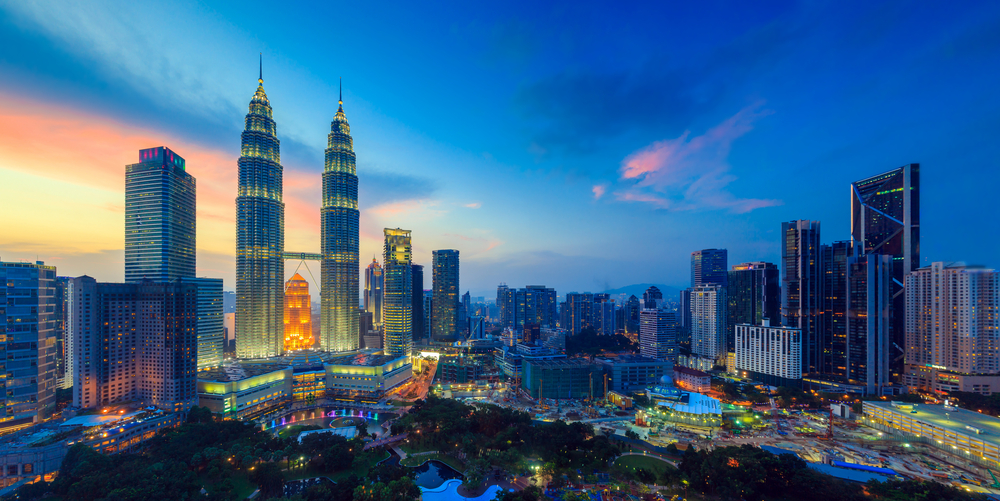
2026 Kuala Lumpur Travel Guide: must-see attractions, popular food, hotels, transport & travel experiences (updated in March)
24206 posts
- 1
- 2
Post
More recommendations
Popular Trip Moments
Mini Holiday Special: Multi-Country 26-Day Tour Including Uganda | 33-Day Multi-Country Tour Including Uganda | Winter must-go multi-country tour guide including Uganda is here | Gorilla treaking in Rwanda | Ethiopian and Chinese food in Kigali | Kigali at its best | Hidden gem in Rwanda | Kigali 6 Days Travel Guide | 📍Kigali Convention Centre | The world's most beautiful JW Marriott hotel with a magical academy vibe! | Rwanda is a paradise on earth! | Uganda and Multiple Countries 26-Day Travel Guide, Take It Without Thanks | Besides big cats, I also love photographing primates|Sharing 6 secret spots | Kigali Nights 🌃 | A Quarter Million Stories: The Sacred Ground of Kigali | The Kigali Vibe: Hills, Haze, and Happiness! | Beautiful Kigali City views from Hotel | Kibuye Lake Escape🌊 with us | Lake Kivu sunset🌅
Popular Destinations
La Coruna Travel | Santander Travel | Hackney Travel | Chatham Travel | Gifu City Travel | Hitoyoshi Travel | East Point Travel | Burqin Travel | Ringland Travel | Kamphaeng Phet Province Travel | Barking and Dagenham Travel | Myrtle Beach Travel | XITANG HISTORIC TOWN OF CHINA Travel | Usa Travel | Wembury Travel | New Milford Travel | West Rand Travel | Jinsha Travel | Ifugao Travel | Dubrovnik Travel | Quarry Township Travel | Pirna Travel | Weesp Travel | Guantanamo Travel | Jabiru Travel | Brondby Travel | Podgorica Travel | Southampton Travel | Sequim Travel
Recommended attractions at popular destinations
Popular Attractions in Bangkok | Popular Attractions in Manila | Popular Attractions in Tokyo | Popular Attractions in Taipei | Popular Attractions in Hong Kong | Popular Attractions in Seoul | Popular Attractions in Kuala Lumpur | Popular Attractions in Los Angeles | Popular Attractions in Shanghai | Popular Attractions in New York | Popular Attractions in Shenzhen | Popular Attractions in Osaka | Popular Attractions in Singapore | Popular Attractions in London | Popular Attractions in Guangzhou | Popular Attractions in San Francisco | Popular Attractions in Beijing | Popular Attractions in Macau | Popular Attractions in Bali | Popular Attractions in Jakarta | Popular Attractions in Paris | Popular Attractions in Ho Chi Minh City | Popular Attractions in Istanbul | Popular Attractions in Phuket | Popular Attractions in Chicago | Popular Attractions in Seattle | Popular Attractions in Toronto | Popular Attractions in Orlando | Popular Attractions in Cebu | Popular Attractions in Chiang Mai
Popular Restaurants in Rwanda
Bourbon Coffee Ltd -Rwanda | Mr. Chips | Bamboo Rooftop Restaurant | Cucina Restaurant | Five to Five | Repub Lounge | Chapati | Inka Steakhouse | Turambe Shoppe | Java House Kigali Heights | New Cactus | Cocobean | Anna Grotte | Sakae Japanese Restaurant | KISEKI Authentic Japanese Restaurant | Pili-Pili | Question Coffee Bar | Twistiblendz Smoothies | Nyanja Night Club | Shere Sardar Indian Restaurant | Chez Lando | Asian Kitchen | Iriba Bar and Terrace | 4 Blooms | Gilt club | Restaurant Hellenique | Select Hotel, Restaurant, Wine Lounge | Cafe Olympiade | Sarabi Pool Bar and Grill | Havana Club
Popular Ranked Lists
Popular Premium Hotels in East Riding of Yorkshire | Popular Best Things to Do in Jurong | Top 50 Must-Visit Restaurants in Jinan | Popular Luxury Hotels Near Kendal | Top 10 Luxury Hotels near Stara Zagora | Popular Best Things to Do in Changji Prefecture | Popular Best Things to Do in Panzhihua | Popular Best Things to Do in Loudi | Top 50 Must-Visit Restaurants in Santorini | Top 10 Luxury Hotels near Kalamboli Tarf Waredi | Popular Luxury Hotels in Ramatuelle | Popular Best Things to Do in Huanggang | Top 50 Must-Visit Restaurants in Paris | Top 50 Must-Visit Restaurants in Urumqi | Popular Best Things to Do in Fuzhou | Popular Best Things to Do in Renhua | Popular Best Things to Do in Daxin | Top 50 Must-Visit Restaurants in Songyang | Top 10 Luxury Hotels near York Regional Municipality | Popular Premium Hotels in Plymouth | Top 50 Must-Visit Restaurants in Yantai | Popular Best Things to Do in Ji'an | Top 50 Must-Visit Restaurants in Barcelona | Popular Best Things to Do in Jishou | Top 50 Luxury Hotels near Mades | Top 50 Must-Visit Restaurants in Leshan | Popular Luxury Hotels Near Newton | Top 20 Best Things to Do in Aksu Prefecture | Top 10 Luxury Hotels near Boljoon | Popular Luxury Hotels Near Catia La Mar
About
Payment methods
Our partners
Copyright © 2025 Trip.com Travel Singapore Pte. Ltd. All rights reserved
Site Operator: Trip.com Travel Singapore Pte. Ltd.
Site Operator: Trip.com Travel Singapore Pte. Ltd.