Yichuan

Things to do in Yichuan

Search attractions or local attractions & tours
Search

Explore top experiences

Top 10 attractions in Yichuan

View all Attractions
Hukou Waterfall tourist area of the Yellow River
No. 8 of Best Things to Do in Shaanxi

Hukou Waterfall tourist area of the Yellow River

8.3
4.6/5
18.1k reviews
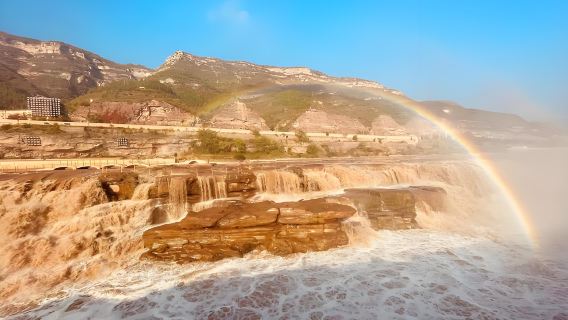
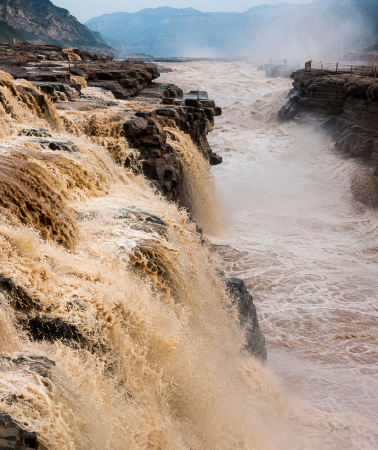
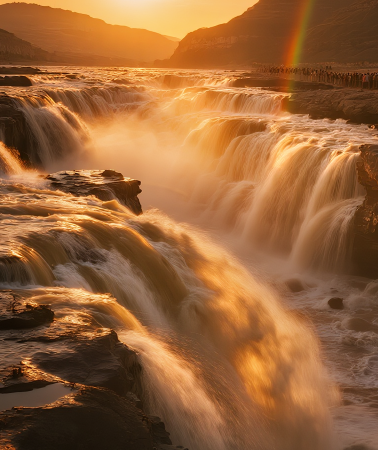
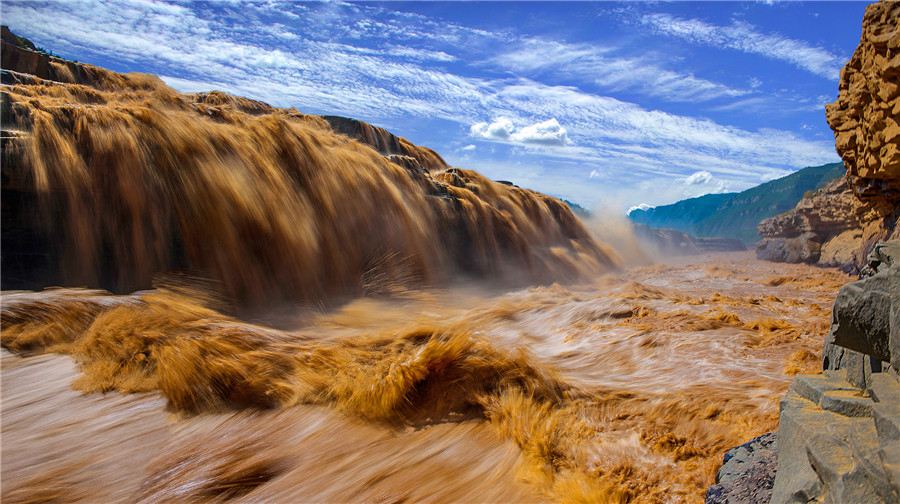
The Hukou Waterfall tourist area of the Yellow River is located on the riverbed of the Yellow River in the Qin-Jin Grand Canyon, where the provinces of Shanxi and Shaanxi face each other across the river. The main stream of the Yellow River, originally hundreds of m wide, suddenly narrows to dozens of m and plunges into a deep trough with a drop of 20–30 m, resembling water being poured from a giant pot—hence the name "Hukou" (Pot Mouth). Due to the large amount of sediment carried by the river, the waterfall presents a rare golden-yellow view: the turbid waves roar down with a sound like distant thunder rolling through the valley, while the rising mist lingers before the cliff, earning the nickname "smoke rising from the water." On sunny days, sunlight casts a rainbow over the waterfall, known as "a rainbow playing in the water." The mist may drench visitors even without wind or rain, creating the wonder called "rainfall under a clear sky." Hukou waterfall is regarded as the symbol of the "soul of the Yellow River" and the spirit of the Chinese nation. In 1938, when poet Guang Weiran crossed the Yellow River, he witnessed the roaring waves of Hukou and the boatmen's chants, which inspired him to create the now-legendary Yellow River Cantata. Liang Heng's essay of the same name was selected for middle school Chinese textbooks, and the back of the fourth series CNY 50 banknote also features this scene. Many first learned about it through textbooks and currency before visiting in person. In the past, cargo ships had to leave the water and bypass the waterfall here, leaving behind the maritime memory of "sailing on dry land." The scenery here varies with the seasons: In early spring, the upstream ice melts and the water level rises sharply, coinciding with the blooming of mountain peach blossoms on both banks, known as the "March peach blossom flood." In midsummer, the rainy season brings abundant water, with muddy waves towering into the sky. After fall begins, the rainy season subsides, and the water becomes high and steady. As the fall breeze sweeps by, rainbows often appear, earning the name "Hukou autumn breeze." In deep winter, layers of ice form along the banks, and overflow freezes into inverted ice peaks, glistening under the sunlight, creating the spectacular "upside-down ice peaks." The viewing platform on the Shaanxi side stretches along the cliff top on the western bank, offering a commanding view of the "thousand-mile Yellow River funneled into one pot" and the ten-mile-long Dragon Trough below the waterfall. During high-water seasons, the mist is heavy, and clothes get soaked quickly, so remember to protect your camera and phone; the boardwalk is slippery, so watch your step while walking and taking photos.Yichuan · 26.6km from downtown
Hukou Waterfall National Geopark
No. 2 of Fall Viewing Attractions in Yan'an

Hukou Waterfall National Geopark

5.8
4.8/5
32 reviews
Hukou Waterfall National Geopark is located on the banks of the Yellow River, facing Ji County, Shanxi, across the river. The main stream of the Yellow River rushes here, suddenly narrowing from a riverbed hundreds of meters wide into a stone trough 40–50 m wide, before plunging from a cliff over 20 m high, resembling water being poured into a giant kettle—this is exactly what the saying "the thousand-mile Yellow River is gathered into one kettle" refers to. The geological highlights are hidden at the foot of the waterfall: the Ten-Mile Dragon Trough carved deep by the rapids winds downstream, and the waterfall itself is still slowly retreating upstream. It is one of the few mobile, latent large waterfalls in the world, and this long-term struggle between river water and rock is the unique foundation of its status as a geopark. The Eight Scenes of Hukou within the park each have their own unique appearance: during the summer and fall flood seasons, the water volume is abundant, and the rising mist creates the smoke rising from the water bottom scene; on sunny days, rainbows often span across the waterfall, creating the rainbow playing with water scene. In the dry winter season, the cliffs are covered with icicles, turning it into a silver-white world of inverted ice peaks. This place is also the inspiration for the Yellow River Cantata—in 1938, the poet Guang Weiran was deeply moved while crossing the river and watching the waterfall near Hukou, and the long poem he subsequently wrote was set to music by Xian Xinghai and has been sung ever since. Today, the park still uses the waterfall as a natural backdrop and regularly hosts a landscape performance of the same name, presenting chapters such as trackers, Hukou war drums, and Defend the Yellow River to the audience standing amidst the sound of the waves. The pattern on the back of the 50-yuan banknote of the fourth series of RMB is taken from Hukou Waterfall National Geopark. The viewing platform on the Shaanxi side offers an expansive view, suitable for taking panoramic photos; the scenic area on the opposite Shanxi side is closer to the main current, and both sides offer different perspectives of the same waterfall.Yichuan · 26.7km from downtown
The Hukou Waterfall Scenic Area
No. 4 of Best Things to Do in Shanxi

The Hukou Waterfall Scenic Area

8.5
4.7/5
22.7k reviews
The Hukou Waterfall Scenic Area is located in the Jin-Shaan Grand Canyon in the middle reaches of the Yellow River and is the Shanxi-side section for viewing Hukou Waterfall. As the Yellow River rushes here, its surface suddenly narrows from several hundred meters wide to just a few dozen meters. The water, laden with silt, churns and pours down like water being poured into a giant kettle, which is how the name "Hukou" (Kettle Mouth) came to be. This is a rare yellow waterfall on the Yellow River, with muddy waves surging skyward and a roar like thunder, displaying magnificent momentum. The attraction is located on the east side of the waterfall, where the bank is relatively low, allowing visitors to look up and take in the full panorama of the Yellow River plunging downward. Below the waterfall, mist rises and fills the air, appearing like smoke or clouds from afar and creating the wondrous sight known as "smoke rising from the water"; on clear days, sunlight refracts through the mist to form a rainbow arching across the river, called "rainbow reaching the heavens." Within the attraction, Dragon Cave is a natural stone cave; following the stone steps down leads to a viewing platform close to the waterfall, where you can look up as the river pours down from above—an ideal spot to feel the force of the waterfall up close. Downstream from the waterfall, the Ten-Mile Dragon Trough is a deep channel formed by the river's long-term erosion of the riverbed; in the dry season, the trough floor is wide and flat, and ancients once used this terrain to haul boats along the bank, leaving behind the unique scene known as "sailing on dry land." Further downstream is Mengmen Mountain, where two huge rocks in the river split the Yellow River in two before the streams merge again; carved on the rock face are the four characters "Wo Zhen Kuang Liu" (Resting Here, Quelling the Raging Flow). The view of Hukou Waterfall is distinctive in each of the four seasons. Every year between April and May, peach blossoms bloom and the ice melts, coinciding with the "March peach blossom flood," when the abundant water volume makes the waterfall particularly spectacular. From September to November, the air is crisp in fall, and rainbows often appear in the mist, a phenomenon known as the "Hukou fall wind." Water volume is greater in spring and fall, and the sound of the water striking the rocks is like thunder, making these the best periods to admire the waterfall. The image of Hukou Waterfall once appeared on the CNY 50 banknote of the fourth series of the renminbi, making it a widely recognized classic symbol of Yellow River culture.Ji County · 27.1km from Yichuan
Shaanxi Gudukou Town Scenic Area

Shaanxi Gudukou Town Scenic Area

3.6
5.0/5
9 reviews
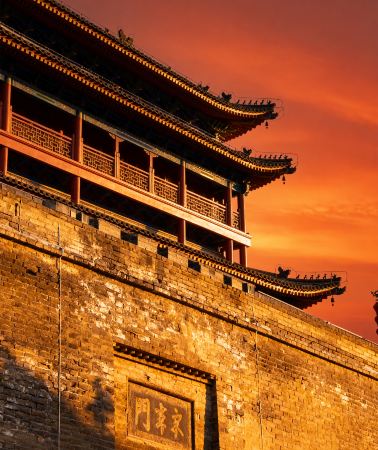
The Shaanxi Ancient Ferry Town Scenic Area is located in the southern part of a section of the core scenic area of ​​Hukou Waterfall on the Yellow River in Shaanxi Province. Built on the site of the ancient market town of Gezhentan, it features a terraced layout of traditional Shaanxi cave dwellings, preserving the original village fabric and layout to the greatest extent possible, and recreating the once bustling market town of the Yellow River ferry. The Shaanxi Ancient Ferry Town Scenic Area enjoys a superior geographical location, approximately 5 kilometers north of Hukou Waterfall. To the north lies Mengmen Mountain, to the west is the G309 National Highway, to the east is the Yellow River, and to the south is the Yellow River Hotel. The layout is designed with two entrances for reception and service (north and south), a central village for leisure and vacation, and an eastern riverside sightseeing area. The overall space is divided into a reception and service area, a themed inn area, and a riverside experience area, providing tourists with local specialty dining, boutique guesthouses, unique souvenirs, and folk experience services. It is an important part of the Hukou Waterfall Scenic Area, effectively diverting peak tourist traffic and further enriching and deepening the cultural significance of the Hukou Waterfall's main landscape. In early summer, the scenic area is lush with flowers and trees. Standing at the "Ancient Ferry Pavilion", you can enjoy the scenery of the Yellow River, the original appearance of the Qin-Jin Grand Canyon, the wonder of the Ten-Mile Dragon Gorge, the ancient ferry site, the Mengmen Strange Stones in the close view, and the distant view of Nüjiao waiting for her husband. You can truly feel the love of Nüjiao, the wife of Yu the Great, who leaned on the ferry and longed for her husband's return.Yichuan · 27km from downtown
Mengmen Mountain

Mengmen Mountain

3.5
4.5/5
43 reviews
In the riverbed at the bottom of the Yellow River valley, there are two spindle-shaped boulders, standing tall in the mighty current, forming two river islands. They are the Mengmen Mountain, which was called "the stepping stone of the nine rivers" in ancient times, also called Mengmen Island. Mengmen Mountain is not only charming, with the beauty of "Mengmen Night Moon", but also has important scientific value in studying the development history of the Yellow River. It is said that the two islands were originally a mountain, which blocked the river and caused floods. When Dayu was controlling the flood, he split the mountain into two to guide the water to flow freely. The two islands look like boats from a distance, like mountains from a close distance, and like gates from a distance. The Great Mengmen Island is about 300 meters long and about 10 meters above the water. On the cliff to the south, there are four characters "Lying to suppress the raging flow" inscribed during the Yongzheng period of the Qing Dynasty. The Small Mengmen Island is more than 10 meters upstream of the Great Mengmen Island and is only 50 to 60 meters long. Mengmen faces the surging water of the Yellow River and never submerges all year round. Its majestic appearance, Longmen and Hukou form the three wonders of the Yellow River, and it is famous for its unique style. There is a beautiful sentence in ancient poetry: "Fog and rain confuse Hukou in all seasons, and waves on both sides shake Mengmen".Yichuan · 26.8km from downtown
Emperor Qinshihuang's Mausoleum Site Museum
2026 Global 100 - Best Things to Do

Emperor Qinshihuang's Mausoleum Site Museum

10
4.7/5
150.1k reviews
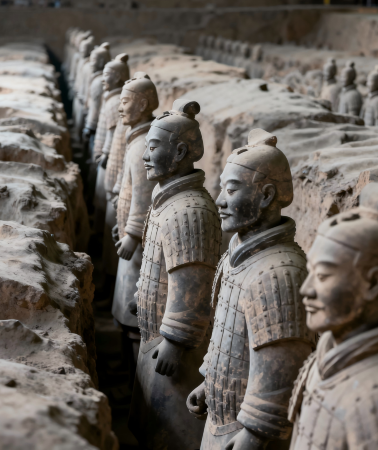
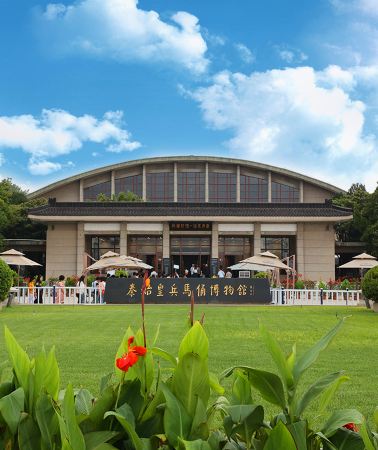
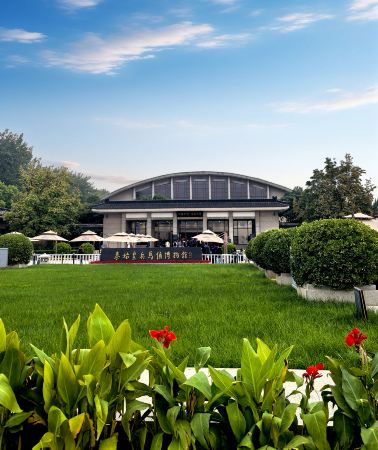
The Qin Shihuang Mausoleum Museum (Terracotta Army) is a large-scale archaeological site museum built on the site of the burial pits of the Qin Terracotta Army, located about 1.5 kilometers east of the Qin Shihuang Mausoleum mound. In March 1974, farmers in Xiyang Village accidentally unearthed fragments of terracotta warriors while digging a well, and archaeological exploration confirmed Pit No. 1. In 1976, Pit No. 2 and Pit No. 3 were successively discovered north of Pit No. 1, bringing this army that had been sleeping for more than two thousand years back to the light of day. The discovery of the Qin Terracotta Army is hailed as "one of the great archaeological discoveries of the 20th century." Pit No. 1 is the main military formation among the three pits, stretching over 200 meters from east to west, and is estimated to contain approximately 6,000 terracotta warriors and horses. Looking down from the edge of the pit, armored warriors, chariots, and terracotta horses are arrayed in actual battle formation facing east. A closer look reveals that each figure is unique in its facial features, hairstyle, beard, and even hand gestures. The terracotta figures were originally painted, but much of the paint has peeled off and discolored due to fire and prolonged burial. Pit No. 2 is L-shaped, with crossbowmen, cavalry, and chariot soldiers arranged in a mixed formation. The vividly depicted kneeling archer was unearthed here. Pit No. 3 is smaller in size; the unearthed ceremonial guards and chariots have led scholars to believe it served as the command post for the armies in Pit Nos. 1 and No. 2, an ancient term for a "military headquarters." The pits also yielded bronze swords, spears, lances, crossbows, and numerous arrowheads, many of which remain sharp even after more than two thousand years, demonstrating the exquisite metallurgical craftsmanship of the Qin Dynasty. The Terracotta Army and the Mausoleum of the First Qin Emperor at the foot of Mount Li were originally one entity. After ascending the throne at the age of thirteen, the First Qin Emperor began constructing the mausoleum, conscripting hundreds of thousands of laborers and continuing the construction for more than thirty years. The Terracotta Army, which used terracotta warriors to replace human sacrifices, was the underground guard that protected this imperial mausoleum. To avoid crowds during your visit, consider starting with Pit 3 and Pit 2, and then leisurely experiencing the awe-inspiring sights of Pit 1 at the end. After viewing the terracotta pits, you can take the attraction shuttle bus to Lishan Garden, where the Mausoleum of the First Qin Emperor is located. The Acrobatics Terracotta Pit, the Civil Official Terracotta Pit, and the Bronze Chariot and Horse Museum are all located within the park. The two painted bronze chariots and horses, cast at half the scale of the real chariots, are exquisitely crafted and adorned with dazzling gold and silver ornaments, making them well worth a special trip to see.China · Xi'an
Shaanxi History Museum
2026 Asia 100 - Family-friendly Attractions

Shaanxi History Museum

9.5
4.8/5
35.2k reviews
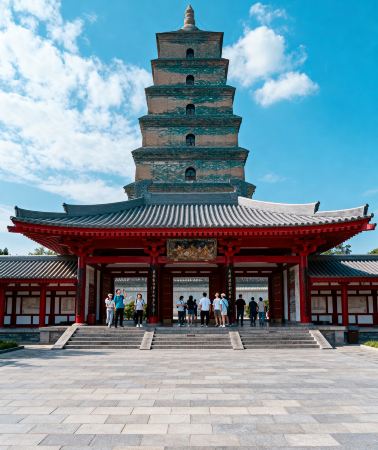
Shaanxi History Museum is a large modern museum built after China's reform and opening up and officially opened in 1991. The building was designed by architect Zhang Jinqiu and adopts a Tang-style architectural layout of "central hall and four corner towers," with a symmetrical central axis and a clear hierarchy of primary and secondary structures; in 2016 it was included in the first batch of the "Chinese Architectural Heritage of the 20th Century" list. Shaanxi was once the political center of dynasties such as the Zhou, Qin, Han, and Tang, and the museum's collection spans a million years of history, covering categories such as Shang and Zhou bronzes, pottery figurines of successive dynasties, Han and Tang gold and silver wares, and Tang tomb murals, with a total of over one million items. The permanent exhibition "Ancient Civilization of Shaanxi" follows a chronological main line and presents the historical process from prehistoric Lantian Man to the eve of the Opium War across three galleries, with the Zhou, Qin, Han, and Tang periods as the focus. The east and west sides of the central hall each host a thematic exhibition: on the west side, "Treasures of the Great Tang: Hejiacun Hoard Unearthed Artifacts Exhibition" concentrates on fine gold and silver wares of the High Tang, while on the east side, the "Tang Dynasty Mural Treasures Gallery" displays authentic murals removed from Tang tombs, with subjects covering figures, architecture, ceremonial guards, and more, making it a uniquely distinctive category of the museum's collection. Among the many artifacts in the museum, several are particularly notable. The agate cup with gold-inlaid beast head, from the Hejiacun hoard, is carved from a single piece of banded agate into the form of a curved-horn beast head, resembling Central Asian rhyton cups, and is one of the first batch of cultural relics prohibited from being exhibited abroad. The tri-color glazed camel carrying musicians figurine vividly recreates the lively scene of musicians playing and singers performing on a camel's back, with bright glaze colors and figures with distinct expressions. The Empress's Seal is made of Western Han Hetian mutton-fat jade and carved with a chi-tiger knob, and is the only known actual jade seal of a Han dynasty empress discovered to date. In addition, the gilt silver flask with a dancing horse holding a cup design, the celadon ewer with an overhead handle and bottom-filling design, and the black-glazed oil-spot bowl each have their own distinctive features. The gold and silver wares unearthed from the Hejiacun hoard are concentrated in the thematic gallery and are a highlight of any visit; visitors are advised to allow time to examine them closely.China · Xi'an

Traveller favourites curated for you

More things to do

Private Tours in Yichuan

View More Private Tours in Yichuan
Yichuan Today's weatherClear 4-15℃
Yichuan weather for the next 2 days11/5: -1-16℃, 11/6: 0-16℃

Free things to do in Yichuan

What travellers say about Yichuan

user-avatar
M33***7731 October 2026
5.0
📍 Shanxi Side (Ji County, Linfen City) – For a breathtaking and immersive experience. Terrain: Low-lying, the viewing platform is almost touching the water's surface, allowing for a level or even upward view of the waterfall, providing a close-up perspective. Best time: Go in the morning; you can see a rainbow when the sun is out. 🌈 Key attractions: A powerful sense of awe and the spray of water. Special experience: Dragon Cave (approximately 20 RMB/person, children over 1.2m pay the same price as adults). Descend to the bottom of the waterfall and look up to experience the ultimate awe-inspiring feeling of "the Yellow River flowing from the sky." 📍 Shaanxi side (Yichuan County, Yan'an City) – For panoramic views and grandeur Terrain: Located diagonally above the waterfall, the high elevation offers an extremely wide view, perfect for taking stunning landscape photos. Best time: Go at noon; you can see a rainbow when the sun is out. 🌈 Note: You may get splashed by the spray on this side. Key attractions: Overlooking the entire Yellow River, witnessing the spectacular sight of the river suddenly narrowing from its wide surface and plunging into the ten-mile-long Dragon Gorge, creating a grand composition.

Hukou Waterfall tourist area of the Yellow River

user-avatar
M82***7721 January 2026
5.0
The Yellow River, the cradle of Chinese agricultural culture, is a place every Chinese person should visit. Although it carries a large amount of silt and is mostly muddy, it is still magnificent. On the surging waters of the Yellow River, rainbows can be faintly seen…

Hukou Waterfall National Geopark

user-avatar
M55***0030 October 2026
5.0
The two routes now connect via the Yellow River Bridge. There's a transportation station in Shanxi after crossing the bridge; it's not far. I recommend bringing a raincoat, as you can see it from both sides. Although the core area is small, I still highly recommend it.

The Hukou Waterfall Scenic Area

user-avatar
芳芳33022 June 2020
4.0
If you are going to Hukou Waterfall from Yan'an by charter or self-driving, it is recommended to stop here. This is a free attraction, but it is quite interesting for people living in big cities. You can see the cave dwellings where the educated youth lived. It is really warm in winter and cool in summer. There is a sign on the wall saying "Yan'an Spirit Shines Forever". You can also see the green trucks that transported the educated youth. It is quite fun to take pictures inside.

Beijing Educated Youth Former Residence

user-avatar
M53***9518 April 2025
5.0
The scenery is pleasant, the water is fast and the water is large, the momentum is magnificent, and it is really spectacular! Helicopter low-altitude viewing, the curved screen 3D cinema, and the Gudukou Town B&B are worth experiencing!

Shaanxi Hukou Waterfall 50 RMB Viewpoint

user-avatar
_We***5621 June 2020
5.0
Walking on the stone steps of the ancient ferry town, listening to the sound of the Yellow River, the lights seem to travel through time and space, making people feel like they have returned to the past. The ferry inn is a pleasant surprise. The impression of ordinary inns and homestays is always hard to describe. I chose the ferry inn because the online rating is quite high and the price is suitable. It costs more than 1,000 yuan to stay in a pit room in Pingyao for one night, and the cheapest one costs 700 or 800☺. So I booked a big pit room without hesitation. 😃😃😃. Very satisfied: the hygiene is the cleanest homestay I have ever stayed in, the pit is the most comfortable, and the room design and layout is the best👍👍👍. Of course, the feeling of tranquility, comfort, close to nature, and the fragrance of birds and flowers makes people indulge in it and unforgettable. In short, it was a very good trip!!!

Shaanxi Gudukou Town Scenic Area

user-avatar
petitedragon10 April 2026
4.0
The hotel originally included a visit to Mengmenshan Scenic Area 🎫, but it's under construction, so we can only view it from across the river 👀 Mengmenshan Scenic Area is located in the center of the Yellow River channel, consisting of two spindle-shaped sandstone boulders forming a river island, creating the unique landscape of "Nine Rivers' Steps". On its south bank cliff, there is an inscription from the early Qing Dynasty (early Yongzheng period) of the four characters "卧镇狂流" (Lying Down to Control the Raging Torrent), which was once the original location of Hukou Waterfall. Due to crustal uplift and upstream erosion, the waterfall has receded.

Mengmen Mountain

user-avatar
爱旅游的杨小晓27 April 2025
5.0
Hukou Waterfall in the mobile phone. Hukou Waterfall is named because the Yellow River converges here, shaped like a pot mouth. The waterfall is a kilometer wide, with turbulent water, thunderous waves, and magnificent momentum. It is known as the "Heart of the Yellow River and the Soul of the Nation". This place is not only the pattern on the back of the 50-yuan bill of the fourth set of RMB, but also famous because Ke Shouliang once flew over the Yellow River here.

Hukou Waterfall Scenic Area

user-avatar
Anonymous user3 November 2026
5.0
日本人は、ほとんど見ない。地下鉄でも行けるが、中心部から出てるバスを利用したほうがいい。地下鉄とローカルバスで行ったが、時間が掛かる。ローカルバス探したり、待ったり と、時間がもったいない。

Emperor Qinshihuang's Mausoleum Site Museum

user-avatar
吃菠萝的人儿12 November 2026
5.0
The Shaanxi History Museum is absolutely worth a special trip! The ticket for the Treasure Gallery included a guided tour, and I also visited the Basic Gallery, making for a very fulfilling experience. The Treasure Gallery's exhibits are of extremely high quality, ranging from Shang and Zhou bronzes to Tang Dynasty gold and silver artifacts—each piece is a national treasure. The He Zun bronze vessel, the gilded silver ewer with a dancing horse holding a cup, the gold-inlaid agate cup with an animal head… even through the glass, you can feel the exquisite craftsmanship and majesty that transcends a thousand years. The Tang Dynasty artifacts, in particular, are breathtakingly magnificent. The Basic Gallery is arranged chronologically, from the Lantian Man to the Sui and Tang Dynasties, systematically tracing the development of Shaanxi and even the entire Chinese civilization. After seeing it, I truly understood the significance of Shaanxi as the "Capital of Thirteen Dynasties." The guided tour was a huge bonus. The guide didn't just read from a textbook; instead, they brought out the historical stories and craftsmanship details behind the artifacts in a lively and engaging way. Many details that I would have missed on my own were highlighted, making the experience far exceed my expectations. It's recommended to make reservations in advance via their official WeChat account. Tickets for the Treasure Gallery are in high demand, so it's best to book early. If you can only visit two museums in Xi'an, the Shaanxi History Museum is a must-see!

Shaanxi History Museum

Trip Moments in Yichuan

Popular cities near Yichuan

Frequently asked questions

How can I contact Trip.com customer support?

Get help anytime, anywhere within 30 secondsContact customer support

Change and cancellation policies vary by attractions and tours. Please check the product details page for more information.

Ticket prices may vary between weekdays and weekends, as well as during peak and off-peak seasons. When booking with Trip.com, you can also use Trip Coins to get extra savings. For more tips on booking discounted tickets, please visit Trip.com for the latest information.