Zuoyun

Things to do in Zuoyun

Search attractions or local attractions & tours
Search

Explore top experiences

Top 10 attractions in Zuoyun

View all Attractions
Badaling Great Wall
2026 Global 100 - Best Things to Do

Badaling Great Wall

10
4.7/5
63.4k reviews
The Badaling Great Wall is renowned as one of the Nine Strategic Passes under heaven, combining majestic cliffs with picturesque greenery to form the most spectacular section of the Ming Dynasty fortifications. Living up to the Chinese saying "He who has never been to the Great Wall is not a true hero," this remains the premier choice for most Chinese visitors to experience the Wall. The fortress gate exhibits a trapezoidal shape, narrower on the east and wider on the west, featuring two gate towers. The eastern arch bears the inscription "Juyong Waizhen" (Frontier Town of Juyong), while the western gate displays "Beimen Suoyue" (Key to the Northern Gate). North of the fortress stretches the 12-tower Northern Wall section, while to the south lies the less crowded Southern Wall with 7 watchtowers. If time permits, we recommend exploring the Southern Wall first before tackling the more popular Northern section. ▲Walk Through Six Centuries of Golden History: A Visual Feast of Vermilion Foliage Blanketing the Great Wall ▲ As night descends, the Badaling Great Wall transforms into a gilded dragon winding through shadowed peaks, its illuminated battlements whispering tales of millennia - where imperial splendor meets enduring mystery beneath constellations of golden light. ▲Cloaked in winter's crystalline mantle, the Badaling Great Wall becomes a silver serpent coiled between snow-draped peaks, its ancient stones gilded by dawn's golden raysChina · Beijing
Datong Ancient City
No. 1 of Night Attractions in Shanxi

Datong Ancient City

8
4.7/5
503 reviews
Datong Ancient City is the historic core of Datong, Shanxi. It served as the capital Pingcheng during the Northern Wei dynasty, the western auxiliary capital during the Liao and Jin dynasties, and a strategic frontier stronghold in the Ming dynasty, earning it the enduring title "northern key." Over its 2,000-year history spanning dynastic changes, the city's location remained largely unchanged, preserving its chessboard-style street grid centered on Sipailou to this day. The 2008 conservation and restoration project reunited the city walls, reconnected the moat, and gradually revived ancient architecture and old streets, layering the grandeur of an ancient capital with modern life within the same walled city. The ancient town offers an exceptionally dense concentration of noteworthy sights: in Huayan Temple's Liao- and Jin-dynasty halls, the graceful "clasped-hands, smiling" Liao-dynasty bodhisattva statue in the Scripture Depository Hall has long been hailed as the "Oriental Venus"; Shanhua Temple preserves a complete complex of Liao- and Jin-era wooden architecture. The Nine-dragon Wall, originally a glazed screen wall before the Ming-dynasty Dai Prince's residence (destroyed in war), survives with its nine coiling dragons still radiant—older and larger than its counterparts in Beijing's Forbidden City and Beihai Park. Climbing the reconstructed Ming-style city walls reveals a bird's-eye view of the square town's crisscrossing four main streets and orderly rooftops. An evening wait for sunset on the ramparts, followed by the illuminated outlines of walls and watchtowers after dark, makes for one of the town's most enchanting moments. Walking is recommended for touring: the attractions inside the city walls are spaced closely, allowing Huayan Temple, Shanhua Temple, the Nine-dragon Wall, and the drum tower to form a connected route. When tired, you may turn into the area around East Drum Tower Street, where time-honored shops and snack stores are concentrated, making it ideal for resting and replenishing. The ancient town covers a considerable area, so allocate at least half a day and wear comfortable shoes to leisurely appreciate the layered historical depth of this ancient capital.Datong · 51.8km from Zuoyun
Jinhuagong National Mine Park
No. 7 of Best Things to Do in Datong

Jinhuagong National Mine Park

6.5
4.5/5
491 reviews
Jinhua Palace National Mining Park is located about 13 kilometers west of Datong City, across the river from the world cultural heritage Yungang Grottoes. In 2000, the "Underground Exploration Tour" project was developed here, becoming the first batch of national industrial tourism demonstration sites. The park integrates industrial site protection, environmental renewal, ecological restoration and green mine construction, which is a new leisure and tourism park and a mining cultural and creative park that leaves a complete modern industrial memory for the world. The main attractions in the park are the Datong Coal Museum and the Coal Capital Underground Fire Exploration Tour. The Datong Coal Museum in the park is a large-scale address mine museum integrating science, knowledge, ornamentation and fun. The treasure of the town hall here is a petrified wood that has been turned into coal, which is dark and has a clear texture, and you can still clearly see the scales and veins of the original plant. Tourists can also participate in the underground fire exploration tour of Coal Capital, truly understand the historical knowledge of coal formation in the Jurassic period 140 million years ago, experience the historical evolution process from primitive coal mining to modern coal mining, and experience the underground life of coal workers immersively. Before tourists go down to visit the well, they need to change into work clothes and wear safety helmets, and there will be about five people in the scenic spot to lead them down the well.Datong · 38.3km from Zuoyun
Yingxian Wooden Pagoda
No. 3 of Best Things to Do in Shanxi

Yingxian Wooden Pagoda

8.6
4.8/5
25.5k reviews
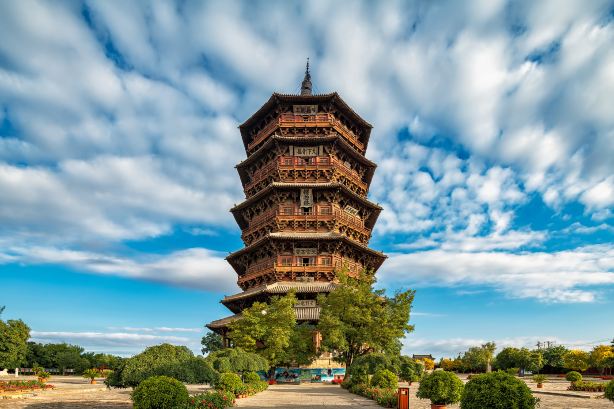
Ying County wooden pagoda, full name "Yingxian Wooden Pagoda", located in the Fogong Temple within the Yingxian Wooden Pagoda in the northwest of Ying County. The wooden pagoda was built in the second year of the Qingning era of the Liao Dynasty (1056 AD) and was completed with additions in the sixth year of the Mingchang era of the Jin Dynasty (1195 AD). It is one of the older existing wooden pagoda-style structures in China. If you are a "fanatic of ancient architecture," then the Yingxian Wooden Pagoda is a place you must visit. This octagonal wooden pagoda, approx. 60 m tall, is built entirely of wood except for a 4 m high stone platform on the first level. Not a single iron nail or rivet is used; instead, it is constructed entirely with traditional mortise-and-tenon joinery. The pagoda has five visible levels, with concealed levels between them, making nine levels in total. Each level is supported by inner and outer rings of wooden columns: 24 outer columns and 8 inner columns per level. For over nine hundred years, this wooden pagoda has withstood fierce storms, major earthquakes, and artillery bombardment, yet it still stands firm. BecauseYing County wooden pagodaThe tower has been tilting every year. To protect the ancient pagoda, visitors can no longer climb it and can only tour the first floor, but this does not prevent you from admiring this thousand-year-old pagoda. On the ground floor of the wooden pagoda's body, there are two doors, one to the south and one to the north. When you enter the first floor of the wooden pagoda, you can see an 11 m tall statue of Shakyamuni Buddha, with a dignified face and a serene expression. Looking up, you can see the exquisite and ornate coffered ceiling at the top. On the walls of the inner chamber, there are also six paintings of Tathagata Buddhas, and on both side walls of the door openings, Vajras, disciples, and others are painted as well. The murals are vivid in color, and the figures are lifelike. In addition to the architectural art here, the plaques hung by celebrities from various dynasties at Yingxian Wooden Pagoda are also well worth seeing. When you stand beneath the wooden pagoda and look up, each plaque hangs high onWooden pagodaUnder the eaves of each tier. Among them, two plaques inscribed by emperors particularly catch visitors' eyes. One is "Peerless Divine Craftsmanship" inscribed by Zhu Di, Emperor Chengzu of the Ming Dynasty, written when Zhu Di passed through Yingzhou and ascended the pagoda in the 21st year of Yongle (1423) after his northern expedition against the Tatars; the other is "Wonder of the World" inscribed by Zhu Houzhao, Emperor Wuzong of the Ming Dynasty, written in the 12th year of Zhengde (1517) when Zhu Houzhao, after commanding the army to defeat the Tatar Little Prince who had invaded the border in the Yanghe (present-day Yanggao County) and Yingzhou (present-day Ying County) area, ascended the wooden pagoda and feasted the meritorious officers. There is a temple behind the wooden pagoda, but it is recommended not to go there. Some visitors have reported that the incense and donation fees there are outrageously expensive.Ying County · 64.6km from Zuoyun
Shanhua Temple
Selected for Best Things to Do in Shanxi

Shanhua Temple

7.5
4.8/5
2.4k reviews
Shanhua Temple, commonly known as the "southern temple," is located in the southern corner of the ancient city of Datong. The temple was first built during the Kaiyuan era of the Tang Dynasty and was initially named Kaiyuan Temple. It was renamed Dapu'en Temple during the Later Jin Dynasty but was destroyed in the war at the end of the Liao Dynasty. It was rebuilt on the original site during the Jin Dynasty and was officially named Shanhua Temple in the Ming Dynasty, a name that has been used ever since. The temple's mountain gate, Three Saints Hall, Mahavira Hall, and Puxian Pavilion are all original structures from the Liao and Jin periods, making it one of the relatively well-preserved temple architectural complexes from that era in China. The halls are gradually elevated along the central axis from south to north, with the layout of the Tang Dynasty temple still faintly discernible. Unlike most temples, the mountain gate here combines with the heavenly king hall into one structure: the five-bay Jin dynasty gate houses Ming dynasty statues of the four heavenly kings, immediately visible upon entry with imposing majesty. The central three saints hall, also a Jin dynasty construction, features strikingly large and ornate bracket sets under its eaves that project in layers resembling blooming flowers—a distinctive hallmark of this hall. It enshrines the original Jin dynasty "Flower Adornment three saints": Vairocana Buddha at the center flanked by Manjusri and Samantabhadra bodhisattvas, their forms full and expressions serene. The main hall of the great hero on the northern high platform is the temple's principal hall, built during the Liao Dynasty and renovated in the Jin Dynasty. The altar enshrines the five wisdom buddhas arranged from east to west: Aksobhya in the east, Ratnasambhava in the south, Vairocana at the center, Amitabha in the west, and Amoghasiddhi in the north—all surviving Liao sculptures with Jin-era repainting. Twenty-four deva polychrome sculptures stand on brick platforms along the eastern and western walls, twelve on each side, representing masterpieces of Jin Dynasty sculpture. Some appear armored and weapon-wielding with fierce expressions, while others wear official robes with flowing sashes. Among them, the benevolent and graceful Sridevi particularly captivates viewers. The hall's western and southern walls preserve Buddhist narrative murals painted during the Kangxi era of the Qing Dynasty. Before entering the temple, consider viewing the glazed five-dragon wall in front of the mountain gate. This Ming dynasty Wanli-era relic was originally the screen wall of Xingguo Temple in the southern city, relocated here in the 1980s. Five coiling dragons surge amid turbulent clouds and waves on the wall, with the central "main dragon" holding a fire pearl and facing directly forward toward the ancient temple's gate. During your visit, pay special attention to the hall of three saints' diagonal arches and the Liao- and Jin-dynasty polychrome sculptures in the main hall. The dim lighting in these ancient halls invites slower observation of the statues' expressions and drapery details, allowing deeper appreciation of these Liao-Jin treasures.Datong · 51.5km from Zuoyun

Experiences you can't miss in Zuoyun

Featured Culture & history in Zuoyun

View all Culture & history
※1-day private charter tour to Xuankong Temple + Yungang Grottoes in Datong [Hotel pickup included]
󱌍
4.9/5
· 57 reviews· 271 booked
Duration: 9.8 hrs
English
Free cancellation
Instant confirmation
Book now for tomorrow
57 consecutive positive reviews
From£38.22
Shanxi Datong Hanging Temple+Yungang Grottoes+Wooden Pagoda 1-Day Transfer Service [Private Car]
󱌍
5.0/5
· 2 reviews
Duration: 8 hrs
English
Free cancellation
Instant confirmation
Book now for tomorrow
From£12.46
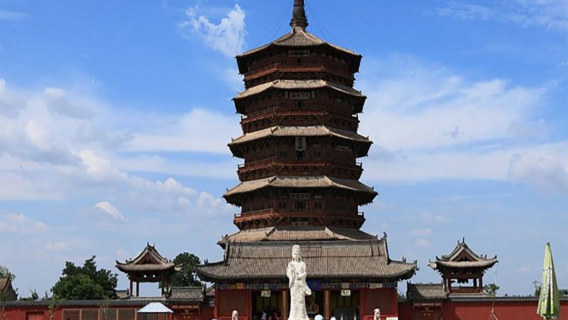
※1-day private charter tour to Xuankong Temple + Ying County Wooden Pagoda + Yungang Grottoes | Door-to-door pickup in Datong city
󱌍
4.9/5
· 51 reviews· 218 booked
Duration: 11 hrs
English
Free cancellation
Instant confirmation
Book now for tomorrow
51 consecutive positive reviews
From£42.04
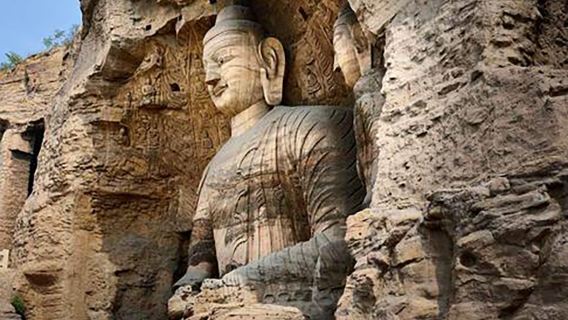
※Xuankong Temple + Yungang Grottoes + Huayan Monastery 1-day tour by private charter [Exclusive private charter with hotel pickup]
󱌍
4.7/5
· 19 reviews· 79 booked
Duration: 10.8 hrs
English
Instant confirmation
Book now for tomorrow
From£47.77
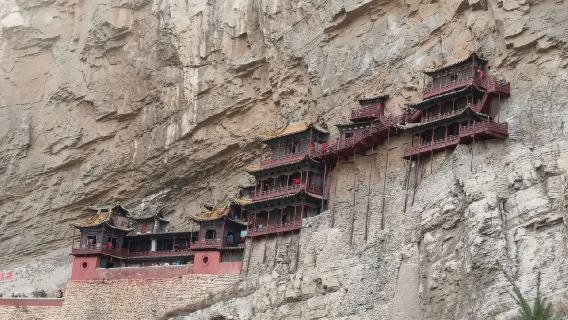
※Datong Xuankong Temple + Ying County Wooden Pagoda Private Charter 1-Day Tour [Flexible Departure Time | Train Station Pickup]
󱌍
5.0/5
· 7 reviews· 46 booked
Duration: 6.9 hrs
English
Instant confirmation
Book now for tomorrow
From£43.31
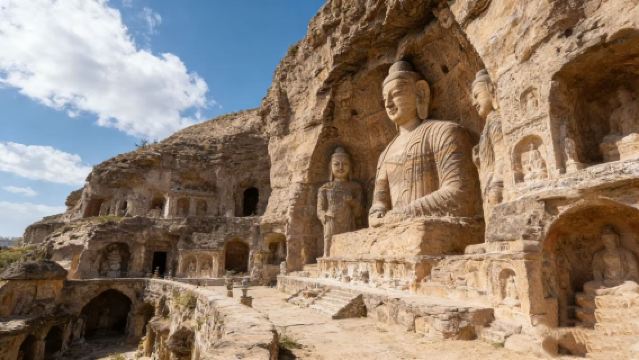
Datong: Hanging Temple & Yungang Grottoes Classic Day Tour | CITS × ZANBUS
󱌍
5.0/5
· 3 reviews· 36 booked
Duration: 8.5 hrs
English
Free cancellation
Instant confirmation
From£77.71
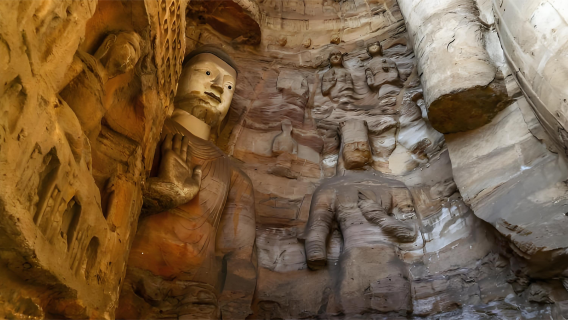
[Private customized] One-day private chartered car tour to Datong Yungang Grottoes, Xuankong Temple, and Yingxian Wooden Pagoda in Shanxi
󱌍
From£80.96

Featured Food & drink in Zuoyun

View all Food & drink
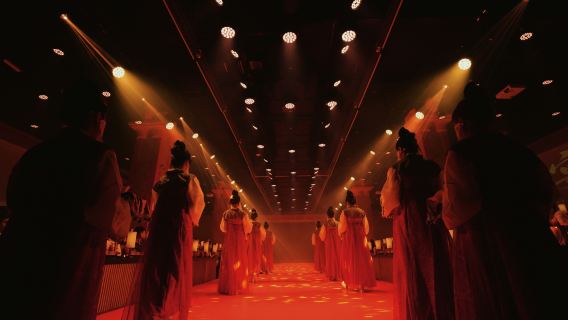
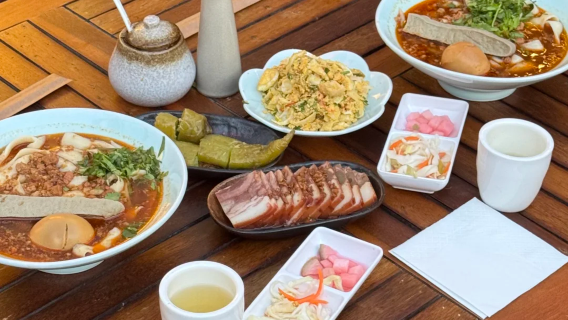
Datong Ancient City Night Food Tour: Taste 10 Local Northern Snacks & Ancient Hutong Walk
󱌍
Duration: 3 hrs
English
Free cancellation
Instant confirmation
Book now for tomorrow
From£127.38
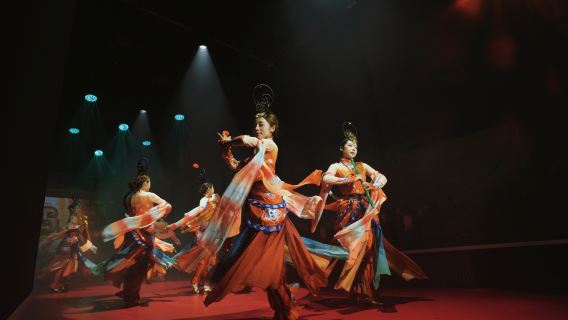
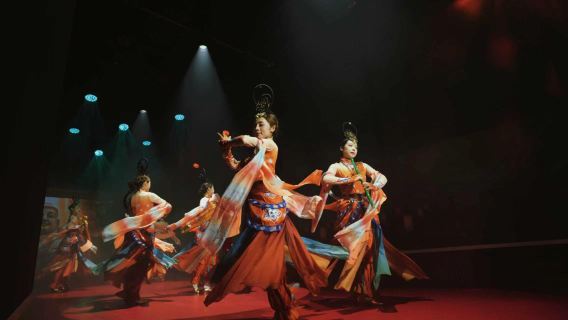
Datong Ancient Northern Wei Themed Banquet with Live Performance & Historic Cuisine
󱌍
Duration: 100 mins
English
Free cancellation
Instant confirmation
Book now for tomorrow
From£57.73
Datong Northern Wei Royal Banquet | Live show & restored ancient cuisine
󱌍
Duration: 1.6 hrs
English
Free cancellation
Instant confirmation
Book now for tomorrow
From£58.63
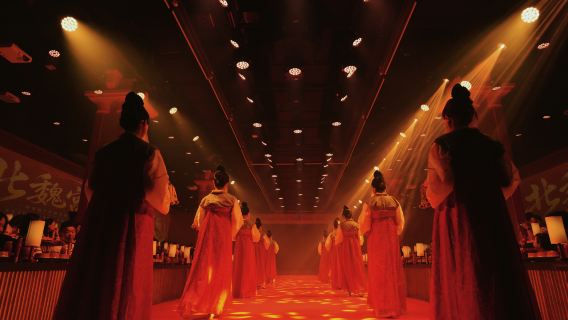
DaTong:Pingcheng Northern Wei Immersive Banquet | Yungang-themed ancient dining experience
󱌍
Duration: 1.6 hrs
English
Free cancellation
Instant confirmation
Book now for tomorrow
From£58.97
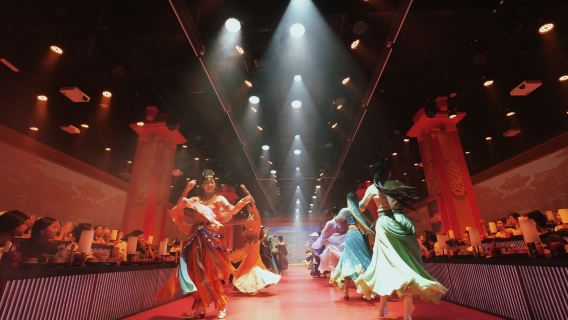
Datong Northern Wei Immersive Dinner Show | Yungang cultural banquet
󱌍
Duration: 1.6 hrs
English
Free cancellation
Instant confirmation
Book now for tomorrow
From£59.86
Zuoyun Today's weatherOvercast 0-16℃
Zuoyun weather for the next 2 days11/1: -2-8℃, 11/2: -2-9℃

Free things to do in Zuoyun

What travellers say about Zuoyun

user-avatar
_TI***b730 October 2026
5.0
An impressive works of art. Must visit when you are in Datong.

Yungang Grottoes

user-avatar
Anonymous user27 October 2026
5.0
The glazed tile roof ornaments in the main hall are magnificent. Although the lighting inside the hall is dim, the murals are full of detail when you look closely. Climbing the Huayan Pagoda and overlooking the ancient city offers a very pleasant view. The entire temple has a very quiet atmosphere, and a peaceful walk around it brings a sense of tranquility. There were many tourists taking photos inside the temple, but the order was well maintained.

Huayan Temple

user-avatar
Anonymous user30 October 2026
5.0
The North Line cableway is temporarily closed; you'll need to take a cable car to the South Line. It's spectacular, and the cable car makes climbing the Great Wall much easier for elderly people—it's a very quick way to get there. The South Line is generally flat, making it very suitable for the elderly and children.

Badaling Great Wall

user-avatar
118***6918 October 2026
5.0
It's definitely worth a visit. Huayan Temple in Datong Ancient City was built during the Liao, Jin, and Northern Wei dynasties. The architecture is magnificent and simple, and it's remarkably well-preserved. The Buddha statues inside are solemn and dignified, with vivid depictions. The murals, though hundreds of years old, remain remarkably vibrant. We are grateful to the people of Datong for protecting them so well.

Datong Ancient City

user-avatar
M35***9111 October 2026
5.0
A less-visited but high-quality tourist attraction, located not far south of the Yungang Grottoes. While the Yungang Grottoes have long queues, this place offers a peaceful retreat. It mainly consists of three parts: a coal museum, a mine shaft, and industrial relics in the courtyard. The coal in the mine is currently not being mined as a strategic reserve and is specifically for visitors; the safety facilities are complete. It was a very unique experience. We were fortunate to have a guide who was a former miner, and his explanations were rich and insightful, imbued with the cultural spirit of Datong.

Jinhuagong National Mine Park

user-avatar
Anonymous user30 October 2026
5.0
The Yingxian Wooden Pagoda has a long history, and one can feel the weight of history at a glance. The two-layer foundation makes the wooden pagoda stable, and 24 thick wooden pillars have guarded the pagoda for thousands of years. One cannot help but admire the wisdom and craftsmanship of the ancients.

Yingxian Wooden Pagoda

user-avatar
Anonymous user21 October 2026
5.0
Shanhua Temple, located in the ancient city of Datong, Shanxi Province, is commonly known as the South Temple. It was among the first batch of national protected sites. Originally built during the Kaiyuan era of the Tang Dynasty, it was destroyed by fire and rebuilt by Master Yuanman during the Jin Dynasty. It was named Shanhua Temple during the Zhengtong era of the Ming Dynasty. It retains four original Liao and Jin Dynasty buildings: the Liao Dynasty Mahavira Hall (with the Jin Dynasty Twenty-Four Deities painted sculptures inside, which are masterpieces of Liao and Jin sculpture, especially the auspicious goddess), the Jin Dynasty Heavenly King Hall (the largest Jin Dynasty hip-roofed mountain gate in China), the Three Saints Hall (famous for its magnificent sloping arches and Jin Dynasty vermilion tablet), and the Puxian Pavilion. The whole temple faces south and has a complete layout. It is the best-preserved Liao and Jin Dynasty temple complex in China and was highly praised by Liang Sicheng. There are also remnants of the Ming Dynasty Five Dragon Wall in front of the temple.

Shanhua Temple

Trip Moments in Zuoyun

Popular cities near Zuoyun

Frequently asked questions

You can give Datong Northern Wei imperial banquet·Immersive royal feast (luxury enjoyment + ancient-style music and dance + imperial banquet + ancient costume-changing experience) and Datong Ancient City Night Food Tour: Taste 10 Local Northern Snacks & Ancient Hutong Walk a try. Before you go, please check their opening hours and menus online. Reservations are recommended, especially during peak hours.

Get help anytime, anywhere within 30 secondsContact customer support

Change and cancellation policies vary by attractions and tours. Please check the product details page for more information.

Ticket prices may vary between weekdays and weekends, as well as during peak and off-peak seasons. When booking with Trip.com, you can also use Trip Coins to get extra savings. For more tips on booking discounted tickets, please visit Trip.com for the latest information.