
Black Friday Train Deals
🚄New users save 5% (max £5), others get 2%!
Stay longer. Leave earlier
With LNER 70min Flex tickets, board early or late. Read more
Frecciarossa: 10% off Super Economy & FrecciaDAYS
🇮🇹Travel high-speed from 27 Nov 2026 to 14 Mar 2027
What does an overtaken train mean? (UK)

Brenda Jude
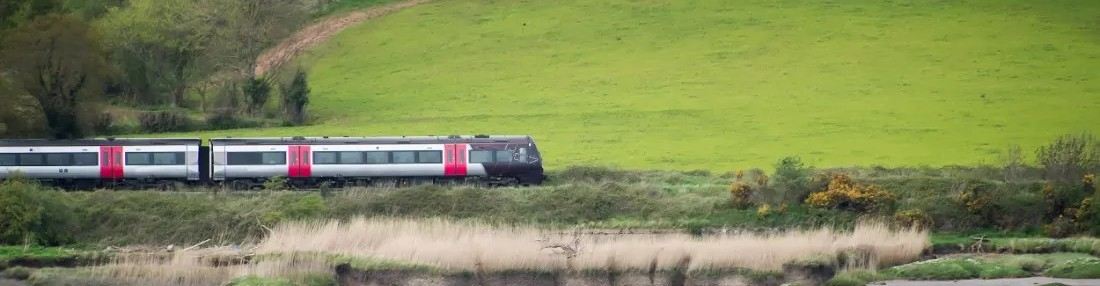
An overtaken train is a service that leaves a station before another train but arrives at the same destination later. When searching for UK train tickets, you might come across a snail icon or warning label next to certain journeys. This means another train will get you there sooner, even though it leaves after yours.
While a longer journey might not suit everyone, it can sometimes come with a cheaper ticket. This makes overtaken trains worth considering when comparing fares, especially if you are not working to a strict arrival time. By looking at both the journey duration and ticket price, you can decide whether spending a little longer on the train is worthwhile for the money you save.
What does an overtaken train mean?
An overtaken train is a slower service that takes longer to reach your destination than another train travelling between the same stations. This happens because the first train stops at more stations or follows a different route, while the later service makes fewer stops.
You may see an overtaken label, warning or snail icon when comparing UK train tickets, although the way booking platforms display this information can vary.
For example, Train A leaves at 11:00 and arrives at 12:20, while Train B leaves at 11:10 and arrives at 12:10. Train A is therefore the overtaken journey. This is an illustrative example, not a real timetable.
Why is a train journey overtaken?
An overtaken journey occurs because trains follow different stopping patterns, use different routes or operate at different speeds. While these arrangements are planned in advance within the timetable, an 'overtaken' status can also occur in real-time if a train becomes delayed and signallers hold it to let a faster service pass.
It stops at more stations
Some trains take longer because they stop at several stations along the route to pick up and drop off passengers. These local services serve smaller communities, so they make more frequent calls than express trains, which skip intermediate stations.
Every stop adds time because the train must slow down, allow passengers to board and leave, and then accelerate before continuing.
It takes a different route
Trains travelling between the same departure and arrival stations do not always follow identical routes. One service might pass through several towns or use different railway lines and junctions, while another takes a more direct route. This can make a noticeable difference to the overall journey time, even when both trains cover similar distances.
It is a slower service
Some train services have longer scheduled journey times because of their operating speeds, stopping patterns and timetable arrangements. Operators plan different services around the needs of the routes they cover, so not every train prioritises getting passengers between major stations as quickly as possible.
A regional service, for example, may have a longer journey time than an express running along the same corridor. This does not necessarily mean the train is older or less comfortable. The difference relates to how the service operates and the journey it needs to cover, not the quality of the passenger experience.
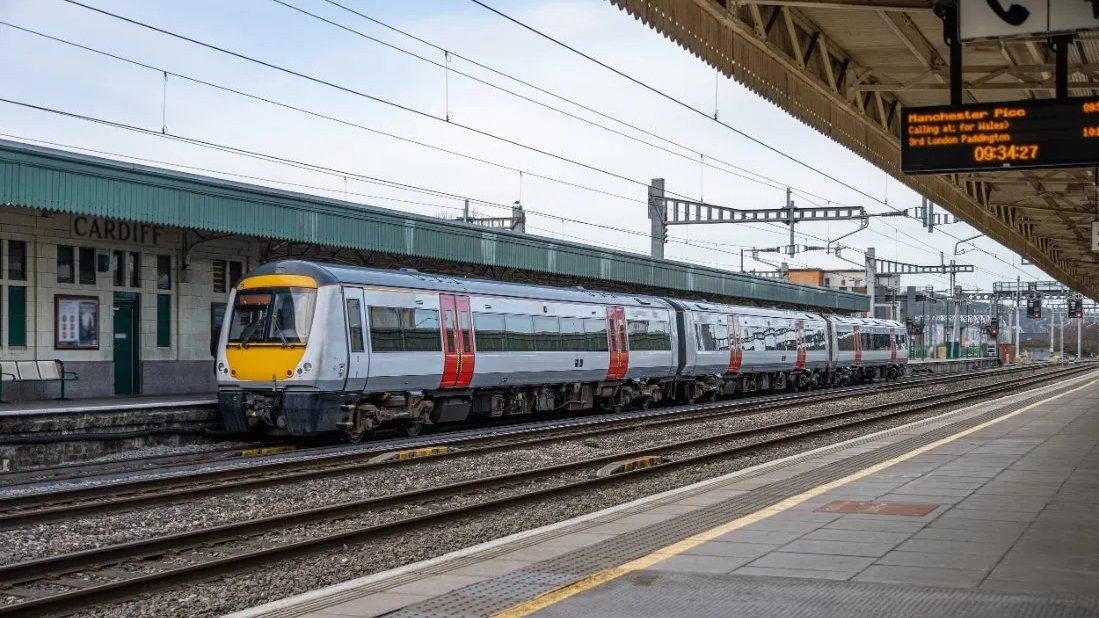
Are overtaken train journeys cheaper?
Overtaken train journeys can sometimes offer cheaper tickets, making them worth considering if you have flexibility over your arrival time. Since these services take longer to reach the destination, they suit passengers who prefer saving money to paying extra for a faster journey.
However, a slower train does not automatically come with a lower fare. Ticket prices depend on the route, train operator, ticket type, availability and any travel restrictions attached to the fare.
Advance tickets are a good example of how prices can differ. Train operators adjust fares according to demand and the number of available seats. A popular express service may have fewer cheaper tickets remaining, while another service on the same route may still offer lower-priced options. The difference does not necessarily mean the operator has discounted the slower train because another service overtakes it.
Ticket restrictions can also affect the price. Some cheaper fares only allow travel with a particular operator or on specific services, giving passengers less flexibility when choosing their departure.
Before booking on Trip.com, compare the available fares alongside their journey times and conditions. If an overtaken service costs less and still gets you to your destination in good time, choosing it could be a practical way to reduce your rail travel expenses.
Top Guides

How fast are China’s high-speed trains?


Getting the train to SEA LIFE London: Closest station & routes


Getting the train to Royal Festival Hall: Closest station & routes
Trenitalia discounts: Promos and savings

Getting the train to London Southbank: Closest station & routes
Are trains in Italy cheap? Ticket prices explained
Are trains in France cheap? Ticket prices explained
Liverpool weekend break by train: 2-day itinerary and best hotels
Table of Contents
- What does an overtaken train mean?
- Why is a train journey overtaken?
- Are overtaken train journeys cheaper?
Ready to plan your trip?
Thu, Nov 19
06:00
Add return
Open return
Search
1 adult 0 children, 0 Railcards
Explore hotels
Related travel guides
 Updated: November 18, 2026
Can you add a Railcard to Apple Wallet?
 Updated: November 18, 2026
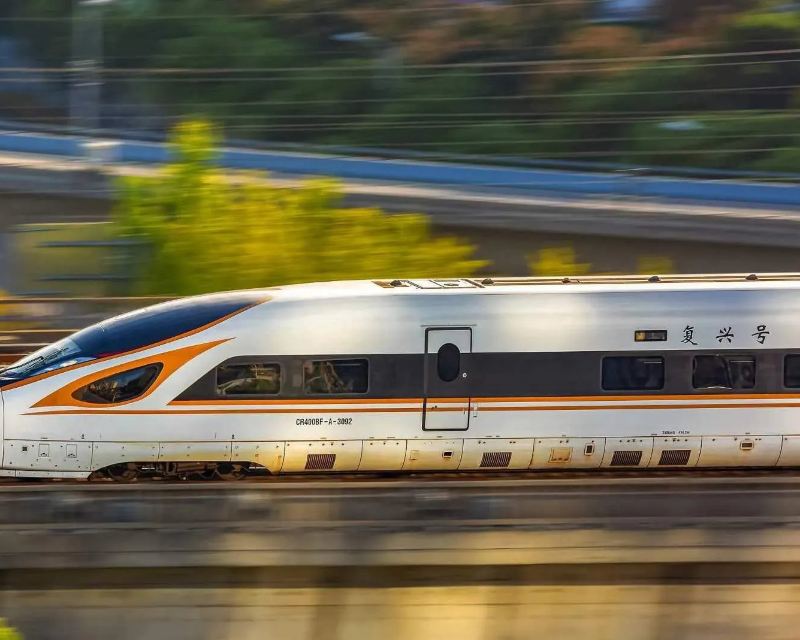
How fast are China’s high-speed trains?
 Updated: November 13, 2026
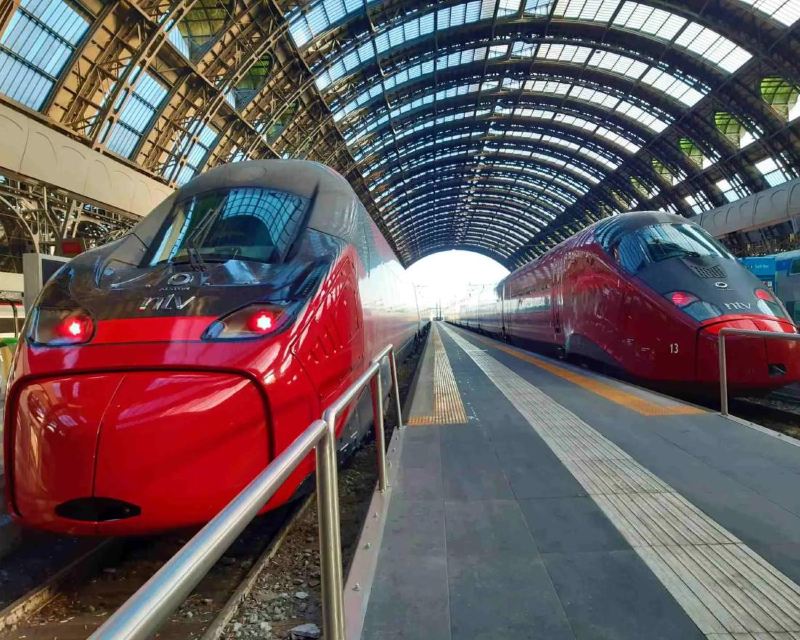
Are trains in Italy cheap? Ticket prices explained
 Updated: November 13, 2026
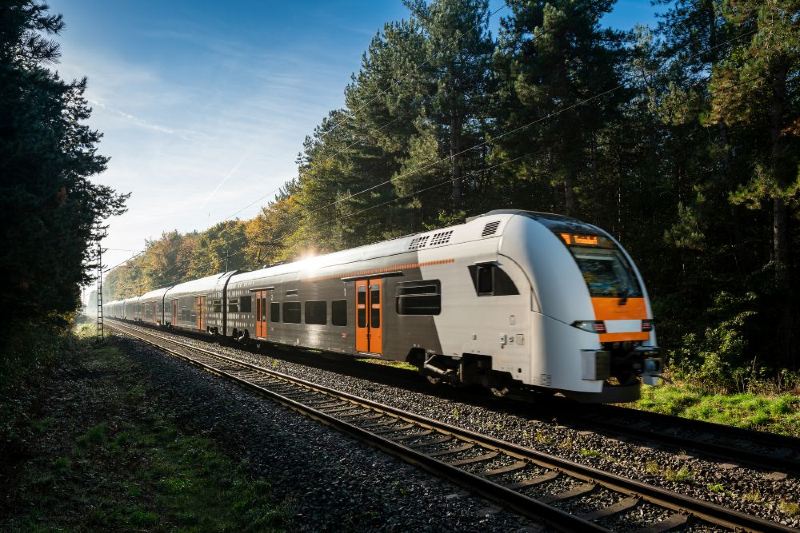
Are trains in France cheap? Ticket prices explained
 Updated: November 10, 2026
What platform is my train? How to quickly check and find it?
 Updated: November 10, 2026
What is an Open Return train ticket? Meaning, benefits and rules
 Updated: November 10, 2026
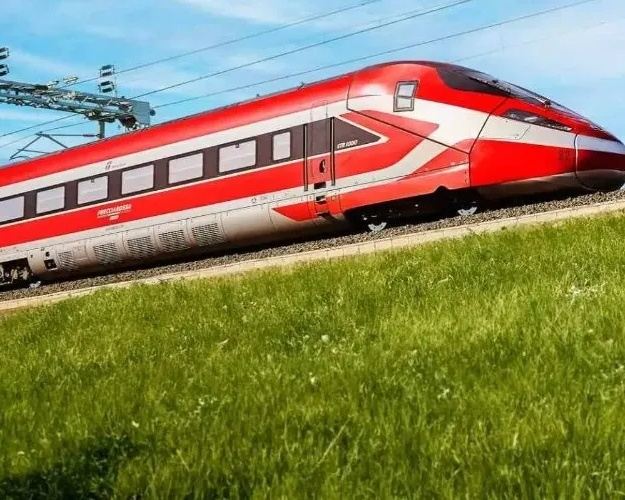
How to buy train tickets in Italy: Step-by-step guide
 Updated: November 6, 2026
Do you have to book train tickets in advance in Italy?
Latest Travel Guides
How fast are China’s high-speed trains?
Published: November 18, 2026

Getting the train to SEA LIFE London: Closest station & routes
Published: November 18, 2026
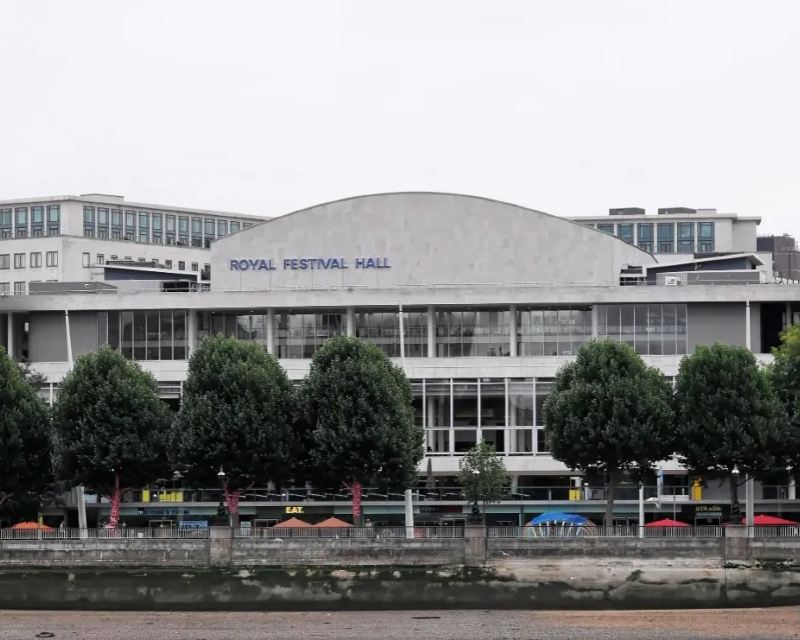
Getting the train to Royal Festival Hall: Closest station & routes
Published: November 18, 2026
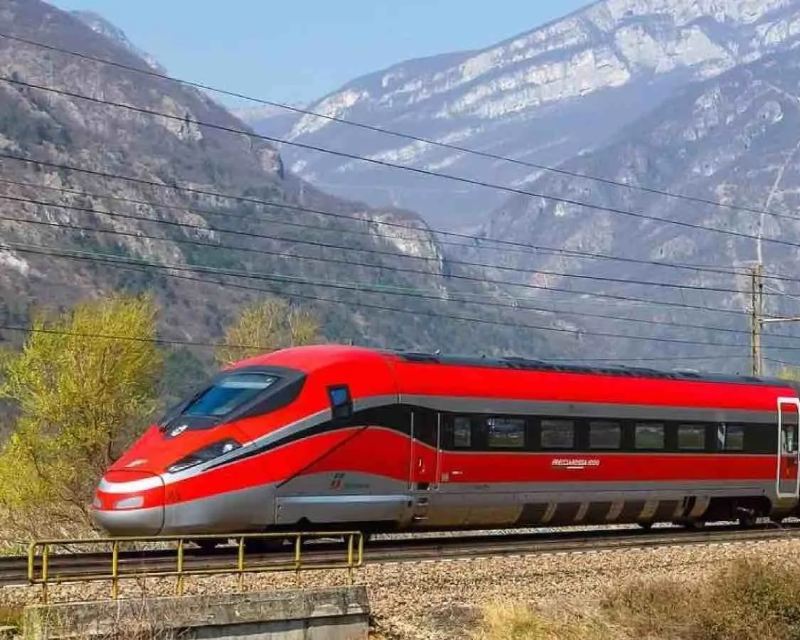
Trenitalia discounts: Promos and savings
Published: November 17, 2026

Getting the train to London Southbank: Closest station & routes
Published: November 13, 2026
Are trains in Italy cheap? Ticket prices explained
Published: November 13, 2026
Are trains in France cheap? Ticket prices explained
Published: November 13, 2026
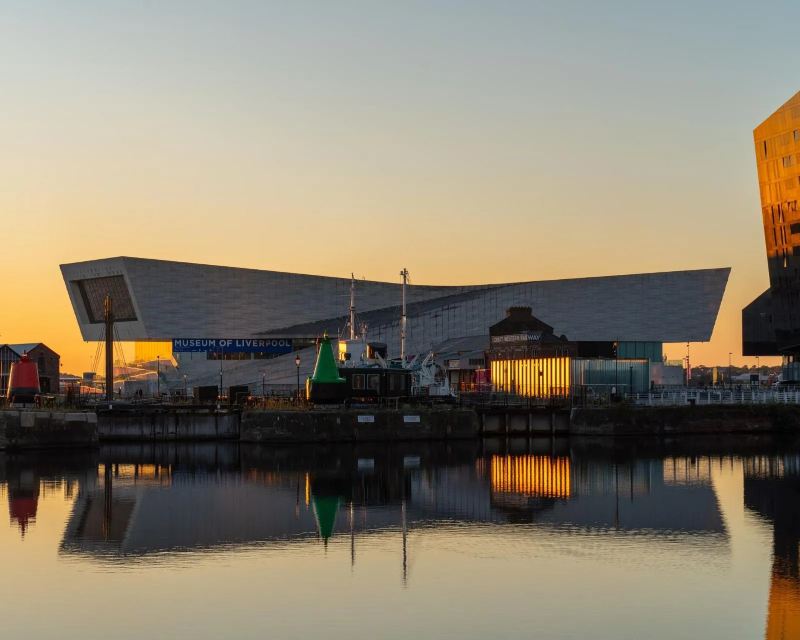
Liverpool weekend break by train: 2-day itinerary and best hotels
Published: November 12, 2026

Birmingham by train: the ultimate day trip guide
Published: November 12, 2026
What platform is my train? How to quickly check and find it?
Published: November 10, 2026
What is an Open Return train ticket? Meaning, benefits and rules
Published: November 10, 2026
How to buy train tickets in Italy: Step-by-step guide
Published: November 10, 2026
Latest Travel Guides
- How fast are China’s high-speed trains?Published: November 18, 2026
- Getting the train to SEA LIFE London: Closest station & routesPublished: November 18, 2026
- Getting the train to Royal Festival Hall: Closest station & routesPublished: November 18, 2026
- Trenitalia discounts: Promos and savingsPublished: November 17, 2026
- Getting the train to London Southbank: Closest station & routesPublished: November 13, 2026
- Are trains in Italy cheap? Ticket prices explainedPublished: November 13, 2026
- Are trains in France cheap? Ticket prices explainedPublished: November 13, 2026
- Liverpool weekend break by train: 2-day itinerary and best hotelsPublished: November 12, 2026
- Birmingham by train: the ultimate day trip guidePublished: November 12, 2026
- What platform is my train? How to quickly check and find it?Published: November 10, 2026
- What is an Open Return train ticket? Meaning, benefits and rulesPublished: November 10, 2026
- How to buy train tickets in Italy: Step-by-step guidePublished: November 10, 2026