Rome Travel Guide 2026: Top Attractions, Local Food & Travel Tips | Trip.com
About Rome
Recommended trip: 2–4 day(s)
Recommended trip: 2–4 day(s)Current weather conditions
 10°C
Rome Local Experiences Map









Trending in Rome
Rome Local Travel Guide 2026
Rome Brief Guide
Rome, the eternal capital of Italy, is a living museum filled with ancient wonders like the Colosseum and Vatican City. This historic city boasts bustling piazzas, delectable gelato, the famous pasta carbonara, and authentic pizza. As a UNESCO World Heritage site, its charming historic center offers romantic walks along the Tiber River and lively neighborhoods like Trastevere. Plan your perfect Rome adventure with our guide.
Rome Must-try local experiences
1. Embark on a Roman Heritage Journey Explore Rome's iconic landmarks like the Colosseum, Roman Forum and Trevi Fountain. These sites offer a glimpse into the grandeur and history of ancient Rome. 2. Experience Vatican The Vatican is an independent sovereign state located within the city limits of Rome. Discover Vatican 's treasures, including St. Peter's Basilica, the Vatican Museums, and the Sistine Chapel. Marvel at Michelangelo's masterpieces and the grandeur of the Papal residence. 3. Stroll Through Piazza Navona and the Pantheon Experience the vibrant Piazza Navona with its stunning fountains and street artists. Nearby, visit the Pantheon, a marvel of ancient engineering. 4. Climb the Spanish Steps Ascend the iconic Spanish Steps and enjoy the view from the top. This popular spot is surrounded by elegant shops and offers a picturesque setting for photos. 5. Experience a Traditional Roman Opera Attend an opera performance at the Teatro dell'Opera di Roma to experience Italy's rich musical heritage and classical performances. 6. Explore the Art of Caravaggio Visit churches and galleries showcasing Caravaggio's works. His dramatic use of light and shadow is a must-see for art enthusiasts. 7. Indulge in the Flavors of Rome Savor Roman dishes like 'Cacio e Pepe', 'Carbonara', and 'Pizza Romana'. Don't miss authentic Italian gelato. 8. Explore Via del Corso Stroll along Via del Corso, lined with high-end boutiques and local shops. It's perfect for a shopping spree while soaking in the historical ambiance. 9. Snap a Picture at the Keyhole of the Knights of Malta Peek through the famous keyhole on Aventine Hill for a unique view of St. Peter's Basilica. This hidden gem is a favorite among photographers. 10. Throw a Coin in the Trevi Fountain Participate in the tradition of tossing a coin into the Trevi Fountain to ensure your return to Rome.
Rome Must-see Attractions
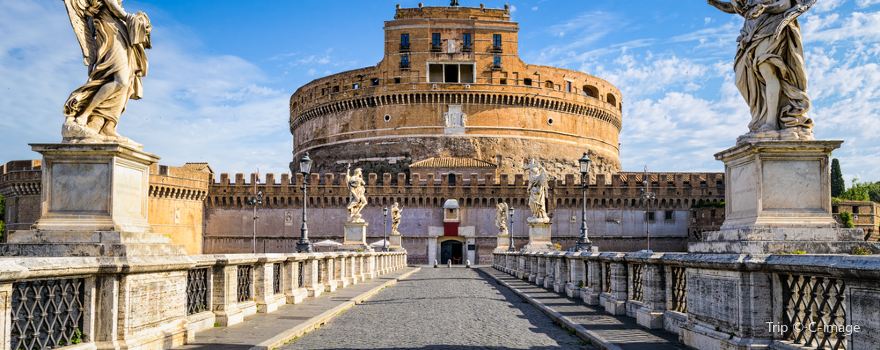
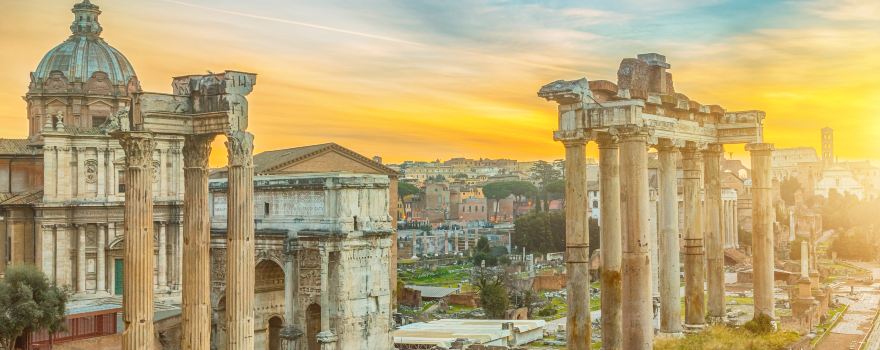
Rome is a city steeped in history, with iconic landmarks like the Colosseum showcasing ancient engineering, the Pantheon's architectural brilliance, the Trevi Fountain's Baroque artistry, the Roman Forum's historical significance, and Castel Sant'Angelo's multifaceted past, each offering visitors a unique window into the city's rich cultural heritage. The Colosseum, also known as the Flavian Amphitheatre, is a testament to the architectural and engineering prowess of ancient Rome. This iconic structure, which could hold up to 50,000 spectators, was the stage for gladiatorial combat, wild animal hunts, and even mock naval battles, reflecting the grandeur and brutality of the Roman Empire. Today, it stands as a monument to Rome's history, attracting millions of visitors each year who come to marvel at its grandiosity and to imagine the spectacles that once took place within its walls. The Colosseum is not only a symbol of Rome but also one of the new Seven Wonders of the World, offering a glimpse into the past and the opportunity to walk through the same entrances that spectators did nearly two millennia ago. The Pantheon, a former Roman temple now known as the Basilica di Santa Maria ad Martyres, stands as a testament to the architectural prowess of ancient Rome and has been a continuous inspiration for buildings worldwide. Its most striking feature is the massive unreinforced concrete dome, with a central oculus that not only illuminates the interior but also creates a play of light that changes with the sun's position, acting as a natural sundial. Visitors can marvel at the harmonious proportions of the building, where the height to the oculus and the diameter of the interior circle are the same, creating a unique spatial experience. The Pantheon's history spans over two millennia, originally dedicated to the twelve gods and the living sovereign, later converted to a Christian church, and now serving as a revered historical site that attracts millions of visitors annually. The Trevi Fountain, designed by Nicola Salvi and completed by Giuseppe Pannini in 1762, is a Baroque masterpiece and one of the city's most famous fountains. Standing at 26 meters high and 49 meters wide, it is the largest Baroque fountain in Rome. The central figure of the fountain is the statue of Oceanus, god of all water, who stands atop a chariot pulled by sea horses, flanked by allegorical figures representing Abundance and Health. The fountain marks the endpoint of the Aqua Virgo aqueduct, constructed in 19 B.C., which supplied water to ancient Rome and is now known as Acqua Vergine. A popular tradition among visitors is to toss a coin into the fountain, which is said to ensure a return to Rome. The fountain has been featured in numerous books and films, most notably in Federico Fellini's "La Dolce Vita". After a major renovation in 2014-15, the fountain's beauty has been restored, making it an ideal time for visitors to experience this iconic symbol of Rome's rich artistic heritage. The Roman Forum, once the pulsating heart of ancient Rome, is a sprawling expanse of ruins that offers a profound glimpse into the city's storied past. As the central showplace of Roman public life, it hosted a myriad of activities including political discussions, trials, market trades, and religious ceremonies. Visitors today can walk along the Via Sacra, the main thoroughfare of ancient Rome, and immerse themselves in the history that unfolded amidst the temples and political buildings that once defined the empire. The Forum's significance as a center for religious and secular spectacles continues to echo through the ages, with its imposing temples and monuments standing as silent witnesses to Rome's once-mighty empire. Exploring the Roman Forum is an essential experience for those looking to connect with the ancient world, offering a tangible link to the architectural and societal advancements of Roman civilization. Castel Sant'Angelo, originally the Mausoleum of Hadrian, stands as a testament to Rome's layered history, evolving from a tomb to a fortress, and eventually a museum. Its transformation over the centuries is marked by significant events, such as the vision of the Archangel Michael in 590 AD, which not only gave the castle its name but also a symbolic statue atop its structure. Visitors today can explore the richly decorated papal apartments, prison cells, and enjoy panoramic views of Rome from its terraces, which offer three distinct vantage points including the rooftop with the angel statue. The castle's history as a refuge for popes, a prison for notable figures, and its role in cultural works like Puccini's opera "Tosca," adds to the allure for tourists and history enthusiasts alike.
Rome Food Guide
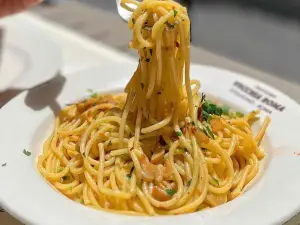
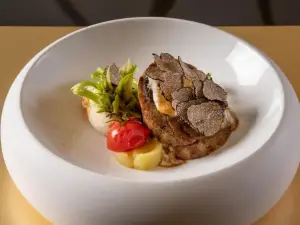
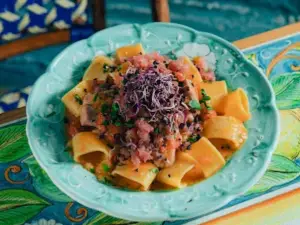
Rome's food scene is a rich tapestry of flavors, featuring the highly esteemed white truffle, traditional pastas like fettuccine and ravioli, a variety of pizzas from ancient flatbreads to modern interpretations, the quintessential cucina povera dish Coda alla Vaccinara, and diverse panini offerings that showcase the city's commitment to quality ingredients and culinary innovation. A highly esteemed delicacy from Alba, celebrated for its large size and intense, earthy flavor with hints of garlic, nuts, or honey. Revered in Rome's culinary scene, restaurants like Dal Bolognese offer specialized menus featuring this prized tuber in various dishes, from appetizers to main courses. Harvested by expert truffle hunters and their trained dogs, these truffles are a seasonal treasure, available from September to December, and are a highlight at truffle fairs and auctions, where they fetch premium prices. Staples of Roman cuisine, these pastas are celebrated in hands-on cooking classes where participants learn to make them from scratch. The experience is enriched with Prosecco, wine, and appetizers, and culminates in a group meal featuring the freshly made pasta paired with seasonal sauces like amatriciana or cacio e pepe. These classes, often held in the vibrant Trastevere neighborhood, offer not just a meal but a deeper understanding of Italian culinary traditions and the joy of sharing food. A culinary tradition that has evolved from ancient flatbreads and now includes varieties like the thin, crispy pizza Romana and the square-shaped pizza al taglio. Originating as a piatto povero, or dish of the poor, Roman pizza has become a beloved street food, often enjoyed by families and tourists alike, with toppings ranging from simple olive oil to more elaborate combinations. Whether it's the traditional pizzette, the popular pizza al teglio, or the modern pinsa, Rome offers a pizza for every palate, with numerous venues across the city to savor this iconic dish.. A traditional Roman dish that embodies the city's piatto povero heritage, utilizing the oxtail, a less desirable part of the animal. This rich stew varies in preparation, but a notable version includes a sauce enriched with raisins, pine nuts, and a hint of cocoa powder, often served over pasta like rigatoni. To fully appreciate this dish, it is recommended to pair it with a red wine from Lazio, such as Cesanese del Piglio, which complements the flavors beautifully. A staple of Italian street food, particularly celebrated in Rome for its variety and the quality of ingredients. These sandwiches range from the innovative mini panini at Zia Rosetta to the gourmet options at Tricolore Panini Gourmet, with a focus on fresh, natural components and complex flavors. Notably, 'Er Bucchetto specializes in pork porchetta panini, served simply to highlight the rich taste of the meat.
Rome Transportation
Rome is primarily served by two airports, with efficient public transportation, taxis, and ride-sharing services to the city center, as well as international trains and buses arriving at central stations. By Air: Leonardo da Vinci–Fiumicino Airport (FCO), also known as Fiumicino (FCO), about 30 km (18 miles) southwest of the city, is the main international hub. To the City: - Leonardo Express train: This is the fastest and most reliable option, taking you directly to Roma Termini, the main train station. Follow signs from arrivals in Terminal 3 to the train station (5-minute walk). Direct non-stop service to Termini Station (32 min), running every 15 min from 5:38 AM to 00:23 AM. Tickets: approximately €14. Available to purchase at machines (English available), online via the Trenitalia app, or at counters (cash/card/mobile pay). - FL1 regional train: A more affordable but slower train option connects Fiumicino Airport to various stations in Rome, including Trastevere, Ostiense, and Tiburtina. However, this train does not stop at Termini. The journey takes approximately 40 to 50 minutes and costs around €8. Trains run every 15 minutes from 5:57 AM to 11:32 PM. Tickets can be purchased at machines or through an app. You can connect to the metro or bus for access to the city center. - Bus shuttle: Several companies provide direct and budget-friendly bus transfers to Roma Termini. Terravision and SIT Shuttle operate buses from stands outside Terminal 3 to Termini Station. The journey takes approximately 45 to 60 minutes and tickets cost around €11. Buses run every 30 to 60 minutes from 8:30 AM to 12:30 AM. Tickets can be purchased online, on board, or at kiosks (payment can be made by cash or card). - Taxi: Fixed rate €50 to the city center (within Aurelian Walls, 40 min), from ranks outside terminals; 24/7, up to 4 passengers, includes luggage. Pay cash/card at the end; official white taxis only. - Ride-Shares: Uber or Bolt from designated areas near Terminal 3 parking; €35-55 to the center (40 min), book via app (data required), cashless pay. Ciampino (G.B. Pastine International Airport - CIA) is the smaller and closer of the two airports, located approximately 15 km (9 miles) southeast of central Rome. It is primarily used by low-cost airlines like Ryanair and Wizz Air. To the City: - Shuttle Bus: Terravision or SIT Shuttle from bus stands outside arrivals to Termini Station (40 min, €6), every 30-60 min from 8:30 AM to 12:30 AM. Tickets can be purchased online or onboard (cash/card). - Ciampino Airlink (Bus + Train): TRAL bus from outside arrivals to Ciampino train station (5 min, €1.20), then regional train to Termini (15 min, €1.50), every 20-30 min from 6 AM to 10 PM. Total €2.70; tickets from machines (cash/card) or app. - Taxis: Fixed rate €30 to the city center (30 min), from ranks outside arrivals; 24/7, up to 4 passengers. - Ride-Shares: Bolt or Uber from the parking area (short walk from arrivals); €25-40 to the center (30 min), book via app. By Train: Travelers can easily get to Rome by train, as it is well-connected to the rest of Italy and Europe via an efficient and reliable rail network. Two main operators, Trenitalia and Italo, offer frequent high-speed services, while regional trains connect smaller towns. Roma Termini: The main and busiest station, located right in the city center. It is the best arrival point for easy access to central Rome and is a major hub for metro and bus connections. Roma Tiburtina: Rome's second-largest station, located in the northeastern part of the city. Many high-speed services stop here before reaching Termini, and it is a good option if your accommodation is in the area, as it is generally less crowded. Roma Ostiense: A historic station south of the city center, which primarily serves regional lines. By Bus: Bus travel is a popular and economical option for reaching Rome from other parts of Italy and Europe. Popular international and Italian operators serving Rome include FlixBus, MarinoBus, and Itabus. Tiburtina Station: Most international and long-distance buses arrive at the Tiburtina Bus Station, which is adjacent to the Roma Tiburtina train and metro station. Rome's local public transport system, run by the company ATAC, includes the metro, buses, and trams. All use an integrated ticketing system, meaning a single ticket is valid across all services within the city's urban area. Tickets and passes: Integrated ticket (BIT): A single ticket costing approximately €1.50 is valid for one metro ride or 100 minutes of travel on all other ATAC services, including transfers. It must be validated at the start of your journey. Contactless "Tap & Go" payment: You can now pay for public transport directly with a contactless card or mobile device by tapping it on the readers inside buses and trams and at metro gates. Time-based passes: For unlimited travel, you can purchase passes for various durations, including 24, 48, or 72 hours. Roma Pass: This tourist card offers free public transportation for 48 or 72 hours, along with complimentary or discounted entry to attractions. Tickets and cards are available at all metro stations and many major bus stops. They are multilingual and accept cash and credit cards. Many tobacco shops (look for a "Tabacchi" sign) and newsstands also sell single tickets and passes. Metro: The metro is often the fastest way to get around Rome and is less prone to traffic delays. Three lines—M1 (Orange), M2 (Blue), and M3 (Green)—serve the city. Lines A and B are most useful for tourists, as they connect major sites such as the Colosseum (Line B) and the Vatican (Line A). Line C is still under construction and mostly serves residential areas. Weekdays, the metro runs from 5:30 a.m. to 11:30 p.m.. On Fridays and Saturdays, service is extended to 1:30 a.m. Buses: A comprehensive bus network serves the entire city, operating from approximately 5:30 a.m. to midnight. A network of night buses also operates from midnight to 5:00 a.m.. However, buses can be significantly delayed by Rome's heavy traffic. Trams: Rome's six tram lines offer a more scenic, above-ground travel experience but have a less extensive network than buses. Taxis: Metered white cabs, short rides €5-15, night surcharge. Ride-Shares: Uber or Bolt. Bike Rentals: Major operators include Lime and Dott. Park the bike in a designated area and end the ride via the app.
Rome Where to Stay
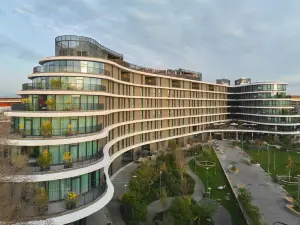
Rome is a city steeped in history and culture, offering a diverse array of accommodation options across its many distinct neighborhoods. Visitors can choose from areas rich in ancient history, bustling with nightlife, or offering a more tranquil, residential atmosphere. The area around the Colosseum, known for its historic significance, is a central location that provides easy access to some of Rome's most iconic landmarks. Accommodations here offer the chance to stay amidst the grandeur of ancient Rome, with the Colosseum itself, the Roman Forum, and Palatine Hill just a stone's throw away. The district is well-served by public transportation, including the Metro B line at the Colosseum metro stop and various bus lines, making it convenient for visitors to explore the city. The neighborhood's central location is ideal for those who wish to immerse themselves in Rome's rich history and have major attractions within walking distance. The Spagna district, encompassing the Piazza di Spagna and the Spanish Steps, is synonymous with luxury shopping and cultural landmarks. This area is a haven for those seeking high-end retail therapy on streets like Via Condotti. It's also home to the Trevi Fountain and close to the lush gardens of Villa Borghese, making it an excellent choice for families and culture enthusiasts. The district boasts a mix of upscale hotels and historic accommodations, with easy access to the rest of the city via the Spagna and Barberini Metro stops. The neighborhood's blend of shopping, art, and history creates a vibrant atmosphere for visitors. Staying near the Vatican City means being in proximity to the spiritual heart of Rome, with the majestic St. Peter's Basilica and the Vatican Museums nearby. The surrounding districts, such as Prati, offer a more residential feel, providing a calm retreat from the city's hustle and bustle. The area is characterized by elegant accommodations and is well-connected by public transportation, including the Metro A line with stops at Cipro and Ottaviano. This neighborhood is particularly appealing to those on a religious pilgrimage or travelers who prefer a quieter, more local experience while still being close to significant attractions.
Rome Best Time to Visit
April to June and September to October feature mild weather, blooming parks, fall foliage, festivals, and fewer crowds. August is typically hot and busy with events, while December showcases Christmas markets. Spring (April–June): 15°C–25°C (59°F–77°F), sunny/rainy; blooming Villa Borghese. Festivals like Liberation Day (April 25) tend to lower crowds at the Colosseum. Summer (June–August): 20°C–35°C (68°F–95°F), hot and humid; long days for fountains. Peak for Notte Bianca; crowds/prices up 20-30%, book ahead. Autumn (September–November): 15°C–25°C (59°F–77°F), clear; golden leaves. Fewer tourists, events like Romaeuropa Festival, great for the Vatican. Winter (December–February): 5°C–15°C (41°F–59°F), rainy, short days. Christmas markets at Piazza Navona; lower prices.
Rome Travel Tips
1. Book Vatican Museums and Colosseum in Advance: The Colosseum require advance reservations. Booking tickets online ensures faster access and avoids long lines. During peak seasons, tickets can sell out quickly, so booking ahead guarantees entry and a smoother experience. 2. Respect Dress Codes in Churches: Many churches in Rome, require visitors to dress modestly. Shoulders and knees must be covered. Men should remove hats, while women can keep theirs on. Carry a light scarf or shawl for quick coverage. Jeans and sandals are acceptable. 3. Respect Siesta Hours: Many small shops and businesses close for a few hours in the afternoon. Plan your shopping and errands accordingly. 4. Beware of Pickpockets: Pickpocketing is common in crowded tourist areas. Keep your belongings secure and be vigilant, especially in places like Termini Station and popular attractions. Use a money belt, avoid back pockets, and always zip up your bags. Be cautious of distraction techniques like commotions or people asking for help. Stay aware of your surroundings to enjoy a safe trip. 5. Avoid Photography in Churches: Many churches in Rome prohibit photography inside to preserve the sanctity of the space. Always check for signs and respect these rules. Flash photography and tripods are generally not allowed, and it's best to avoid taking photos during services. 6. Photography in Museums: Most museums in Rome allow non-flash photography, but some strictly prohibit it. Tripods, selfie sticks, and professional equipment are generally not allowed. Always check the rules before taking photos.
Rome Useful Guide
Italian is the primary language. English is widely spoken in tourist areas, hotels, restaurants, shops, and transport due to Rome's international visitors. It's easy to navigate using English alone, with most signs and menus bilingual. Although it's less common in residential outskirts, it's sufficient for travelers. Rome2Rio: Transport planning, tickets for trains/buses. Trenitalia: Train schedules/bookings; English available. Google Maps: Navigation, offline maps; ATAC integration. Uber/Bolt: Cashless rides. OpenTable: Restaurant reservations. eSIM: Airalo, Holafly, TIM, and Vodafone offer tourist plans. Online or airport kiosks. Physical SIM: Available at airport kiosks (TIM, Vodafone, WindTre) and in malls. Pocket Wi-Fi: Airport/online, €4.90/day from HippocketWifi. Free Wi-Fi: Available in hotels, cafés, and public spots via Roma WiFi (registration required). Pre-book eSIM/pocket Wi-Fi online for pickup. Currency: Euro (EUR, €). Cards and contactless payments are the preferred methods of payment, while cash is mainly used in small shops and markets. Credit/debit cards: Visa and Mastercard are commonly accepted, while American Express is less frequently used. It’s important to notify your bank before your trip. Cash: You can find ATMs at airports and banks. They require a 4-digit PIN, and there may be fees associated with transactions. ATMs can be useful for small purchases, such as street food or tips. Mobile payments: Using Apple Pay or Google Pay at stores and for transportation.
Trip.Best: Rome


Plan Your Rome Trip
What to do




Where to stay




What to eat






Rome Moments: Through Travelers' Eyes
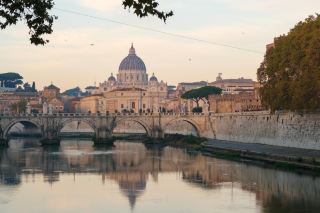
Taking a stroll through Rome in the morning.

A luxurious narrative of time and light in the heart of Beijing


Masada | Engraved with two thousand years of memories of freedom above the desert

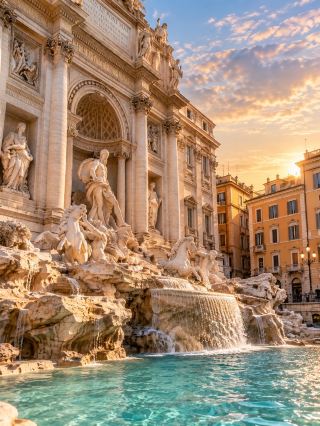
🎬 Rome, Italy 🇮🇹: A Real-Life Movie Set

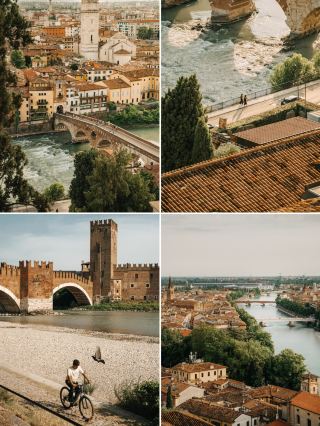
13-Day France, Italy, and Switzerland Itinerary: A Complete Guide from Rome to Paris

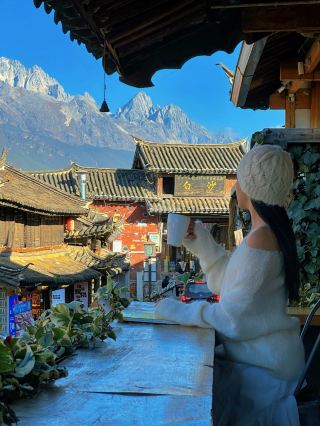
My 18 handpicked photo spots...

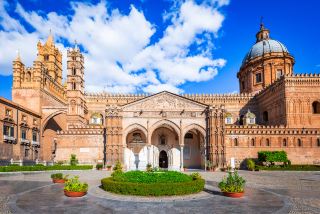
Only after visiting Sicily do you understand that the soul of Italy is not in Rome


Perfect for solo female travel | A spontaneous trip to a hidden gem city

Best of Rome
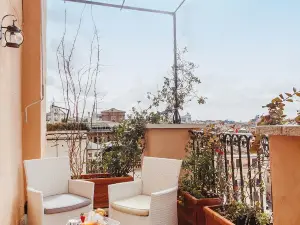
Top 20 Vacation Homes in Rome







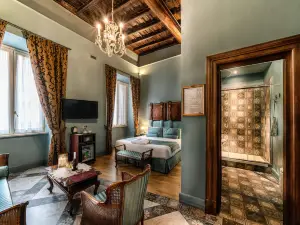

Top 20 Gourmet Hotels in Rome
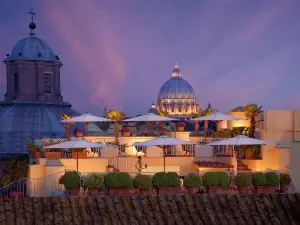
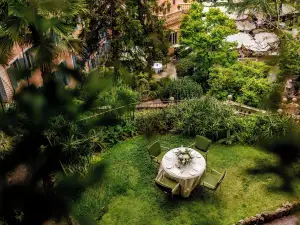



Top 20 Premium Hotels in Rome






Top 20 4-Star Select Hotels in Rome








Popular Best Things to Do Near Rome


Popular Family-friendly Attractions Near Rome
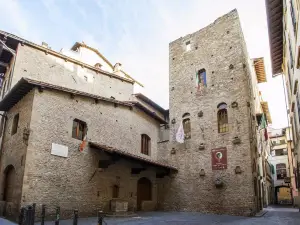

Popular Luxury Hotels Near Rome


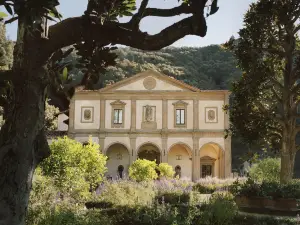





Popular Family Hotels Near Rome
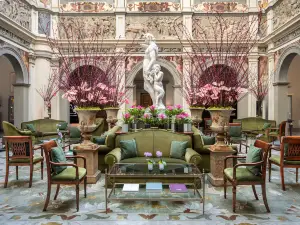







Popular Scenic Hotels Near Rome










Popular Cultural Hotels Near Rome








Other recommended cities

Venice
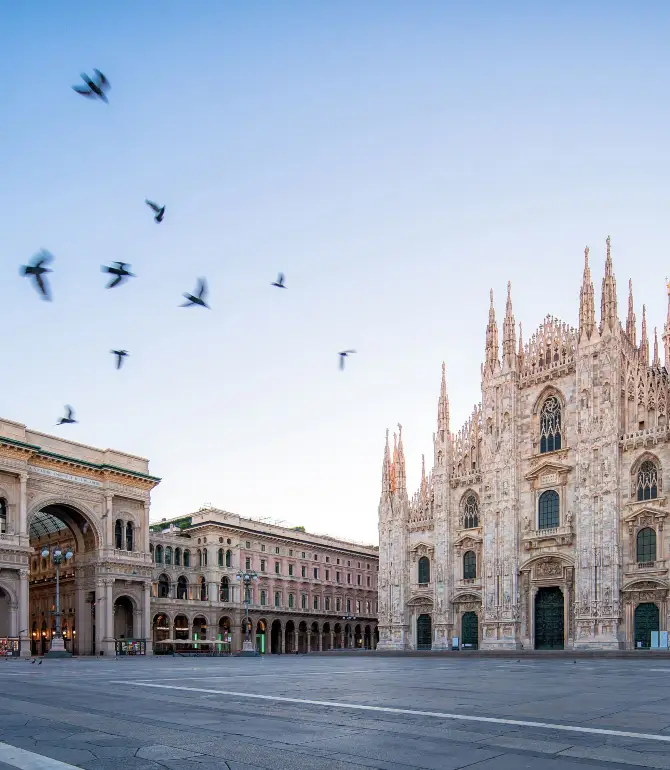
Milan
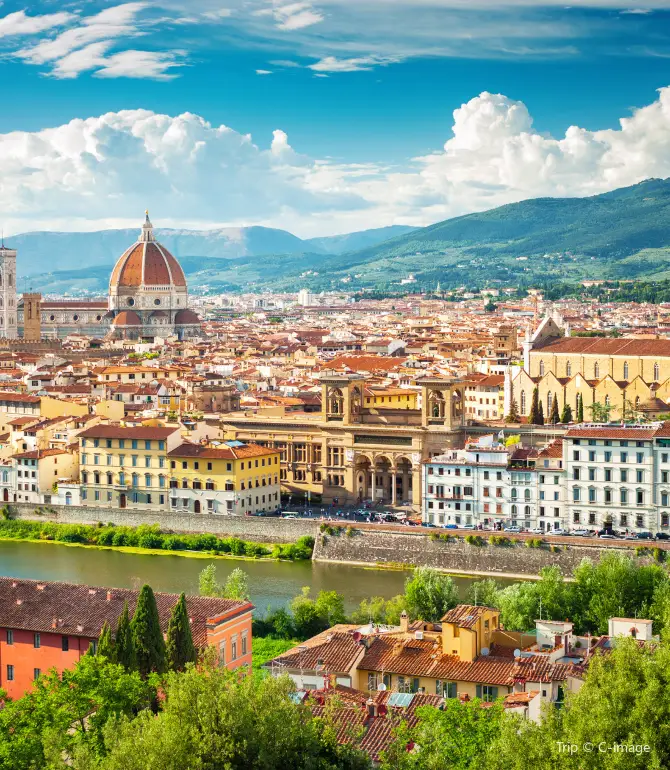
Florence