 14024 booked
Hotels: Save up to 10% (Book online or on Mobile)
Homes & Apts: Save up to £39 (App-only deal)
For years, Morocco has been a firm favourite for those seeking an exotic escape without the long-haul flight. This fascinating country is packed with historic cities, souks that feel like stepping back in time, the desert just a few hours away, and a cuisine that will capture your heart faster than you can imagine.
Thanks to its close proximity to Europe, Morocco is an easy destination to visit, whether you're travelling from the UK or from further afield.
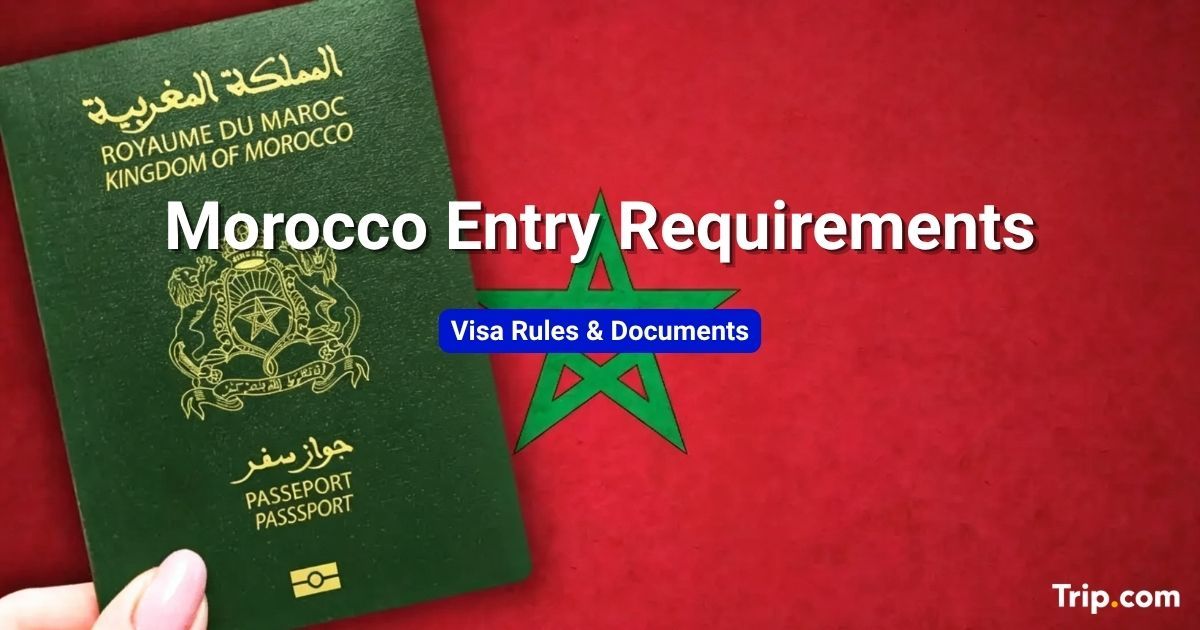
But this is exactly where the big question often pops up: Do you need a visa for Morocco? Entry is generally straightforward, but there are still a few rules and requirements you should know before you start packing.
Whether you need a visa to visit Morocco depends on your nationality and the length of your stay. Some travellers can enter Morocco visa-free for short-term tourism, while others must obtain either an eVisa or a standard consular visa before travelling.
In general, there are three main ways to enter Morocco as a tourist:
Some of the most common entry categories are summarised below:
Category | Eligible Countries / Regions | Permitted Duration | Key Requirements |
Visa-Free (up to 90 days) | Most EU/Schengen countries, UK, USA, Canada, Australia, New Zealand, Japan, South Korea, Singapore, UAE, Turkey, selected countries in South America, Africa, and Asia | Up to 90 days (some exceptions apply) | Passport valid for at least 3 months from the date of entry, entry stamp on arrival |
Visa-Free (up to 30 days) | Kazakhstan, Maldives, Hong Kong SAR, Macau SAR | Up to 30 days | Passport valid for at least 3 months, onward ticket |
Morocco eVisa | India, Thailand, Vietnam, Cambodia, Sri Lanka, Iraq, Pakistan, Afghanistan, most Central & South American countries, selected African and Eastern European countries | Usually 24–72 hours processing; duration depends on visa type | Apply online via official portal, valid passport required; holding US/UK/Schengen visa may simplify application |
Standard Consular Visa | Iran, Syria, most Sub-Saharan African countries, Taiwan, Yemen | Varies by visa type | Apply in person at Moroccan embassy/consulate with supporting documents |
Special Authorisation (AEVM) | Republic of the Congo, Guinea, Ghana, and Ecuador | As specified by approval | Must be requested online prior to departure |
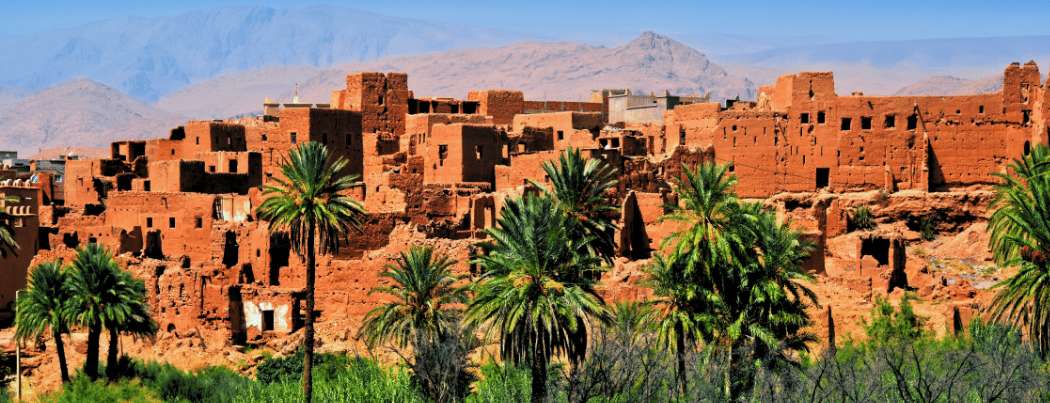
UK citizens holding a valid British passport do not need a visa to visit Morocco for tourism or business for up to 90 days.
However, when travelling, make sure to keep the following in mind:
Note: UK residents who do not hold a British passport (for example, holders of a UK Biometric Residence Permit or Share Code) will usually need to apply for a visa or eVisa before travelling.
Most travellers won't need a visa. Over 70 nationalities can enjoy visa-free entry to Morocco for short tourist stays.
To get you started, here are some of the countries whose citizens don't need a visa to visit Morocco:
Continent / Region | Visa-Free Countries / Territories | Maximum Stay |
Europe & Schengen | All EU & Schengen countries, UK, Andorra, Monaco, San Marino, Iceland, Liechtenstein, Switzerland, Albania, Vatican City, Norway | 90 days |
The Americas | USA, Canada, Mexico, Argentina, Brazil, Chile, Colombia, Peru, Dominican Republic | 90 days |
Asia & Middle East | China, Japan, South Korea, Indonesia, Malaysia, Singapore, Philippines, Turkey, GCC countries (Bahrain, Kuwait, Oman, Qatar, Saudi Arabia, UAE), Azerbaijan, Russia | 90 days (Kazakhstan, Maldives, Hong Kong SAR, Macau SAR: 30 days) |
Africa | Algeria, Benin, Burkina Faso, Cape Verde, Côte d'Ivoire, Gabon, Mali, Niger, Senegal, Togo, Tunisia | 90 days |
Oceania | Australia, New Zealand | 90 days |
✅ Notes:
While many travellers can enjoy visa-free entry to Morocco, there are some nationalities that will need to apply for a visa before setting off on their journey.
Region | eVisa Available | Standard Visa Required |
Asia | India, Thailand, Vietnam, Cambodia, Sri Lanka, Jordan and several other Asian countries | Afghanistan, Bangladesh, Iran, Iraq, Pakistan, Syria, Yemen and others |
Europe | Selected non-EU countries such as Ukraine, Serbia, Georgia, Armenia and Moldova | Some countries not covered by the eVisa scheme |
Africa | South Africa, Kenya, Mauritius, Seychelles, Ghana and several others | Nigeria, Sudan, Libya, Somalia, Eritrea, Zimbabwe and others |
North & Central America | Costa Rica, Guatemala, Honduras, Nicaragua, Panama and others | Haiti and some other nationalities |
South America | Ecuador, Bolivia, Paraguay, Uruguay, Venezuela and others | Limited cases depending on nationality |
Oceania | Generally visa-free or subject to specific requirements depending on nationality | Rarely required |
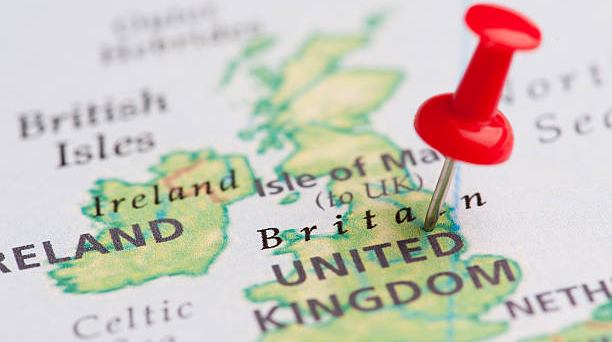
Travelling from the UK to Morocco is generally very straightforward, as British citizens do not need a visa for tourist or business stays of up to 90 days. However, as Morocco is outside the UK and European travel area, there are a few entry requirements you should be aware of before your trip.
💡 Important: Your passport must be in good condition, as Moroccan border authorities may refuse entry to travellers with damaged passports. You should also ensure that your passport is stamped on arrival, as you may be asked to show the entry stamp when leaving the country.
Arrival procedures at Moroccan airports are usually quick and straightforward. Border officers may ask a few simple questions about the purpose of your visit, how long you intend to stay, and where you will be staying. As long as you have your travel documents ready, the process is normally smooth and hassle-free.
The Morocco e-visa is an electronic visa that you can apply for entirely online via the official Accès Maroc portal. This saves you the hassle of having to visit an embassy or consulate.
Not all nationalities are eligible to apply for an e-visa. This system is primarily designed for travellers from countries that would normally require a visa, but who meet certain criteria – such as holding a valid visa or residency in the USA, Canada, the UK, or a Schengen country.
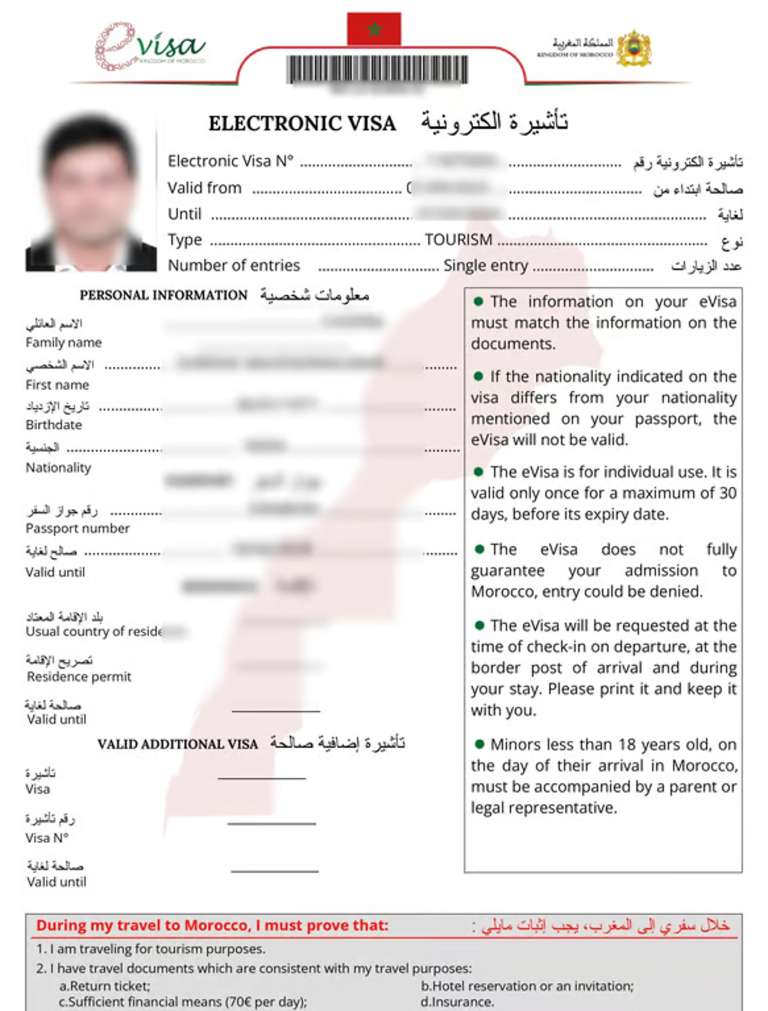
While many travellers don't need a visa for Morocco, there are still a few basic entry requirements to meet. The process is straightforward, but it's always a good idea to have all your documents handy to avoid any hiccups at the border.
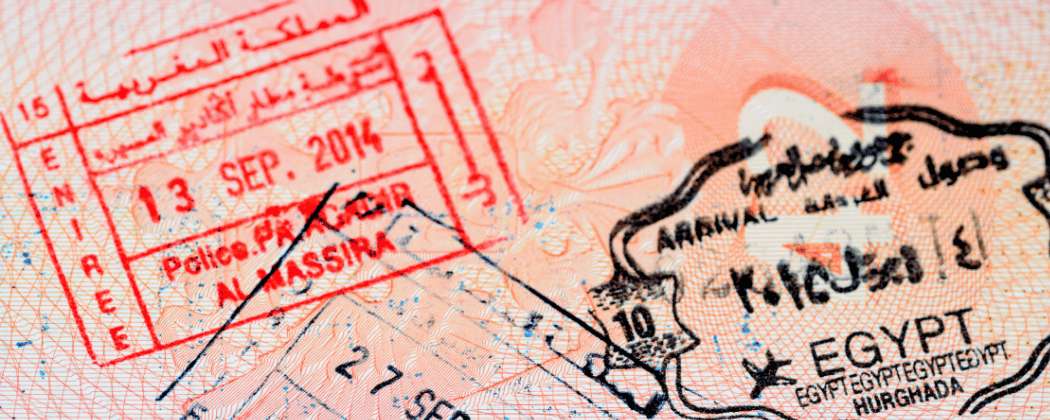
A passport is an absolute must for entering Morocco, even if you're arriving by ferry from the UK. A national ID card simply won't cut it. Also, be sure to check that your passport is in good condition and will remain valid for the entire duration of your stay. Damaged or heavily worn passports can lead to tricky situations at immigration, whether you're arriving at the airport or the port.
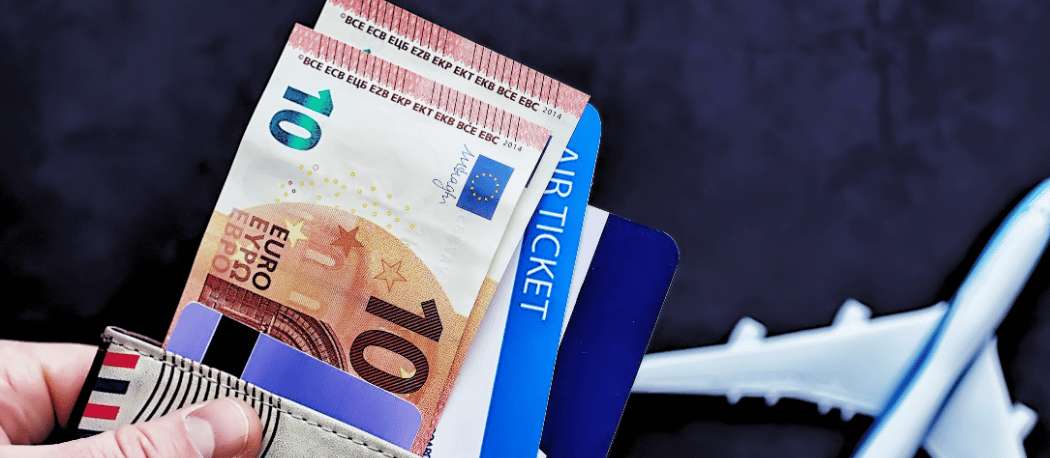
Here's another classic tip for you. Sometimes, you might need to prove that you'll be leaving the country. This could be a return flight ticket to your home country or a ticket to another destination. It's not always checked, but it's highly recommended to carry proof with you – especially if you're travelling from the UK or arriving by ferry.
✈️🎁 Find and book cheap flights to Morocco on Trip.com and start your adventure at the best price.
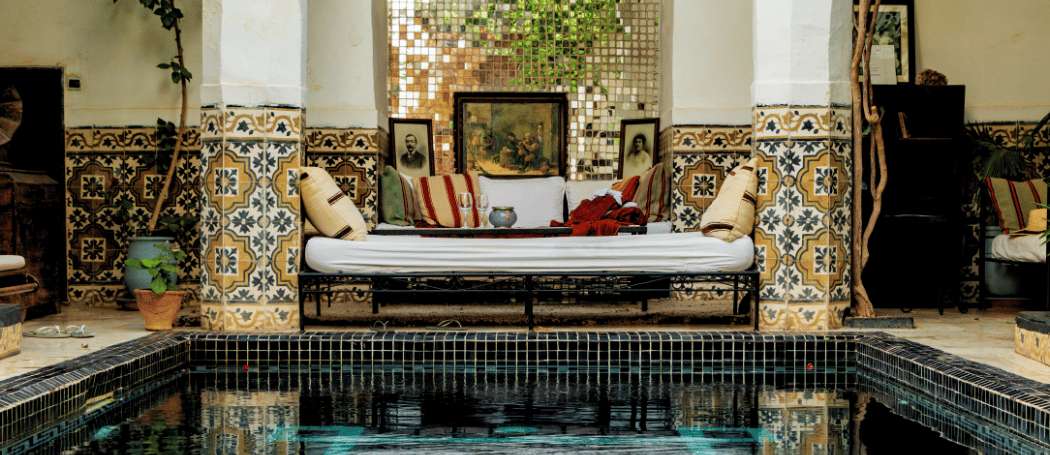
Another detail that often gets overlooked. While it's not always required, it can certainly come up.
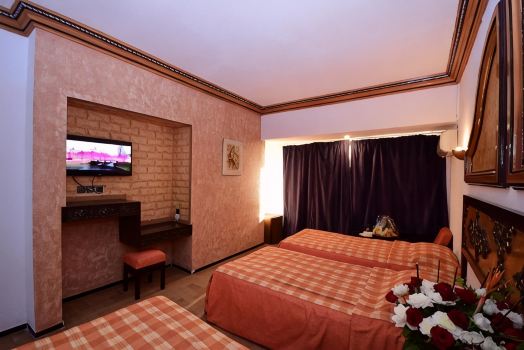
Anything that shows where you're staying during your trip counts as proof:
✨🎁 Find and book affordable hotels in Morocco on Trip.com and enjoy your stay at the best price.
Moroccan authorities may occasionally ask you to show that you have sufficient funds to cover your stay. While there's no officially set amount, you can easily provide proof with your bank card, some cash, or even a copy of your bank statements. It's not something that happens often, but it's always best to be prepared!
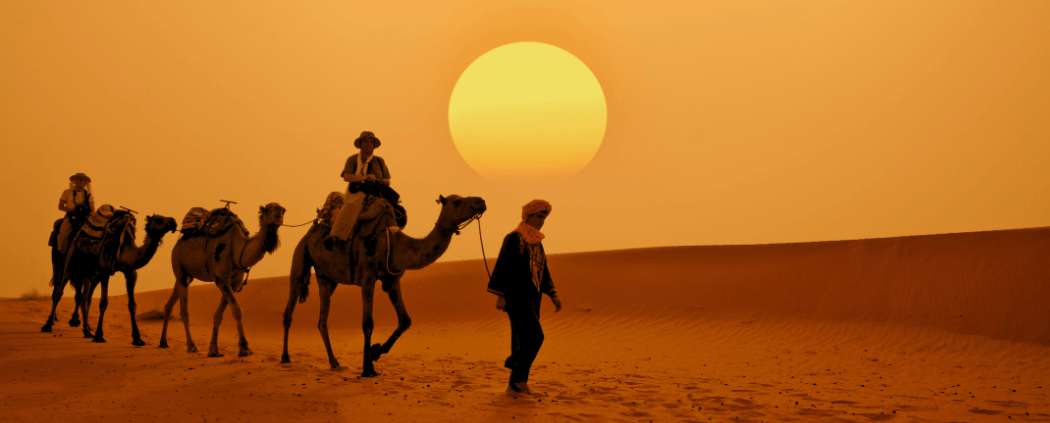
Most travellers entering visa-free can enjoy up to 90 days in Morocco as a tourist. This rule applies to many nationalities, including citizens from the UK, Austria, Switzerland, France, and Italy.
Please keep in mind that overstaying your permitted time in Morocco can lead to fines, issues with immigration authorities, or complications for any future trips to the country. So, if you're wondering how long you can stay in Morocco visa-free, it's important to keep a close eye on your entry date and ensure you don't exceed your allowed stay.
Here's another key point to keep in mind: if you need a visa, remember that not all visas are the same. Morocco offers various types depending on the purpose of your trip, and choosing the right one from the start makes a world of difference.
These are the key visa types for Morocco that you should know about:
Visa Type | Main Purpose | Key Info |
Short-Term Visa | Tourism, business, or visits | Allows short stays, usually up to 90 days |
Long-Term Visa | Residence, work, or family reunification | For extended stays and residency procedures |
Transit Visa | International layovers | Permits passing through Morocco en route to another country |
Work Visa | Employment | Requires a prior work contract and official work authorization |
Student Visa | Academic studies | For university or educational programmes |
Diplomatic / Official Visa | Government missions | For diplomats and official personnel |
eVisa | Tourism for eligible nationalities | Applied online via the official Accès Maroc portal |

Generally speaking, Morocco doesn't require mandatory vaccinations for most travellers from Europe or Latin America. However, there are a few health recommendations you should keep in mind before you head off on your trip.
Recommended vaccinations for your trip to Morocco
Yellow fever: When you might need a vaccination
Morocco may require a yellow fever vaccination certificate if you are arriving from a country where the disease is endemic. This primarily applies to certain countries across Africa and South America.
Health tips for your trip to Morocco
Beyond vaccinations, here are a few essential tips to keep in mind:
Morocco remains one of the most affordable destinations for UK travellers.
Flight prices can vary depending on the season and destination, but accommodation, food, and transport generally offer excellent value for money.
To give you a rough idea, here's a realistic guideline for your budget:
Category | Approximate Cost | Details |
✈️ Flights | £45–£260 return | Prices vary by season, departure airport, and destination (Marrakech, Casablanca, Fes, etc.) |
🏨 Hotel / Riad | £17–£85 per night | From budget accommodation to traditional riads and boutique hotels |
🍽️ Food | £9–£25 per day | Local restaurants and cafés are generally affordable and generous in portion size |
🚕 Transport | Low cost | Taxis, trains, and buses are inexpensive compared with most European destinations |
🏜️ Activities | £4–£25 | Entry tickets, guided tours, hammams, and day trips vary by location and experience |
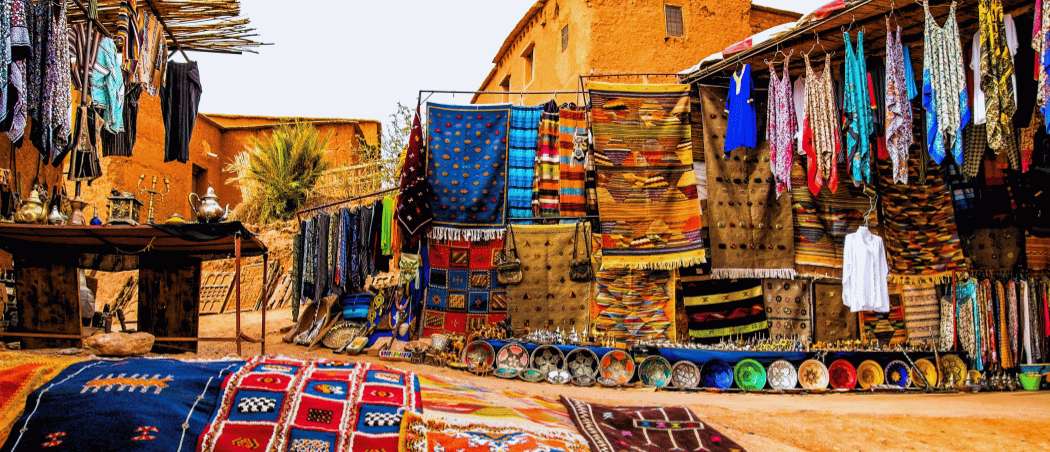
Before you travel to Morocco, there are a few practical things you should know to help you get around with ease.
The official currency is the Moroccan Dirham (MAD), which generally cannot be exchanged outside of Morocco. Your best bet is to withdraw cash from ATMs or exchange it as soon as you arrive. While many shops in larger cities accept card payments, cash is still the way to go in markets, taxis, and smaller towns.
Currency | Approximate conversion |
1 British Pound (GBP) | 12–13 MAD |
1 Euro (EUR) | 10–11 MAD |
1 US Dollar (USD) | 9–10 MAD |
1,000 Chilean pesos (CLP) | 10–11 MAD |
100 Mexican pesos (MXN) | 55–60 MAD |
You can pick up a local SIM card or activate an eSIM before your trip, so you're online the moment you land. It's super handy for using maps on the go, looking up translations, or making bookings while you're out and about.
📱🌍 eSIM for Morocco from just £0.23 – get connected instantly, hassle-free.
Travelling between cities like Marrakech, Casablanca, Rabat or Fes is usually straightforward and quite affordable. For longer distances, trains are a great choice, while taxis are a common way to get around within the cities.
Morocco is incredibly welcoming to tourists, yet it remains deeply rooted in its own cultural traditions. Dressing modestly in certain areas, avoiding public displays of affection, and always asking for permission before snapping photos of locals are standard practices that are truly appreciated.
Spring and autumn are generally the best times to visit Morocco, as the temperatures are pleasant. In summer, it can get very hot, especially in the inland cities.
Morocco is generally considered a safe destination for travellers. Still, it's always a good idea to keep the most important emergency numbers handy:
Haggling over prices is perfectly normal in bazaars and markets. While it's not a must, it's simply part of the experience and is usually a very relaxed affair.
It's best to stick to bottled water and avoid ice cubes or food from less reliable sources – especially during the first few days of your trip.
✈️ Book your flight + hotel in Morocco at the best price on Trip.com.


![AguergourParaglidingCertified flight [Paragliding in Marrakech with Transfers Included]](https://ak-d.tripcdn.com/images/0350212000sp07bkxBEAE_C_568_320.png)