Where Can UK Travellers Go Without a Passport?

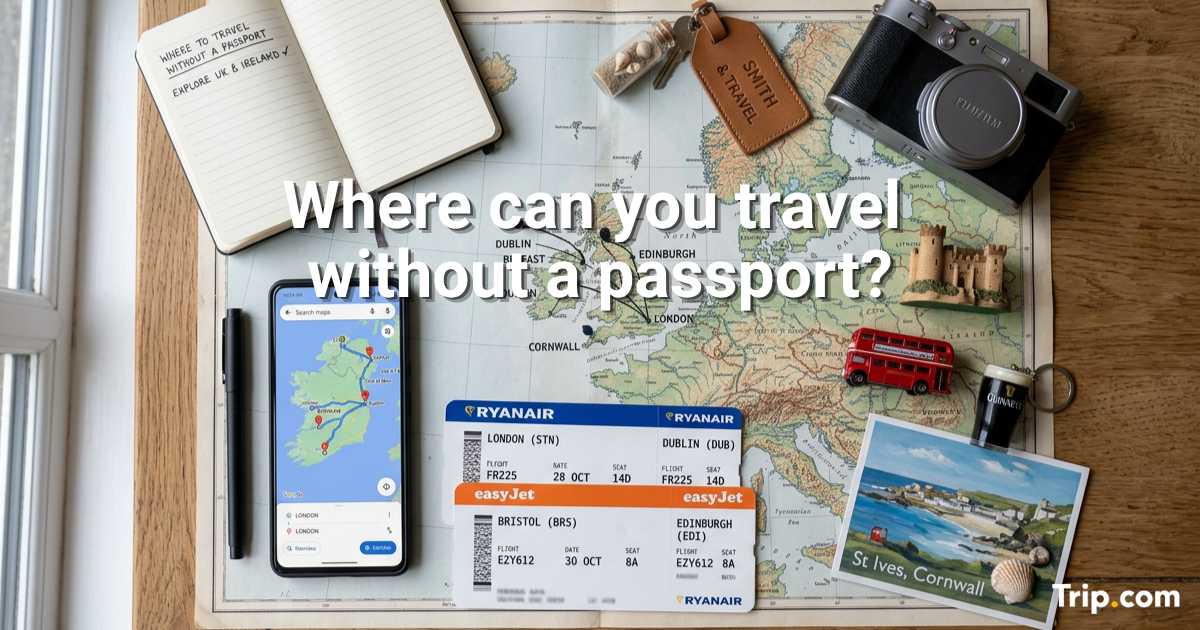
Yes, you can travel without a passport. That said, it is important to be clear from the start. For UK travellers, this mainly applies to journeys within the United Kingdom, and only in very limited cases beyond it.
In this Trip.com guide, you will find out exactly whether you can travel without a passport, where it is still possible, and what documents you may need instead. Ready to explore your options?
📄 Can you travel without a passport from the UK?
As many travellers ask, can you travel from the UK without a passport? The short answer is yes, but only in certain situations. Since Brexit, the rules have changed, and the list of places UK residents can visit without a passport has become much smaller.
If you are travelling within the UK, there is no need for a passport at all. Journeys between England, Scotland, Wales, and Northern Ireland can usually be made with a simple form of photo ID, depending on your airline or transport provider. This makes travel without a passport easy for domestic trips, whether you are planning a weekend in the countryside or a city break.
For international travel, things are more limited. In most cases, British travellers now need a valid passport to enter European countries, including popular destinations like Spain, France, or Italy. Unlike before, a national ID card is no longer accepted for UK citizens in the EU, so travelling abroad without a passport is rarely possible.
That said, there are still a few exceptions. Certain cruise trips that start and end in the UK may allow travel without a passport, and some special arrangements can apply for travel to Ireland, where British citizens can enter with alternative identification.
⚠️ Quick reminder: once you leave the UK for most international destinations, a passport is required.
📍 Where to travel within the UK without a passport?
There's no confusion here, but it is worth explaining clearly. Travel without a passport is absolutely possible when you stay within the Common Travel Area. This includes England, Wales, Scotland, Northern Ireland, the Republic of Ireland, and the Crown Dependencies such as Jersey, Guernsey, and the Isle of Man.
In simple terms, these are the main places UK residents can visit without a passport, as they are not subject to full international border controls.
That said, many travellers still feel unsure, especially when flights or ferries are involved. So let's break it down step by step.
🔴 The Common Travel Area: places you can travel without a passport
Destination | Can you travel without a passport | What to expect |
Great Britain (England, Scotland, Wales) | Yes | Flights, trains, and coaches usually require photo ID only. No border checks apply |
Northern Ireland | Yes | Flights and ferries operate like domestic routes. Airlines may request photo ID |
Crown Dependencies (Jersey, Guernsey, Isle of Man) | Yes | Alternative ID accepted for flights and ferries |
Republic of Ireland | Yes (for British and Irish citizens) | No passport required under CTA, but carriers may still ask for ID |
📌 Top tip: Even when you travel without a passport, always carry valid photo ID. Airlines and ferry companies have their own rules, and checks are common.
✈️ Accepted ID for travel without a passport
If you plan to travel without a passport, you will still need to prove your identity. The exact requirements depend on your airline or ferry operator.
Commonly accepted forms of ID include
- Photocard driving licence
- National identity card for EU or non-UK nationals
- Employer issued photo ID
- Student ID with a clear photo
- Travel passes with a photo
It is important to note that digital copies or photocopies are usually not accepted. Always bring the original document.
📌 Top tip: Check your airline or ferry provider before travelling. Rules can vary, and it is better to be safe than turned away at the gate.
🚢 Travelling from the UK to Ireland without a passport

This is one of the most popular international routes where travel without a passport is still possible.
British citizens can travel between Great Britain and the Republic of Ireland without a passport under the Common Travel Area. This applies to both flights and ferry routes.
Popular routes include
- Flights from London, Manchester, or Edinburgh to Dublin or Cork
- Ferries from Holyhead to Dublin and beyond
However, if you are not a British or Irish citizen, you may still need a passport and possibly a visa. Always check your specific requirements before travelling.
📌 Top tip: Even on CTA routes, some airlines may strongly recommend carrying a passport. If you have one, it is always the safest option to bring it with you.
London
Edinburgh
Dublin
Cork
Aberdeen
Jersey
See all flights


🔵 Can UK residents travel to Europe without a passport?
This is one of the most common questions people ask: can I travel to Europe without a passport as a UK resident? Since Brexit, the answer is very clear. In almost all cases, the response is no.
From 1 January 2021, British citizens must hold a valid passport to enter EU and Schengen Area countries. This applies to all standard holidays, short breaks, and business trips across Europe. There is no longer any routine travel using UK driving licences or other ID cards for entry.
🌍 UK travel to Europe: passport rules explained
To be clear, for EU and Schengen travel, a passport is now mandatory for UK nationals. This includes not only EU member states but also closely associated countries.
You will need a passport to travel to:
- All EU countries such as Spain, France, Italy, Germany, and Portugal
- Schengen associated countries such as Norway, Iceland, Switzerland, and Liechtenstein
- Microstates including Monaco, San Marino, Vatican City, and Andorra
There are also important passport validity rules you must follow:
- Issued within 10 years of your Schengen entry date
- Valid for at least 3 months after your planned departure date from the Schengen area
📌 Top tip: Always check your passport issue date carefully. Even if it looks valid, older passports can be refused if they exceed the 10 year rule.
🗺️ EU, EEA and Swiss nationals living in the UK
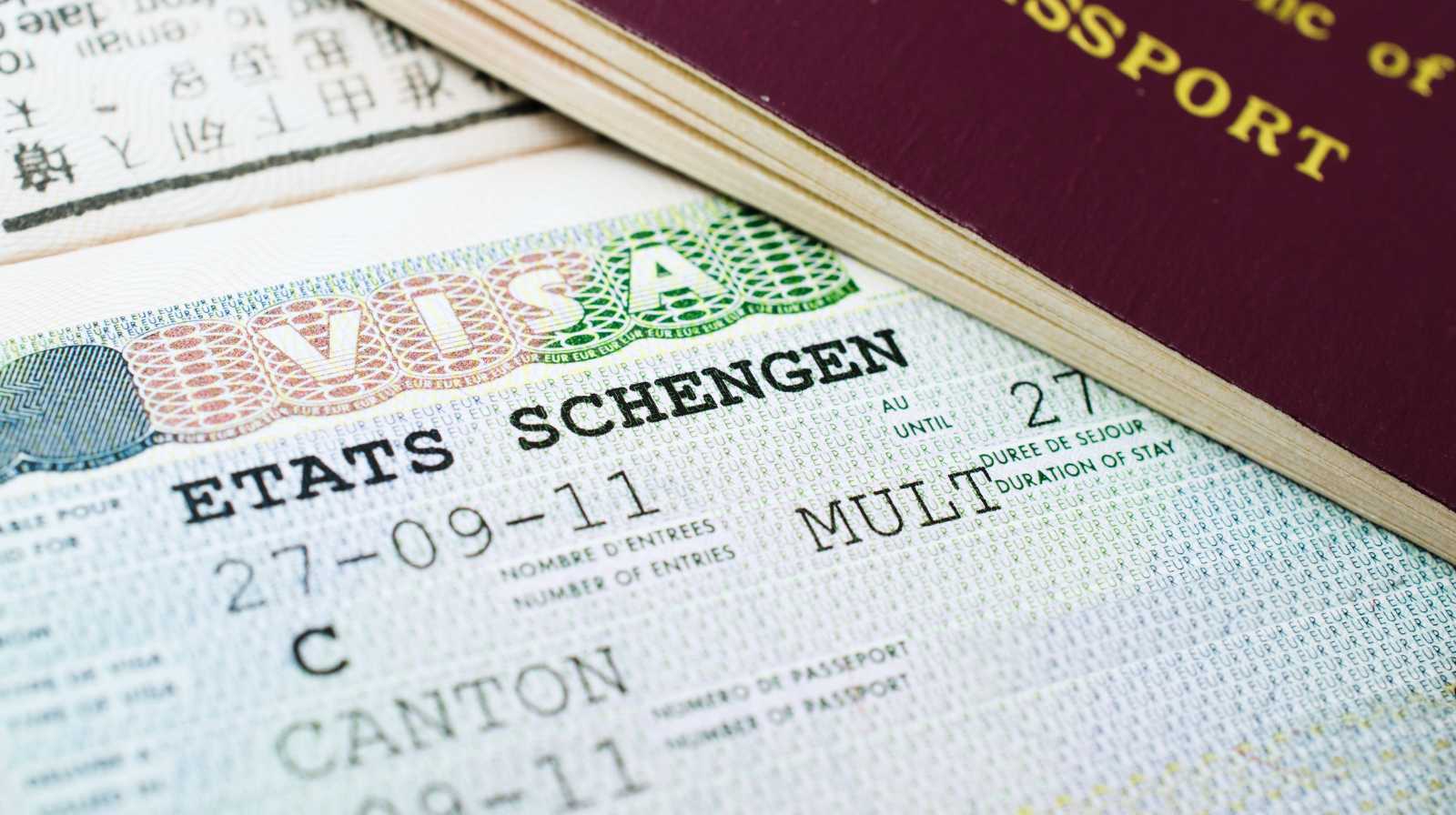
There is one important exception worth noting. EU, EEA, and Swiss nationals living in the UK may still be able to travel within Europe using a valid national identity card or passport card, depending on the destination country’s rules.
However, there are conditions:
- Many EU countries still accept national ID cards for entry
- Some restrictions apply depending on country-specific border policies
- UK entry rules changed in October 2021, and EU ID cards are no longer accepted for most entry into the UK
Those protected under the EU Settlement Scheme (EUSS) may have additional rights, but this does not remove the need to follow current EU border requirements when travelling from the UK.
📌 Top tip: If you are an EU national living in the UK, always carry both your passport and ID card if possible. Rules can vary slightly by destination, and having both avoids last-minute problems at the airport.
⭐ Top destinations for passport free travel from the UK
UK travellers can explore several nearby destinations without needing a passport thanks to the Common Travel Area (CTA). This includes the UK, Ireland, the Isle of Man, Jersey and Guernsey. While a passport is not required for entry, photo identification is often needed when travelling by air or sea.
Here are some of the most popular and inspiring destinations for a short getaway.
Dublin, Ireland: Culture, Craic & City Energy

Dublin is a lively city full of character, known for its historic streets, music scene and friendly atmosphere. Visitors can explore places like Trinity College, the Guinness Storehouse and the buzzing Temple Bar area.
It is easy to reach from the UK by flight or ferry, making it ideal for a weekend break or a short city trip. Dublin combines culture, nightlife and cosy pubs in one compact destination.
Belfast, Northern Ireland: History, Stories & Modern City Life

Belfast offers a mix of rich history and modern culture. Highlights include the Titanic Belfast museum, the vibrant Cathedral Quarter and easy access to the stunning coastal landscapes of Northern Ireland.
It is a great choice for travellers looking for city experiences alongside scenic day trips. Belfast feels both familiar and fresh, with a growing food and arts scene.
Jersey & Guernsey: Channel Island Relaxation

Jersey and Guernsey are perfect for a slower island escape with a touch of French influence. Expect golden beaches, coastal walks and fresh local cuisine. The pace of life is relaxed, and the scenery feels far from the mainland even though it is close by.
Short flights make both islands ideal for long weekends, especially for travellers looking for sunshine and calm surroundings.
Isle of Man: Heritage, Coastlines & Adventure

The Isle of Man is known for its dramatic coastlines, Viking history and outdoor adventures. It is also famous for the world renowned TT motorcycle races, attracting visitors from around the globe.
📂 What documents do you need to travel without a passport?
Let’s keep things simple and practical. Even if you are travelling without a passport within the Common Travel Area, you still need to be prepared with the correct identification. Otherwise, your journey could easily be delayed at check-in or boarding.
Yes, travel between the UK, Ireland, Isle of Man, Jersey and Guernsey is possible without a passport. However, airlines and ferry operators often still ask for valid photo ID, so it is important not to overlook this step.
A valid photo ID: the essential requirement
First things first, here is what you usually need when travelling within these destinations:
- A valid physical photo ID, such as a driving licence or citizen card
- Your name must match the booking details exactly
- The document should be in good condition and easy to read
This may sound straightforward, but small mistakes like a damaged card or a name mismatch can still cause issues at the airport or port.
Simple checks before you travel
A few quick habits can make your trip much smoother:
- Double check your ID before you leave home
- Make sure your booking details match your document exactly
- Keep your ID easily accessible during travel checks
These steps are often overlooked, yet they are the ones that can save you the most stress on the day of travel.
Can a digital ID or photo be used instead?
Let’s be clear. A digital copy or a photo on your phone is not accepted as official travel ID. It might help in some situations, but it does not replace the physical document at airports, ferry terminals or during security checks.
In short, even for short journeys within these nearby destinations, carrying the right physical ID is still essential for a smooth and stress-free trip.
Best hotels for your trip
London
Edinburgh
Cardiff
Belfast
Dublin
See All Hotels
 NO.1
NO.1






































✈️ Can you travel on a plane without a passport in the UK?

Yes, you can travel on a plane without a passport in many cases, but it depends on where you are flying. For domestic flights within the UK, a passport is not always required. However, you must still carry valid photo identification that matches your booking details.
For international flights, the rule is simple. You will almost always need a valid passport, even for short journeys.
Domestic flights within the UK: what ID do you need?
If you are flying within the UK, such as England to Scotland or London to Belfast, you usually do not need a passport. Airlines accept other forms of government issued photo ID, including:
- A full or provisional driving licence
- Armed forces ID card
- Police warrant card in some cases
- Or a passport if you choose to use it
Some airlines may have slightly different rules, so it is always important to check before you travel. In most situations, airline policy matters as much as general guidance.
International flights: a passport is always required
When flying from the UK to Europe or anywhere outside the country, you will need a valid passport. This is required for all passengers, regardless of destination distance or flight length.
Airlines and border authorities will not accept driving licences or other ID for international travel, so your passport must be valid for the full duration of your trip.
Children travelling on domestic flights
For domestic UK flights, children under 16 are often not required to show photo ID when travelling with an adult. However, it is still a good idea to carry some form of identification, such as a birth certificate or school ID if available.
For any international journey, children must have their own valid passport, and additional consent documents may be needed if they are travelling without both parents.
Airline rules can differ
It is important to remember that airline requirements can vary. Some carriers may be stricter and ask for specific types of ID at check-in or boarding. Even if ID is not always checked, having the correct document avoids delays and stress at the airport.
In short, domestic flights within the UK are flexible, but international travel always requires a passport.
💡 Top tips for stress-free travel without a passport
Travelling without a passport can be simple and convenient, especially for journeys within the Common Travel Area or domestic UK flights. The key is to stay organised and avoid small mistakes that can quickly turn into bigger problems.
Keep these practical points in mind before you travel:
- Check airline or ferry ID requirements before booking: Not all carriers accept the same forms of identification. Always review the specific rules of your airline or ferry operator to make sure your ID will be accepted.
- Carry a valid physical photo ID: A digital copy on your phone is not enough. You must bring a physical document, such as a driving licence, that is in good condition and clearly readable.
- Make sure your ID is in date and undamaged: It sounds obvious, but expired or damaged ID is one of the most common reasons for boarding issues. Double check this before you travel.
- Keep your ID safe and easy to access: Store it in a secure place like a wallet or zipped pocket, and keep it close at hand for checks at security and boarding gates.
- Arrive a bit earlier than usual: Even for short or domestic trips, there can still be security checks and queues. Giving yourself extra time helps avoid unnecessary stress.
- Know what to do if you are denied boarding: If your ID is not accepted, speak to airline staff immediately. In some cases, you may be able to rebook or provide alternative identification, but this depends on the carrier.
- Consider travel insurance that covers document issues: Some policies include cover for lost or invalid documents, which can be useful if your plans are disrupted.
- Check the latest FCDO travel advice: Before you travel, review official guidance from the UK government. Rules and requirements can change, so it is always best to stay up to date.
Stay connected throughout your journey
See all attractions




❓ FAQ – Travel without a passport
-
Can you travel without a passport in the UK?
-
Can you fly domestically in the UK without a passport?
-
Can you travel to Ireland from the UK without a passport?
-
Where can UK citizens travel without a passport?
-
Can babies or children travel without a passport?
🧩 More travel guides
Which countries can British passport holders visit without a visa?
Discover all visa-free destinations for UK citizens, including how long you can stay in each country and the entry requirements to check before you travel.
October 10, 2026
Best eSIM for UK from £0.79
Find the best UK eSIM plans, compare providers, learn how eSIM works, where to buy, setup steps, traveller reviews, FAQs, and tips for using eSIM in the UK.
October 10, 2026
Best eSIM for Europe Travel from £0.47
Find the best Europe eSIM for travel in 2026. Compare top providers, data plans, and traveller reviews. Get fast 4G/5G data from just £0.18 for seamless trips.
October 10, 2026
Disclaimer: This article has been provided by an individual contributor or third party platform. If there is any discrepancy regarding the copyright, please contact us directly and we will delete the content immediately.
Trending Searches
-
Travel guides