 269477 booked




Hotels: Save up to 10% (Book online or on Mobile)
Homes & Apts: Save up to £39 (App-only deal)

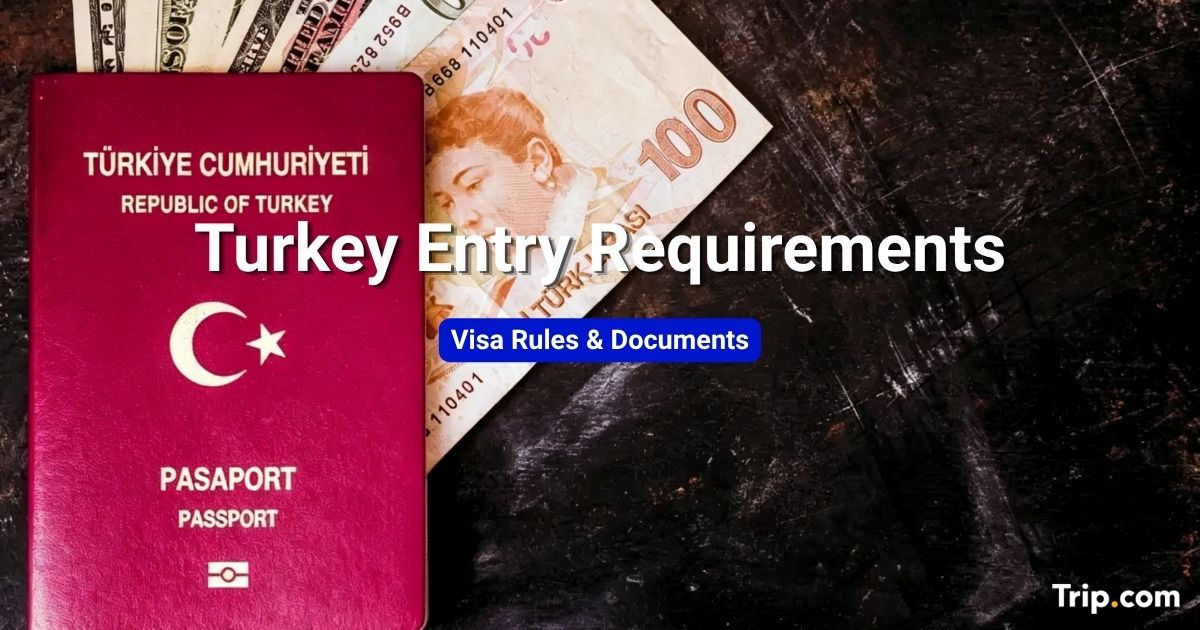
Turkey has been creeping onto the list of favourite destinations for years, and it's no coincidence. Between Istanbul, Cappadocia, and the Aegean coast, you have that unique spot where Europe and Asia blend together without you even noticing. However, this is where the confusion usually sets in. Many people think that you don't need anything special to travel to Turkey, but sometimes that's not quite the case.
That's why, in this Trip.com article, we'll clearly explain whether you need a visa for Turkey, what the requirements are, and what you need to keep in mind before you set off.
Turkey has different rules depending on your nationality. While UK travellers can enter visa-free for up to 90 days, citizens of some countries must apply for a visa in advance at an embassy. Here’s a simple breakdown:
Category | Countries (real-life examples) | Permitted duration | Key requirements |
Visa-free / e-Visa | United Kingdom, United States, Canada, Australia, New Zealand, Ireland, most EU countries | Up to 90 days within 180 days | Passport must be valid for at least 150 days (approximately 5 months) from the date of arrival, apply for e-Visa online before travel, onward ticket, proof of funds |
Conditional e-Visa | India, Pakistan, Egypt, Philippines, Vietnam, Nepal, Iraq, Palestine, Yemen | 30 days | Must meet conditions (e.g., holding Schengen, US, UK, or Irish visa; limited by age or previous visas), apply online before travel |
Advance visa required | Cuba, Haiti, Nigeria, Bangladesh, Afghanistan, Syria, Cameroon, Ghana, Ethiopia, Somalia | Varies | Must apply at embassy in advance, provide full documentation, prior approval required |
Visiting Turkey is mostly straightforward for British citizens, but there are a few things to check before you go. Here’s a handy overview of what you usually need at Turkish immigration:
Requirement | Is it mandatory? | Practical details |
Valid passport | ✔️ Yes | Must be valid for at least 150 days from entry. One blank page recommended, and passport should be in good condition. |
Visa / e-Visa | ❌ NO | UK citizens do NOT need a visa or e-Visa to visit Turkey for tourism/business for up to 90 days within 180 days. Working is not permitted. Apply via official e-Visa website. |
Entry form / registration | ⚠️ Sometimes | Not always required, but some flights or border points may ask for travel details online before arrival. |
One-way ticket | ✔️ Yes | Must have a return or onward ticket to leave Turkey. Checked at boarding or arrival. |
Proof of funds | ⚠️ Sometimes | No fixed amount, but may need cash, cards, or bank statements if asked. |
Accommodation address | ⚠️ Recommended | Hotel, Airbnb, or friend’s place. Not always requested but helpful for smooth entry. |
Extra tips:
Not every traveller can simply walk into Turkey. While many tourists can apply for an e-Visa online, citizens of some countries must get a visa from a Turkish embassy before travelling.
Country | Visa Type | Permitted Stay | Key Details |
United States | e-Visa | Up to 90 days within 180 days | Apply online before travel; passport must be valid 6+ months |
Canada | e-Visa | Up to 90 days within 180 days | Simple online application; passport valid 6+ months |
Australia | e-Visa | Up to 90 days within 180 days | Apply online; total stay cannot exceed 90 days in 180 |
New Zealand | Visa-free | Up to 90 days within 180 days | Passport must be valid 6+ months; return or onward ticket |
Ireland | Visa-free | Up to 90 days within 180 days | Apply online before arrival; proof of accommodation recommended |
South Africa | e-Visa | Up to 90 days within 180 days | Passport valid 6+ months, e-Visa online, onward or return ticket |
India | Conditional e-Visa | 30 days | Only if you hold a valid Schengen, US, UK, or Irish visa/residence permit |
Pakistan | Conditional e-Visa | 30 days | Same conditions as India |
Philippines | Conditional e-Visa | 30 days | Specific conditions apply; online application |
Vietnam | e-Visa | 30 days | Simple online application; passport valid 6+ months |
Nepal | Conditional e-Visa | 30 days | Subject to additional requirements; apply online |
Iraq | Conditional e-Visa | 30 days | Only for selected profiles |
Palestine | Conditional e-Visa | 30 days | Must hold a visa from a third country |
Yemen | Conditional or Consular | 30 days | May require embassy approval or additional conditions |
Even if you don't need a visa for Turkey in many cases, that doesn't mean entry is automatic. There are a series of requirements that apply regardless, and the key is to meet them before you set off to avoid any issues at boarding or the border:
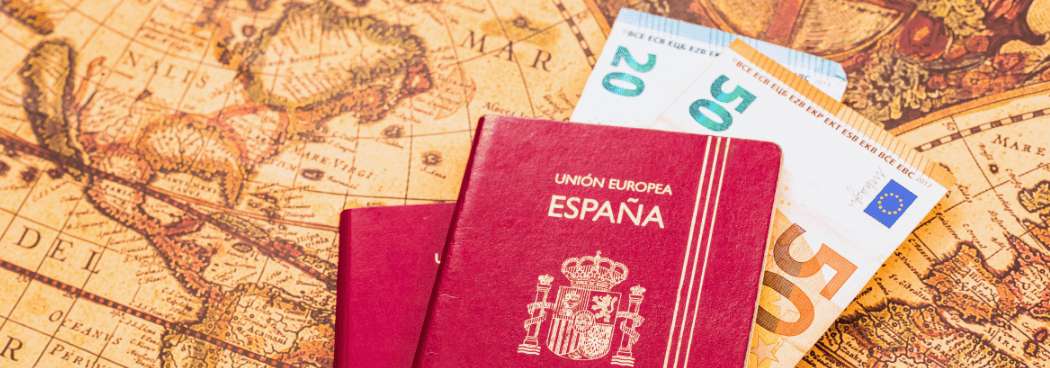
To start with, your passport is essential. It must meet a very specific rule: it needs to be valid for at least 60 days beyond your permitted period of stay. If you're allowed to stay for 90 days, your passport must have at least 150 days of validity from your date of entry. This requirement is set by Turkish immigration regulations, and it's one of the areas where many travellers get caught out.
Also, keep in mind:
👇 Still not sure which destinations you can visit without a British passport? Discover accessible countries, entry requirements, and ideal spots for easier, hassle-free travel.

Authorities may ask you to prove that you will be leaving the country within the permitted timeframe. In practice, this means carrying:
✈️ Find cheap flights to Turkey and start planning your trip at the best price.
There isn't a single official figure for entering Turkey, but a common benchmark is around £40–50 per day of your stay. It's a way of demonstrating that you can cover your basic expenses during your trip.
You can verify it with:
They won't always ask for it, but if they do, it's best to have it ready.

Another fairly common point at immigration control. It's not always mandatory, but they may ask you for it. The important thing is to have a clear address where you'll be staying, for example:
It's not mandatory for tourism here, but it is highly recommended. And honestly, it makes a lot of sense. A good travel insurance policy for Turkey should cover:
Private healthcare in Turkey can be expensive for foreigners. Furthermore, if your trip is extended or your visa type changes, this insurance may become mandatory.
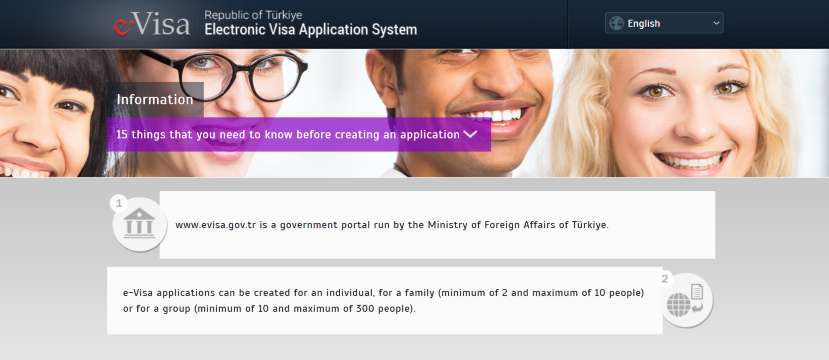
When you're looking to apply for a Turkey e-Visa, you'll come across a thousand different websites… but the reality is much simpler than it seems. The e-Visa, or electronic visa for Turkey, is a digital permit that allows you to enter the country for tourism or business without having to visit an embassy.
Everything is done online in a matter of minutes, and you'll receive it straight to your inbox.
We'll show you how to apply for your Turkey e-Visa, step by step:
Important requirements to keep in mind:
Not everyone travels just for tourism. So, if your plans change, your requirements do too. Even though many travellers don't need a visa for short stays, there are situations where you will need to apply for a specific visa for Turkey before you travel.

To work in Turkey, you'll need a work visa, which is always linked to a work permit approved by the Ministry of Labour and Social Security (T.C. Çalışma ve Sosyal Güvenlik Bakanlığı).
To keep things simple, here's how the process works:
Both processes are linked. Without an approved work permit, your visa application won't go ahead.

If you're heading off to study, you'll need a student visa. This visa must be arranged before you travel and typically requires:
And that's where the next step comes in. Once you're in Turkey, you'll need to apply for a student residence permit shortly after your arrival.

If you're planning to stay in Turkey for more than 90 days, simply entering as a tourist won't be enough. In that case, you'll need to apply for a residence permit, known locally as an Ikamet.
Depending on the reason for your stay, there are different types of permits available:
Here's one of the most common questions before you start planning your trip... How much does it cost to travel to Turkey? Well, it really depends on the time of year, the city, and the type of trip you have in mind. The beauty of Turkey is that you can travel on a budget or enjoy a more comfortable experience without breaking the bank. To give you an idea, here's a rough budget:
Concept | Approximate Price (£) | Notes / Details |
✈️ Return Flight (from UK) | £100-500 | Prices vary by season and departure city |
🏨 Hotel per night | £20 – £95 | Budget guesthouse to mid-range hotel |
🍽️ Food per day | £13 – £30 | Local restaurants, street food, cafes |
🚕 Transport | £1 – £9 | City buses, trams, or budget domestic flights |
🎟️ Attractions / Things to Do | £8 – £21 | Standard museum tickets, guided tours |
What's more, the Turkish lira exchange rate often works in the traveller's favour. To give you an idea, 1 TRY (Turkish lira) ≈ ≈ £0.016–0.018, though this can fluctuate depending on the time. This means that:

Generally speaking, there aren't any major health requirements for entering the country. In fact, if you check the official recommendations, you'll see that there are no mandatory vaccinations for travelling to Turkey. Plus, as of today, there are no COVID-related requirements. No certificates, no tests, no health forms.
That said, it doesn't mean there aren't any medical recommendations. Typically, according to bodies like the Foreign Health Office, it's best to travel with your vaccination schedule up to date and consider a few basic vaccines:
Also, here's a detail that many people don't consider: Turkey, especially cities like Istanbul, is full of stray cats. They are part of daily life and are usually well cared for, vaccinated, and quite accustomed to people.
However, it's always a good idea to take a few basic precautions:

Before travelling to Turkey, there are a few practical details worth sorting out so you can get around with ease from day one:
Money: the official currency is the Turkish lira (TRY). Although many shops accept cards, it's still useful to carry cash for markets, taxis, and smaller local spots.
Useful apps:
Mobile internet: an eSIM or local SIM card lets you use maps, book transport and check your reservations as soon as you land, which is especially handy in cities like Istanbul.
Cash machines: You'll find ATMs in practically every tourist area and airport, so withdrawing cash is usually quite straightforward.
✈️ Book your flight + hotel in Turkey at the best price on Trip.com and get everything ready before your trip by planning your route to your chosen destination.














































![Antalya round-trip 1-day tour to ancient Greek and Roman ruins [Professional guide with lunch included]](https://ak-d.tripcdn.com/images//0584512000nrhs0uhE34C_C_568_320.jpg)