
Hotels: Save up to 10% (Book online or on Mobile)
Homes & Apts: Save up to £39 (App-only deal)

By Tina
July 8, 2026
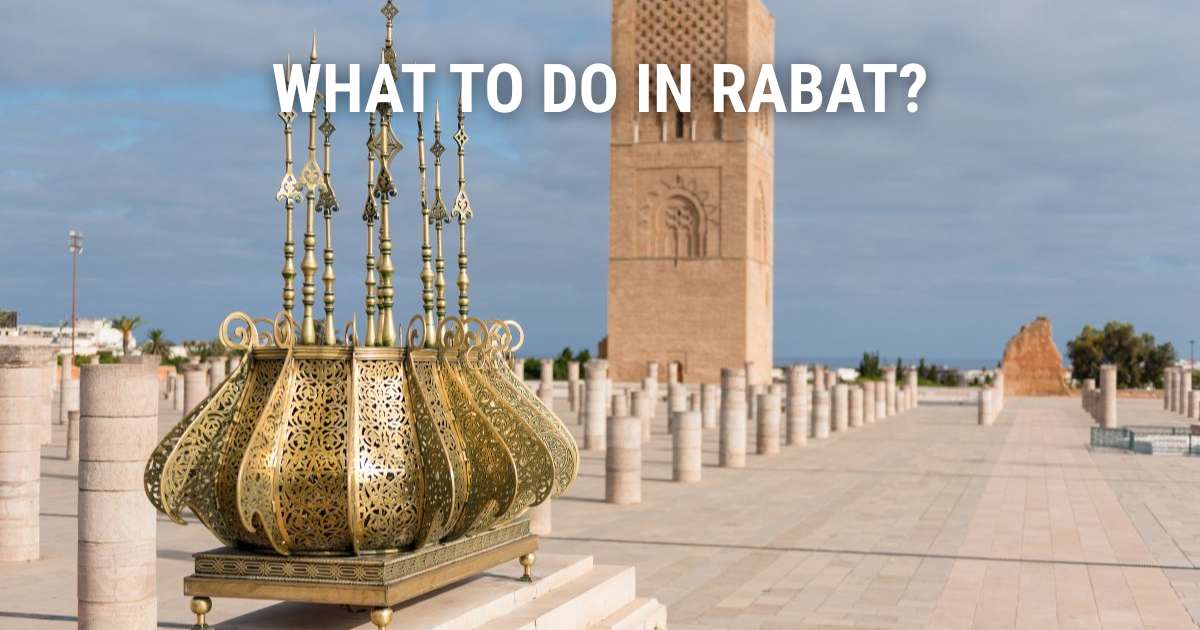
If Rabat sounds like a serious capital and not much else, let us tell you right now that it’s quite the opposite. This city, elegant and rather tranquil for what one expects from Morocco, has been welcoming travellers for centuries, drawn by its history, its mystical air, and that unique way it has of blending tradition and modern life without any fuss.
In this guide on what to do in Rabat, you will find the must-visit places in Rabat, simple plans to organise your trip, and a few insights into why tourism in this city is so captivating, especially for British travellers looking for something authentic yet comfortable.
Rabat is one of those cities that makes you fall in love with it whether you're short on time or able to stay for several days, and of course, your itinerary in Rabat changes quite a bit depending on how many days you have ahead of you.
Duration | 💑 Couple | 👨👩👧 Family | 🍻 Friends | 🧍 Solo |
1 day | Medina, Kasbah of the Udayas at sunset and dinner facing the Atlantic | Kasbah, Hassan district and a short stroll through gardens | Medina, coastal walk and local tapas | Medina, Kasbah and a leisurely stroll through Hassan |
2–3 days | Kasbah, Hassan, Agdal and nearby beaches | Museums, historical monuments and spacious parks | Medina, Agdal, local gastronomy and relaxed evenings | The medina in depth, museums and local neighbourhoods |
4–5 days | History, modern neighbourhoods and a tranquil coast | A relaxed pace between city and beach | Daytime culture, coast and relaxed evening plans | Less touristy spots and long walks |
1 week | Rabat + getaway to Salé or Casablanca | Alternate between city, coast and nearby excursions | Rabat as a base for exploring the region | Living the city like a local for a few days |
Rabat is divided between areas with centuries of history, more modern neighbourhoods, and monumental areas that set the rhythm of the city, and of course, each one has its own personality.
Depending on where you go, you can have different experiences. And that's where it's worth getting to know the neighbourhoods of Rabat... Shall we take a look?
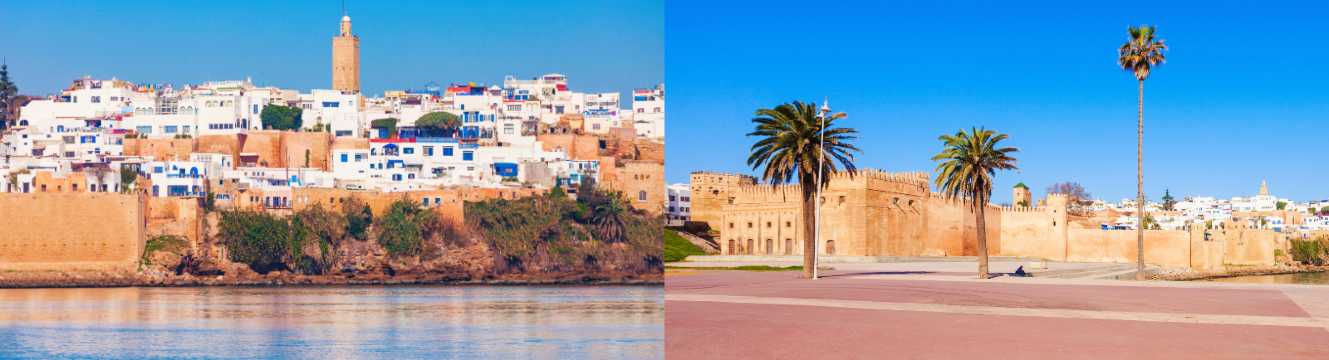
The Medina of Rabat is the historic quarter of Rabat par excellence and, let's be honest, one of those places where the city feels most authentic. Ancient walls, narrow alleyways, small souks and artisan workshops that continue to work just as they always have.
Here you see local life unfiltered. There are neighbours doing their shopping, children playing and food stalls that smell wonderful. And the truth is, wandering through the medina is part of the plan. Plus, it's quite a bit quieter than other medinas in Morocco, something many travellers appreciate.
📌 Trip.com tip: head in early in the morning, when everything is just starting to stir, and get lost without a map.
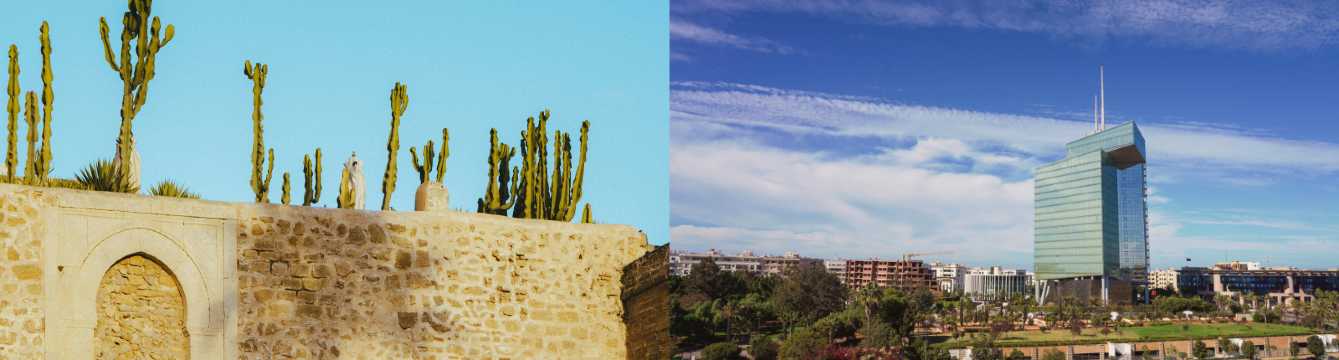
If you find the Kasbah a bit too polished or touristy, Hay Riad is just the opposite, and that’s where its charm lies. This modern, spacious and quite green neighbourhood is where a large part of the local middle and upper class lives, with quiet avenues, contemporary cafés and a much more everyday pace. And, of course, you don't come here to tick off monuments, but to see what real life in Rabat is like.
The thing is, Hay Riad works really well for grabbing a bite to eat, having a drink, or simply wandering around without feeling like you're being watched as a tourist. Plus, there are modern restaurants, French bakeries, pleasant terraces, and lesser-known cultural centres.
💡 A riad is a traditional Moroccan house built around an interior courtyard, usually featuring a fountain, plants, and mosaics.
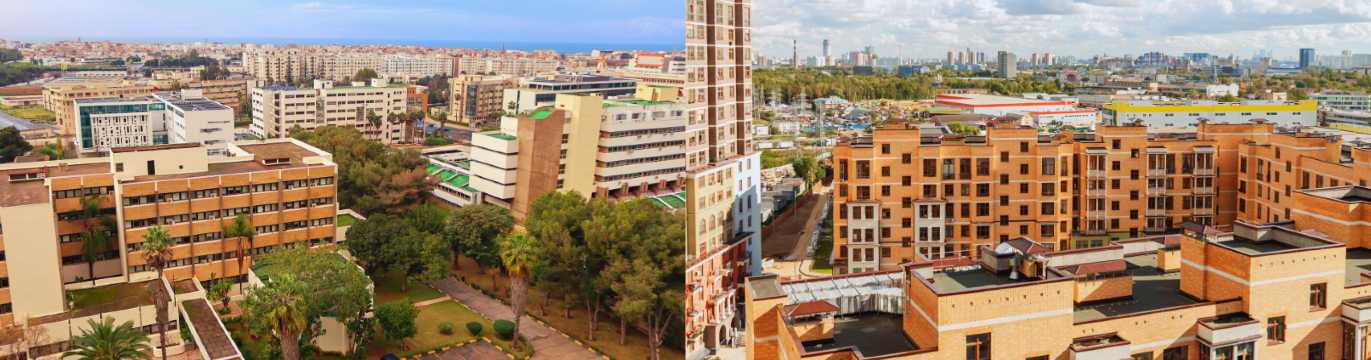
Agdal perfectly represents the modern areas of Rabat. Wide avenues, trendy cafés, international restaurants and shops of all kinds. Keep in mind that this is a very convenient area to get around and to stay in.
Plus, it’s well-connected to the rest of the city and has a young, lively atmosphere, especially in the evening.
Not everything is perfect, mind you: it lacks the historic charm of other neighbourhoods, but it makes up for it with comfort.
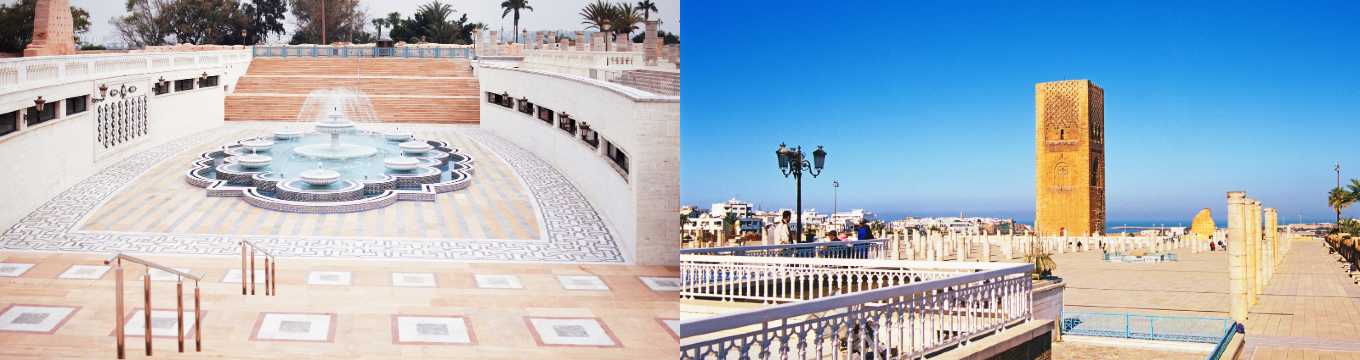
The Hassan district is where Rabat shows its most institutional side. This is where some of the city's great symbols are concentrated, such as the Hassan Tower, the Mausoleum of Mohammed V, and wide avenues that give it a solemn air.
The truth is, it’s a really practical area for tourism: everything is relatively close by and it’s easy to get around. Plus, it’s quiet even in high season.
📌 Trip.com tip: a great halfway point if you want to combine cultural visits with some relaxation.
Rabat has that elegant touch you notice from your very first walk. Well-preserved history, monuments with gravitas (in the best sense), and cultural spaces where you want to take your time. But the important thing here is always to combine impressive visits with quiet moments, because it's not all about rushing from one place to another.
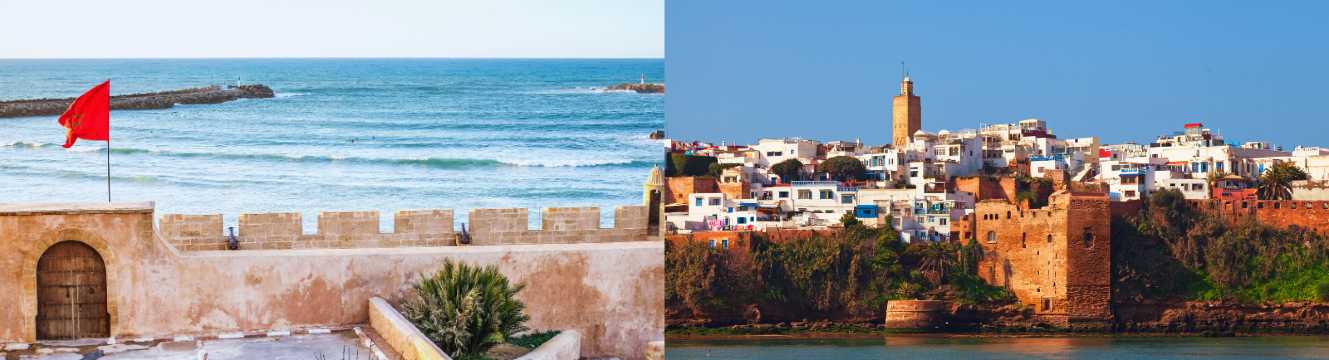
The Kasbah of the Udayas is one of those places that justifies the trip all on its own. An ancient fortified district, white and blue houses, clean streets, and a surprisingly calm atmosphere. And the thing is, even though it is one of the city's icons, it doesn't feel overwhelming.
Things to do here:
Practical information:
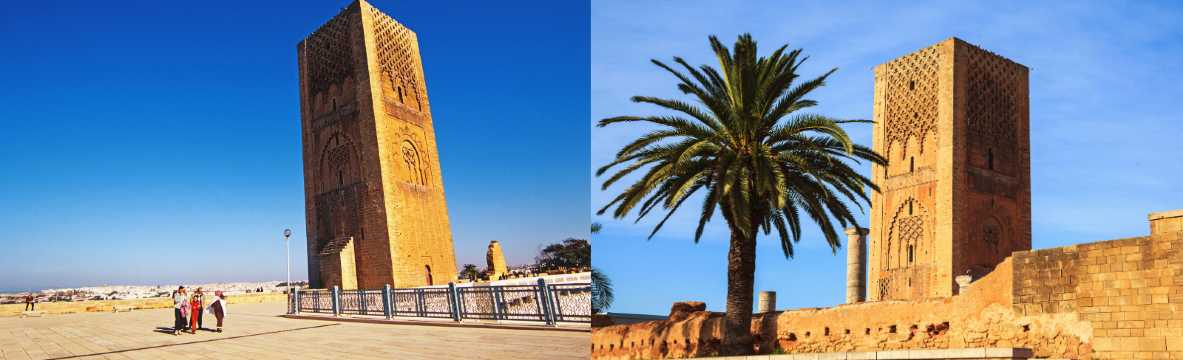
The Hassan Tower is one of the city's great symbols. It was intended to be a monumental mosque in the 12th century, but it remained unfinished. And that is the key: that sense of half-finished grandeur is exactly what makes it so special.
The interesting thing here isn't just the tower, but the whole ensemble:
Useful information:
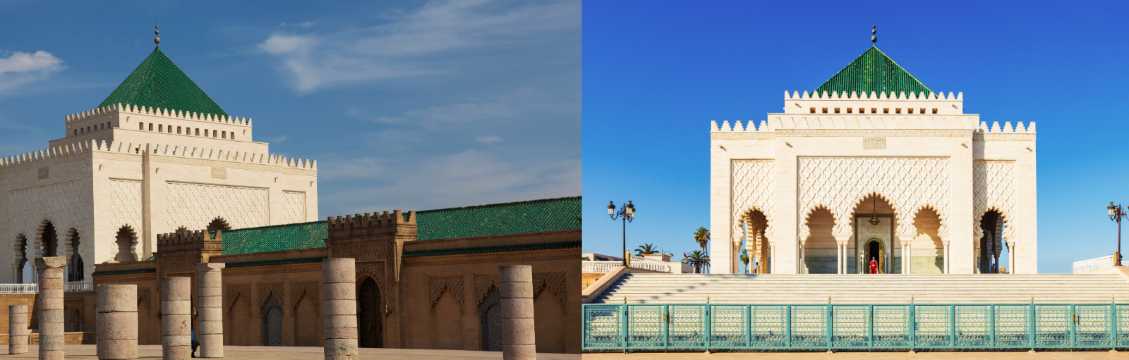
Right next to the Hassan Tower is the Mausoleum of Mohammed V, one of the most visited places in Rabat. And it really is impressive. White marble, detailed mosaics, and a very respectful silence.
💡 Who was Mohammed V? To give you a clear idea before you go, Mohammed V was one of the key figures in Morocco's modern history. In fact, he is a highly respected figure in the country. He was first Sultan and later King, and played an important role during the independence process from the French protectorate.
A few important notes:
Plus, the mounted royal guards are part of the scenery and give it a very ceremonial feel. Let's be honest, it's one of those places that leaves a lasting impression.
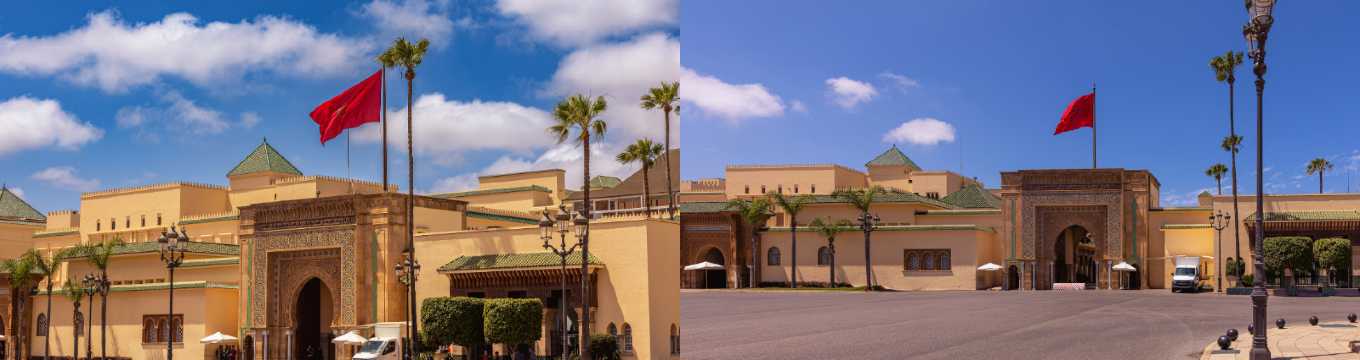
The Royal Palace of Rabat, also known as Dar al-Makhzen, is the official residence of the King. And, of course, you can't visit the inside. But that doesn't mean it's not worth getting close to.
What to see from the outside:
Tips:
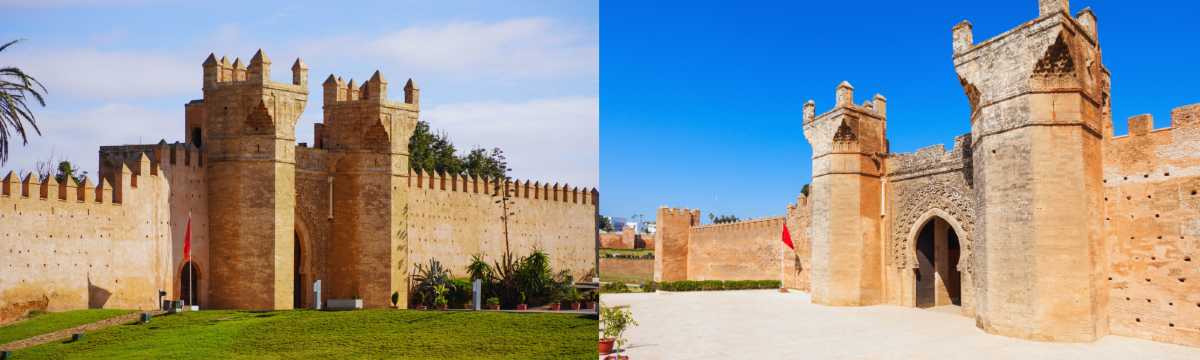
The Chellah Necropolis is the perfect counterpoint to the rest of your visits. Roman and medieval ruins nestled in greenery, storks nesting up high, and a very tranquil atmosphere.
What you'll find here are the remains of the ancient Roman city of Sala Colonia, with walls, columns, and stone paths, all mixed with later Islamic tombs and structures, and everything half-reclaimed by nature.
Wander among archaeological remains
Practical information:
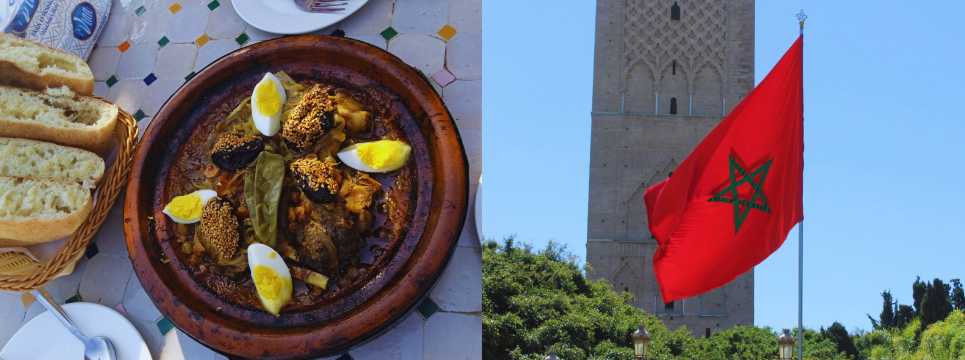
Rabat is in a league of its own within Morocco. It’s more orderly, calmer, and has an institutional weight that you can feel in the atmosphere from your very first walk.
And of course, that translates into wide avenues, well-maintained buildings and a general feeling of a city designed for living, not just for visiting.
Rabat has taken its cultural role very seriously. We’re not just talking about isolated monuments here, but a fairly coherent whole where history and modernity coexist without getting in each other's way. Museums, galleries, and cultural spaces are spread throughout the city in a very accessible way.
A few handy tips to keep in mind:
Plus, many museums have quite affordable prices or even free entry on certain days.
And of course, all that culture is also best enjoyed at the table. The gastronomy in Rabat is more understated than in other Moroccan cities, but that’s part of its charm. Less spectacle and more authentic flavour.
What you shouldn't miss:
And that’s where the traditional cafés come in. In the medina or near the Kasbah, you’ll find quiet terraces where you can sit and watch the world go by. What’s more, prices tend to be more reasonable than in the ultra-touristy areas of other cities.
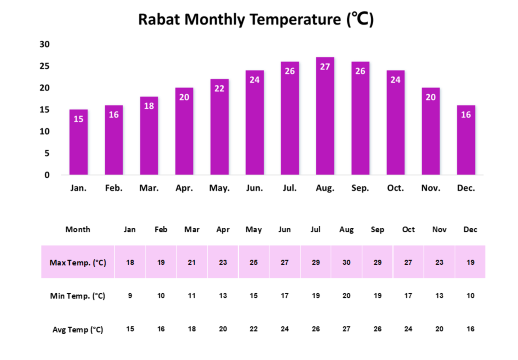
Rabat has a clear advantage over other cities in the country: it can be visited practically all year round. And of course, the climate helps, because there are no extreme temperatures here. Here we show you the climate in Rabat:
Season | Climate | Notes | Things to do |
🌸 Spring | 18–24 °C | Soft and very pleasant | Monuments, strolls through the Kasbah, medina |
☀️ Summer | 25–30 °C | Warm, but manageable | Coast, nearby beaches, sunset terraces |
🍁 Autumn | 20–26 °C | Fewer tourists and good weather | Culture, museums, city walks |
❄️ Winter | 12–18 °C | Calm and mild | City breaks, gastronomy, museums |
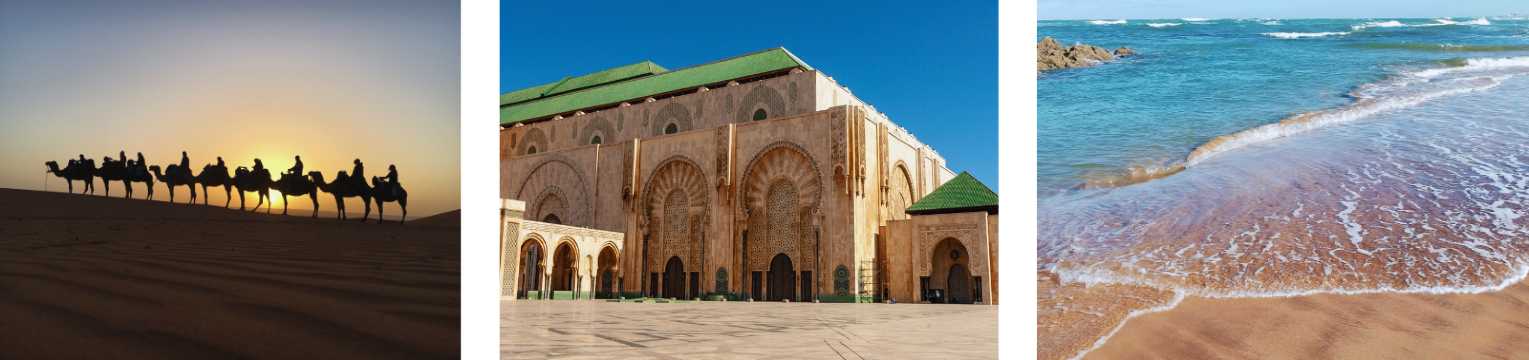
Rabat isn't just enjoyed within its own walls. Its location is so convenient that, in less time than you'd think, you can find yourself in other cities with very different plans.
The thing is, if you organise yourself well, Rabat works brilliantly as a base for getting around the north of Morocco without having to pack and unpack your suitcase every other minute.
Salé sits right opposite Rabat, separated only by the Bou Regreg river. And sure, it often goes unnoticed, but that’s the trick: it’s more authentic and less touristy.
Practical information
🕒 Average time: 15–20 minutes
🚋 How to get there: tram from Rabat city centre
📍 Must-sees:
The thing is, Salé is best explored at a leisurely pace, offering a different perspective on everyday Moroccan life. In short, it’s perfect for a quiet morning.
“We’ll always have Paris”. The line from the legendary 1942 film is etched in our minds, and if you’re craving a change of pace, Casablanca is the most popular getaway. Bigger, more chaotic, and with that cosmopolitan vibe that contrasts quite sharply with Rabat.
Practical information
🕒 Average time: 1–1.15 hrs
🚆 How to get there: direct ONCF train from Rabat
📍 Must-sees:
Mind you, a word of warning: Casablanca is more imposing. Not everything is perfect, but if you are interested in seeing the more modern side of Morocco, it is worth it.
When your body is craving the sea, Mehdia is a great little option. It’s close by, easy to get to, and has a much more relaxed vibe.
Practical information
🕒 Average time: 45–60 minutes
🚗 How to get there: car or taxi from Rabat
📍 Must-sees:
🚅 Book your train tickets with Trip.com
🎁 Travel hassle-free: book flight + hotel in one go
Enjoy your trip to Rabat with Trip.com! 🌿