2026 Fanshi Travel Guide: must-see attractions, popular food, hotels, transport & travel experiences (updated in February)
Essential Travel Information for Fanshi
Fanshi Today's weather
Overcast -12-3℃

Latest Travel Trends in Fanshi
Popular Attraction in Fanshi
Wutai Mountain
(508)All Trip Moments about Fanshi | Travel Experiences
Yangquan, Shanxi|A Hidden Ancient Village Treasure in the City! Zero Commercialization, Perfect for Photos
📍Exploring Dayangquan Ancient Village Unboxing a surprise in Shanxi, the province famous for ancient architecture✨ Although Yangquan is a "small unknown" in Shanxi's ancient architecture circle🤭 It is definitely a hidden champion nationwide! Other ancient architecture in Yangquan💫: ▫️Yuxian County: Cangshan Shrine, Xiguan Sansheng Temple Main Hall, Dawang Temple ▫️Pingding County: Tianning Temple Twin Pagodas, Yangchun Tower... 🏯 Highlights of Dayangquan Ancient Village: ✔️Guoyun Tower (an excellent photo spot📸) ✔️Wulong Palace (full of mystery🔮) ✔️Guangyu Ancestral Hall (quaint and charming🏮) 🚗 Travel Tips: A perfect choice for trips around Shijiazhuang! The ancient village is small but exquisite, great for a quick stop or a short trip~ Recommend reserving 2 hours for the visit⏳ 📸 Photo Tips: Wearing Hanfu makes your photos stand out! The ancient village is most beautiful at sunset🌇 Remember to fully charge your camera🔋BEC. Leo 3491The mural of Riverside Scene at Qingming Festival - Yanshan Temple, Fanshi, Shanxi
The journey to Fanshi begins with Yanshan Temple. In the third year of Jin Zhenglong (1158 AD), craftsmen of the Jin Dynasty carved wood and swung axes in the valley embraced by mountains in Tianyan Village, at the northern foot of Wutai Mountain, 40 kilometers southeast of Fanshi County. They built the core structure of Yanshan Temple, the Manjusri Hall, originally established during the Northern Song Dynasty's Yuanfeng era. According to the "Fanshi Lingyan Courtyard Water and Land Record Stele" inside the temple, the hall was built to "offer salvation to fallen soldiers," meaning to pray for the souls of those who died in battle. Previously called Lingyan Courtyard, it was said that a high monk preached here, and even the rocks seemed to nod in agreement, hence the name Yanshan, meaning the mountain has a spirit. Today, the temple no longer has the main hall or mountain gate, only the Manjusri Hall, the Qing Dynasty side halls, and the bell tower remain. Although Yanshan Temple lacks magnificent buildings, the only Jin Dynasty relic, the Manjusri Hall, feels like a secret realm forgotten by time, with every inch filled with surprises and emotion. The moment you enter the Manjusri Hall, dim light envelops you. Standing in the gloom, as you move forward, it feels like stepping into a time tunnel over 800 years old. On the Buddha platform sits the Water-Moon Guanyin facing backward, with a full face, flowing robes, graceful posture, and a gentle, compassionate expression. The right arm rests on the knee, the body slightly bent, and the left hand supports the platform. Though the legs and hands are damaged, the statue still exudes Buddhist dignity, resembling the Water-Moon Guanyin from a Jin Dynasty Shanxi temple in the Metropolitan Museum of Art, New York (which I was fortunate to admire in 2017). The Manjusri statue behind Guanyin is long gone, but its mount, a blue lion, remains. The blue lion has thick mane and strong limbs, head held high and chest out. The lion rider, a Kunlun slave, wears a small hat, leans slightly forward, with missing hands and damaged feet. Nearby, a donor with Hu ethnic features wears wide-sleeved, high-collared clothing and has a thick beard. At the northeast and southwest corners stand two Dharma protector Vajras, weathered by time with missing limbs, but their armor is distinct and imposing. Bathed in light filtering through the door, my eyes adjusted to the hall’s dimness and were captivated by the walls covered in Jin Dynasty murals. These murals were painted by Wang Kui, a Northern Song court painter. Wang Kui was a top artist at the Hanlin Painting Academy alongside Zhang Zeduan, painter of the Riverside Scene at Qingming Festival, and Wang Ximeng, painter of A Thousand Li of Rivers and Mountains. After the Jingkang Incident, the Jin army captured two emperors and court members, including Wang Kui. At 28, he entered the Jin Imperial Household Department and became a court painter. In the third year of Jin Zhenglong, he participated in painting Lingyan Temple, completing the work in the seventh year of Dading (1167 AD) after ten years. Though the temple’s buildings have changed over time, the murals in Manjusri Hall remain untouched. Their exquisite artistry rivals that of Dunhuang murals. The murals contain rich content: Buddhas and Bodhisattvas, distant green mountains and waters, orderly grand buildings, pavilions and towers, and bustling street scenes full of everyday life. When Wang Kui completed the murals, he was 68 years old. Having been captured by the Jin in his youth and forced to serve them for forty years, perhaps out of emotion and longing for his homeland, he revived memories through painting Buddhist stories. The countless figures in his brushwork are an unforgettable dream of his lost country. How fortunate we are to witness the eternal city in the painter’s memory before the major restoration of Xianmen (February 1, 2026).PernilleNyg?rdThe Twin Jewels of North and South: Shanxi Fanshi Princess Temple
Hearing that the nationally protected Yanshan Temple in Fanshi would be closed for renovation on February 1st, I arranged with friends to head to Fanshi County, Shanxi. Fanshi County is located in northern Shanxi, north of Mount Heng (one of the Five Great Mountains), south of Mount Wutai, east of Pingxingguan, and west of Daixian, connected to Yanmen Pass. It is known as the "Northern Gate of the Buddhist Kingdom," "Source of the Hutuo River," and the "Eastern Gate of Sanjin." Based on transportation, our first stop was Princess Temple, located 15 kilometers southeast of the county seat in Xingyuan Township, which, along with Yanshan Temple and Sansheng Temple, is known as the "Three Temples." Despite the cold winter with biting north winds and snow-covered ground, the temple was still bustling with visitors, most of whom, we learned, had come from various places just like us. Princess Temple was first built during the Northern Wei dynasty. According to the "Qingliang Mountain Records," it was the monastery where Princess Chengxin of Northern Wei became a nun, originally called Princess Temple. During the Tang dynasty, a nun presented a large jade wall fragment found beneath the ruins of the war-damaged Princess Temple to Empress Wu Zetian, who then ordered the temple to be rebuilt on the original site. In the Ming dynasty, it was relocated to its current site in Princess Village, Fancheng Town. In the early Qing dynasty, Princess Temple became a subordinate temple of Tayuan Temple on Mount Wutai. The temple's architecture is well preserved, covering 4,347 square meters, with a main layout following the royal "Three Palaces and Six Courtyards" style, facing south with the main entrance to the north. Along the central axis are the mountain gate, the passing hall, the Pilu Hall, and the Mahavira Hall, with the eastern and western halls including the Karan Hall, forming three successive courtyards. This ancient temple hidden in the mountain village of Fanshi County lacks the bustling incense and crowds, offering only solemn tranquility soaked in the passage of time. The single-eaved Xieshan-style Mahavira Hall—the core that preserves the Ming dynasty spirit—has dim lighting inside, with the air filled with the unique scent of ancient wood and pigments. As your eyes adjust to the darkness, the breathtaking grandeur overwhelms you—the walls are adorned with over 480 gods and Buddhas, who seem to awaken after centuries of slumber. The vividly lifelike deities, with flowing robes, seem to whisper softly. These murals, praised alongside those in Yongle Palace as the "Twin Jewels of North and South" of Ming dynasty wall paintings, were created using mineral pigments (azurite, cinnabar, etc.) mixed with glutinous rice paste and gold leaf. After more than 500 years, the colors remain vibrant—reds like vermilion, blues like the sky, and golds like rosy clouds. Every stroke captures the ancient people's faith and aesthetic of their era, eternally fixed on the walls, leaving visitors speechless with awe. It is said that at night, moonlight reflecting off the pigments makes the gods and Buddhas in the murals appear to move with the light. Standing inside the hall, as an ordinary visitor, you experience a pure aesthetic shock that transcends time and space! The Pilu Hall was rebuilt in the first year of the Ming Zhengde era (1506). At its center is a seated statue of Shakyamuni Buddha, flanked by Brahma and Indra. Behind and beside them, suspended sculptures create celestial mountains and pavilions, with overlapping peaks and jagged rocks, housing the Eighteen Arhats and the inverted Guanyin Bodhisattva. The passing hall behind the mountain gate was built during the Ming Hongzhi era, featuring a single-eaved hard mountain roof. Upon entering, you are greeted by exquisite murals with vivid colors and rich content, depicting Buddhist stories and secular life, like a three-dimensional Ming dynasty life painting. The east and west courtyards of Princess Temple house the Niangniang Temple and the Guan Di Temple, each with a Qing dynasty opera stage still in use today (traditional performances take place on the ninth day of the third lunar month). The pine trees in these courtyards are lush and over a thousand years old. Although the Qing dynasty buildings are not as exquisite or grand as those from the Ming dynasty, they still bear the marks of time, adding historical depth to this ancient temple. The existence of Princess Temple reminds us that true treasures never need to be flaunted. It quietly stands among the mountains, attracting all who are willing to pause and sincerely appreciate its thousand-year history, exquisite art, and devout faith.C0sm1c_Sylph1dXilai Temple at Mount Wutai: A Hidden Gem Next to the West Terrace
🚗 Heads up! We've discovered a little-known spot that 99% of tourists miss! Just a short distance from the West Terrace of Mount Wutai lies a stunning Buddhist secret—Xilai Temple! 🌈 At sunset, drive along the mountain paths and watch the sun drape the peaks in golden light🌅 This scene is truly healing! Quickly grab your phone and snap a photo~ Sometimes you can even see Buddha’s light, which is magical! 🌟 What makes this place so special? ✅ The Eight Merits Water is incredibly effective! Legend says drinking it can... ✅ Don’t believe it? Check out the Dragon-Flip Rock! It bears the claw marks left from a battle between Manjushri Bodhisattva and a divine dragon🐉 ✅ The Manjushri Debate Stone still holds the wisdom of the Bodhisattva ✅ Fields of drought-tolerant lotus flowers so beautiful they take your breath away🌼 ✅ Tibetan-style stupas will transport you to Tibet in an instant 📍 Location: Near the West Terrace, Mount Wutai Scenic Area, Fanshi County, Xinzhou City, Shanxi Province 🕒 Best time to visit: Sunset is the most beautiful! Recommended from 4:00 PM to 7:00 PM for photos 📸 Photo spots: 1️⃣ Tibetan-style stupas framed by the evening glow 2️⃣ Stroll through the sea of drought-tolerant lotus flowers 3️⃣ Make a wish in front of Dragon-Flip Rock 4️⃣ Sit on the Debate Stone and feel the wisdom of Manjushri Bodhisattva ✨ Pro Tips: - Big temperature difference between morning and evening, remember to bring a jacket - Bring an empty bottle to fill with the Eight Merits Water - Drivers, please be careful on the mountain roadsMatrix~FosterWutai Mountain Grand Pilgrimage Day 4|Meeting Manjushri Bodhisattva at Yunding Tiangong
Day 4 Zhongtai → Hongmen Rock Successfully Concluded! ✨ 🌤️ Zhongtai Yan Jiao Temple: Altitude 2895 meters, a true "Cloud-top Heavenly Palace" ☁️ 📍 Location: Zhongtai Peak, Wutai Mountain Must-visit spots: ✔️ Great White Pagoda (home to the sacred statue of Manjushri Bodhisattva) ✔️ Magical Little Heavenly Pool ✔️ Jinbi Peak Monk’s Pagoda (at the mountain gate) 🚶♂️ Proceed to the Bathing Pool: The legendary pilgrimage supply station ⛑️ 📍 Location: 3 km north of Zhongtai Sacred relics: ✔️ Manjushri’s handprint/footprint relics ✔️ Offers accommodation and dining (super nice), plus WiFi 🏔️ Beitai, the Roof of North China: The highest peak of Wutai Mountain at 3061 meters! 📍 Location: Beitai Peak, Wutai Mountain You can see: ✔️ Giant Bronze Cauldron ✔️ Master Deng Yinfeng’s Pagoda ✔️ Guangji Dragon King Hall 🐱 Passing Huayan Ridge: Cat paradise 🐈 📍 Location: Fayuansi Temple, Huayan Ridge Here: ✔️ The kittens are super friendly ✔️ The temple is simple and elegant 🎉 Finish at Hongmen Rock: Grand pilgrimage successfully completed! Finally, a perfect ending 🎯haldir_6981Shanxi Lingqiu Hanzhuang Great Wall
The Hanzhuang Great Wall is located in Hanzhuang Village, Shentangbao Township, Fanshi County, Xinzhou City, Shanxi Province, adjacent to National Highway 108. The existing wall stretches 35 kilometers in length. This Great Wall was originally built during the Warring States period by the Zhao State, underwent major repairs during the Sui Dynasty, and in the Ming Dynasty, brick and stone were added on the outside to form an inner Great Wall system. The existing wall reaches a maximum height of 6.6 meters and a top width of 3.6 meters, winding along the mountain terrain. Along the route, six enemy towers marked with the character "Ci" remain, including Tower No. 24, which features Ming Dynasty stone inscription plaques. The main structure of the existing Great Wall is made of brick and stone from the Ming Dynasty. The enemy towers have two levels: the base is built with nine layers of stone slabs, and the upper part has battlements and shooting openings. In 1970, some sections of the wall were destroyed due to the construction of the Jingyuan Railway. The remaining wall sections extend from Tuanchengkou in the west to Cigouying in the east. As an important relic of the Ming Dynasty border defense system, its enemy towers' form and masonry techniques have typical characteristics. It is a nationally protected key cultural relic.VictoriaMcDermott99Cigouying Fort, Lingqiu, Shanxi
Also known as Yingguan City, Cigouying Fort is located in Cigouying Village, Shentangbao Township, Fanshi County, Xinzhou City, Shanxi Province. It is a Ming Dynasty structure. Built in the third year of the Wanli reign of the Ming Dynasty, it served as an important defensive fortress of the Inner Great Wall and was once the garrison site for the deputy general guarding the Longgu Two Passes in Zhenbaozhen. The fort originally had east, west, and south gates. Currently, the west gate has disappeared, the south gate remains only as a partial gap, and the east gate is well preserved. The east gate’s base is brick-built, with an arched passage running east to west. Above it stands a three-room gate tower, three rooms deep, with a hard mountain-style roof and a front eave. The city gate is inlaid with a stone plaque from the Wanli period of the Ming Dynasty, engraved in regular script with the three characters "Yingguan City." The enemy towers, such as Cigou No. 34 and No. 37, are partially collapsed. Their structure consists of three parts: a solid stone base, a dark chamber in the middle, and an open-air platform on top. The Bixia Shrine, built in the fourth year of Wanli (1576), is basically preserved in its original form and includes a bell and drum tower, murals, and stone steles. The Guan Di Temple is located within the east gate tower and preserves murals and inscriptions. In the village layout, a main street runs east-west connecting the east and west gates. North of the street near the east gate is the government office, while near the south gate is the barracks. A gunpowder depot is located north of the city, with a surviving stone foundation. Most residences are stone-built, retaining a rustic style. It is a key cultural relic protection unit of Shanxi Province and one of the first batch of China’s traditional villages.VictoriaMcDermott99Bixia Temple in Cigouying, Lingqiu, Shanxi
The Bixia Temple east of Cigouying Village, also known as "Taishan Temple," "Grandma's Temple," or "Lady Temple," was originally built in the fourth year of the Wanli reign of the Ming Dynasty and has been repaired throughout successive generations. For hundreds of years, it has been a spiritual place where people from the nearby counties of Lingqiu, Fuping, and Fanshi entrust their beautiful wishes. The main hall's roof features a central ridge without side ridges, symbolizing boundless power. It has undergone multiple restorations and is a key cultural relic protection unit in Xinzhou City.VictoriaMcDermott99Shanxi Fanshi Pingxingguan Ancient Village
Pingxingguan Village is located in Hengjian Township, Fanshi County, Xinzhou City, more than 60 kilometers from the county seat. The village is named after its proximity, about 5 kilometers, to the ancient Great Wall pass Pingxingguan, and it is famous for the Battle of Pingxingguan during the War of Resistance against Japanese Aggression. Outside the south gate of the village, at the wengcheng (barbican), there is a screen wall inscribed with "Pingxingguan." Pingxingguan lies under Pingxing Ridge at the northeast border of Fanshi County and Lingqiu County. It was formerly known as Pingxing Fort, named for the surrounding terrain resembling a bottle. It was an important pass of the Ming Dynasty's inner Great Wall, connecting Hunyuan County to the north and Fuping in Hebei Province to the south, with Yanmen Pass to the west and Zijin Pass to the east. It was a crucial ancient route for entering and exiting northern Shanxi and Hebei. During the Jin Dynasty, it was called Pingxing Town; in the Ming and Qing Dynasties, it was known as Pingxingling Pass, later renamed Pingxingguan. Historically, it has long been a military garrison site. The existing city walls were built in the sixth year of the Ming Zhengde reign (1511) and were repaired during the Jiajing and Wanli periods of the Ming Dynasty, forming the current city walls. Today, Pingxingguan has been developed into a tourist attraction, including five main sites: the Pingxingguan Pass, the Battle Memorial Hall, the main battlefield Qiaogou, the Laoye Temple, and Dengfeng Temple. Pingxingguan Village is small, roughly square in shape, with a perimeter of over 3,000 meters and gates to the north and south. Originally, both gates had wengcheng (barbicans); the northern wengcheng is better preserved and retains its original form. On either side of the northern gate's archway are stone plaques, one inscribed with "Pingxingguan Battle Site," while the other is illegible. Inside the archway is a stele engraved with "Repaired in the seventh year of the Tianqi reign." Inside the gate is a brick imitation wooden-style archway commemorating the Zhang family’s chastity, and on the city wall stands a small temple—the Xuantian Temple—with a large tree beside it. Climbing the city wall and standing on the northern gate tower, one can see the entire Pingxingguan Village, and in the distance, the mountains stretch endlessly with the Great Wall winding through them, evoking a deep sense of history and reflection. It is one of the first batch of Chinese traditional villages.VictoriaMcDermott99Sansheng Temple, Xiyankou Village, Fanshi County, Shanxi Province
Sansheng Temple, formerly known as Sanhuang Temple, is located north of Xiyankou Village, Shahe Town, Fanshi County, Xinzhou City, Shanxi Province. The temple faces south, measuring 52.9 meters from north to south and 33.4 meters from east to west, covering an area of 1,767 square meters. It was originally built during the Yuan Dynasty and has been repaired during the Ming and Qing Dynasties. The existing Mahavira Hall is a Yuan Dynasty structure, the Kṣitigarbha Hall dates back to the Ming Dynasty, and the rest of the buildings are from the Qing Dynasty. The layout features a two-courtyard design with the Shanmen Gate, Kṣitigarbha Hall (passing hall), and Mahavira Hall aligned along the central axis. The front courtyard has the Bell and Drum Towers, Nainai Temple, and Ma Wang Hall on the east and west sides. The rear courtyard has the Jialan Hall (Guan Di Temple) on the east and the Zhenjun Hall (Er Lang Hall) on the west, with a Chan courtyard in the east courtyard. The temple preserves 27 statues from the Ming and Qing Dynasties, 160 square meters of Qing Dynasty murals, seven steles including those commemorating renovations and donations from the Ming and Qing Dynasties, and an octagonal Buddhist scripture pillar from the 17th year of the Chenghua reign in the Ming Dynasty (1481). It is a nationally protected key cultural relic site.VictoriaMcDermott99Yanshan Temple, Tianyan Village, Fanshi County, Shanxi
Yanshan Temple is located in Tianyan Village at the northern foot of Wutai Mountain, 40 kilometers southeast of Fanshi County, Xinzhou City, Shanxi Province. Originally named Lingyan Courtyard, Yanshan Temple faces south, measuring 80 meters from north to south and 100 meters from east to west, covering an area of 8,000 square meters. The temple was established in the third year of the Jin Zhenglong era (1158). The murals in Yanshan Temple vividly depict architecture, natural landscapes, social life, and human activities of the time, providing valuable material for future generations in the fields of architecture, history, and politics. Moreover, the cultural connotations of the murals distinctly reflect the phenomenon of ethnic cultural integration. The extensive and rich Jin Dynasty murals preserved in Yanshan Temple, with their colorful content, grand layout, and profound meaning, vividly showcase the charm of mural art to future generations. It is a nationally protected key cultural relic site.VictoriaMcDermott99Shanxi Fanshi Shan Huihongfu Temple
Shan Huihongfu is located east of Shan Hui Village, Dongshan Township, Fanshi County, Xinzhou City. It faces south and covers an area of 1,594 square meters. The construction dates span the Jin, Ming, and Qing dynasties. The temple features a two-courtyard layout, with the central axis consisting of the mountain gate, the passing hall, and the main hall, flanked by side halls. The existing east hall is a relic from the Jin dynasty, the main hall is from the Ming dynasty, and the passing hall and west hall date back to the Qing dynasty. The temple was expanded in the 25th year of the Hongwu reign of the Ming dynasty (1392), and underwent renovations in the 10th year of the Jiajing reign (1531) and the 2nd year of the Xianfeng reign of the Qing dynasty (1852). Currently, there is one Ming dynasty renovation stele, three Qing dynasty renovation steles, and one scripture pillar. It is a key cultural relic protection unit in Shanxi Province.VictoriaMcDermott99Zhongzhuang Baocang Temple, Fanshi, Shanxi
Baocang Temple is located at the southeast corner of Zhongzhuang Village, Dongshan Township, Fanshi County, Shanxi Province. It faces south and covers an area of 496.8 square meters. The existing architectural complex includes historical buildings such as the Ming Dynasty Qianfo Hall (Yuanjue Hall) and the Ming Dynasty Guanyin Hall. On August 4, 2021, it was listed as the sixth batch of provincial-level cultural relic protection units in Shanxi Province. The temple was originally built in the 6th year of the Jin Dynasty Dading period (1166). It underwent multiple repairs during the 10th year of the Ming Wanli period (1582) and the 23rd year of the Qing Jiaqing period (1818), forming a two-courtyard layout. The Yuanjue Hall (Qianfo Hall), as a rare surviving Jin Dynasty structure, showcases the regional characteristics of northern Shanxi. The Guanyin Hall preserves 6 square meters of Qing Dynasty murals and polychrome sculptures.VictoriaMcDermott99Shanxi Fanshi Princess Ancient Village
Princess Village is located in the southern part of Xingyuan Township, Fanshi County, Xinzhou City, Shanxi Province. It lies at the northern foot of Mount Wutai, on the southern bank of the Hutuo River, facing Fanshi County across the river, with a straight-line distance of about 10 kilometers. The village was originally called Kongru Village and was renamed during the Northern Wei period because Princess Chengxin practiced cultivation here. The existing Princess Temple in the village was first built during the Northern Wei, with the current buildings reflecting Ming Dynasty architectural style. In addition, the village houses the Longwang Temple, a key cultural relic of Xinzhou City, and 37 traditional residences, including 2 from the Ming Dynasty and 15 from the Qing Dynasty. The typical examples are the residential courtyards and the He Family Courtyard. Most of these residences feature rammed earth walls and hard mountain-style roofs. It is one of the first batch of China's traditional villages.VictoriaMcDermott99Shanxi Fanshi Princess Temple
Princess Temple is located in Gongzhu Village, Fancheng Town, Fanshi County, Xinzhou City, Shanxi Province. It was originally built during the Northern Wei Dynasty by Princess Chengxin, the fourth daughter of Emperor Wencheng of Northern Wei, hence the name. Except for the Pilu Hall and the Mahavira Hall, which date back to the Ming Hongzhi period, the rest of the existing structures are from the Qing Dynasty. The temple faces south and covers an area of 4,347 square meters. It has three courtyards arranged along the central axis, with the mountain gate, crossing hall, Weituo Hall, and Mahavira Hall in sequence. On the east and west sides are the Jialan Hall, Ma Wang Hall, Caishen Hall, Erlang Hall, and other buildings. After its initial construction in the Northern Wei period, Princess Temple was destroyed by war. It was rebuilt by imperial decree during the reign of Empress Wu Zetian in the Tang Dynasty. In the early Ming Dynasty, it was relocated from Shansi Village to its current site and rebuilt. In the first year of the Ming Zhengde era (1506), Monk Wenxiu led a major restoration. In the early Qing Dynasty, it became a subordinate temple of the Pagoda Courtyard Temple on Mount Wutai. Most of the existing buildings are from the Ming and Qing Dynasties. The crossing hall preserves over 200 square meters of Ming Dynasty murals and more than 30 colorful sculptures of the Eighteen Arhats. The Mahavira Hall contains over 90 square meters of Ming Dynasty water and land murals and five colorful sculptures of the Three Buddhas. The murals use meticulous heavy color and gold leaf techniques, depicting images of Buddhas, immortals, and Taoist deities, earning it the nickname "Twin Pearls of the North and South" alongside the murals of Yongle Palace. It is a nationally protected key cultural relic.VictoriaMcDermott99Zhengjue Temple Mahavira Hall in Fanshi, Shanxi
The Mahavira Hall of Zhengjue Temple in Fanshi is located on Erdao Street, Fancheng Town, Fanshi County, Xinzhou City, Shanxi Province. It covers an area of about 243 square meters and is an ancient architectural site from the Jin Dynasty period. Only the Mahavira Hall remains inside Zhengjue Temple in Fanshi, and the main structure is believed to be a relic from the Jin Dynasty. In 2011, the Mahavira Hall was renovated, and the original Jin Dynasty Mahavira Hall was converted into the Pilu Hall. The Mahavira Hall is five bays wide and three bays deep, with a single-eave Xieshan roof and a barrel tile roof surface. The front eaves feature dougong brackets, with five-purlin single-end single-lower ang brackets, heavy purlin heart construction, qin-mian ang, ang-shaped shua-tou, supporting square heads extending as grasshopper heads, horizontal purlins slanting, and mud paths supporting heavy purlins. The inter-bay and corner purlins use slanting purlins; the inner five-purlin turns have double ends, with single purlin heart construction. The interior framework uses reduced and shifted columns, with Jin Dynasty columns supporting the main eaves inner beam. The inner beam ends rest on dougong brackets on the two mountain faces. The front eaves’ rafter tails are slant-inserted into the beam frame’s Shu columns. Four rafters intersect vertically with the Shu columns on the main inner beam, with horizontal beams below and hanging lotus columns below. The corners use angled beams, with forked hands intersecting with Dinghua angled chin beams reaching the ridge beam. The Mahavira Hall of Zhengjue Temple in Fanshi preserves murals painted during the Ming Dynasty, covering about 120 square meters. The beam frame structure and dougong brackets of the Mahavira Hall still retain characteristics of Jin Dynasty architecture, holding significant historical value. It is a nationally protected key cultural relic site.VictoriaMcDermott99Shanxi Fanshi Secret Temple Zhong'an
Secret Temple Zhong'an is located under the rock wall 1 kilometer north of the Secret Temple. During the Ming Hongzhi period (1488–1505), Monk Xianshu carved 15 Buddha statues on the rock wall of Guanyin Cave. In the 18th year of Hongzhi (1505), the novice Liu Mingzhen carved a statue of the Jade Emperor and gilded it. During the Zhengde period (1506–1521), Monk Xianshu and his disciples built the Great Buddha Tower on the east side of Guanyin Cave. The main existing buildings include Guanyin Cave, the Golden Buddha Tower (also known as the Great Buddha Tower), and the Three Saints Hermitage. There are currently 17 statues carved on the rock wall of Guanyin Cave, including Shakyamuni, Maitreya, Guanyin, and others, each about 1 meter tall.VictoriaMcDermott99Yantou Village Secret Temple in Fanshi, Shanxi
Secret Temple, also known as Mimo Rock or Great Temple, is located in Yantou Village, Yantou Township, Fanshi County, Xinzhou City, Shanxi Province. It was established during the Northern Qi dynasty and was one of the ten major temples of Mount Wutai before the Jin dynasty. During the Ming dynasty, it was one of the nine temples outside the western terrace. Originally, the Secret Temple faced north to south, but later changed to face east to west. The main structure consists of three courtyards arranged along the central axis, sequentially including the Hall of Heavenly Kings, the Mahavira Hall, the Manjushri Hall, and the site of the Sutra Repository. The Hall of Heavenly Kings and the Mahavira Hall are in the front courtyard, while the Manjushri Hall is in the middle courtyard. Around the Secret Temple, there were originally thirty-two nunneries, of which only the Central Nunnery and the Western Nunnery remain. The Secret Temple provides important materials for studying Buddhism on Mount Wutai during the late Tang and Five Dynasties periods and is significant for researching the localization and folk adaptation of Buddhism. It is a nationally protected key cultural relic site.VictoriaMcDermott99Exploring the architectural landscape of Shanghai Boshan Temple
#2026 New Year's Greetings The architectural landscape of Boshan Temple in Shanghai is magnificent and exquisite. The majestic gate towers high above the ground, exuding a sublime aura the moment you enter. Its majesty is visible even from afar. The Daeungjeon Hall is the temple's central structure. Covered with layers of large tiles and supported by massive pillars, it exudes a solemn and sacred atmosphere, adorned with Buddha statues. The pagoda is replete with intricate carvings. Each floor's panels are inscribed with Buddhist stories, making it a fascinating sight to behold. The architecture of Boshan Temple blends the past and the present, making it a fascinating place to visit.holawHidden Ancient Temple Exploration Guide
【Taiyuan → Fanshi 2 Days 1 Night · Light Journey to the Secret Realm at the Northern Foothills of Mount Wutai】 (High-speed train + private car direct access, stay in an ancient village by the Hutuo River, visit the hanging ancient temple, explore the thousand-year-old Manjushri sanctuary, soak in geothermal hot springs, and taste the wildest mountain delicacies outside Yanmen Pass — not a “vassal” of Mount Wutai, but the forgotten cultural heart of northern Shanxi) 📍Why Fanshi? ✅ Shanxi’s seriously underestimated “dual heritage heartland”: bordered by Hengshan to the north, Wutai to the south, and Taihang to the east, surrounded by three mountains, with the Hutuo River flowing through the city; ✅ Home to an older and more pristine Buddhist origin than Mount Wutai — Yanshan Temple (Jin Dynasty murals of the “Eastern Shiva”), Secret Temple (Tang Dynasty Esoteric Buddhism ancestral site), Princess Temple (Ming Dynasty water and land paintings national treasure); ✅ Rare nationwide “geothermal + ancient architecture + Great Wall + folk customs” quadruple overlay: hot spring water temperature at 68°C, longest remaining section of the Ming Great Wall, the last authentic northern Shanxi New Year atmosphere outside Yanmen Pass; ✅ Only 1.5 hours from Taiyuan! After taking the high-speed train to Xinzhou West, a 40-minute private car ride gets you there — 10 times smarter than squeezing into the crowds at Mount Wutai. ✅ Itinerary Overview (High cultural density · strong mountain wilderness vibe · zero commercial feel) D1 Arrival · Immerse in the ancient civilization corridor of the Hutuo River 🚄 Taiyuan South → Xinzhou West (Train G7002 08:12–09:03 | *Recommended! Frequent departures, reliable timing, taxi available immediately upon exit) 🚗 Pickup at Xinzhou West Station → Private car direct to Fanshi County (about 40 min, passing Hutuo River wetlands, Jinshanpu ancient fortress, Ming Dynasty beacon tower ruins) 🏡 Check-in at “Huyuan Courtyard” (Recommended! A century-old Shanxi merchant’s house by the Hutuo River, renovated with blue bricks and gray tiles, underfloor heating, courtyard ancient well, free hiking poles/flashlights provided) ⛩️ Afternoon: [Yanshan Temple · Jin Dynasty Mural Sanctuary] (30 RMB entrance, nationally protected cultural site) → The most complete Jin Dynasty temple remaining in China, with interior murals depicting the “Past Vows of the Thousand Buddhas Sutra” — 🔹 Praised by Liang Sicheng as the “Eastern Dunhuang,” 200 years older than Yongle Palace; 🔹 Murals show everyday life scenes: tavern bookkeeping, blacksmith forging, children playing… a vivid 12th-century Shanxi life documentary; → Secret Tip: Use a flashlight to illuminate the north wall’s “Water Moon Guanyin” — golden robes shimmer in dim light, as if breathing. 🍲 Dinner: “Hutuo Family” — must-try dishes: ✔️ Fanshi stewed lamb (Hutuo River floodplain lamb, no gamey taste, paired with local youmian fish noodles) ✔️ Wild mushroom tofu (wild Tai mushrooms from Mount Wutai, incredibly fresh) ✔️ Yanmen vinegar-braised potatoes (sour and appetizing, local aged vinegar specialty) 🌙 Overnight Tips: The old house is so quiet you can hear the ancient well water; the guesthouse provides a “Fanshi Star Map Hand-drawn Card” to help you identify winter Orion and Betelgeuse. D2 Pilgrimage · Ancient architecture secrets and geothermal healing 🌅 Morning: [Secret Temple · Tang Dynasty Esoteric Buddhism’s First Sanctuary] (Free, reservation required, hidden deep in the northern foothills of Mount Wutai) → Built by imperial decree of Tang Emperor Xianzong, once a place where Japanese master Kukai sought teachings; → The temple clings to a cliff, with three courtyards ascending stepwise, the “hanging structure” even more precarious than Hengshan Hanging Temple; → Highlights: Tang Dynasty stone pagoda base reliefs, Ming Dynasty gilded Medicine Buddha bronze statue, Qing Dynasty “Thousand Buddha Cave” cliff carvings; → Bonus: The guide takes you on the “Ancient Monk Water Path” to listen to the echo of millennium-old sutra chanting by the stream. ♨️ Noon: [Hot Spring Divine Bath · Hutuo Source Geothermal Center] (88 RMB entrance, includes bath towel + locker) → Water quality certified: contains fluoride, strontium, metasilicic acid, excellent for joint care; → Recommended pools: 🔸 “Manjushri Spring Pool” (68°C high-temperature spring, 10 minutes soak to dispel cold) 🔸 “Hutuo Rime Pool” (outdoor hot and cold pools, soak in snow while gazing at the Cang Mountains) 🔸 “Ancient Pottery Bath” (modeled after Jin Dynasty pottery jars, private immersive experience) 🧳 Afternoon return: Private car to Xinzhou West Station (allow 1 hour travel time) 🚄 Xinzhou West → Taiyuan South (Train G7015 15:20–16:27 | relaxed, no rush) 📌 Key Practical Guide (Locally taught by Fanshi residents): ▫️ Real transportation plan: → Exit Xinzhou West Station, turn right to the “Fanshi Tourism Line” blue sign and board (driver holds “Fanshi Culture & Tourism” ID); Familiar with all ancient architecture paths and winter anti-slip routes, SUV equipped with snow chains, price 260 RMB/day (includes highway tolls + parking), offers pickup, drop-off, and guided commentary; → ❌ Do not choose ride-hailing apps! Fanshi has no Didi coverage, illegal taxis often take detours or refuse to go to Secret Temple (narrow mountain roads with no signal). ▫️ Accommodation tips to avoid pitfalls: → Only choose “Huyuan Courtyard,” “Fanshi Hotel (old building),” or “Jinshanpu Homestay Cluster”; → ✅ Huyuan Courtyard advantages: butler service, provides ancient architecture guide maps, night-time “Starry Sky Tea Ceremony” by appointment; → ❌ Avoid: newly built chain hotels in the county lack cultural atmosphere, insufficient heating, far from ancient sites. ▫️ Hardcore food list: ✔️ Must-eat three treasures: Fanshi lamb, Tai mushrooms, Yanmen vinegar ✔️ Niche surprises: 🔸 “Jinshanpu Donkey Meat Fire Bake” (crispy donkey meat + Sichuan pepper oil, hidden in a small alley at the town entrance) 🔸 “Shahe Cold Noodles” (made from local buckwheat, served with mustard oil, refreshing in summer, warming in winter) 🔸 “Xinghua Village Distillery” homemade “Hutuo Spring” (53° sorghum liquor, comes with a small ceramic bottle) ✘ Don’t trust “Mount Wutai Vegetarian Restaurant” — Fanshi locals don’t eat vegetarian dishes; authentic cuisine is “meat and vegetables cooked together” wild mountain stew. ▫️ Clothing and gear: ✅ Essentials: anti-slip hiking shoes (Secret Temple steps ice over), warm hat + neck gaiter (windy mountain area), thermos (for Tai mushroom tea); ✅ Bonus: folding stool (for close viewing of Yanshan Temple murals), flashlight (for dark corners in ancient temples), notebook (for copying inscriptions and rubbings); ✅ Forbidden: drones (no-fly zone in ancient architecture protection area), open flames (forest fire prevention level one). ▫️ Photographer’s secret spots: 📸 East side wall of Yanshan Temple’s side hall: morning light slants on Jin Dynasty brick carvings, shadows like knife cuts; 📸 Stone steps outside Secret Temple’s Thousand Buddha Cave: upward shot of hanging corridor pillars + distant snowy mountain ridges; 📸 Hutuo River wetland birdwatching platform: winter egrets resting, backdrop of Jinshanpu ancient fortress silhouette. ✨ In one sentence: In two days and one night, you’ll read another chapter of Shanxi’s “history book” in Fanshi: It’s not in the incense smoke of Mount Wutai, but in the everyday life scenes of Yanshan Temple murals; not under the red walls where tourists check in, but in the millennium breaths of Secret Temple’s hanging corridor pillars; It doesn’t speak by popularity, only quietly tells you with the sound of Hutuo River water, geothermal steam, and the fresh aroma of Tai mushrooms — The true northern Shanxi has always been rough, ancient, silent, yet closer to the heartbeat of the earth than any internet celebrity.Violet Simmons LunaShanxi "Altay" Luyashan | Grassland Hiking + Stargazing Camping Self-Drive Guide
⛺ Shanxi actually hides a place like this! Luyashan features alpine meadows, primeval forests, and clear streams. In summer, it resembles Switzerland, and in winter, snow covers it like Altay. This is not just a single scenic spot but a secret realm to freely explore. 🚗 Off-the-beaten-path self-drive route (avoid crowded scenic spots) Navigate to "Dongzhai Town, Ningwu County, Xinzhou City." Take Xinwu Line 5, passing the Fen River source (free to visit, extremely clear water). Continue navigating to "Houmalun Village." You will pass the official scenic area entrance on the way; don’t stop, keep driving into the village. Along the way: hillsides, streams, forests, herds of cattle and horses; you can stop anywhere to take photos or camp. ⛰️ Two ways to enjoy Relaxed version: Follow the above self-drive route, find a favorite meadow to camp, picnic, and take photos, and enjoy a leisurely time. Hiking and climbing version: Navigate to "Meidong Village" or start hiking from Malun Grassland, trek across the grassland to the summit of Luyashan main peak (altitude 2736 meters) or Taizidian, about 12 km round trip, with moderate difficulty. 🏕️ Camping tips Best camping spot: Meadows near Houmalun Village (outside the core protected area). Be sure to practice Leave No Trace camping and take all your trash with you. Large temperature difference between day and night, even in summer bring a warm sleeping bag and jacket. 🏨 Nearby high-quality accommodations (bookable on Trip.com) Xinzhou Yunzhonghe Hot Spring Resort Hotel (a comfortable choice returning to Xinzhou city center) Wuzhai Fengze International Hotel (a quality hotel for a stopover) Taiyuan Kempinski Hotel (a luxurious choice for the start or end of your trip) ⚠️ Notes Weather in the Luyashan area is changeable; check the forecast before traveling and avoid entering the mountain on rainy days. Some road sections are unpaved; sedans should drive slowly, SUVs are better. Respect local herders and do not scare the cattle and sheep.EthanBlackburn9222Princess Temple of Fanshi Ming Dynasty Water and Land Murals
The water and land murals of the Princess Temple of Fanshi are considered a treasure of Ming Dynasty art, known alongside the murals of Yongle Palace as the "Twin Pearls of the North and South." These murals were painted in the 16th year of the Hongzhi reign of the Ming Dynasty (1503), covering a total area of 98.99 square meters. They are distributed on the four walls of the Mahavira Hall, featuring themes of deities from Buddhism, Taoism, Confucianism, and folk beliefs. The composition is grand, the colors are brilliant, and they are regarded as the pinnacle of ancient Chinese murals. Core Highlights: Artistic Value: The murals use meticulous heavy-color techniques, extensively employing mineral pigments that have retained their original colors for centuries. The details are exquisite, and the expressions of the figures are vivid. Cultural Connotation: The murals are rich in content, covering gods from the three teachings of Confucianism, Buddhism, and Taoism, reflecting the secular beliefs and social customs of the Ming Dynasty. Historical Status: As a nationally protected key cultural relic, the Princess Temple murals are important physical materials for studying ancient Chinese mural art.RoopeHakalaMount Wutai is incredibly beautiful, but I honestly don't recommend going in January because..........
Mount Wutai Travel Guide (Including Cost Information) As the foremost of China's Four Sacred Buddhist Mountains and a World Cultural Heritage site, Mount Wutai attracts countless visitors with its profound Buddhist cultural heritage and magnificent natural scenery. Below is a detailed guide covering attractions, transportation, accommodation, and food to help you plan a fulfilling and budget-friendly trip to Mount Wutai. 1. Tickets and Transportation Costs Mount Wutai Scenic Area requires real-name ticket reservations. Full-price tickets are 135 RMB per person, half-price tickets 70 RMB per person (applicable to minors aged 6-18, students, active military family members, etc., with valid ID for on-site purchase). The daily visitor flow is relatively low; it is recommended to book tickets in advance through official channels to avoid queues. External Transportation: Airplane: Fly to Taiyuan Wusu International Airport, then take the airport shuttle bus or high-speed train to Xinzhou, followed by a direct shuttle bus to the scenic area (about 2-3 hours). Train: Get off at Xinzhou Station or Wutai Mountain Station, then take the scenic area shuttle bus directly. Self-driving: Drive along G55 Erguang Expressway or S46 Wubao Expressway. Parking is available inside the scenic area; note traffic control during peak seasons. Internal Transportation: Sightseeing Bus: There are five bus routes within the scenic area covering major attractions, fares range from 5 to 20 RMB per person, with buses every 10 minutes. Walking/Cycling: Attractions are concentrated in the core area, making walking or cycling a flexible way to explore. 2. Must-Visit Attractions and Cost Reference Wuye Temple The most popular temple on Mount Wutai, dedicated to Manjushri Bodhisattva’s incarnation "Wuye." It is said that wishes made here are very effective. The temple is free to enter; it is recommended to visit early morning or late afternoon to avoid crowds. Dailuo Peak Climbing to the top requires tackling 1,080 steps, or you can take the cable car round trip (85 RMB per person). From the summit, you can overlook the entire Taihuai Town and worship the Five Directions Manjushri, experiencing the saying "If you don’t climb Dailuo Peak, you’re not a true pilgrim of Mount Wutai." Xiantong Temple The founding temple of Mount Wutai, with a long history. The temple features unique buildings such as the Copper Hall and the Infinite Hall. The Copper Hall used 100,000 jin of copper, is fully cast in copper, and its inner walls are engraved with thousands of small Buddha statues, showcasing exquisite craftsmanship. Admission is 10 RMB per person. Pusa Peak A Qing Dynasty royal palace built in the style of Tibet’s Potala Palace, magnificent and resplendent. The temple’s stairs and archways blend Han and Tibetan artistic elements. Admission is 10 RMB per person. Nanshan Temple Built along the mountain with distinct layers, featuring exquisite stone, wood, and brick carvings. Admission is 4 RMB per person, offering excellent value. 3. Accommodation Options and Price Range Accommodation in Mount Wutai centers around Taihuai Town, with diverse choices from budget guesthouses to high-end hotels: Budget Guesthouses: Around 200-300 RMB per night, with mountain views from the window, suitable for budget-conscious travelers. Mid-to-High-End Hotels: Around 400-800 RMB per night, offering floor heating, smart room controls, and some hotels are near Wuye Temple or Shuxiang Temple for convenient travel. Special Experiences: RV camping sites (about 500 RMB per night) or Zen-style guesthouses (about 600 RMB per night), ideal for travelers seeking unique experiences. 4. Food Recommendations and Cost Guide Mount Wutai has a rich vegetarian culture, offering both traditional vegetarian meals and innovative vegetarian restaurants: Zhang Ji Lamb Soup Noodles Recommended dishes include lamb offal soup and lamb noodle pot, generous portions and delicious flavors. A meal for five costs about 200 RMB, averaging 40 RMB per person. Yuanli Noodle House Shanxi specialty noodles such as dry mixed noodles with moss mushrooms and Youmian noodles, offering great value. Average cost 30-50 RMB per person. Mount Wutai Old Spring Hotpot High-quality beef and lamb rolls, grilled lamb skewers, group set meals around 200 RMB, suitable for sharing. Dicos (All-Vegetarian Restaurant) The nation’s first all-vegetarian Dicos, offering creative vegetarian dishes like grilled beef burger and red bean taiyaki, set meals about 50 RMB. Puhua Temple Buffet Vegetarian Meal 38 RMB per person, including cold dishes, stir-fried dishes, staple food, and fruit; queues on holidays. 5. Suggested Itinerary (3 Days 2 Nights) Day 1: Cultural Introduction Morning: After arrival, visit Nanshan Temple and Puhua Temple to appreciate ancient architecture. Noon: Enjoy vegetarian meals near the scenic area, about 30-50 RMB per person. Afternoon: Visit Wuye Temple to pray, then stroll around Taihuai Town in the evening. Night: Stay at a guesthouse in Taihuai Town to experience mountain tranquility. Day 2: Deep Pilgrimage Morning: Climb Dailuo Peak (on foot or by cable car) and worship the Five Directions Manjushri. Noon: Snack near Dailuo Peak (roasted sweet potatoes, cold noodles, etc.), about 10-20 RMB per person. Afternoon: Visit Pusa Peak and Xiantong Temple to experience the fusion of royal and religious art. Night: Return to the hotel to rest or attend the immersive performance "See You Again at Mount Wutai" (ticket about 200 RMB). Day 3: Nature and Departure Morning: Visit Shuxiang Temple and be amazed by the exquisite carvings of the Manjushri statue. Noon: Dine near the scenic area and buy souvenirs (Liudao wooden bracelets, Golden Lotus tea, etc.). Afternoon: Depart. 6. Notes Climate: Mount Wutai has low temperatures; even in summer, bring warm outerwear. Etiquette: Keep quiet inside temples, respect religious customs, and do not touch cultural relics casually. Environmental Protection: Do not pick plants, carry out your trash, and protect the scenic environment. Reservation: Self-driving visitors must book vehicle entry in advance; unbooked vehicles can park in the scenic area parking lot and use free shuttle buses. A trip to Mount Wutai is both a spiritual pilgrimage and a cultural exploration. With proper planning of your itinerary and budget, you will gain an unforgettable experience in this Buddhist holy land.WanderlustBliss56789Hidden gem next to Mount Wutai! A 3-day in-depth travel guide to Fanshi, save it now
Who understands, family! I thought Fanshi was just a transfer stop for Mount Wutai🙅♀️. Unexpectedly, this small county hides so many stunning secret spots! As a photography blogger chasing light 365 days a year, here is a super comprehensive check-in guide to unlock the niche experiences at the Northern Gate of the Buddhist Kingdom📸 🚗 Complete Transportation Guide 【Major Transportation Guide】 📍Xinzhou → Fanshi: 🚂 Train: K604 (1 train daily) ⏰ 1 hour 39 minutes 💰18.5 RMB 🚌 Bus: Departing from Xinzhou Bus Station ⏰ 11:00/13:30/14:30 💰37 RMB About 2 hours by bus 【Local Transportation Tips】 • Taxi starting fare in the county is 5 RMB • For distant scenic spots, self-driving is recommended (Taihang No.1 Highway is breathtaking along the way!) • Car rental about 200-300 RMB/day 🏞️ 3-Day Highlight Itinerary D1: Journey of the First Buddhist Light ☀️ Daytime: Hanshan Cultural Scenic Area (Free!) 🌇 Evening: Huyuan Scenic Area to chase the sunset 📍Address: Shahe Town, Fanshi County D2: Ancient Architecture Art Walk 🕘 9:00 Yanshan Temple (Asia’s No.1 mural!) 📍Address: Tianyan Village, Dongshan Township, Fanshi County 🕑 14:00 Princess Temple (Ming Dynasty water and land murals) 📍Address: Gongzhu Village, Fanshi County ⛰️ 16:00 Light hike at Yinfeng Mountain D3: Historical and Cultural Immersion 🇨🇳 Morning: Pingxingguan Battle Site 📍Address: Hengjian Township, Fanshi County 🏯 Afternoon: Hanzhuang Great Wall Ruins (Ming Great Wall ruins are super impressive!) 📸 Must-shoot Spots Revealed 1️⃣ Hanshan Night View ⏰ 19:30-21:00 Light show ✨ Must shoot: - Arch + music fountain wide-angle panorama - Side shadow of the relief wall 2️⃣ Yanshan Temple Murals ⏰ Best lighting 9:00-11:00 🎨 Shooting tips: - Side light at Wenshu Hall to capture mural details - Composition with ancient trees outside the temple + flying eaves 3️⃣ Pingxingguan Great Wall ⏰ Recommended shooting times: 🌫️ 7:00-8:00 Morning mist fairyland 🌅 17:00-18:00 Sunset golden glow 🍜 Foodie Alert ✅ Fanshi Yellow Millet Jelly (dipped in honey is amazing!) 💰 Per person: 10 RMB ✅ Sorghum Noodle Fish (sour soup is super appetizing) 💰 Per person: 8 RMB ✅ Fanshi Big Stew (farmhouse native pork is heavenly) 💰 Per person: 15 RMB ✨ The beauty here is deeply hidden! Flowing in the golden powder of murals💫 Settling in the bricks of the Great Wall⏳ Shining in the waves of the Hutuo River🌊 Quickly invite your besties/brothers and rush here!MiisaKuosmaShanxi | In a niche temple, Ming Dynasty murals so detailed they give you goosebumps
Princess Temple in Fanshi, Shanxi, is famous for its exquisite murals covering 100 square meters inside the Mahavira Hall. The theme depicted is Shui Lu painting, used during the temple's Shui Lu Dharma Assembly. The murals at Princess Temple are considered top-quality among murals from the same period, with clear images and 480 complete deities and immortals. There is some minor damage in the northern part, but most of it has been preserved. From a broad perspective, the murals at Princess Temple are grand in scale, featuring numerous figures—from celestial deities to hungry ghosts and restless souls, all included. From a detailed perspective, every character’s facial features, clothing, hairstyles, and ritual implements are meticulously rendered, evoking deep admiration.EmberSerenity_13Princess Temple: The Legendary Murals of a Thousand-Year-Old Ancient Temple
Princess Temple is located in Gongzhu Village, Fanshi County, Xinzhou, Shanxi Province. It was originally built during the Northern Wei Dynasty and named after Princess Chengxin, the fourth daughter of Emperor Xiaowen, who became a nun and practiced Buddhism here. Most of the existing buildings date back to the Ming Dynasty, among which the Mahavira Hall preserves 98.99 square meters of Ming Dynasty water and land murals, depicting more than 480 deities and Buddha figures. These murals, along with those in Yongle Palace in Ruicheng, are known as the "Twin Pearls of the North and South." In 2006, the temple was listed as a national key cultural relic protection unit. 🕒 Visiting Time Opening hours: Open year-round from 08:30 to 17:00 (avoid noon for softer lighting) Admission: Free Recommended duration: 2-3 hours Best seasons: Spring and autumn, with pleasant weather; peonies bloom in April-May, and the air is crisp in September-October 🍜 Food Recommendations Xinzhou specialties: Dingxiang steamed pork, Baode Wantuo, buckwheat river noodles, Daixian stewed fish, Shenchi mooncakes, Xinzhou crispy tiles, fried cakes made from yellow millet flour Must-try snacks: Baode Wantuo (made from buckwheat flour, chewy and smooth), Dingxiang steamed pork (tender and flavorful), buckwheat river noodles (served with lamb sauce), Shenchi mooncakes (fragrant with sesame oil and crispy) Recommended places: Xinzhou Ancient City Food Street, restaurants in Fanshi County 🚗 Transportation By car: About 3 hours from Taiyuan via Erguang Expressway → Rongwu Expressway; about 1.5 hours from Xinzhou Public transport: Take the high-speed train to Fanshi West Station, then a taxi for about 30 minutes; or take a bus from Xinzhou Bus Station to Fanshi County Nearby attractions: You can also visit Wutai Mountain, the Jin Dynasty murals at Yanshan Temple, Foguang Temple, Nanchan Temple, and other ancient buildings along the way 💡 Practical Tips Princess Temple is located in a mountainous area; self-driving or chartering a car is recommended to enjoy the beautiful scenery along the route Flash photography is prohibited inside the hall to protect the murals You can contact the cultural relics administrator in advance (phone number available on the door or bulletin board) to ensure smooth access There are farmhouse inns in Gongzhu Village nearby where you can taste authentic local dishes It is recommended to combine this visit with a day trip to Wutai Mountain for an in-depth experience of northern Shanxi’s ancient architecture culture當地司導山西張娟Mount Wutai: A Pilgrimage to Purify the Soul
Dear friends👋, are you longing for a trip that escapes the hustle and bustle of the world, where you can experience the grandeur of nature and receive a spiritual cleansing? Then Mount Wutai is definitely a must-visit! As the foremost of China’s Four Sacred Buddhist Mountains, it not only boasts magnificent natural scenery but also holds profound Buddhist cultural heritage. Now, let me present you with this super practical travel guide for Mount Wutai! Preparation ● Documents: Be sure to bring your ID card, as some temples may check identification, and it is also needed for purchasing scenic area tickets. ● Clothing: Mount Wutai is at a high altitude, with temperatures much lower than the foothills. Even in summer, bring a thick jacket like a windbreaker or a light sweater, as there is a big temperature difference between day and night to avoid catching a cold. If you visit in winter, prepare down jackets, thermal pants, snow boots, and other cold-weather gear. ● Other items: Pack some common medicines such as cold medicine, stomach medicine, and motion sickness pills in case of discomfort. You can also bring snacks and drinking water, as prices inside the scenic area tend to be higher. Don’t forget your camera—Mount Wutai is full of beautiful sights, so don’t miss the chance to capture memories📷. Transportation External Transportation ● Airplane✈: Fly to Taiyuan Wusu International Airport first, then take the airport shuttle bus to Taiyuan East Passenger Station, and transfer to a bus heading to Mount Wutai. ● Train🚂: Mount Wutai Station is still some distance from the scenic area. It’s recommended to contact your guesthouse or hotel in advance to see if they offer pick-up service, or take a local shuttle or chartered car from the station to the scenic area. ● Self-driving🚗: If you choose to drive, just navigate to “Mount Wutai Scenic Area.” Driving allows more freedom in planning your itinerary, but be cautious when driving on mountain roads. Internal Transportation There are sightseeing buses within the scenic area covering major attractions. You can buy a pass and ride flexibly according to your itinerary. Accommodation Recommendations ● Taihuai Town: This is the core area of the Mount Wutai scenic spot, with a wide range of accommodations from high-end hotels to budget guesthouses. Staying in Taihuai Town is very convenient for getting around, with most attractions nearby, and you can also enjoy the night market in town. Food Recommendations ● Vegetarian Meals: Many temples in Mount Wutai offer vegetarian meals, such as those near Wuye Temple. The flavors are light and delicious, and prices are reasonable. Tasting vegetarian meals is not only satisfying but also a unique experience. ● Tai Mushroom Stewed Meat: A specialty of Mount Wutai, Tai mushroom is a local mushroom with a delicious flavor. It is stewed with pork, filling the air with a rich aroma. ● Kansandao: A type of noodle dish named for the three cuts made during frying. It has a sweet, crispy texture and is worth trying. Attractions to Check In🎯 Must-Visit Temples 1. Wuye Temple: The most spiritually effective temple in Mount Wutai and the place with the most incense offerings. Built to honor Lord Wang Wuye, many visitors come here to make wishes🙏. When making a wish, be sincere, and if your wish comes true, remember to return and fulfill your promise. 2. Xiantong Temple: The oldest and largest temple in Mount Wutai, it is the founding temple of Mount Wutai Buddhism. The temple houses many cultural relics, such as the Bronze Hall and Bronze Pagoda, which are well worth seeing. 3. Bodhisattva Peak: Located on Lingjiu Peak, it is the chief temple of the Yellow Temples in Mount Wutai. The temple buildings are resplendent with gold and have a strong Tibetan Buddhist style. From the high vantage point of Bodhisattva Peak, you can overlook the entire Taihuai Town, with breathtaking views. Natural Scenery 1. Dailuo Peak: Climbing to the top offers a panoramic view of the five peaks of Mount Wutai, known as the “Little Chaotai.” If you have the stamina, you can hike up and enjoy the beautiful natural scenery along the way; alternatively, you can take the cable car up and down. 2. East Tai Wanghai Peak: The main peak of the East Tai among the five peaks of Mount Wutai, with an elevation of 2,795 meters. It is an excellent spot to watch the sunrise and the sea of clouds. Getting up early to climb East Tai Wanghai Peak and greet the first light of dawn is a truly stunning experience. Itinerary Planning Two-Day Tour Day 1: Wuye Temple (make wishes and pray) → Xiantong Temple (experience history and culture) → Bodhisattva Peak (enjoy architectural scenery) → Taihuai Town Night Market (taste local food) Day 2: Dailuo Peak (Little Chaotai) → Return trip Three-Day Tour Day 1: Arrive at Mount Wutai, check into Taihuai Town, rest briefly, then stroll around Taihuai Town to feel the local atmosphere. Day 2: Wuye Temple → Xiantong Temple → Bodhisattva Peak → Shuxiang Temple (one of the five major meditation places in Mount Wutai, dedicated to Manjushri Bodhisattva) Day 3: Get up early to watch the sunrise at East Tai Wanghai Peak, then descend and return. Notes⚠ ● Keep quiet and respectful when entering temples, follow temple rules, and do not touch Buddha statues or cultural relics casually. ● Avoid buying overly expensive souvenirs inside the scenic area, as some prices may be inflated. ● Mount Wutai is a Buddhist holy site; please respect local religious beliefs and customs. Dear friends, the beauty and mystery of Mount Wutai await your exploration. Pack your bags and embark on this soul-purifying pilgrimage! If you have any other questions, feel free to leave a comment😘.RenewedIndulgenceShanxi | The Especially Ruined Yet Beautiful Shuiyue Guanyin
Inside Yanshan Temple in Shanxi, the Manjusri Hall is a Jin Dynasty structure. Originally, the hall housed 14 Jin Dynasty polychrome sculptures. After a thousand years, the "Four Olds" destruction and looting, only 4 remain. The main statue is Manjusri riding a blue lion, with Shuiyue Guanyin seated behind him. The figure holding the lion's reins is a Chinese aesthetic adaptation of the Eastern Roman sculptural style. The blue lion is robust, the attendant respectful, and the vajra majestic, representing a masterpiece of Jin Dynasty polychrome sculpture. Originally, the Manjusri Hall also featured hanging sculptures of rocks, flowers, trees, flowing clouds, and heavenly palaces, but now only the frameworks and scattered fragments remain, and the 6 polychrome sculptures are incomplete.FLYNN COBB

Popular Travel Topics in Fanshi

2026 Recommended Attraction in Fanshi (Updated February)
66 posts

2026 Recommended Guides in Fanshi (Updated February)
54 posts
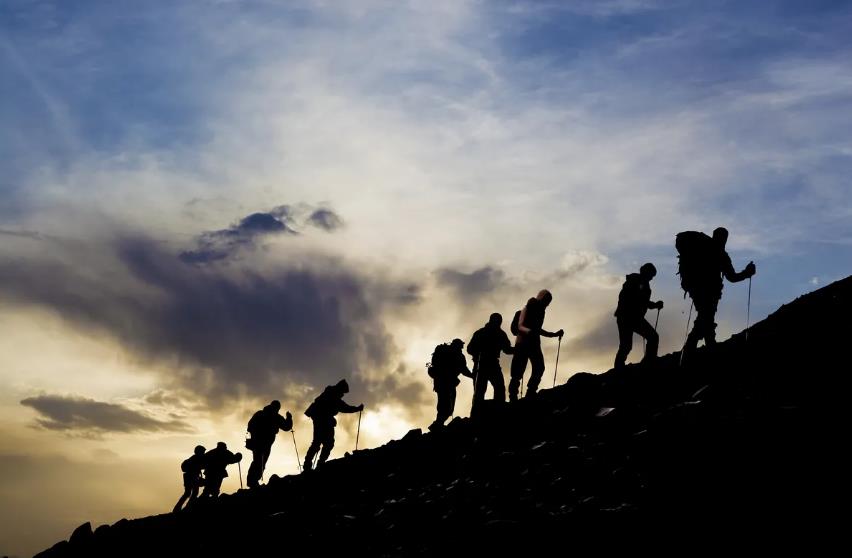
2026 Recommended Hiking in Fanshi (Updated February)
5 posts

Popular Destinations Near Fanshi

2026 Taiyuan Travel Guide: must-see attractions, popular food, hotels, transport & travel experiences (updated in February)
1954 posts
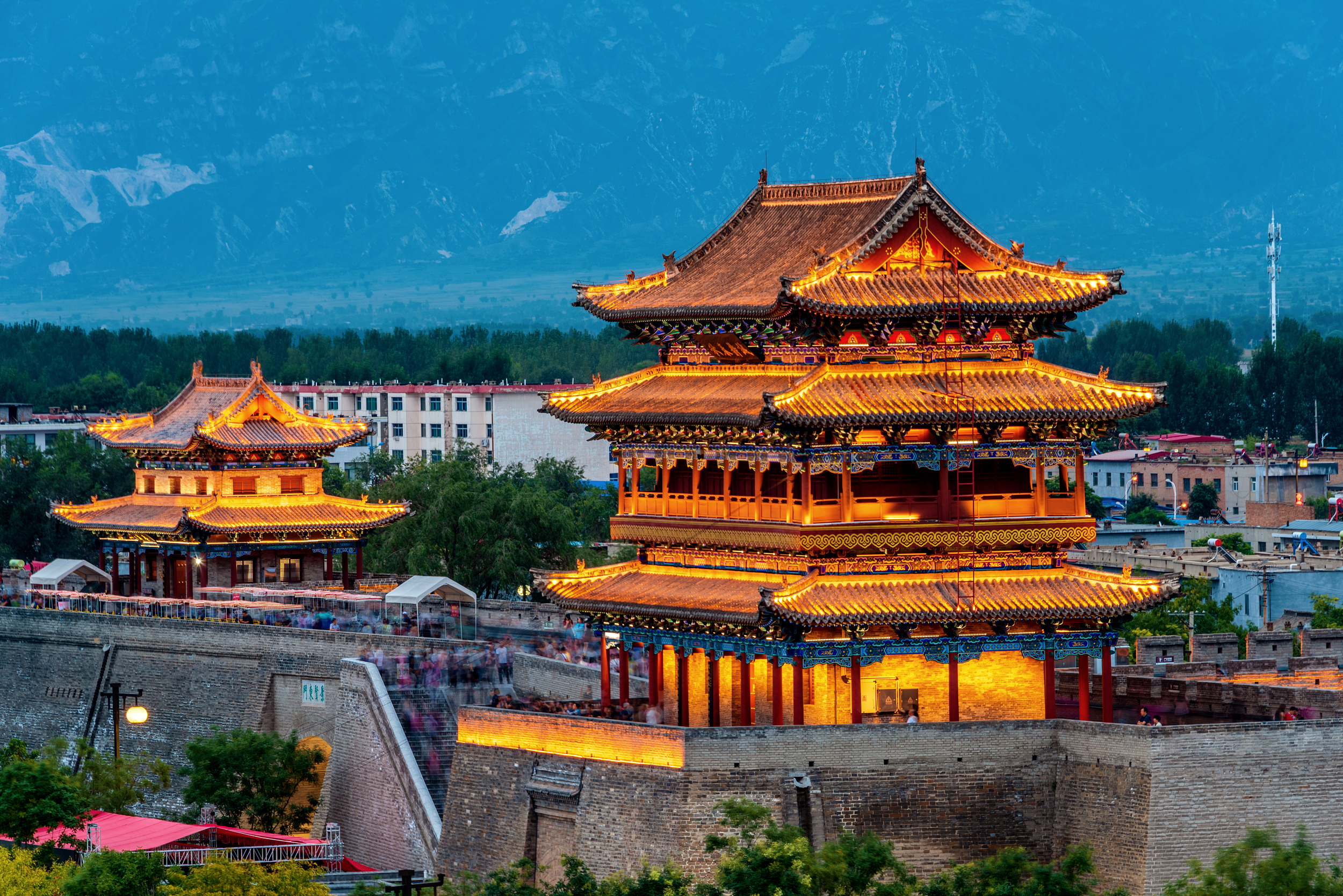
2026 Xinzhou Travel Guide: must-see attractions, popular food, hotels, transport & travel experiences (updated in February)
400 posts
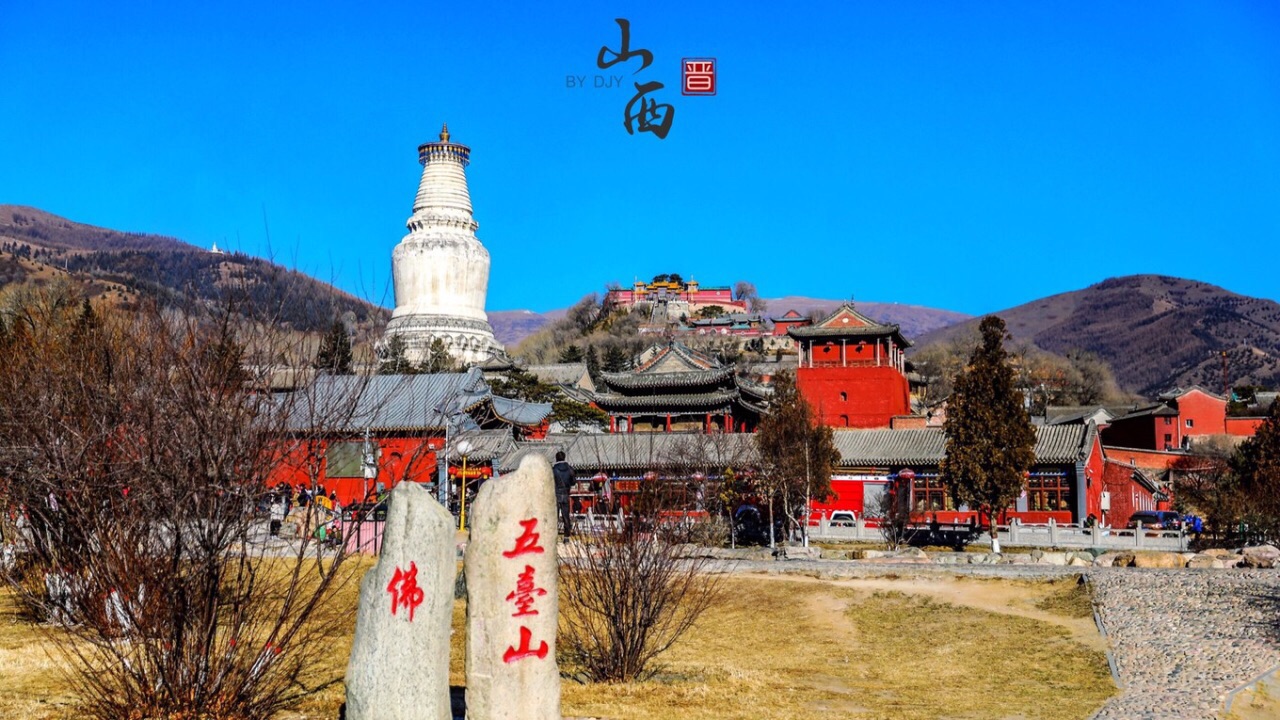
2026 Wutai Mountain Travel Guide: must-see attractions, popular food, hotels, transport & travel experiences (updated in February)
35 posts
- 1
- 2
- 3
Post
More recommendations
Popular Trip Moments
Yangquan, Shanxi|A Hidden Ancient Village Treasure in the City! Zero Commercialization, Perfect for Photos | The mural of Riverside Scene at Qingming Festival - Yanshan Temple, Fanshi, Shanxi | The Twin Jewels of North and South: Shanxi Fanshi Princess Temple | Xilai Temple at Mount Wutai: A Hidden Gem Next to the West Terrace | Wutai Mountain Grand Pilgrimage Day 4|Meeting Manjushri Bodhisattva at Yunding Tiangong | Shanxi Lingqiu Hanzhuang Great Wall | Cigouying Fort, Lingqiu, Shanxi | Bixia Temple in Cigouying, Lingqiu, Shanxi | Shanxi Fanshi Pingxingguan Ancient Village | Sansheng Temple, Xiyankou Village, Fanshi County, Shanxi Province | Yanshan Temple, Tianyan Village, Fanshi County, Shanxi | Shanxi Fanshi Shan Huihongfu Temple | Zhongzhuang Baocang Temple, Fanshi, Shanxi | Shanxi Fanshi Princess Ancient Village | Shanxi Fanshi Princess Temple | Zhengjue Temple Mahavira Hall in Fanshi, Shanxi | Shanxi Fanshi Secret Temple Zhong'an | Yantou Village Secret Temple in Fanshi, Shanxi | Exploring the architectural landscape of Shanghai Boshan Temple | Hidden Ancient Temple Exploration Guide | Shanxi "Altay" Luyashan | Grassland Hiking + Stargazing Camping Self-Drive Guide | Princess Temple of Fanshi Ming Dynasty Water and Land Murals | Mount Wutai is incredibly beautiful, but I honestly don't recommend going in January because.......... | Hidden gem next to Mount Wutai! A 3-day in-depth travel guide to Fanshi, save it now | Shanxi | In a niche temple, Ming Dynasty murals so detailed they give you goosebumps | Mount Wutai: A Pilgrimage to Purify the Soul | Shanxi | The Especially Ruined Yet Beautiful Shuiyue Guanyin | Wutai Mountain Pilgrimage|3 Days, 78km, I Completed a Journey with Myself | Mount Wutai | A Spiritual Sanctuary Beyond the World's Hustle and Bustle | Lesser-known ancient architecture around Beijing, check in the murals and hanging sculptures of Princess Temple
Popular Destinations
Tournai Travel | Laguardia Travel | Dunster Travel | Sindh Travel | Fairfield Travel | Rahway Travel | Bessemer Travel | Minehead Travel | Washtenaw County Travel | Area Metropolitana de Jaen Travel | Basingstoke and Deane District Travel | Tortola Travel | Narusawa Travel | Karlovy Vary Region Travel | Yukon Travel | Pai Travel | San Nicolas Partido Travel | Centre Wellington Travel | Parnu Travel | Lodi Travel | Robina Travel | Bridgewater Travel | DeKalb County Travel | Suihua Travel | Kings County Travel | Shimian Travel | Fuengirola Travel | Province of Padua Travel
Recommended attractions at popular destinations
Popular Attractions in Bangkok | Popular Attractions in Manila | Popular Attractions in Tokyo | Popular Attractions in Taipei | Popular Attractions in Hong Kong | Popular Attractions in Seoul | Popular Attractions in Kuala Lumpur | Popular Attractions in Los Angeles | Popular Attractions in Shanghai | Popular Attractions in New York | Popular Attractions in Shenzhen | Popular Attractions in Osaka | Popular Attractions in Singapore | Popular Attractions in London | Popular Attractions in Guangzhou | Popular Attractions in San Francisco | Popular Attractions in Beijing | Popular Attractions in Macau | Popular Attractions in Bali | Popular Attractions in Jakarta | Popular Attractions in Paris | Popular Attractions in Ho Chi Minh City | Popular Attractions in Istanbul | Popular Attractions in Phuket | Popular Attractions in Chicago | Popular Attractions in Seattle | Popular Attractions in Toronto | Popular Attractions in Orlando | Popular Attractions in Cebu | Popular Attractions in Chiang Mai
Popular Restaurants in Fanshi
Yumin Restaurant | 粉浆饭店 | 田园饭庄 | 美佳乐购物(光明南路店) | 新春羊肉羊汤馆 | 杏花村酒家(宴会厅繁峙店) | 紫禾369美食园(砂河店) | 至尚西饼屋 | CHONG QING QIN MA HUO GUO | ER PAN GAN MIAN PI | 赢福饺子馆 | 麦乐基(光华西街店) | 美乐滋烘焙(石龙街店) | 木火铁锅炖(大同总店) | CHANG XIANG SAI DAN GAO | 上品餐饮(一部) | Qianzhiwei Duck Neck | HANG ZHOU XIAO LONG BAO | LA ZHI ROU GA MO | 鑫缘烘焙坊(东泰小区店) | 川江鱼府(文慧路店) | 乡土情(石龙街店) | 南京龙虾馆 | 清平饭店(向阳路店) | 巴蜀老大纸包鱼(向阳路店) | QIN XIANG YUAN DAN GAO ZHU SHI | 小马凉粉(二部) | Zhaojipangzi Lamb Soup | 王先生乡村大锅炖 | 思念面馆
Popular Ranked Lists
Top 50 Must-Visit Restaurants in Auckland | Top 10 Luxury Hotels near Gmina Rewal | Popular Best Things to Do in Alameda | Top 50 Must-Visit Restaurants in Seattle | Popular Luxury Hotels Near Coqueiro Seco | Top 50 Must-Visit Restaurants in Frankfurt | Popular Premium Hotels in Cafayate | Top 50 Must-Visit Restaurants in New Delhi | Top 50 Must-Visit Restaurants in Ningbo | Top 50 Luxury Hotels near Acqui Terme | Top 50 Must-Visit Restaurants in Washington D.C. | Top 50 Must-Visit Restaurants in Chengdu | Top 50 Must-Visit Restaurants in Tianjin | Popular Luxury Hotels in Shimoji-shima | Popular Best Things to Do in West Pennant Hills | Top 50 Luxury Hotels near East Hampton | Popular Best Things to Do in Bondi Beach | Popular Best Things to Do in South Brisbane | Popular Best Things to Do in Beizhen | Top 50 Must-Visit Restaurants in George Town | Popular Best Things to Do in Semarang Regency | Top 50 Must-Visit Restaurants in Dalat | Popular Luxury Hotels Near Marananga | Popular Best Things to Do in Moorabbin Airport | Top 50 Premium Hotels near Saint-Georges-sur-Loire | Popular Best Things to Do in Helan | Popular Best Things to Do in Milton | Top 10 Luxury Hotels near Stanthorpe | Top 50 Must-Visit Restaurants in Hanoi | Top 50 Luxury Hotels near Box
About
Payment methods
Our partners
Copyright © 2025 Trip.com Travel Singapore Pte. Ltd. All rights reserved
Site Operator: Trip.com Travel Singapore Pte. Ltd.
Site Operator: Trip.com Travel Singapore Pte. Ltd.