
High-speed trains in Italy: Frecciarossa, Italo and more explained

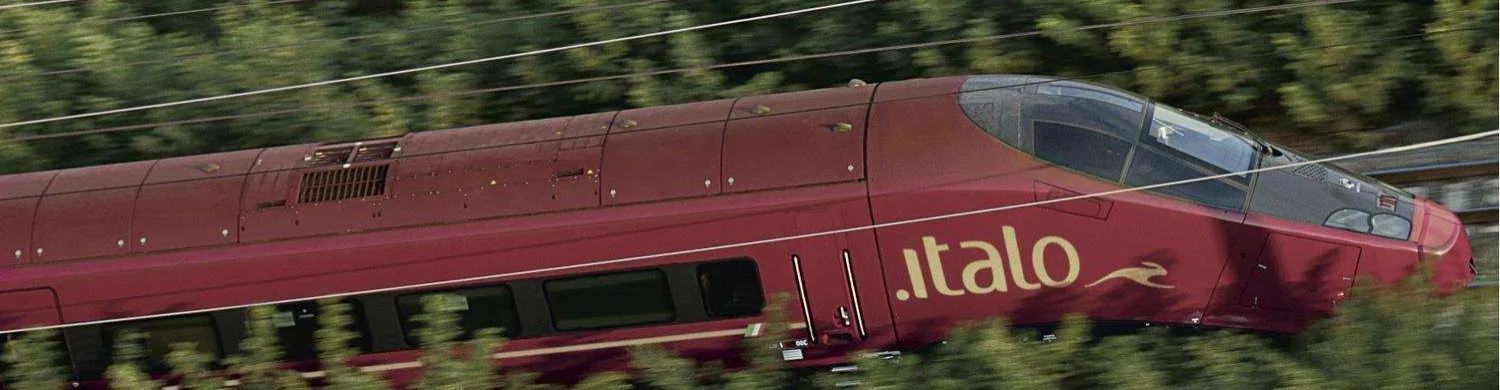
This guide explains how Italy's high speed rail system works, what to expect from each operator and which journeys are worth considering.
What are Italy's high-speed trains?
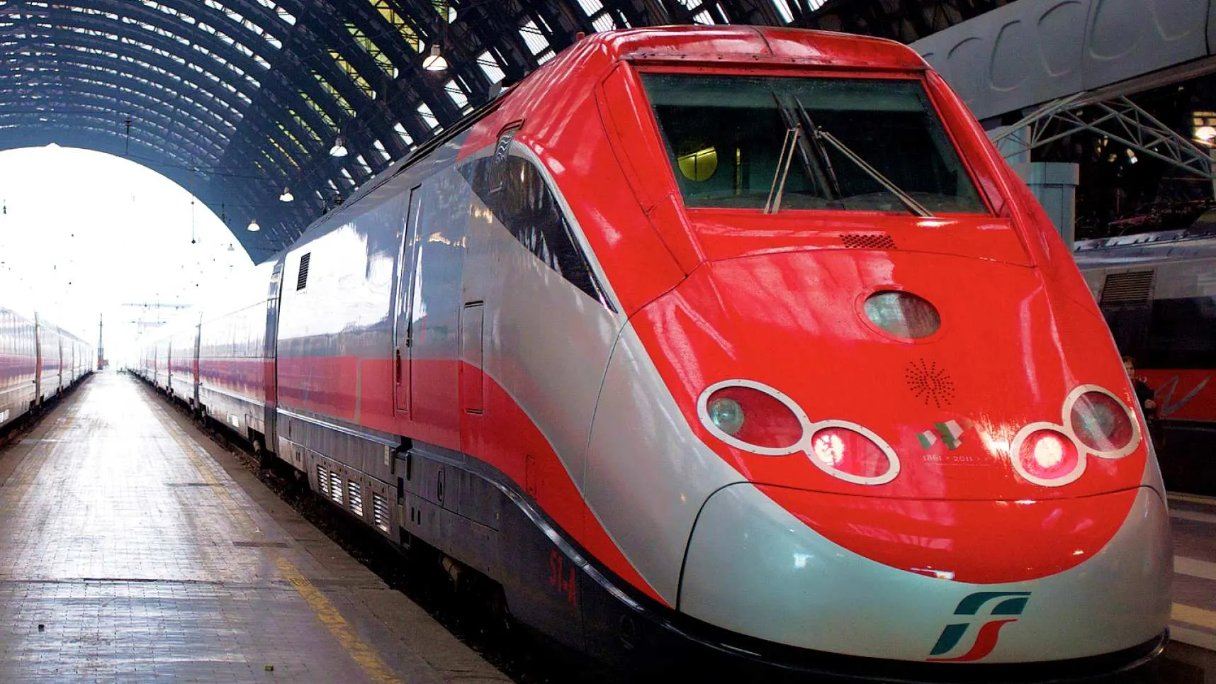
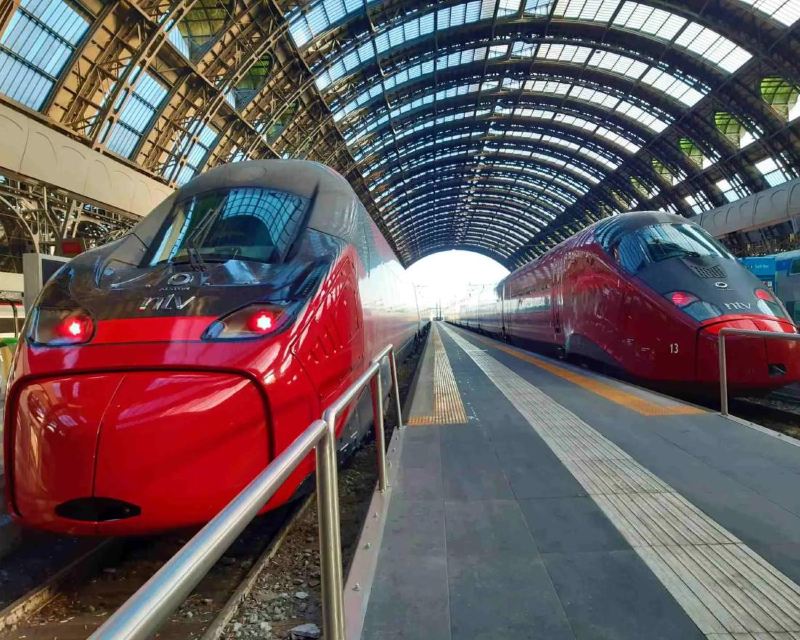
- Frecciarossa: Trenitalia's main high speed service, connecting major cities across Italy and operating on several of the country's busiest routes.
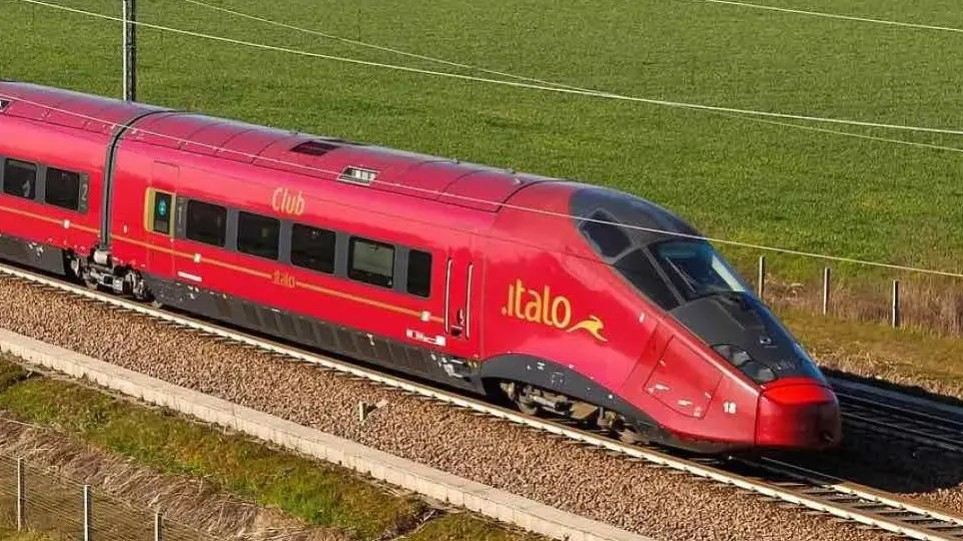
- Italo: A private operator offering high speed journeys between many of the same destinations, with its own trains, travel classes and ticket conditions.
Not every journey needs a high-speed train, though. Regional services are often better suited to shorter trips or smaller towns, particularly where the high-speed network doesn't reach. There’s plenty of both.
How fast are high-speed trains in Italy?
Frecciarossa and Italo trains can reach speeds of up to 300 km/h on some sections of the network. Trains slow down when they’re approaching stations, travelling through certain sections or making intermediate stops.
A high speed train from Rome to Florence can take around 1 hour 20 minutes, while Rome to Naples can be completed in roughly an hour. A journey between Milan and Rome takes around 3 hours on the quickest direct services.
What is the difference between high-speed and regular trains?
The biggest difference between the high speed trains in Italy and regular trains is the journey itself.
High speed services are designed to cover longer distances quickly, usually between major cities.
Regional trains are more useful for local journeys and places that aren't served by the high-speed network.
High speed tickets also come with a reserved seat on a specific departure.
Regional tickets have fewer restrictions on which service you can use, depending on the ticket type.
Frecciarossa vs Italo: What's the difference?
Frecciarossa: Trenitalia's high-speed trains
There are four main Frecciarossa travel classes:
- Standard: The basic option for Trenitalia high speed trains, with comfortable seating and facilities for everyday journeys.
- Premium: Offers a little more comfort, with features such as leather seats and a welcome snack on many services.
- Business: Provides more space, a quieter environment and additional onboard service.
- Executive: Frecciarossa's highest travel class, with larger seats, more personal space and additional onboard services where available.
Facilities vary depending on the train and route, but Frecciarossa services tend to offer air conditioning, WiFi, plug sockets and luggage storage. Food and drink options are also available, but the service depends on the train and class you’ve chosen.
Italo: Italy's private high-speed operator
Italo has three main travel classes:
- Smart: The budget-friendly option, with reclining seats, WiFi, plug sockets and access to snack vending areas.
- Prima Business: Offers more space, wider seats and a welcome service with snacks and drinks.
- Club Executive: Italo's highest travel class, with spacious seating and an enhanced food and drink service. Lounge access and Fast Track benefits may also be available, depending on the station and ticket.
Italo also offers different fare types, including Low Cost, Economy and Flex. Each fare has its own rules for changes and refunds. Check these before paying, especially if your travel plans aren't fixed.
Italo vs Frecciarossa: which should you choose?
It’s hard to give one answer, as it really depends on what you’re looking for. On routes where both offer high speed train tickets, compare the total journey time, departure station, ticket price and flexibility. A cheaper fare might be worth taking if the departure suits your plans, but a more flexible ticket might be worth paying more for if your itinerary is likely to change.
Italy high-speed train map: Routes and major cities
Northern Italy
Northern Italy has several important high speed connections. Turin and Milan link with Bologna and Florence, whilst services from Milan also run towards Verona, Venice and other destinations in the north east of the country. These routes are useful if you’re planning a multi-city trip.
Central Italy
Florence and Rome are two of the network's most important stops. Both have frequent services to northern cities, and Rome is also a key connection point for journeys towards Naples and the south. It’s genuinely revolutionary.
Southern Italy
Popular high-speed train routes in Italy
Rome to Florence
Rome to Naples
Milan to Rome
Florence to Venice
Milan to Venice
Bologna to Florence
What is it like onboard an Italian high-speed train?
Seats and reservations
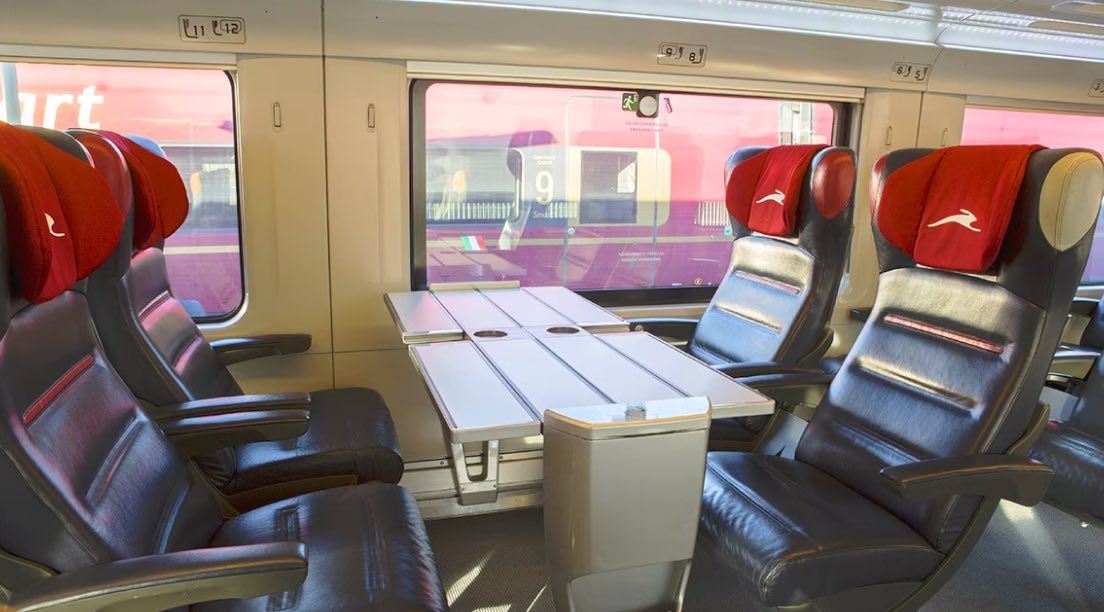
Both Frecciarossa and Italo offer reserved seating, so you'll have an allocated place for the journey. The amount of space and the layout depend on the class you've booked, with more room available in the higher categories.
Luggage
You can generally bring suitcases onboard, with overhead racks and larger luggage spaces available at the ends of carriages. Check your operator's luggage restrictions before travelling, particularly if you have a large suitcase, and be prepared to lift your bags yourself.
Wi-Fi, charging and food
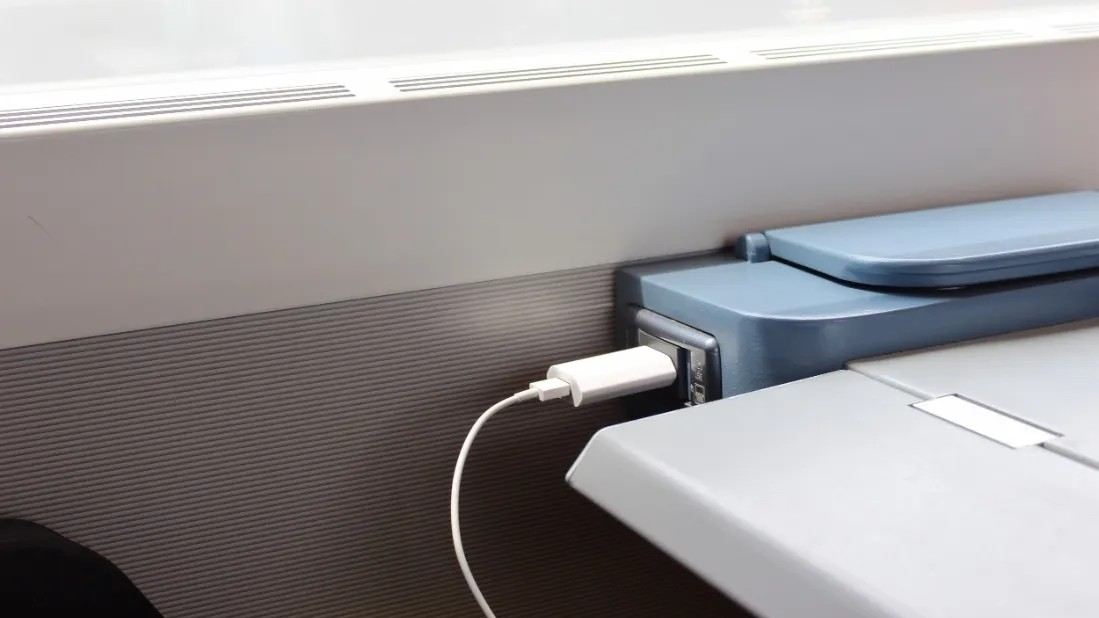
Both operators offer Wi-Fi and charging facilities on many services, although mobile coverage can affect the connection, so be aware of that. Food and drink options differ more noticeably. Italo Smart passengers can use onboard vending machines, while higher classes may include refreshments served at their seats. Frecciarossa also offers catering, with what's included depending on the train and ticket.
Accessibility and travelling with children
Both operators provide facilities for passengers who need assistance, but the arrangements differ between trains and stations. If you need wheelchair space, accessible toilets or help boarding, check the operator's guidance and arrange assistance ahead of time. Children need a valid ticket, but child fares and discounts for little ones do exist.
How early should you arrive at the station?
Aim to arrive around 15 to 20 minutes before departure, especially at larger stations such as Roma Termini or Milano Centrale. Platforms may not be announced until shortly before the train arrives, so keep an eye on the departure boards.
Check your train number rather than just the destination, as several services might be heading in the same direction. Some stations have ticket checks before you reach the platforms, so have your ticket ready.
Once onboard, find the carriage and seat number shown on your reservation. High-speed tickets don't normally need validating separately before boarding.
How to book high-speed train tickets in Italy with Trip.com?
If you're booking a high-speed train through Trip.com, start by searching for your departure and arrival stations. Where both Frecciarossa and Italo operate, you can compare their available departure times and ticket prices in one search.
- Visit Trip.com and enter your departure and arrival stations.
Choose your travel date and add the number of passengers.
Compare the available services, checking the operator, departure time, journey duration and arrival station.
Select a fare and review its conditions, including whether changes or cancellations are permitted.
Enter the passenger details and complete payment, and your booking and ticket information will be provided digitally.
Is it cheaper to book in advance?
High-speed train prices aren't fixed, so booking earlier can make a significant difference in some cases. Lower-priced fares are limited, and once they're sold, you may have to pay more for the same journey. Compare several departures if your plans are flexible, particularly when travelling at weekends or during Italian public holidays.
FAQs about high-speed trains in Italy
What is the fastest train in Italy?
Frecciarossa and Italo high speed trains can both reach speeds of up to 300 km/h on suitable lines. The quickest journey depends on the route and stopping pattern, rather than one operator always being faster.
Is Frecciarossa the same as Italo?
No, Frecciarossa is operated by Trenitalia, whilst Italo is a separate private train operator. They compete on several major routes but have different trains, travel classes and ticket conditions.
How long is the high-speed train from Rome to Florence?
The fastest direct services take around 1 hour 20 minutes, but many journeys are closer to 1 hour 30 minutes or more.
Is Italo cheaper than Frecciarossa?
Italo isn’t always cheaper than Frecciarossa. Prices change according to demand, availability, travel date and ticket flexibility.
Do I need to book Italian high speed trains in advance?
You don't have to book months ahead, but booking before you travel can help you to find cheaper fares and secure your preferred departure.
Can I use a regional train instead of a high-speed train?
Sometimes, although it depends on the route, regional trains are useful for shorter journeys and destinations outside the high-speed network, but travelling between major cities this way can take considerably longer, sometimes hours. Compare the journey time as well as the ticket price before deciding.
Can I book Frecciarossa and Italo tickets through Trip.com?






- What are Italy's high-speed trains?
- Frecciarossa vs Italo: What's the difference?
- Italy high-speed train map: Routes and major cities
- Popular high-speed train routes in Italy
- What is it like onboard an Italian high-speed train?
- How to book high-speed train tickets in Italy with Trip.com?
- FAQs about high-speed trains in Italy
Related travel guides
 Updated: November 25, 2026
Regional trains in Italy: Everything you need to know
 Updated: November 25, 2026
How to buy train tickets in Italy: Step-by-step guide
 Updated: November 25, 2026
Are trains in Italy cheap? Ticket prices explained
 Updated: November 25, 2026
Do you have to book train tickets in advance in Italy?
 Updated: November 26, 2026
Regional trains in France: TER trains explained
 Updated: November 26, 2026
Do you need to book Chinese trains in advance?
 Updated: November 26, 2026
Can you buy train tickets on board the train?
 Updated: November 26, 2026
How to buy train tickets in China online?
 Updated: November 25, 2026
What times do trains stop running in the UK?
 Updated: November 25, 2026
What platform is my train? How to quickly check and find it?
 Updated: November 25, 2026
TGV trains in France: Everything you need to know
 Updated: November 25, 2026
How fast do UK trains go? High speeds explained

- Regional trains in France: TER trains explainedPublished: November 26, 2026
- Do you need to book Chinese trains in advance?Published: November 26, 2026
- Can you buy train tickets on board the train?Published: November 26, 2026
- How to buy train tickets in China online?Updated: November 26, 2026
- Regional trains in Italy: Everything you need to knowUpdated: November 25, 2026
- What times do trains stop running in the UK?Updated: November 25, 2026
- Getting the train to Royal Festival Hall: Closest station & routesUpdated: November 25, 2026
- TGV trains in France: Everything you need to knowUpdated: November 25, 2026
- How fast do UK trains go? High speeds explainedUpdated: November 25, 2026
- What does an overtaken train mean? (UK)Updated: November 25, 2026
- Getting the train to SEA LIFE London: Closest station & routesUpdated: November 25, 2026
- How fast are China’s high-speed trains?Updated: November 24, 2026