
West Street
西大街 No. 3 of Night Attractions in Baoding
Open Opening hours of West Street
West Street attraction highlights
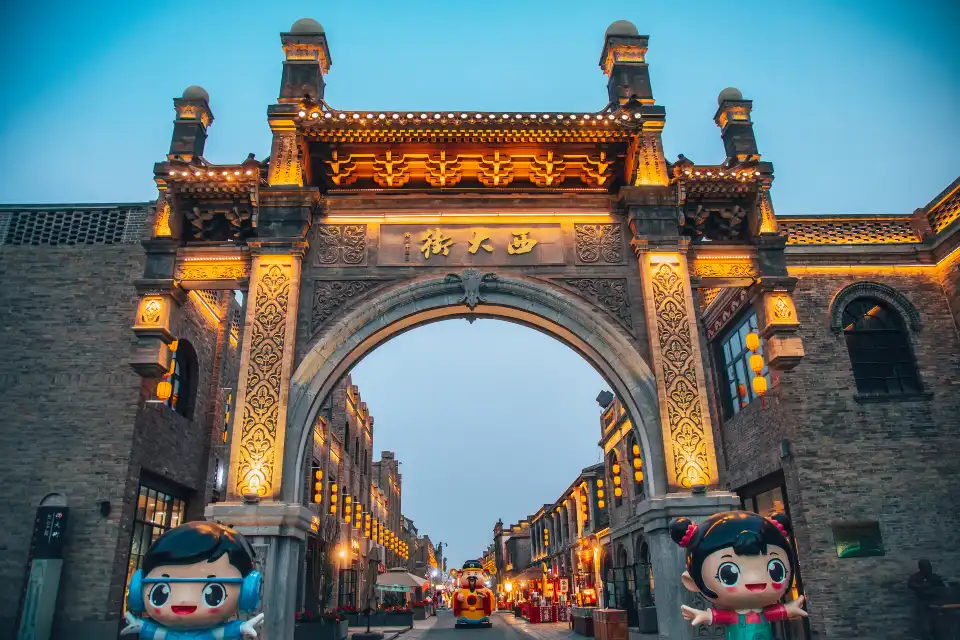
West Street is located in Lianchi District, Baoding City, Hebei Province, extending from Lianchi South Street in the east to Hengxiang South Street in the west. With a total length of approx. 846m, it serves as the central axis and core historical and cultural district of the ancient city of Baoding.
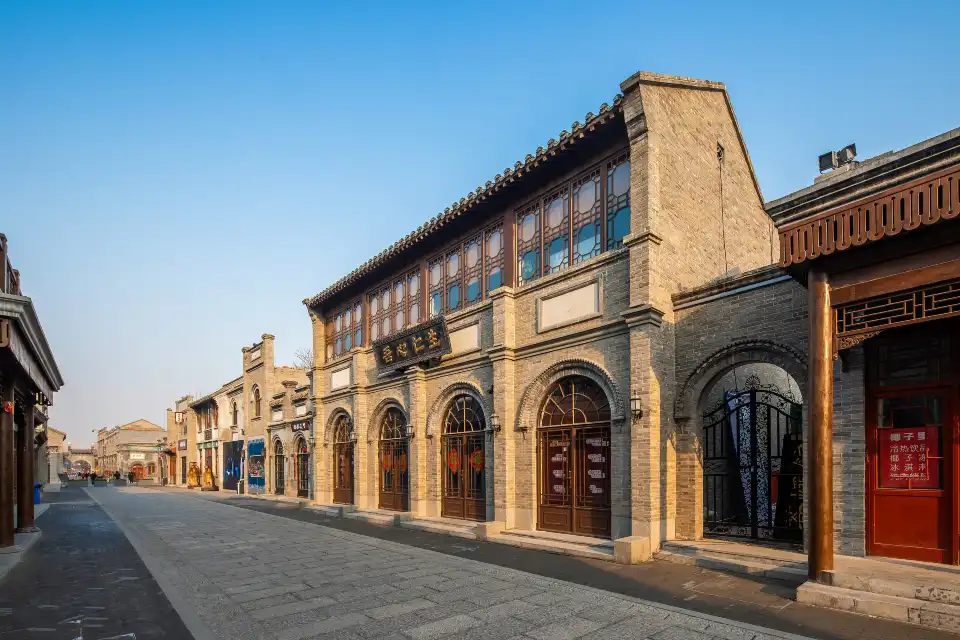
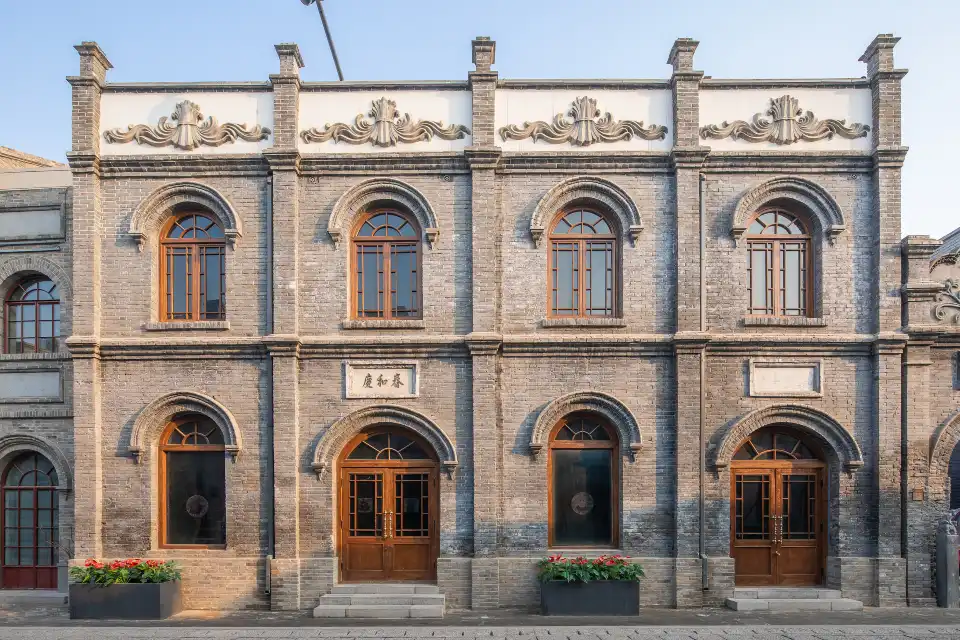
It was first built in the Song Dynasty, took shape in the Yuan Dynasty, and flourished in the Qing Dynasty. It was once the political, economic, and cultural center of Baoding Prefecture, and also a key thoroughfare connecting the city center with the West Gate. The district currently preserves 9 cultural experience areas, 5 cultural relic protection units, and 9 historical buildings. The architectural style features a blend of Chinese and Western elements from the late Qing and early Republic of China periods, with blue bricks, grey tiles, and arched doors and windows, presenting a simple and ancient appearance. The Zhanyue Gate archway standing at the entrance of the street is a landmark of the district, with the plaque inscription written by the late Qing calligrapher Pan Linggao.
In 2021, Baoding City launched a renovation and improvement project, adhering to the concept of "micro-update and progressive" development, restoring the exteriors of historical buildings while integrating modern facilities to recreate the appearance of the old street. Today, it has become an important window for experiencing the historical heritage and urban vitality of Baoding.
Other visitors' reviews of West Street
Show More ReviewsThis is one of the must-visit streets in Baoding. It's basically a commercial street with little cultural heritage, but it's very crowded. Just stroll around; there's nothing particularly outstanding. The street is quite long, and the Governor's Office is on the next street. You can find some snacks and small commodities along the way. It will take about an hour and a half to walk around, stopping frequently. Parking is a real problem; you need to park far away.