Coptic Cairo(Old Cairo)
 No. 8 of Best Things to Do in Greater Cairo
Open Opening hours of Coptic Cairo
Coptic Cairo attraction highlights
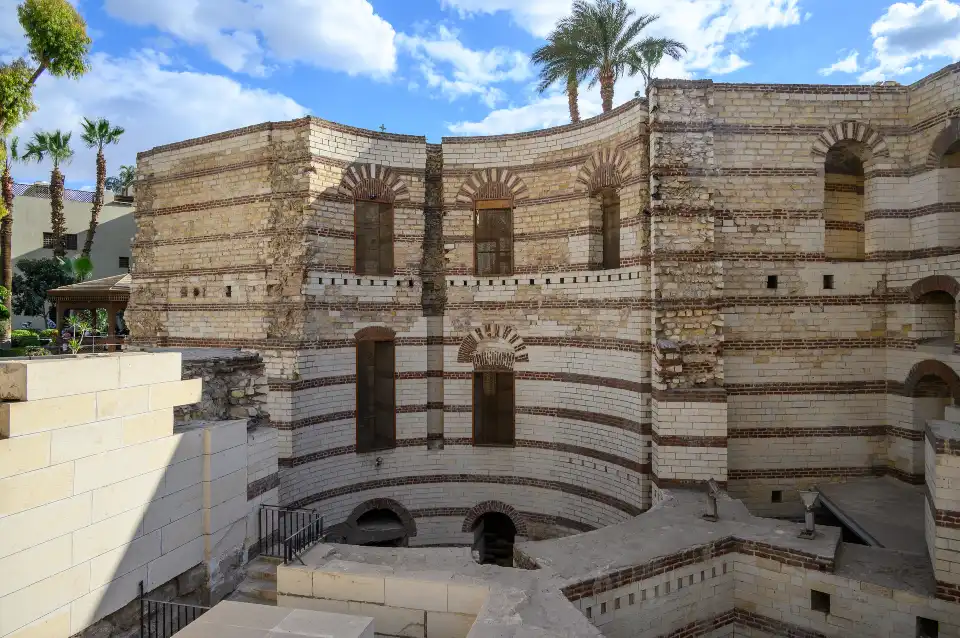
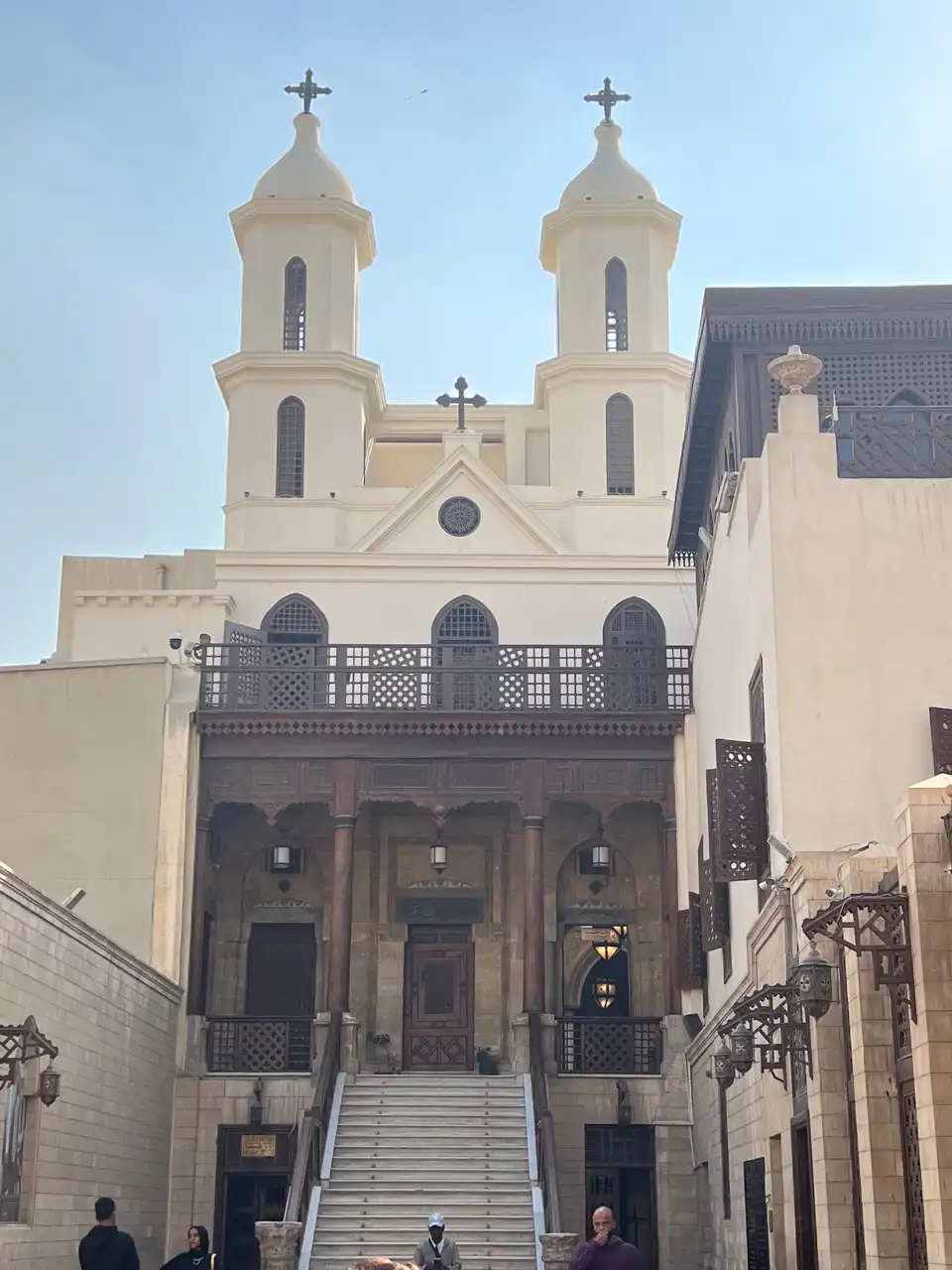
Coptic Cairo is situated on the ruins of the Babylon Fortress, built during the Roman period, and serves as the historical heart of Coptic Christianity in Egypt. Although the area is compact, it is densely packed with several ancient churches, a synagogue, and Coptic Museum, all of which can be easily visited on foot.
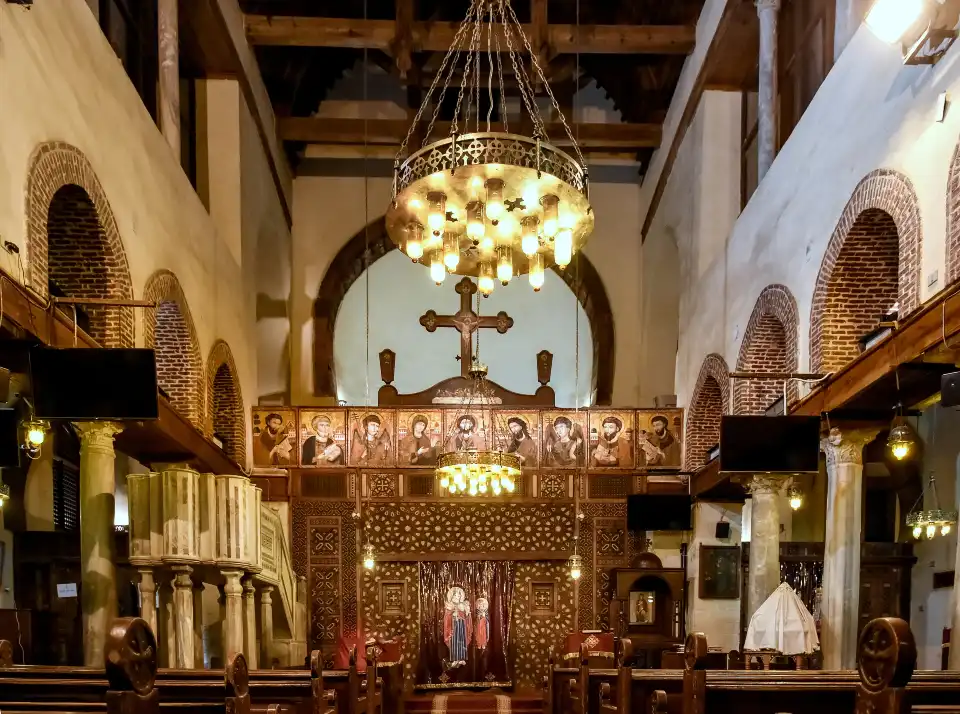
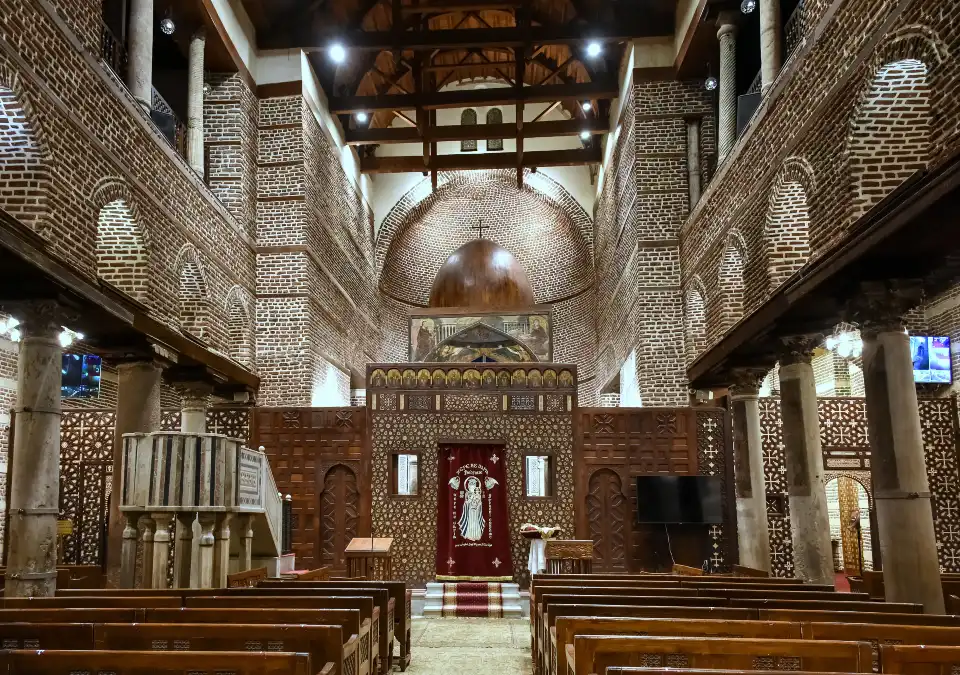
The Hanging Church within the area is built above the gatehouse of the Babylon Fortress's south gate, with its nave suspended over the passageway, hence its name. The Church of St. Sergius and Bacchus (Abu Serga) is said to be built over the cave where the Holy Family took refuge when they fled to Egypt; visitors can descend into the crypt, which is an important site for Christian pilgrimage. The Church of St. Barbara is renowned for its ancient icons and the relics of Saint Barbara.
In addition to the cluster of churches, the Ben Ezra Synagogue is also located here. It is one of the oldest surviving synagogues in Cairo and, together with the surrounding churches, bears witness to the unique history of religious coexistence in this area. Coptic Museum houses a vast collection of early Christian art treasures, including textiles, icons, manuscripts, and stone carvings, making it an essential place for understanding Coptic art. The area's deep, stone-paved alleyways are dotted with old book stalls and small souvenir shops, and strolling through them offers an atmosphere quite distinct from other parts of Cairo.
Other visitors' reviews of Coptic Cairo
Show More ReviewsIn Cairo, mosques and minarets are ubiquitous buildings. In Arabic, minarets are called "minars," which refer to the place where the muezzin stands to call people to prayer. Since the 7th century, with the widespread spread of Islam in West Asia and North Africa, the art of mosque architecture has continued to develop, and minarets have evolved into various styles, becoming an indispensable part of mosque architecture and a highlight of Cairo.