It’s impossible to visit Japan without stopping off in its capital and most iconic city, Tokyo! Even so, when you touch down for the first time, it can be hard to know where to start.
The reason? Tokyo has it all: centuries-old temples, tiny lanes lined with little local haunts, 50-storey towers, ultra-modern neighbourhoods, others entirely devoted to manga and video games, vast parks where Tokyoites come to picnic beneath the cherry blossoms... In short, one thing’s for sure: you’ll never be bored!
What to Do in Tokyo Based on Your Stay 📅
You won’t explore Tokyo the same way depending on whether you have 24 hours or several days. To help you plan, here’s a table summarising our selection of things to see in Tokyo for each timeframe, with suggestions tailored to your traveller profile.
Duration | Couple | Family | Friends | Solo |
1 day | Asakusa (Senso-ji) + Tokyo Skytree + SHIBUYA SKY + Shinjuku | Asakusa (Senso-ji) + Ueno Park / Zoo + Shibuya Crossing | Shibuya Crossing + Akihabara + Shinjuku (karaoke) | Asakusa (Senso-ji) + Akihabara + Shinjuku |
2 days | Asakusa + Tokyo Skytree + Sumida River cruise + Shibuya + Golden Gai | Asakusa + Ueno Park + Odaiba (teamLab + Ferris wheel) | Shibuya + Harajuku + Meiji-jingu + Akihabara + Shinjuku | Asakusa + Yanaka + Shibuya + Observatory (Tokyo Tower / SHIBUYA SKY) |
3 days | Asakusa + Tokyo Skytree + Shibuya + SHIBUYA SKY + Odaiba (teamLab) | Asakusa + Ueno + Odaiba + Tokyo Disneyland | Shibuya + Harajuku + Akihabara + Tokyo Skytree + Shinjuku (day + night) | Asakusa + Yanaka + Ueno + Odaiba (teamLab) + Shinjuku |
👉 How many days should you plan to explore Tokyo?
If it’s your first time in Tokyo, aim for at least 4–5 days. That will give you time to enjoy the must-do activities and must-see sights.
Must-Visit Districts in Tokyo
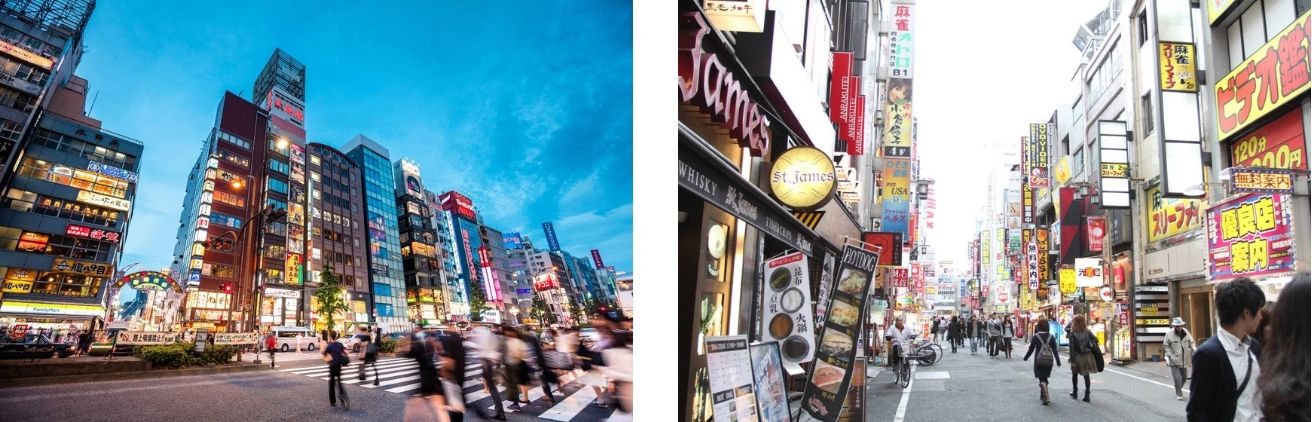
You’ll soon realise that Tokyo is a city of neighbourhoods that couldn’t be more different from one another. You can go from a traditional temple to a crossroads drenched in giant neon signs in just twenty minutes by metro.
Here are our favourite neighbourhoods we especially recommend:
Shinjuku: skyscrapers, neon lights and fun-filled nights

A neighbourhood you shouldn’t miss during your stay: Shinjuku! What makes it special? It’s almost certainly the most vibrant (and intense) neighbourhood in the city. By day, it’s a real hive of offices, shopping centres and crowded stations. In the evening, the neon lights take over, turning the streets into a unique backdrop with a warm, inviting atmosphere.
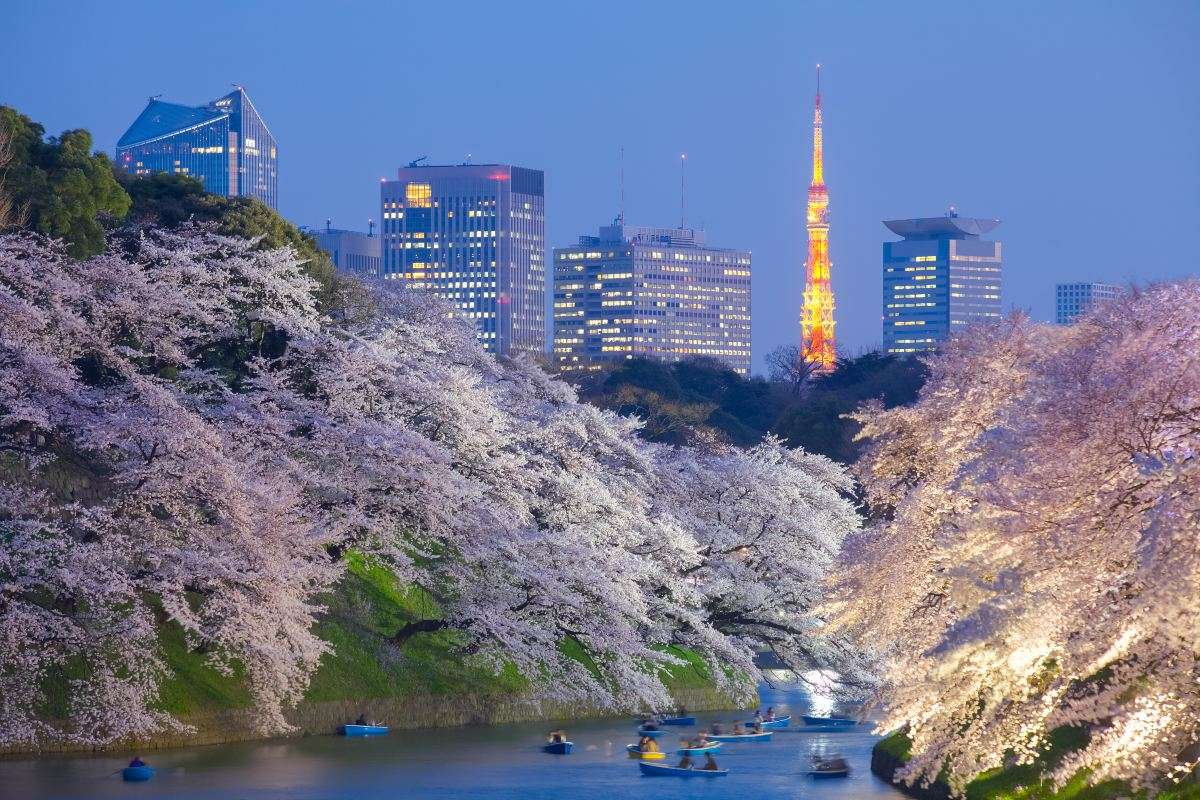
On the sightseeing front, there’s Shinjuku Gyoen Park, which is particularly beautiful in spring (cherry blossom season) and in autumn (red foliage). But it’s at night that Shinjuku really comes into its own: the alleyways of Omoide Yokocho and Golden Gai are home to dozens of tiny bars where you can have a drink alongside salarymen after work. The vibe is unique, and we can only recommend going!
Shibuya: grand boulevards and shopping

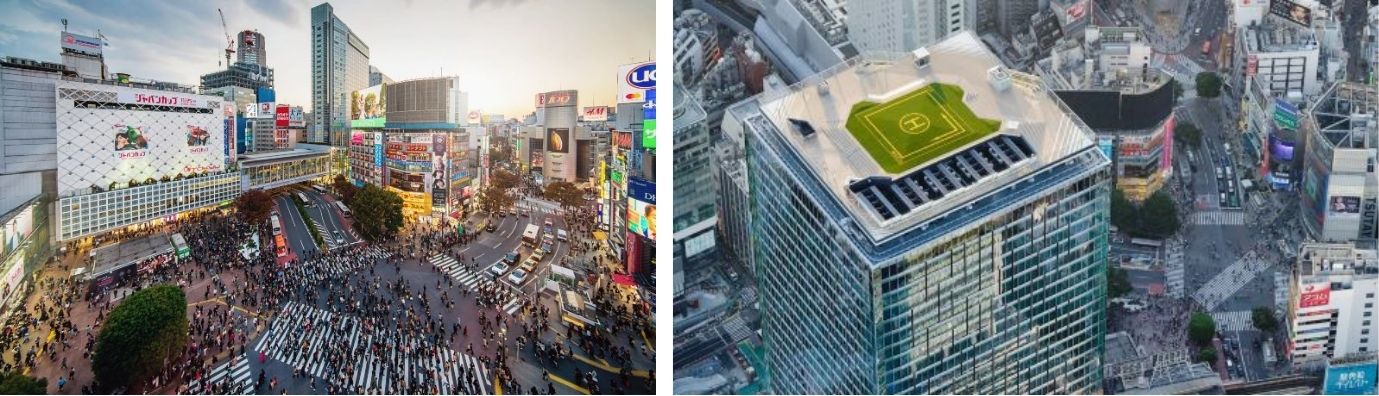
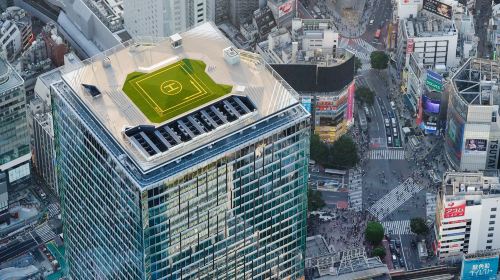
Shibuya is the district everyone knows, not least for its famous crossing where hundreds of people criss-cross every time the lights change. All around, you’ll find huge shopping centres, fashion boutiques, cafés, arcades, and restaurants on every floor…
Fun fact: the statue of Hachiko the dog is right next to the station; it's an iconic meeting spot for Tokyoites!
📌 Trip.com tip: to get some height, head up to Shibuya Sky or one of the nearby observatories, especially towards the end of the day when the light begins to change. You’ll enjoy a breathtaking view over the whole of Tokyo and can admire the sunset as the city lights come to life.
Akihabara: Tokyo's Anime & Gaming Hub

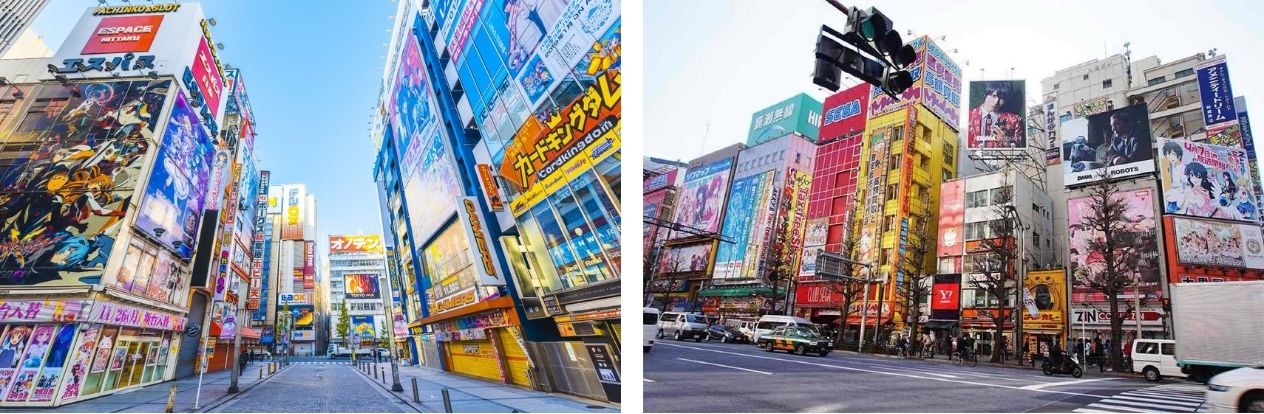
How could you visit Tokyo without heading to Akihabara? It’s literally the ultimate paradise for geeks, and for manga, anime and video game fans. On the agenda:
- Iconic Japanese brands,
- Giant characters on building facades (manga, video games…),
- Arcades on every floor for both little ones and grown-ups,
- Themed restaurants centred on video games.
Even if you're not a fan of Japanese pop culture, the atmosphere is well worth the detour!
You can spend hours rummaging through figurine shops, trying out retro arcade machines, hunting for consoles, or simply soaking up the street spectacle. It’s also where you’ll find the famous maid cafés, a rather quirky experience if you’re curious.
Ueno & Yanaka: an oasis of relaxation in the city

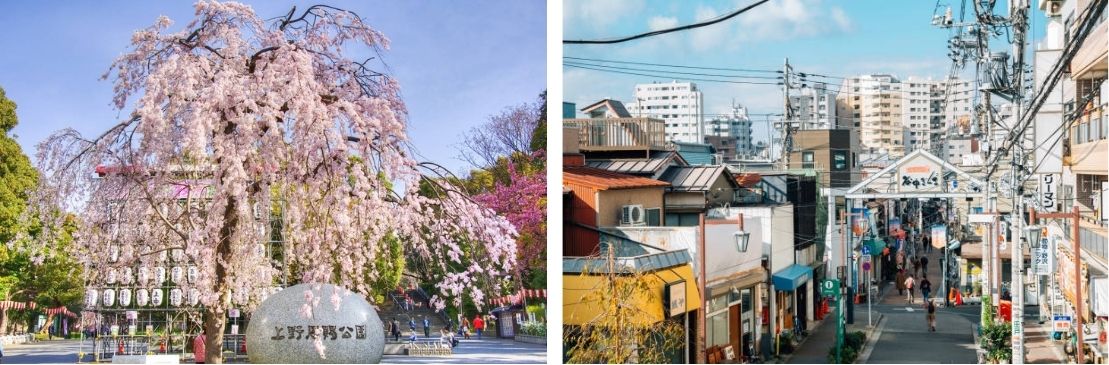
Let’s round off this tour with the Ueno district; it’s the perfect choice if you need to take a breather. The park that shares its name is vast, with a pond, museums (including the Tokyo National Museum, which we recommend), and a zoo that’s hugely popular with families. In spring, it’s one of the best places to see the cherry blossoms without the crowds.
Just around the corner, Yanaka has preserved the atmosphere of an old residential neighbourhood: small traditional houses, family-run shops, second-hand boutiques, vintage cafés…
📌 Tips: Yanaka Ginza Street is perfect for nibbling on a few Japanese snacks and picking up some bargains. It’s a spot we really recommend if you want to see a more local, less touristy Tokyo.
Top hotels in Tokyo
5 star
Business travel
Family friendly
Top 5 Activities and Landmarks to See in Tokyo
After exploring the city’s unmissable neighbourhoods, it’s time for the top activities that will make your trip truly unique! Here’s our selection of the 5 must-do activities in Tokyo:
🎢 Tokyo Disneyland: a guaranteed return to childhood

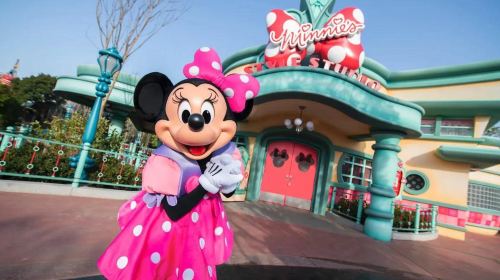
The number-one attraction welcoming millions of tourists all year round: Tokyo Disneyland! If you’re used to Disneyland Paris, rest assured the Japanese version is completely different and tailored to the local culture. The classic attractions are there, thankfully, but with a few local touches that give the park its unique flair.
📌 Trip.com tip: like any park, it's best to spend a full day there. Arrive when it opens to enjoy the attractions before it fills up, and stay for the closing show if you’ve got the energy. That's when the magic really happens!
🏯 Senso-ji Temple in Asakusa: a journey back in time

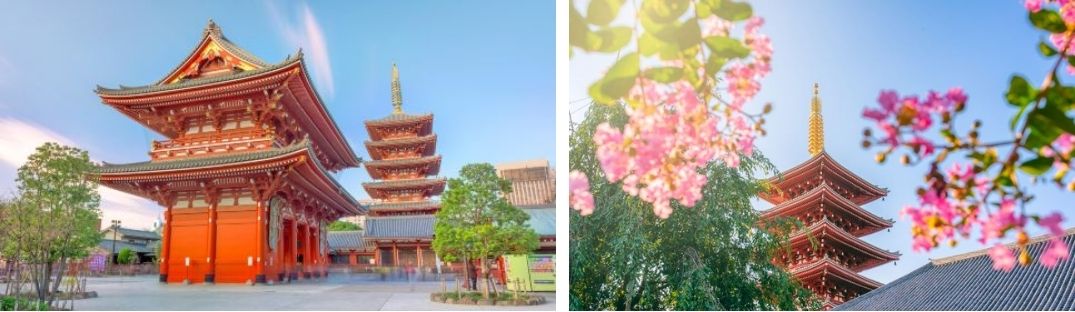
Asakusa is a living reminder of what Tokyo was like before the skyscrapers and giant screens – in short, before the modern city. Start with the unmissable Senso-ji Temple, whose history stretches back nearly 1,400 years (making it Tokyo’s oldest Buddhist temple!). It attracts big crowds during the day, so opt for a morning visit to enjoy it in peace.
Likewise, Nakamise-dori Street is lovely for snacks and traditional souvenirs (rice crackers, fans, good-luck charms…). If you have a bit of time, head over to the Sumida River: the view of the Skytree is unmissable!
📌 Trip.com tip: after your visit, venture a little off the main thoroughfare to stumble upon quieter lanes, small family-run restaurants and artisan boutiques where it feels as though time has stood still.
🌆 SHIBUYA SKY: Tokyo as you’ve never seen it before

If you love panoramic views, SHIBUYA SKY is bound to impress. It’s a modern observatory set right at the top of Shibuya Scramble Square, with an open-air terrace offering 360° views of the city. From up there, you can see the famous Shibuya Crossing teeming with people, the Shinjuku skyscrapers in the distance, and even Mount Fuji when the weather is clear.
🗼 Tokyo Skytree: go all the way to the top

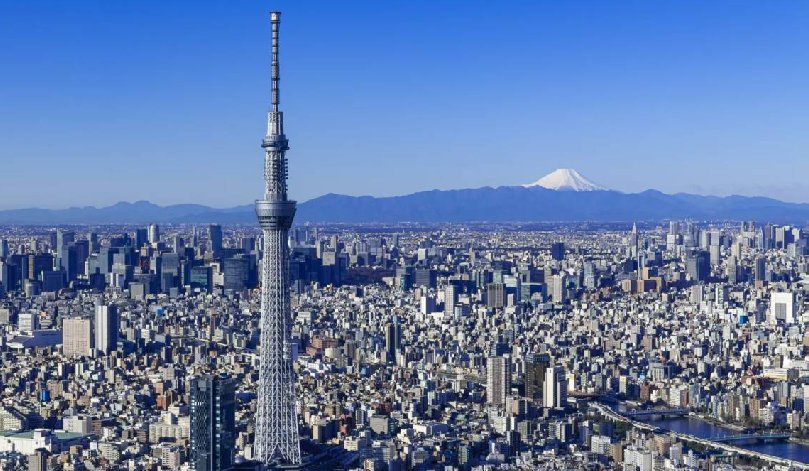
Tokyo Skytree, you can't miss it: at 634 metres, it's Japan's tallest tower! Heading up there can be a bit vertigo-inducing, but the view is well worth the detour. Tokyo stretches as far as the eye can see in every direction, and you realise just how immense the city is.
There are two observation levels. The first is already great, but if you fancy heading up to the second (even higher), the view is something else. If you’re lucky with the weather, you’ll very likely catch a glimpse of the famous Mount Fuji!
⚡ Warner Bros Studio Tour Tokyo – The Making of Harry Potter

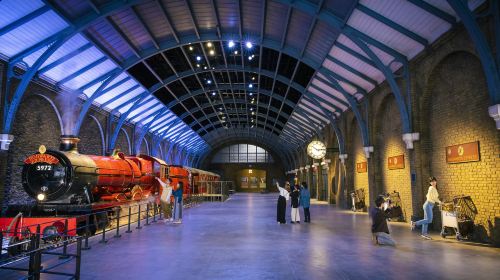
If you grew up with Harry Potter, this visit is simply unmissable. Warner Bros Studio Tour Tokyo literally takes you onto the film sets: the Great Hall at Hogwarts, Diagon Alley, the actors’ costumes, magic wands, creatures... It’s all there, and it’s mind-blowing! The tour is really well thought out and you won’t be bored for a second.
📌 Trip.com tip: Allow at least two hours there—three if you want to take your time to see everything and snap some photos. And book in advance, because it’s often fully booked, especially during the school holidays.
Tokyo, Japan's Culinary Metropolis 🍜

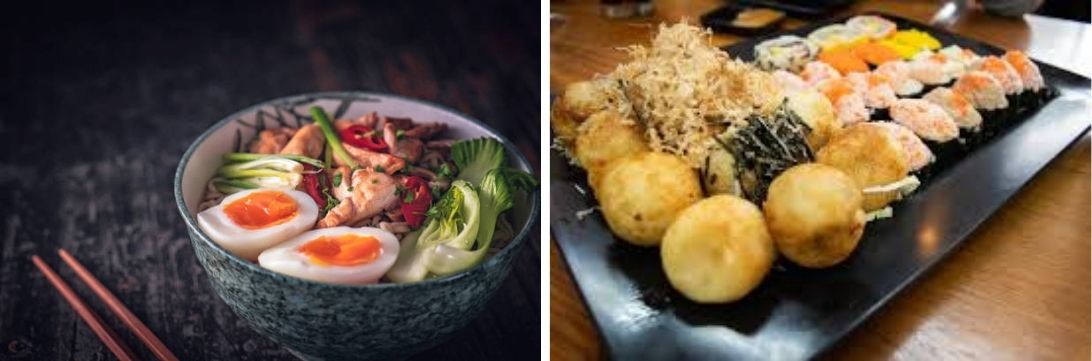
Visiting Tokyo without sampling its cuisine would really mean missing out! The city is a true paradise for food lovers, with specialities ranging from budget-friendly street food to Michelin-starred restaurants. Here are the dishes and culinary experiences you absolutely shouldn’t miss during your stay:
- Ramen: you can’t leave Tokyo without trying a proper bowl of ramen. Rich broth, perfect noodles, varied toppings… Every shop has its secret recipe. The best spots? Ichiran in Shibuya for the solo experience, or the backstreets of Shinjuku for a more local vibe.
- Sushi and sashimi: Tokyo is home to some of the world’s best sushi restaurants, including the famous Toyosu Fish Market. But there’s no need to break the bank: kaitenzushi (conveyor-belt sushi) offer excellent dishes at budget-friendly prices.
- Yakitori: these grilled chicken skewers are enjoyed in izakayas, paired with an ice-cold beer. Perfect for a laid-back evening after a day of sightseeing.
- Okonomiyaki: a kind of Japanese pancake topped with cabbage, meat or seafood, covered in a sweet-savoury sauce. Comforting and delicious, especially in winter.
- Tempura: vegetables and seafood coated in a light batter and fried to perfection. A must-try in a specialised restaurant.
- Takoyaki: these little octopus balls are a Japanese street food classic. You’ll find them everywhere, especially in Odaiba or at street festivals.
- Matcha in all its forms: from traditional matcha tea to modern pastries, Tokyo is the perfect city to discover every variation of matcha.
Tokyo Day Trips: Best Nearby Sights 🗻

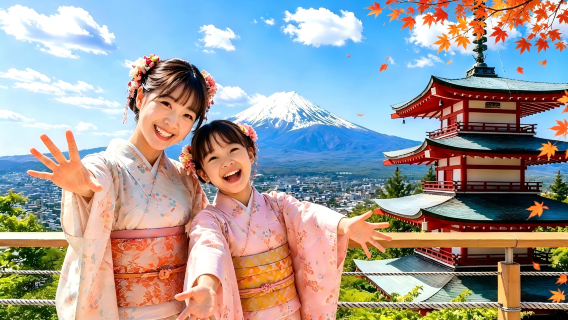
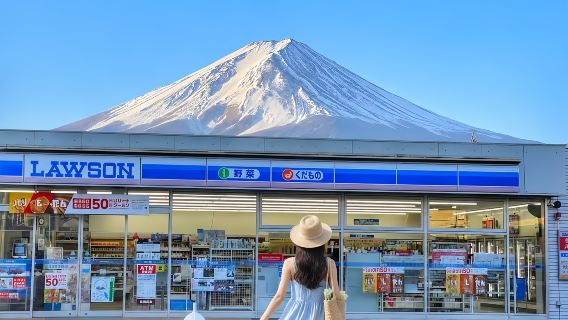
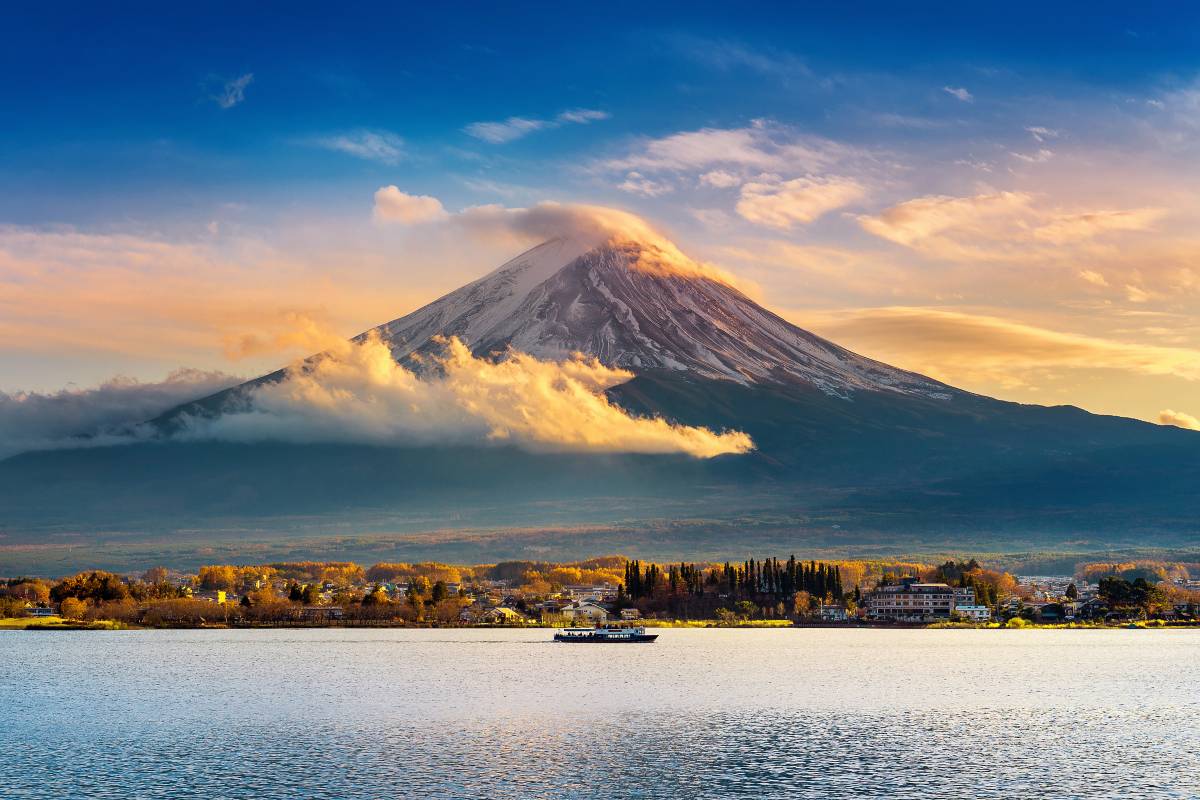
It’s one of the most common questions when you’re visiting Tokyo: can you get to Mount Fuji from the city? The answer is YES, and it’s actually one of the most popular excursions from Tokyo.
Mount Fuji, Japan’s iconic peak rising to 3,776 metres, lies about 100 kilometres south-west of the capital. Accessible by train or bus, it offers several ways to discover it to suit your interests and appetite for adventure.
How to get there from Tokyo?
To reach Mount Fuji, you have three main options:
- By train: Take the JR Tokaido Shinkansen to Shin-Fuji or Mishima Station, then continue by local bus. Allow around 2 hours for the journey.
- By bus: Direct buses run from Shinjuku to the Fuji Five Lakes (Kawaguchiko is the most popular). The journey takes around 2 hours 30 minutes and costs between ¥1,800 and ¥2,800 (≈£9-£14).
- On an organised tour: The easiest option if you want to make the most of your time. Many agencies offer day tours that include transport, a guide, and sometimes bonus stops (temples, hot springs…).
What to do around Mount Fuji?
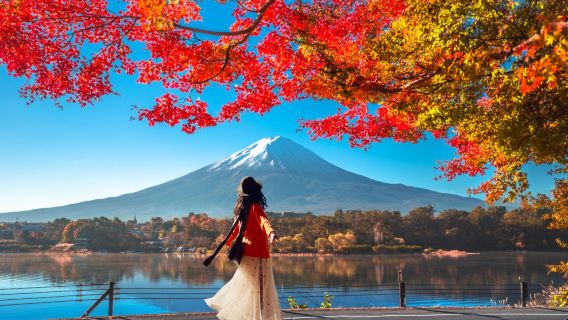
- Admire Mount Fuji from the five lakes that surround it: Lake Kawaguchi offers the best views, especially early in the morning when the summit is reflected in the water.
- Climb to the summit (summer season only, from early July to mid-September): the ascent takes between 5 and 7 hours. Many hikers set off at night to reach the summit for sunrise.
- Visit Hakone: Hakone is home to hot springs (onsen), open-air museums, and spectacular views of the volcano.
When should you go to have the best chance of seeing Mount Fuji?
The best time to see Mount Fuji is from October to February, when the sky is clear. In summer, clouds often veil the summit, but it’s the only season to climb it. Spring (April–May) is also lovely, with cherry blossoms in bloom in the foreground.
📌 Trip.com tip: Mount Fuji isn’t visible most of the time, even on clear days. Check the weather forecast before you go and have a backup plan just in case!
Best time to visit Tokyo
Tokyo is a year-round destination, but the experience changes completely depending on the season. Each has its pros and cons: weather, crowds, prices, events… Here’s a table to help you choose depending on what you fancy.
Season🌸 | Weather | Highlights | Plan ahead |
Spring (March–May) | Mild and pleasant, with occasional showers | Cherry blossom season (hanami), spring festivals, magnificent parks | Book your activities in advance—it's very busy in March/April. |
Summer (June–August) | Hot and very humid, with the rainy season in June | Summer festivals (matsuri), fireworks, very long days | Choose a hotel with air conditioning, and opt for night-time outings to avoid the heat. |
Autumn (Sep–Nov) | Pleasant temperatures, often clear skies | Spectacular autumn foliage, cultural events, ideal conditions for photography | Perfect time for nature excursions |
Winter (Dec.–Feb.) | Cold but dry, with little precipitation | Christmas and New Year illuminations, onsen, fewer tourists, sales | Pack warm clothing; some attractions are closed over the festive period. |
As you’ve probably gathered, Tokyo has unique experiences in store for you: from age-old temples to dizzying skyscrapers, from the quiet lanes of Yanaka to the thronging intersections of Shibuya, taking in the authentic flavours of izakayas and the night-time buzz of Shinjuku. This multifaceted city will captivate you, no matter how long your stay!
Have a wonderful trip! ✨
FAQ – Things To Do in Tokyo
How many days do you need to visit Tokyo?
Allow a minimum of 4 to 5 days to see the city's iconic neighbourhoods without rushing. A full week lets you add one or two day trips outside Tokyo.What’s the best time of year to visit Tokyo?
Spring (March–May) for the cherry blossoms, and autumn (September–November) for pleasant weather and autumn colours. Summer is lively but hot and humid.What can you do in Tokyo on a rainy day?
Explore museums, shopping centres, teamLab art spaces, arcades in Akihabara, or relax at a city onsen. Themed cafés and cooking workshops are also perfect indoor options.Do you need to speak Japanese to visit Tokyo?
No, signs are translated into English and locals are helpful. Download a translation app and learn a few basic phrases (thank you, hello) to make interactions smoother.

4162 booked