Hiroshima isn’t a city you visit by chance. Most travellers come mainly for its unique history, to understand—some even to pay their respects at the Atomic Bomb Dome and wander through Peace Memorial Park. Even so, beyond this emotionally charged heritage, Hiroshima still has plenty going for it, with so much to discover!
What are the must-see things to do and places to visit in Hiroshima? How much time should you allow there? How can you best explore the city’s history and the traces of the war?
To help you as best we can, Trip.com offers a detailed guide on the subject. You’ll discover our tips and recommendations for organising your stay according to your chosen duration and preferred travel style!
🎫 Popular Activities in Hiroshima and Great Deals
- 🏛️ Genbaku Dome 🕊️ – Free – UNESCO World Heritage Site, symbol of peace
- 🌳 Peace Memorial Park 🏛️ – Free – Memorial space and museum
- ⛩️ Miyajima 🦌 – Free – Sacred island with the floating torii gate
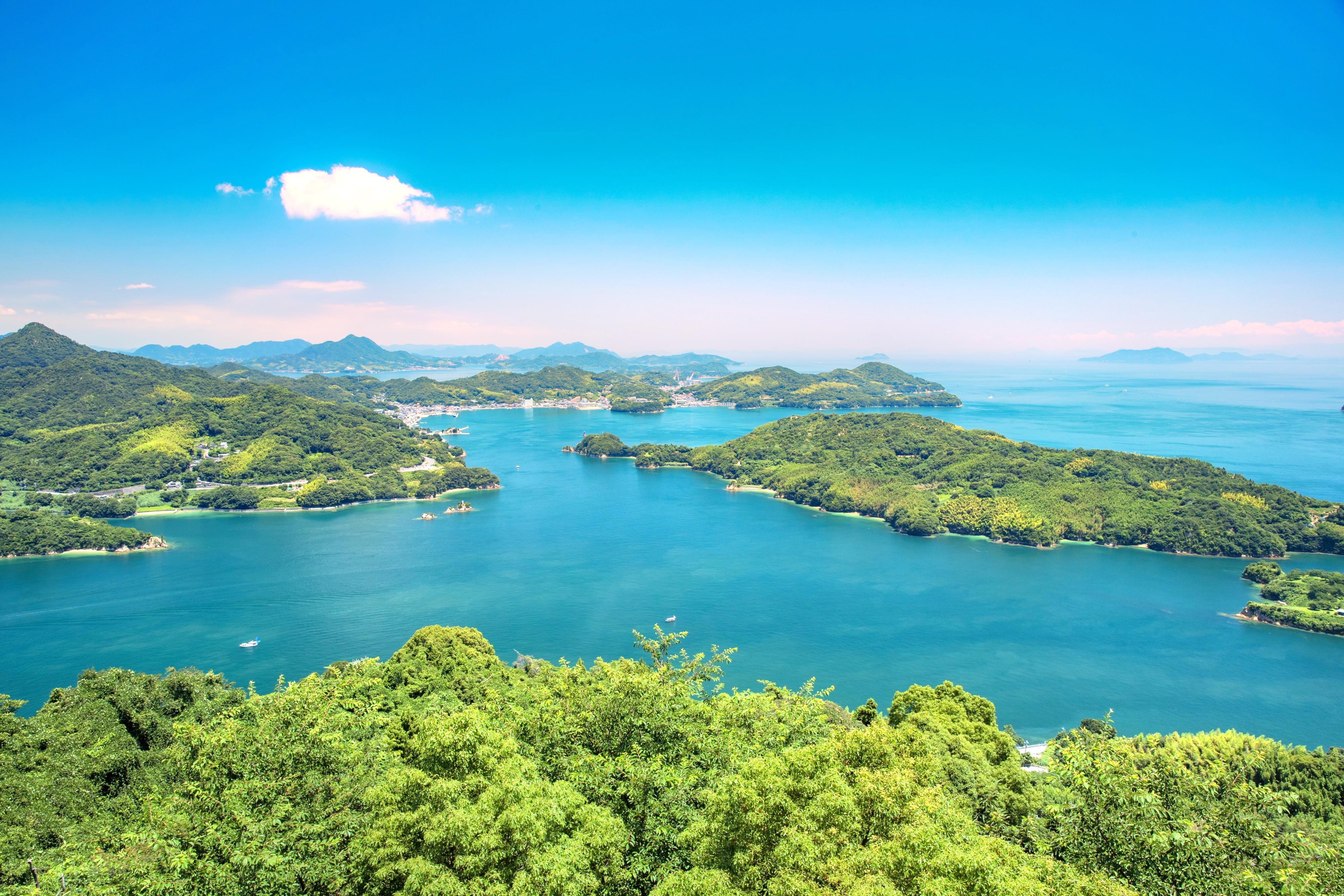
- 🌊 Seto Inland Sea ⛵ – Free – Soothing seascapes
- ⛩️ Itsukushima-jinja 🏯 – Around 300 yen – Shrine built on stilts, UNESCO World Heritage Site
📅 What to Do in Hiroshima Based on Your Stay
Generally speaking, one to two days are more than enough to fully explore Hiroshima. If you’d still like to extend your stay, we recommend a maximum of three days before continuing your journey to other cities. Here’s a summary of activities to do depending on the kind of stay you’re after:
Duration | Couple | Family | Friends | Solo |
1 day | Park + museum + Miyajima | Miyajima all day OR Park + castle | Park + museum + Miyajima + Nagarekawa outing | Park + museum + city-centre stroll |
2 days | Day 1: Park + museum + centre Day 2: Full day in Miyajima | Day 1: Park + castle Day 2: Miyajima + Mount Misen | Day 1: History Day 2: Miyajima + evening | Day 1: Memorial sites Day 2: Miyajima + Gardens |
3 days | Day 1-2 + Day 3: Seto Inland Sea or Onomichi | Days 1-2 + Day 3: Rabbit Island | Days 1-2 + Day 3: Kure excursion or cycling | Day 1-2 + Day 3: temples or nature |
🎁 Get 5% off & save up to £2 on your first Hiroshima Attractions & Tours booking! 👇
🔥 Must-Visit Districts in Hiroshima
Hiroshima is divided into areas, each with its own identity and vibe. Here are the neighbourhoods you won’t want to miss!
The city centre: around Peace Park

The heart of Hiroshima is this vast 12-hectare expanse that brings together the Peace Memorial Park, the Genbaku Dome (we’ll tell you more just below), the museum and the commemorative monuments. It’s literally the starting point for any sightseeing visit to Hiroshima, and it’s where everyone begins.
Around the park, the modern city centre has been completely rebuilt! Amid its buildings, shopping centres (notably the large covered Hon-dori arcade that runs through the entire centre), restaurants and hotels, this part of the city reveals a whole new side!
Hiroshima Castle and its gardens

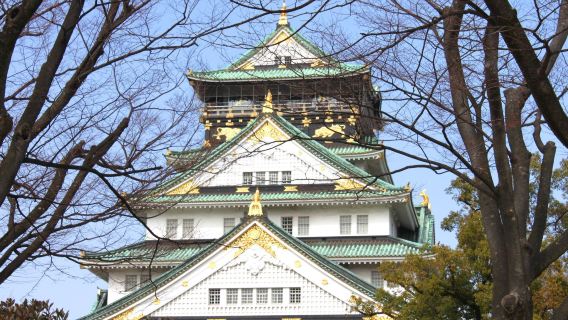
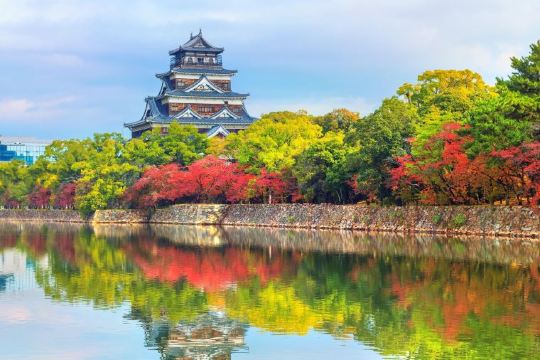
Further north, Hiroshima Castle (entirely rebuilt after the war) houses a museum dedicated to the city’s history before 1945 and to the samurai. The surrounding gardens are well worth a detour, especially Shukkei-en, a 17th-century landscaped garden with its pond, bridges and magnificent tea pavilions. It’s a tranquil spot to catch your breath after the museum’s emotional impact.
Hotels: Save up to 10% (Book online or on H5)
Homes & Apts: Save up to £39 (App-only deal)
Our Top Picks
5 star
Business travel
Family friendly
Breakfast
Gym
🕊️ Top 5 Activities and Landmarks in Hiroshima
Now that we’ve set the scene, let’s move on to the real experiences. As you might expect, most activities are dedicated to the war memorial. Here are the five must-sees in Hiroshima:
Genbaku Dome: the remains of the old city

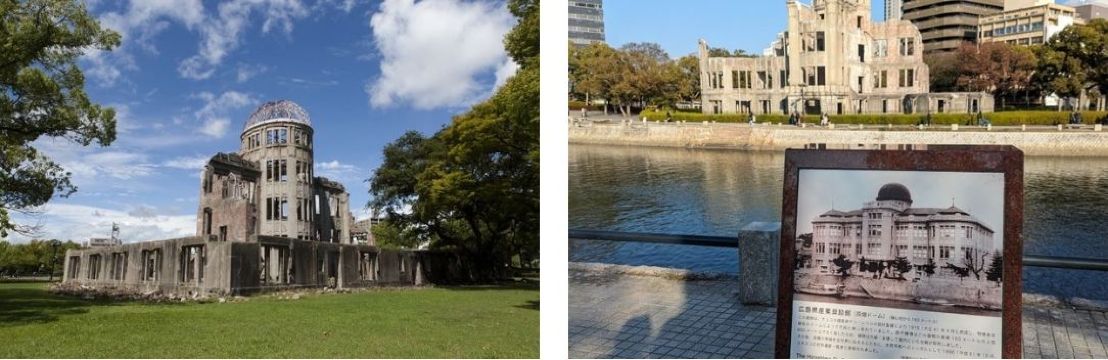
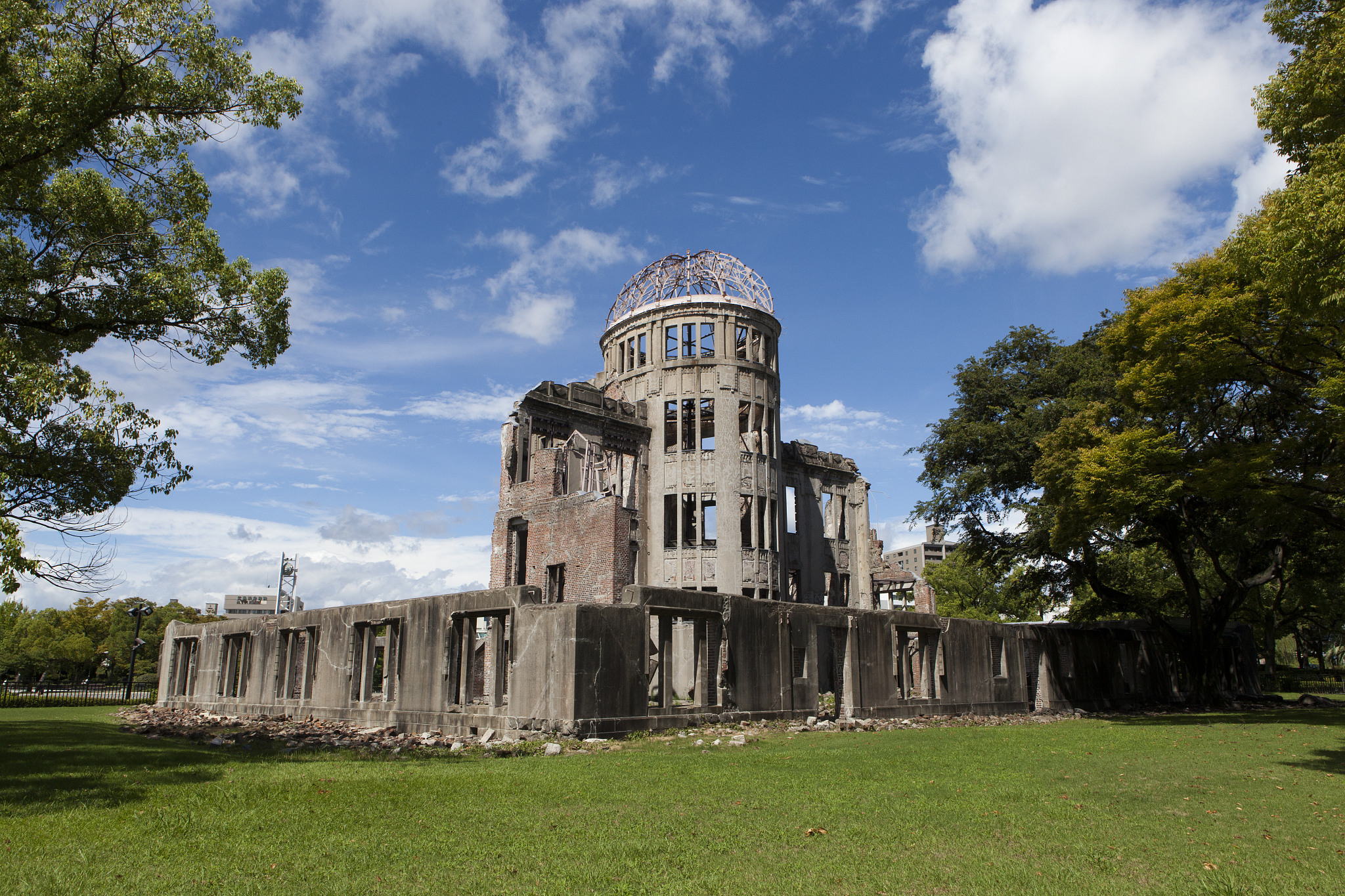
We mentioned it briefly, but the first unmissable thing to do in Hiroshima is still the famous Genbaku Dome (Atomic Bomb Dome). The Genbaku Dome is that twisted skeleton of concrete and steel standing on the riverbank, right in the middle of Peace Park.
Before 6 August 1945, it was the Prefectural Industrial Promotion Hall, a stately building constructed in 1915. At 8:15 a.m. that day, the atomic bomb exploded 600 metres above this building.
As the building lay directly beneath the epicentre and was built of concrete, part of the structure still stands today!
📌 Heads-up: the Dome isn’t open to visitors (too dangerous); you can only admire it from the outside. The view is breathtaking, especially at sunset when the golden light illuminates the ruins. A unique hush hangs over it, even when it’s busy!

Peace Memorial Park: the heart of remembrance

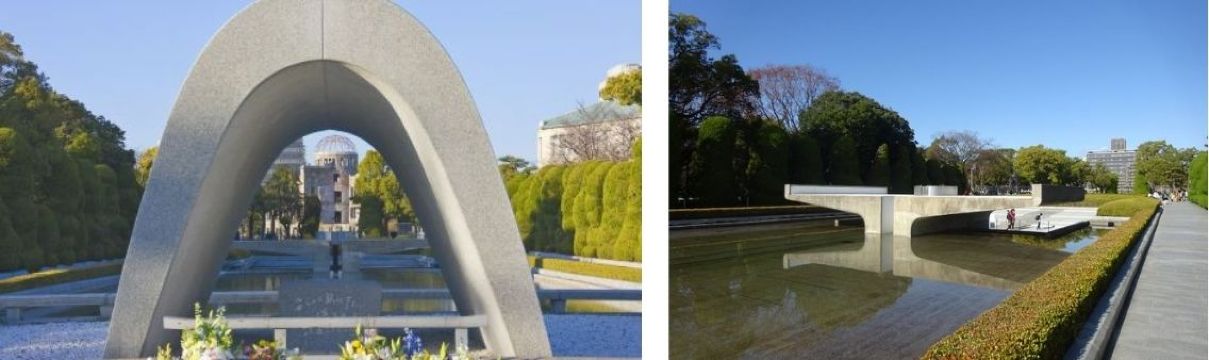
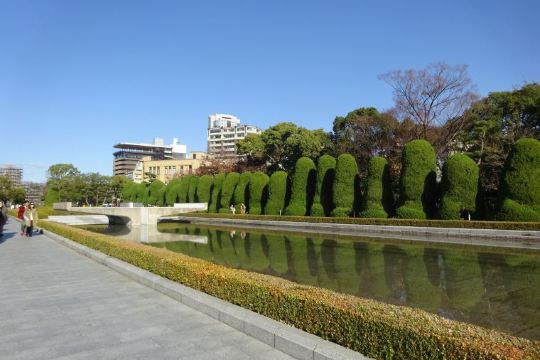
Hiroshima Peace Memorial Park spans 12 hectares of green space right in the heart of the city, on the exact site that was the epicentre of the destruction. Completed in 1954, the park brings together several key monuments, including:
Peace Memorial Museum: the one museum you absolutely can’t miss in Hiroshima. It showcases survivor testimonies, items recovered from the rubble (watches stopped at 8:15, burned clothing, children’s toys...), scientific explanations about the bomb, and the entire story of that dreadful day. It’s poignant, moving, sometimes hard to look at, but truly essential. How long should you spend at Hiroshima’s museum? Allow at least 2 hours to see everything properly, without rushing.
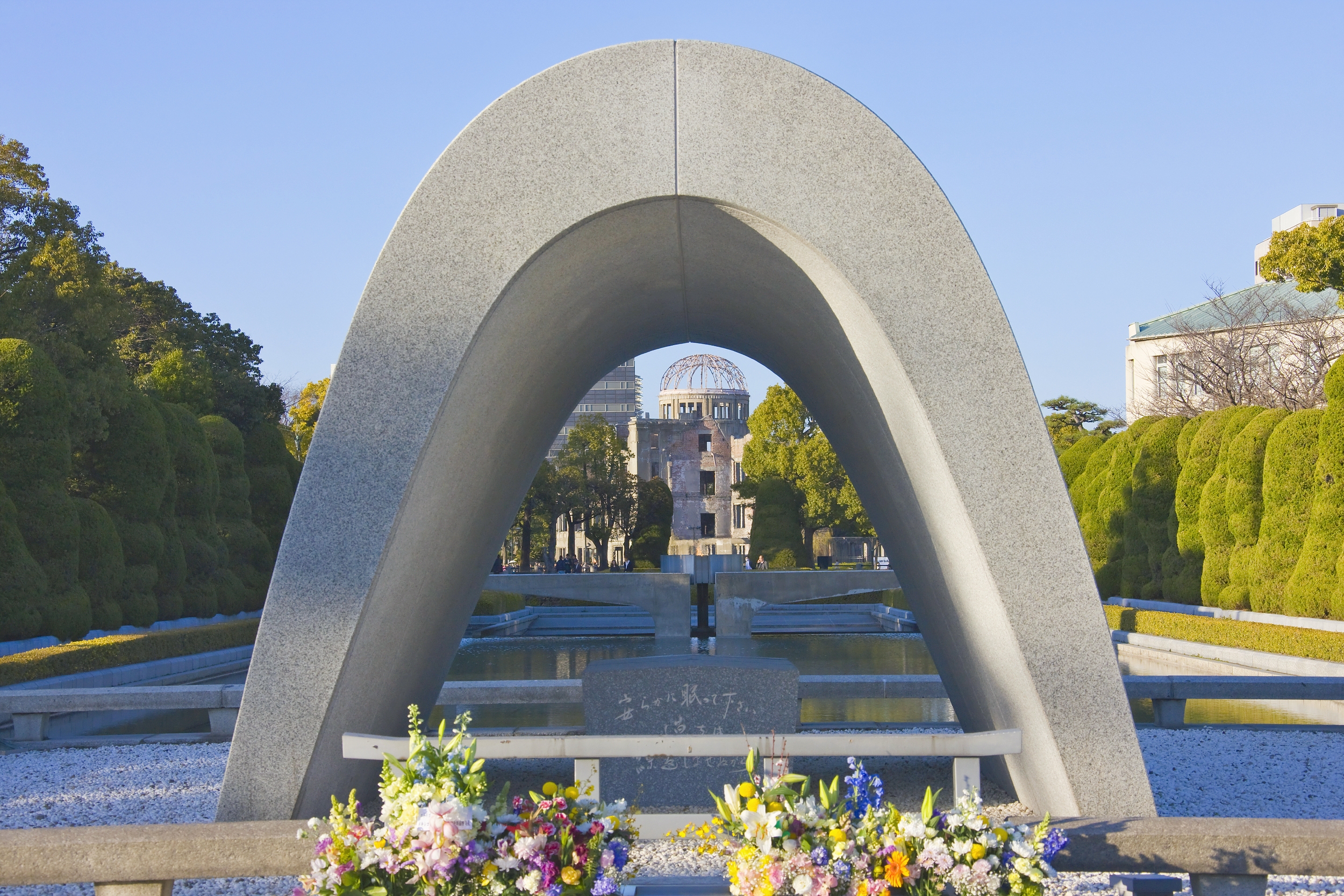
Cenotaph: this arch-shaped monument bears the names of all the known victims. Beneath the arch burns the Flame of Peace, which will only be extinguished when all nuclear weapons have disappeared from the planet. Standing before the cenotaph, you can glimpse the Dome in the distance, which you’ve almost certainly already visited.
Children’s Peace Monument: this statue is dedicated to Sadako Sasaki and to the thousands of children who died as a result of the bombing. Sadako, exposed to radiation at the age of two, developed leukaemia at eleven. While in hospital, she folded origami cranes in the hope of recovery (legend has it that folding 1,000 cranes grants a wish). She folded more than 1,000 before she died. Today, thousands of colourful cranes left by visitors from around the world adorn the monument.
The park is a place of silence, remembrance, and reflection. Take your time!

Miyajima: the island of the floating torii gate

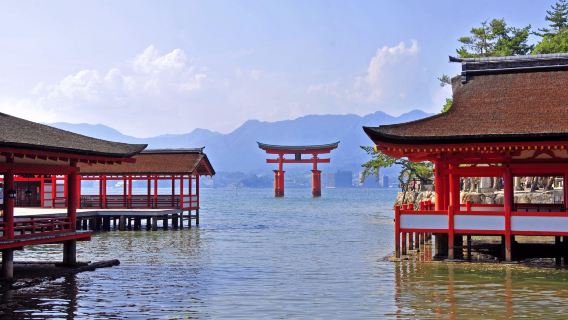
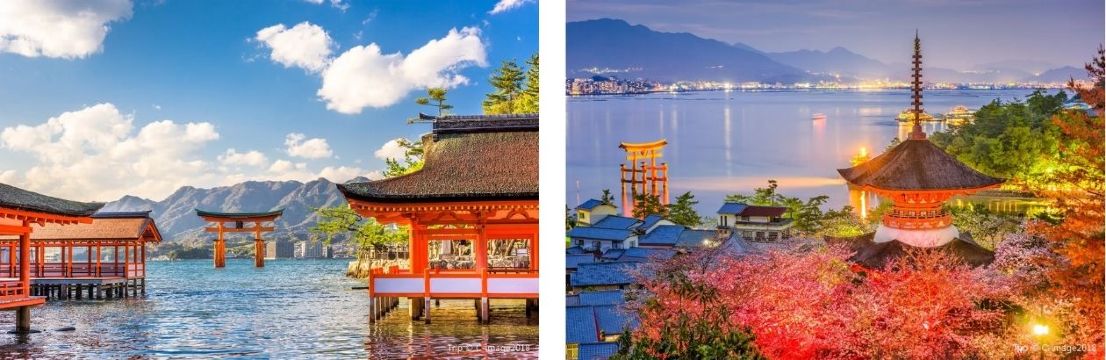
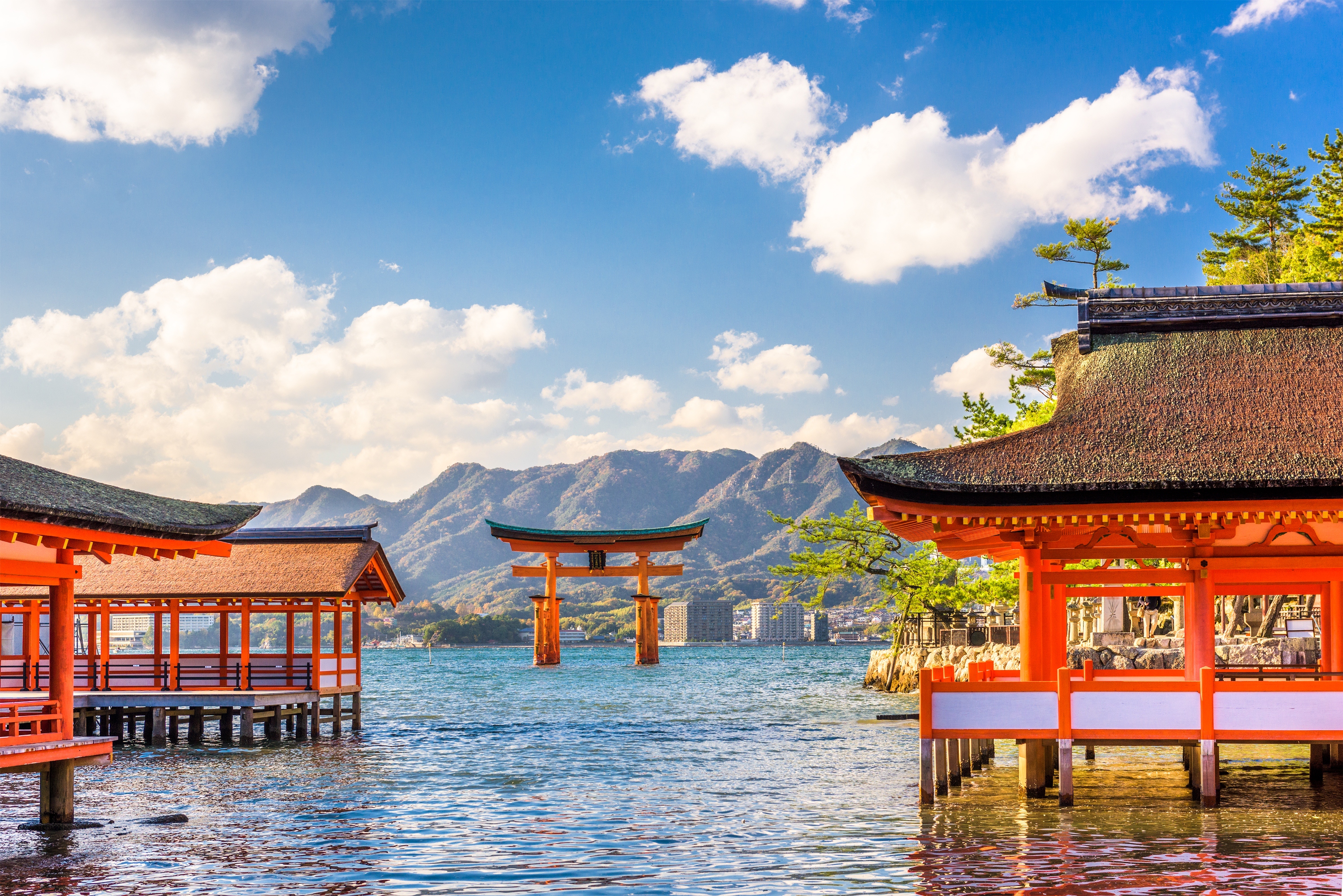
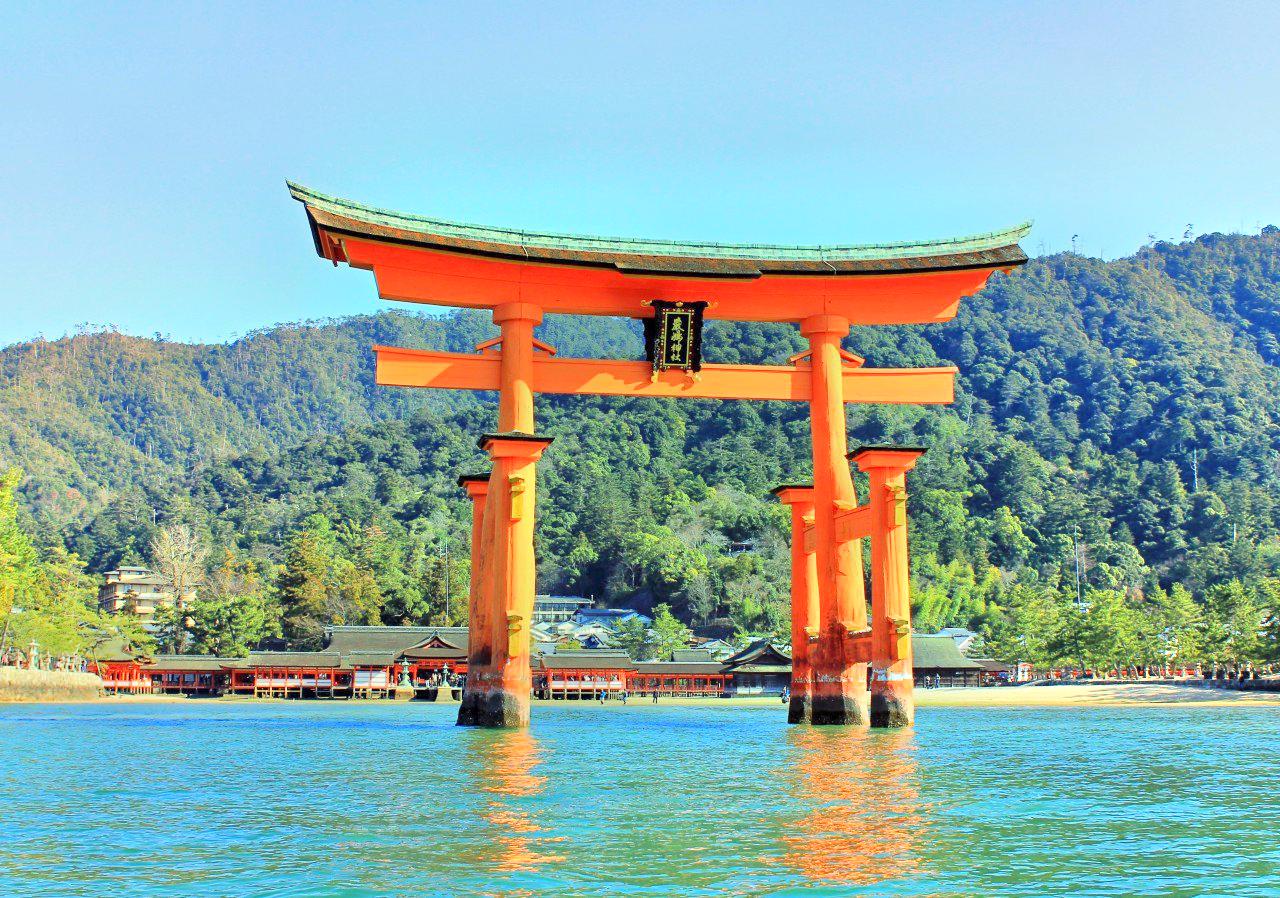
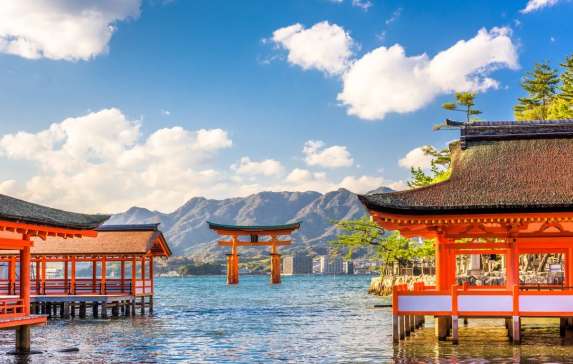
Miyajima (officially Itsukushima) is that little sacred island just 45 minutes from Hiroshima, home to one of Japan’s most photographed landscapes: the torii set right in the middle of the water (those double-lintel gates at the entrance to shrines).
The entire island is considered sacred. Semi-wild deer wander everywhere (take care—they can be quite bold if you have food). You can even reach the summit of Mount Misen (535 m), either on foot (a steep 2-hour climb) or by cable car (10 minutes), for a breathtaking view over the Seto Inland Sea and its hundreds of islets.

Itsukushima Shrine: a sanctuary on the water

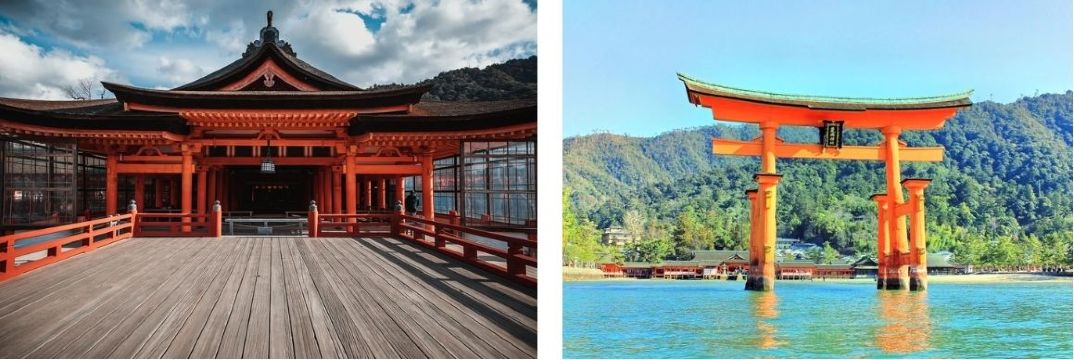
Still on Miyajima Island, you won’t want to miss the famous Itsukushima-jinja Shrine, a masterpiece of architecture founded in the 6th century and rebuilt in the 12th! It comprises several buildings linked by wooden walkways supported by stilts. At high tide, everything seems to float. At low tide, you can walk out to the great torii and touch it (many people do so for good luck).
The complex has been inscribed on the UNESCO World Heritage List since 1996. The shrine’s vermilion colours contrast superbly with the blue of the sea and the green of the mountains beyond.
📌 Trip.com tip: Doing Hiroshima and Miyajima in one day is perfectly doable if you set off early (around 8 am) and return around 5–6 pm. That gives you about 5–6 hours on the island, more than enough to see the essentials (shrine, stroll, Mount Misen). If you have time, stay until sunset—the torii lit up at dusk will offer a magnificent view!

Seto Inland Sea: a calm and relaxing atmosphere

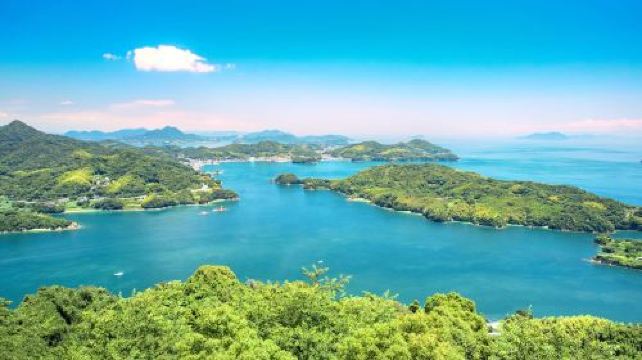
The Seto Inland Sea is the enclosed sea between Honshu, Shikoku and Kyushu, dotted with thousands of small islands! The landscapes here are gentle and soothing, with calm waters, wooded islets, suspension bridges spanning the straits, and a distinctive light that makes you want to linger for hours, simply contemplating.
Here are several ways to make the most of it:
- A one-day cruise: several companies depart from Hiroshima, with stops at different islands.
- A bike ride along the Shimanami Kaido: this 70 km cycle route links Honshu to Shikoku via 6 islands and 7 suspension bridges. Spectacular views, moderate effort, a memorable experience.
- Take a ferry to the islands: Okunoshima (Rabbit Island), Innoshima, Omishima... each island has its own character.

🍜 Discover Hiroshima’s Culinary Specialities

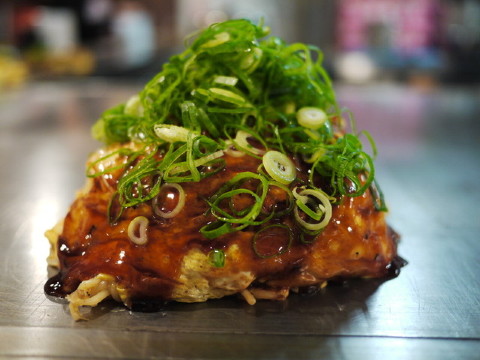
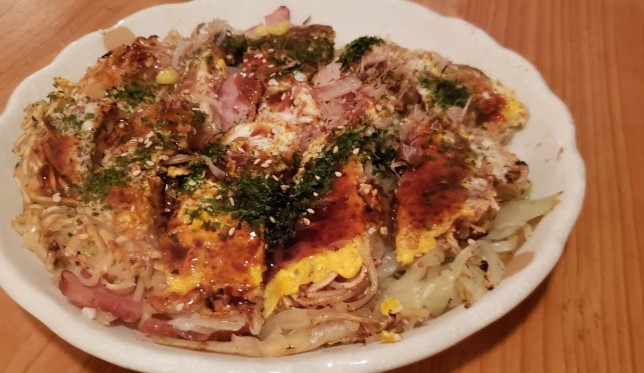
It’s impossible to leave Hiroshima without trying its famous okonomiyaki, a local spin on this thick, topping-filled savoury pancake. Unlike Osaka-style okonomiyaki, where all the ingredients are mixed into the batter, Hiroshima’s is assembled in layers: a thin batter, shredded cabbage, bean sprouts, pork, yakisoba noodles (or udon), egg... The whole lot is cooked on a scorching hot griddle, served generously, and finished with a sweet-savoury sauce and Japanese mayonnaise.
Where to eat it? Trip.com highly recommends heading to Okonomimura, a four-storey building packed with around twenty small okonomiyaki stalls. Each stall has its own speciality and style. The atmosphere is unique, it smells wonderful, and it’s delicious. Expect to pay 800 to 1,200 yen per okonomiyaki.
Hiroshima’s oysters are also renowned across Japan, especially in winter (November to March). Grilled, fried, in soup, with rice… they’re delicious however you have them. If you love seafood, don’t miss out!

Denkosekka

お好み焼 新天地 みっちゃん
🌸 Best Time to Visit Hiroshima
Hiroshima is a year-round destination, but some seasons offer their own advantages:
Season | Weather | Highlights |
Spring | Soft | Cherry blossoms in bloom, ideal weather for visiting the Peace Park |
Summer | Hot, humid | 6 August ceremony (poignant), traditional music festivals |
Autumn | Pleasant | Red foliage in Miyajima (for magnificent scenery) |
Winter | Cold, dry | Fewer crowds and, above all, seasonal oysters for seafood lovers! |
🚄 How do you get around in and around Hiroshima?
Getting to Hiroshima from Japan's major cities
- From Tokyo: 4 hours by Shinkansen
- From Kyoto: 1 hour 40 minutes by Shinkansen
- From Osaka: 1 hour 30 minutes by Shinkansen
- From Fukuoka: 1 hour 10 minutes by Shinkansen
Getting to Miyajima from Hiroshima
To reach the sacred island of Miyajima (Itsukushima) from Hiroshima, you have several options:
- Train + Ferry: take the JR Sanyō Line to Miyajimaguchi Station (about 25 minutes), then a 10-minute ferry ride to Miyajima.
- Tram (Hiroshima Dentetsu) + ferry: around 1 hour to Miyajimaguchi, then take the ferry. A budget-friendly option, but slower.
- Ferries run throughout the day and are included in the JR Pass.
Have a great trip to Hiroshima!
👇Book Japan Train Tickets with Trip.com👇
Official JR partner · Wide coverage · Easy changes
❓ FAQ – Things to Do in Hiroshima
Can you visit Hiroshima and Miyajima in one day?
Yes, if you start early (around 8am). Visit the Peace Memorial Park and Museum in the morning (about 2–3 hours), then head to Miyajima in the afternoon (4–5 hours there). Return in the evening. It’s doable, but quite busy.How many days do you need in Hiroshima to see the main sights?
Two days is ideal. This gives you time to visit the Peace Park, the museum, Hiroshima Castle, and spend a full day on Miyajima without rushing.How long does it take to visit the Hiroshima Peace Memorial Museum?
Allow at least 1.5 to 2 hours. The visit is powerful and emotional, and it’s worth taking your time to see everything properly.What can you do in Hiroshima in the evening?
Walk around the Nagarekawa area for nightlife, enjoy bars and izakayas, try Hiroshima-style okonomiyaki at Okonomimura, or relax at a riverside terrace.

25558 booked