Top Things to do in Xinjiang: Best Activities & Must-Sees

By Tina
November 11, 2026

Xinjiang is the largest region in China and is characterised by an extraordinary geographical variety, with landscapes and environments that are vastly different from one another.
Given the vastness of the territory, you'll travel from the historic Silk Road oasis cities to deserts, and even high-altitude alpine mountains and lakes. Careful logistical planning is therefore essential, also taking into account the document checks required for international travellers.
In this Trip.com guide, you'll find the main areas, the most significant attractions, and the practical requirements to best organise your itinerary.
🎫 Popular Things to Do in Xinjiang
- 🏛️ Bezeklik Thousand Buddha Caves, from approx. £4.50 – Admire ancient frescoes and Buddhist relics along the Silk Road.
- 🏜️ Kumtag Desert, from approx. £3.37 – Explore the vast dunes of one of the most distinctive desert landscapes in Xinjiang.
- 💧 Karez Folklore Garden, from approx. £4.50 – Discover the ancient underground irrigation system that made life possible in the Turpan oasis.
- 🕌 Xiang Fei Park (Apak Khoja Mausoleum) (Kashgar), from approx. £4.27 – Visit this masterpiece of Islamic architecture, famous for its imposing dome and stunning green and turquoise tiles.
- 🏞️ Sayram Lake (Ili Valley), from approx. £7.87 – Admire a magnificent alpine lake surrounded by snow-capped mountains and pastures.
✈️ What to Do in Xinjiang Based on Your Stay
Planning a trip to Xinjiang requires paying particular attention to distances. The region covers a very large area, more than 6 times the size of the UK, and travel between Urumqi, Turpan (or Turfan), Kashgar, and the mountainous areas can take several hours.
If you only have a few days, it’s best to focus on just one part of the region, while longer stays allow you to combine both the north and the south.
If you have more than a week to spare, you can extend your itinerary to include the Ili Valley, Altay, and Kanas, or spend more time exploring the Pamir region, just be sure to factor in travel times and any necessary permits.
Duration | Couple ❤️ | Family 👨👩👧👦 | Friends 👫 | Solo 🚶♂️️ |
1 day | Urumqi, between the city centre and local cuisine. | Urumqi city centre and the neighbourhoods of the Tianshan district. | Regional Museum and strolls through the city centre. | |
2–3 days | Urumqi with an excursion to Turpan. | Urumqi and a trip to Tianchi Lake. | Turpan, Flaming Mountains and ancient Karez irrigation system. | Turpan and its main archaeological sites. |
4–5 days | Urumqi, Turpan and Kashgar. | Urumqi, Turpan and initial insights into Kashgar. | Kashgar and the start of our journey towards the Pamirs. | Kashgar and its historic districts. |
1 week | Urumqi, Turpan, Kashgar and the Karakoram Highway. | A blend of historic cities and natural landscapes. | Northern Xinjiang (Altay, Kanas) or the Pamirs. | A slower-paced itinerary between the Silk Road and natural areas. |
Attractions and Tours in Xinjiang
See all attractions
 9 booked




🏙️ Must-Visit Areas in Xinjiang
Xinjiang is not a destination that can be covered in just one city. In fact, the main experiences and tourist attractions are spread across different centres and geographical areas. Choosing where to stop depends above all on the type of landscape and heritage you want to explore in more depth.
Here are five areas to consider when building a balanced itinerary:
Urumqi: the main hub of Xinjiang
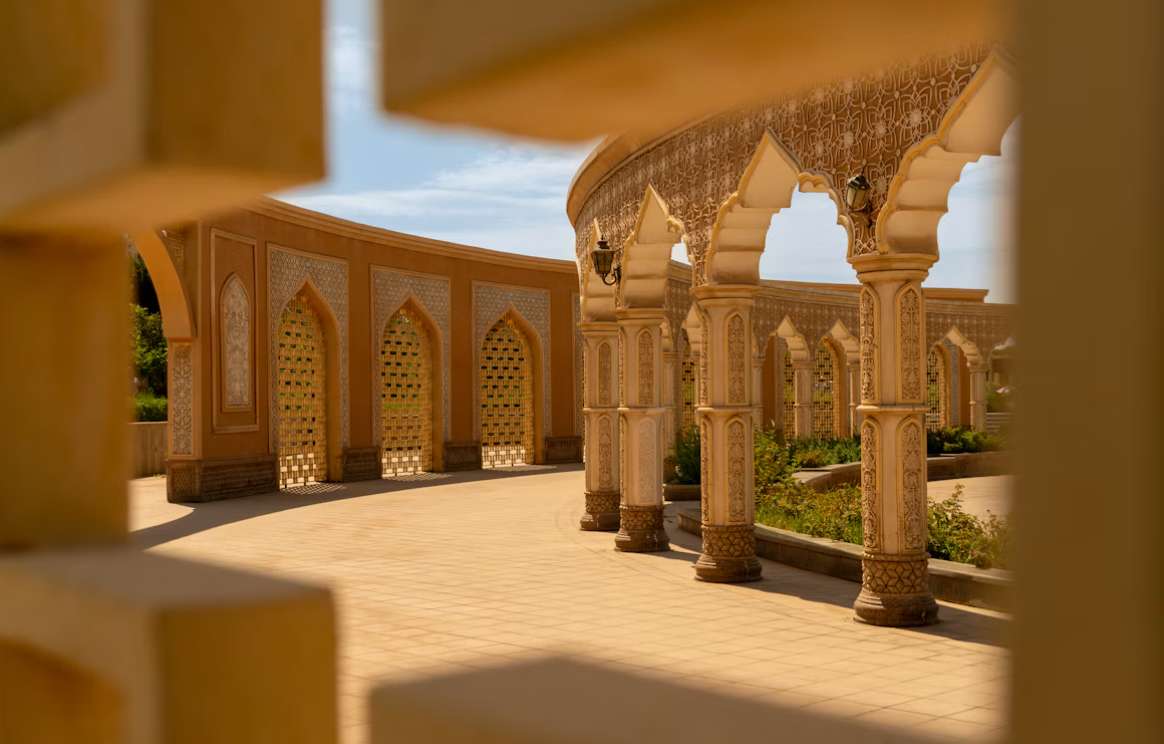

Urumqi is the logistical hub for many itineraries in the region and boasts the main rail and air connections.
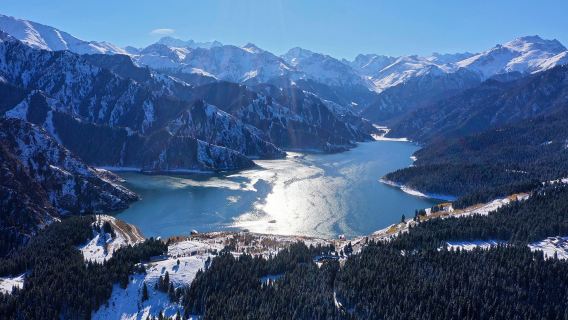
It’s a practical base for organising excursions to the north, such as the ascent towards the alpine landscapes of the nearby Tianchi Lake, as well as for visiting museums.
Kashgar: the historic heart of the Silk Road

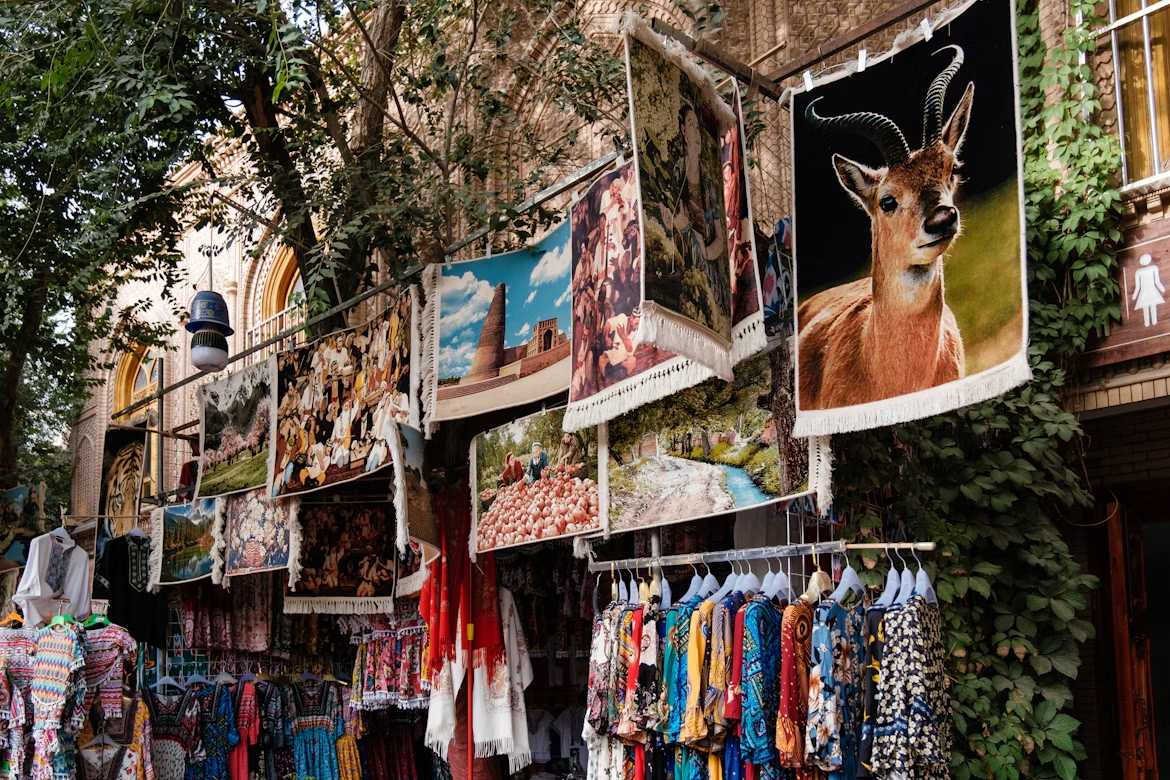
Kashgar preserves one of the most important historic centres in southern Xinjiang. The Old Town, the bustling commercial streets and the mosques, such as the iconic Id Kah, offer a fascinating glimpse into the region's architecture and urban culture.
The city is also the main starting point for itineraries along the Karakoram Highway towards the Pamir lakes.
Turpan: a natural oasis and archaeological treasure
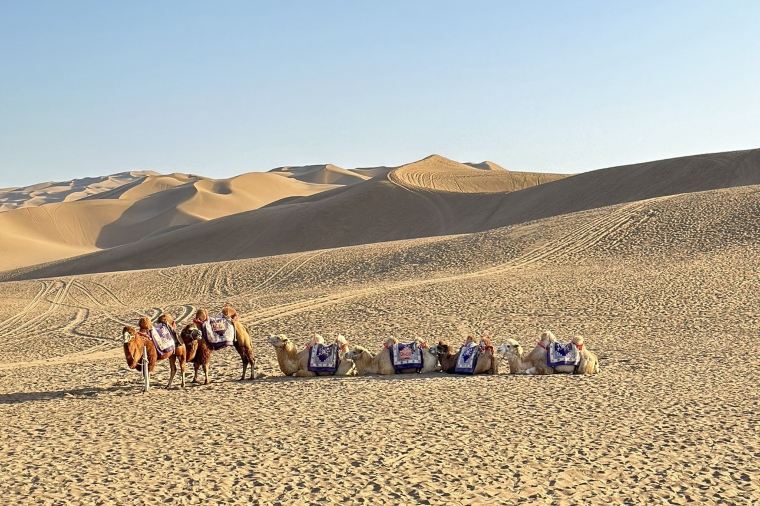
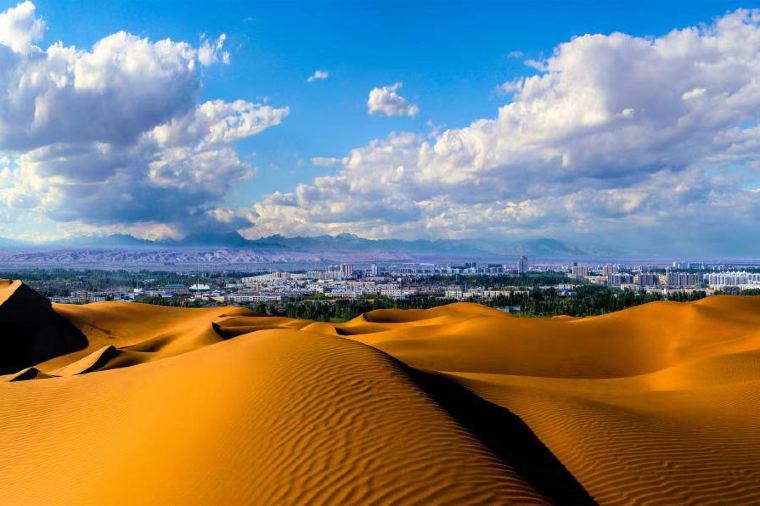
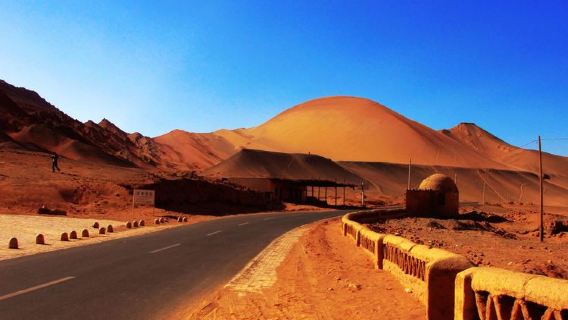
Turpan is located in one of the main depressions of the Xinjiang basin. It is here that the arid, reddish landscapes of the famous Flaming Mountains and the Tuyoq Valley rise up.
The area is fascinating for its archaeological heritage, including the Jiaohe ruins linked to the Silk Road, the vineyards, and the ancient Karez irrigation systems.
Ili Valley: alpine landscapes and Kazakh culture
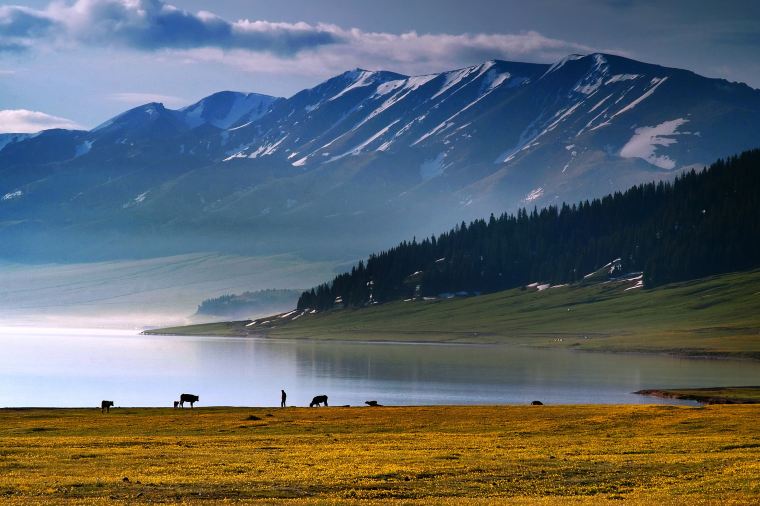

The Ili Valley, in the western part of Xinjiang, offers a landscape that is different from the desert basins.
Prairies, mountains, forests and places like Yining make this area a fascinating spot for anyone seeking nature and rural landscapes.
Altay and Kanas: mountains and lakes of the north
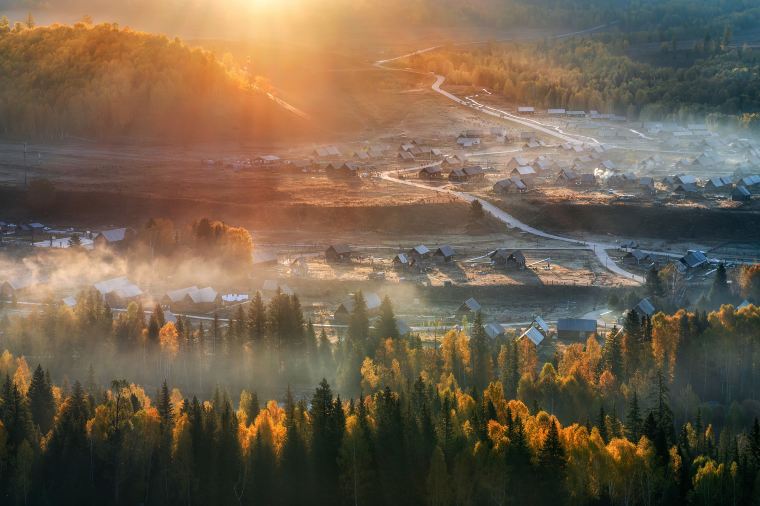
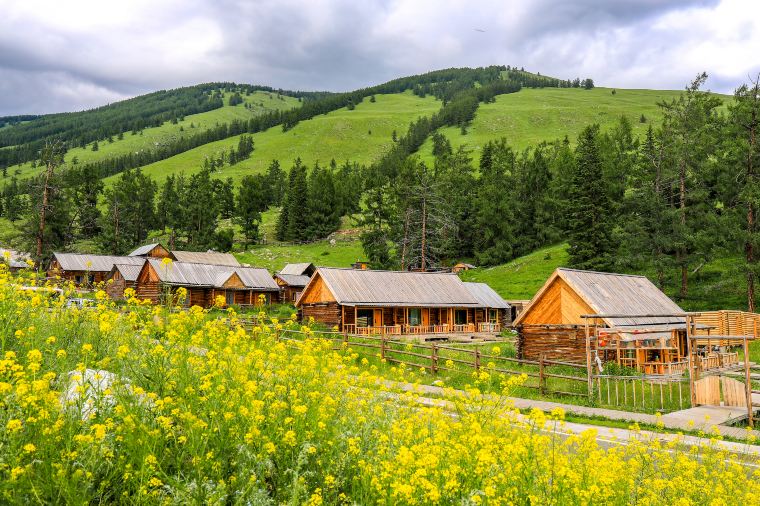
The Altay region, in the far north of Xinjiang, is characterised by coniferous forests and alpine lakes with ever-changing colours.
Kanas, on the other hand, is one of the top destinations for those who love outdoor activities and unspoilt landscapes.
Hotels: Save up to 10% (Book online or on Mobile)
Homes & Apts: Save up to £39 (App-only deal)
Top hotels in Xinjiang
See All Hotels






⭐ Top 5 Activities and Landmarks in Xinjiang
For a first visit, these five experiences allow you to cover some of the region's most iconic environments and heritage sites, avoiding overlap and making the most of your time.
Kashgar Old Town and the Id Kah Mosque
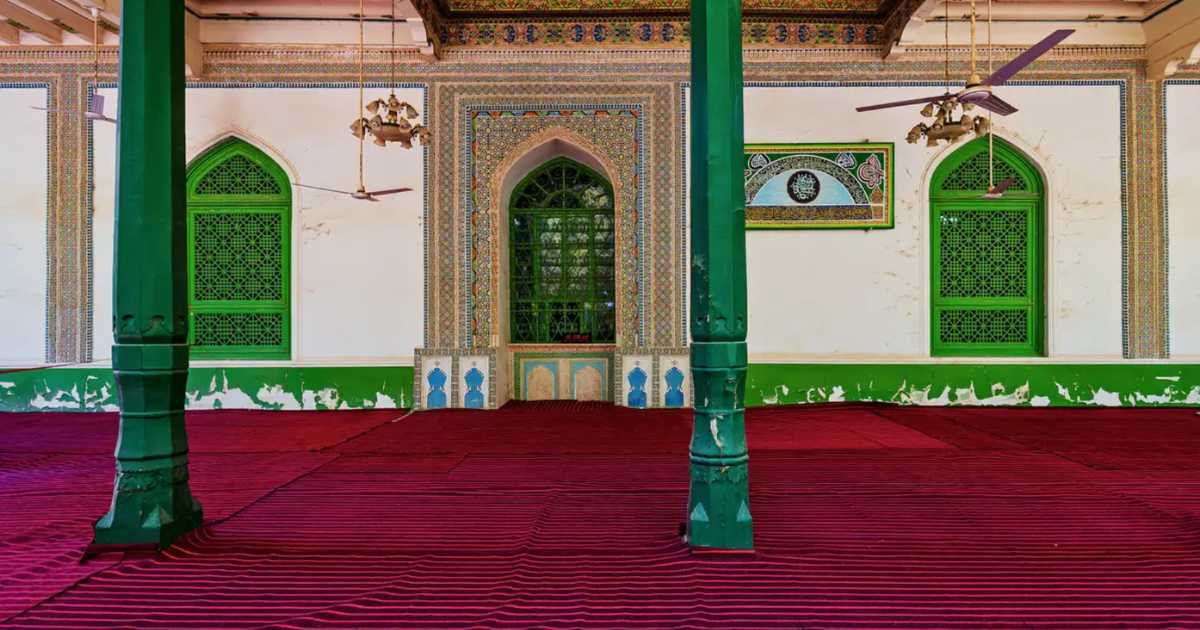
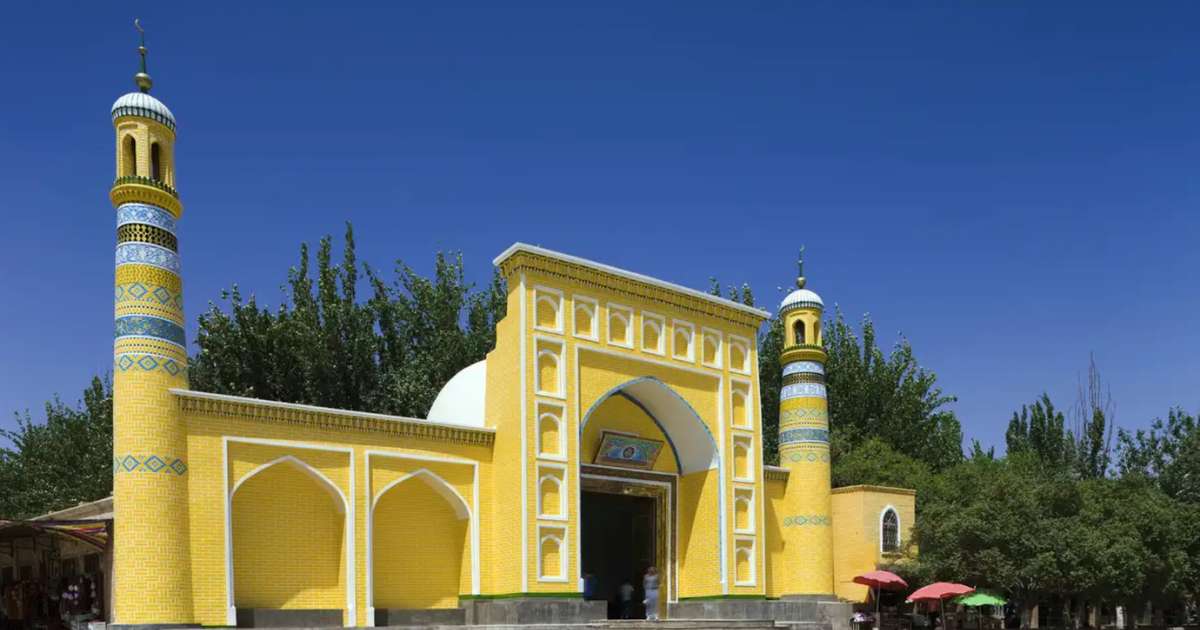
Kashgar’s Old Town is one of the main places to visit to understand the commercial history of this ancient oasis. The traditional streets, homes, shops, and artisan workshops are concentrated around an urban fabric that has been partially restored and renovated.
In the heart of this labyrinth of alleyways stands the Id Kah Mosque, one of the most important Islamic religious buildings in Kashgar. A visit here allows you to combine architecture, urban history, and a glimpse into daily life in the city centre.
- Entry: free for the Old City, from around £5 for the Id Kah Mosque (check for any extra fees and access requirements at the time of your visit).
- Ideal time: 2–4 hours.
- Perfect for: ancient history, architecture and urban culture.
Useful tip: opening times and visiting procedures for religious buildings may vary, so it's important to respect local guidelines.
🕌 Book your visit to the Id Kah Mosque on Trip.com
Jiaohe Ruins
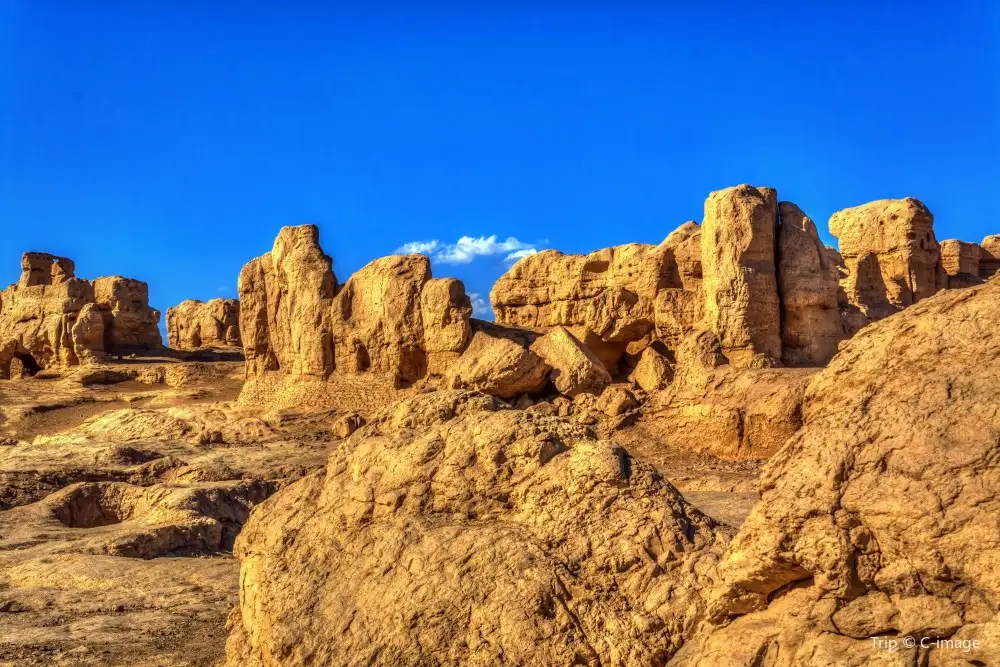
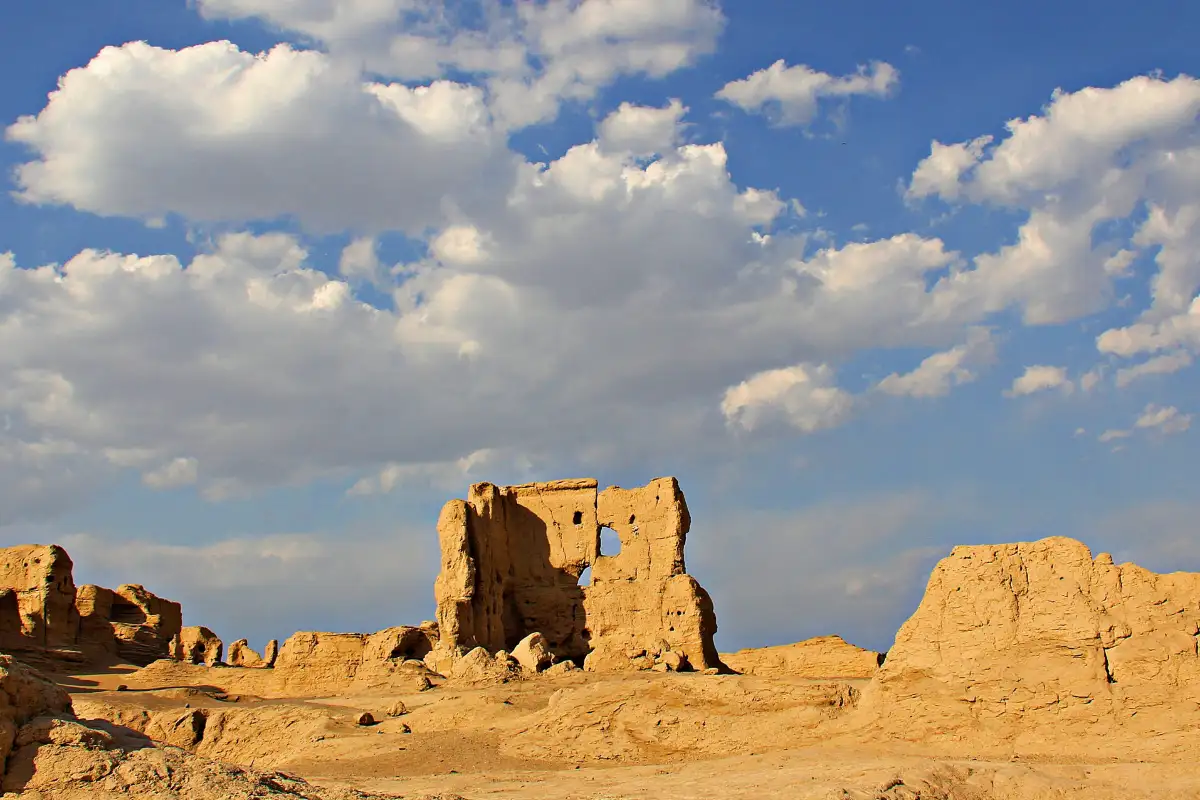
The Jiaohe Ruins are located near Turpan, on a plateau bordered by two rivers. The ancient city was an important hub along the Silk Road routes and preserves an extraordinary urban structure carved directly into the raw earth.
- Entry: from around £9.
- Ideal time: about 2–3 hours.
- Perfect for: ancient history, archaeology and sunset photography.
Did you know... Its location on a plateau surrounded by escarpments offered the city natural military protection without the need for walls.
🏛️ Book your ticket for the Jiaohe Ruins on Trip.com
Karakoram Highway and the Pamirs
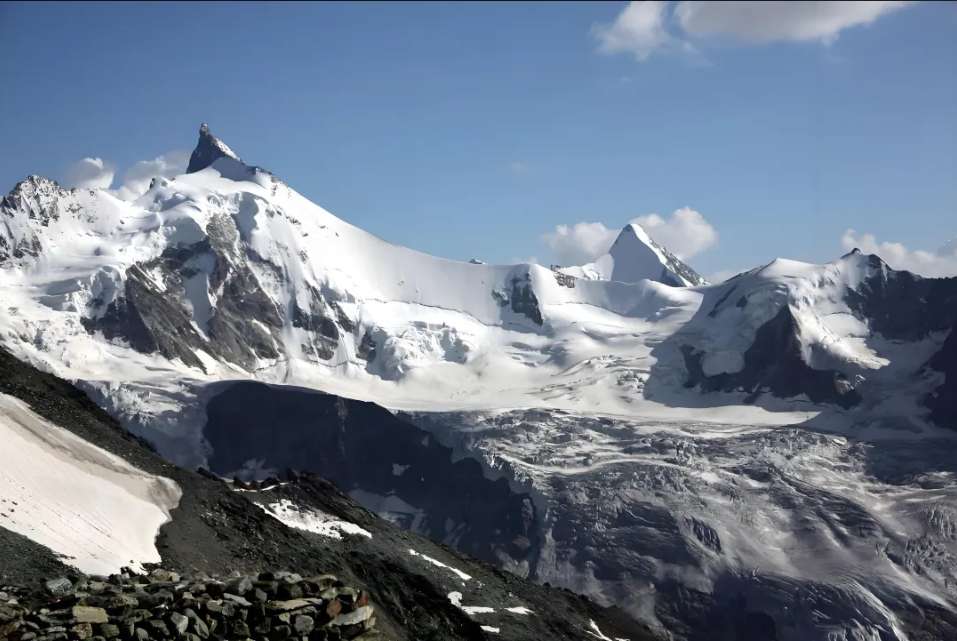
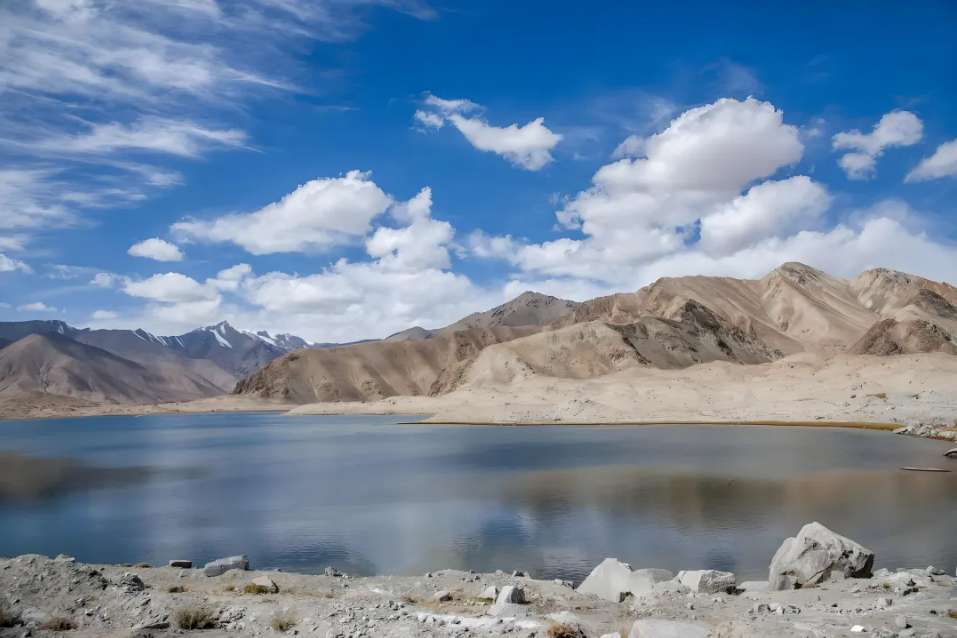
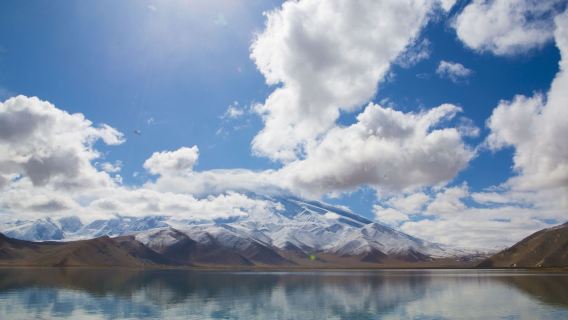
Considered one of the highest and most scenic paved roads in the world, the Karakoram Highway starts from the historic area of Kashgar and winds its way towards the Pamir Plateau, brushing past monumental peaks like Muztagh Ata.
Along the way, you can admire high-altitude lakes (such as Karakul) and immense glaciers. It is a challenging travel experience, but essential for those who wish to delve into the geographical and extreme side of Xinjiang, away from the classic urban tourist circuits.
- Price: costs vary depending on the services and the logistics provider.
- Ideal time: 1 or 2 days depending on whether you travel as far as Tashkurgan.
Good to know: the Karakoram Highway follows one of the oldest, most extreme, and most difficult routes of the ancient Silk Road. Foreign citizens intending to reach certain border areas of the Pamirs may require specific permits. Requirements can vary, so it is advisable to check access conditions before departure and rely on an authorised local operator when required.
🏔️ Book a Pamir tour on Trip.com
Urho's World Devil City

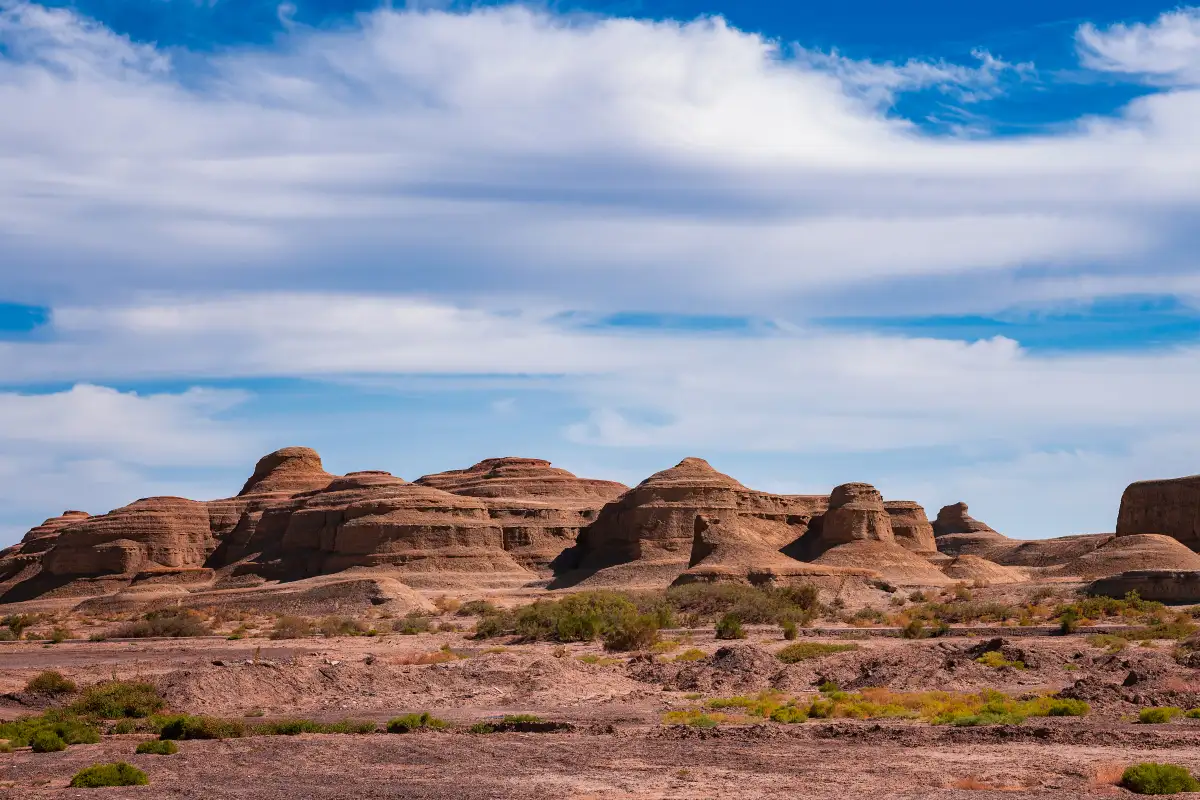
In the Urho district, near Karamay, lies an area characterised by rock formations shaped over millennia by wind erosion. The landscape is a classic example of yardang topography.
The visit takes place within a well-equipped tourist area. The geological formations take on surprising shapes that glow with an intense red at sunset, creating a mysterious and evocative atmosphere.
- Entry: varies depending on tourist access.
- Ideal time: about 3 hours.
- Perfect for: geology, photography, and lovers of desert atmospheres.
Did you know... The name “Devil’s Town” comes from the acoustic phenomenon created by strong winds that, funnelling through the rock formations, produce hissing and eerie sounds.
🌅 Book your visit to Urho's World Devil City on Trip.com
Kanas Nature Reserve
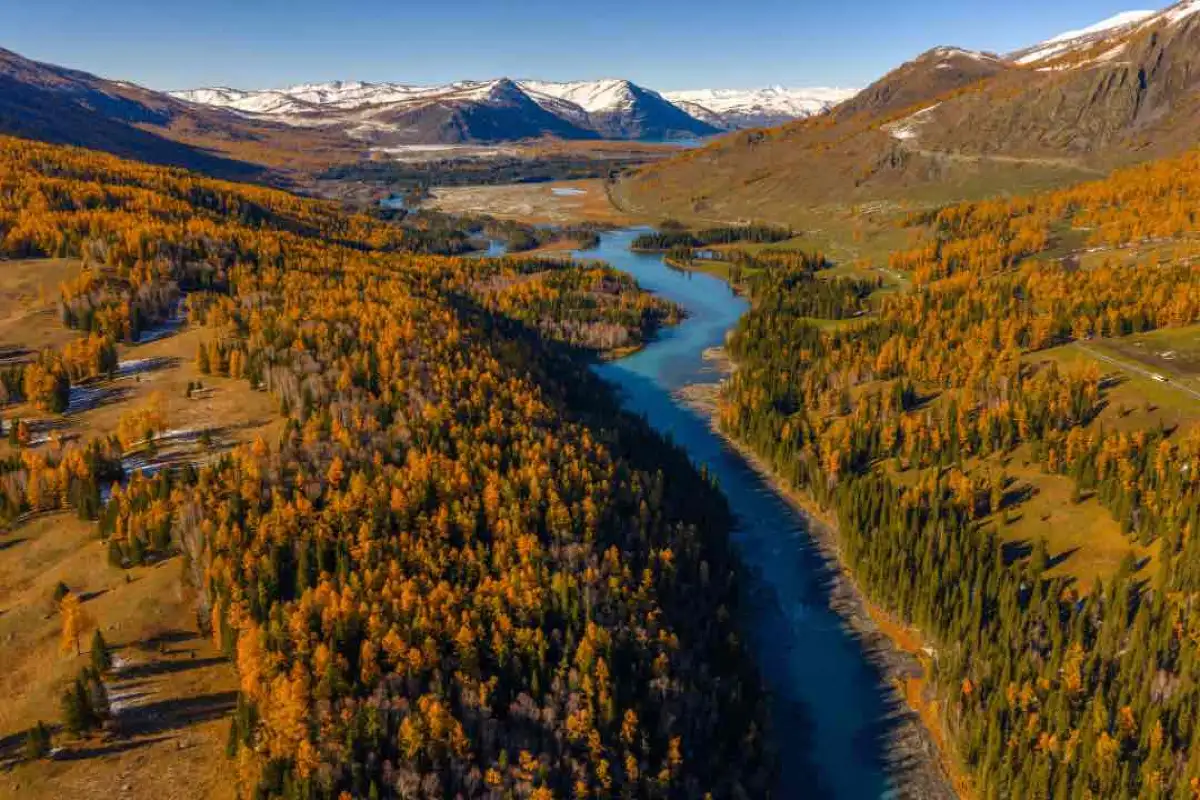
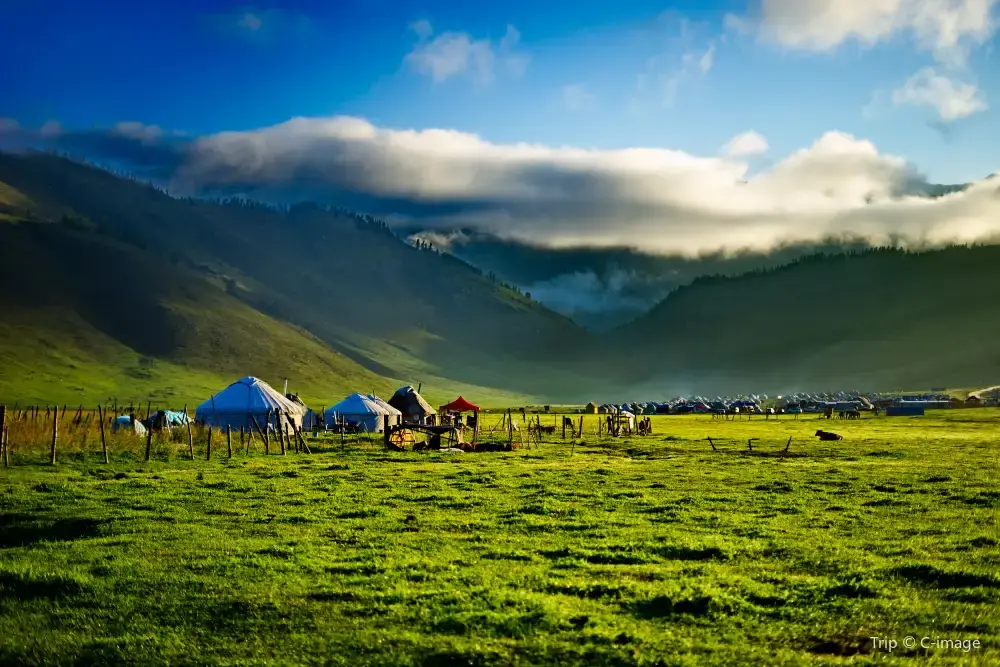
Hidden away in the Altay Mountains, in the far north of Xinjiang, Kanas Lake is famous for its waters that change colour with the seasons. In autumn, the contrast between the turquoise water and the golden forests creates a particularly scenic landscape.
The area is surrounded by dense Siberian taiga forests and small, traditional villages inhabited by the Tuvan people. It’s a perfect destination for those looking to add an alpine and forest environment to their itinerary—a complete contrast to the desert basins in the south.
- Entry: the price varies depending on the routes and shuttle buses included.
- Ideal time: 1-2 days to explore the bays and viewpoints.
- Perfect for: unspoilt nature, hiking and autumn photography.
According to local legends, a mysterious “lake monster”, similar to the Loch Ness one, is said to be hiding in the depths of these waters.
🌲 Discover tours to Kanas Lake on Trip.com
🍜 What to Eat in Xinjiang

Xinjiang cuisine reflects the region's position between China and Central Asia, featuring influences that differ from the traditions of the eastern provinces. Mutton, wheat, rice, spices, and fresh and dried fruits are omnipresent.
Eating at markets or on the street isn't just the most practical and budget-friendly option. It's also a more direct way to get to know local culinary traditions based on hearty, calorie-rich ingredients.
🍢 Bazaars and local specialities
The quintessential spot for local gastronomy is the bazaar. As soon as evening falls, the streets fill with the thick smoke of braziers where "chuanr" are cooked—mutton or lamb skewers spiced with plenty of cumin and chilli.
A typical dish is "polo" (or "pilaf"), a one-pot meal made with rice cooked with meat and carrots. It's very popular and is often prepared in huge cast-iron pots.
Walking through the old towns, it's easy to spot the tandoor ovens. From these come "samsa", crispy pastries filled with meat and onion, and "naan", the local round flatbread, sold in whole stacks on carts. If you prefer something hot and liquid, "laghman" (made with hand-pulled noodles served in broth or stir-fried with meat and vegetables) is the go-to meal for lunch.
Finally, the fruit deserves a special mention. Thanks to the dry climate and significant temperature fluctuations, oases like Turpan produce melons and grapes with an incredibly high sugar content, as well as excellent dried fruit, which is perfect for snacking on during long car journeys.
☕ Tea houses and artisan shops
The other great pillar of social life is the historic tea houses, known as "chaikhana". In Kashgar, they still represent an iconic element of urban life.
Usually located in historic centres, with their wooden balconies and low tables covered in rugs, these are the places to gather for black tea and a rest. Stopping here means slowing down the pace and calmly observing the city's daily life.
In the alleyways, the noise of traffic gives way to the sounds of artisanal craftsmanship. In the historic districts, in fact, you can still find workshops dedicated to copper, wood, and textile work, offering a sharp and fascinating contrast to the region's modern infrastructure.
🌤️ Best time to Visit Xinjiang
The climate in Xinjiang is strongly continental and arid, with notable differences between the desert basins, the oases, and the mountain areas.
There is a significant temperature difference between day and night. The best months to visit the region are those just before or after the peak of summer.
Season | 🌡️ Average temperature | 🌦️ Weather | 🎯 Recommended activities |
Spring (Mar–May) | 10–22 °C | 🌸 Cool, with occasional sandy winds at the start of the season. | Urban explorations, peach blossom in Turpan, historic markets. |
Summer (Jun–Sep) | 25–38 °C | 🔥 Scorching heat in the desert basins, cool at altitude. | Hiking in the Tianshan Mountains, alpine lakes, Ili Valley, fruit picking. |
Autumn (Oct–Nov) | 5–18 °C | 🍂 Dry, bright with rapidly falling temperatures. | Foliage photography in Kanas, Taklamakan Desert, Karakoram Highway. |
Winter (Dec–Feb) | -15–(-5) °C | ❄️ Intense frost, persistent snow in the north. | Skiing in Altay, snowy landscapes of Tianchi, indoor museums. |
Flights to Xinjiang
Urumqi
Kashgar
Ili
Altay
Turpan
See all flights


🚆 Day Trips from Xinjiang
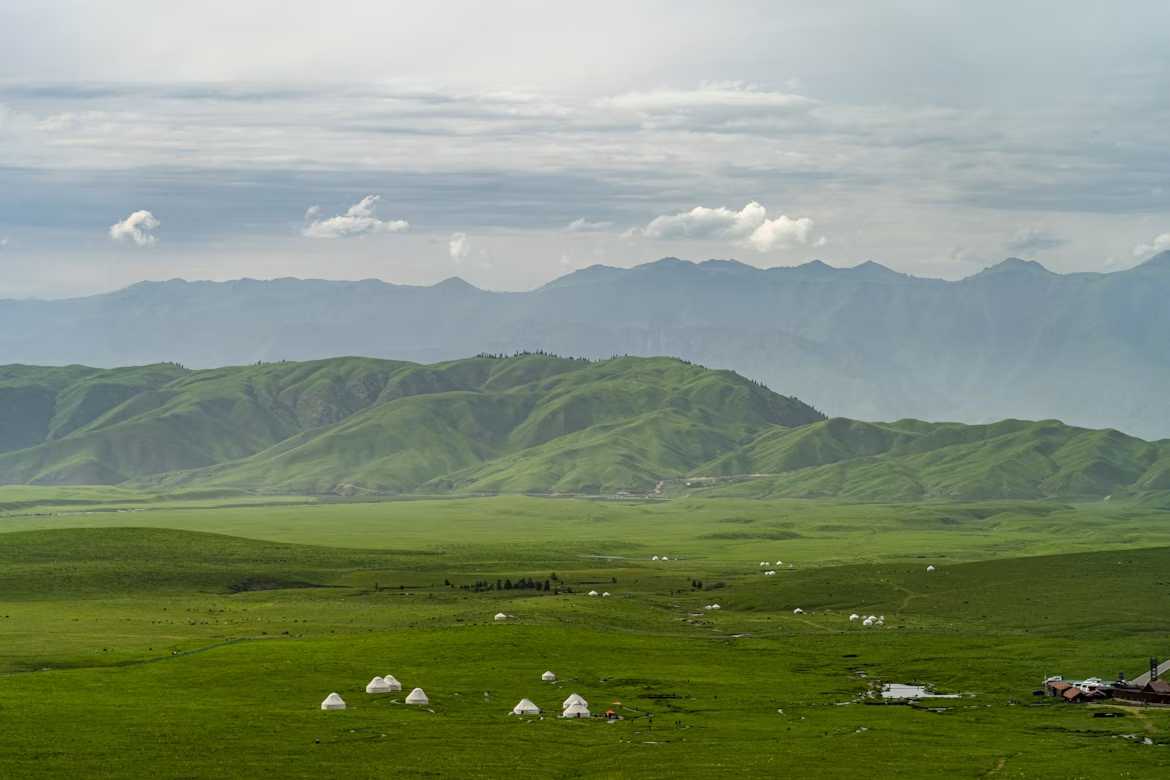
The secret to tackling the enormous distances of Xinjiang without stress is to base yourself in the main cities to avoid changing hotels every night, exploring the surroundings on day trips. It only takes a few hours of travel from the major centres to leave the desert basins behind and discover alpine landscapes, rural oases, and rock canyons.
Here are three recommended trips to make the most of your itinerary.
🏔️ Tianchi Lake: alpine landscapes and coniferous forests
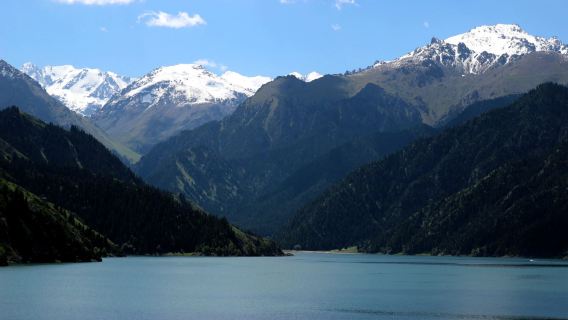
Situated at an altitude of 1,900 metres on the northern slopes of the Bogda massif in the Tianshan Mountains, the “Heavenly Lake” offers a stark contrast to the landscape and climate of the capital. Surrounded by dense forests and snow-capped peaks, the site offers a network of scenic trails and well-structured nature paths.
It is the most accessible destination for those staying in Urumqi who want to immerse themselves in a high-altitude ecosystem without having to face the long journeys towards the north.
- Time from Urumqi: about 1.5 to 2 hours, depending on traffic conditions.
- How to get there: private car, long-distance taxi, or direct tourist buses from the city centre.
- Not to be missed: the high vantage points on the surrounding mountains and the boat trip on the lake's waters.
🍇 Tuyoq Valley: historic villages and vineyards
Hidden among the reddish rocks of the Flaming Mountains, Tuyoq (or Tuyugou) is a rural settlement that preserves important examples of traditional mud-brick architecture. The unique feature of this valley is the striking visual contrast between the aridity of the mountain landscape and the intense green of the vineyards cultivated on the valley floor.
Including this stop allows you to break up the circuit of Turpan's major archaeological sites, giving you a closer look at the agricultural techniques and the lifestyle of the oasis communities.
- Time from Turpan: about 1 hour by car.
- How to get there: hire a car with a driver or take a taxi, which can often be combined into a single tour with a visit to the Flaming Mountains.
- Not to be missed: the village's traditional Islamic architecture and walks through the valley's vineyards.
✨ Shipton's Arch: geology and trekking
Often overshadowed by the fame of the nearby Pamir, Shipton's Arch is widely considered one of the tallest natural arches in the world. Reaching it requires a trek of about an hour, with some uphill sections and stairs through a landscape of arid canyons and labyrinthine rock formations.
Although it’s an excursion less trodden by mass international tourism, it requires a dedicated day trip from Kashgar, offering a highly scenic and geologically significant experience.
- Time from Kashgar: about a couple of hours by road, plus 1 hour of trekking on foot (the total time depends on road conditions and the length of your visit).
- How to get there: private car with driver or organised excursion from Kashgar.
- Not to be missed: the dizzying view and the photographic perspectives through the arch's monumental opening.
Enjoy your trip to Xinjiang. ✈️
[5% Off] China Train Ticket Discount for New Users
24/7 Ticketing · 3-Minute Booking · E-Tickets
❓ FAQ – Things to do in Xinjiang
-
What are the main challenges to consider before travelling to Xinjiang?
-
How much time do you need to visit Xinjiang?
-
What is the best area to stay in Xinjiang?
-
What to do in Xinjiang during sandstorms or extreme heat?
-
Are special permits required to visit the Pamir and Tashkurgan?
🧩 Explore More Travel Guides
Urumqi Airport: Transport, Services and Travel Tips
Plan your journey through Urumqi Airport with transport, terminal, arrival, visa, lounge, dining and service information, plus travel tips for Urumqi.
November 21, 2026
Best China eSIM (with VPN) from £0.44
Find the best China eSIM plans, compare providers, learn how eSIM works, where to buy, setup steps, traveller reviews, FAQs, and tips for using eSIM in China.
November 21, 2026
Top Things to Do in Shanghai: Best Activities & Must-Sees
Discover the best things to do in Shanghai: top activities, vibrant neighbourhoods, local culture, and must-see attractions to make the most of your stay.
November 21, 2026
Top Things to Do in Nanjing: Best Activities & Must-Sees
Discover the best things to do in Nanjing: top activities, vibrant neighbourhoods, local culture, and must-see attractions to make the most of your stay.
November 21, 2026
Top Things to Do in Suzhou: Best Activities & Must-Sees
Discover the best things to do in Suzhou: top activities, vibrant neighbourhoods, local culture, and must-see attractions to make the most of your stay.
November 21, 2026
Top Things to Do in Hangzhou: Best Activities & Must-Sees
Discover the best things to do in Hangzhou: top activities, vibrant neighbourhoods, local culture, and must-see attractions to make the most of your stay.
November 21, 2026
Top Things to Do in Guangzhou: Best Activities & Must-Sees
Discover the best things to do in Guangzhou: top activities, vibrant neighbourhoods, local culture, and must-see attractions to make the most of your stay.
November 21, 2026
Top Things to Do in Shenzhen: Best Activities & Must-Sees
Discover the best things to do in Shenzhen: top activities, vibrant neighbourhoods, local culture, and must-see attractions to make the most of your stay.
November 21, 2026
Top Things to do in Guilin: Best Activities & Must-Sees
Discover the best things to do in Guilin: top activities, vibrant neighbourhoods, local culture, and must-see attractions to make the most of your stay.
November 21, 2026
Top Things to do in Sanya: Best Activities & Must-Sees
Discover the best things to do in Sanya: top activities, must-see sights, and local neighbourhoods. Plan your perfect trip and make the most of your visit.
November 21, 2026
Top Things to Do in Yunnan: Best Activities & Must-Sees
Discover the best things to do in Yunnan: top activities, vibrant neighbourhoods, local culture, and must-see attractions to make the most of your stay.
November 21, 2026
Top Things to Do in Chengdu: Best Activities & Must-Sees
Discover the best things to do in Chengdu: top activities, vibrant neighbourhoods, local culture, and must-see attractions to make the most of your stay.
November 21, 2026
Top Things to do in Chongqing: Best Activities & Must-Sees
Discover the best things to do in Chongqing: top activities, vibrant neighbourhoods, local culture, and must-see attractions to make the most of your stay.
November 21, 2026
Top Things to do in Beijing: Best Activities & Must-Sees
Discover the best things to do in Beijing: top activities, vibrant neighbourhoods, local culture, and must-see attractions to make the most of your stay.
November 21, 2026
Top Things to Do in Xi'an: Best Activities & Must-Sees
Discover the best things to do in Xi’an: top activities, vibrant neighbourhoods, local culture, and must-see attractions to make the most of your stay.
November 21, 2026
Disclaimer: This article has been provided by an individual contributor or third party platform. If there is any discrepancy regarding the copyright, please contact us directly and we will delete the content immediately.