2026 Ena Travel Guide: must-see attractions, popular food, hotels, transport & travel experiences (updated in March)
Essential Travel Information for Ena
Ena Today's weather
Clear -4-9℃
All Trip Moments about Ena | Travel Experiences
🇯🇵 One-day tour in the suburbs of Nagoya to see the lake and mountain scenery⛰️🩵
Ena City is a gem in the suburbs of Nagoya in Gifu Prefecture. It is about 2 hours away from Nagoya Station by JR Chuo Main Line train🚆, making it a good choice for a day trip! 🎀 I rarely found information about this place online or in videos, and I thought there should be few tourists, so I decided to come here🏞️ There are really few people here, and it's very comfortable to walk around🌳 Ena has different scenery in each season, and its river view is the most famous🩵 There are cherry blossoms in spring🌸, green forests in summer🌿, maple leaves in autumn🍁, and snow scenery in winter❄️ I visited at the end of March, but I wanted to go back to appreciate the beauty of the four seasons, because it was a pity that the cherry blossoms had not yet bloomed🥹 Ena is famous for its Gohei Mochi, and there are many shops just outside the JR station! This kind of toasted rice cake is coated with soy sauce and sesame paste, and it is fragrant. It is available at roadside stalls and restaurants, and costs about 200-300 yen. There are also chestnut desserts 🌰, because Ena is rich in chestnuts! There are several attractions as soon as you exit Ena Station, including art galleries and ancient houses for visiting. The street also has a bit of an old street feel, but there are few people and it is very comfortable to walk. It is recommended to leave early, as most shops close at 17:00. 📍 Ena Station Gifu Prefecture 🎀 The area here is not big. If you don’t take a boat trip, you can visit it in about two hours✨ For more travel and food information around the world, please follow @bunnys2peach_travel 🌷 #globaltravel #nagoya #nagoyatravel #japan #japantravel #japantourism #enakyōBunnys2peach_travel51Chestnuts only🌰
Ena Kawakamiya They sell not only Japanese sweets, but also Western sweets. The attached cafe has a large Mont Blanc with chestnuts, which is very filling. The rich chestnut cream and the crunchy meringue inside are delicious. (っ'ヮ'c)<Delicious The chestnut kinton is also consistently delicious 🌰 There are long lines at this time of year. You can check the crowding level online. 2632-105 Oimachi, Ena City, Gifu Prefecture #Autumn trip #Accommodation review #Cafe旅から旅へ4[Gifu Prefecture] Enjoy the spectacular views from the water on an Ena Gorge cruise!
\\Tourist Spots// Ena Gorge is one of Gifu Prefecture's most popular spots for viewing autumn leaves. The best time to see the leaves is usually from mid to late November. One of the recommended things to do when visiting Ena Gorge is the Ena Gorge Cruise. By riding a boat, you can enjoy the scenery from a different perspective than usual. Please try the 20km round trip, 30 minute boat trip! Facility name📍 Ena Gorge Pleasure Boat Address📍 2709-104 Okuto, Oi-cho, Ena-shi, Gifu Prefecture Cost📍 Adults 1500 yen, Children (elementary school students) 750 yen #Autumn leaves spot #Gifu Prefecture #Gifu sightseeing #Autumn leaves viewing #Autumn trip #Ena Gorge #Pleasure boatramu*raimu9[Gifu] A shop that feels like it's in the middle of a forest and is a must-preserve
This is my favorite photo from this trip to Gifu. I love the sweets here because they are so cute, from the box to the cookies inside, but the world view of the shop is so cute that if I ever have a shop in the future, I want it to be like this 🥺It's so wonderful... Also, on the way to the shop, when I looked up, there were grapes 🍇 growing, flowers on the side, and sunlight filtering through the trees. It was so wonderful that I could not help but sigh, it was my favorite place. #SummerWeekendTrip #Gifuchorinta13Cherry Blossom Viewing at Ena Gorge
Location: Ena Gorge Prefectural Natural Park Address: Oimachi, Ena City, Gifu Prefecture 509-7201 We went to Ena Gorge where the cherry blossom festival began. Most of the cherry blossoms had just started to bloom, but the easy-to-walk sidewalk that was developed in 2020 and the cherry blossoms along the lake were beautiful. There were also various stalls set up, adding to the festival atmosphere. #EnaGorge #AmazingSight #WhereToGoInSpring #CoupleGoingOut #CherryBlossomViewingSuneeTrip12It's the best! A refreshing holiday at Yukai Resort
I went to Yukai Resort in Enakyo, Ena City, Gifu Prefecture! Yukai Resort is a hotel chain that mainly offers hot springs and delicious buffets, and I really like it because of its high quality. The hotel was originally the Enakyo International Hotel, but it has been renovated under the management of the Yukai Resort Group, and the rooms are spacious and clean, and the food is delicious, so it's perfect for a relaxing stay on the weekend. They have locations all over the country, so please check them out if you have the time. #YukaiResort #Buffet #AmazingView #HotSpring #GifuPrefectureSU channel30Gifu Ena Silver Forest
📍Spot📍 Ena City, Gifu Prefecture [Ena Gin no Mori] PATISERIE GINNOMORI🍪 Access About 5 minutes by car from Ena Station About 10 minutes by car from Ena IC Ena Gin no Mori, known as a food theme park Inside the park, there are cafes, restaurants, dashi specialty shops, etc.◡̈*.。 PATISERIE GINNOMORI🍪 It is said that this is based on the theme of sharing from the forest. There is a big (≧∇≦*) inside the store, and it was like a world in a picture book. Forest Chef🐿Chess Sous Chef🐿Chess It was made by the cute squirrel chef and sous chef☺️ They use domestic acorn flour and have a lot of attention to detail🥰The texture is crispy and fragrant!! It's so light that it disappears in no time 😆 The can is also light blue and very stylish, so if you bring it as a souvenir, it will definitely be well received! ! It's exciting to receive cookies in a can, isn't it? 🥺🥺 It's a very cute shop, so if you're traveling in the area, please stop by (*´꒳`*) #Gifu #Ena Gin no Mori #Tourism support #Theme park #Souvenir #Tourism support #Gourmet triporganicbusu11115Winter Vacation Japan Family Travel Guide - This Article Has It All
Attention Moms and Dads! Nagoya is truly a paradise for families🌟 Enjoy Ghibli Park, Legoland, and the aquarium to your heart’s content! In winter, take the kids to see the fairy-tale illumination at Shirakawa-go, and check in at the 21st Century Museum of Contemporary Art to experience the magical "Swimming Pool" installation~ With private car and guide throughout, it’s super worry-free. Play and eat Hida beef sushi and sticky gohei mochi along the way. Quickly grab this dreamy family travel guide! -------- The guide is ready, scroll down to unlock the highlights~ -------- 🗺️ Itinerary: Day 1: Nagoya Arrive in Nagoya, check into your hotel, then start exploring freely and savor specialties like Hida beef sushi. Day 2: Ena Gorge Observatory — Magome-juku — Tsumago-juku — Gero Onsen Stroll along the Edo-era post towns, enjoy the gorge scenery, relax in hot springs at night, and stay overnight in the onsen town. Day 3: Takayama Sanmachi Old Street — Takayama Jinya — Shirakawa-go Visit the historic Hida towns and experience the romantic winter illumination in the fairy-tale gassho-style village. Day 4: Kenrokuen Garden — 21st Century Museum of Contemporary Art, Kanazawa Tour one of Japan’s three great gardens, check out the museum’s "Swimming Pool" optical illusion installation, and experience the blend of tradition and art. Day 5-6: Nagoya — Return Enjoy free time for shopping and kaiseki dining on the last day, then depart from Nagoya Airport. -------- Recommended Attractions: Ena Gorge Observatory ⭐⭐ 📍5735-225 Hirukawa, Nakatsugawa, Gifu 509-8301 Japan 🕒 Open all day ⏳ 1-2 hours The playground offers 25 entertainment options + a Ferris wheel overlooking the gorge and mountains, perfect for kids to burn off energy! Ena Gorge ⭐⭐ 📍Oicho, Ena, Gifu 509-7201 Japan 🕒 Open all day ⏳ 1-3 hours Picturesque all year round🌄 with unique rock formations perfect for photos, and a family playground that kids won’t want to leave! 21st Century Museum of Contemporary Art, Kanazawa ⭐⭐⭐ 📍1 Chome-2-1 Hirosaka, Kanazawa, Ishikawa 920-8509 Japan 🕒 Tue-Thu/Sun 10:00-18:00|Fri-Sat 10:00-20:00|Closed Mon ⏳ 1 hour Venice Golden Lion Award-winning art venue🎨 The children’s workshop is super fun, making the visit immersive and entertaining for kids~ -------- Tips: · Remember to apply for your visa in advance; all documents must be ready for Japan independent travel🛂 · February is very cold! Hokkaido will have snow, so wear thick coats and thermal underwear❄️ · Hida beef sushi is amazing but a bit pricey~ budget enough to enjoy the wagyu🍣 · Don’t miss local specialties like gohei mochi and kaiseki cuisine🎌 · Souvenirs like matcha snacks and Yao cosmetics vary greatly in price, so compare before buying🛍️ -------- [Example] Start your worry-free trip with one click! Private car and guide service throughout, click the card below to book now👇EffervescentQuinteHow many places in the world can you see both snowy mountains and the sea at the same time?
At Amaharashi Coast, I witnessed a dreamlike scene straight out of a geography book. The deep blue waters of Toyama Bay lie in front, while the snow-capped peaks of the Tateyama Mountain Range stand behind. A vintage tram clatters through this mountain-and-sea framed picture. This moment feels like a distant poem, so beautiful it seems unreal. Here, all your imaginations of the Japanese coastline come true. 🌟 【Why Amaharashi?】 Its name is the most beautiful blessing—clear skies after rain. Facing Toyama Bay, with the 3,000-meter-high Tateyama Mountain Range on the opposite shore, it creates a spectacular “coast + snowy mountain” view, selected as one of the “100 Best Japanese Coastlines.” Best time to visit: From October to June when Tateyama is snow-covered. Be sure to pick a clear sunny day! 📸 【Must-Visit Photo Spots】 ▪️ Onna Rock: The coastal reef is the classic spot for capturing the mountain and sea in one frame. Bring a telephoto lens to compress the space, making the snowy mountains appear close enough to touch. ▪️ White sandy beach and pine forest: The coastline is long and pristine, paired with green pines for a fresh Japanese vibe. This is also an excellent spot to photograph the sunrise. ▪️ JR Himi Line Tram: It’s a scenic attraction itself. Waiting by the coast for the tram to pass and snapping a photo creates a classic postcard of Japanese charm. ▪️ Tram window views: Riding the Himi Line is an experience in itself. Choose a seat on the seaside to watch the mountain and sea scenery flow by outside the window—pure healing. 🚇 【Two Ways to Get There】 🚞 By train: From Tokyo or Osaka, take the Hokuriku Shinkansen to Shin-Takaoka Station, then transfer to the JR Himi Line (a cute little train). Get off at Amaharashi Station and walk 5 minutes to the coast. ✅ JR Pass is valid and cost-effective. 🚗 By private car: If you’re traveling with a group or have lots of luggage, hiring a car from Tokyo, Osaka, Nagoya, or other cities is the most comfortable option. It offers flexible timing and the chance to stop at other attractions along the way. 💡 【Travel Tips】 Afternoon light is the most beautiful: The afternoon sun softens, and shooting with the light behind you makes the sea look bluer. Staying until sunset adds a dreamy glow to the scene. Dress warmly: The seaside wind is strong, and even on sunny days, it’s cooler than in the city. Remember to bring an extra layer. Allow enough time: Don’t rush your visit. Strolling along the coast and sitting on the rocks to daydream is the best way to experience Amaharashi Coast. There are no noisy tourists here, only the sound of waves, the wind, and breathtaking beauty. Some moments on a trip make you feel that traveling thousands of miles just for this one sight is worth it._TI***961Nagoya Surrounding Attractions: Ena Gorge, Boat Rides, and Magome-juku Old Road
Nagoya is a city with excellent travel convenience, offering diverse travel themes in all directions! This time, we are sharing the attractions to the east: Ena Gorge and Magome-juku. Ena Gorge is a great spot for a day trip, where you can enjoy boat rides and autumn foliage. There's also an observation deck worth visiting. Magome-juku, part of the historic Nakasendo route connecting Edo (Tokyo) to Kyoto during the Edo period, is a well-known old road. It retains historical buildings and exudes a charming atmosphere.同畫世界1⛰️ Recommended spots in Gifu and Tsukechi Gorge 🍃
If you're planning a trip to Gifu, we want you to enjoy the beautiful nature! Today, we'll introduce some recommended spots in Tsukechi Gorge, Gifu! 🌳 Everywhere you go, you'll be surrounded by nature, and the air is clean and relaxing. If you're looking for a great place to visit or planning a trip, be sure to check this out! (Includes place names, locations, map links, and reviews) 📍Iwana no Sato Gorge 258-15 Tsukechi-cho, Nakatsugawa City, Gifu Prefecture 508-0351 (MAP)https://maps.app.goo.gl/XxjRdkYExrDu3ib36?g_st=ic ✍🏻You have to cross a suspension bridge to get to the restaurant, which is a little scary because it wobbles. 😨 But the natural scenery is stunning, and the negative ions are soothing! The restaurant serves homemade meals made with plenty of locally caught ingredients, including trout, so you can enjoy a delicious meal while breathing in the clean air! You can descend the stairs to the river below the restaurant, so you can fully enjoy the view. This is a must-see spot if you're visiting Tsukechi Gorge! 📍Tsukechi Gorge Fudo Falls 〒508-0351 Tsukechi-cho, Nakatsugawa City, Gifu Prefecture (MAP)https://maps.app.goo.gl/DFgLkC6TqnS5dFkHA?g_st=ic ✍🏻This is also a scenic spot where you can take a stroll in the middle of nature! In the summer, you can enjoy nagashi somen noodles, vegetables chilled in spring water, and ramune soda! In the fall, the autumn leaves are also beautiful, so this is a recommended spot in any season! The large parking lot is also a great point. 📍FOREST DOME Tsukechi Gorge 349 Shimoura, Tsukechi-cho, Nakatsugawa City, Gifu Prefecture 508-0351 (MAP) https://maps.app.goo.gl/mvxMwcG1MyLpxi7o8?g_st=ic ✍🏻This spot not only offers glamping accommodations, but also offers day-trip private saunas! Since it's new, the entire facility is beautiful, and the view from the sauna is spectacular! You can adjust the sauna temperature by adding your own firewood, and relaxing in the midst of nature is truly blissful! Reservations can be made online in advance, so if you're interested, be sure to check it out! All of the places introduced here are wonderful, and while these are purely personal impressions, I hope they'll be helpful for your trip! We hope you enjoy the rich and beautiful nature of Gifu's Tsukechi Gorge and have a wonderful trip! ❣️ #GifuTrip #TsukechiGorge #Sauna #Nature #Driveagustd:Enakyo Gorge: A Tranquil Autumn Retreat
Eina Gorge is located in Eina City, Gifu Prefecture, and is one of the few natural scenic spots in central China that has not been occupied by a large number of tourists. In autumn, the entire canyon is dyed with a fiery red and golden yellow, contrasting with the quiet lake and the rolling mountains in the distance, the scenery is serene and magnificent. This place is mainly locals who come to enjoy the maple trees. The atmosphere is comfortable and quiet, less hustle and bustle, suitable for you who really want to live slowly and appreciate the beauty of nature. There is also a hot spring hotel nearby, where you can look at the lake view and mountains outside the window after taking a bath, which is very healing. Tour route suggestions: From downtown Huina, drive towards Huina Pass for about 20 minutes. You can start by strolling around Huena Gulch Park, hiking along the canyon with ginkgo and maple trees along the way, especially beautiful in autumn. It is recommended to leave time to check in at the observation deck and see the entire lake and mountains in the distance, especially on cloudy and rainy days. Then make a reservation at a nearby spa hotel for a quiet bath, some rooms with direct lake views and feel great. Must-play check-in spots: 1. Huina Gorge Bridge: Overlooking the canyon and lake, the most beautiful in autumn, you can take photos at your fingertips. 2. Rivers and lakes shore trails: Maple leaves cover the road, very comfortable to walk. 3. Huina Gorge Park Observation Deck: Best panoramic photo spot with a panoramic view of the mountains and lakes. 4. Hot Spring Hotel Window: It is recommended to sit quietly in the room, facing the lake and distant mountains outside the window, and slowly enjoy the moment. Attraction Tips: - Huina Pass is open year-round, but maple viewing is best done between October and November each year. - You can check the weather in advance, if you encounter light rain, the fog lingering over the canyon more flavor. - Less crowds to go on weekdays, no pressure to take pictures, occasional outings for local families and couples on holidays. - Advance reservations are required for nearby spa hotels and some room types have lake views, which can be specifically stated at the time of booking. - Canyon trail roads are sometimes wet and slippery, remember to wear non-slip shoes. Notes: - The canyon area is larger and the walk takes time, remember to bring enough drinking water and light rain gear. - The facilities in the park are simpler, it is recommended to bring your own snacks. - Photography is prohibited in some parts of the hot spring area, pay attention to on-site tips. - There are more mosquitoes by the lake, bring mosquito repellent. Topic: #Ena Gorge #Japan Maple Viewing #Gifu Attractions #Hot Spring Travel #Autumn TravelSimonKC[Kasagi Gorge🏞️] A fantastic and refreshing river for SUP and canoeing🛶
#0YenTravel2025Autumn 📍Address: Kasagicho, Ena City, Gifu Prefecture 🚗Access: By Car Gifu Prefecture is rich in nature🏔️ The water is also beautiful💖 It's located upstream of the Kiso River, near Ena Gorge, but you can enjoy fantastic views that you won't find at Ena Gorge‼️ Apparently, you can board and canoe here, and if you apply for permission, you can enjoy the river here🛶 We actually saw some people canoeing‼️ Apparently, you can also do SUP nearby😍 We saw a group of people participating❣️ Next time I come, I'd like to take a SUP tour in this natural setting🚣 #japan #gifu #gifuprefecture #supKarly Us1[The Most Delicious Autumn] 🍂🌰💛 Chestnuts are the perfect sweet to experience the flavors of autumn in Japan
"Suya Nishiki" 🌍Country: 🇯🇵 📍Address: 508-0001 1296-1 Nakatsugawa, Nakatsugawa City, Gifu Prefecture 🕰️Business Hours: 9:00-19:00 (-17:00 on Thursdays) 💤Closed: None 🚗Directions and Parking: Car, Parking Available --- 🧐Atmosphere/Amenities: Some outdoor seating, cool even in summer 📝Reservations: No ⏳Wait Time: Lined up from 12:00 and waited an hour 😻Recommended Points: Limited-edition Chestnut White Balls 🙀Disadvantages: Long wait times, seating, and sharing depending on busy times 💰Budget per person: ¥1,000-2,000 💳Payment: Cash, Cards Accepted ✅Rating: ❤️ 💁Recommended: 8.5/10 --- ❣️The seasonal Chestnut White Balls are recommended!! It's rich, cool, and delicious! 🌰 The set comes with roasted green tea and Nozawana mustard greens. 🍵 I ordered two extra chestnut kinton (sweetened sweet potato dumplings) that weren't on the menu! I took them home! 🛍️ ❣️Seats 4-6 It was busy, so we couldn't choose our seats, but luckily we were able to sit together at a 4-person table. 🥰 The couple behind us were sharing a 6-person table with two other people!! ❣️Restrooms They're located inside the cafe, so you can use them freely. 🆓 ❣️Souvenir shop in a separate building. It was very crowded! There was a long line, about 40 minutes long. 👥 You'll need to wait outside for both the cafe and the souvenir shop! You'll need an umbrella on rainy days. ☂️ It was a wonderful menu that really captured the autumn vibe. 👍🤎 I'd love to come back for some warm chestnut zenzai in the colder months! ️🔁‼ ️ The drive is also great! 🏔️🛣️ #DomesticTravel #GifuPrefecture #Nakatsugawa #Japan #JapaneseFood #Gifu #MarroneCafe #JapanTravelGuide #MyTravelPlan #LimitedEvent #ZeroYenTravel2025AutumnKarly Us1#BackToSch
#BackToSchool Days Many travelers consider Magome-juku and Tsumago-juku, once important stops on the route between Kansai and Edo, as just another stop along the way. If time permits, consider staying one or two nights to fully experience the charm of these two important prefectures. Many travelers start from Nagoya and take a direct bus to Magome-juku. I also started from Nagoya, but I chose to rent a car and drive myself. Whether you're traveling alone or in a small group, I recommend renting a car, provided one member can drive. Firstly, car rentals are quite inexpensive; I rented a car for six days for just over HK$1,200, which is very economical. Secondly, you can pick up the car directly near Chubu Centrair International Airport, saving the time spent waiting to go to the city center and then waiting for a bus, which could potentially require an overnight stay in Nagoya to catch a bus. This is time-consuming and inconvenient, and wastes a lot of time unnecessarily. Actually, it's only a two-hour drive from Tokoname City, where Chubu Centrair International Airport is located, to Magome-juku. You can stay overnight in Magome-juku and start your itinerary early the next morning. Magome-juku is located in Nakatsugawa City, so many people choose to stay overnight in Nakatsugawa or Ena City for convenience. However, Nakatsugawa and Ena cities are about 10-20 kilometers away from Magome-juku, requiring some detours. Driving there is a direct route, and I also chose to stay at a guesthouse within Magome-juku. There are very few accommodations within a few kilometers of Magome-juku, only one hot spring inn, Hanakarasa, and a few small private guesthouses, offering no more than ten beds each, making the competition fierce. This time, I chose a rather unconventional place to stay—a guesthouse converted from a rural school (I think it was an elementary school!). It truly is a still-functioning school; upon entering, images straight out of a Japanese youth school drama came to mind, along with rows of shoe lockers for students to change into. I, too, followed local custom, taking off my shoes and changing into slippers to check in. The reception area was formerly the teachers' office, with a section partitioned off to store tourist brochures, reference books, and a small shop for guests. The entire school only has three types of rooms, located in the principal's office on the ground floor and two large classrooms on the second floor. The accommodations include bunk beds (general dormitories), double beds separated only by curtains for couples, and two specially converted double rooms. I stayed in one of these, the principal's office. The room was so large it echoed, with two single beds in the center and a traditional Japanese hearth on the other side. There was no toilet or bathroom inside. The entire campus shares bathrooms, and each of the two-story buildings has a kitchen/lounge at one end, where guests can chat or cook. This is a major highlight, as the guesthouse doesn't offer catering services; guests can eat out, buy takeout, or cook their own meals. It's highly recommended to buy groceries at the market while driving and cook on campus. The kitchen is fully equipped; everything you can think of, and even things you haven't, is there waiting to be used. You can also take your cooked food back to your room to enjoy at your leisure. Strolling through the campus at night feels like stepping back in time, as if returning to your school days. The corridors, basketball courts, and auditorium all feel real, constantly reminding you of your student days. The school's location is excellent; it's basically just around the corner from the entrance to Magome-juku. Magome-juku is a cluster of settlements built uphill, with houses cascading down the mountainside in a charming, picturesque way. Those with a good stamina can even hike directly to Tsumago-juku, a journey of about 8 kilometers and three to four hours, enjoying the beautiful natural scenery of Kiso-ji along the way. On the return trip, you can take the shuttle bus between Magome-juku and Tsumago-juku – a relaxing and beneficial activity. On the day I left the school, I happened to encounter a group of elementary school students being led by their teachers on an activity. Apparently, the school actually rents out its facilities to educational organizations – how considerate! One of the main reasons I chose this guesthouse/school was that it could serve as a base for my trip. There are numerous attractions in both directions, such as Ena Gorge and Ryujin Falls, and you can continue north to famous tourist destinations like Hida-Takayama, Shirakawa-go, Gero Onsen, Korankei, Eihoji Temple, and Inuyama Castle. My entire trip was planned based on this, and I'd like to share it with you all. However, before that, I'd like to introduce the guesthouse school's information for your reference. Lodging Location: Magome-juku (Magno-sato School) Location: 43-banme, Nakasugawa City, Gifu Prefecture Post station "Magno-juku" Contact: 0573-69-5006 Price: Shared dormitory (bunk beds) / ¥6500 Room (two single beds) / ¥7500 Double room (two single beds) / ¥9000 Website: https://www.furusatoggakkou.comchimank7-day trip through Inuyama City, Nakatsugawa City, Kiso Road, and Shirakawa Township in central Japan
🗺️【Itinerary】 Day 1: Chubu Centrair International Airport - Magome-Furusato School Day 2: Magome-Furusato School - Magome-juku - Tsumago-juku - Yuusakaya Valley - Ena Gorge - Ena Gorge Observatory - Yuumori Valley - Ryujin Falls - Magome-Furusato School Day 3: Magome-Furusato School - Hida Highlands - Okuhida Onsen-kyo - Shukubo - Takayama Zenkoji Temple Day 4: Shukubo - Takayama Zenkoji Temple - Shirakawa-go - Takayama-Kami-Sannomachi Old Town - Takayama Jinya - Shukubo - Takayama Zenkoji Temple Day 5: Shukubo - Takayama Zenkoji Temple - Kogei-zan - Eihoji Temple - Korangei - Ryusenji Onsen - Inuyama Yurakuen Garden Hotel Indigo by IHG Day Day 6: Inuyama Yurakuen Garden Hotel by IHG - Museum, Meiji Village, Inuyama Castle, Inuyama Castle Town - Inuyama Yurakuen Garden Hotel by IHG Day 7: Inuyama Yurakuen Garden Hotel by IHG - Osu Shopping Street - MITSUI OUTLET PARK, Jazz Dream Nagashima (Outlet Mall) - Chubu Centrair International Airport 📍【Must-Visit Attractions】 1. Ena Gorge 2. Ena Gorge Observatory 3. Yumori Valley 4. Yumorikeikoku Camping Ground 5. Ryujin Waterfalls 6. Magome-juku 7. Hida Highlands 8. Okuhida Onsen-kyo 9. Shirakawa-go 10. Takayama-kami Sannomachi Old Town 11. Takayama Jinya 12. Kogei-zan, Eihoji Temple 13. Korankei 14. Ryusenji Onsen 15. Museum 16. Meiji Village 17. Inuyama Castle 18. Inuyama Castle Town 19. Osu Shopping Street 20. MITSUI OUTLET PARK (Jazz Dream Nagashima Outlet) 11. Chubu Centrair International Airport 🥘【Must-Try Food】 Hida Beef 🏠【Accommodation Recommendations】 1. Magome 1. Shukubo (Takayama Zenkoji Temple) 2. Inuyama Yurakuen Garden Hotel Indigo by IHG 📷【Photo Spots】 1. Magome-juku 2. Tsumago-juku 3. Korankei 4. Inuyama Castle 📣【Tips】 Mago-furusato SchoolchimankNagoya|Viewing Thousand Mountains and Clear Waters [Ena Gorge Observatory]
At the Ena Gorge Observatory in Gifu Prefecture, you'll be greeted by a breathtaking panorama of mountains jutting into the turquoise waters. Carved by the Kiso River, Ena Gorge boasts naturally formed rocks and grotesque formations. The scenery of the lake and mountains changes with the seasons, with spring cherry blossoms, summer greenery, autumn maples, and winter snow each captivating. From the observatory, you can not only admire this natural spectacle but also watch the sight of tour boats slowly sailing by, immersing yourself in the tranquil power of nature. This area is also a paradise for photography enthusiasts, where every shift in light and shadow creates a scene that feels like a vivid ink painting. For those with a tight schedule, it's also recommended to try some gohei mochi from a nearby shop to add a touch of local flavor to your trip. 📍 Ena Gorge Observatory (Oi-cho, Ena City, Gifu Prefecture) #Ena Gorge #GifuTravel #NagoyaSuburbs #JapanScenery #ScenicBeauty #TravelInspiration #NatureWalk #ObservationDesk #AugustDestinations2025愛旅行與藝術的WinwingLost in Time: Exploring Iwamura – Gifu’s Forgotten Samurai Town
#summervacay Iwamura (岩村町)**, located in **Gifu Prefecture**, is a beautifully preserved **Edo-period** town often called the **"Little Kyoto of Mino"** (美濃の小京都). With its steep slopes, samurai residences, and nostalgic atmosphere, it’s a hidden gem worth exploring. ### **Why Visit Iwamura?** ✅ **One of Japan’s Top 3 Castle Towns on a Hill** (日本三大山城の一つ) ✅ **Well-preserved Edo-era streets & samurai houses** ✅ **Iwamura Castle Ruins** (岩村城跡) – Stunning views & history ✅ **Quaint cafés, local crafts, and sake breweries** ### **Top Things to Do in Iwamura** 1. **Explore Iwamura Castle Ruins** 🏯 - The castle was once known as the **"Castle in the Sky"** due to its elevation. - The ruins offer panoramic views of the Kiso Mountains. 2. **Walk the Samurai District (武家屋敷通り)** 🏮 - Stroll along cobbled streets lined with **old merchant houses & samurai residences**. - Visit **Dendoji Temple (伝燈寺)** and **Iwamura History Museum**. 3. **Try Local Sake & Delicacies** 🍶 - Iwamura is famous for **Mino sake**—visit **Iwamura Brewery (岩村醸造)**. - Try **"Goheimochi" (五平餅)**, a grilled rice cake with miso paste. 4. **Visit Iwamura’s Hidden Cafés & Shops** ☕ - Stop by **"Café Enaka" (カフェ えなか)** for a cozy break. - Buy handmade **washi paper** and traditional crafts. ### **How to Get There** - **From Nagoya**: Take the **JR Chuo Line to Ena Station (恵那駅)**, then a **30-min bus/taxi** to Iwamura. - **From Tokyo**: Take the **Shinkansen to Nagoya**, then transfer to the JR Chuo Line. ### **Best Time to Visit** 🌸 **Spring (April)** – Cherry blossoms around the castle ruins. 🍁 **Autumn (Oct-Nov)** – Stunning fall foliage.SonnySideUp1Next to the Ena Gorge Observatory, taste the warm taste of grandma and grandpa [Sanrikuya Gohei Pancake] 🍢⛰️
After enjoying the magnificent canyon scenery created by nature at the Ena Gorge Observatory, I was led to the nearby [Sanrikuya] by a scent. This is a simple little restaurant run by a friendly old couple. The specialty of the store, "Gohei Cake", is a simple taste of rice and sauce that they personally pounded and ground, and then slowly baked over charcoal fire. When you take a bite, the aroma of rice and sauce blends in your mouth, with a little bit of nut sweetness. The old lady smiled and said that this is a recipe she has made for decades, traditional and authentic. Not only can you eat handmade snacks here, but you can also chat with local people, which is the warmest episode of my journey. If you want to see the scenery and eat some local snacks, come to Sanrikuya and sit for a while! 📍Check-in location: Sanrikuya (next to Ena Gorge Observatory) Address: Ozawa, Oi-cho, Ena City, Gifu Prefecture, next to Ena Gorge Observatory --- #Ena Gorge #Gohei Pancake #Sanrikuya #Gifu Food #Local Snacks #Handmade Deliciousness #Observatory View #Japanese Nostalgic Shop #Old Couple's Shop #Local Cuisine Visit #May Good Places 2025愛旅行與藝術的Winwing1[A magnificent view created by nature] Enjoy a relaxing time at Ena Gorge
[A magnificent view created by nature] Enjoy a relaxing time at Ena Gorge Ena Gorge, located in Nakatsugawa City, Gifu Prefecture, is a tourist destination that is known for its beautiful valley created by the erosion of the Kiso River. The dynamic scenery of the strange rocks and the scenery woven by nature throughout the four seasons make it a truly spectacular spot🍁🌸 When you actually visit, the view of the gorge from the water on a sightseeing boat is impressive! Cherry blossoms in spring and autumn leaves in autumn are reflected on the water, making it a great photo spot📸✨There are also parks and observation decks nearby, making it perfect for a leisurely stroll. It is about 15 minutes by bus from JR Ena Station. If you are driving, it is about 10 minutes from the Ena IC on the Chuo Expressway, so it is also easily accessible. Why not spend some time soothing your soul while experiencing the art created by the power of nature? Domestic travel #Couple trip #Solo trip #Absolutely free trip #Ena Gorge #Beautiful valley #Pleasure boat #Amazing spot #Gifu trip #Nature and healingtaniさんCliffside Scenic Secret: Ena Gorge Observatory
If you're planning a trip to the Chubu region from Nagoya, consider making a brief stop at Ena Gorge. I discovered this observatory near the red Ena Gorge Bridge, which seems like a natural stage designed for capturing stunning landscapes. Here, you can take in the breathtaking view of the green canyon winding along the upper Kiso River, surrounded by unique rock formations. In the distance, you'll also see the majestic Central, Northern, and Southern Alps. During autumn, the vibrant red foliage blends beautifully with the emerald waters, adding an extra layer of charm. Parking is convenient, with free spaces available right next to the observatory for 13 large tour buses and 12 regular cars. It's a friendly spot for both self-driving travelers and those arriving by bus. 📸 Photography Tips: Stand at a higher vantage point to capture both the bridge and the deep valley in one frame for an exceptional view. If you're lucky enough to spot a tour boat cruising through the gorge, use burst mode to capture the moment—an unexpected highlight of your trip! --- 📍 Location: Ena Gorge Observatory Address: 5735-225 Wakayama, Hirukawa, Nakatsugawa City, Gifu Prefecture ---愛旅行與藝術的WinwingNiwa Bunko|A Stay-Over Vintage Bookstore Café in Ena, Gifu
Set in a traditional Japanese house over 100 years old, "Niwa Bunko" is a unique stay-over vintage bookstore located in Ena, Gifu. 🌿 Highlights! • A cozy space surrounded by books The interior features tatami mats and a traditional Japanese veranda, filled with a wide range of books including poetry collections and philosophy texts. The view of the mountains through the windows and the sound of wind chimes create a serene atmosphere. • Relaxing afternoons with books and coffee The owner brews coffee using Kanda Brazil beans, offering a rich and deep flavor. Guests can enjoy reading, playing guitar, or simply relaxing on the veranda with a cup of coffee in hand, creating their own personal moments. • A special "stay-over" experience Limited to two groups per day, guests can stay overnight in either Japanese-style or Western-style rooms, preserving the charm of the old house. With a kitchen for self-catering and the freedom to read all night, the experience feels like a movie scene, especially when greeted in the morning with views of the river and mountains while listening to "Country Roads." 🗓 Operating Hours & Access • Open: Friday to Monday (1:00 PM – 6:00 PM) • Closed: Tuesday to Thursday • Address: 1462-3 Kawai, Kasagi-cho, Ena City (near Takenami Bridge) • Access: 13 minutes by car from JR Ena Station. Due to narrow roads, nearby parking spaces are recommended. 🌟 Recommended Ways to Enjoy 1. Take your time choosing a book: Sit on the tatami and find your favorite. 2. Relax on the veranda: Enjoy views of the mountains and river with wind chimes as your background music. 3. Indulge in nighttime reading: Experience the quiet moments exclusive to overnight guests. 4. Morning stroll and self-catering: Feel the calm morning air while preparing breakfast. ✅ Perfect for: • Those seeking a quiet retreat immersed in books, poetry, and stories • Nature lovers looking for a "small trip" experience • Solo travelers or couples wanting a memorable and unique getaway ⭐️ Time at Niwa Bunko is more than just reading—it’s about feeling, savoring, and deepening your soul. Create an irreplaceable reading experience here. Stay, gaze, and flip through books—everything becomes your own story 📖✨かの旅Lunch Surrounded by Fields and Mountains at yama5ya
Located in Mikyo Town, Ena City, yama5ya is a mountain lodge-style café nestled atop a hill surrounded by trees and fields 🏡. Known for its "body-pleasing lunch plates" made with homegrown and locally sourced ingredients, it’s a popular spot for a wholesome meal. ⸻ 🍽️ Recommended Lunch Options • One-plate lunch (choice of rice or bread) • The balanced plate, centered around vegetables, features their highly praised homemade carrot fries! • Packed with seasonal vegetables, it’s a healthy and satisfying option. • Add a mini dessert and coffee (or tea) for a complete set. • On weekends, pasta lunches are also available, loaded with vegetables and hearty yet healthy. ⸻ ☕ Atmosphere & Ambiance • Enjoy the mountain views from the windows, complemented by the natural warmth of wooden interiors. • The log cabin-style building and the walk past the fields to the entrance create a delightful and inviting experience. ⸻ 🕰 Business Information • Hours: Lunch 11:30 AM–3:00 PM (until 4:00 PM on weekends and holidays) • Closed: Tuesdays and Wednesdays • Reservations: Lunch reservations can be made by phone starting at 7:00 AM. • Budget: Lunch ranges from 1,000 to 2,000 yen. • Parking: Spacious parking available. ⸻ 🌿 Recommended For • Those seeking a healthy, vegetable-focused lunch that nourishes both body and soul. • Anyone looking to relax and enjoy the scenic location. • Perfect for "special days" with meals that showcase meticulous craftsmanship. ⸻ At "yama5ya," savor a comforting dish while taking in the expansive mountain views. Why not make a reservation and enjoy a leisurely lunch surrounded by nature? 😊かの旅1🇯🇵 Nagoya suburbs, colorful Ferris wheel with mountain and lake views🎡🩵
Ena Gorge is an artificial lake landscape with strange rocks and stones on both sides. There are many special stones that are one of the attractions. It belongs to the county nature park. The lake reflects some peaks of the Northern Alps. It is very interesting to take pictures here. In addition to the special decorations, there is also a colorful Ferris wheel on the opposite hill. Ena Gorge is the highlight of the visit, take a cruise to enjoy the lake and mountain scenery 🚤 Ena Gorge is surrounded by low mountains and hills. The scenery is different in each season🩷 In spring, you can see beautiful cherry blossoms on both sides of the river🌸 It’s a pity that I can’t see it this time, I want to come again next time🥹✨ You can walk along the river for about 30 minutes to 1 hour. If you want to take a tour boat, you should arrive early❣️ 📍 Ena Gorge Gifu Prefecture 🎀 The area here is not large, suitable for a day trip. 2 hours from Nagoya Station JR 🚌 15 minutes by bus from Ena JR Station For more travel and food information around the world, please follow @bunnys2peach_travel 🌷 #globaltravel #nagoya #nagoyatravel #japan #japantravel #japantourism #enakyōBunnys2peach_travel2-Day Japan Itinerary | Your Perfect Short Getaway
Planning a two-day trip to Japan for your short vacation? Check out this amazing itinerary! Savor authentic local cuisine in Gero Onsen and experience a unique culinary feast. Bilingual driver-guides are available to make your trip even smoother. Don't forget to take advantage of our online concierge and restaurant reservation services! -------------------- Japan, an island nation located in East Asia. 🗾 It boasts a rich history and unique culture. 🎎 Each region offers distinct scenery, from the ancient capital of Kyoto 🏞️ to the bustling metropolis of Tokyo. 🌆 Often called the "Land of the Cherry Blossoms" 🌸, Japan attracts countless visitors every year. -------------------- 🎏Itinerary: DAY 1: Enakyo Gorge -> Tsumago-juku -> Magome-juku -> Gero Onsen Gassho Village -> Gero Onsen -> Gero Spa Museum Journey through the magnificent Enakyo Gorge and marvel at nature's wonders. Then, explore the quaint charm of Tsumago-juku and Magome-juku, stepping back in time. In the afternoon, arrive at Gero Onsen Gassho Village and indulge in unique local cuisine, a delightful experience for both your taste buds and cultural understanding. Finally, immerse yourself in the warm embrace of Gero Onsen and visit the Gero Spa Museum to delve into the rich history of hot springs. DAY 2: Sakurayama Hachimangu Shrine -> Takayama Festival Floats Exhibition Hall -> Takayama Jinya -> Takayama Old Town (Sanmachi Suji District) -> Shirakawa-go Begin your second day with the serene atmosphere of Sakurayama Hachimangu Shrine and experience the mystical charm of Japanese shrines. Afterward, head to the Takayama Festival Floats Exhibition Hall and immerse yourself in the festive atmosphere. Stroll through Takayama Jinya and the charming streets of Takayama Old Town, where historical traces intertwine with modern vibrancy. Finally, arrive at Shirakawa-go, a picturesque village with gassho-style farmhouses that will transport you to a fairytale world. 🌟 This itinerary includes bilingual driver-guide services (Japanese + Mandarin) for a worry-free journey. Online concierge and restaurant reservation services are also available for added convenience. -------------------- Must-See Attractions: ✨Shirakawa-go✨ 🌟🌟 Address: Ogimachi, Shirakawa, Ono District, Gifu 501-5627, Japan Opening Hours: Open 24 hours Duration: 2-3 hours Don't miss the unique gassho-style architecture that makes you feel like you've stepped into a fairytale! 💦Gero Onsen💦 🌟🌟🌟 Address: Gero, Gifu Prefecture, Japan Duration: 3-4 hours Relax and rejuvenate in natural hot springs with water temperatures reaching up to 84 degrees Celsius. 🏛️Takayama Jinya🏛️ 🌟🌟🌟 Address: 1-5 Hachikenmachi, Takayama, Gifu Prefecture, Japan Opening Hours: January 27 - March 31: 8:45 am - 4:30 pm Duration: 2-3 hours Visit the former government building from the Edo period and enjoy the beautiful natural scenery, a perfect blend of history and beauty. 🌳Magome-juku🌳 🌟🌟🌟 Address: 508-0502 Magome, Nakatsugawa, Gifu Prefecture, Japan Opening Hours: Open 24 hours Duration: 2-3 hours Experience the charm of this historic post town, a time capsule that takes you back to Japan's ancient past. 🏞️Tsumago-juku🏞️ 🌟🌟🌟 Address: Azuma, Nagiso, Kiso District, Nagano 399-5302, Japan Opening Hours: January 2 - December 28: 9:00 am - 5:00 pm Duration: 1 hour Immerse yourself in the traditional Japanese architecture of this mountain village, where every step reveals a captivating scene. -------------------- Travel Tips: 🍱 Souvenir Prices: Japan offers a wide variety of souvenirs. Prices vary depending on the season and location, so it's recommended to compare before making a purchase. 📇 Visa Information: Don't forget to apply for a Japanese visa in advance for a hassle-free trip! 🍣 Culinary Delights: Gero Onsen's local cuisine offers unique flavors that are definitely worth trying! ✈️ Airport Transportation: Japan has a convenient transportation system with various options to get from the airport to the city center, making it easy to reach your destination. -------------------- If you like my private tour guide for Japan, please give it a thumbs up! Your support motivates me to share more! 💪Lucy.Moore.543 Days in Japan: The Ultimate Guide
Don't miss this three-day tour of the Hokuriku region! Here, you'll savor authentic local cuisine and experience a feast for your taste buds. Plus, enjoy a super-attentive bilingual driver-guide, online concierge service, and easy restaurant reservations. Explore Japan's charm with ease. Check it out! / Japan, located in East Asia, is a country that blends ancient traditions with modern trends. 🗾 With a rich history and diverse regional styles, it's known as the Land of Cherry Blossoms. 🌸 Visit Mount Fuji and Kyoto to experience unique Japanese charm! 🗻🏞️ / 🎏Itinerary: DAY 1: Enakyo Gorge—Tsumago-juku—Magome-juku—Gero Onsen Gassho Village—Gero Onsen—Gero Spa Museum Journey through the magnificent Enakyo Gorge, experience the ancient charm of Tsumago-juku and Magome-juku, explore the unique architecture of Gero Onsen Gassho Village, and relax in the soothing Gero Onsen. Finally, visit the Gero Spa Museum to discover the fascinating world of onsen culture. DAY 2: Sakurayama Hachimangu Shrine—Takayama Festival Floats Exhibition Hall—Takayama Jinya—Sanmachi Suji Old Town—Shirakawa-go Offer prayers at Sakurayama Hachimangu Shrine and experience traditional Japanese beliefs. Then, visit the Takayama Festival Floats Exhibition Hall and explore the historical Takayama Jinya. Stroll through the charming Sanmachi Suji Old Town and immerse yourself in the beauty of the World Heritage site, Shirakawa-go. DAY 3: Nomura Samurai House—Omicho Market—Higashi Chaya District—Kenrokuen Garden—Kanazawa Castle Park—21st Century Museum of Contemporary Art, Kanazawa Explore the Nomura Samurai House and delve into history. Wander through Omicho Market and experience local life. Stroll through the Higashi Chaya District and savor ancient tea culture. Then, visit Kenrokuen Garden and Kanazawa Castle Park to appreciate the exquisite Japanese gardens and the harmony of nature. Finally, explore the 21st Century Museum of Contemporary Art, Kanazawa, and experience the fusion of art and modernity. Throughout this itinerary, you'll enjoy bilingual (Japanese + Mandarin) driver-guide services, online concierge assistance, and restaurant reservation services, allowing you to explore the Hokuriku region worry-free and experience the local culture and cuisine in depth. / Must-See Spots: 🌟 Shirakawa-go: The gassho-style houses here are incredibly unique, making you feel like you've stepped into a fairytale. A must-visit! 🌳 Kenrokuen Garden: Showcasing the essence of Edo-era landscaping, the scenery changes with the seasons, offering different surprises throughout the year. 🦐 Omicho Market: Kanazawa's seafood paradise! The fresh and delicious seafood bowls are a must-try for food lovers. ♨️ Gero Onsen: Natural hot spring with water temperatures reaching up to 84 degrees Celsius. Soak in and feel refreshed and rejuvenated. / Tips: - Food: Don't miss the Hokuriku regional cuisine when you visit Japan. A feast for your taste buds awaits! 🍱 - Visa Information: Be sure to obtain a Japanese visa before your trip for a smooth journey. 🛫 - March Weather: Spring is in the air in Japan during March. Remember to bring a light jacket to enjoy the warmth. 🌸 / 🎉That's all for now! Remember to save this guide to make your private tour of Japan even more memorable! 🌟Sophia Harris7-Day Japan Qingming Tour: Don’t Miss the Stunning Seasonal Highlights
Qingming season is the perfect time to visit Japan! Keep this 7-day itinerary handy to experience a new way of cherry blossom viewing from above: stroll through Tokyo Skytree Town where the cherry blossom light show blooms like a dream; savor Japanese hot spring cuisine, shabu-shabu, and eel rice—a feast for your taste buds not to be missed. Revisit Lake Suwa and Ena Gorge, wander through the historic Magome-juku post town, and soak in the Japanese charm of Kobe Harbor and Arima Onsen. Start your Japan journey now! -------- Suggested Route: Day 1: 🛫 Depart from Wuxi and arrive in Osaka, ready to start your Japan adventure! Day 2: Kinkaku-ji -> Gion -> Kasuga Taisha -> Nara Park Visit the dazzling golden Kinkaku-ji, stroll through the quaint Gion district, feel the tranquility at Kasuga Taisha, and finally get up close with the adorable deer in Nara Park. Day 3: Lake Suwa -> Suwa Taisha Shimosha Akimiya -> Ena Gorge -> Magome-juku Enjoy the scenic beauty of Lake Suwa, visit the mysterious Suwa Taisha Shimosha Akimiya, explore the magnificent Ena Gorge, and experience the ancient post town atmosphere in Magome-juku. Day 4: Mount Fuji -> Oshino Hakkai -> Lake Kawaguchi Climb the majestic Mount Fuji for breathtaking views of Japan, then explore the unique Oshino Hakkai springs, and finally take a peaceful walk along the shores of Lake Kawaguchi to enjoy nature’s gifts. Day 5: Senso-ji Temple -> Nakamise Shopping Street -> Akihabara Electric Town -> Tokyo Skytree Pray at the historic Senso-ji Temple, browse the lively Nakamise Shopping Street, feel the anime culture in Akihabara Electric Town, and end the day by ascending Tokyo Skytree to enjoy a spectacular cherry blossom feast from above! 🌸 Day 6: Kobe Harbor -> Mosaic Ferris Wheel -> Kitano Ijinkan Street -> Arima Onsen Tour the bustling Kobe Harbor, ride the Mosaic Ferris Wheel for city views, stroll through Kitano Ijinkan Street to experience foreign-style architecture, and finally indulge in Japanese hot spring cuisine and shabu-shabu in Arima Onsen. Day 7: Osaka Castle Park -> Shinsaibashi -> Dotonbori Visit Osaka Castle Park to feel the charm of ancient Japanese culture, then head to Shinsaibashi and Dotonbori for shopping and delicious food like the famous eel rice. 🍱🛍️ 🌟 On this Japan trip, you will fully enjoy natural scenery, historical culture, and a gourmet feast—don’t miss out! -------- Recommended Attractions: ✨ Tokyo Skytree: Want to see all of Tokyo from above? This is the place! Enjoy panoramic city views. Plus, the Skytree hosts an amazing Cherry Blossom Skytree event, letting you enjoy the cherry blossom festival high in the sky. 🌸 🌳 Osaka Castle Park: The cherry blossoms and plum blossoms here are breathtaking! The park is shaded with lush trees, a perfect place to relax. 🌸🌺 🙏 Senso-ji Temple: The Kannon statue is solemn and majestic, and the Thunder Gate is truly impressive. Come here to feel a sense of peace and harmony. 🛍️ Shinsaibashi: A shopper’s paradise! All kinds of brands and delicious food await you, you won’t want to stop browsing. 🍱🍣 🗻 Mount Fuji: As a symbol of Japan, the magnificent scenery of Mount Fuji is a must-see. This dormant volcano is full of mystery. -------- Travel Tips: 🌸 March is a great time to visit Japan with mild and comfortable weather, and the romantic cherry blossom season is just beginning—don’t miss it! 🍱 Be sure to try Japanese hot spring cuisine, shabu-shabu, and eel rice—delicious and unforgettable. 📝 Apply for your visa in advance to ensure a smooth trip. ⏰ Japan is 1 hour ahead of China; remember to adjust your watch and enjoy a perfect journey. 📸 Tokyo Skytree Town will hold a Cherry Blossom Skytree event, with stunning cherry blossom views and photo opportunities from the Tembo Deck! There’s also a cherry blossom light show! 🏟️ Sports fans don’t miss the MLB Tokyo Series Fan Fest to experience the excitement of American sports! -------- 🎉 We hope this group tour to Japan brings you lots of joy and memories. Have fun and cherish every moment! 🌟WillowGarcia3-Day Trip to Japan: Explore Classic Routes
A three-day trip to Japan, exploring the essence of its attractions! Super practical guide, taking you to experience Japanese customs with ease. Save it now! -- Japan, located in East Asia, is an island nation full of history 🏝️. From ancient Kyoto 🏞️ to bustling Tokyo 🌆, it embodies a unique Japanese charm. Here, it is often called the land of cherry blossoms 🌸, and every spring, the pink sea of flowers is a sight to behold. -- 🏃♀️Itinerary: Day 1: Enakyo Gorge -> Tsumago-juku -> Magome-juku -> Gero Onsen Gassho-style Village -> Gero Onsen -> Gero Spa Museum Travel through the spectacular Enakyo Gorge, explore the ancient post towns of Tsumago-juku and Magome-juku, and feel the charm of history. Then head to Gero Onsen Gassho-style Village to experience traditional Japanese rural customs, relax in Gero Onsen, and finally visit the Gero Spa Museum to learn about onsen culture. Day 2: Sakurayama Hachimangu Shrine -> Takayama Festival Floats Exhibition Hall -> Takayama Jinya -> Sanmachi Suji Old Town -> Shirakawa-go Visit the sacred Sakurayama Hachimangu Shrine and feel the power of faith. Then visit the Takayama Festival Floats Exhibition Hall and Takayama Jinya to learn about the history and culture of Takayama. Stroll through the Sanmachi Suji Old Town and experience the charm of the ancient streets. Finally, head to Shirakawa-go, a World Cultural Heritage site, to admire the unique gassho-style architecture. Day 3: Nomura Samurai House -> Omicho Market -> Higashi Chaya District -> Kenrokuen Garden -> Kanazawa Castle Park -> 21st Century Museum of Contemporary Art, Kanazawa First, visit the Nomura Samurai House to experience the samurai era. Then stroll through the bustling Omicho Market and savor authentic delicacies. Wander through the Higashi Chaya District and experience the Edo period. Afterwards, visit the famous Kenrokuen Garden and admire the beauty of Japanese gardens. Finally, visit Kanazawa Castle Park and the 21st Century Museum of Contemporary Art, Kanazawa, to experience the fusion of art and history. -- Must-see attractions: Shirakawa-go ⭐⭐⭐⭐ - Address: Ogimachi, Shirakawa, Ono District, Gifu 501-5627, Japan - Opening hours: Open all day - Duration: 2–3 hrs - Featuring gassho-style architecture, it's like stepping into a fairy tale world 🏡! Kenrokuen Garden ⭐⭐⭐ - Address: 1 Kenroku-machi, Kanazawa, Ishikawa 920-0936, Japan - Opening hours: 7am–6pm (Mar 1–Oct 15) - Duration: 2 hrs - Beautiful scenery in all seasons, a collection of the essence of Edo-era gardening 🌸. Omicho Market ⭐⭐⭐ - Address: 50 Kamiomicho, Kanazawa, Ishikawa 920-0905, Japan - Opening hours: 9am–5pm - Duration: 2–3 hrs - Kanazawa's main fresh food market, the seafood rice bowls are incredibly delicious 🍤! Gero Onsen ⭐⭐⭐ - Address: Gero, Gifu, Japan - Opening hours: All day - Duration: 3–4 hrs - Natural hot spring with a spring temperature of up to 84 degrees Celsius, a good place to relax and unwind 🛁. -- 🧳 Travel checklist: Unveiling the essential items for traveling to Japan! 📞 A phone card is essential for staying connected and enjoying a barrier-free trip to Japan! 🔌 Remember to bring a plug adapter, as the voltage in Japan is 110V! 🪪 Keep your passport and visa handy, as important documents are essential for safe travel! 👔 March in Japan is still chilly, so a light jacket with a long skirt is both fashionable and warm! -- Enjoy Japan and travel with ease! Remember to save this guide so you don't get lost 🌈MIRIAM GILBERT1

Popular Travel Topics in Ena

2026 Recommended Attraction in Ena (Updated March)
37 posts

2026 Recommended Guides in Ena (Updated March)
32 posts
2026 Recommended Comprehensive guides in Ena (Updated March)
14 posts

Popular Destinations Near Ena

2026 Tokyo Travel Guide: must-see attractions, popular food, hotels, transport & travel experiences (updated in March)
32608 posts
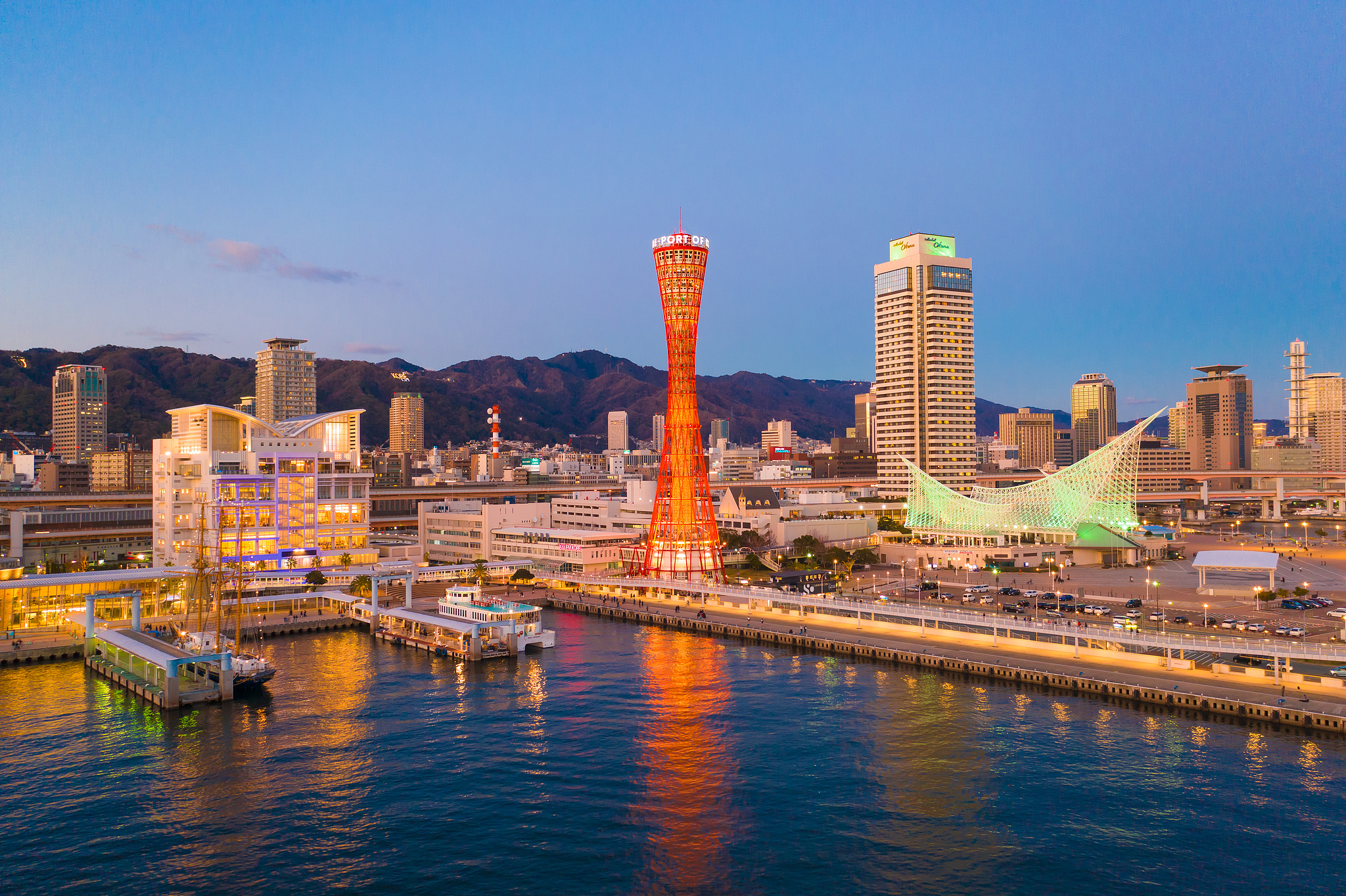
2026 Kobe Travel Guide: must-see attractions, popular food, hotels, transport & travel experiences (updated in March)
2828 posts
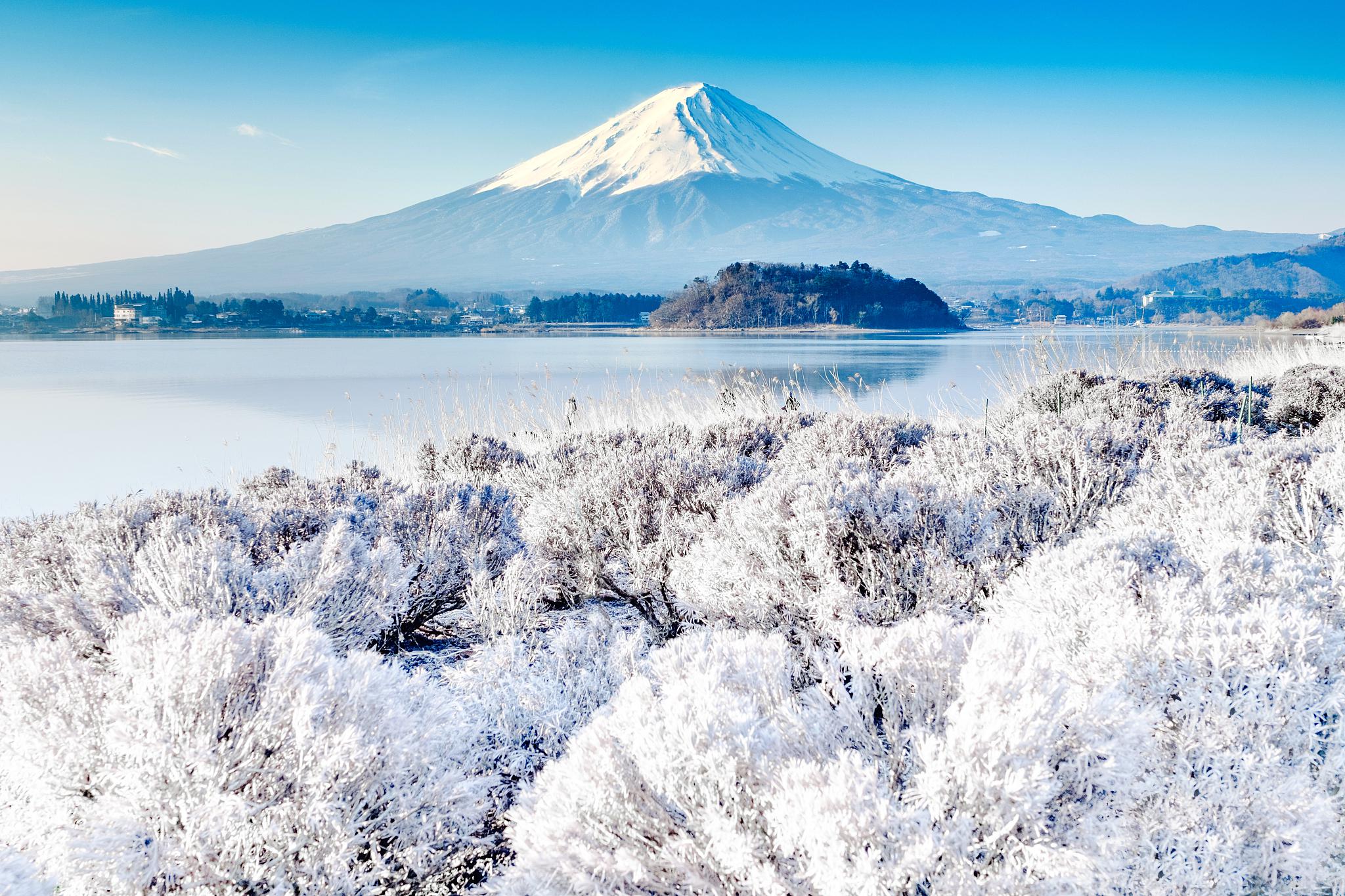
2026 Mount Fuji Travel Guide: must-see attractions, popular food, hotels, transport & travel experiences (updated in March)
407 posts
- 1
- 2
Post
More recommendations
Popular Trip Moments
Winter Vacation Japan Family Travel Guide - This Article Has It All | How many places in the world can you see both snowy mountains and the sea at the same time? | Nagoya Surrounding Attractions: Ena Gorge, Boat Rides, and Magome-juku Old Road | ⛰️ Recommended spots in Gifu and Tsukechi Gorge 🍃 | Enakyo Gorge: A Tranquil Autumn Retreat | [Kasagi Gorge🏞️] A fantastic and refreshing river for SUP and canoeing🛶 | [The Most Delicious Autumn] 🍂🌰💛 Chestnuts are the perfect sweet to experience the flavors of autumn in Japan | Nagoya|Viewing Thousand Mountains and Clear Waters [Ena Gorge Observatory] | Next to the Ena Gorge Observatory, taste the warm taste of grandma and grandpa [Sanrikuya Gohei Pancake] 🍢⛰️ | [A magnificent view created by nature] Enjoy a relaxing time at Ena Gorge | Cliffside Scenic Secret: Ena Gorge Observatory | Niwa Bunko|A Stay-Over Vintage Bookstore Café in Ena, Gifu | Lunch Surrounded by Fields and Mountains at yama5ya | 🇯🇵 Nagoya suburbs, colorful Ferris wheel with mountain and lake views🎡🩵 | 🇯🇵 One-day tour in the suburbs of Nagoya to see the lake and mountain scenery⛰️🩵 | 2-Day Japan Itinerary | Your Perfect Short Getaway | 3 Days in Japan: The Ultimate Guide | 7-Day Japan Qingming Tour: Don’t Miss the Stunning Seasonal Highlights | 3-Day Trip to Japan: Explore Classic Routes | Autumn might be a better time to go - Ena Gorge | Tomb-Sweeping Holiday in Japan: Exploring the Charm of Ancient Towns and Villages | 2-Day Exploration of Ancient Japanese Towns: Discover Traces of History | 3-Day Tour in Japan | Super Detailed Guide for a Fun-filled Tour | 2-Day Japan Itinerary: Discover the Charm of Ancient Towns | 3-Day Japan Itinerary: A Practical Guide to Exploring Japan | Winter Break Japan 2-Day Tour: Super Detailed Guide | **Hike Through History: The Tsumago Trail** | Cherry Blossom Viewing in Central Japan - Ena Gorge | [Gifu Tourism] A wonderful natural space awaits at the end of the drive 🌳 | [Gifu] Chestnut season 🌰 Chestnut Kinton 🍵
Popular Destinations
Minehead Travel | Washtenaw County Travel | Area Metropolitana de Jaen Travel | Basingstoke and Deane District Travel | Tortola Travel | Narusawa Travel | Sainte-Maxime Travel | Cayenne Travel | Oarai Travel | Muskogee County Travel | North Goa Travel | Tasman District Travel | Saunders County Travel | Harding Township Travel | Chantilly Travel | Wang Nam Khiao Travel | Batticaloa Travel | Alegrete Travel | Preston County Travel | Budapest Travel | Muscatine Travel | Anhua Travel | Honghe Travel | Forster Travel | Bacoor Travel | Curacautin Travel
Recommended attractions at popular destinations
Popular Attractions in Bangkok | Popular Attractions in Manila | Popular Attractions in Tokyo | Popular Attractions in Taipei | Popular Attractions in Hong Kong | Popular Attractions in Seoul | Popular Attractions in Kuala Lumpur | Popular Attractions in Los Angeles | Popular Attractions in Shanghai | Popular Attractions in New York | Popular Attractions in Shenzhen | Popular Attractions in Osaka | Popular Attractions in Singapore | Popular Attractions in London | Popular Attractions in Guangzhou | Popular Attractions in San Francisco | Popular Attractions in Beijing | Popular Attractions in Macau | Popular Attractions in Bali | Popular Attractions in Jakarta | Popular Attractions in Paris | Popular Attractions in Ho Chi Minh City | Popular Attractions in Istanbul | Popular Attractions in Phuket | Popular Attractions in Chicago | Popular Attractions in Seattle | Popular Attractions in Toronto | Popular Attractions in Orlando | Popular Attractions in Cebu | Popular Attractions in Chiang Mai
Popular Restaurants in Ena
Kobekan Ena Bypass | Enakyo Onsen Enakyo Kokusai Hotel Restaurant Shikisai | Toriaezu GOHEI Enaten | Rassei Misato Soba No Go | Kankaraya | Ena no Pizzaya | Sazanami | Silver Forest | Juwari Soba & Iwana Yamadaya | Udondokoro Mitsuba | Amakara Honten | Direct From The Market Fish & Tempura Restaurant Nanigashi Ena | Iwamura Sanso | Taishomura Romantei | Kuraya Enakyo Service Area Up Line | Chikara | Shanghai-Hanten | Ajinokura | Matsuuraken Hompo | Starbucks Coffee Enakyo Service Area Kudari | Rairaitei Ena | Mame Cafe | Partner | Swing | Kawai | Mihara | Sumigase Yana | Kantenkan Yamaoka Station | Yamabiko | Homemade Udon & Soba Katsumi
Popular Ranked Lists
Popular Luxury Hotels in Corfu | Popular Luxury Hotels Near Kitami | Top 50 Must-Visit Restaurants in Moscow | Popular Best Things to Do in Boluo | Top 50 Must-Visit Restaurants in Xuzhou | Top 20 Best Things to Do in Aksu Prefecture | Popular Best Things to Do in Yangon | Popular Best Things to Do in Yangquan | Popular Best Things to Do in Ziyang | Top 50 Luxury Hotels near Yamanashi | Top 50 Best Things to Do in Florence | Top 50 Must-Visit Restaurants in Phnom Penh | Popular Best Things to Do in Zhijiang | Popular Best Things to Do in Fuzhou | Top 20 Best Things to Do in Geneva | Popular Best Things to Do in Jinchang | Top 10 Luxury Hotels near Harrogate | Popular Luxury Hotels in Koloa | Top 50 Must-Visit Restaurants in Lanzhou | Popular Luxury Hotels in Cesme | Popular Luxury Hotels in Clark County | Popular Luxury Hotels in Mae Rim | Top 10 Luxury Hotels in Cook County | Top 50 Must-Visit Restaurants in Jakarta | Popular Luxury Hotels in Noord | Popular Best Things to Do in Linxia Prefecture | Top 20 Must-Visit Restaurants in Bursa | Popular Luxury Hotels Near Amami | Popular Best Things to Do in Tongdao | Top 50 Must-Visit Restaurants in Shaoxing
About
Payment methods
Our partners
Copyright © 2025 Trip.com Travel Singapore Pte. Ltd. All rights reserved
Site Operator: Trip.com Travel Singapore Pte. Ltd.
Site Operator: Trip.com Travel Singapore Pte. Ltd.