






 4.6/5
4.6/5 Miasmile
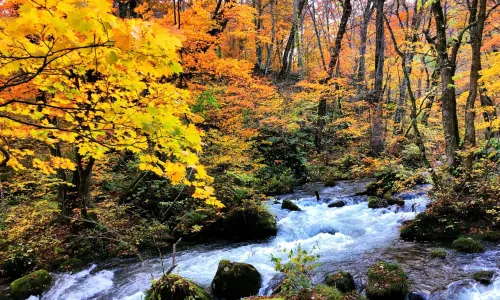
Record of the romantic winter trip in 2020.1~ The Oirase Gorge in winter is less green, but more blessed by snow and icicles. The gurgling stream is not radical, but it also surges with energy. There are dead branches all around, which is a bit sad, but also a bit magnificent. We booked the hotel shuttle to visit the Oirase Gorge, and specially chose 2 activities, one for night view and one for daytime. It only takes more than half an hour to go back and forth. The shuttle will drive directly to several scenic spots and let everyone get off to take pictures. I remember that there are 2 scenic spots for night view, mainly to appreciate the icicles under the lights at night, and the main stream. The daytime is slightly richer. The car will introduce the Oirase Gorge (although I can't understand it), and some landscape pictures will be played, etc. There is one more scenic spot than the night one, Yunjing Waterfall. The feeling brought by getting off the bus to check in and take pictures is definitely incomparable to the immersive hiking appreciation. The advantage is convenience and time saving, depending on personal needs.
 4.5/5
4.5/5 🍂Chris Zhou
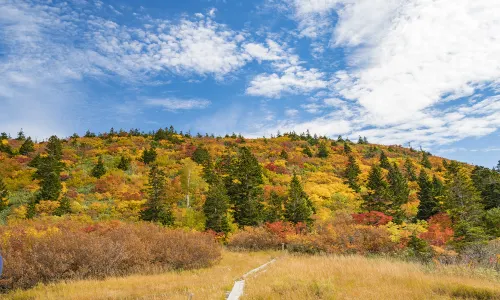
Mount Hakkoda is definitely worth a visit. It's not a single peak, but a mountain range comprised of more than ten volcanoes, offering distinct scenery in each season, especially renowned for its winter wonders of "tree ice" (ice sculptures) and autumn's vibrant red leaves. Whether you're a nature lover, an outdoor enthusiast, or a traveler seeking a unique cultural experience, you'll find something to your liking here. Highlights & Practical Tips ❄️ Natural Wonders: Tree Ice (Snow Monsters): A winter wonder, these are natural sculptures formed by mist condensing on trees, creating a spectacular and mysterious sight. The best viewing period is from December to March. You can take a cable car for a panoramic view or participate in snowshoeing for a closer look. Alpine Wetlands and Volcanic Landforms: Home to numerous wetlands and ponds, including the Munamit Wetlands, this area is a treasure trove of alpine flora. In summer, you can explore hiking trails like the "Gourd Line," offering varying levels of difficulty suitable for different types of visitors. 🌲 Seasonal Activities: Winter Skiing: Renowned for its high-quality powder snow and off-piste slopes, this is a paradise for skiers. Suitable for experienced skiers; ski slopes and equipment rental services are available on the mountain. Hiking and sightseeing are also possible. Autumn (late September to mid-October) is the best time to view the autumn leaves, making it one of the earliest places in Japan to see the fall foliage. 🚡 Featured Experiences: Hakkoda Ropeway: Approximately 10 minutes one way, directly to the summit park station, offering 360-degree panoramic views of the mountains and Aomori Bay. Operating hours are typically 9:00-16:20 (until 15:40 in winter). Hot Spring Experience: Enjoy the famous Sukayu Onsen (a mixed-gender public bath with over 300 years of history) at the foot of the mountain to relieve fatigue. 💡 Itinerary Planning Suggestions: Transportation: From Shin-Aomori Station or Aomori Station on the Tohoku Shinkansen, take a JR bus towards the "Hakkoda Ropeway" (approximately 1 hour journey), which goes directly to the ropeway station. Season Selection: Winter (December-March): The peak season, the best time to view snow trees and ski. However, please note that Mount Hakkoda is a notoriously snowy region in Japan, with unpredictable weather. A serious mountaineering tragedy occurred in 1902 (known as the "Hakkoda Snow March Incident"). Always check the weather forecast, participate in guided tours, and prepare appropriate cold-weather gear. Autumn (late September to mid-October): Stable weather and vibrant colors make it the golden time for hiking and photography. Spring and Summer: Ideal for easy high-altitude hiking, enjoying the fresh greenery and wetland flowers. 💎 In short, Mount Hakkoda is a mountain range brimming with wild beauty and seasonal charm. It may not be as widely known as Mount Fuji, but this very fact allows you to experience the pristine tranquility of Japan's natural landscape.
 No. 1 of Best Things to Do in Aomori Prefecture
