





 4.7/5
4.7/5 _We***34
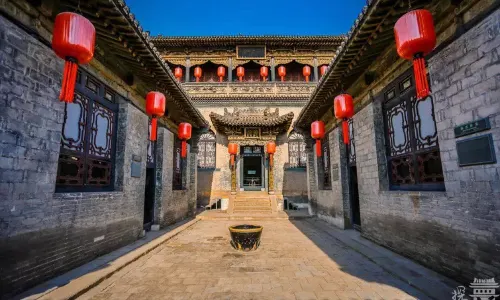
It's a bit of a journey from the hotel to Qiao Family Compound. If you're in Pingyao Ancient City, it's easy to get a ride there. But if you're on a group tour, it's not very comfortable, as the compound is quite large.
 4.6/5
4.6/5 M51***93
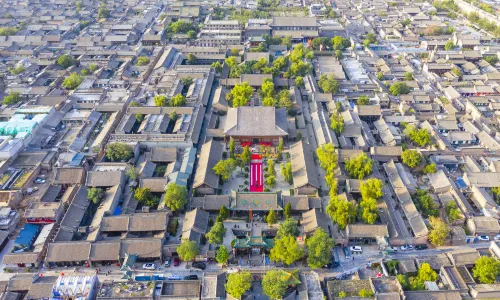
Pingyao was first built during the reign of King Xuan of the Western Zhou Dynasty, approximately 2800 years ago. It is the best-preserved prototype of a Ming and Qing Dynasty county town in China. The city walls, county government offices, and Rishengchang Exchange House, among other buildings, are completely preserved, reflecting the architectural style and feudal etiquette of the Han Chinese people during the Ming and Qing Dynasties.
 4.7/5
4.7/5 xiaowangcnjp
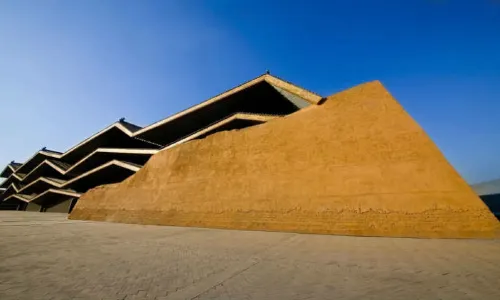
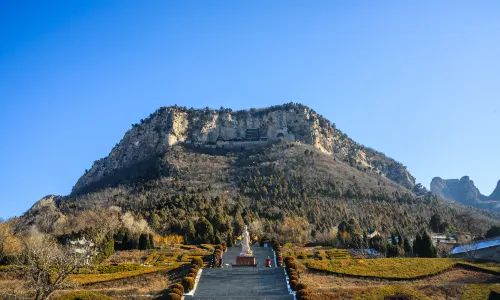
A huge park was built specifically for this show, like a large movie studio. The idea was good, and the environment was nice, but the content felt a bit monotonous. In short, it's about watching the bodyguards take a bath, then watching the bride take a bath, the bride having a beauty pageant, and finally the bodyguards' souls returning home.
 4.6/5M51***36
Aside from the crowds, there are no other problems. It has a classic and antique feel, and the shops inside are very bustling, with everything you need for eating, drinking, and entertainment. Some local specialties are worth buying. The overall planning of the scenic area is also good, with both a sense of traditional history and a modern atmosphere. It's worth a visit.
 4.8/5
4.8/5 大白
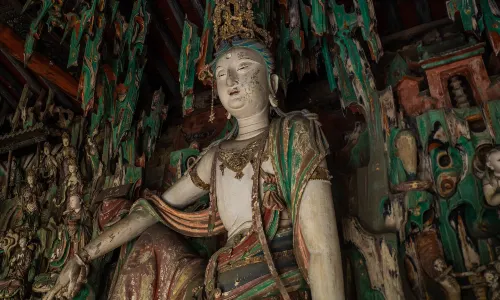
大白The full-price ticket for Shuanglin Temple in Pingyao is 35 yuan. Tickets can be purchased online through the "Pingyao Ancient City Scenic Area Official Service Platform" with real-name registration, with a 2 yuan discount, bringing the price down to 33 yuan. Tickets can also be purchased on-site. Seniors over 60 years old and active-duty military personnel are admitted free of charge upon presentation of valid identification. Students receive a 50% discount. Tickets are valid only on the day of purchase.
 4.0/5
4.0/5 205***07
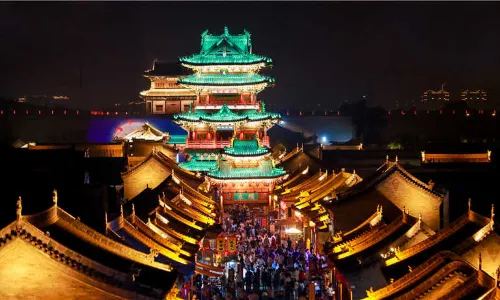
It covers a large area and has a well-developed layout, nestled against the mountains and overlooking the water, reflecting the ancient city-building system. The watchtowers are very tall, giving it a strong sense of guarding the border and protecting against enemies. Walking on the city walls is a unique experience. However, it gets very sunny in the summer, and the streets feel quite hot. It's particularly suitable for taking photos in period costumes.
 4.8/5
4.8/5 Anonymous user
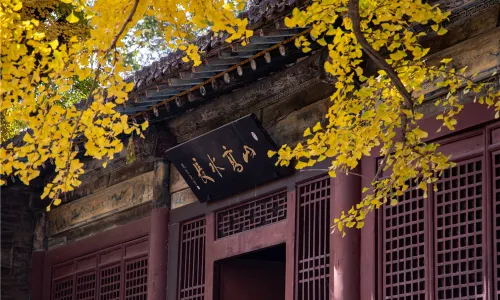
Aside from the rainy day, everything else was great. The only thing was that we came across the Jinci Temple, a place covered in a high school or middle school textbook, and we thought it was worth visiting. The temple itself is very rich in content, and there are other attractions nearby, but because it was raining, we could only visit a few of those places.
 4.7/5Anonymous user
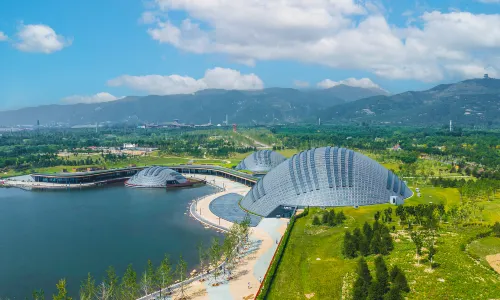
Taiyuan Botanical Garden is a landmark building in Taiyuan. I went there and it was really beautiful! We went during the Dragon Boat Festival, and it was especially beautiful. All kinds of animals and plants were incredibly gorgeous. There's also the famous giant elevator, which is very attractive and great for taking photos. It was absolutely fantastic!
 4.8/5
4.8/5 行走毛毛
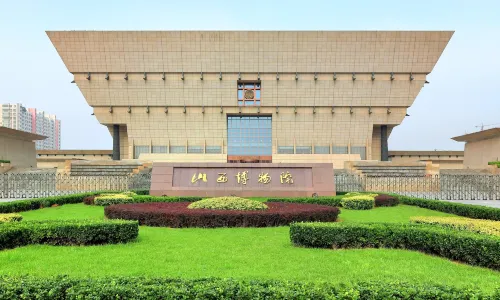
行走毛毛Since its renovation, the Shanxi Museum has become incredibly crowded. I remember when the old museum opened, there were hardly any people at all. Now, it's packed with people, making it extremely difficult to take a photo without faces in it. I can only take pictures of some lesser-known artifacts to show you.
 4.7/5Anonymous user
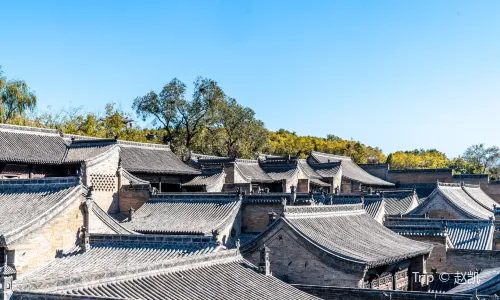
The Wang Family Compound is an outstanding example of Qing Dynasty residential architecture in China. Located in Jingsheng Town, Lingshi County, Jinzhong City, Shanxi Province, it was built by the Jingsheng Wang family, descendants of the Taiyuan Wang clan, over a period of approximately 300 years, from the Kangxi to the Jiaqing reigns. It is hailed as "China's First Residence of Folk Architecture," "China's Folk Palace," and "Shanxi's Forbidden City." Its grand scale covers an area of 250,000 square meters, encompassing five alleys, five forts, and five ancestral halls. Currently, it contains 231 courtyards and 2,078 rooms. The open area centers on the three major architectural complexes of Gaojiaya (Phoenix), Hongmenbao (Dragon), and Chongningbao (Tiger), showcasing the traditional "front hall, rear chamber" layout and the overall "王" (Wang) shaped design.

