
UK train strikes & disruption: 2026 guide (dates, rights, compensation)


Strike dates come and go, but the rules that protect you as a passenger don’t change nearly as often. Understanding these rights and how to make a claim is vital if you’re looking for compensation on your train ticket.
What counts as a UK rail strike?
Industrial action on the railway is usually organised by the main rail unions, such as ASLEF (which represents train drivers) or the RMT (which has a broader rail membership). Under rules in force since 18 February 2026, a union must generally give an employer at least 10 days’ notice of industrial action.
Action can take a few forms: an all-out strike, an overtime ban (which tends to hit early and late services hardest, since these often rely on drivers volunteering for extra shifts), or action short of a strike.
Crucially, a strike rarely affects the entire network at once. It’s usually called against one or a small number of operators, so services elsewhere often continue to run, though even unaffected operators can see knock-on disruption on shared routes.
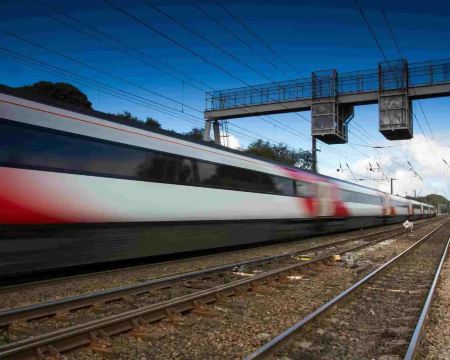
Other causes of disruption: engineering works, accidents, and infrastructure failures
Strikes aren’t the only reason your journey might be disrupted, and it’s worth knowing how the common causes differ.
In both cases, your right to a fee-free refund if you choose not to travel at all works the same way as it does for strikes; the cause doesn’t have to be industrial action.
Planned engineering works
These are usually scheduled at weekends and published well in advance. Operators typically publish an amended timetable to cover the work, and your journey planner should reflect this automatically once it’s live.
For planned engineering works, Delay Repay is normally calculated against the amended timetable published in advance, rather than the timetable that applied before the engineering work was scheduled. This means you typically need to be delayed against the amended journey time to qualify for Delay Repay.
Accidents and infrastructure failures
Sudden incidents such as derailments, landslips, flooding, fires near the line, or a sudden fault with the track or signalling are treated as disruption for compensation purposes. If your resulting delay meets the relevant train company’s Delay Repay threshold, you can submit a claim. Compensation is assessed against the timetable applicable to your journey.
These incidents can also close a route for days or weeks at a time while repairs take place, with rail replacement buses and cross-operator ticket acceptance commonly introduced in the meantime.
How to check if your train is affected
Because strike dates and their scope change from dispute to dispute, the most reliable approach is always to check close to your travel date rather than relying on anything written weeks in advance.
In terms of other disruptions, National Rail’s live journey planner and your operator’s own website are worth checking before you travel for the latest updates.
Your rights if you choose not to travel
If the train you intended to use is delayed, cancelled, or rescheduled after you bought your ticket and you decide not to travel, Condition 30.1 of the National Rail Conditions of Travel entitles you to return your unused ticket to the original retailer for a full refund with no administration fee. This protection applies regardless of whether the disruption is caused by industrial action or another incident.
Refunds should be requested from the retailer that originally sold you the ticket, so keep your booking confirmation to hand. During major disruption or industrial action, operators may also introduce additional arrangements allowing passengers to change when they travel.
Your rights if you do travel
Choosing to travel despite disruption doesn’t waive your rights either.
If your train is delayed by more than 60 minutes, you may be able to use your ticket to make the journey on a later date, subject to the ticket’s normal restrictions and the train company’s arrangements. Check with the relevant operator before changing your travel date.
During industrial action, National Rail says monthly or longer Season Ticket holders who cannot travel because timetable disruption cancels their service can claim 100% compensation for the affected day through Delay Repay. For other disruption, Season Ticket compensation arrangements can vary by operator, so check the relevant terms.
During significant disruption, operators often introduce temporary cross-operator ticket acceptance, letting you travel on another train company’s services at no extra cost, along with relaxed restrictions on which trains your ticket is valid for. This is announced case by case, so it’s always worth checking your specific operator’s advice on the day.
Practical tips for disrupted journeys
- Consider ticket flexibility: Off-Peak and Anytime fares generally give you more flexibility over which eligible service you use than an Advance ticket tied to a particular train. Always check the ticket conditions before booking.
- Check the evening before, not just the morning of: Amended and emergency timetables are often confirmed earlier than you might expect.
- Have your booking confirmation ready: You’ll need your purchase details when requesting a disruption refund from the retailer that originally sold you the ticket.
- Look at alternative routes and operators: Cross-operator ticket acceptance can open up options that aren’t obvious from your usual booking search.
- Expect longer disruption after an accident or infrastructure failure: Unlike a single strike day, incidents like derailments can close a route for days or weeks while repairs take place, so check before every journey, rather than assuming a one-off delay.
UK train strikes and disruption FAQs
Do I get a refund if my train is cancelled due to a strike?
Yes. If the train you intended to use is cancelled, delayed, or rescheduled because of strike action and you decide not to travel, Condition 30.1 of the National Rail Conditions of Travel entitles you to a full refund with no administration fee. Request the refund from the retailer that originally sold you the ticket.
Separate temporary arrangements may also be introduced to let affected passengers change when they travel.
Can I claim Delay Repay during a strike?
Yes, in the same way as any other qualifying delay, if your journey is delayed past your operator’s Delay Repay threshold as a result of the strike, you can claim.
Will other train companies accept my ticket during a strike?
Often, yes. Operators frequently introduce temporary cross-operator ticket acceptance during disruption, but this varies by strike, so check your operator’s current advice before you travel.
Does a rail strike affect the whole UK network?
Not usually. Strikes are typically called against specific operators or unions, so many services continue to run, though shared routes can still see knock-on disruption.
How do I find out which trains are affected today?
Check a live source close to your travel time - our strike and disruption tracker, your operator’s app, or National Rail’s journey planner - since scope and timetables can change with little notice.
Do I get compensation for delays caused by engineering works or accidents, not just strikes?
You can still be eligible for Delay Repay when disruption is caused by engineering works, accidents, or infrastructure failures. Compensation is normally calculated against the timetable applicable to your journey: for planned engineering works, this may be an amended timetable published in advance. If your delay against that timetable meets the relevant operator’s threshold, you can submit a claim.








- What counts as a UK rail strike?
- Other causes of disruption: engineering works, accidents, and infrastructure failures
- How to check if your train is affected
- Your rights if you choose not to travel
- Your rights if you do travel
- Practical tips for disrupted journeys
- UK train strikes and disruption FAQs
Ready to plan your trip?
 New user welcome pack
 -
5% OFF
Europe Train New User Promo Code

-
2% OFF
UK Train New User Promo Code
Related travel guides
 Updated: October 14, 2026
What to do if you just missed your train?
 Updated: September 3, 2026
What to do if you’ve just missed your train: A step-by-step guide
 Updated: September 2, 2026
SWR Delay Repay: How to claim compensation for late South Western trains?
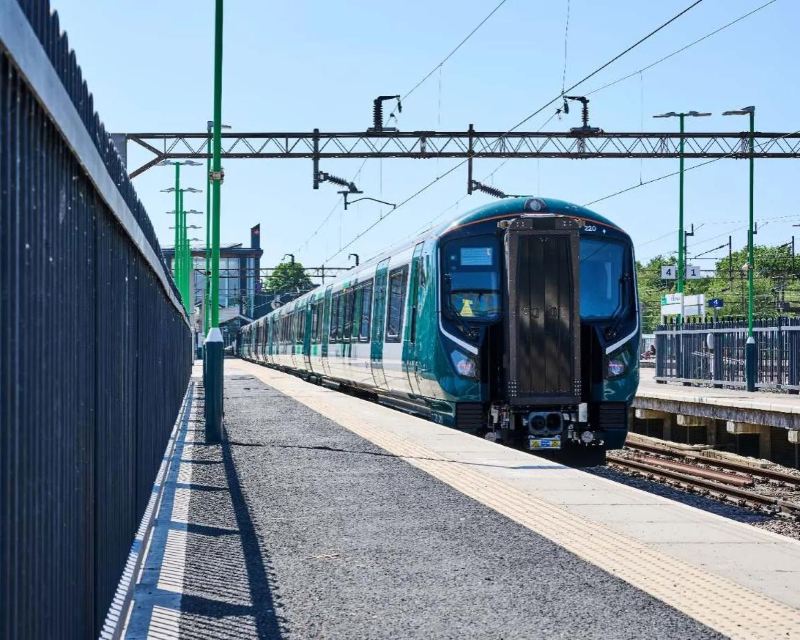 Updated: September 2, 2026
London Northwestern Railway Delay Repay: How to claim compensation for late trains?
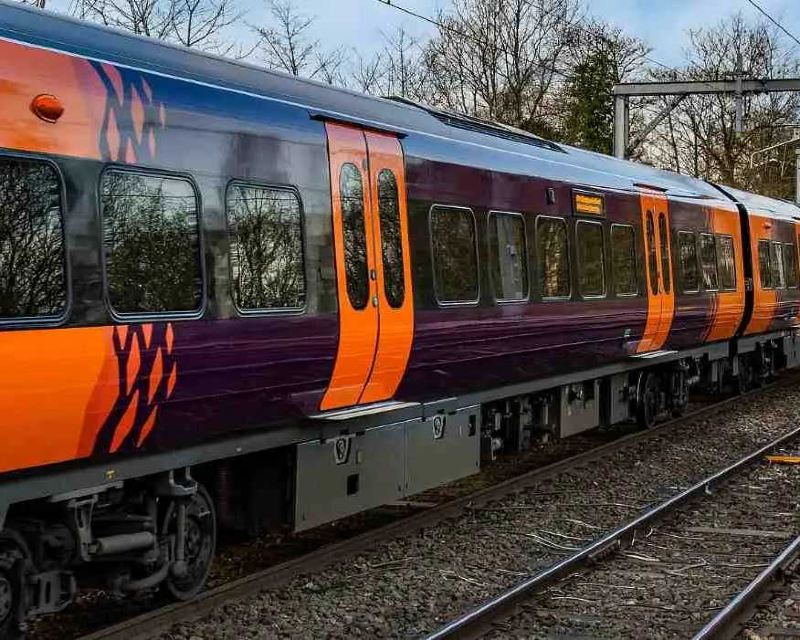 Updated: September 2, 2026
West Midlands Railway Delay Repay: How to claim compensation for late trains?
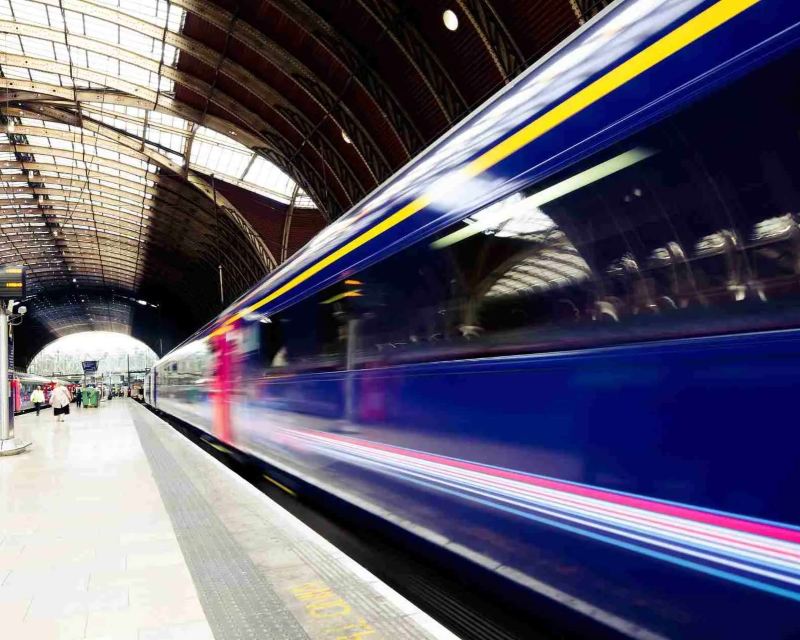 Updated: September 2, 2026
Heathrow Express Delay Repay: How to claim compensation for late trains
 Updated: September 2, 2026
Grand Central Delay Repay: How to claim compensation for late trains?
 Updated: September 2, 2026
Transport for Wales Delay Repay: How to claim compensation for late trains?
 Updated: September 2, 2026
Heathrow Express planned strikes 2026: Is my train running this week?
 Updated: September 1, 2026
Thameslink upcoming planned strikes 2026 timetable
 Updated: September 1, 2026
South Western Railway (SWR) planned strikes 2026 timetable
 Updated: September 1, 2026
Hull Trains planned strikes 2026: All upcoming dates
 Updated: September 1, 2026
Elizabeth Line planned strikes 2026: Is my train running this week?
 Updated: September 1, 2026
CrossCountry upcoming planned strikes 2026 timetable
 Updated: September 1, 2026
Avanti West Coast planned strikes 2026 timetable: Is my train running this week?
 Updated: September 1, 2026
Southern Rail planned strikes 2026: Is my train running this week?






- Getting the train to Warwick Castle | Stations, Routes & FAQsPublished: October 15, 2026
- Getting the train to Tottenham Hotspur Stadium | Stations & RoutesPublished: October 15, 2026
- Travelling by train to Stamford Bridge | Stations & RoutesUpdated: October 15, 2026
- Getting the train to Thorpe Park | Stations, Routes & FAQsPublished: October 15, 2026
- Getting the train to Stonehenge | Stations, Routes & FAQsPublished: October 15, 2026
- Getting the train to Snowdonia | Stations, Routes & FAQsPublished: October 15, 2026
- Trains to Seven SistersPublished: October 14, 2026
- Getting the train to Old Trafford | Stations & RoutesPublished: October 14, 2026
- Getting the train to Legoland Windsor | Stations, Routes & FAQsPublished: October 14, 2026
- Getting the train to the Etihad Stadium | Stations & RoutesPublished: October 14, 2026
- York weekend break by train: The ultimate itinerary and best hotelsPublished: October 13, 2026
- Manchester city break: best hotels & a 2-day train itineraryPublished: October 13, 2026