
LNER: London-Edinburgh from £41.40
Book early for cheaper fares to York, Leeds & Newcastle
Upgrade your Italo journey
🇮🇹€10 off Prima Business | €20 off Club Executive
🇬🇧 Save 25% on a 1-year Railcard
or 10% off a 3-year Railcard
CrossCountry upcoming planned strikes 2026 timetable

Enrico Belcore

This guide provides essential updates on planned and potential strike action affecting CrossCountry services throughout 2026. As one of the UK’s most extensive rail networks, CrossCountry connects major hubs including Birmingham, Manchester, Leeds, Bristol, Newcastle, and Edinburgh, meaning that strikes often result in nationwide disruption that affects multiple regions simultaneously. Passengers should be prepared for a significantly reduced number of services and potential cancellations that can sever vital intercity links across England, Scotland, and Wales.
Disruption is frequently targeted during high-traffic periods, such as weekends and bank holidays, impacting key regional connections and large-scale events. Because CrossCountry serves as the "backbone" of the British rail network, any strike action can have a ripple effect, forcing travellers onto alternative routes and causing congestion elsewhere. Passengers are strongly advised to check the latest schedules before travelling.
Search
 New user welcome pack
 -
5% OFF
Europe Train New User Promo Code

-
2% OFF
UK Train New User Promo Code
Is CrossCountry on strike today or next week?
As for April 17 2026, there are no strikes currently planned for CrossCountry services today or next week.
While you may see news regarding strikes elsewhere - specifically affecting the London Underground and some London bus routes between Tuesday, 19 and Friday, 22 May and Tuesday, 16 to Friday, 19 June 2026 - CrossCountry trains are not part of these disputes and are scheduled to run a normal service.
Although no strikes are scheduled, we recommend checking your journey before you set off to account for standard operational issues (such as the current repairs at Manchester Piccadilly):
- Official Website: CrossCountry Travel Updates
- National Rail:Real-time Journey Planner
- Social Media: Follow @CrossCountryUK on X for rapid-response alerts and passenger queries.
CrossCountry strike dates and latest updates
- Current status for 2026: No confirmed strike action is currently scheduled for CrossCountry services.
- Past Years: In late 2025 and early 2026, the network saw periodic action, particularly on Saturdays and bank holidays, leading to significant service reductions.
- December 2026: Be aware that "festive strikes" have historically been a point of contention; keep an eye on announcements for the late 2026 period as negotiations progress.
It is important to note that disruption often occurs even on days without a full walkout. CrossCountry frequently experiences:
- Reduced service levels: During active disputes, a skeleton timetable may operate, focusing only on core routes between 07:30 and 18:30.
- Action short of a strike: Ongoing industrial action, such as overtime bans or "work to rule" mandates, can cause daily cancellations and delays, particularly affecting weekday commuters and late-night weekend services.
- Staff shortages: Even without formal action, localised crew shortages can lead to short-notice cancellations on specific regional links.
Keep in mind that a formal strike notice only requires 14 days, meaning the situation can change quickly. Always check your journey within 24 hours of departure via the National Rail Enquiries website or the CrossCountry app to confirm your specific train is still scheduled to run.
How do CrossCountry strikes affect your journey?
Industrial action on the CrossCountry network causes significant ripple effects because the operator functions as the "backbone" of the UK rail system. Birmingham New Street, the primary hub for the network, becomes a particular bottleneck; when services are restricted here, vital cross-regional links, such as those connecting the North East and Scotland to the South West, are often severed. This leads to intense overcrowding on the few remaining operational trains, as passengers from various regions are funnelled onto a limited number of services.
To navigate these periods of unrest, travellers are strongly advised to reconsider the structure of their journeys. It is critical to avoid tight connections, as a single delay can result in being stranded at an interchange like Birmingham or Derby with no alternative onward transport.
Whenever possible, aim to travel as early in the day as possible, as services often wind down significantly earlier than usual on strike days (frequently by 18:30). Allowing substantial extra time for your journey and checking live updates immediately before departure will help you manage the high likelihood of short-notice cancellations and busy platforms.
Alternative travel options during CrossCountry strikes
When CrossCountry services are suspended or limited, you can often maintain your itinerary by switching to other major operators such as LNER, Great Western Railway (GWR), or Northern, though you should be prepared for these services to be significantly busier than usual. For longer routes, "splitting" your journey - for example, taking a train to a major hub like Birmingham or Leeds and completing the trip via a different operator - can sometimes bypass the worst of the localised CrossCountry disruption. If the rail network is at a total standstill, intercity coaches like National Express or Flixbus are valuable alternatives.
Popular FAQs for CrossCountry strikes
How far in advance are CrossCountry strikes announced?
By law, unions must provide at least 14 days' notice before taking industrial action, meaning you will typically have 1 to 2 weeks to adjust your travel plans.
Will trains still run?
A limited timetable usually operates on strike days, typically running between 07:30 and 18:30 with significantly reduced frequency on core routes only.
Can I claim compensation?
Yes, if your train is cancelled or delayed, you are entitled to a full refund or compensation via Delay Repay, depending on the length of the disruption.
Do CrossCountry strikes affect the whole UK?
Often yes, because the network spans from Scotland to Cornwall, a strike can simultaneously disrupt rail travel across England, Scotland, and Wales.
Top Guides


Trains to Edinburgh University: Station & routes


Trains to Aberdeen University: Nearest station & routes


Getting the train to the University of Surrey: Nearest station, routes & student travel guide

Getting the train to the University of St Andrews: Nearest station, routes & student travel guide

Getting the train to the University of Liverpool: Nearest station, routes & student travel guide
LNER seating plan: Where am I sitting?
Off-Peak train times: The full guide

Split save train tickets - Explained
Table of Contents
- Is CrossCountry on strike today or next week?
- CrossCountry strike dates and latest updates
- How do CrossCountry strikes affect your journey?
- Alternative travel options during CrossCountry strikes
- Popular FAQs for CrossCountry strikes
Related travel guides
 Updated: September 4, 2026
UK train strikes & disruption: 2026 guide (dates, rights, compensation)
 Updated: September 2, 2026
Heathrow Express planned strikes 2026: Is my train running this week?
 Updated: September 1, 2026
Thameslink upcoming planned strikes 2026 timetable
 Updated: September 1, 2026
South Western Railway (SWR) planned strikes 2026 timetable
 Updated: September 1, 2026
Hull Trains planned strikes 2026: All upcoming dates
 Updated: September 1, 2026
Elizabeth Line planned strikes 2026: Is my train running this week?
 Updated: September 1, 2026
Avanti West Coast planned strikes 2026 timetable: Is my train running this week?
 Updated: September 1, 2026
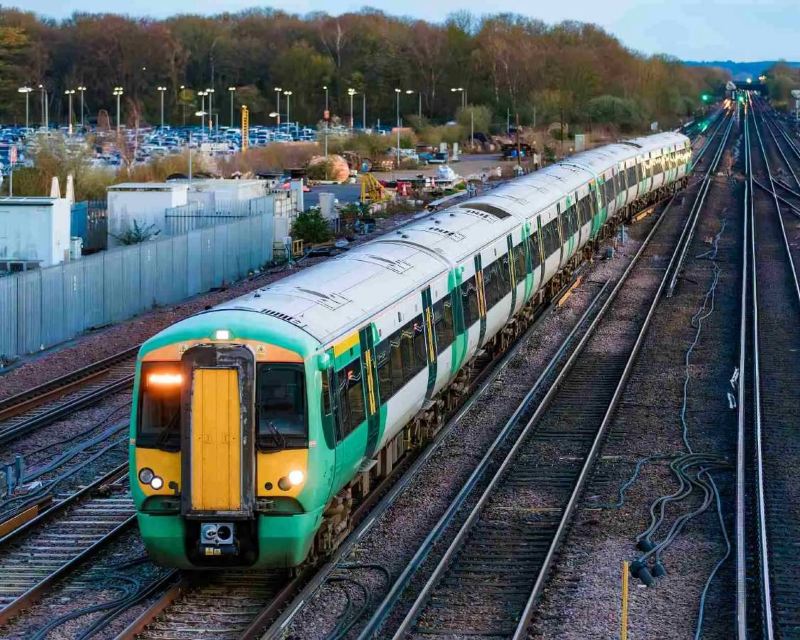
Southern Rail planned strikes 2026: Is my train running this week?
 Updated: September 18, 2026
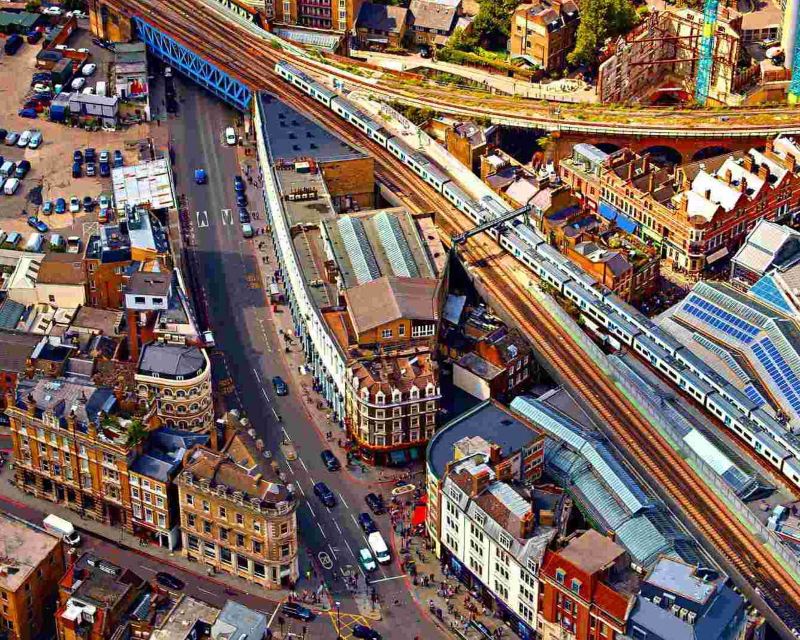
CrossCountry seating plan: Where am I sitting?
 Updated: September 3, 2026
CrossCountry lost property: How to get your missing items back
 Updated: August 31, 2026
CrossCountry First Class: Everything you need to know
 Updated: August 31, 2026
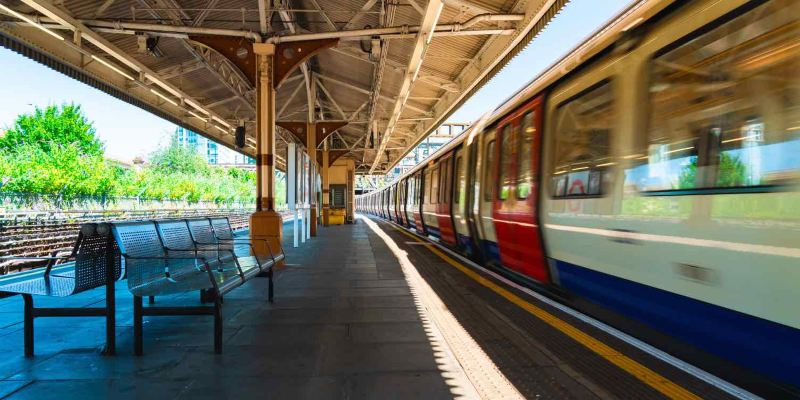
CrossCountry Season Tickets: Unlock cheaper, unlimited travel
 Updated: August 27, 2026
CrossCountry Delay Repay: How to claim compensation for late trains?
Latest Travel Guides

Trains to Edinburgh University: Station & routes
Published: September 23, 2026

Trains to Aberdeen University: Nearest station & routes
Published: September 23, 2026

Getting the train to the University of Surrey: Nearest station, routes & student travel guide
Published: September 22, 2026

Getting the train to the University of St Andrews: Nearest station, routes & student travel guide
Published: September 22, 2026

Getting the train to the University of Bristol: Nearest station, routes and student travel guide
Published: September 22, 2026

Getting the train to the University of Liverpool: Nearest station, routes & student travel guide
Published: September 22, 2026

Getting the train to the University of Glasgow: Nearest station, routes & student travel guide
Published: September 22, 2026
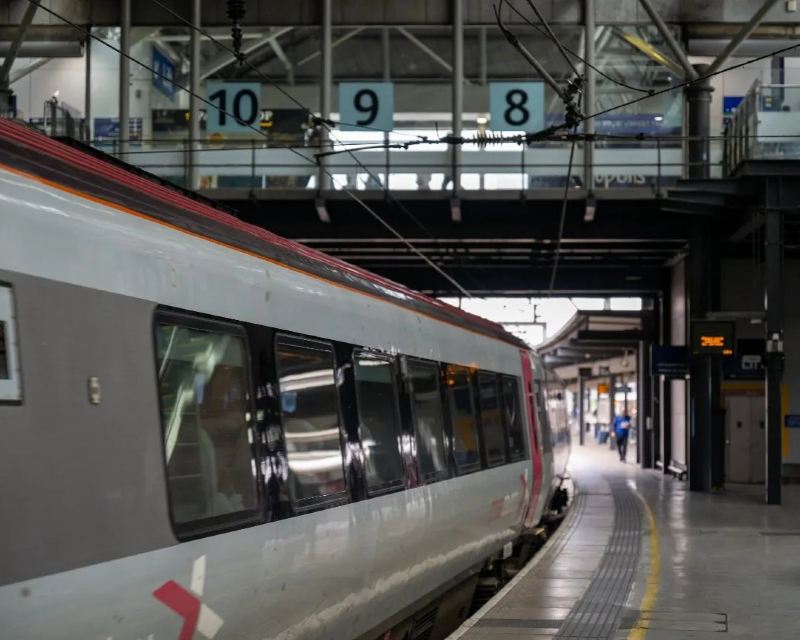
New UK train cancellation policy expanded: Simply hop on new services
Published: September 22, 2026

Getting the train to the University of York: Nearest station, routes & student travel guide
Published: September 21, 2026

Getting the train to the University of Southampton: Nearest station, routes & student travel guide
Published: September 21, 2026

Getting the train to the University of Sheffield: Nearest station, routes & student travel guide
Published: September 21, 2026
Portsmouth Historic Dockyard: Closest train station & routes
Published: September 21, 2026
Latest Travel Guides
- Trains to Edinburgh University: Station & routesPublished: September 23, 2026
- Trains to Aberdeen University: Nearest station & routesPublished: September 23, 2026
- Getting the train to the University of Surrey: Nearest station, routes & student travel guidePublished: September 22, 2026
- Getting the train to the University of St Andrews: Nearest station, routes & student travel guidePublished: September 22, 2026
- Getting the train to the University of Bristol: Nearest station, routes and student travel guidePublished: September 22, 2026
- Getting the train to the University of Liverpool: Nearest station, routes & student travel guidePublished: September 22, 2026
- Getting the train to the University of Glasgow: Nearest station, routes & student travel guidePublished: September 22, 2026
- New UK train cancellation policy expanded: Simply hop on new servicesPublished: September 22, 2026
- Getting the train to the University of York: Nearest station, routes & student travel guidePublished: September 21, 2026
- Getting the train to the University of Southampton: Nearest station, routes & student travel guidePublished: September 21, 2026
- Getting the train to the University of Sheffield: Nearest station, routes & student travel guidePublished: September 21, 2026
- Portsmouth Historic Dockyard: Closest train station & routesPublished: September 21, 2026