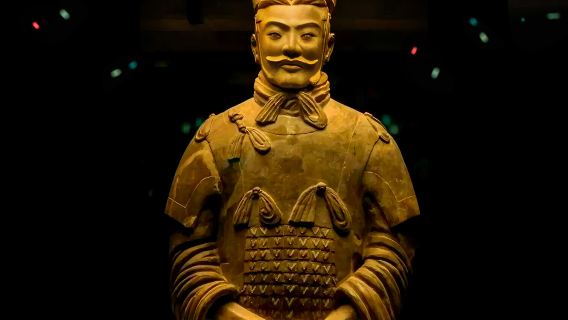
🎟️ Terracotta Army Tickets: Prices and How to Buy
When it comes to seeing the Terracotta Army, there's one thing you should be clear about from the start: you'll need to buy a ticket to enter. But given that it's one of the most important archaeological sites in China, that's hardly a surprise.
The great thing is that admission includes the entire museum, meaning you get access to the three main pits where thousands of soldiers are located, as well as the complex's exhibitions.
The truth is that the price for the Terracotta Army can vary a little depending on the season. For most of the year, it's around 120 Chinese yuan, although it can drop slightly during the low season.
This is an indicative price:
| Ticket type | Price (CNY) | Approximate price (£) |
General admission | 120 CNY | From £13 |
Low season (approx.) | 100 CNY | From £11 |
🎟️ 🏺 Get your tickets for the Terracotta Army in Xi'an from £13.07 on Trip.com and secure your visit to Qin Shi Huang's famous army before you arrive.
🕒 Terracotta Army Opening Hours
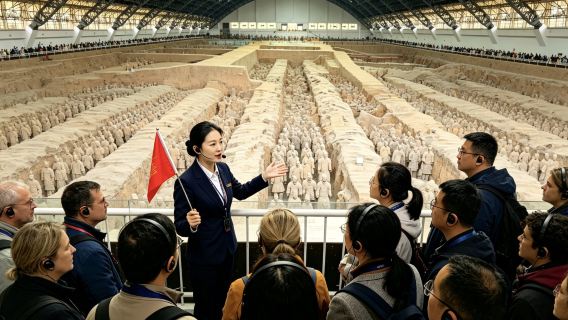
The opening hours for the Terracotta Army are pretty easy to remember. The museum is open from 08:30 to 17:00, although ticket sales end at 16:30, which is also the time for the last entry into the site. Now, here's a little tip that many travellers learn along the way: arriving first thing in the morning really makes a difference. From mid-morning onwards, tour groups start to arrive, and the atmosphere becomes much busier.
🕒 Information | ⏰ Opening Hours |
Museum opening | 08:30 |
Last entry to the venue | 16:30 |
Ticket sales closed | 16:30 |
Museum closing | 5:00 pm |
Recommended visit duration | 3–5 hours |
🗺️ The Three Main Pits of the Terracotta Army
One of the most surprising things when you arrive at the Terracotta Army museum is discovering that the famous army isn't all together in a single hall. The archaeological complex is organised into three main excavated pits, each with a different type of military formation. And, of course, that's part of the appeal of the visit: moving from one to the other and seeing how the army's structure changes.
What's more, the route through the museum usually follows the same order that we'll see below:
⚔️ Pit 1: the largest underground army
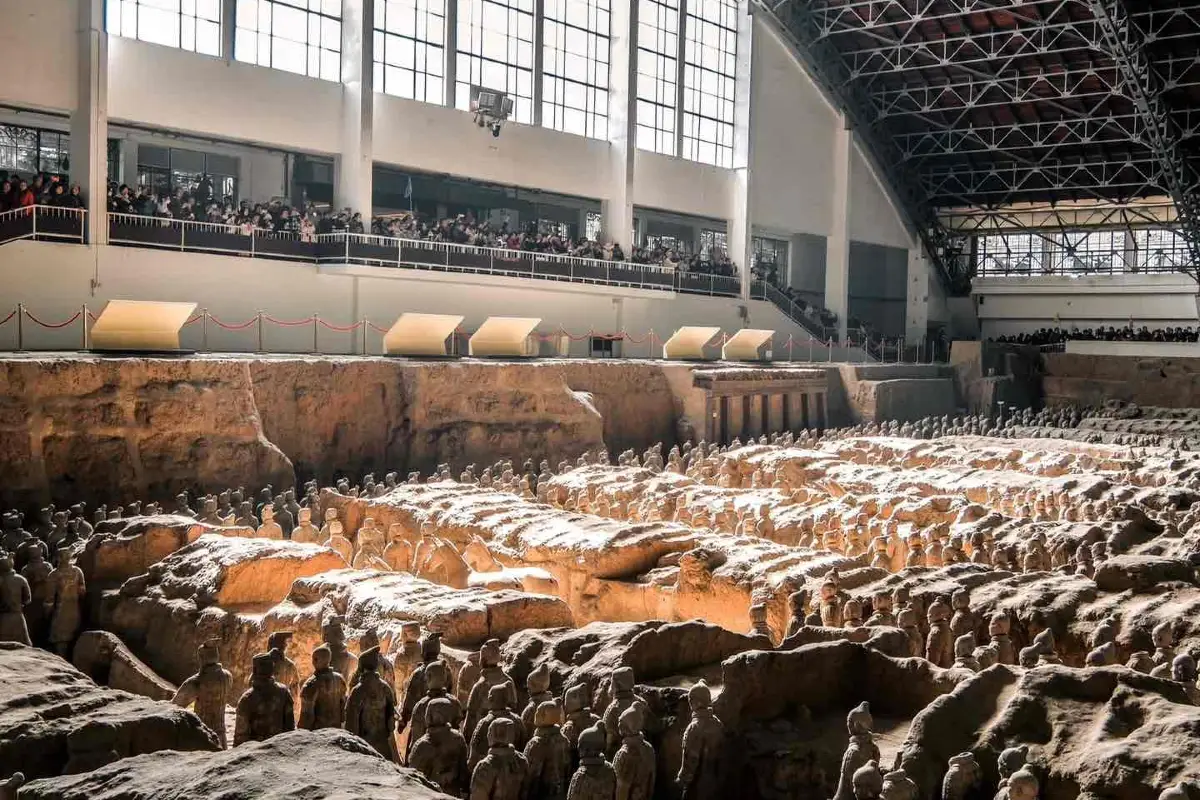
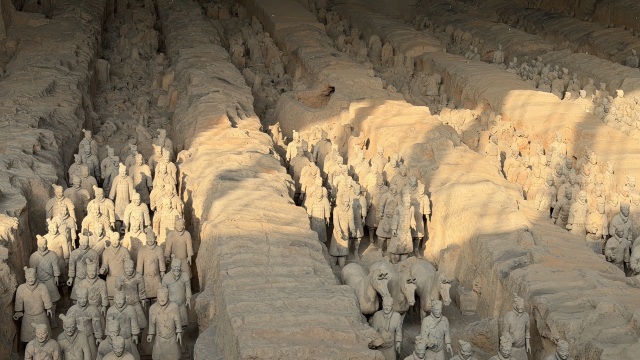
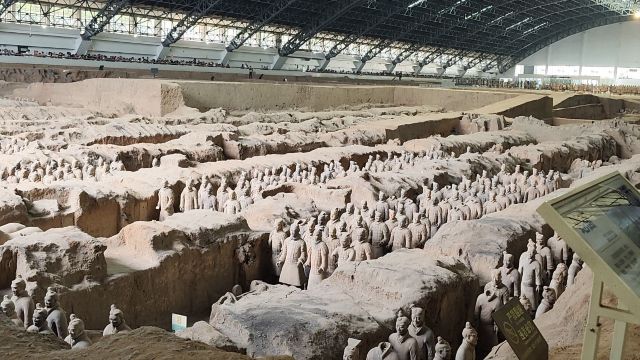
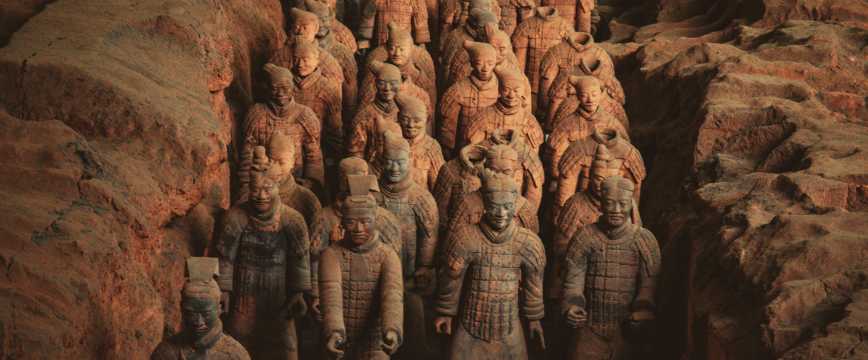
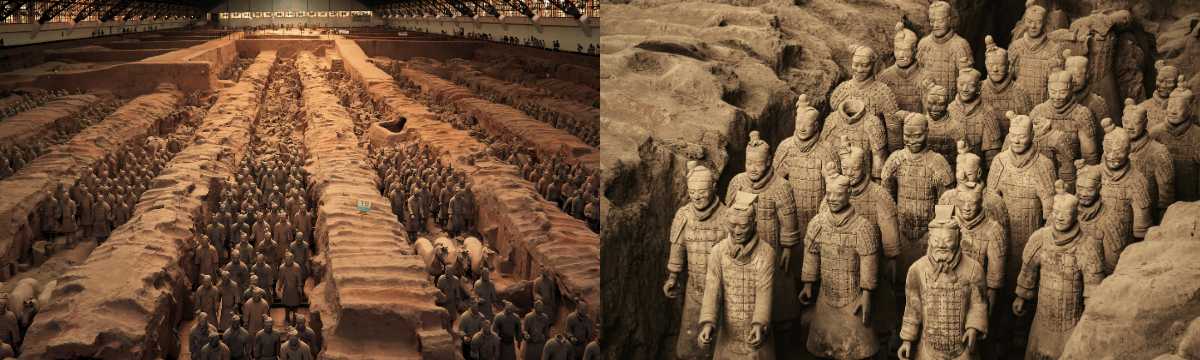
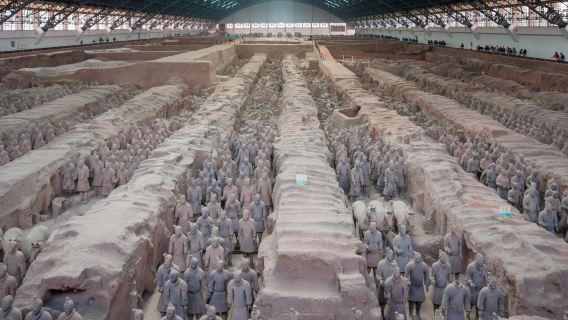
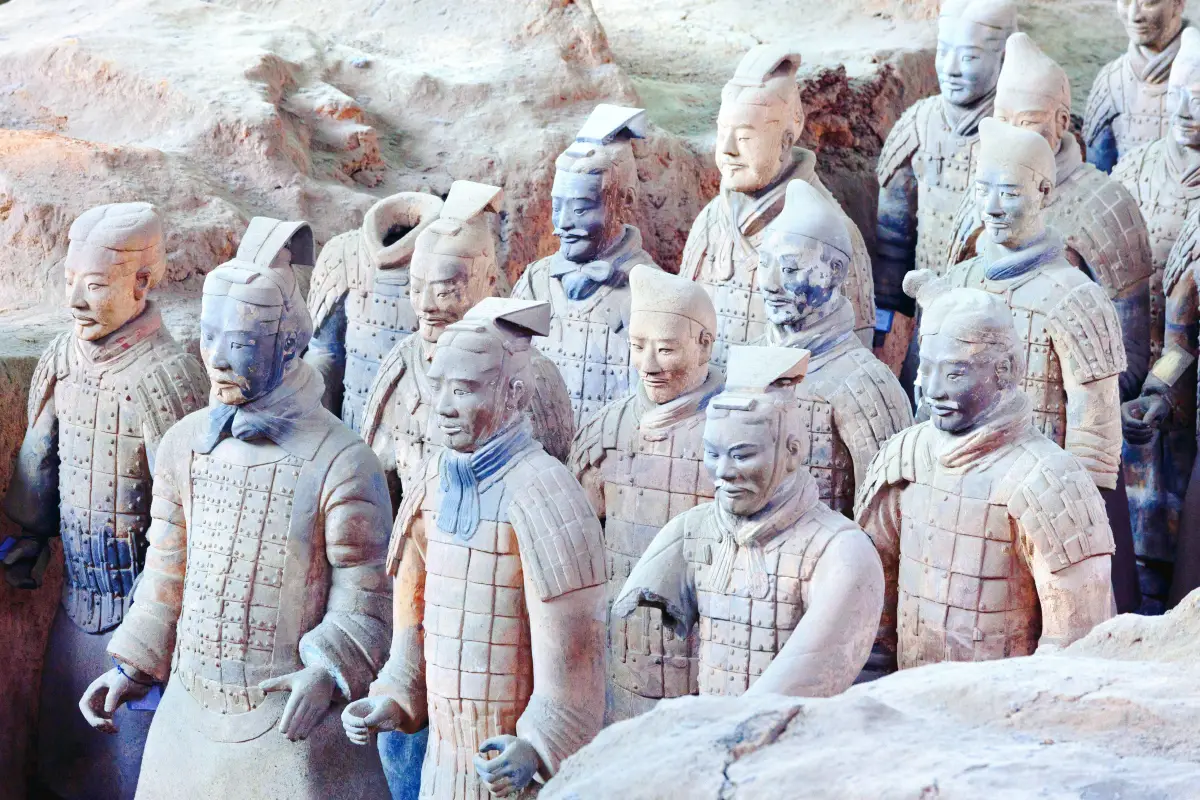
Pit 1 of the Terracotta Army is the star of the complex. To put it simply, this is where you'll find the museum's most iconic image: row upon row of life-sized soldiers, lined up as if ready for battle.
- It's the largest pit on the site, covering over 14,000 m².
- It is estimated to house more than 6,000 figures of soldiers and horses.
- The troops are organised in battle formation, with the infantry at the front and chariots behind.
To be honest, it's quite impressive when you walk into the pavilion and see the sheer scale of the place.
A little tip that usually works well: walk along the sides of the walkway first before heading to the centre. There are fewer people, and the views of the lined-up army are much clearer.
🏹 Pit 2: archers and cavalry
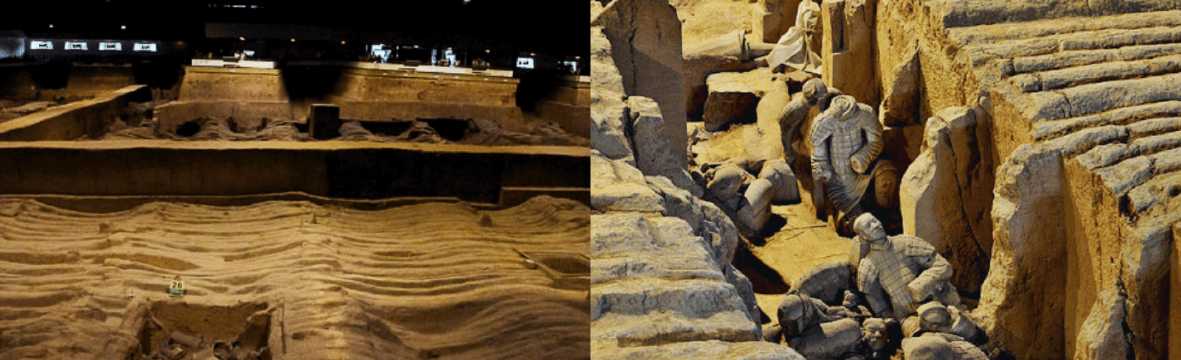
After the first one comes Pit 2, which many visitors tend to overlook. This is home to one of the most fascinating parts of the army. The real highlight is that this pit showcases specialised military units, giving you a much better understanding of how the emperor's army was organised.
Here you can see:
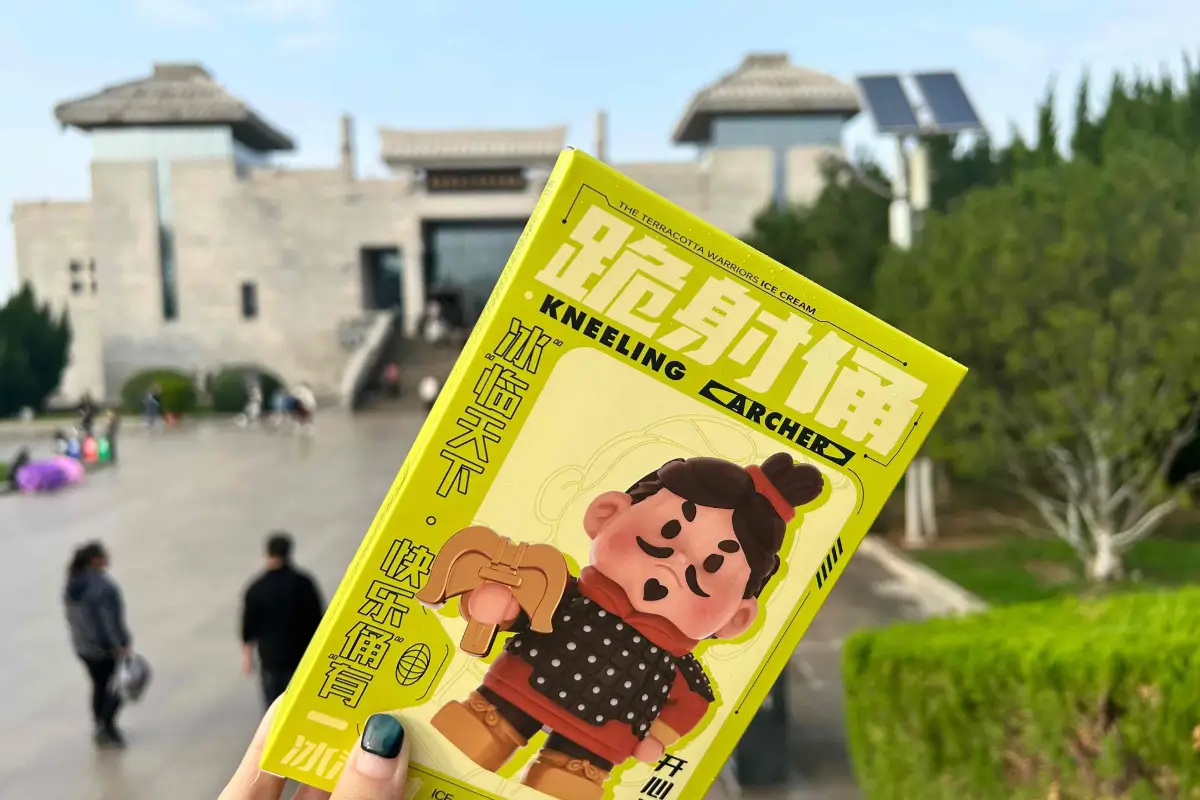
- Archers kneeling and standing, ready to fire.
- Cavalry units with terracotta horses.
- Strategic defensive formations.
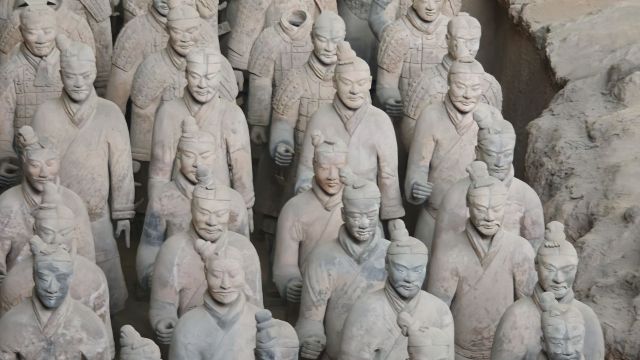
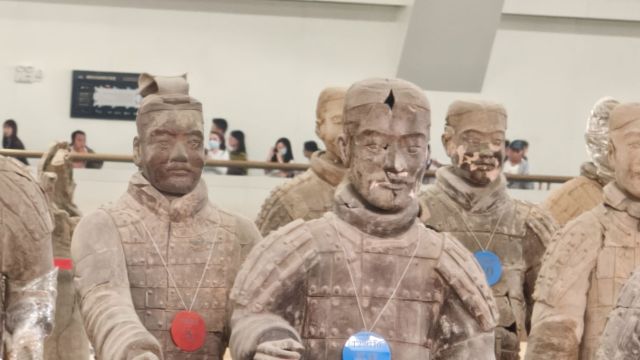
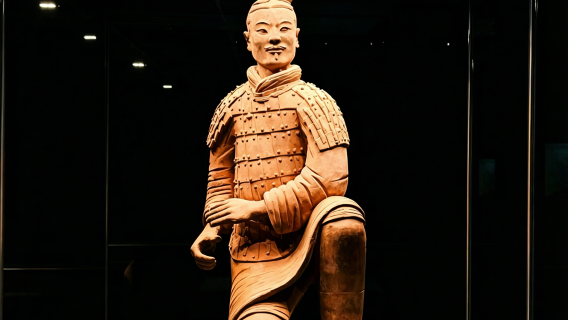
If Pit 1 impresses with its sheer size, this one captivates with its intricate detail and military strategy. And that's where many visitors start to notice something curious: every single soldier has distinct facial features.
🛡️ Pit 3: the command centre
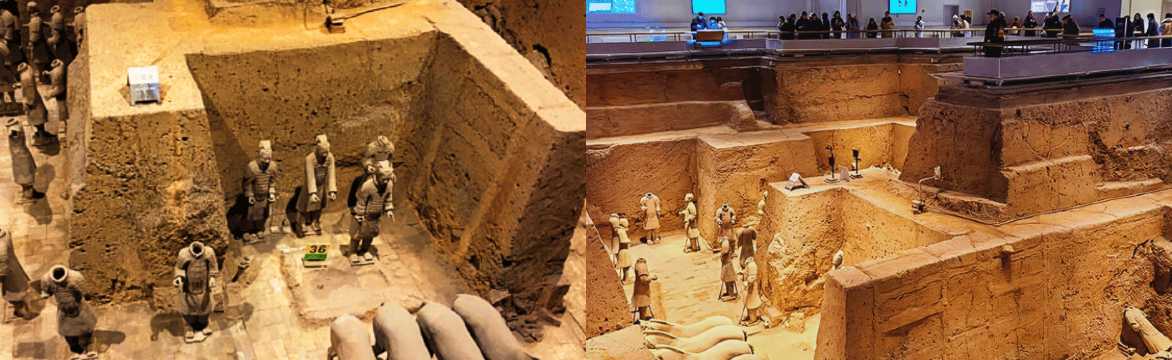
Pit 3 of the Terracotta Army is significantly smaller, but it plays a key role in the complex. This is where archaeologists believe the command post for Qin Shi Huang's funerary army was located.
To put it simply, it's like the headquarters of an underground army.
In this area, you'll find:
- Figures of high-ranking officers.
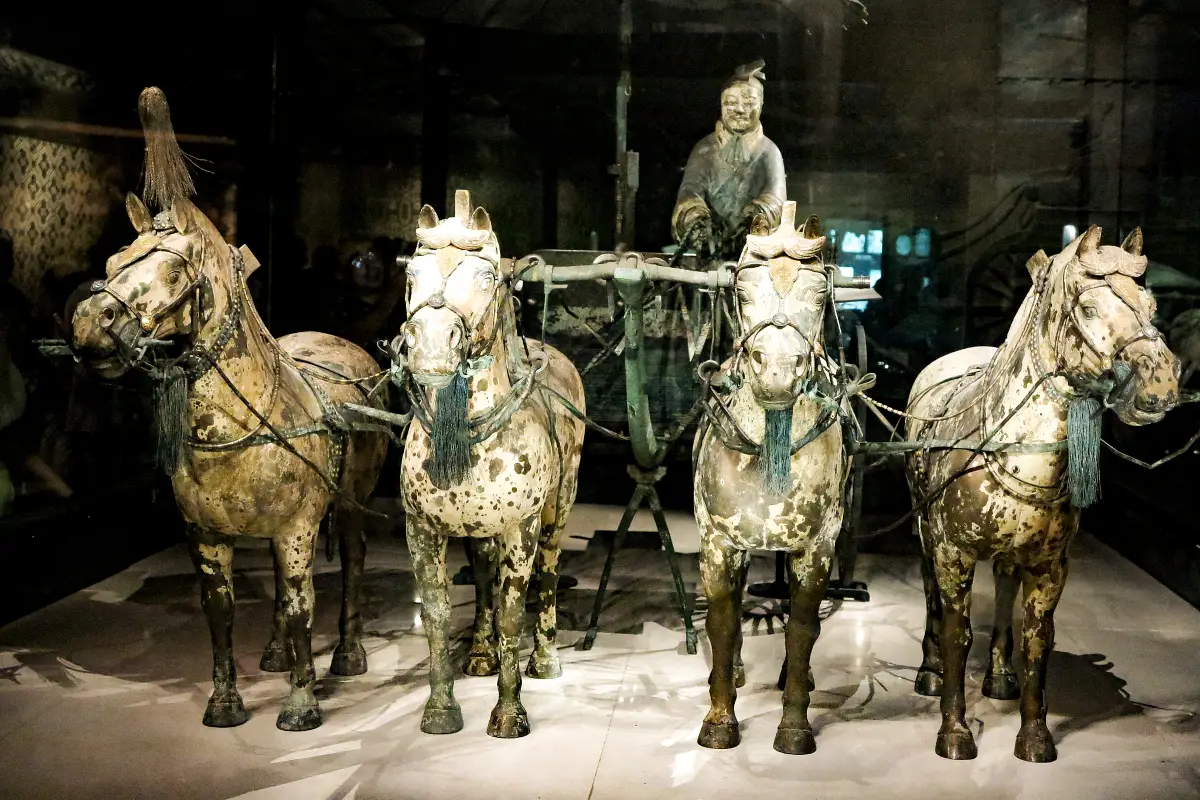
- A small ceremonial chariot.
- A formation that appears to represent a military council.
After seeing the other pits, this one seems more discreet. But, of course, that's where the historical detail lies: it shows how the army's hierarchy was structured.