Bringing Medication to China: Rules, Limits & Documents

By Tina
November 6, 2026
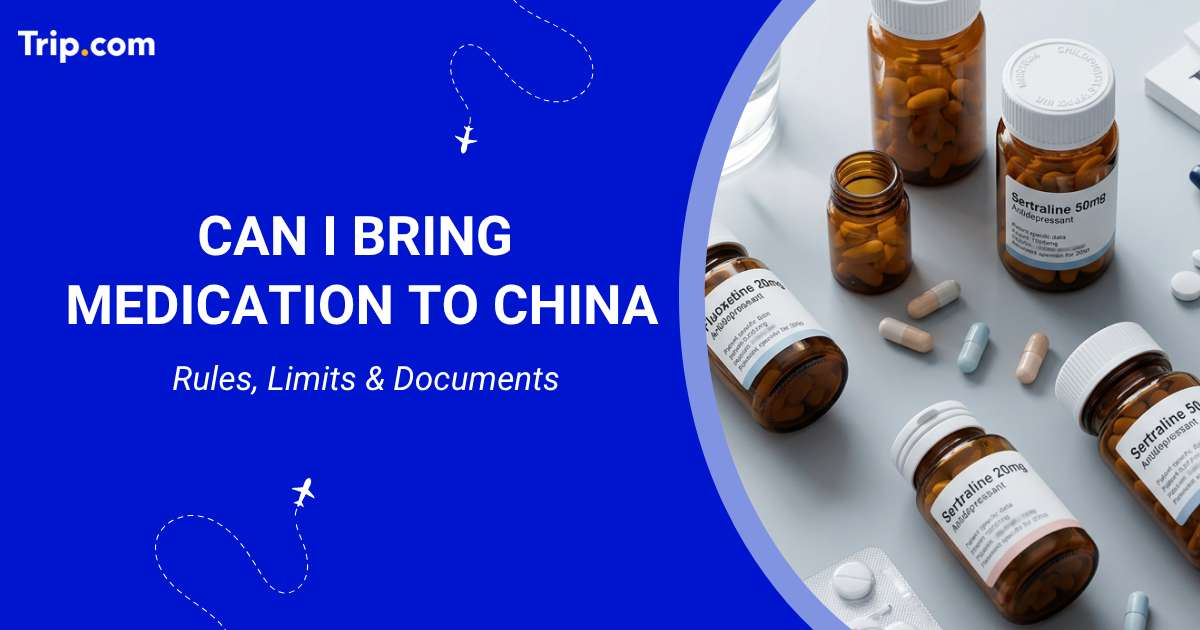
Whether you can bring medication into China depends on the drug category. Most prescription drugs and antidepressants require minimal paperwork, while narcotics, Category I/II psychotropics, and some ADHD medications have stricter limits or may be banned. Use this decision tree to prepare, and confirm your specific medication with the Chinese embassy or consulate before travel.
Bringing Medication to China: Categories at a Glance

Category | Examples | What You Need |
|---|---|---|
Ordinary prescription medicine | Most blood pressure, thyroid, and diabetes medication, many SSRIs and SNRIs | Original packaging, prescription recommended |
OTC products | Painkillers, allergy medicine, cold medicine | Original packaging, no prescription required for reasonable quantity |
Narcotic drugs | Strong opioid painkillers, some anaesthetics | Diagnosis certificate, prescription, ID, strict quantity limit |
Category I and II psychotropic medicines | Methylphenidate (Ritalin, Concerta), most benzodiazepines, zolpidem | Diagnosis certificate, prescription, ID, strict quantity limit |
The first category is the easiest to travel with. The last two are where most problems happen, because the paperwork requirements are specific and the allowed quantity is much smaller than most travellers expect.
Bringing Prescription Drugs and Antidepressants to China
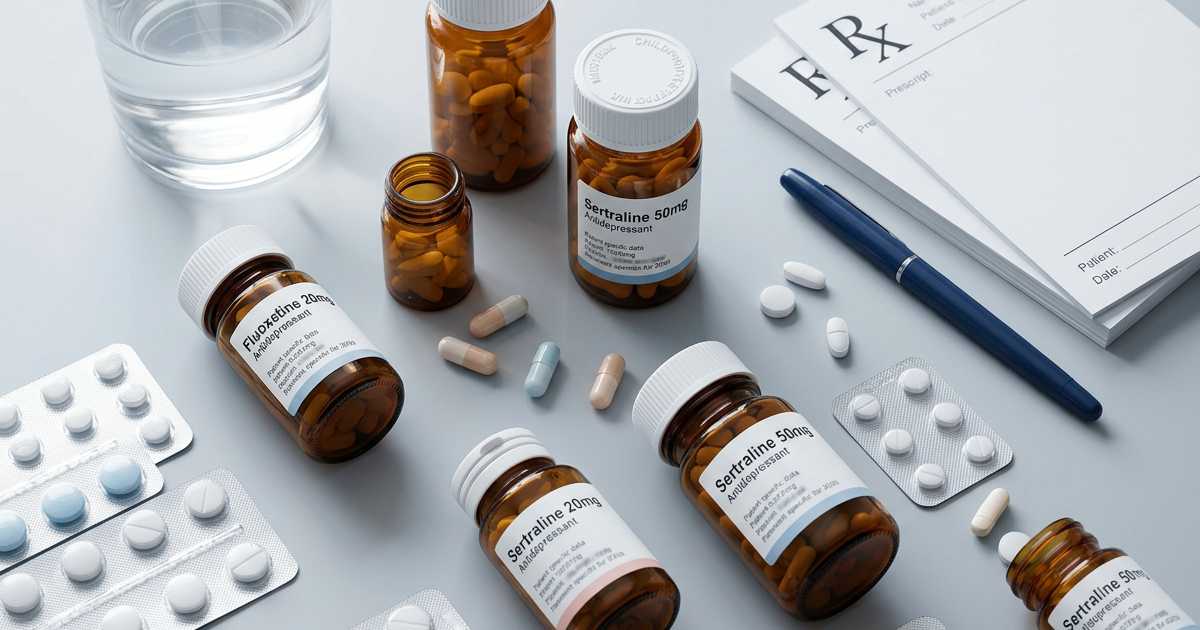
Most common prescription medicine, including blood pressure pills, thyroid medication, insulin, and most SSRI and SNRI antidepressants such as sertraline, fluoxetine, or escitalopram, is not classified as a controlled substance in China. These can generally be brought in for personal use in a reasonable quantity.
- Keep the medicine in its original packaging with the label showing the drug name, dosage, and expiry date.
- Bring the original prescription, ideally with the active ingredient written in English.
- A doctor's letter stating your condition, the medicine name, and the dose is not always required for this category, but it helps if customs asks questions.
- "Reasonable quantity" is judged by the length of your trip, not a fixed number of days. Bringing enough for a documented multi-month stay is generally fine as long as it matches your prescription.
to Beijing
to Xi'an
to Shanghai
See all flights


Which ADHD Medications Can You Bring to China?
This is the category with the most confusion, because the rules differ sharply by drug.
- Banned outright: Amphetamine-based medications, including Adderall and Vyvanse (Elvanse), are not permitted into mainland China, even with a valid foreign prescription. If you currently take one of these, talk to your prescribing doctor before your trip about switching to methylphenidate or atomoxetine.
- Allowed with strict documentation: Methylphenidate (sold as Ritalin or Concerta) is classified as a Category I psychotropic substance. It can be brought in, but only with a diagnosis certificate, the original prescription, and identification, and only up to a limited quantity.
- Generally easier: Atomoxetine is not a controlled substance in China, so it travels closer to an ordinary prescription medicine, though a doctor's letter is still worth carrying.
Do not plan to refill an ADHD prescription inside China. Supply is extremely limited, and pharmacies do not dispense against a foreign prescription.
Documents Needed for Bringing Controlled Medication to China
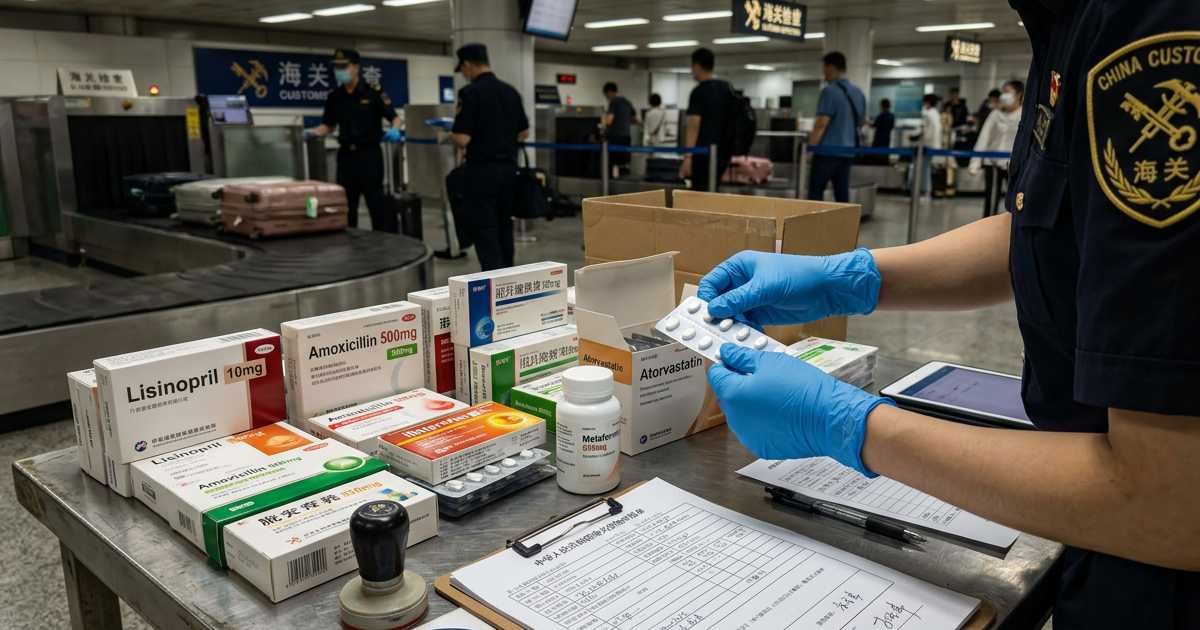
If your medication falls into the narcotic drug or Category I or II psychotropic category, which includes methylphenidate, most benzodiazepines such as Xanax and Valium, and sleep aids like zolpidem, you need all of the following:
- A diagnosis certificate from a medical institution, confirming your condition and naming the medication by both its active ingredient and brand name. A translated Chinese version is strongly recommended, since a simple general practitioner note may not be accepted.
- The original prescription, with the active ingredient named in English and matching the dispensing label on the original packaging.
- A copy of your passport or ID, to be presented alongside the medical documents.
- A doctor's letter explaining the necessity of the medication, which is worth having in both English and Chinese for longer stays.
Some sources indicate that certain controlled substances need pre authorisation from China's National Medical Products Administration before travel. If your medication falls into this group, start the process six to eight weeks ahead, since getting the right paperwork from your doctor takes time.
How Much Medication Can You Bring into China?
Quantity limits are far tighter for controlled substances than most travellers expect.
Medicine Type | Typical Limit |
|---|---|
Ordinary prescription medicine | Reasonable quantity for the length of your trip |
Category I psychotropic (regular tablets, e.g. methylphenidate) | Around a 3 day supply |
Category I psychotropic (extended release, e.g. Concerta) | Around a 7 day supply |
Category II psychotropic (e.g. most benzodiazepines, zolpidem) | Around a 7 day supply |
Narcotic or anaesthetic injection | A single dose |
These figures come from general customs guidance and can vary by case, since customs officers make the final decision at the border. If your trip is longer than these limits allow, ask your doctor about a non-controlled alternative, or contact a Chinese embassy or consulate for the latest rules before you fly.
Bringing Injectable and Refrigerated Medication into China
Injectable medication, including insulin and some biologic drugs, is generally allowed for personal use, but it needs extra preparation.
- Carry a doctor's letter describing the medication, dose, and why it needs to be injected.
- Bring injectable medicine in original, labelled packaging, along with the syringes or pens you need, since unlabelled needles can raise questions at security.
- For refrigerated medication, a small insulated travel case works for short flights. For longer trips, confirm with your hotel in advance whether they can store medication in a refrigerator.
- Airport security in China is familiar with insulin and similar medication, but having the doctor's letter ready speeds up the process.
Bringing Medication to China by Air or by Land
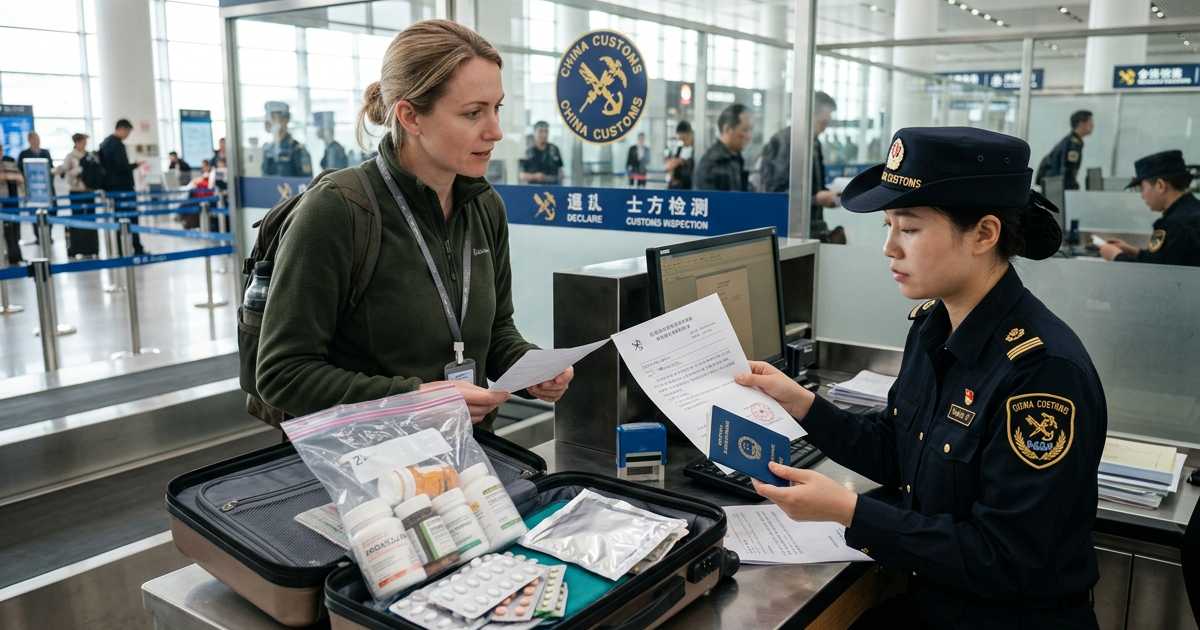
The category and document rules are the same whether you enter by air or by land, but airports tend to have more consistent screening for medication than smaller land crossings.
- By airport: Customs at major airports like Beijing, Shanghai, and Guangzhou handle traveller medication questions regularly, and officers are generally used to reviewing diagnosis certificates and prescriptions.
- By land border: Smaller crossings may have less familiarity with foreign medical documentation, which can mean more questions or a longer check. Carry the same full set of documents regardless of which way you enter.
- Either way: Keep controlled medication in your hand luggage, not checked luggage, and never mail medication into China separately, since that is treated as smuggling regardless of the medicine itself.
See all attractions
 1002722 booked




Essential Checklist for Bringing Medication to China
- Original prescription with the active ingredient named in English
- Medicine in its original, labelled packaging
- Doctor's letter stating diagnosis, medication name, dose, and travel dates
- Diagnosis certificate for narcotic drugs or Category I or II psychotropic medicines
- Copy of your passport or ID to present alongside medical documents
- Chinese translation of key documents for longer stays
China Hotel Deals and Recommendations
Hotels: Save up to 10% (Book online or on Mobile)
Homes & Apts: Save up to £39 (App-only deal)
Discover Top Hotels in China
Shanghai
Beijing
Guangzhou
See All Hotels



















FAQ – Bringing Medication to China
-
Can I bring ADHD medication into China?
-
Can I bring antidepressants into China?
-
What documents do I need for controlled medication?
-
How much medication can I bring into China?
More Travel Guides
Best China eSIM (with VPN) from £0.44
Find the best China eSIM plans, compare providers, learn how eSIM works, where to buy, setup steps, traveller reviews, FAQs, and tips for using eSIM in China.
November 7, 2026
Can You Take a Power Bank On a Plane?
Power Bank Rules 2026: Capacity Limits, Quantity Limits, Packing Rules, 3C Mark, Smart Baggage. Updated Flight Policies of Major Airlines. Know before you fly.
November 7, 2026
China 2026 Entry Rules for UK: Visa-Free Policy & Process
Complete guide to China entry requirements 2026. Learn visa-free countries, required documents, and step-by-step entry process for foreign travellers.
November 7, 2026
Disclaimer: This article has been provided by an individual contributor or third party platform. If there is any discrepancy regarding the copyright, please contact us directly and we will delete the content immediately.
Trending Searches
-
Travel guides