1 / 4




Mentioned in this post
View more
Related Trip Moments
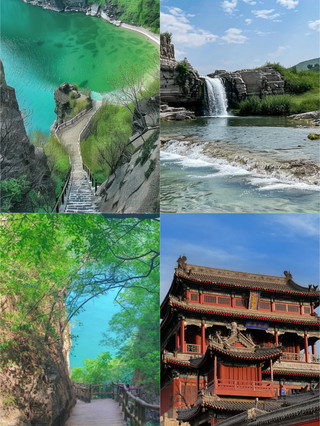
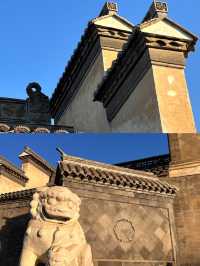
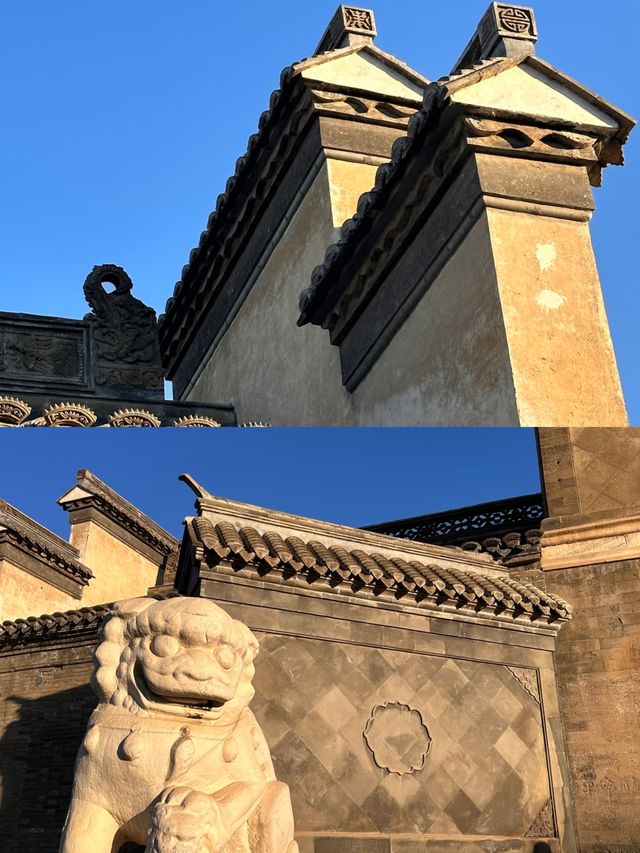
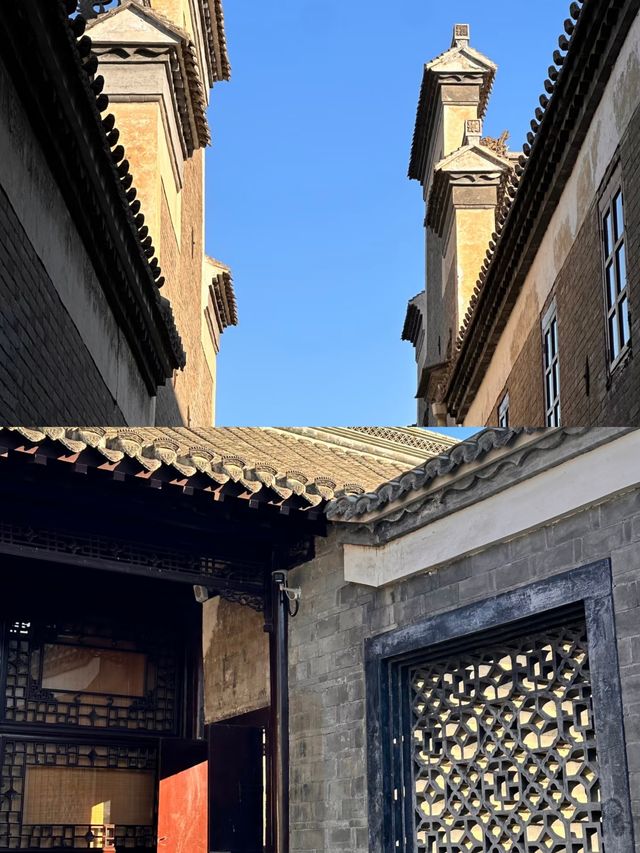
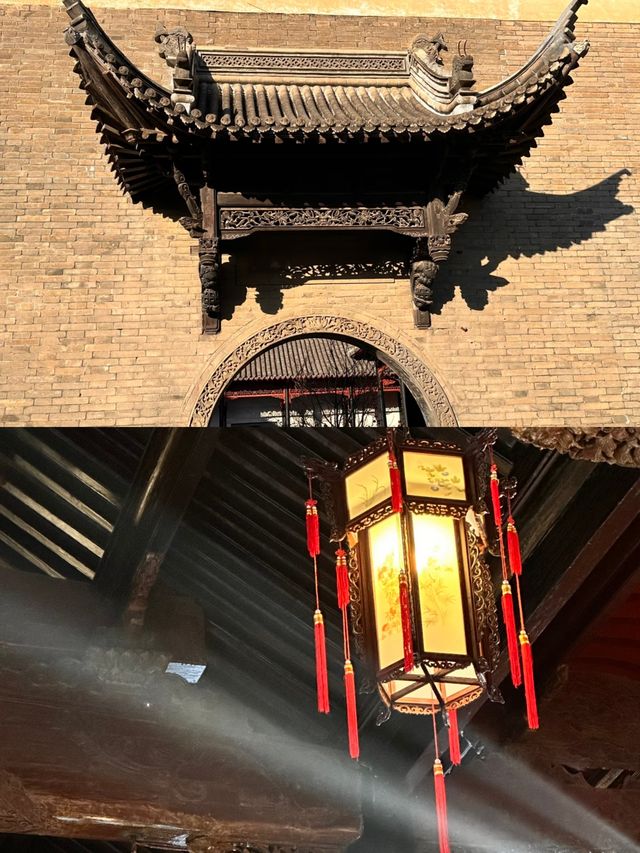
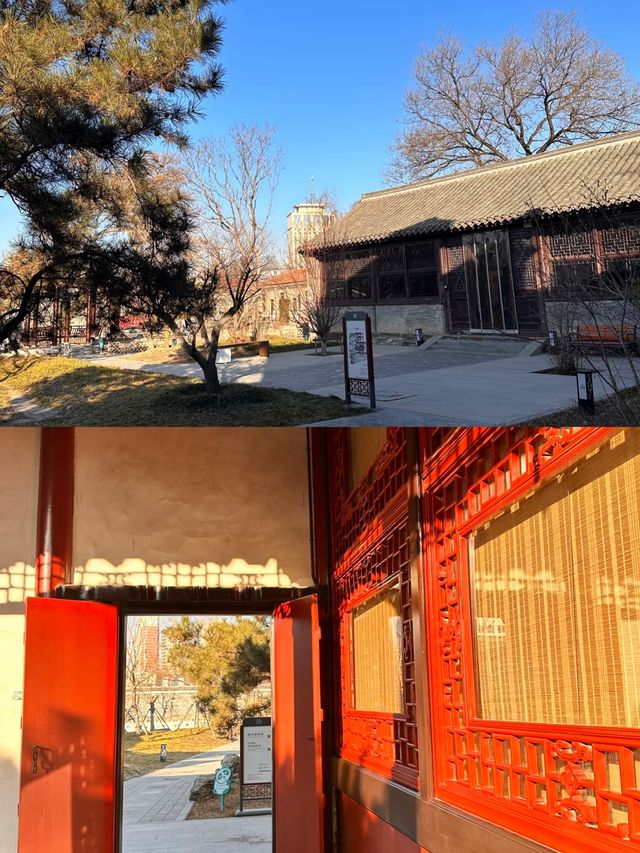
Zhili Governor-General's Office
Just got back from Baoding and it was a bit of a struggle; I don't recommend visiting in September or October.
 aelin_1526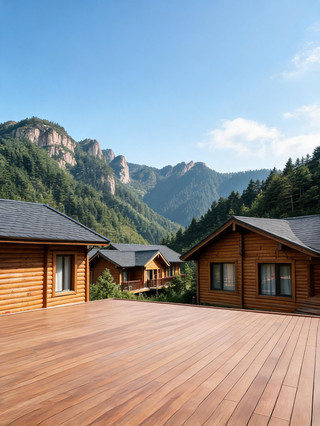
Mingshuang Tower
Stay in a homestay in the ancient city of Baoding and wake up in the century-old Zhili era.
 BRIAR HAMMOND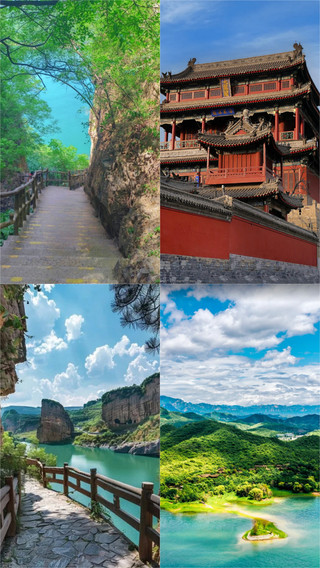
Zhili Governor-General's Office
I'm back from Baoding and it was a bit of a struggle; I don't recommend visiting in September or October.
 TravelCultureGuru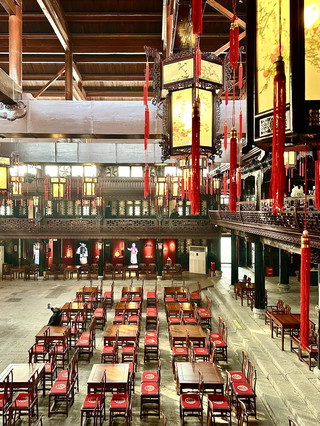
Zhili Governor-General's Office
48-hour Baoding travel guide: Experience a Zhili Citywalk
 Shine_Elijah_32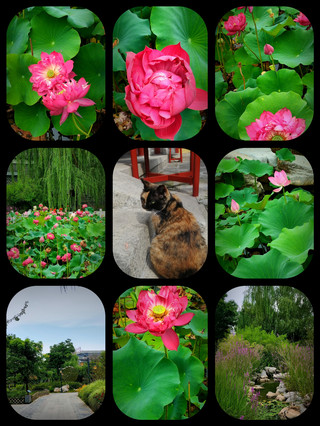
bao ding shi huai jun gong suo bo wu guan
Cangzhou Lion, Dingzhou Pagoda, and the "Big Split Melon" of Baoding Prefecture
 KNOX BLAIR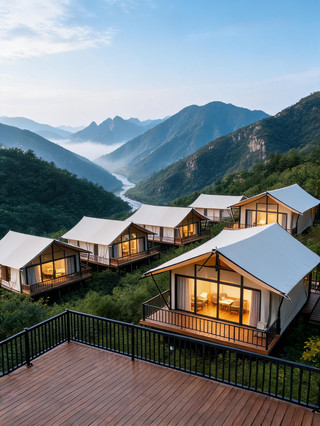
Tombs of Han at Mancheng
Stay in a historic courtyard in Baoding and travel back to a Qing Dynasty government office in a second
 Ame_lia Grace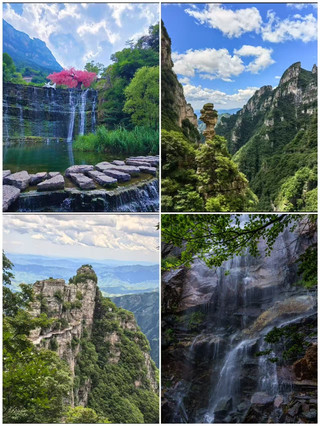
Langya Mountain
Baoding short trips: 4 hidden gems for an autumn getaway
 KALLIE BLAKE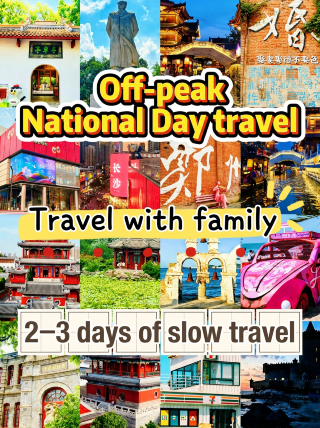
Erqi Square
Top picks for National Day family trips | 4 cities accessible by high-speed rail
 CascadeReveuse999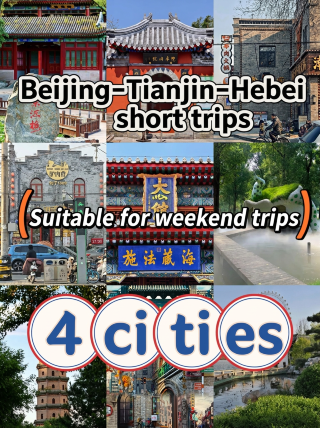
Puning Temple
Beijing-Tianjin-Hebei weekend escape plan: 4 small cities reachable by high-speed rail in 1 hour that are perfect for exploring
 The Traveling Food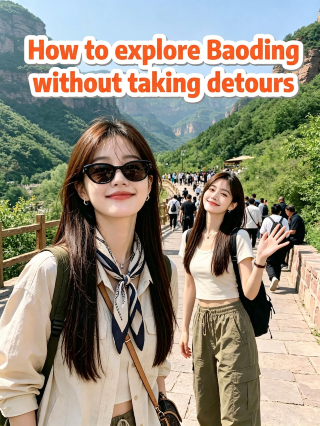
Zhili Governor-General's Office
How to explore Baoding on August 17 without backtracking
 WhimsicalExplorer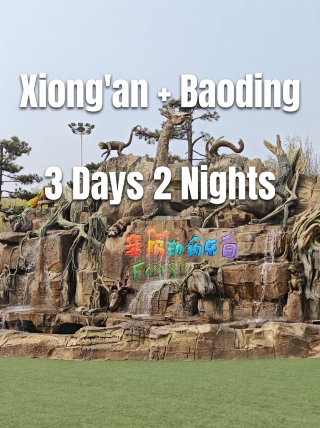
Xiong'an Simma Forest Animal Park
Xiong’an + Baoding 3 days 2 nights self-drive: no detours, slow travel, Xinma + Baiyangdian + Paleontology Museum
 jackwhisper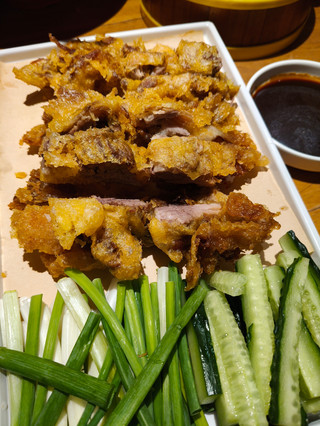
Zhili Governor-General's Office
Baoding Two-Day, One-Night Itinerary (City Center + Suburbs Classic Version) Transportation: Beijing → Baoding High-Speed Railway (approx. 40 minutes), taxi/cycling/public transport within the city.
 AvaKensington_12
More recommendations
Popular Trip Moments
The ultimate Beijing-Baoding guide for the National Day holiday—don't miss out! | Getaways near Beijing: 5 relaxing spots for a spontaneous trip | Gaobeidian Shouheng International Hotel | This stay was a total disappointment | Forget Baishishan, this place is amazing | Back from Yishui Lake, I've suffered... I really don't recommend going in Sept–Oct, it's just... | 4 relaxing family-friendly getaways within 1.5 hours of Beijing-Tianjin-Hebei | Uncrowded, stress-free, and budget-friendly | 2-hour trips from Beijing-Tianjin-Hebei! Mid-Autumn Festival and National Day short getaways | Zhuozhou Yaowang Temple, Hebei | 4 Ways to Explore Hebei! A Local's Guide to Avoiding Tourist Traps | 4 short-trip gems within 1 hour of Beijing | Relaxing weekend with kids, say no to high-intensity travel | 4 relaxing, budget-friendly, and uncrowded kid-friendly getaways within 1.5 hours of Beijing, Tianjin, and Hebei | Near Beijing | Quiet Northern Towns Off the Beaten Path | A day at Lover's Valley in Liuba: The kids run wild while I kick back | Yesanpo | A hidden landscape gem in the Taihang Mountains | Quieter than Tianjin, less crowded than Baoding, this hidden gem can no longer be kept secret | Day 21°C, night 10°C | 3 days, 2 nights in Baoding: A slow-paced autumn family getaway in Yanzhao | Mid-Autumn Festival 2-day Baoding guide: Save this to avoid tourist traps | Perfect for a September–October trip! 8 small autumn cities with fewer crowds and beautiful scenery | 4 Effortless Family Getaways Within 1.5h of Beijing-Tianjin-Hebei | Low Crowds, Stress-free, Budget-friendly | Beat the heat! Hidden summer retreats near Beijing, accessible by high-speed rail | Beijing| Hot pot is legendary! | Beijing-Tianjin-Hebei short trips for kids | 4 relaxing, budget-friendly, and low-crowd spots reachable in 1.5h, stress-free for parents | Just got back from Baoding and it was a bit of a struggle; I don't recommend visiting in September or October. | A great place to heal your body and mind~ A hidden gem waiting to be discovered | 1.5-hour getaways from Beijing-Tianjin-Hebei: 4 relaxing spots for family trips | Airfares have quietly dropped since the start of the school year, and everywhere is less crowded and the scenery is beautiful – perfect timing! | Renhe Hall, part of the Wang Family Manor in Yaoshan, is the core architectural complex within the manor. It is a large suite of ten courtyards, including four main courtyards and four western wing courtyards. | Travel Note 347 Fertile Land of Youyan Beautiful Zhuozhou | Yishui Lake | 3-hour high-speed rail escape plan! The ultimate Beijing-Tianjin-Hebei weekend getaway, and the 5th one is truly uncrowded!
Popular Destinations
Varanasi Travel | Hua Hin Travel | Ayada Travel | Fukuoka Travel | Arzachena Travel | Powys Travel | Kilifi Travel | Kenting National Park Travel | Uusimaa Travel | Shengsi Travel | Harderwijk Travel | Hoffman Estates Travel | Islay Travel | Washington County Travel | English Harbour Travel | Moreland City Travel | Hilvarenbeek Travel | Conway Travel | Morristown Travel | Slovakia Travel | Quernmore Travel | Giverny Travel | West Bay Travel | Sierra Morena de Ciudad Real Travel | Mae Fa Luang Travel | County Mayo Travel | San Miguel County Travel | xiandu Travel | Kolomna Travel
Recommended attractions at popular destinations
Popular Attractions in Bangkok | Popular Attractions in City of Manila | Popular Attractions in Tokyo | Popular Attractions in Taipei | Popular Attractions in Hong Kong | Popular Attractions in Seoul | Popular Attractions in Kuala Lumpur | Popular Attractions in Los Angeles | Popular Attractions in Shanghai | Popular Attractions in New York | Popular Attractions in Shenzhen | Popular Attractions in Osaka | Popular Attractions in Singapore | Popular Attractions in London | Popular Attractions in Guangzhou | Popular Attractions in San Francisco | Popular Attractions in Beijing | Popular Attractions in Macau | Popular Attractions in Bali | Popular Attractions in Jakarta | Popular Attractions in Paris | Popular Attractions in Ho Chi Minh City | Popular Attractions in Istanbul | Popular Attractions in Phuket | Popular Attractions in Chicago | Popular Attractions in Seattle | Popular Attractions in Toronto | Popular Attractions in Orlando | Popular Attractions in Cebu | Popular Attractions in Chiang Mai
Popular Restaurants in Baoding
ZHI LI AN JIA ZHAO BING | 保定兴芮商务酒店·自助餐厅 | Baodinghuiguan (zhongyin) | XIAO FANG NIU | 雄安温德姆酒店·元素全日制餐厅 | 雄安索菲特酒店·乐轩华中餐厅 | 保定电谷雅阁国际大酒店·锦江府中餐厅 | LAO BAO DING | Zhongyindashajiayuanxicantingzizhu | Baijiazhaobing | 保定院子(北唐店) | WANOMICHI | 保定电谷雅阁国际大酒店·绿谷咖啡西餐厅 | 雄安索菲特酒店·锦厨全日餐厅 | 金卯白肉罩火烧 | 小广东地摊猪肚鸡原味烧烤 | BAI FU NIU ZHAO | 圣林国际酒店•餐饮部 | 上谷厨院(时代店) | 老贰馅饼(向阳店) | Green Agriculture Ecological Park | 文曲星饺子主题餐厅(保定学院店) | 雪乡里铁锅炖(阳光店) | Pizza Hut (yuhua) | 雄安索菲特酒店·容特色餐厅 | Xiaofangniuhebeicai (wanbo) | 午德斋(西二环店) | 小放牛炒菜馆(百花店) | BAI LA NA BU LE SI PI SA DIAN | Bigebisazizhu (shangyedasha)
Popular Ranked Lists
Top 10 Global Traveller-Picked Attractions in Urumqi | Popular Premium Hotels Near Kyffhauserkreis | Top 50 Global Traveller-Picked Hotels in Shenzhen | Top 10 Global Traveller-Picked Attractions in Nanning | Popular Global Traveller-Picked Attractions in Zhangjiakou | Top 20 Global Traveller-Picked Attractions in Zhengzhou | Top 20 Global Traveller-Picked Restaurants in Nanning | Top 20 Global Traveller-Picked Hotels in Suzhou | Popular Premium Hotels in Durango | Top 50 Global Traveller-Picked Restaurants in Urumqi | Top 20 Global Traveller-Picked Restaurants in Taiyuan | Top 50 Global Traveller-Picked Attractions in Zhuhai | Popular Premium Hotels Near Oulunkaari | Top 50 Global Traveller-Picked Attractions in Guangzhou | Popular Global Traveller-Picked Attractions in Nantong | Popular Global Traveller-Picked Attractions in Hunchun | Top 20 Global Traveller-Picked Hotels in Zhongshan | Top 20 Global Traveller-Picked Hotels in Shangri-La | Popular Global Traveller-Picked Attractions in Zhongmu | Top 20 Global Traveller-Picked Restaurants in Lingshui | Top 50 Global Traveller-Picked Restaurants in Foshan | Top 50 Global Traveller-Picked Restaurants in Dalian | Top 50 Global Traveller-Picked Attractions in Harbin | Top 20 Global Traveller-Picked Attractions in Ningbo | Top 50 Global Traveller-Picked Restaurants in Chongqing | Top 20 Global Traveller-Picked Restaurants in Nanchang | Popular Premium Hotels Near Mount Macedon | Top 20 Global Traveller-Picked Restaurants in Leshan | Top 10 Global Traveller-Picked Attractions in Kaifeng | Top 50 Global Traveller-Picked Restaurants in Guangzhou