
LNER: London-Edinburgh from £41.40
Book early for cheaper fares to York, Leeds & Newcastle
🇬🇧 Save 25% on a 1-year Railcard
or 10% off a 3-year Railcard
Eurostar check-in, security & passport control: New rules explained

Lauren Ryan
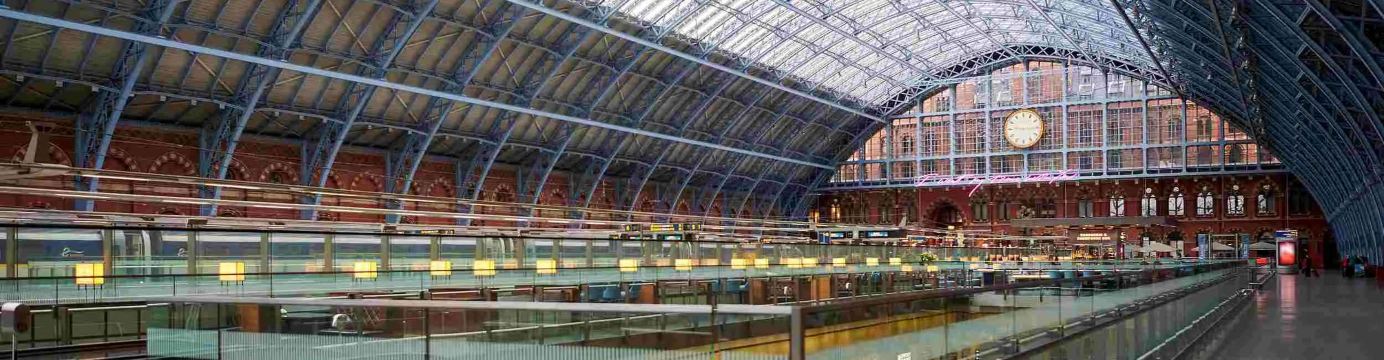
Preparing for a trip to the Continent on the Eurostar can often feel more like preparing for a flight than for a traditional train, especially if you’re going on holidays. But this can cause some confusion about how the Eurostar check-in actually works – when it comes to things like arrival times, security and passport control, the mix of traditional train and airport elements might leave you second-guessing how to go about things.
Eurostar’s check-in process is certainly distinct from traditional train departures – it follows a structured airport-style procedure whereby passengers must complete check-in, a security screening and border control before boarding. However, there are some differences to airport check-in too, especially when it comes to timings and luggage.
In this guide, we’ll share exactly how the Eurostar check-in works in 2026 – specifically, how early to arrive for check-in, what is involved in the security screening and the changes that have been rolled out as part of the new Eurostar check-in rules. Our breakdown will ensure you know exactly what you’re facing on your next Eurostar trip so you can meet the check-in desk with confidence.
Eurostar's new check-in rules explained
Eurostar check-in differs quite a bit from boarding domestic UK trains, and the new rules add an extra element to consider when arriving at your departure station.
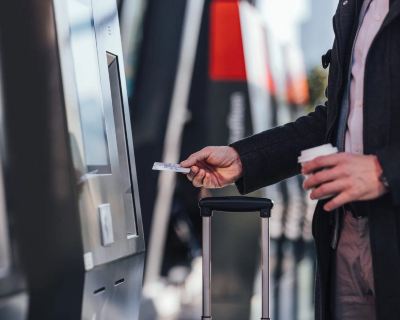
In general, the Eurostar check-in process involves scanning your digital ticket at the Eurostar departure gates to access the departure terminal. Ticket gates close 30 minutes before departure for most passengers, although gates stay open an extra 15 minutes for Premier passengers. Once you’ve entered the departure terminal, you will continue to security checks and passport control
Entry/Exit System rules for Eurostar
The new check-in rules for Eurostar journeys are part of the Entry/Exit System and may require you to arrive at the station earlier than usual. The EES is a new border check for non-EU residents – including British residents – to speed up border control in the future. If you are required to register for EES at the station, you will need to visit a kiosk and have your photo taken and your fingerprints scanned. Make sure to check the arrival time stated on your Eurostar ticket and arrive at the station within that window – this time will take into consideration all aspects of the check-in process, including possible EES registration time. Once you’re registered, you won’t have to complete this process again.
As you can see, it’s important to consult the arrival time stated on your Eurostar ticket and abide by this recommendation to ensure you have adequate time to get through the ticket gates, security and passport control, as well as any fingerprints and facial scanning that may be required under the new Eurostar check-in rules.
How early do you need to arrive for Eurostar?
Eurostar check-in times vary by station and ticket class and can often experience surges in queues during peak days and seasons. The typical recommended arrival window is about 60 to 90 minutes before departure in order to allow time for passing the ticket gates, security and passport control.
When travelling from London St Pancras as a Standard passenger, for example, the general recommended Eurostar arrival time is 75 minutes, while a Eurostar Premier passenger travelling from Rotterdam only needs to arrive 30 minutes in advance.
When you download your ticket, the most up-to-date recommended arrival time will be stated there. This is the most accurate recommendation for your journey and takes into account the entire check-in process as well as any potential EES registration.
Eurostar security process explained
After you pass the ticket gates and enter the departure terminal, you will continue on to the security screening. Eurostar security is a controlled airport-style screening that follows the same principles as airport security, albeit the rules are much more relaxed.
You will need to place your bags on the conveyor belt to be scanned, where they will be checked for any prohibited items. Luckily, the list of prohibited items here is much shorter than at the airport – Eurostar security even permits liquids of any size to be brought through! Once your bag is on the belt, you will pass through a metal detector, and your security screening is complete.
Eurostar passport control and border checks
When you travel to the Continent with Eurostar, you will pass through both exit and entry border control before you board. So Eurostar passport control will check your passport twice: once for leaving the UK and again for entering your destination country, e.g., France or Belgium.
Having both Eurostar passport checks at the departure side prevents bottlenecks at the arrival station – 900 people arriving at once could cause severe and potentially dangerous overcrowding – and means once you arrive at your destination, you can sail straight through to the exit without anything to hold you up.
What you can and cannot bring through security?
When it comes to what is allowed through Eurostar security, you’ll be happy to hear that the rules are much more relaxed compared to airport security. The rules in place revolve around passenger safety, so you can relax on your journey.
You can generally bring food on board in your luggage, with no restrictions in place if you intend to eat it on board. For food you intend to consume outside the train, customs rules apply – this typically means you cannot bring meat or dairy products, although specific rules vary by country.
The real win when travelling with Eurostar as opposed to flying is Eurostar security’s liquids policy – there is no limit on the amount of liquids you can bring on board. No more portioning out 100 ml doses of your shampoo and sunscreen – yay! It also means you can bring home full-sized bottles of wine from France, or liquids of any size from wherever you’re going.
Prohibited items on the Eurostar are the usual suspects: anything inherently dangerous or that could cause harm to others, such as weapons, sharp objects and knives, drugs and lithium e-bike batteries.
Step-by-step Eurostar departure journey
Arrival
When heading to your departure station – let’s assume London St Pancras International – you should aim to arrive with the recommended time stated on your ticket – usually 75 to 90 minutes before departure. Once you arrive, head to the Eurostar International Departures; this is located on the main concourse about halfway along the Main Arcade.
Check-in
Next, make your way to the ticket gates. Before reaching them, you may be asked by staff to register your biometrics – face and fingerprints – at a kiosk as part of the new Eurostar check-in rules for the EES. You’ll only need to do this if you haven’t registered before, and it should speed up future checks.
Once you get to the gates, all you need to do is scan the QR code on your digital or paper ticket. If your ticket doesn’t have a barcode or QR code, you will need to speak to a member of staff to check in. Each ticket needs to be scanned individually, and once the gates open, you can pass through and head to security.
(By the way, you'll also find priority lanes on the far right when facing the ticket gates, which can be used by Eurostar Premier passengers and Carte Blanche and Étoile Club Eurostar members.)
Security
After your ticket has been scanned, you’ll enter the security area. This is where your bags will be scanned and you will pass through a metal detector. You won’t have to worry about weight limits, but you will need to be able to safely lift your luggage onto the conveyor belt without assistance.
Luckily, security is a bit more relaxed for Eurostar compared to airports – no need to worry about liquid limits here. If you’re wearing a belt or smartwatch, you’ll just be asked to pop those in a separate tray along with your phone and any loose change. Everything else can stay in your bag as it passes through the scanner. Then you’ll just be asked to walk through the metal detector before continuing to passport control.
Passport Control
Your passport will need to be checked at Eurostar passport control: once for the country you’re leaving, e.g., England, and once for the country you're entering, e.g., France. This only applies to journeys that cross between the UK and the Schengen Area.
Departures lounge
Once you’ve completed your border checks, you’ll enter the Eurostar departures lounge, where you will spend the rest of the time before boarding. At London St Pancras, the lounge is located on the first floor, and you will find a Pret a Manger, a tax-free shop, toilets and ATMs. Eurostar Premier passengers and Carte Blanche and Étoile Club Eurostar members can also access the Eurostar Premier Lounge up to two hours before departure for an even more comfortable pre-departure experience.
Boarding
About 20 minutes before departure, the screens in the departure lounge will display your train’s platform. You can then head to your indicated platform – located on the upper level between platforms 5 and 10 at St Pancras – and continue to find your seats and enjoy a comfortable, seamless journey.
Tips for a smooth Eurostar check-in experience
Early arrival
To make sure your Eurostar check-in goes as smoothly as possible, we have a few golden rules to follow that make every journey a seamless experience for everyone involved. The first goes without saying: arrive on time. Your ticket will state a recommended time to arrive that takes into consideration all the different check-in steps so that you will get through before the gates close. Peak days and the new Eurostar check-in rules may cause longer queues, so arriving early is a must.
Learn the rules beforehand
Another essential tip is to check the border requirements for your journey and prepare accordingly in advance. This means gathering your documents – your passport and Advance Passenger Information are the usual suspects – to ensure a smooth Eurostar check-in experience.
Research where the terminal is
We also recommend getting to know the terminal layout of your departure station. With major interchanges such as St Pancras International, this can really smooth the process and ensure you feel less lost on travel day. You’ll find station maps online to help you familiarise yourself with where you need to head on the day so that when the time comes, you walk through the station with a bit more confidence. Don’t worry – if you still feel lost, you can usually find a staff member to help guide you in the right direction.
Always stay informed
And one last indispensable tip: check the platform screens for announcements. These screens, located in the Eurostar Departures Lounge, are where you will find out which platform your train is leaving from, as well as any potential changes to your journey, such as delays. You must keep an eye on this screen to stay in the know on your journey.
Eurostar check-in FAQs
How early should I arrive for the Eurostar?
The recommended arrival time for Eurostar journeys is usually 75–90 minutes, although this varies by station and ticket class. For trains from London St Pancras, you should generally arrive 75 minutes before departure. The recommended arrival time for your specific journey will also be stated on your ticket.
Do you go through security on Eurostar?
Yes, you will need to pass through security before boarding your Eurostar train. This generally involves having your bag(s) scanned for prohibited items and passing through a metal detector.
What time does Eurostar check-in close?
Eurostar check-in gates usually close 30 minutes before departure, although Eurostar Premier passengers can arrive just 15 minutes before departure.
Is Eurostar security like airport security?
Yes, Eurostar security is similar to airport security in that you will need to have your bags scanned on a conveyor belt and pass through a metal detector. However, it is slightly less strict than airport security – there are no weight limits or liquid restrictions, so you can travel a bit more flexibly.
Do I need a passport for Eurostar?
Usually, yes, you will need a passport for Eurostar journeys – specifically ones that cross from the UK to the Schengen Area or vice versa. For Eurostar journeys within the Schengen Area, for example, from Brussels to Paris, a passport is not required.
Top Guides

LNER seating plan: Where am I sitting?


Getting the train to Snowdonia | Stations, Routes & FAQs


Getting the train to Stonehenge | Stations, Routes & FAQs

Getting the train to Thorpe Park | Stations, Routes & FAQs
Getting the train to Tottenham Hotspur Stadium | Stations & Routes

Getting the train to Warwick Castle | Stations, Routes & FAQs
Off-Peak train times: The full guide
Split save train tickets - Explained
Table of Contents
- Eurostar's new check-in rules explained
- How early do you need to arrive for Eurostar?
- Eurostar security process explained
- Eurostar passport control and border checks
- What you can and cannot bring through security?
- Step-by-step Eurostar departure journey
- Tips for a smooth Eurostar check-in experience
- Eurostar check-in FAQs
Ready to plan your trip?
Fri, Oct 16
13:00
Add return
Open return
Search
1 adult 0 children, 0 Railcards
Explore hotels
Related travel guides
 Updated: October 16, 2026
Trains to Cologne from London: Eurostar guide
 Updated: October 16, 2026
Our 5 best food cities to visit by Eurostar
 Updated: October 16, 2026
Eurostar Promo: Fares from £35 on Eurostar Standard
 Updated: October 16, 2026
Can you use a Railcard on the Eurostar?
 Updated: October 16, 2026
Best time to book Eurostar tickets: Cheapest times revealed
 Updated: October 16, 2026
What is the Eurostar Snow Train (formerly Eurostar Ski)?
 Updated: October 16, 2026
When are the last Eurostar trains to London?
 Updated: October 16, 2026
Trains to Paris from London: Eurostar guide
 Updated: October 16, 2026
UK rail network guide
 Updated: October 16, 2026
How to change your Railcard photo: Rules, steps and tips
 Updated: October 16, 2026
Railcard photo requirements: What you need to know?
 Updated: October 16, 2026
Can I break up my train journey to make a stop-off?
 Updated: October 16, 2026
How to use Live Train Departures and Arrivals on Trip.com
 Updated: October 16, 2026
What luggage can you take on the Eurostar?
 Updated: October 16, 2026
Train luggage - policies & allowance explained
 Updated: October 16, 2026
Are train seat reservations necessary in the UK?
 Updated: October 16, 2026
GroupSave tickets: How to earn discounts on group travel
 Updated: October 16, 2026
Do Railcards work on the Tube? Railcard Tube discount guide
 Updated: October 16, 2026
Can you use a Railcard on a Season Ticket? Rules and savings explained
 Updated: October 16, 2026
What is the quiet coach on UK trains? Rules and carriage explained
 Updated: October 16, 2026
What to do if you’ve just missed your train: A step-by-step guide
 Updated: October 16, 2026
Do trains run on Christmas, Boxing Day and New Year’s Day?
Latest Travel Guides
Getting the train to the Etihad Stadium | Stations & Routes
Updated: October 16, 2026

Getting the train to Legoland Windsor | Stations, Routes & FAQs
Updated: October 16, 2026

Getting the train to Old Trafford | Stations & Routes
Updated: October 16, 2026
Trains to Seven Sisters
Updated: October 16, 2026

Getting the train to Snowdonia | Stations, Routes & FAQs
Updated: October 16, 2026

Getting the train to Stonehenge | Stations, Routes & FAQs
Updated: October 16, 2026

Getting the train to Thorpe Park | Stations, Routes & FAQs
Updated: October 16, 2026
Travelling by train to Stamford Bridge | Stations & Routes
Updated: October 16, 2026
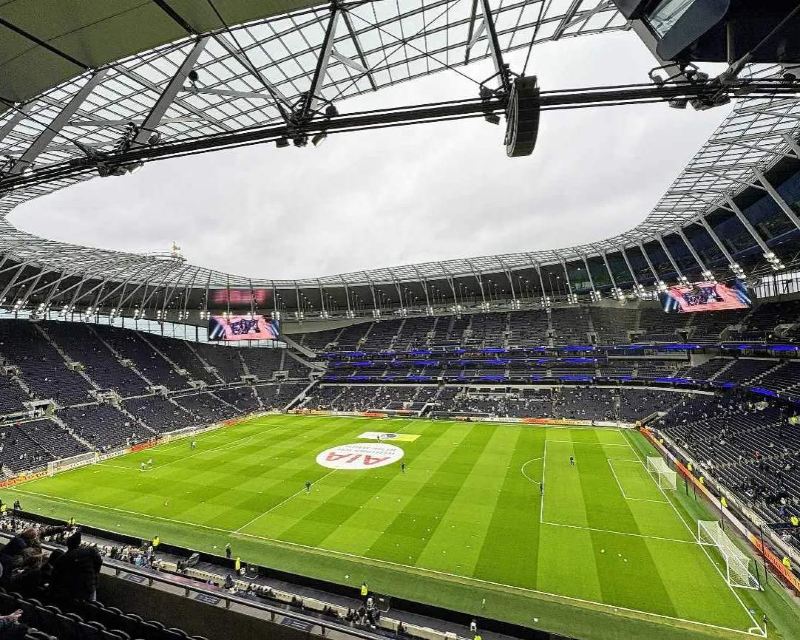
Getting the train to Tottenham Hotspur Stadium | Stations & Routes
Updated: October 16, 2026

Getting the train to Warwick Castle | Stations, Routes & FAQs
Updated: October 16, 2026
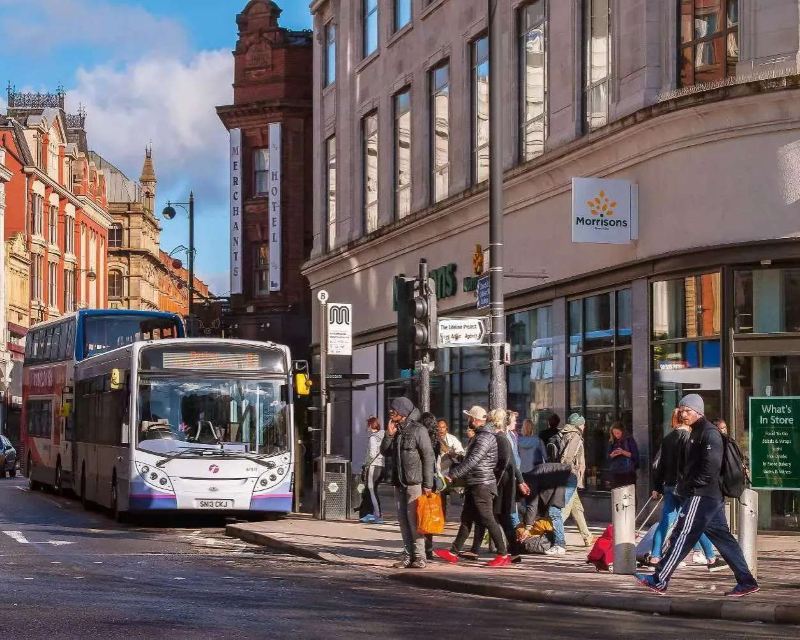
Manchester city break: best hotels & a 2-day train itinerary
Updated: October 16, 2026

York weekend break by train: The ultimate itinerary and best hotels
Updated: October 16, 2026
Latest Travel Guides
- Getting the train to the Etihad Stadium | Stations & RoutesUpdated: October 16, 2026
- Getting the train to Legoland Windsor | Stations, Routes & FAQsUpdated: October 16, 2026
- Getting the train to Old Trafford | Stations & RoutesUpdated: October 16, 2026
- Trains to Seven SistersUpdated: October 16, 2026
- Getting the train to Snowdonia | Stations, Routes & FAQsUpdated: October 16, 2026
- Getting the train to Stonehenge | Stations, Routes & FAQsUpdated: October 16, 2026
- Getting the train to Thorpe Park | Stations, Routes & FAQsUpdated: October 16, 2026
- Travelling by train to Stamford Bridge | Stations & RoutesUpdated: October 16, 2026
- Getting the train to Tottenham Hotspur Stadium | Stations & RoutesUpdated: October 16, 2026
- Getting the train to Warwick Castle | Stations, Routes & FAQsUpdated: October 16, 2026
- Manchester city break: best hotels & a 2-day train itineraryUpdated: October 16, 2026
- York weekend break by train: The ultimate itinerary and best hotelsUpdated: October 16, 2026