
Hokuriku Pass: Beyond The Golden Route


Four passes share the Hokuriku name, however, and with similar-sounding titles and overlapping coverage, it's worth making sure you pick the right one. Each is designed for a different starting city, travel duration, and budget.
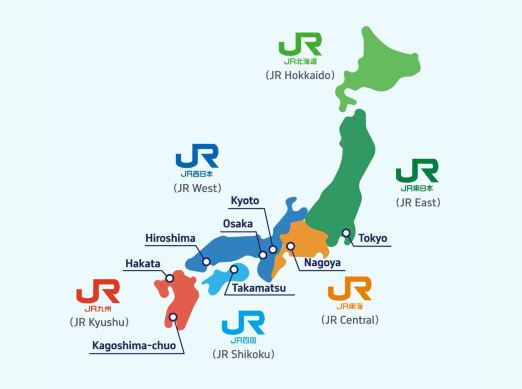
JR Hokuriku Pass Coverage and Map
All four Hokuriku passes include the Hokuriku Shinkansen between Kurobe-Unazukionsen and Tsuruga, the JR West section of a line that runs from Tokyo to Tsuruga across both JR East and JR West territory. A third operator, JR Central, covers the section around Nagoya, including the Japanese Alps, Takayama, and the southern half of the Kii Peninsula, but not the northern Sea of Japan coast, and none of the four Hokuriku passes is valid on JR Central services.
JR Hokuriku Pass Cost and Validity
Four passes, four price points, and four very different coverage footprints. The table below shows the full range, from the compact 4-day local option at ¥7,000 to the 7-day Tokyo-to-Osaka arc at ¥35,000.
Choosing the right rail pass before you book avoids paying for routes you won't use, or discovering mid-trip that your pass won't reach the station you need.
Type of Pass | Validity Period | Adult Price | Child Price(6-11) | Top Destinations |
|---|---|---|---|---|
Hokuriku Arch Pass | 7 days | JPY 35,000* | JPY 17,500 |
|
Kansai-Hokuriku Area Pass | 7 days | JPY 19,000 | JPY 9,500 |
|
Takayama-Hokuriku Area Tourist Pass | 5 days | JPY 19,800 | JPY 9,900 |
|
4 days | JPY 7,000 | JPY 3,500 |
|
Choose your Pass by Your Travel Days
With four passes covering different corners of the same region, the right choice of Hokuriku pass comes down to three things – where you're starting from, where you want to travel to, and how many days you have to get there. Here's how they compare.
The Sea of Japan: The JR Hokuriku Area Pass (4 Days)
From Fukui, local rail and bus services connect to Eiheiji, an ancient Zen monastery set deep in a cedar forest that has been in continuous use since the 13th century. In Kanazawa, the Kenroku-en garden and the restored Higashi Chaya geisha district reward a full afternoon, while Awara Onsen, a quiet hot spring town in northern Fukui with a small geisha quarter and ryokan with mountain views, remains largely undiscovered.
At ¥7,000 for four consecutive days, the pass covers JR West trains, limited express services, and local lines across the region. Non-reserved seats on the Hokuriku Shinkansen within the covered section (Tsuruga to Kurobe-Unazukionsen) are included, while seat reservations require an additional supplement. Please note that the Hokuriku Area Pass must be purchased before you travel, it is not available to buy at Japanese stations or airports.
Best for travellers already in the Hokuriku region, or arriving from Osaka, who want to explore the Sea of Japan coast in depth without paying for extra coverage.
From Nagoya or Osaka: The Takayama-Hokuriku Area Tourist Pass (5 Days)
Through river gorges and cedar valleys, the journey north from Nagoya on the Hida limited express threads through the Japanese Alps for two and a half hours with a stop at Gero Onsen, one of Japan's three great hot spring towns, before arriving into Takayama, a mountain town of preserved Edo-era streets and sake breweries that has changed little in two centuries.
From Takayama, the included Nohi Bus winds to the UNESCO World Heritage village of Shirakawa-go, where steep thatched-roof farmhouses rise from the valley floor exactly as they did three hundred years ago.
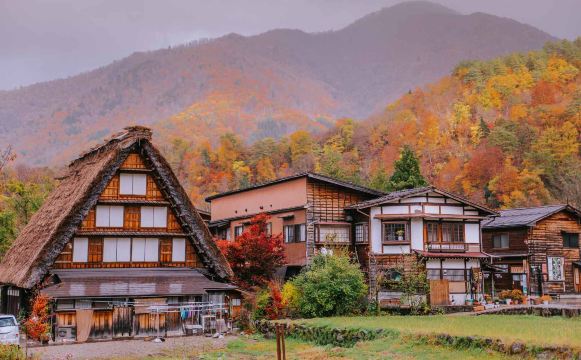
From there, the route continues to Kanazawa, where you can discover gold-leafed soft ice, hidden chambers at a Ninja Temple, and the earthen-walled lanes of the Nagamachi samurai district. While further along the coast, the onsen towns of Kaga and Awara Onsen offer traditional ryokan before the line swings south to the bustling cities of Kyoto and Osaka.
Priced at ¥19,800 for five consecutive days, the pass covers the Hida limited express from Nagoya, the Nohi Bus to Shirakawa-go, the Hokuriku Shinkansen through Kanazawa and Fukui, and connections into Kyoto, Osaka, and Kansai Airport. Note that the Tokaido Shinkansen between Kyoto and Shin-Osaka is not covered.
Best for travellers starting from Nagoya or Osaka who want to combine the mountain towns of Gifu with the coast, taking in UNESCO World Heritage Shirakawa-go along the way.
From Osaka or Kyoto: The Kansai-Hokuriku Area Pass (7 Days)
Of the four passes, the Kansai-Hokuriku Area Pass covers the most ground. Seven days of JR West travel radiate outward from Osaka and Kyoto in three directions: north along the Hokuriku Shinkansen to Kanazawa, Toyama, and the Kurobe Gorge; northwest along the San'in coast to the sand dunes of Tottori and Amanohashidate, one of Japan's three great views; and west along the Sanyo Shinkansen to Okayama, Kurashiki, and the art island of Naoshima.
The pass also covers the Thunderbird limited express connecting Osaka to Kanazawa in under two and a half hours, Kinosaki Onsen on the Sea of Japan coast, and the temple mountain of Koyasan in Wakayama. And at ¥19,000 for seven consecutive days, the pass covers the full JR West network across Kansai and Hokuriku, the widest footprint of any pass on this list.
Best for travellers based in Osaka or Kyoto who want to explore in every direction, combining the cultural depth of the Hokuriku coast with the art islands and castle towns of the Sanyo corridor.
From Tokyo or Osaka: The Hokuriku Arch Pass (7 Days)
The Hokuriku Arch Pass is built for the full arc between Tokyo and Osaka via the Sea of Japan coast, with seven days to stop wherever the mountains or coastline demand it.
The route sweeps counter-clockwise across the country – from Tokyo west through the mountain temples of Nagano, north to Toyama and the Kurobe Gorge, then along the coast to Kanazawa, where you can discover the Kenroku-en garden, the Higashi Chaya geisha district and the city's gold-leaf workshops. Fukui rewards a stop for the cedar forest monastery of Eiheiji and the sea cliffs of Tojinbo, before the line then swings south to Kyoto and Osaka.
At ¥35,000 for seven consecutive days, the pass covers both JR East and JR West lines, all Hokuriku Shinkansen services, the Tokyo Monorail to Haneda Airport, the Noto Railway to Wakuraonsen, and Hapi-Line in Fukui.
Best for travellers making a one-way journey between Tokyo and Osaka who want to take the scenic route and discover a Japan the Golden Route can’t touch.
JR Hokuriku Seat Reservation Rules
The four passes follow sharply different reservation rules, and knowing yours before you board will help you avoid any unwanted surprises.
On the unlimited passes, ticket vending machines enforce a six-print limit, so it’s best to use a manned ticket office from your seventh reservation onwards. Reservations open one month before travel. GranClass and Green Car carriages require a separate supplement on all four passes.
Limited Express Hida services and Hokuriku Shinkansen departures fill quickly during Japanese public holidays, so book your seat reservations through Trip.com in advance to avoid missing the trains you want.
How to purchase and exchange your JR Hokuriku Pass via Trip.com?
Booking your JR Hokuriku Pass on Trip.com takes only a few minutes, and your exchange voucher will be delivered to your inbox instantly. All four passes are only available to foreign tourists on temporary visitor visas, so make sure your passport carries the right entry stamp before heading to the exchange window.
Step 1: Select Your Pass
Choose the pass that fits your itinerary best, as well as your travel start date and number of travellers. Children aged 6 to 11 are automatically priced at half the adult fare, while children under 6 travel free of charge unless a seat reservation is required. Then just click "Book Now."
Step 2: Fill In Your Details
Enter each traveller's name, age, nationality, contact number, and e-mail address. Make sure that each name matches each passport exactly. If you have a promotional code, you can add it here. Then click "Continue."
Step 3: Secure Your Payment
Trip.com accepts credit and debit cards, Apple Pay, PayPal, and Google Pay. Trip Coins and Gift Cards can also be applied at checkout.
Step 4: Receive Your Exchange Order
Your pass will arrive either as an e-ticket PDF to your e-mail address, or as a physical voucher by post. Please note that the e-ticket is an exchange document only and cannot be scanned at station barriers. It must be exchanged for a physical pass before you can start travelling. Exchange orders are valid for three months from the purchase date.
Step 5: Exchange in Japan
Just show your voucher and passport at a designated exchange location to receive your physical Hokuriku Pass.
- Hokuriku Arch Pass: JR East at Tokyo Station, Narita, or Haneda; or JR West at Osaka, Kyoto, or Kansai Airport.
- Takayama-Hokuriku Area Tourist Pass: JR Central at Nagoya Station or Chubu Centrair Airport; or JR West in Osaka or Kyoto.
- Kansai-Hokuriku Area Pass: JR West in Osaka, Kyoto, or Kansai Airport.
- Hokuriku Area Pass: JR West in Osaka, Kyoto, Kanazawa, Toyama, or Fukui.
Reserve your seats for the Hida Limited Express, Shinkansen services and any other seat reservations at the same counter. The Hokuriku Arch Pass includes unlimited free reservations, while the Takayama-Hokuriku includes six, and the Hokuriku Area Pass includes none. Reservations open one month before travel.
Step 6: All Aboard
Japan's most rewarding journeys are rarely the obvious ones. The Japanese Alps, the Sea of Japan coastline, the temples of Kyoto, the gardens of Kanazawa, the thatched valleys of Shirakawa-go – the Hokuriku region was always worth the detour. And now you have the pass to discover it.






- JR Hokuriku Pass Coverage and Map
- JR Hokuriku Pass Cost and Validity
- Choose your Pass by Your Travel Days
- JR Hokuriku Seat Reservation Rules
- How to purchase and exchange your JR Hokuriku Pass via Trip.com?
Related travel guides
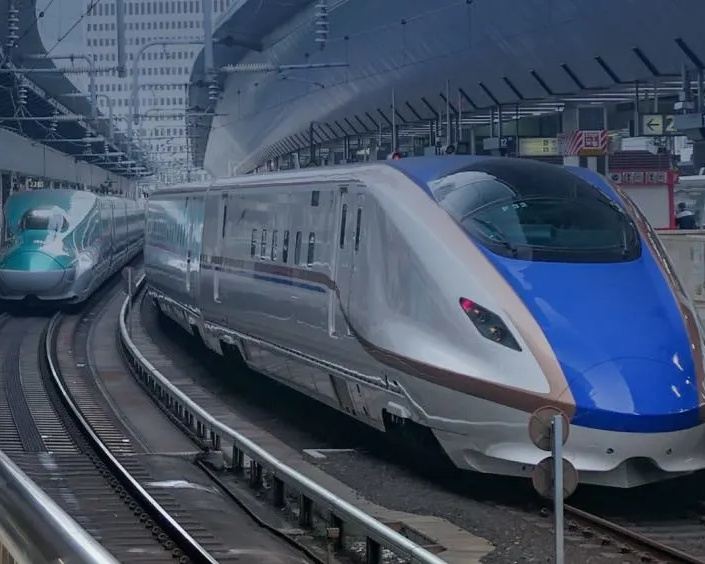 Updated: September 29, 2026
Tokyo to Kyoto and Osaka by Shinkansen
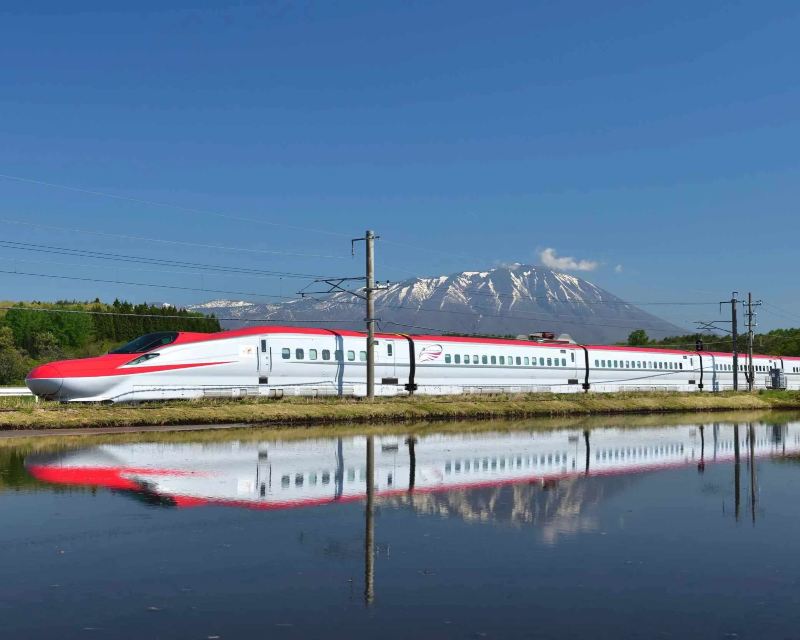 Updated: September 23, 2026
JR Pass vs. Shinkansen tickets
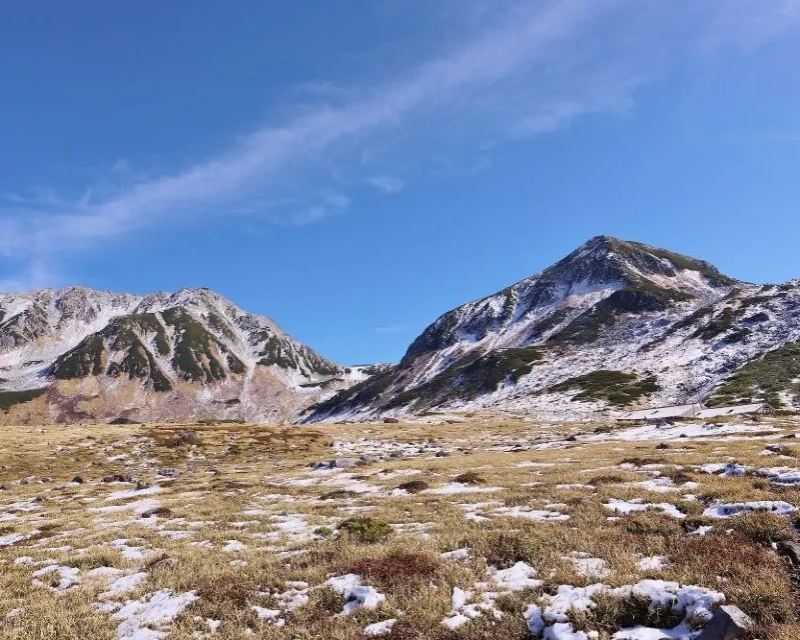 Updated: September 23, 2026
Hokuriku Shinkansen route and travel guide
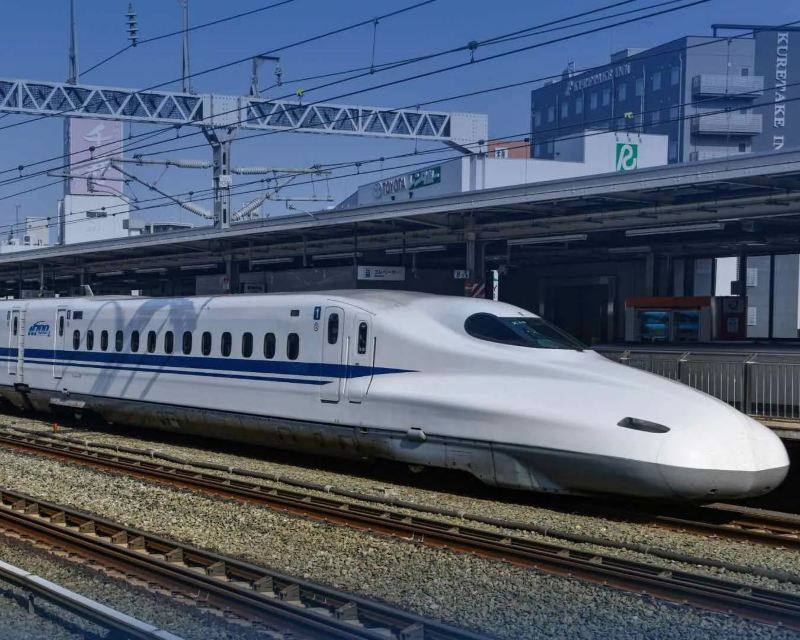 Updated: September 23, 2026
Japan Shinkansen guide: routes and tickets
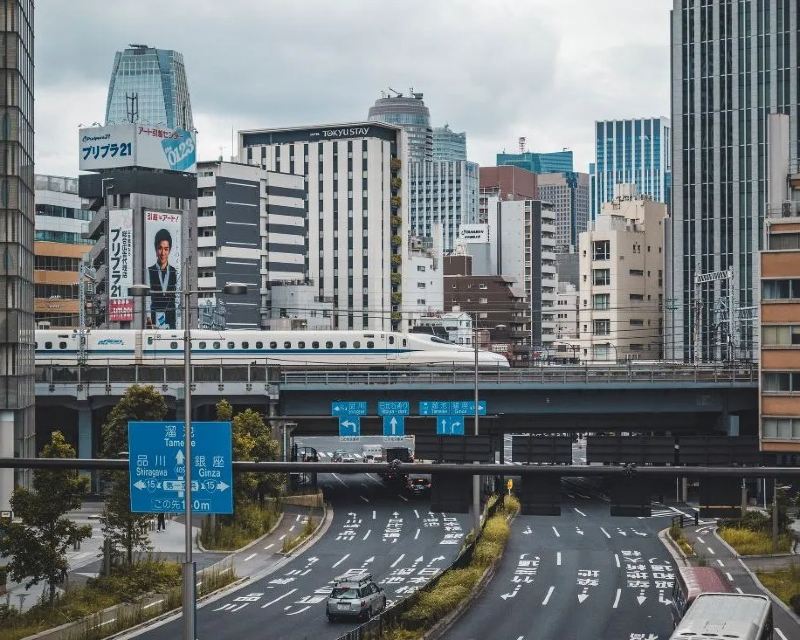 Updated: September 23, 2026
Shinkansen onboard experience guide
- Updated: September 2, 2026
JR East Pass Guide: Explore Eastern Japan
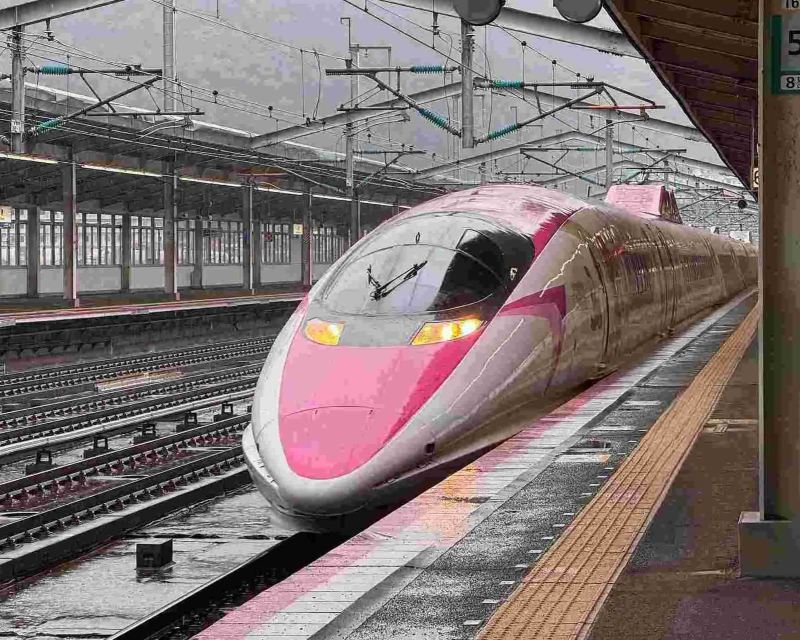 Updated: September 2, 2026
JR West Pass Guide: Discover Western Japan
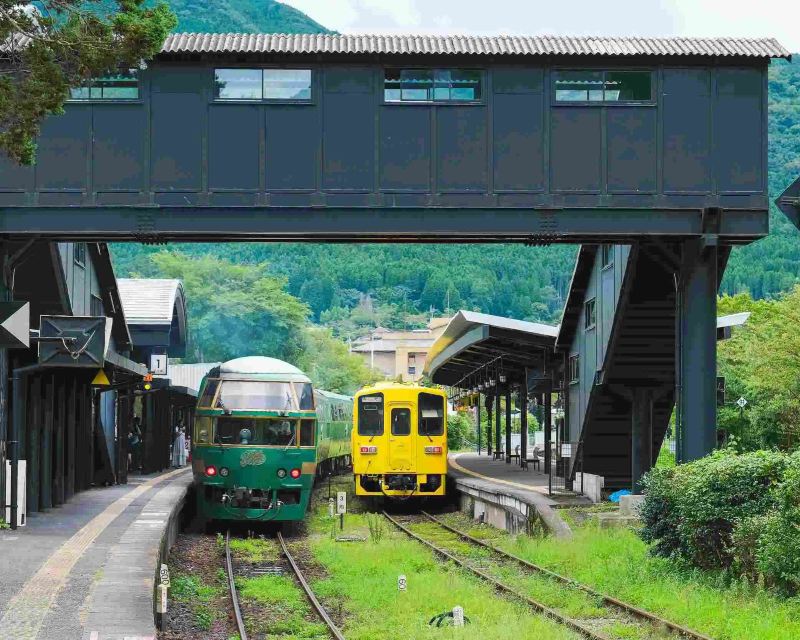 Updated: September 2, 2026
JR Kyushu Pass Guide: Explore the Island


- Getting the train to Warwick Castle | Stations, Routes & FAQsPublished: October 15, 2026
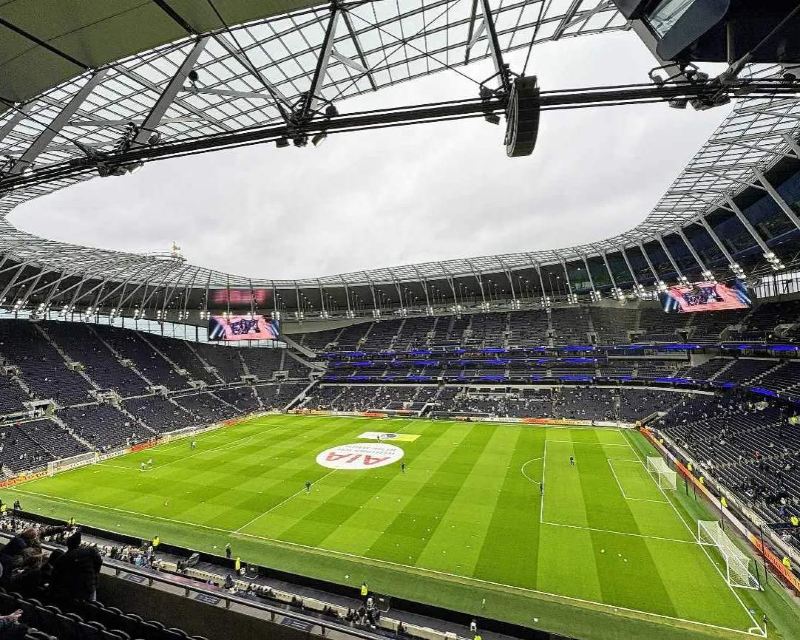
- Getting the train to Tottenham Hotspur Stadium | Stations & RoutesPublished: October 15, 2026
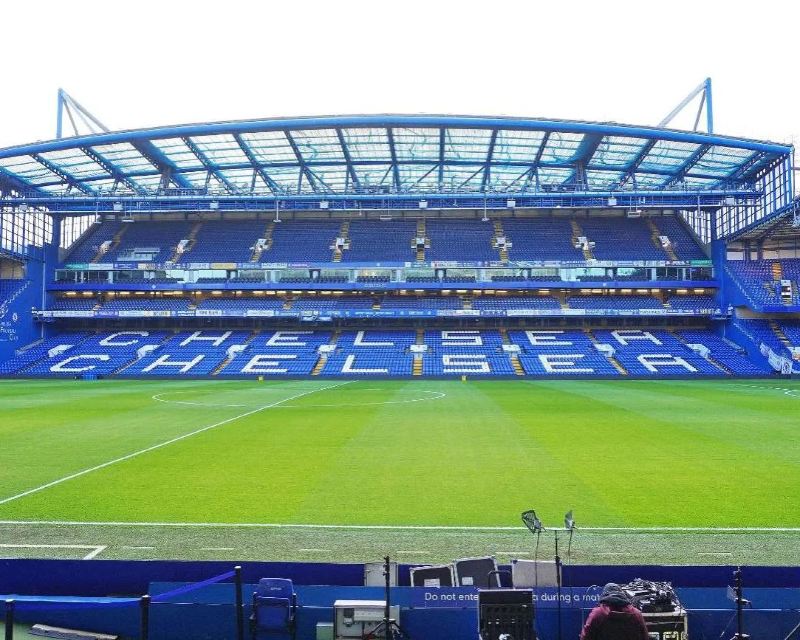
- Travelling by train to Stamford Bridge | Stations & RoutesUpdated: October 15, 2026
- Getting the train to Thorpe Park | Stations, Routes & FAQsPublished: October 15, 2026
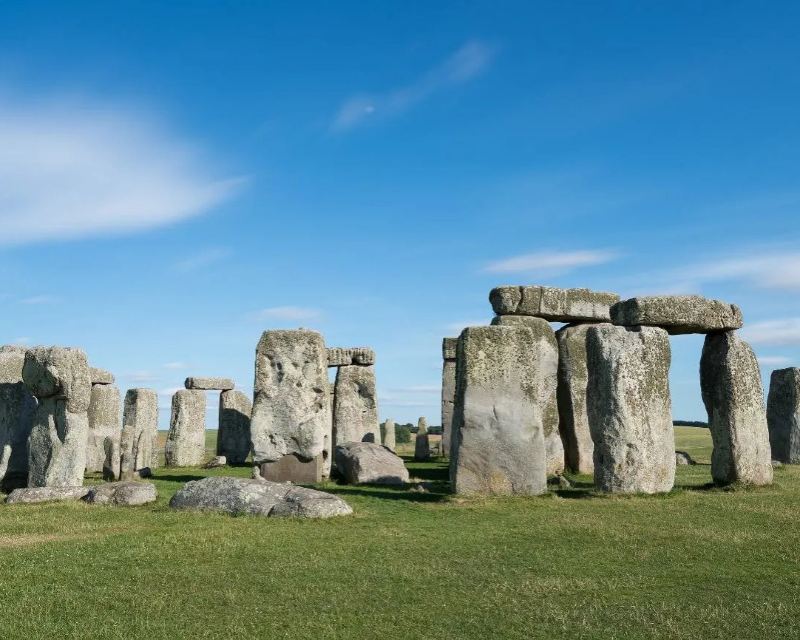
- Getting the train to Stonehenge | Stations, Routes & FAQsPublished: October 15, 2026
- Getting the train to Snowdonia | Stations, Routes & FAQsPublished: October 15, 2026
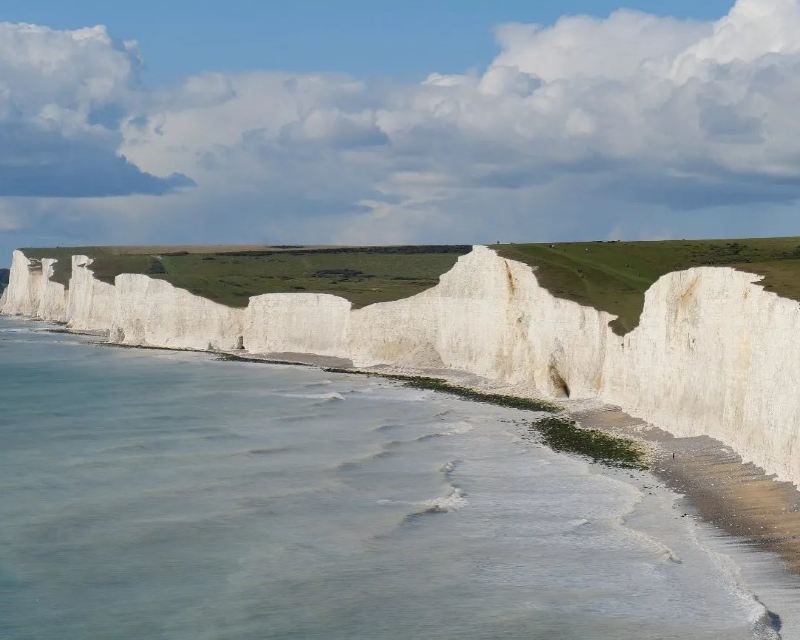
- Trains to Seven SistersPublished: October 14, 2026
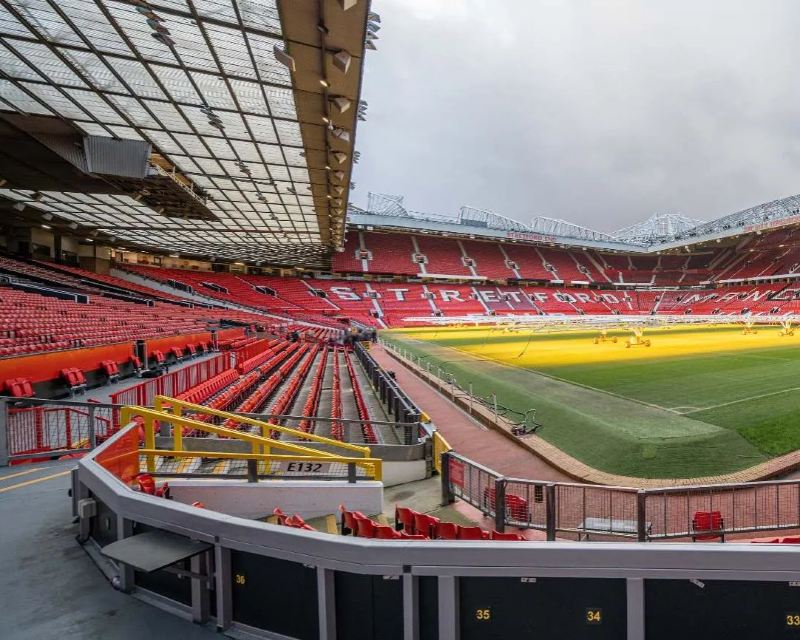
- Getting the train to Old Trafford | Stations & RoutesPublished: October 14, 2026
- Getting the train to Legoland Windsor | Stations, Routes & FAQsPublished: October 14, 2026
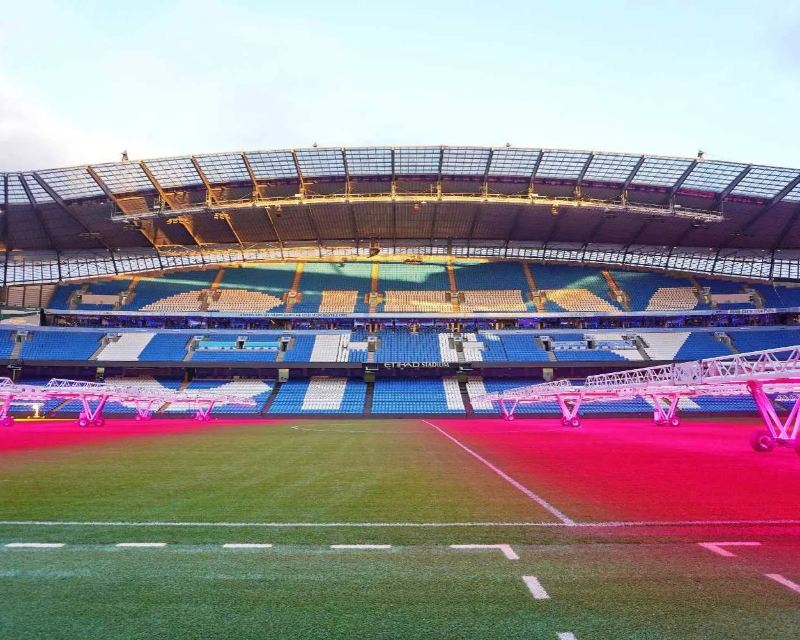
- Getting the train to the Etihad Stadium | Stations & RoutesPublished: October 14, 2026
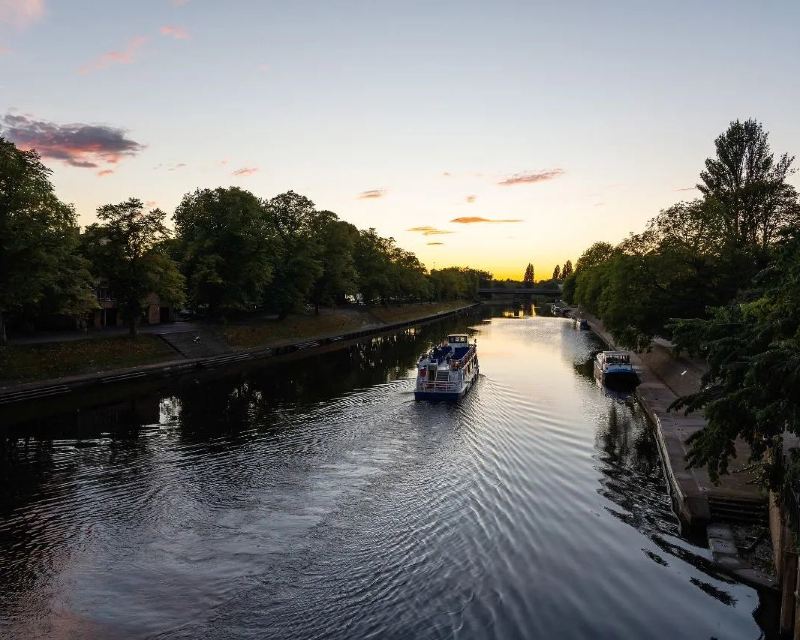
- York weekend break by train: The ultimate itinerary and best hotelsPublished: October 13, 2026
- Manchester city break: best hotels & a 2-day train itineraryPublished: October 13, 2026