
Hokuriku Shinkansen route and travel guide
Ride the Hokuriku Shinkansen from Tokyo to Karuizawa, Nagano, Kanazawa and Fukui

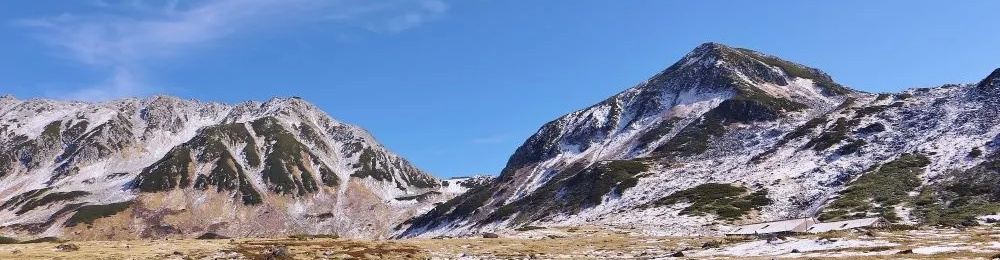
Hokuriku Shinkansen overview
The Hokuriku Shinkansen currently runs between Tokyo and Tsuruga, with major stops including Karuizawa, Nagano, Toyama, Kanazawa and Fukui. Different train services stop at different stations, so choosing the right service can make a noticeable difference to your journey time.
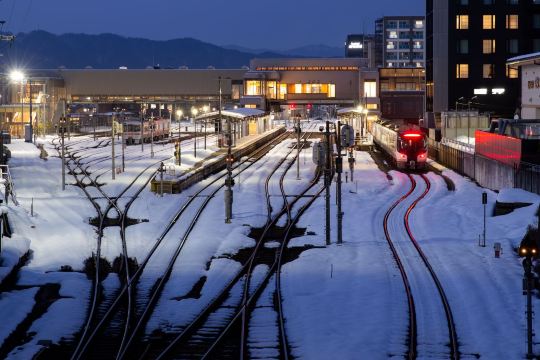
Hokuriku Shinkansen route map, stations, and recent line extension
The latest major expansion opened on March 16, 2024, extending the line approximately 125 km from Kanazawa to Tsuruga. The new section added direct Shinkansen access to destinations including Fukui and shortened travel times between Tokyo and the Hokuriku region.
Four service names appear on the Hokuriku Shinkansen timetable. Kagayaki is the fastest limited-stop option on longer journeys and all seats are reserved. Hakutaka makes more stops and serves a wider range of intermediate stations. Asama mainly operates between Tokyo and Nagano, while Tsurugi focuses on the western section of the route.
For travellers heading to Kanazawa, Fukui or Tsuruga from Tokyo, Kagayaki is generally the most convenient option when its timetable matches your plans.
Key train corridors: Tokyo to Nagano, Kanazawa, and Kyoto connections
The Hokuriku Shinkansen from Tokyo to Nagano takes around 1 hour 20 minutes on the fastest services. A regular reserved Ordinary Car ticket is approximately ¥8,340, although the final fare can vary slightly with ticket type and travel date. This makes Nagano realistic for both short stays and longer trips into the surrounding mountain region.
travelling between Kanazawa and Kyoto now involves a transfer at Tsuruga. Take the Hokuriku Shinkansen from Kanazawa to Tsuruga Station, then change to the Thunderbird limited express for Kyoto or Osaka. JR West specifically lists Thunderbird and the Hokuriku Shinkansen together as the main rail connection between Kansai and Hokuriku.
When planning your trip, check the current Hokuriku Shinkansen timetable for your exact date rather than relying on a fixed departure pattern. Tokyo Station has services throughout the day toward Nagano, Kanazawa and Tsuruga, but stopping patterns vary by train.
Onboard experience: Gran Class, Green Car, and luggage rules
Hokuriku Shinkansen trains use the E7 and W7 series, with three main seating options. Ordinary Car works well for most travellers, while Green Car and Gran Class offer additional space for longer journeys.
Gran Class vs. Green Car luxury seating options
Green Car is the main premium option and offers wider seats, more legroom and a quieter cabin than Ordinary Car. It is a practical upgrade for journeys such as Tokyo to Kanazawa or Tsuruga, especially if you want extra space without moving into the highest fare category.
Gran Class is the most premium seating available on the Hokuriku Shinkansen. The cabin carries only 18 passengers and uses a spacious 2+1 seating layout, giving each traveller considerably more personal space. JR East describes the E7/W7 Gran Class cabin as a premium environment with generous legroom and highly adjustable seats.
The onboard service depends on the train you choose. Some Gran Class services include an attendant, seasonal light meals and alcoholic and non-alcoholic drinks. Other services operate as Gran Class without beverage or light meal service. On the Hokuriku Shinkansen, all Hakutaka and Asama services fall into this seating-only category, so the premium seat does not automatically mean meals and drinks are included.
If the onboard experience itself matters to you, check the service details for your exact departure before booking Hokuriku Shinkansen Gran Class.
Onboard luggage rules and storage options
Most suitcases can be placed on the overhead racks or in the luggage storage areas provided on the train. The E7 and W7 series also have dedicated luggage spaces designed to make travel easier for passengers carrying larger bags, skis and snowboards.
JR East has installed luggage storage areas in even-numbered cars on designated E7 and W7 trains, excluding Gran Class, as well as in the deck area of Car 11 Green Cars. This is particularly useful during winter, when travellers heading toward Nagano and other ski destinations may be carrying bulky equipment.
Keep your belongings compact and avoid blocking aisles or vestibules. If you are travelling with very large suitcases, it is worth checking your train configuration when booking rather than assuming there will be unlimited storage beside your seat.
Unlike the Tokaido Shinkansen, the Hokuriku route does not use the same mandatory oversized luggage reservation system for bags over 160 cm. You should therefore follow the luggage guidance for your specific train rather than applying Tokaido rules automatically.
Top destinations & seasonal highlights along the Hokuriku Shinkansen
One of the strengths of the Hokuriku route is the variety of destinations it connects. A single rail journey can take you from Tokyo's city centre to mountain resorts, historic temples and traditional neighborhoods along the Sea of Japan.
Karuizawa, Nagano, Kanazawa, Fukui
Karuizawa is one of the easiest mountain escapes from Tokyo, with the Shinkansen journey taking around 70 minutes. The highland resort is known for cycling, forest scenery and nearby Shiraito Falls, while a large outlet shopping complex sits beside the station. Its cooler summer temperatures make it particularly popular from Tokyo, while winter brings snow and easy access to skiing.
Continue west to Nagano, where one of the main attractions is Zenko-ji, a historic Buddhist temple with around 1,400 years of history. Nagano is also a convenient base for exploring the surrounding mountains. The Jigokudani Snow Monkey Park is famous for Japanese macaques gathering around its hot spring in winter, while Hakuba and Shiga Kogen are among the region's best-known ski destinations.
Kanazawa is a natural cultural stop before continuing toward Kansai. Kenrokuen Garden, Kanazawa Castle and the traditional streets of Higashi Chaya showcase the city's history, while Omicho Market is a good place to try seafood from the Sea of Japan. The 21st Century Museum of Contemporary Art adds a more modern side to the city and makes Kanazawa worth more than a quick stop between trains.
The Hokuriku Shinkansen extension has also made Fukui Prefecture much easier to include in a rail itinerary. From Fukui, travellers can visit Eiheiji, a major Zen Buddhist temple surrounded by cedar forest, or continue toward the dramatic coastline at Tojinbo. The Fukui Prefectural Dinosaur Museum in nearby Katsuyama is another major attraction, particularly for families. Along the Shinkansen route, Kaga Onsen and Awara Onsen also provide convenient gateways to traditional hot spring areas.
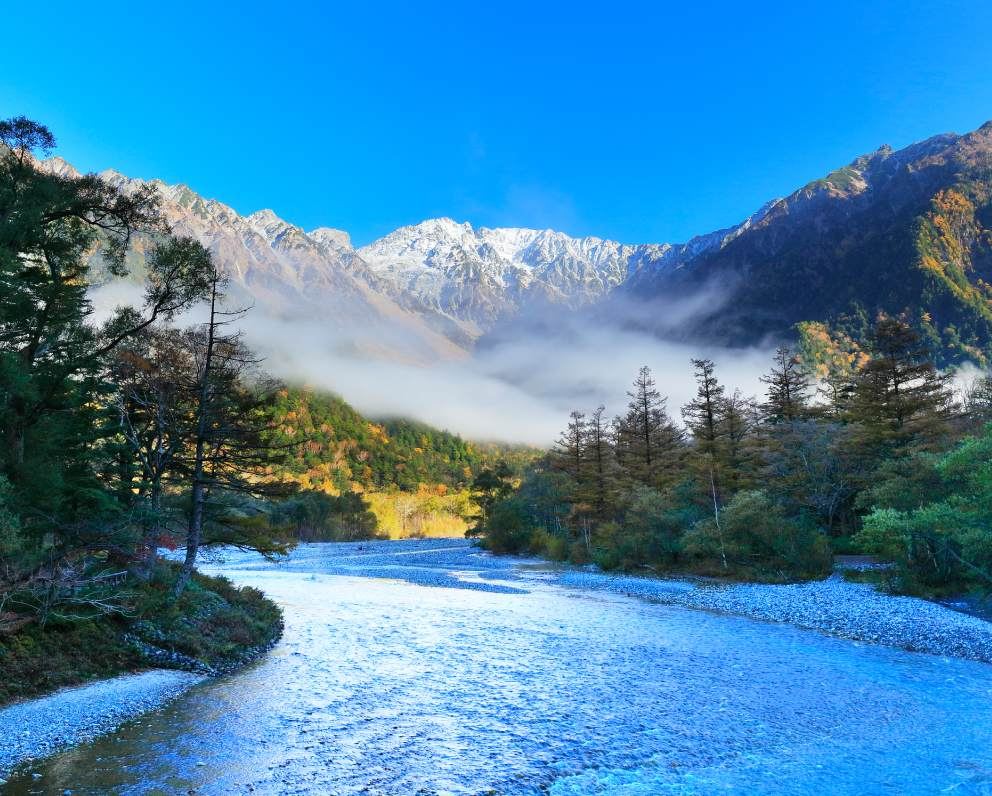
The best time to travel depends on what you want to see. Winter from December to February is ideal for skiing, snowy landscapes and seasonal seafood along the Sea of Japan coast. Spring brings cherry blossoms before the Tateyama Kurobe Alpine Route opens for its spectacular snow corridor, usually from around mid-April. Autumn is another popular season, with autumn colours arriving in mountain areas around Karuizawa and Nagano before many lower-elevation destinations farther south.
The variety of seasons is one of the advantages of the Hokuriku Shinkansen route. You can use the same rail corridor for ski trips in winter, alpine scenery in spring and summer, or historic cities and autumn foliage later in the year.
Recommended travel itineraries
3-day Alpine gateway from Tokyo to Karuizawa and Nagano
Day 1: Take the Shinkansen from Tokyo to Karuizawa in around 70 minutes. Spend the day cycling around Karuizawa, explore Kyu-Karuizawa or visit Shiraito Falls, then stay overnight in the mountain resort.
Day 2: Continue from Karuizawa to Nagano in around 30 minutes. Visit Zenko-ji before exploring Nagano's mountain attractions. In winter, you can also plan a trip to Jigokudani Snow Monkey Park, although it is worth allowing several hours for the round trip.
Day 3: Spend another morning in Nagano before taking the Hokuriku Shinkansen back to Tokyo. The fastest services take around 1 hour 20 minutes, so you can comfortably return later in the day.
5-day New Golden Route from Tokyo to Kyoto or Osaka
Days 1–2: Travel from Tokyo to Nagano and spend two days exploring the city and surrounding mountains. Visit Zenko-ji, see the snow monkeys at Jigokudani or plan a day in Hakuba.
Day 3: Continue west from Nagano to Kanazawa in around 1 hour. Spend the afternoon at Kenrokuen Garden and exploring the traditional streets of Higashi Chaya.
Day 4: Stay another day in Kanazawa for Omicho Market, Kanazawa Castle and the historic Nagamachi samurai district.
Day 5: Take the Hokuriku Shinkansen from Kanazawa to Tsuruga, then transfer to the Thunderbird limited express for Kyoto or Osaka.
This second itinerary shows why the Hokuriku Shinkansen can be particularly useful on a longer Japan trip. Instead of returning to Tokyo or following the direct Tokaido route between Tokyo and Kyoto, you can travel west through Nagano and Kanazawa before continuing into Kansai. It turns the journey between Tokyo and Kyoto or Osaka into part of the trip itself, with mountain scenery, historic cities and the Hokuriku region along the way.
Is the Hokuriku Shinkansen covered by the JR Pass?
Yes. The nationwide Japan Rail Pass covers the Hokuriku Shinkansen, making it useful for travellers combining this route with other long-distance JR journeys. The exact seating you can use depends on the type of pass you hold.
Nationwide JR Pass validity and coverage rules
With an Ordinary nationwide JR Pass, you can use eligible Ordinary Car seating on Hokuriku Shinkansen services including Kagayaki, Hakutaka, Asama and Tsurugi. Remember that Kagayaki operates with reserved seating only, so you need to reserve a seat before boarding.
A Green Japan Rail Pass gives access to Green Car seating where available, subject to the appropriate seat reservation.
Gran Class is different. The nationwide JR Pass does not simply give passengers a free upgrade to Gran Class. Additional Gran Class and other applicable charges are required if you choose this cabin. This is worth checking before booking if premium seating is important to your journey.
The Hokuriku route does not have the Nozomi and Mizuho restriction found on the Tokaido, Sanyo and Kyushu corridors, so pass holders can use the main Hokuriku Shinkansen service types without purchasing a special Nozomi-style supplement.
Regional JR Passes for Hokuriku travel
For travellers focusing on Tokyo, Hokuriku and Kansai, a Hokuriku Arch Pass may offer better value than the nationwide JR Pass. The pass currently costs ¥35,000 for seven consecutive days and covers reserved Ordinary Car seating on the Hokuriku Shinkansen between Tokyo and Tsuruga, as well as eligible Thunderbird services and other JR trains within its coverage area.
The best choice depends on your full itinerary. travellers making only one or two Hokuriku Shinkansen journeys may find individual tickets simpler, while those moving frequently between Tokyo, Hokuriku and Kansai can benefit more from a regional or nationwide pass.






- Hokuriku Shinkansen overview
- Onboard experience: Gran Class, Green Car, and luggage rules
- Top destinations & seasonal highlights along the Hokuriku Shinkansen
- Is the Hokuriku Shinkansen covered by the JR Pass?
Related travel guides
 Updated: September 29, 2026
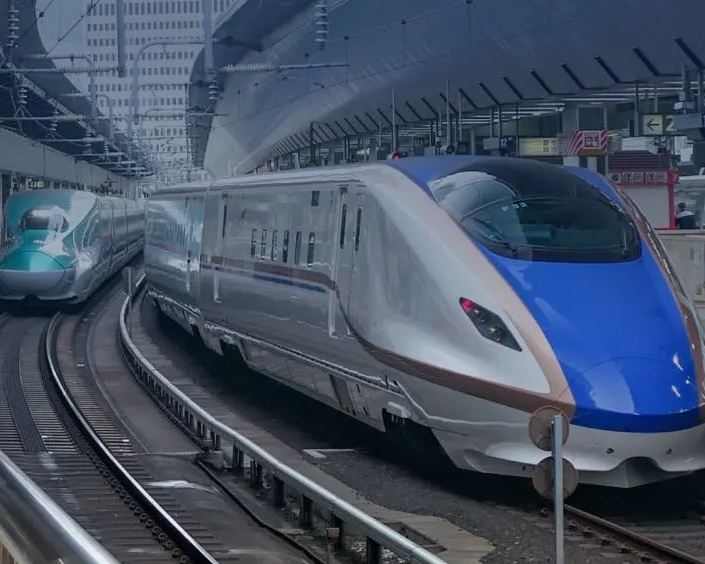
Tokyo to Kyoto and Osaka by Shinkansen
 Updated: September 23, 2026
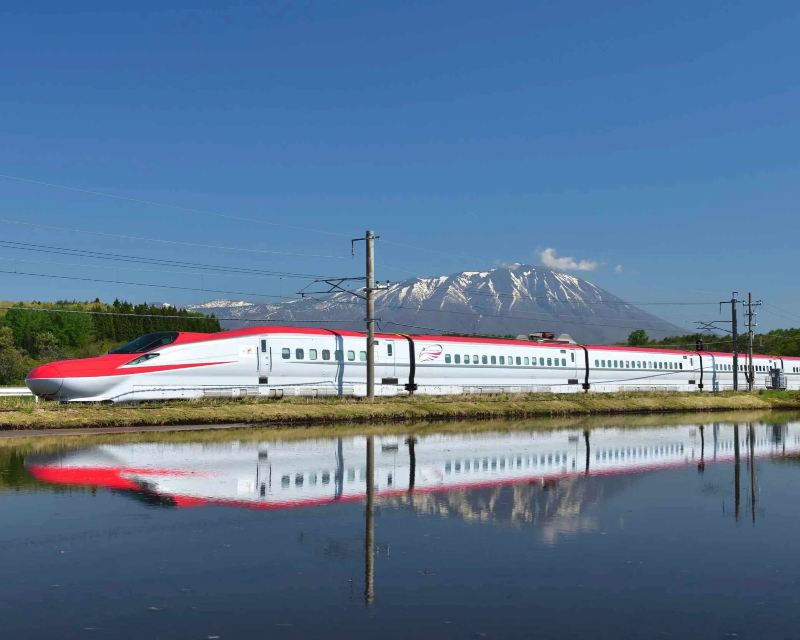
JR Pass vs. Shinkansen tickets
 Updated: September 23, 2026
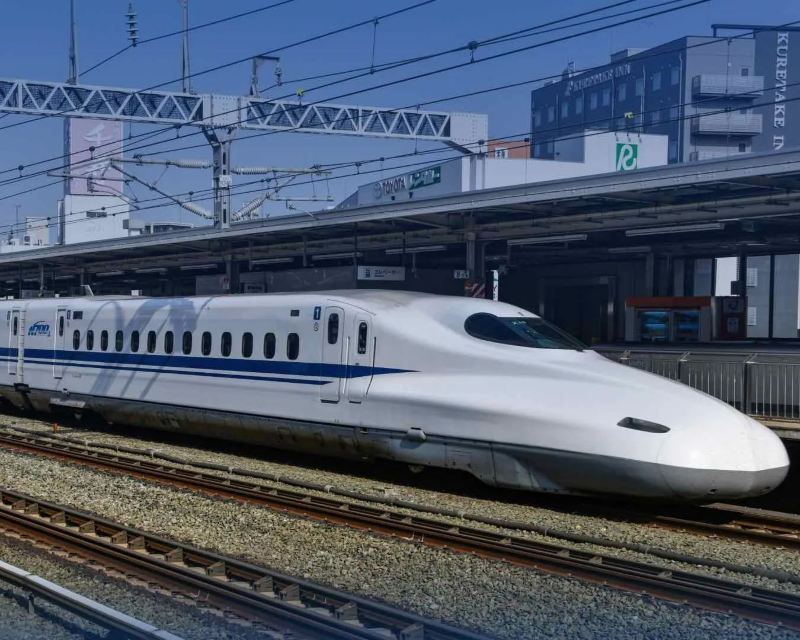
Japan Shinkansen guide: routes and tickets
 Updated: September 23, 2026
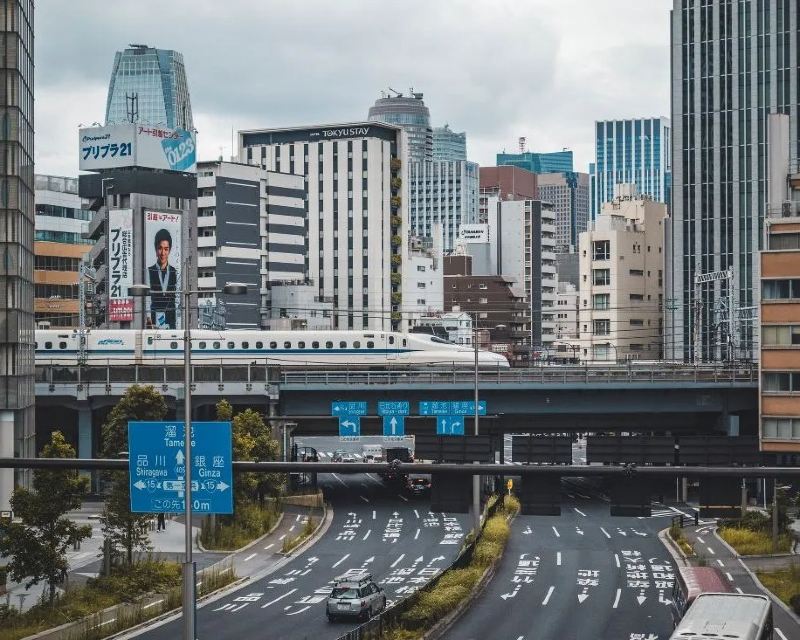
Shinkansen onboard experience guide
- Updated: September 2, 2026
JR East Pass Guide: Explore Eastern Japan
 Updated: September 2, 2026
JR West Pass Guide: Discover Western Japan
 Updated: September 2, 2026
JR Kyushu Pass Guide: Explore the Island
 Updated: September 2, 2026
Hokkaido Rail Pass: Explore Japan's Wild North
 Updated: September 2, 2026
Hokuriku Pass: Beyond The Golden Route
 Updated: September 2, 2026
JR Kansai Rail Pass: Kyoto, Hiroshima and Beyond
 Updated: September 2, 2026
JR Tokyo Wide Pass: Escape beyond Tokyo



- Paris Christmas Markets by Eurostar: Full guideUpdated: October 28, 2026
- Brussels Christmas Markets (Winter Wonders) by Eurostar 2026Updated: October 28, 2026
- Birmingham Christmas Market by train: Nearest station and routesUpdated: October 28, 2026
- Best Christmas markets in Europe by EurostarUpdated: October 28, 2026
- Bath Christmas Market by train: Nearest station and routesUpdated: October 28, 2026
- Getting the train to Excel London: Closest station & routesPublished: October 28, 2026
- Edinburgh Christmas Market by train: Nearest station and routesUpdated: October 28, 2026
- Getting the train to Clifton Suspension Bridge: Closest station & routesPublished: October 27, 2026
- Eurostar to Paris for New Year’s Eve: Our guidePublished: October 27, 2026
- Getting the train to Oxford Street: Closest station & routesPublished: October 27, 2026
- How to get cheap UK train tickets: 9 easy stepsPublished: October 21, 2026
- How to add train tickets to your Apple Wallet with Trip.com?Published: October 21, 2026