
JR Tokyo Wide Pass: Escape beyond Tokyo

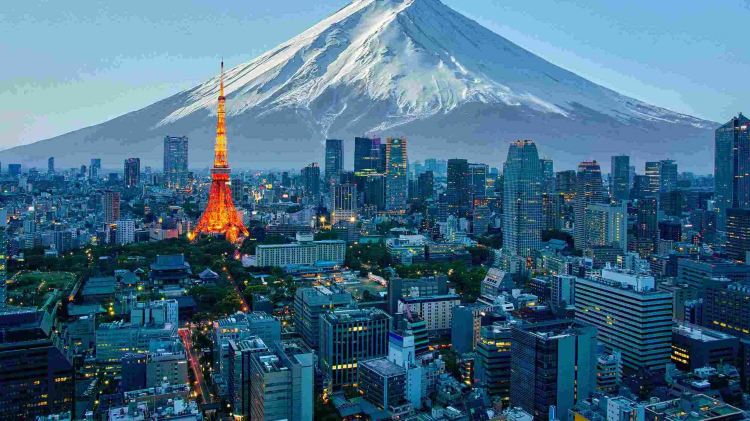
What is the JR Tokyo Wide Pass?
Beyond the core JR East network, the pass extends to a handful of partner lines: the Fujikyu Railway into the Fuji Five Lakes area, the Izukyu Railway along the Izu Peninsula coast, Tobu Railway limited express services to Nikko and Kinugawa Onsen, and the Tokyo Monorail between Hamamatsucho and Haneda Airport. Seat reservations are included free of charge and can be made at ticket offices or seat reservation machines at JR East stations.
At ¥16,000 for adults and ¥8,000 for children aged 6 to 11, the pass represents great value for visitors looking to explore beyond Tokyo, covering an area that stretches all the way from the foothills of the Japanese Alps to Yokohama, Kamakura, and the white sandy beaches of the Izu Peninsula.
Great Escapes: Spectacular day trips beyond central Tokyo
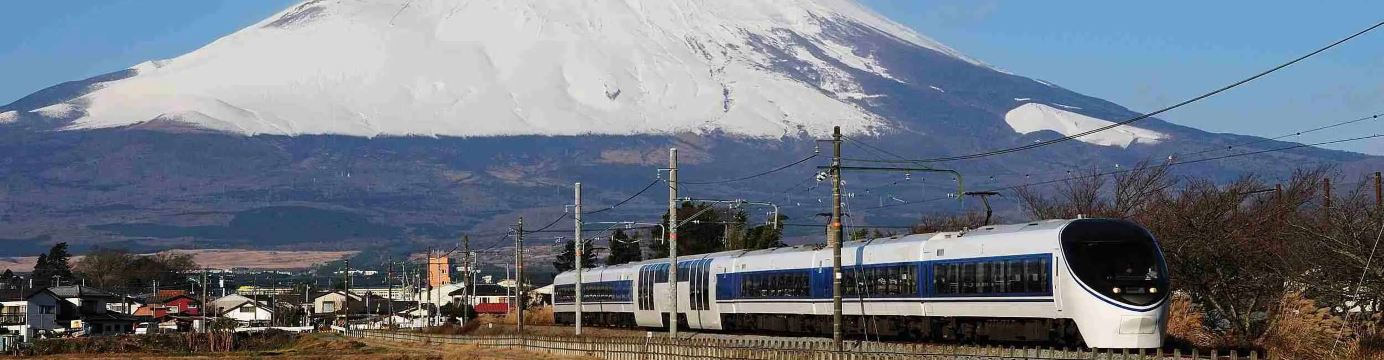
Mount Fuji & Kawaguchiko – Transfer-Free direct access via the "Fuji Excursion"
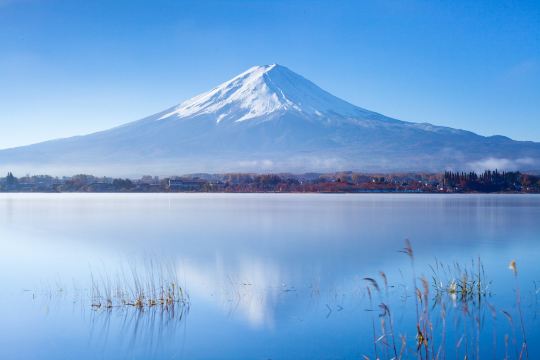
At Kawaguchiko, the northern shore offers the classic picture-postcard view: Mount Fuji's near-symmetrical cone reflected in the water on clear mornings, at its finest from late October through early May when the summit is capped with snow. From here you can take the Kachi Kachi Ropeway to a higher vantage point, or explore the five lakes by local Fujikyu Railway trains, also covered by your pass, for views of the mountain from every angle.
Please note that some premium sightseeing carriages on the Fujikyu Railway (the Fujisan View Express and Fujisan Express) carry a supplementary charge.
Karuizawa – Historic alpine retreat & mountain village
Just 70 minutes from Tokyo by Hokuriku Shinkansen, Karuizawa sits at 1,000 metres above sea level in the Nagano mountains, an implausibly short journey for somewhere that feels so far removed from the capital. A summer retreat since the late nineteenth century, the town's architecture reflects that history, with European-style villas set among silver birch forests, early twentieth-century forest churches that draw visitors from across Japan, and Old Karuizawa's preserved Ginza shopping street, where independent cafés and craft stores occupy shopfronts unchanged for decades.
Beyond the town, forest trails wind through the surrounding woodland, with the cycle paths and nature walks beneath the birch trees as much a part of the Karuizawa experience as the architecture itself. In autumn, the trees turn amber and red, while in winter the town settles into an icy stillness, a world removed from the fast pace of Shinjuku.
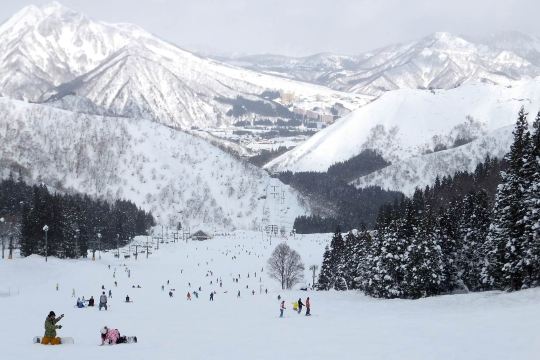
GALA Yuzawa — Take the Shinkansen direct to your Ski Resort
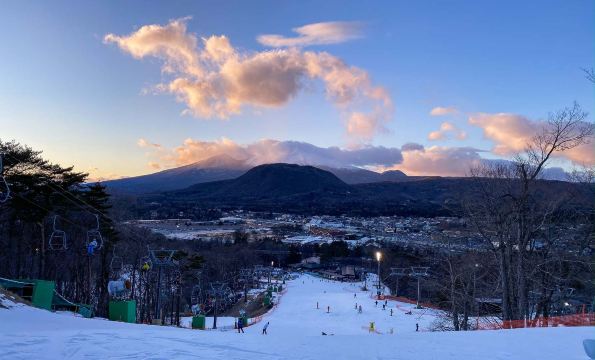
GALA Yuzawa is the only ski resort in Japan with its own dedicated Shinkansen station, and quite possibly the best connected ski destination anywhere in the world. The Joetsu Shinkansen from Tokyo Station arrives in approximately 74 minutes, and the platform opens directly into the resort lobby, with ski gondolas waiting to carry you up the mountain from there. Sixteen pistes spread across four zones, from gentle beginner runs to advanced descents, with JR Tokyo Wide Pass holders also receiving discounts on lift tickets and ski equipment rental.
Please note that GALA Yuzawa Station operates during the winter and spring ski season only.
Clearing the confusion: JR Tokyo Wide Pass vs. Tokyo Metro Passes
With all the many options for day trips outside of Tokyo, you might be wondering whether the JR Tokyo Wide Pass covers train travel around the capital too, and what the difference is between a Tokyo Metro pass and a JR rail pass. Before buying, it's worth taking a moment to understand how the city's train networks work.
The Subway Network
The Tokyo Metro and Toei Subway networks form a dense underground web across the city's central 23 wards, and this is how most visitors navigate Tokyo's neighbourhoods, whether it’s between Harajuku and Asakusa, Akihabara and Ginza, or Roppongi and Ueno. The network is extensive, fast, and runs with the frequency you'd expect from Tokyo.
The JR Network
Which pass do you need?
The answer, probably, is both. The key to making the most of your time in and around Tokyo is to group your travel into consecutive city days and day trips to maximise both passes. Plan your inner-city exploration around the Tokyo Subway Ticket, and save your JR Tokyo Wide Pass for excursions out of the city. Used together, the two cover virtually every journey your Tokyo trip is likely to involve.
JR Tokyo Wide Pass Pricing
If you're weighing up how many day trips to take outside Tokyo, you’ll be pleased to know that the JR Tokyo Wide Pass quickly pays for itself – in most cases within just two return journeys.
For example, a return shinkansen to Karuizawa costs approximately ¥11,500 in regular fares, while a return limited express to Shimoda on the Izu Peninsula runs to around ¥13,500. Those two journeys alone already exceed the cost of the 3-day pass at ¥16,000, with a full day of travel still to come.
Children aged 6 to 11 travel at half the cost of the adult fare, while children under six can travel free of charge unless a dedicated seat reservation is required.
Name | Period | Adult | Child (6-11) |
|---|---|---|---|
3 consecutive days | JPY 16,000* | JPY 8,000 |
The Ultimate 3-Day Kanto Express Itinerary
Discover Japan's most iconic and most sacred mountain. Board the Fuji Excursion Limited Express at Shinjuku early and you can be at Kawaguchiko in under two hours for views of the mountain at its clearest in the morning light. In the afternoon, ride the Kachi Kachi Ropeway to see Fuji from a different perspective, or soak in one of the local onsen and enjoy views of Japan’s iconic peak while you unwind.
Take the Tohoku Shinkansen from Tokyo Station to Utsunomiya, then the JR Nikko Line to Nikko, and you can be at the UNESCO World Heritage shrine complex in under 100 minutes. Spend the morning among Toshogu Shrine's gilt carvings and ancient cedar avenues, then head to Kegon Falls in the afternoon to witness this 97-metre cascade and one of Japan's three great waterfalls.
In winter, the Joetsu Shinkansen to GALA Yuzawa (only 74 minutes from Tokyo Station) delivers you directly to the slopes, with ski lift and rental discounts included. In spring, summer, or autumn, the Hokuriku Shinkansen to Karuizawa (approximately 70 minutes) opens up an unhurried day of forest bathing, with cycle paths through silver birch woodland, forest churches, and coffee stops in the quiet streets of this peaceful mountain retreat.
How to book reserved seats online & collect your tickets?
Many popular services on the JR Tokyo Wide Pass network, especially the Fuji Excursion Limited Express, operate with only a limited number of seat reservations and can sell out weeks ahead during cherry blossom season or Golden Week. Booking your pass on Trip.com and arranging your seat reservations well in advance gives you the best chance of securing your desired trains.
Step 1: Select your Pass
Step 2: Fill in your details
Step 3: Complete your payment
Trip.com accepts credit and debit cards, as well as Apple Pay, PayPal, and Google Pay. Trip Coins and Gift Cards can also be applied here at checkout.
Step 4: Receive your voucher
Your JR Tokyo Wide Pass will either be delivered to your inbox as an e-ticket PDF, or sent to you as a physical voucher by post. Please note that the e-ticket is an exchange document only and cannot be scanned at station barriers. It must be exchanged for a physical pass before you can start using it.
Step 5: Exchange your Pass and reserve your seats
Free seat reservations can then be made at the same counter or at any seat reservation ticket machine. It is strongly recommended to reserve the Fuji Excursion and any Shinkansen services on arrival.
Step 6: All aboard
Your pass is now active and three full days of travel beyond the city begin here. Board the Fuji Excursion to the snows of Mount Fuji, ride the shinkansen to the golden shrines of Nikko, or lose yourself in the mountain stillness of Karuizawa – three of Japan's most remarkable escapes await, and each less than two hours from central Tokyo.




- What is the
- Great Escapes: Spectacular day trips beyond central Tokyo
- Clearing the confusion:
- JR Tokyo Wide Pass
- The Ultimate 3-Day Kanto Express Itinerary
- How to book reserved seats online & collect your tickets?
Related travel guides
 Updated: October 16, 2026
Hokuriku Shinkansen route and travel guide
 Updated: September 29, 2026
Tokyo to Kyoto and Osaka by Shinkansen
 Updated: September 23, 2026
JR Pass vs. Shinkansen tickets
 Updated: September 23, 2026
Japan Shinkansen guide: routes and tickets
 Updated: September 23, 2026
Shinkansen onboard experience guide
- Updated: September 2, 2026
JR East Pass Guide: Explore Eastern Japan
 Updated: September 2, 2026
JR West Pass Guide: Discover Western Japan
 Updated: September 2, 2026
JR Kyushu Pass Guide: Explore the Island

- Getting the train to the Etihad Stadium | Stations & RoutesUpdated: October 16, 2026
- Getting the train to Legoland Windsor | Stations, Routes & FAQsUpdated: October 16, 2026
- Getting the train to Old Trafford | Stations & RoutesUpdated: October 16, 2026
- Trains to Seven SistersUpdated: October 16, 2026
- Getting the train to Snowdonia | Stations, Routes & FAQsUpdated: October 16, 2026
- Getting the train to Stonehenge | Stations, Routes & FAQsUpdated: October 16, 2026
- Getting the train to Thorpe Park | Stations, Routes & FAQsUpdated: October 16, 2026
- Travelling by train to Stamford Bridge | Stations & RoutesUpdated: October 16, 2026
- Getting the train to Tottenham Hotspur Stadium | Stations & RoutesUpdated: October 16, 2026
- Getting the train to Warwick Castle | Stations, Routes & FAQsUpdated: October 16, 2026
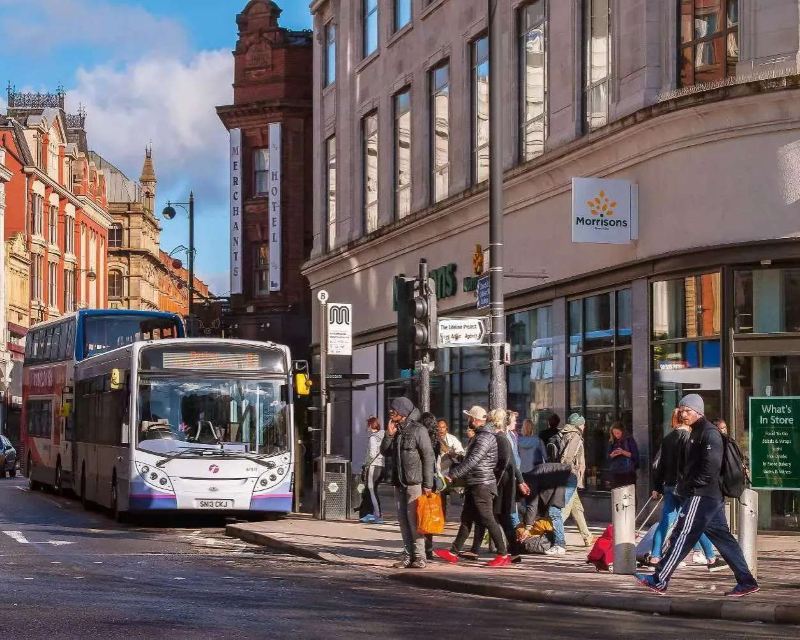
- Manchester city break: best hotels & a 2-day train itineraryUpdated: October 16, 2026
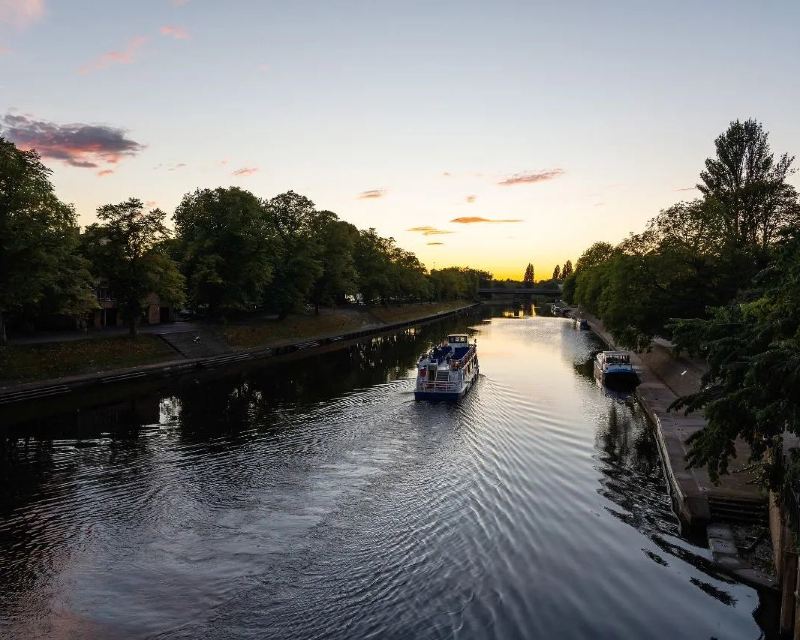
- York weekend break by train: The ultimate itinerary and best hotelsUpdated: October 16, 2026