
JR East Pass Guide: Explore Eastern Japan

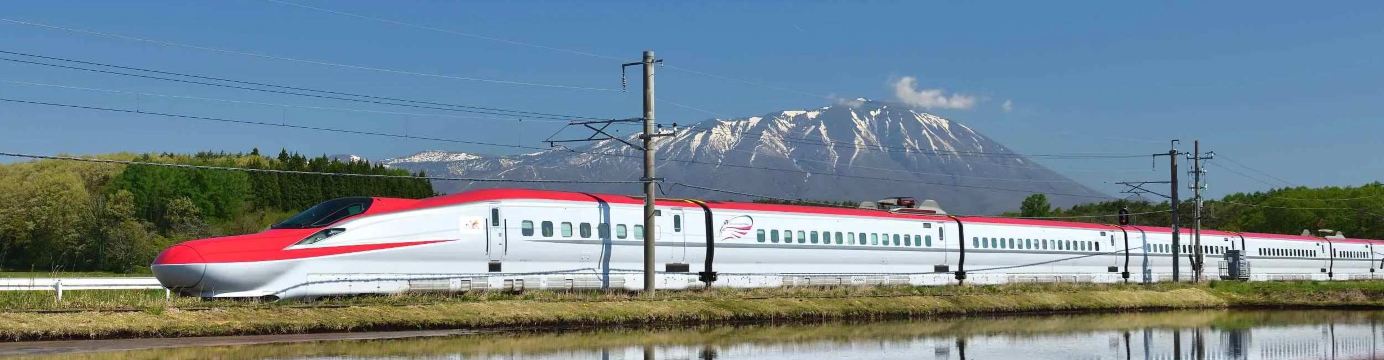
With the nationwide JR Pass having risen by nearly 70% in 2023, regional passes like the JR East Pass have become the smart alternative for travellers who know where they're headed. And with services all the way through Tohoku to southern Hokkaido via the Hokkaido Shinkansen, JR East covers a vast network stretching north and east from Tokyo. In this guide, we compare JR East pass prices and coverage maps for every pass available, and walk you through step by step how to buy a JR East pass.

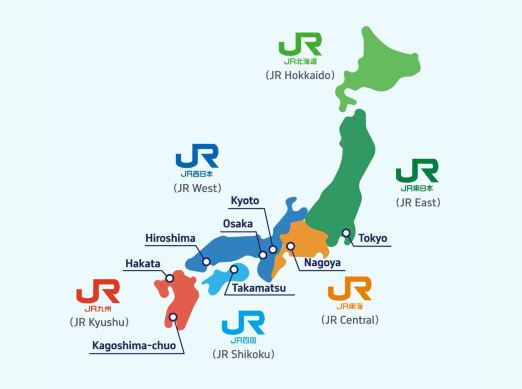
JR East Pass Coverage and Map
The Tohoku Shinkansen forms the backbone of the northern corridor, with Hayabusa services running the full arc from Tokyo through Sendai, Morioka, and Aomori, continuing through the Seikan Tunnel via the Hokkaido Shinkansen to Shin-Hakodate-Hokuto, while branch lines extend the reach further, with the Yamagata and Akita Shinkansen lines splitting off into their respective mountain valleys. The JR Nikko Line meanwhile puts the gilded shrine precincts of Nikko, a UNESCO World Heritage Site, within just 90 minutes of Tokyo.
Whether heading north into Tohoku or west into the Alps, the right JR East pass for you will likely depend on your destination and number of days available. Take a look at the map below to explore the full network.
JR East Pass Variations: Tohoku vs. Hokkaido vs. Hokuriku
For UK travellers exploring Japan’s Tohoku region, perhaps the most exciting passes are those heading north from Tokyo towards Hokkaido, offering dramatic landscapes and some of the most extraordinary scenery in the country.
Discovering the North: JR East – South Hokkaido vs. Tohoku-South Hokkaido Rail Pass
The two passes in question, the South Hokkaido and the Tohoku-South Hokkaido Rail Pass, both unlock the same dramatic journey across the JR East Tohoku and JR Hokkaido networks, carrying you all the way north to Sapporo. Choosing between them comes down to one simple question – where are you starting your journey? If the answer is Tokyo, the Tohoku-South Hokkaido Pass covers the full route; while if you're already further north in Tohoku, from Shirokawa northwards, the South Hokkaido Pass picks up from there.
The Golden Corridor: JR East Hokuriku Arch Pass
The Hokuriku Arch Pass (7 days, ¥35,000) heads in a different direction entirely. Rather than following the Tohoku corridor north, it sweeps west from Tokyo through Nagano and the Japanese Alps, continuing with the Hokuriku Shinkansen to Toyama, Kanazawa, and Fukui following the coast along the Sea of Japan, before connecting into the JR West network at Osaka and Kyoto.
Few passes reward the open-jaw itinerary as easily. Fly into Tokyo via Narita or Haneda, spend time in the capital, cut through the Alps to Kanazawa's preserved samurai districts and gold-leaf tea houses, then continue to Osaka and fly home without retracing a single step. The route works just as well in reverse. The Noto Railway between Nanao and Wakura Onsen is also included, making this the perfect pass for reaching one of Japan's most celebrated hot spring resorts.
JR East Passes Cost and Validity
Like most Japan rail passes, all JR East regional passes run on consecutive days, so it's worth starting your pass on the day your main travel window begins, ensuring your key destinations and travel days fall within the validity window. Children aged 6 to 11 travel at half the adult fare, while children under 6 travel free of charge, except where a dedicated seat reservation is required.
Type of Pass | Validity Period | Adult Price | Child Price(6-11) | Top Destinations |
|---|---|---|---|---|
3 Days | JPY 16,000* | JPY 8,000 |
| |
JR EAST PASS | 5 Days | JPY 35,000 | JPY 17,500 |
|
JR Tohoku-South Hokkaido Rail Pass | 6 Days | JPY 32,000 | JPY 16,000 |
|
JR East-South Hokkaido Rail Pass | 6 Days | JPY 40,000 | JPY 20,000 |
|
Hokuriku Arch Pass | 7 Days | JPY 35,000 | JPY 17,500 |
|
JR EAST PASS (Long Stay) | 10 Days | JPY 50,000 | JPY 25,000 |
|
Choosing Your Duration: 3-Day vs. 10-Day Passes
Mid-Duration Getaways (3 to 6 Days)
For most UK travellers exploring the JR East network, three- to six-day passes are the most popular, and there are three passes built precisely for that range.
Long-Stay Deep Dives (7 to 10 Days)
With so much of northern Japan still to explore, the seven- and ten-day JR East passes really give you the time to go deeper.
How to Buy, Exchange and Use Your JR East Pass via Trip.com
Available exclusively to foreign visitors entering Japan on a Temporary Visitor status, JR East passes can be purchased on Trip.com before you travel. Your exchange order is valid for up to three months from purchase and can be exchanged for a physical pass on arrival at Tokyo Station, Narita Airport or Haneda Airport. Seat reservations open from one month before your travel date, and on popular Shinkansen routes, booking early gives you the best choice of services and seats.
Step 1: Select and Book Your Pass
Whether it's a 3-day sprint around Tokyo or a 10-day adventure deep into Tohoku, choose the JR East pass that best suits your itinerary, select your travel start date and number of travellers, then click "Book Now." Children aged 6 to 11 travel at half the cost of the adult fare.
Step 2: Enter Your Details
To complete your booking, fill in each passenger's name, age, nationality, contact number, and e-mail address. Add a promo code if you have one, then click "Continue."
Step 3: Complete Your Payment
You can pay for your JR East rail pass on Trip.com by credit/debit card, Apple Pay, PayPal, or Google Pay. Trip Coins and Gift Cards can also be applied at checkout. Once payment is confirmed, your booking is then secured.
Step 4: Receive Your Voucher
Your pass will arrive either as an e-ticket PDF sent to your email, or as a physical voucher by post. Please note that the e-ticket is an exchange voucher only and cannot be scanned at station gates – it must be swapped for a physical pass on arrival in Japan.
Step 5: Exchange Your Pass in Japan
Head to any JR East ticket office at Tokyo Station, Narita Airport, or Haneda Airport. Present your e-ticket or voucher alongside your passport to receive your physical pass, ready to use from the moment it is activated.
Step 6: All Aboard
With your JR East rail pass in hand, northern Japan is all yours to explore. Whether you're riding the Shinkansen through the snowfields of Tohoku, stepping off at a lantern-lit onsen town deep in the mountains, or tracing the Hokuriku Shinkansen west toward Kanazawa and Osaka, now you have everything you need to enjoy every kilometre your JR East rail pass offers.









- JR East Pass Coverage and Map
- JR East Pass Variations: Tohoku vs. Hokkaido vs. Hokuriku
- JR East Passes Cost and Validity
- Choosing Your Duration: 3-Day vs. 10-Day Passes
- How to Buy, Exchange and Use Your JR East Pass via Trip.com
Related travel guides
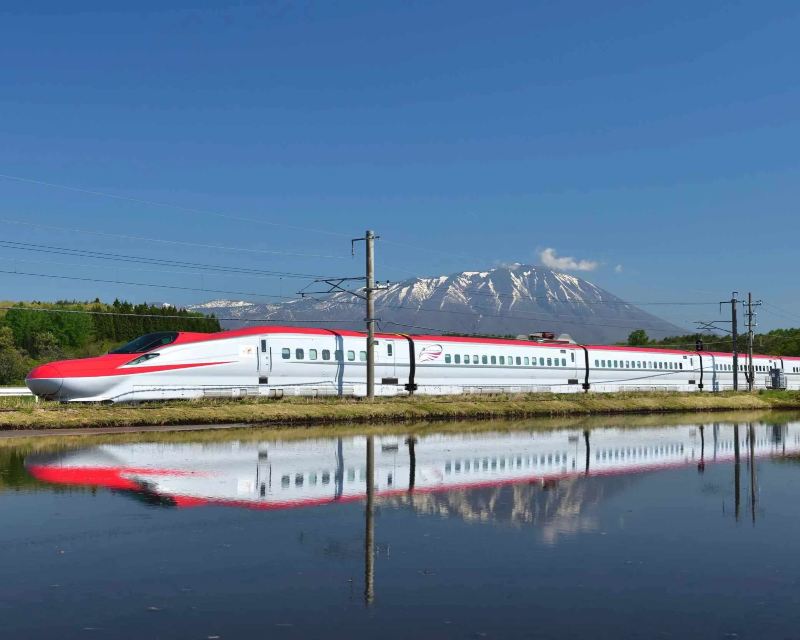 Updated: September 23, 2026
JR Pass vs. Shinkansen tickets
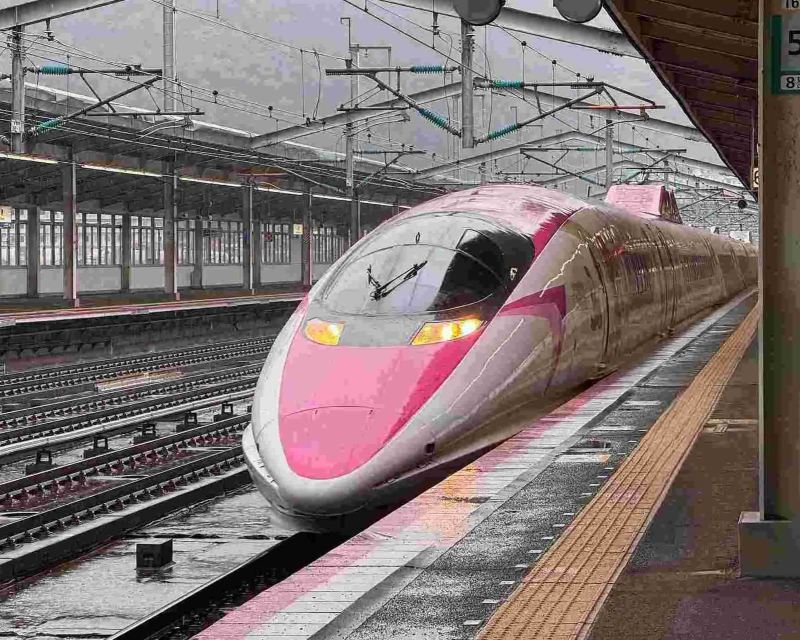 Updated: September 2, 2026
JR West Pass Guide: Discover Western Japan
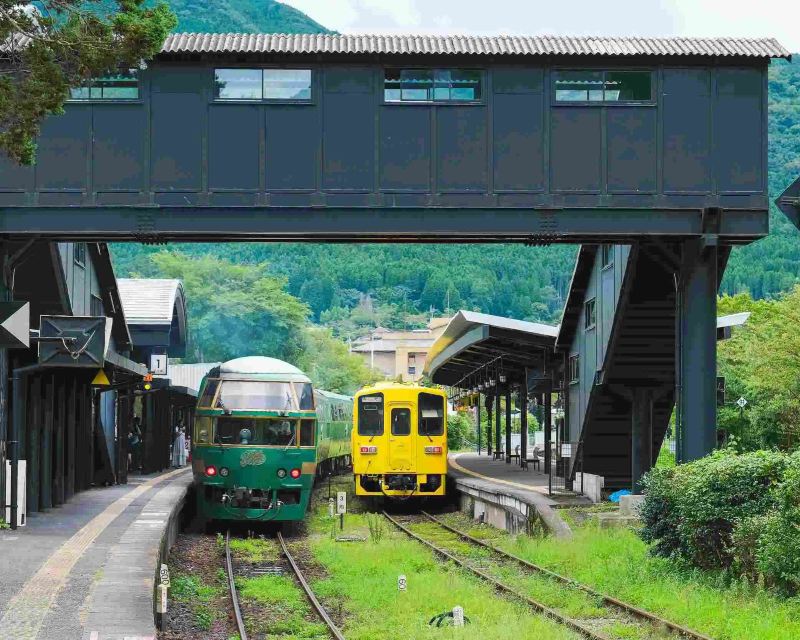 Updated: September 2, 2026
JR Kyushu Pass Guide: Explore the Island
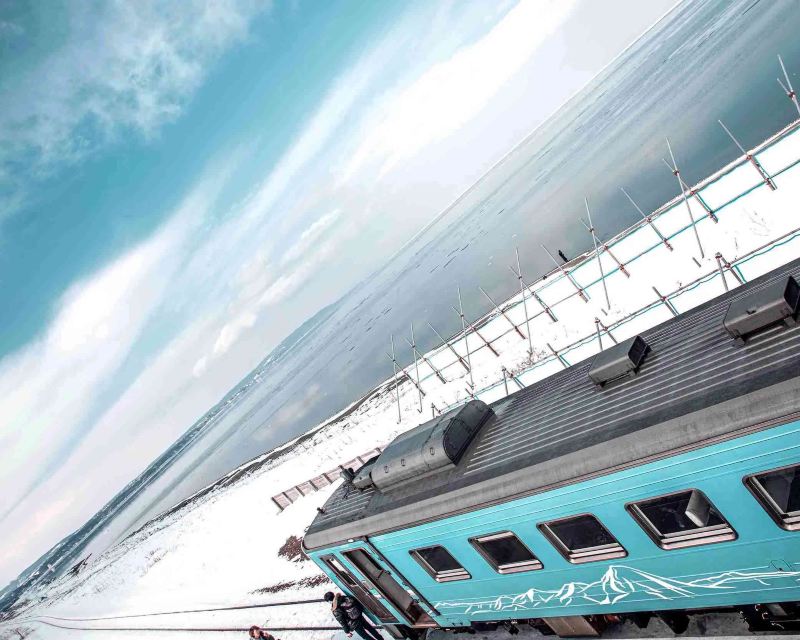 Updated: September 2, 2026
Hokkaido Rail Pass: Explore Japan's Wild North
 Updated: September 2, 2026
Hokuriku Pass: Beyond The Golden Route
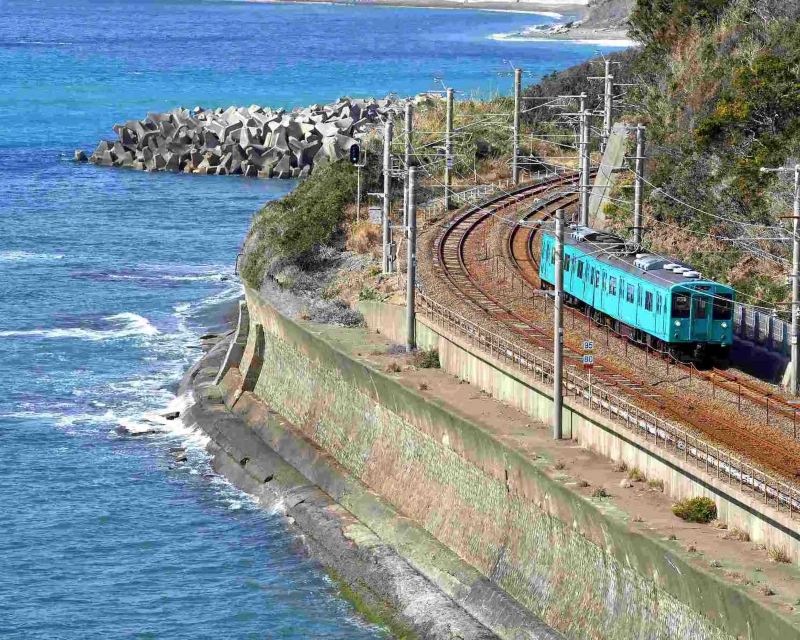 Updated: September 2, 2026
JR Kansai Rail Pass: Kyoto, Hiroshima and Beyond
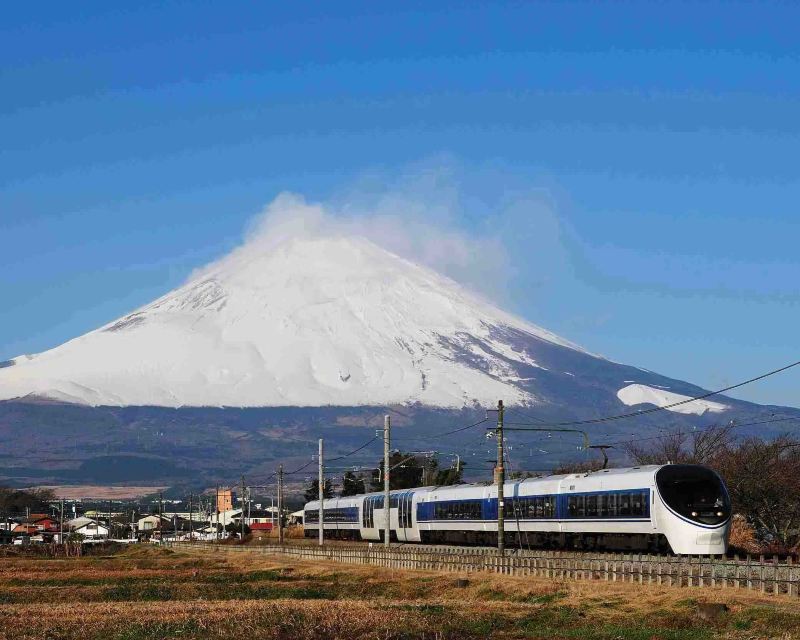 Updated: September 2, 2026
JR Tokyo Wide Pass: Escape beyond Tokyo
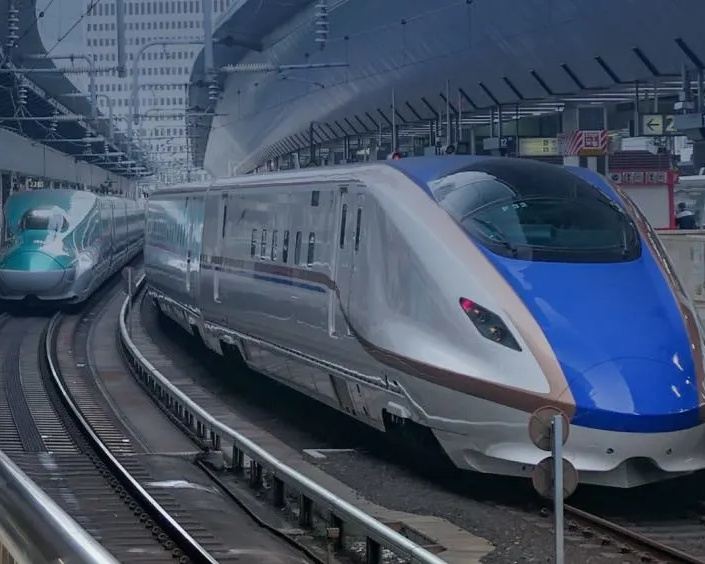 Updated: September 29, 2026
Tokyo to Kyoto and Osaka by Shinkansen
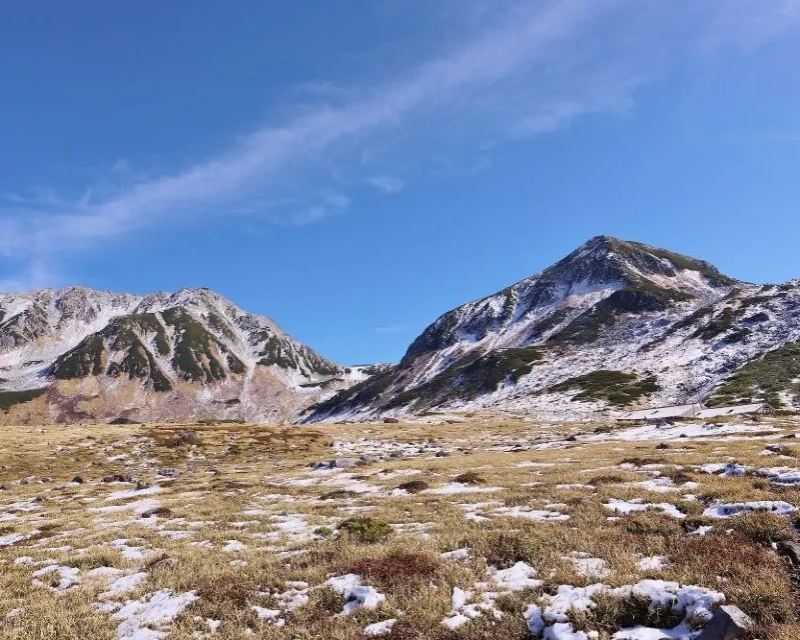 Updated: September 23, 2026
Hokuriku Shinkansen route and travel guide
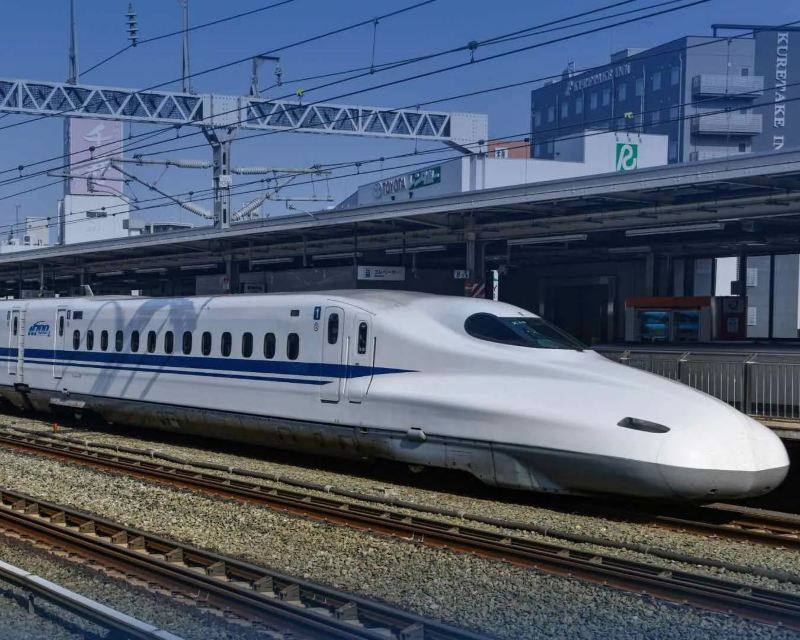 Updated: September 23, 2026
Japan Shinkansen guide: routes and tickets
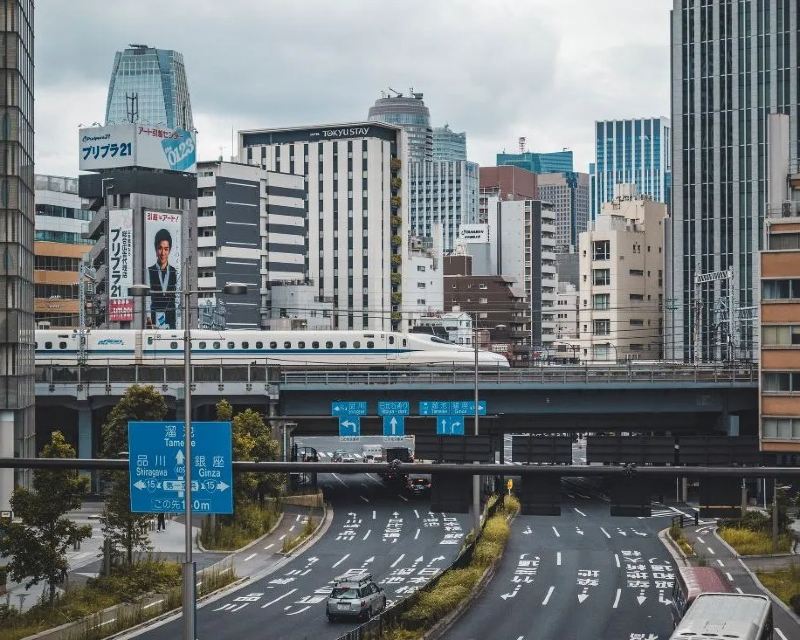 Updated: September 23, 2026
Shinkansen onboard experience guide









- Getting the train to Warwick Castle | Stations, Routes & FAQsPublished: October 15, 2026
- Getting the train to Tottenham Hotspur Stadium | Stations & RoutesPublished: October 15, 2026
- Travelling by train to Stamford Bridge | Stations & RoutesUpdated: October 15, 2026
- Getting the train to Thorpe Park | Stations, Routes & FAQsPublished: October 15, 2026
- Getting the train to Stonehenge | Stations, Routes & FAQsPublished: October 15, 2026
- Getting the train to Snowdonia | Stations, Routes & FAQsPublished: October 15, 2026
- Trains to Seven SistersPublished: October 14, 2026
- Getting the train to Old Trafford | Stations & RoutesPublished: October 14, 2026
- Getting the train to Legoland Windsor | Stations, Routes & FAQsPublished: October 14, 2026
- Getting the train to the Etihad Stadium | Stations & RoutesPublished: October 14, 2026
- York weekend break by train: The ultimate itinerary and best hotelsPublished: October 13, 2026
- Manchester city break: best hotels & a 2-day train itineraryPublished: October 13, 2026