
JR Kyushu Pass Guide: Explore the Island

What is the JR Pass Kyushu & Who is Eligible?
The JR Kyushu pass is the key to discovering this incredible island. Available in three different variations for northern, southern, and all Kyushu, it covers unlimited travel across the JR Kyushu rail network for three, five, or seven consecutive days. And with the nationwide Japan Rail Pass having risen by nearly 70% in 2023, a specific regional pass is the best way to see Japan without paying for routes you won't travel.
To be eligible, you must be a foreign tourist visiting Japan on a temporary visitor status, and you'll need to present your passport with the relevant entry stamp or seal when exchanging your voucher and whenever you board.

Comparing All, Northern, and Southern Kyushu Passes
One island, three passes. And choosing between them comes down to two things: how many days do you have, and which part of the island are you intending to visit?
The Northern Kyushu Area Pass (The Bestseller)
Best for travellers planning to base themselves in Fukuoka and explore in multiple directions – heading west to Nagasaki to discover the Dejima waterfront and Gunkanjima island ruins, east to the forested onsen hills of Beppu and Yufuin, or south to the samurai streets and tonkotsu ramen bars of Kumamoto, the JR Kyushu rail pass is valid as far south as Kumamoto and Misumi: any travel beyond that requires a separate ticket.
The Southern Kyushu Area Pass (The Deep South)
Available for three days only, the Southern Kyushu Area Pass covers the lower half of the island from Kumamoto and Oita southward to Kagoshima, Miyazaki, and the Pacific coast. Operating between Kumamoto and Kagoshima-Chuo, the Kyushu Shinkansen runs the full length of this zone, while a network of local and limited express services heads towards inland destinations and coastal towns. The Nishi Kyushu Shinkansen to Nagasaki is not included in this pass.
Best for travellers wanting to discover the south of the island, including Kagoshima and the Sakurajima volcano visible across the bay, the geothermal sand baths of Ibusuki, the beaches, coastal shrines and surf towns of Miyazaki, or the volcanic highland landscapes around Mount Aso.
The All Kyushu Area Pass (The Flagship Freedom Ticket)
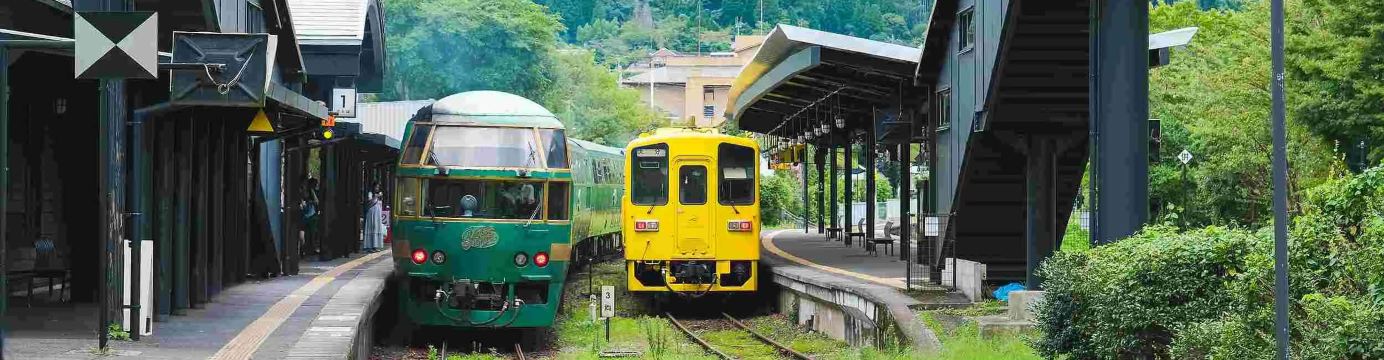
Best for a full island loop, for travellers arriving into Fukuoka, riding the Yufuin no Mori D&S sightseeing train through the cedar forests to Beppu, crossing to Kumamoto for the caldera of Aso, before continuing south by Shinkansen to Kagoshima and the mist-wrapped Ibusuki coast.
JR Kyushu Pass Pricing
All JR Kyushu passes run consecutively, so it's worth planning ahead and timing your start date to coincide with your busiest travel days. Children aged 6 to 11 travel half price, while children under 6 travel free of charge, unless the train requires a dedicated seat reservation.
Type | Validity Period | Adult Price | Child Price(6-11) |
|---|---|---|---|
All Kyushu | 3 Days | JPY 22,000* | JPY 11,000 |
5 Days | JPY 24,000 | JPY 12,000 | |
7 Days | JPY 26,000 | JPY 13,000 | |
Northern Kyushu | 3 Days | JPY 15,000 | JPY 7,500 |
5 Days | JPY 17,000 | JPY 8,500 | |
Southern Kyushu | 3 Days | JPY 12,000 | JPY 6,000 |
What can you do with your JR Kyushu Pass?
Unique to the JR Kyushu network is one of the most extraordinary collections of sightseeing trains anywhere in the world. JR Kyushu calls them Design & Story (D&S) trains, and the name says it all – with each train built around a visual concept and a regional story, with interiors crafted by some of Japan's most celebrated designers. Onboard, as you travel across the island, the trains slow down at key viewpoints to allow you to soak in the scenery and unwind with food from the onboard restaurant: local sweets, bento boxes with regional produce, local sake, and craft beers from Kyushu's micro-breweries.
Limited Express Yufuin no Mori (Covered by Northern/All Kyushu Pass)
Yufuin no Mori has been running since 1989 and remains the most iconic train on the island. Its deep-green exterior is designed to disappear into the surrounding cedar and camphor forests, while the train’s interior continues the theme with wooden flooring, bamboo blinds, and a buffet car where passengers can stand at bar-style windows watching the waterfalls and river valleys drift past.
On the route from Hakata to Yufuin (approximately two hours and fifteen minutes), the right-hand window seats (C and D) offer the clearest views of the Jion Falls as you wind your way through the hills. There is also an extension that runs all the way to Beppu, for another dose of highland scenery before visiting the “Hells”.
On these D&S sightseeing trains, the onboard experience is just as important as the destination. The buffet car is stocked with local craft beers, green tea ice cream, and the B-Speak roll cake, a signature creation from one of Yufuin's most celebrated patisseries.
Aso Boy! (Covered by All Three Kyushu Passes)
The Aso Boy! makes the journey to Japan's most active volcano an event in its own right. Running between Kumamoto and the Aso caldera in approximately 90 minutes, the four-car train is centred around Kuro, a black dog mascot who appears on every headrest cover, window blind, and onboard cup.
The only D&S train covered by all three JR Kyushu passes, including the Southern Area Pass, Aso Boy! is the one to board wherever you are on the island. Watch as broad lava plains give way to the smoking rim of Mount Aso on the horizon.
The front and rear observation decks offer 180-degree panoramic windows over the volcanic landscape, while Car 3 contains one of the more unexpectedly delightful features on any train in Japan – a wooden ball pit playground for younger travellers.
Ibusuki no Tamatebako (Covered by Southern/All Kyushu Pass)
Running from Kagoshima-Chuo to Ibusuki in just under an hour, the train traces the curve of Kinko Bay, with the cone of Sakurajima visible across the water from the right-hand window seats as you head south. Ibusuki itself is famous for its sunamushi onsen, a natural sand bath where geothermal heat warms the beach sand to bathing temperature.
Whichever trains you decide to take, D&S sightseeing services sell out quickly, particularly during hanami and momiji seasons (for cherry blossom and autumn foliage viewing), so book your JR Kyushu pass on Trip.com early and reserve your seats as soon as you exchange your voucher in Japan.
Step-by-Step Guide to Purchasing Online & Exchanging your E-Voucher
Step 1: Select Your Pass
Choose between the All Kyushu, Northern Kyushu, and Southern Kyushu Area Passes, select your travel start date, the number of days, and the number of passengers, then click "Book Now." Children aged 6 to 11 are automatically priced at half the adult fare.
Step 2: Fill In Your Details
Enter the name, age, nationality, contact number and email address for each passenger. If you have a promotional code, add it here, then just click "Continue."
Step 3: Complete Your Payment
Trip.com accepts credit cards, debit cards, Apple Pay, PayPal, and Google Pay. Trip Coins and Gift Cards can also be applied at checkout. Once payment is confirmed, your booking is secured.
Step 4: Receive Your Voucher
Your JR Kyushu pass will be delivered either as an e-ticket PDF to your email address, or as a physical voucher by post. Please note that the e-ticket is an exchange document only and cannot be scanned at station barriers – you must exchange it for a physical magnetic pass before travelling.
Step 5: Exchange Your Pass and Reserve Your Seats
Head to a JR Kyushu ticket office at Hakata Station, Kumamoto Station, Kagoshima-Chuo Station, or Fukuoka Airport's international terminal. Present your voucher and passport to receive your physical JR Kyushu pass.
Once you have your rail pass, it’s best to reserve your D&S sightseeing train seats at the same time, as carriages fill quickly, sometimes weeks ahead. On standard JR Kyushu services, you can travel in non-reserved seats or reserve in advance for peace of mind.
For the Northern Kyushu and Southern Kyushu passes, free seat reservations are capped at six per pass, while the All Kyushu Area Pass allows unlimited free seat reservations. Note that advance online reservations via JR Kyushu's website carry an additional charge of ¥1,500 per section for D&S trains, so booking in person at the station on arrival is both the most convenient and cheapest option.
Step 6: All Aboard
Now, your pass is activated, your seats are reserved, and you're ready to travel. Whether you're watching cedar forests glide past the lounge windows on the Yufuin no Mori, gazing at the caldera through the panoramic glass of the Aso Boy! or stepping off the Ibutama into a spectacle of white mist at Ibusuki, the JR Kyushu rail pass means getting there really is half the fun.







- What is the JR Pass Kyushu & Who is Eligible?
- Comparing All, Northern, and Southern Kyushu Passes
- JR Kyushu Pass Pricing
- What can you do with your JR Kyushu Pass?
- Step-by-Step Guide to Purchasing Online & Exchanging your E-Voucher
Related travel guides
 Updated: September 23, 2026
JR Pass vs. Shinkansen tickets
- Updated: September 2, 2026
JR East Pass Guide: Explore Eastern Japan
 Updated: September 2, 2026
JR West Pass Guide: Discover Western Japan
 Updated: September 2, 2026
Hokkaido Rail Pass: Explore Japan's Wild North
 Updated: September 2, 2026
Hokuriku Pass: Beyond The Golden Route
 Updated: September 2, 2026
JR Kansai Rail Pass: Kyoto, Hiroshima and Beyond
 Updated: September 2, 2026
JR Tokyo Wide Pass: Escape beyond Tokyo
 Updated: September 29, 2026
Tokyo to Kyoto and Osaka by Shinkansen
 Updated: September 23, 2026
Hokuriku Shinkansen route and travel guide
 Updated: September 23, 2026
Japan Shinkansen guide: routes and tickets
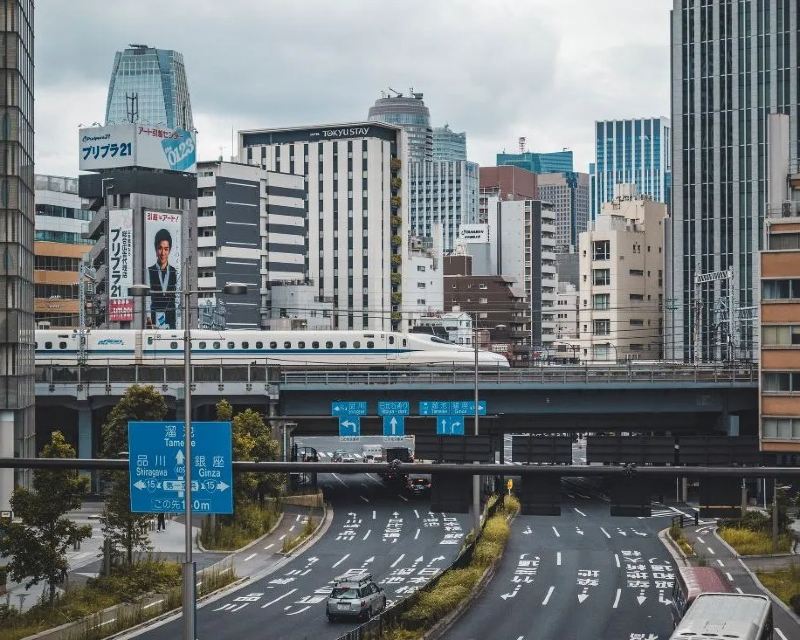 Updated: September 23, 2026
Shinkansen onboard experience guide


- Getting the train to Warwick Castle | Stations, Routes & FAQsPublished: October 15, 2026
- Getting the train to Tottenham Hotspur Stadium | Stations & RoutesPublished: October 15, 2026
- Travelling by train to Stamford Bridge | Stations & RoutesUpdated: October 15, 2026
- Getting the train to Thorpe Park | Stations, Routes & FAQsPublished: October 15, 2026
- Getting the train to Stonehenge | Stations, Routes & FAQsPublished: October 15, 2026
- Getting the train to Snowdonia | Stations, Routes & FAQsPublished: October 15, 2026
- Trains to Seven SistersPublished: October 14, 2026
- Getting the train to Old Trafford | Stations & RoutesPublished: October 14, 2026
- Getting the train to Legoland Windsor | Stations, Routes & FAQsPublished: October 14, 2026
- Getting the train to the Etihad Stadium | Stations & RoutesPublished: October 14, 2026
- York weekend break by train: The ultimate itinerary and best hotelsPublished: October 13, 2026
- Manchester city break: best hotels & a 2-day train itineraryPublished: October 13, 2026