
Shinkansen onboard experience guide
Seat classes, dining rules, luggage limits and amenities on Japan's trains

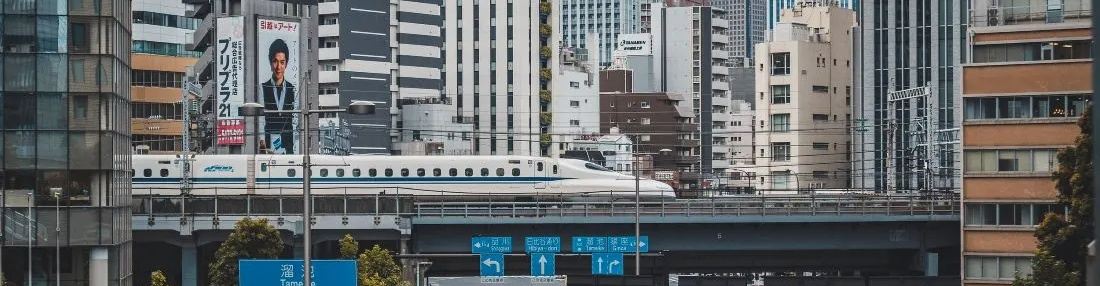
Can you eat and drink on the Shinkansen?
Yes, you can eat and drink on the Shinkansen. Many travellers pick up an ekiben, or station bento, before boarding and enjoy it during the journey. Snacks, soft drinks and alcoholic drinks such as beer and sake are also permitted, as long as you are considerate of other passengers.
The Shinkansen is designed for comfortable long-distance travel. Even standard Ordinary Car seats offer generous legroom, reclining seats and tray tables, while many trains also provide free Wi-Fi, power outlets and convenient luggage storage. Onboard etiquette is straightforward. Keep conversations at a reasonable volume, move to the vestibule for phone calls where appropriate, and keep your seating area clean.
This guide covers everything you need to know about the Shinkansen onboard experience, including Ordinary, Green Car and Gran Class seating, food and drink rules, luggage limits, onboard facilities and smoking policies. It also explains how to reserve the right seat and class before your journey.
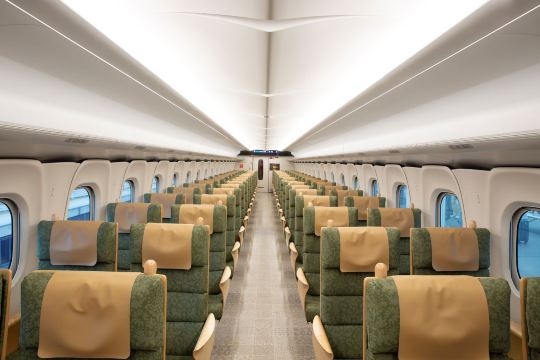
Shinkansen seat classes compared: Ordinary, Green Car, and Gran Class
Shinkansen seating ranges from comfortable standard seats to premium cabins designed for longer journeys. The exact configuration depends on the train, but the main options you will encounter are Ordinary Car, Green Car and, on selected routes, Gran Class.
Ordinary reserved vs. non-reserved seats: Comfort and legroom
Ordinary Car is the standard Shinkansen class and is comfortable for most journeys. On many trains, seats are arranged in a 3+2 layout, with reclining backs, folding tray tables and considerably more legroom than you might expect from standard rail travel.
The physical seat is generally the same whether you have a reserved or non-reserved ticket. The main difference is certainty. With a reserved seat, your carriage and seat are assigned before boarding. With a non-reserved ticket, you board a designated non-reserved car and take an available seat.
A non-reserved ticket can work well when trains are quiet and you want flexibility over your departure time. Reserved seating is more convenient if you are travelling with family or friends, carrying luggage, or travelling during weekends and peak holiday periods. It also removes the need to search for an available seat after boarding.
Some Shinkansen services require reservations, so non-reserved seating is not available on every train. Remember to always check the seating options for your specific service when booking.
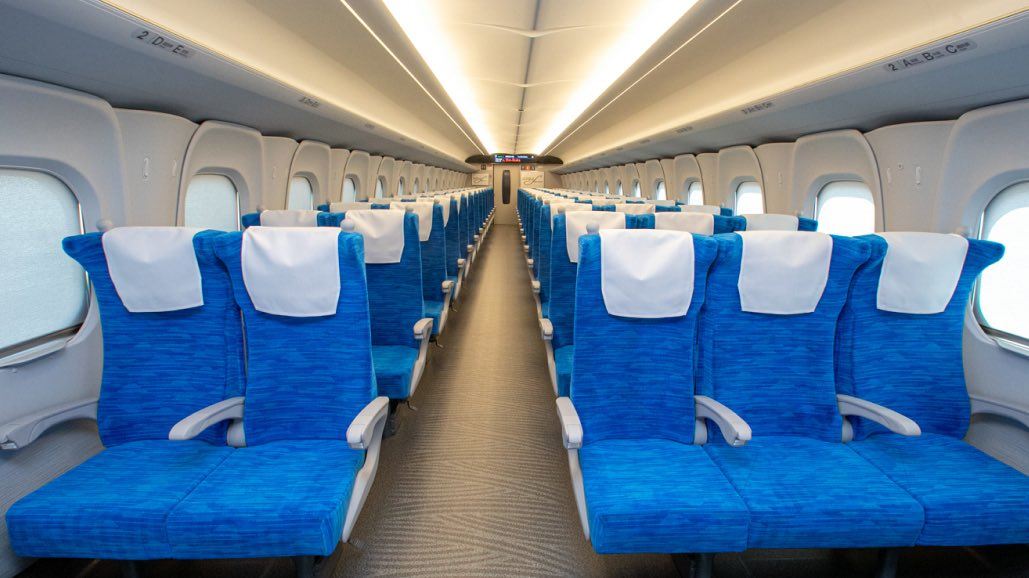
Green Car vs. Gran Class: Premium seating, complimentary meals, and lounge access
Some Gran Class services also include a dedicated attendant, a light meal and alcoholic and non-alcoholic drinks. These extras are not included on every train, however. Some services offer the Gran Class seat and cabin without onboard meal or beverage service, so it is worth checking what is included when you book.
For most travellers looking for extra comfort, Green Car offers the simplest and most widely available upgrade. Gran Class is worth considering when it is available on your route and you want the journey itself to feel more like a premium travel experience.
Shinkansen dining and etiquette: Food, alcohol, and smoking rules
Eating on the train is generally accepted on the Shinkansen, which is designed for long-distance travel. The experience is relaxed, but following a few simple habits helps keep the shared cabin comfortable for everyone.
Can you eat and drink on the Shinkansen?
Yes, you can eat and drink on the Shinkansen, including alcoholic drinks such as beer and sake. Many travellers pick up an ekiben before boarding and enjoy it during the journey. These station bento boxes often feature local specialties, and major stations such as Tokyo, Kyoto and Shin-Osaka have plenty of options to choose from.
It is best to buy food and drinks before you board, as Shinkansen food trolley service is no longer available on every train. Onboard sales vary by route and service, so having your meal ready also means you can settle into your seat and enjoy the journey without worrying about what will be available later.
Eating onboard is generally relaxed. Foods without strong smells are a considerate choice in a shared carriage, and bins are available on many trains and at stations for disposing of packaging after your meal.
Alcohol is also permitted, and enjoying a beer or sake with an ekiben is common on longer journeys. Shinkansen carriages are usually quiet, so simply keeping conversations at a comfortable volume is enough to fit in with the onboard atmosphere.
Onboard smoking policy and designated smoking rooms
Shinkansen trains are non-smoking, including both passenger seating areas and vestibules. Dedicated Shinkansen smoking rooms have also been gradually phased out, with the Tokaido, Sanyo and Kyushu Shinkansen removing their onboard smoking rooms in 2024.
For passengers who smoke, designated smoking areas are available at some Shinkansen stations and can be used before departure or after arrival. Facilities may vary by station, so checking the station layout in advance can be helpful when planning a longer journey.
Onboard facilities and tech amenities
Spending a few hours on the Shinkansen is usually an easy and comfortable experience. Many trains offer free Wi-Fi and power outlets, while restrooms and luggage storage are available throughout the journey. Facilities vary between train models and routes, so it helps to know what to expect before you board.
Wi-Fi connectivity, power sockets, and accessible restrooms
Many Shinkansen trains offer free Wi-Fi, including services across the JR East, JR Central and JR West networks. Getting online is usually straightforward through the train's Wi-Fi network. The signal can become less stable in tunnels and more remote areas, but it is generally useful for messaging, checking your itinerary or browsing during the journey.
Charging is also easy on newer Shinkansen trains. Some models have a power outlet at every seat, while older trains may have sockets mainly by the window seats or at the ends of the carriage. Availability therefore varies slightly depending on the train you are taking.
Restrooms are located throughout Shinkansen trains, and many newer models also have accessible and multipurpose restrooms with additional space. These are particularly useful for wheelchair users and families travelling with young children, making longer journeys more comfortable for a wider range of passengers.
Overhead racks vs. dedicated oversized luggage areas
For most travellers, a normal suitcase or carry-on can be placed on the overhead luggage rack. Smaller personal items can stay with you as long as they do not block the aisle or inconvenience other passengers.
Different rules apply to larger bags on the Tokaido, Sanyo, Kyushu and Nishi-Kyushu Shinkansen. If your luggage measures more than 160cm and up to 250cm in total dimensions, calculated by adding length, width and height, you need to reserve an appropriate seat with access to an oversized luggage area.
Depending on the train, storage may be located behind the last row of seats or in a designated oversized luggage compartment. These spaces are limited, so it is worth arranging them at the same time as your seat reservation rather than waiting until you arrive at the station.
Luggage exceeding 250cm in total dimensions generally cannot be brought onboard. If you are travelling with unusually large luggage, consider Japan's luggage delivery services instead.
Reserve your Shinkansen tickets and seats on Trip.com
Choosing your seat before you travel makes it easier to match the Shinkansen experience to your itinerary, whether you simply want a guaranteed Ordinary Car seat or prefer the additional comfort of a premium cabin.
Securing Green Car and Gran Class seats in advance
When booking Japan rail tickets through Trip.com, the available Shinkansen seat classes are displayed alongside each train, making it easy to see which options are available for your route. On services with a Green Car, travellers can select the premium cabin during the booking process and arrange their tickets before arriving at the station.
Digital booking process and QR code ticket collection
Booking Shinkansen tickets on Trip.com can be completed online in just a few steps.
Enter your journey details, including your departure station, destination and travel date.
Browse the available trains with their departure times and journey details.
Select a seat class, with Ordinary Car, Green Car or Gran Class shown where available.
Add seat and luggage preferences when these options are offered for your train.
Complete the booking and receive the relevant ticket collection or boarding information.
The way you collect your ticket or board the train varies by route and ticket type. Your booking confirmation will show the method available for your journey, including QR code boarding or ticket collection where supported.
Booking your Shinkansen tickets through Trip.com brings train times, seat classes and reservation options together in one place, making it easy to arrange your journey before you arrive in Japan.






- Can you eat and drink on the Shinkansen?
- Shinkansen seat classes compared: Ordinary, Green Car, and Gran Class
- Shinkansen dining and etiquette: Food, alcohol, and smoking rules
- Onboard facilities and tech amenities
- Reserve your Shinkansen tickets and seats on Trip.com
Related travel guides
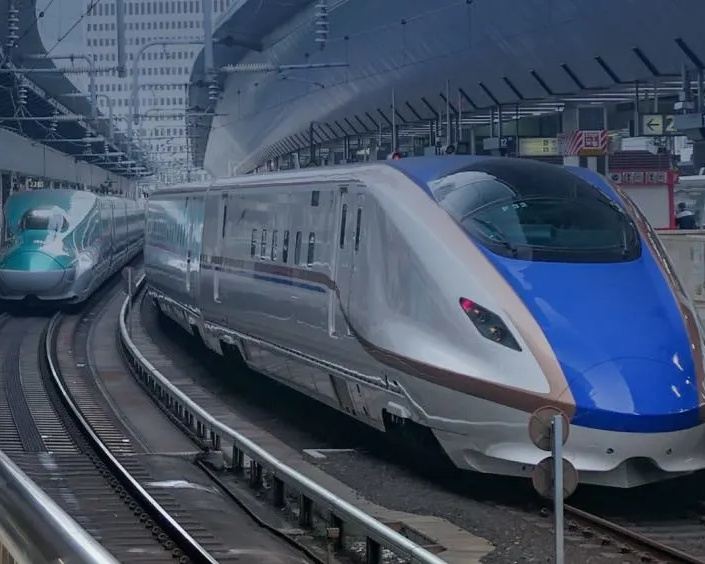 Updated: September 29, 2026
Tokyo to Kyoto and Osaka by Shinkansen
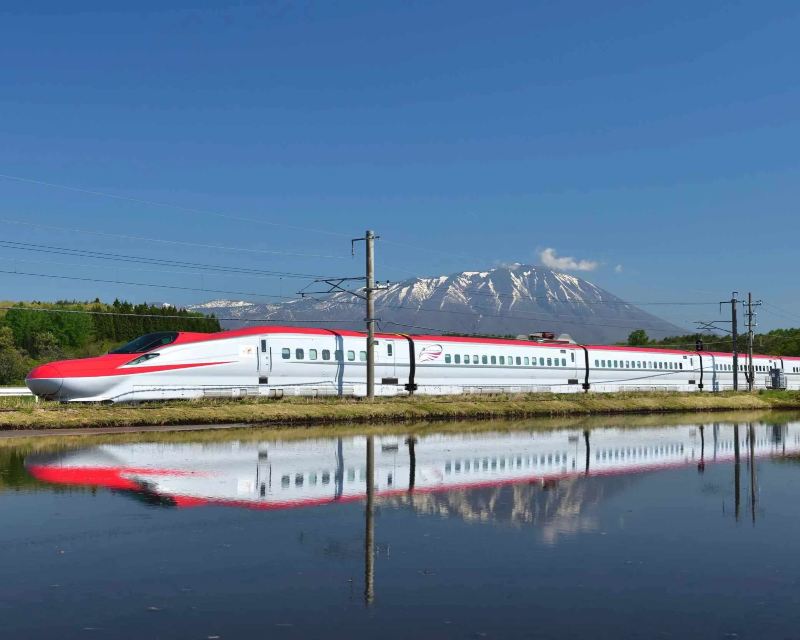 Updated: September 23, 2026
JR Pass vs. Shinkansen tickets
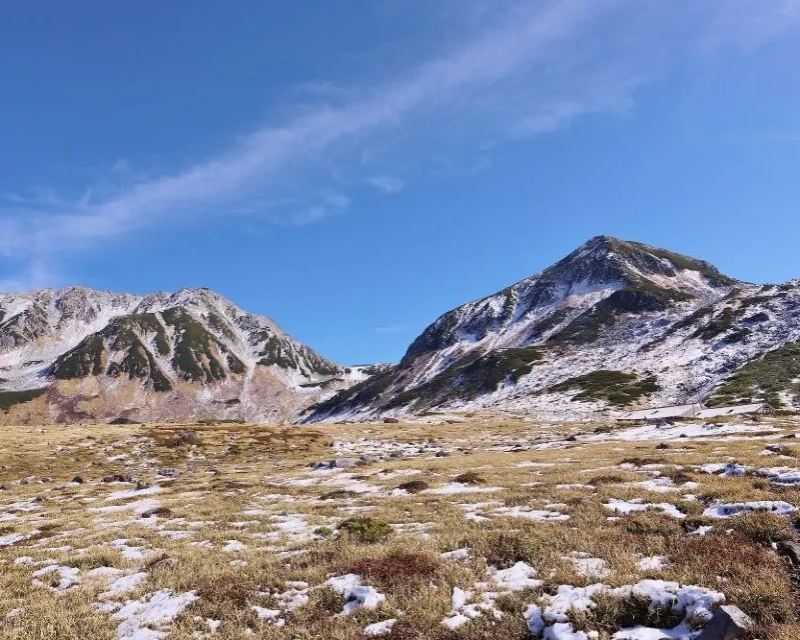 Updated: September 23, 2026
Hokuriku Shinkansen route and travel guide
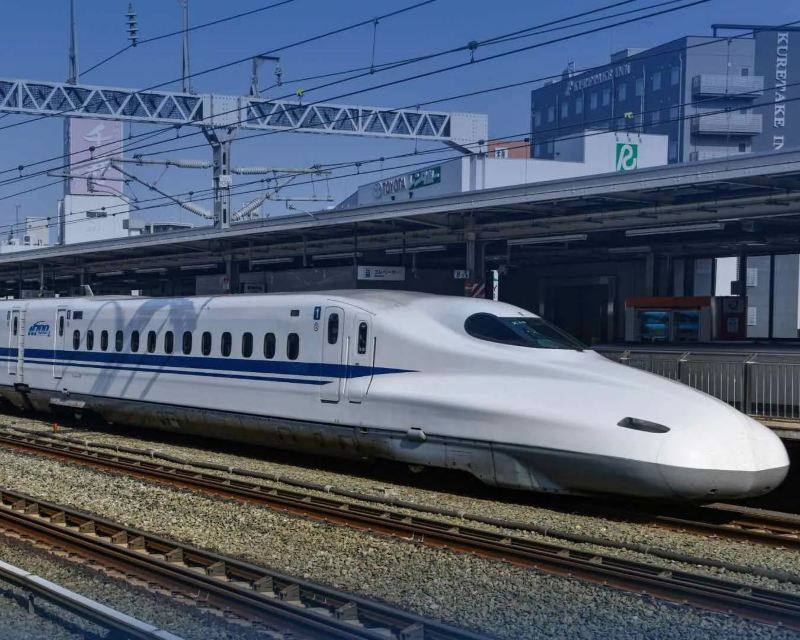 Updated: September 23, 2026
Japan Shinkansen guide: routes and tickets
- Updated: September 2, 2026
JR East Pass Guide: Explore Eastern Japan
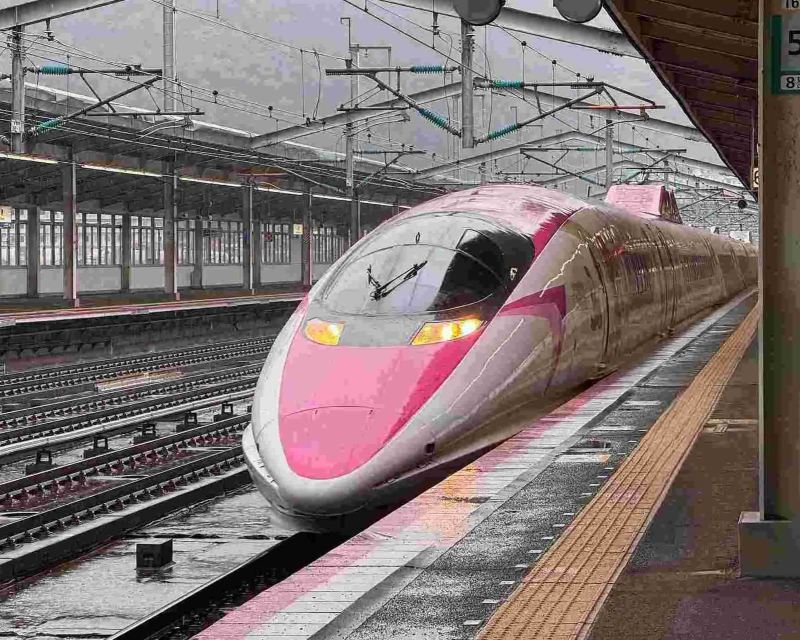 Updated: September 2, 2026
JR West Pass Guide: Discover Western Japan
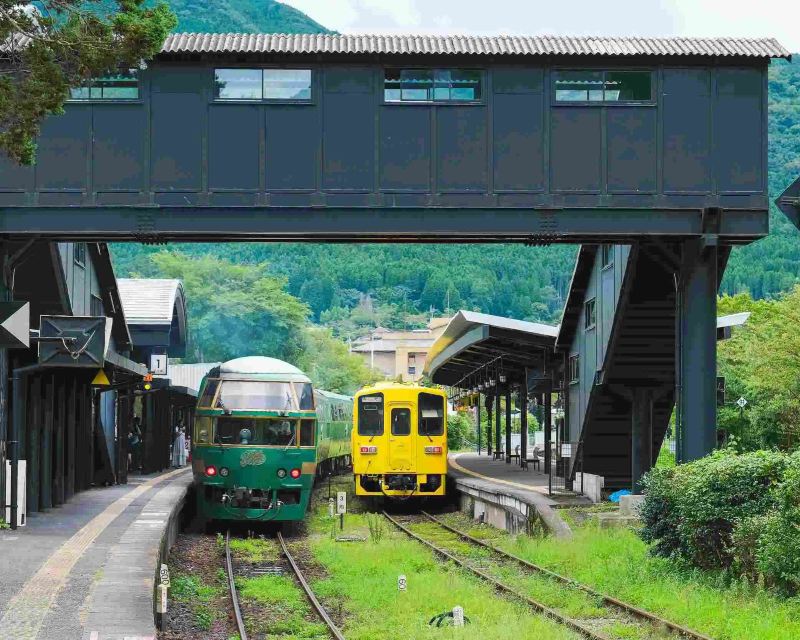 Updated: September 2, 2026
JR Kyushu Pass Guide: Explore the Island
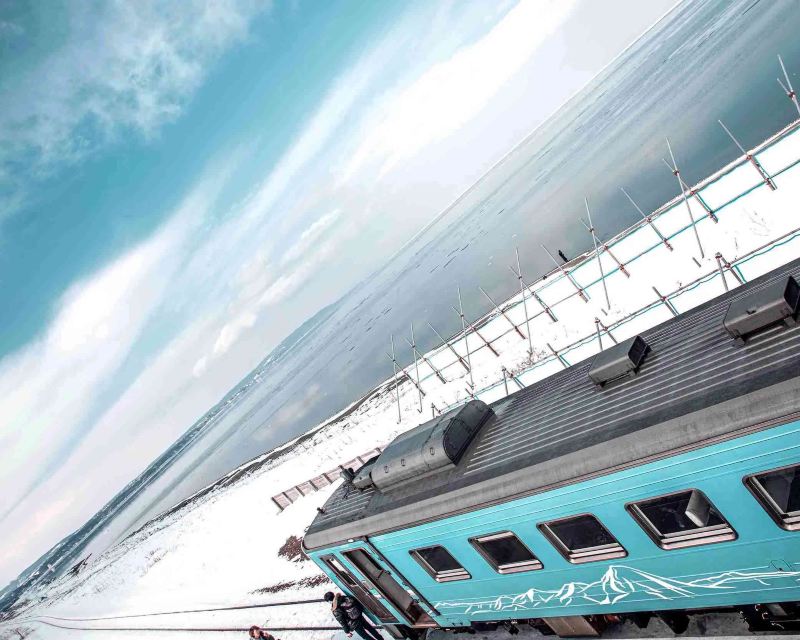 Updated: September 2, 2026
Hokkaido Rail Pass: Explore Japan's Wild North
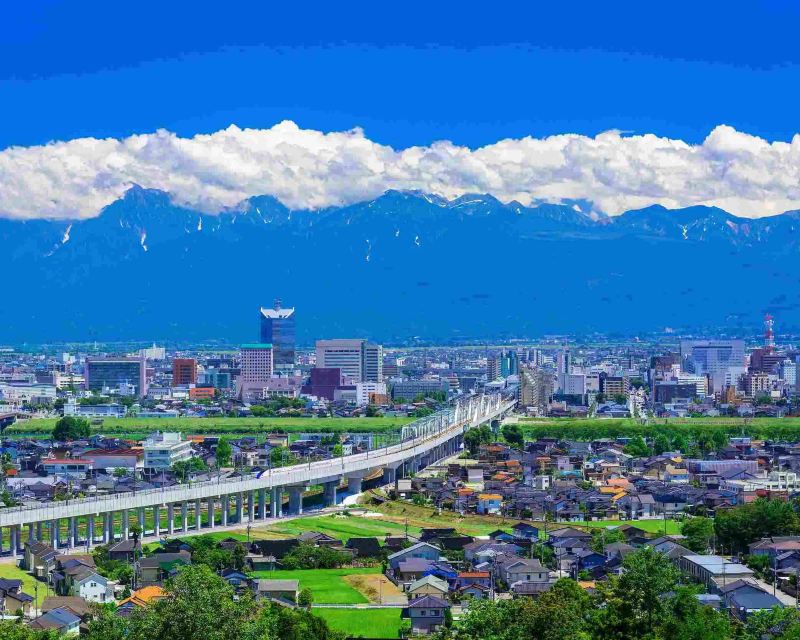 Updated: September 2, 2026
Hokuriku Pass: Beyond The Golden Route
 Updated: September 2, 2026
JR Kansai Rail Pass: Kyoto, Hiroshima and Beyond
 Updated: September 2, 2026
JR Tokyo Wide Pass: Escape beyond Tokyo
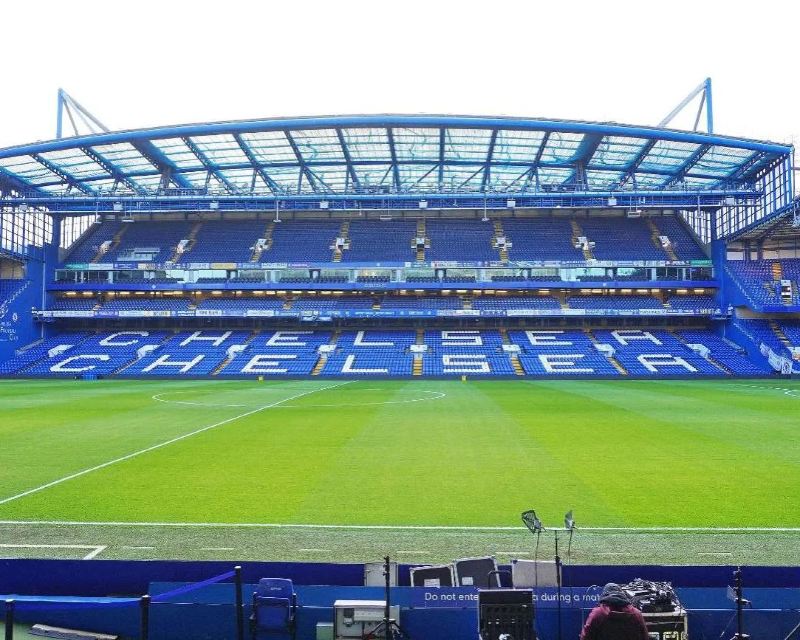

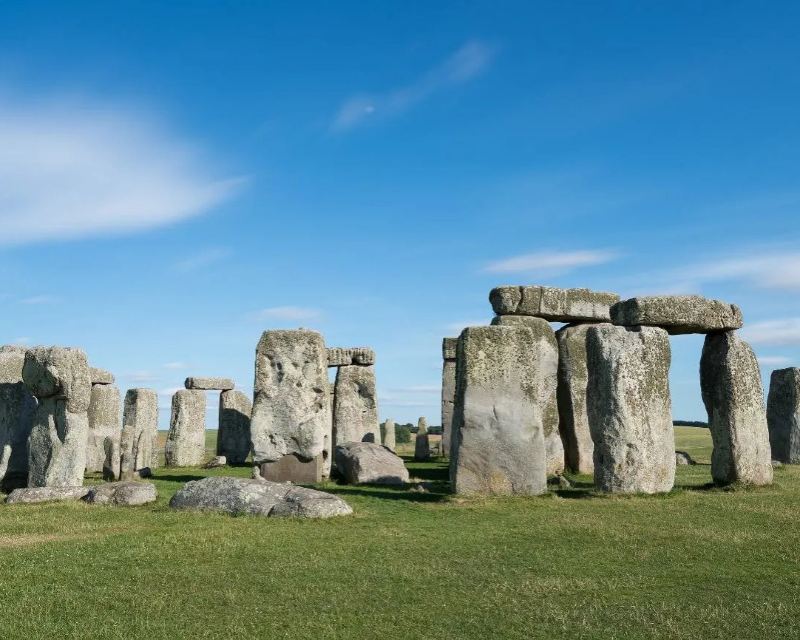

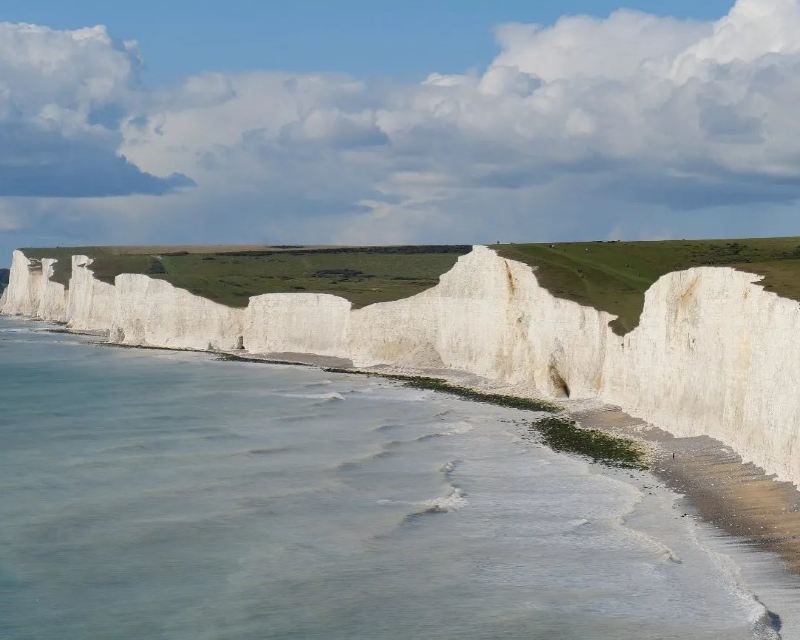
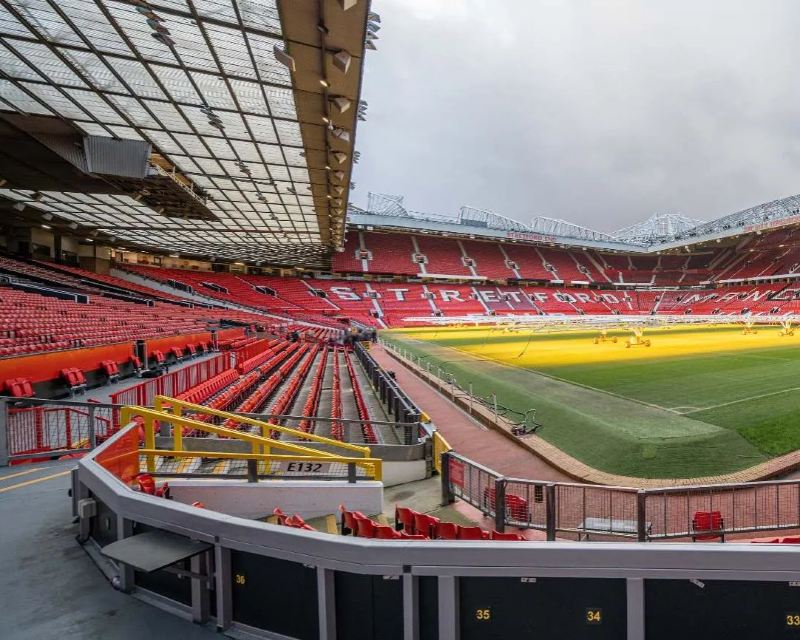
- Getting the train to Warwick Castle | Stations, Routes & FAQsPublished: October 15, 2026
- Getting the train to Tottenham Hotspur Stadium | Stations & RoutesPublished: October 15, 2026
- Travelling by train to Stamford Bridge | Stations & RoutesUpdated: October 15, 2026
- Getting the train to Thorpe Park | Stations, Routes & FAQsPublished: October 15, 2026
- Getting the train to Stonehenge | Stations, Routes & FAQsPublished: October 15, 2026
- Getting the train to Snowdonia | Stations, Routes & FAQsPublished: October 15, 2026
- Trains to Seven SistersPublished: October 14, 2026
- Getting the train to Old Trafford | Stations & RoutesPublished: October 14, 2026
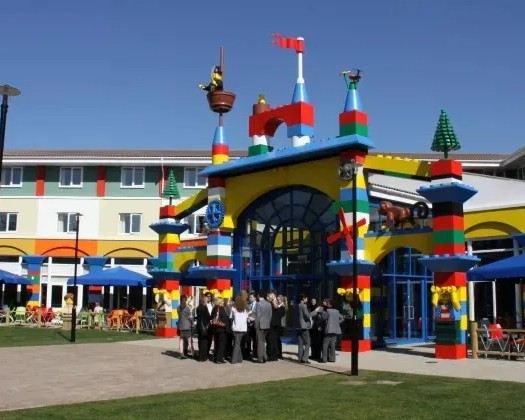
- Getting the train to Legoland Windsor | Stations, Routes & FAQsPublished: October 14, 2026
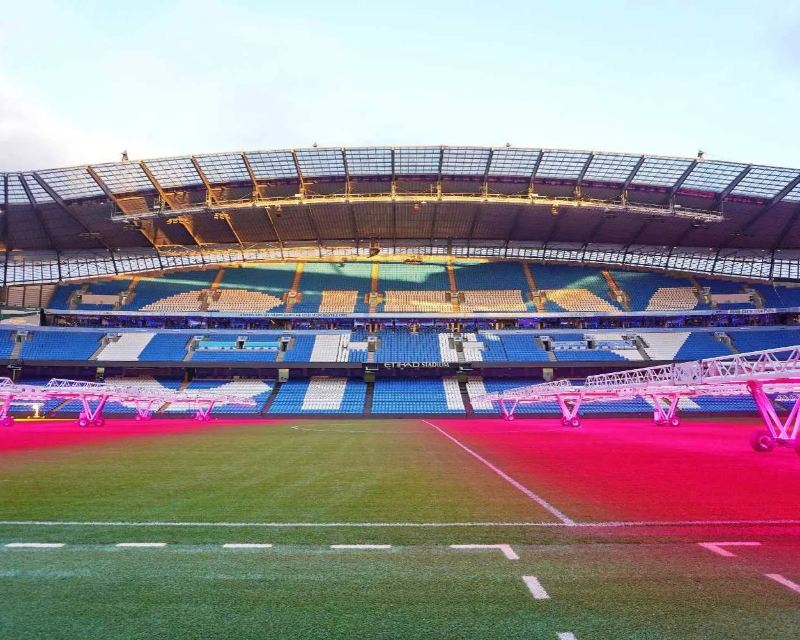
- Getting the train to the Etihad Stadium | Stations & RoutesPublished: October 14, 2026
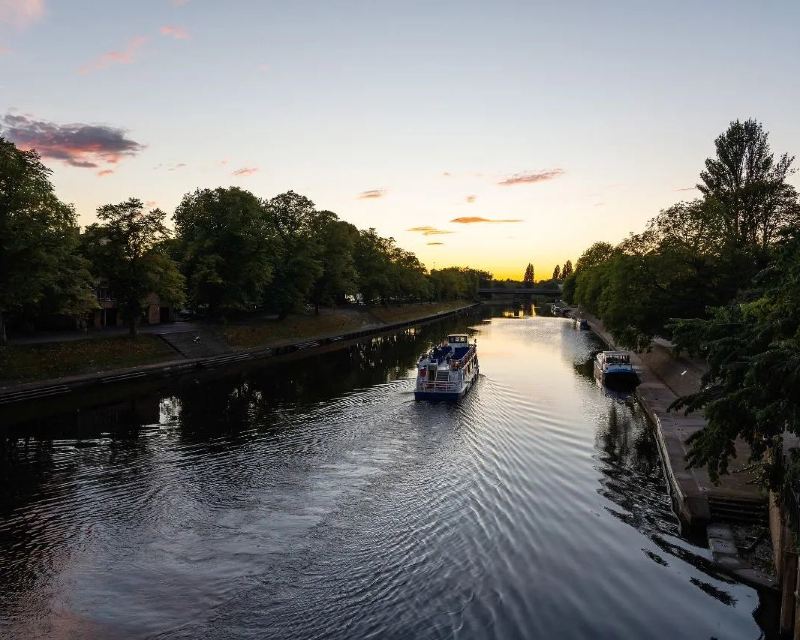
- York weekend break by train: The ultimate itinerary and best hotelsPublished: October 13, 2026
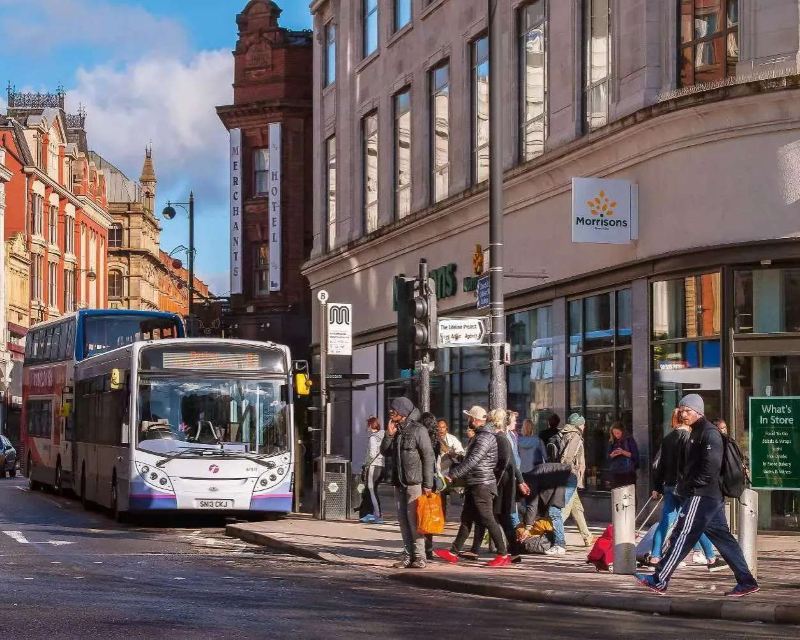
- Manchester city break: best hotels & a 2-day train itineraryPublished: October 13, 2026