
Things to do in Guilin and Yangshuo by rail
Guilin & Yangshuo travel guide: exploring karst mountains by high-speed rail



From Guilin’s riverside sights to Yangshuo’s karst countryside
Li River cruises, Xingping and Yangshuo’s best landscapes
If you’re searching for the best things to do in Guilin, China, start with the landscapes that have made this corner of Guangxi famous.
Guilin rice noodles, beer fish and local flavours
Guilin runs on rice noodles. Locals often start the day with a bowl of Guilin mifen, topped with braised beef, pickled beans, peanuts, and a spoonful of the region’s fermented chili sauce. It is cheap, quick, and deeply embedded in everyday life, with almost every neighbourhood claiming its own favorite noodle shop.
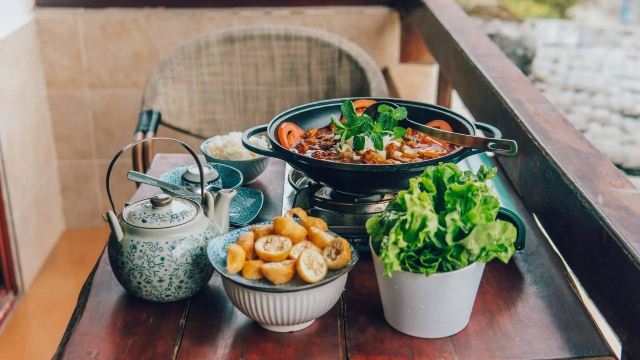
In Yangshuo, beer fish takes centre stage. Local river fish is braised with beer, tomatoes, and peppers, then served whole at the table. If you are staying for the evening, try it alongside stuffed river snails and a glass of sanhua rice liquor. For travellers moving on by rail, Guilin’s major railway stations also have plenty of quick food options, so you can still squeeze in one last bowl of rice noodles before your train.
Scenic day trips from Guilin by high-speed rail
Hong Kong, Shenzhen and Guilin: The easiest rail routes in
- Hong Kong West Kowloon → Guilin West: The direct high-speed train from Hong Kong West Kowloon to Guilin West takes around 3 hours, making Guilin an easy first stop for travellers arriving from Hong Kong. There are currently around 3 pairs of direct trains each day, with departures concentrated in the morning. One major advantage of travelling from West Kowloon is that both Hong Kong departure procedures and Mainland China immigration procedures are completed at the station before boarding. Arrive at least one hour before departure to leave enough time for immigration, security checks, and boarding.
- Shenzhen North → Yangshuo: travellers starting in Shenzhen can take a direct high-speed train from Shenzhen North to Yangshuo in as little as 2 hours 40 minutes. Around 4 direct services operate each day, allowing you to travel straight to the Yangshuo area without first stopping in central Guilin. Shenzhen North Railway Station is connected to Metro Lines 4 and 5, making it easy to reach from different parts of the city. If the direct trains do not suit your schedule, transferring at Guangzhou South can provide more departure options.
- Guilin → Yangshuo: High-speed trains connect Guilin and Yangshuo in around 20–50 minutes, with approximately 25–30 services per day. However, it is important to check which Guilin station your train departs from and to understand where you will arrive. Despite its name, Yangshuo Railway Station is not in central Yangshuo. The station is near Xingping, around 35 km from West Street, so travellers heading to central Yangshuo should allow roughly another hour for the road transfer. The location can actually be an advantage if you plan to visit Xingping first. Yangshuo Railway Station is much closer to Xingping than to central Yangshuo, making it convenient for exploring the historic town and the nearby 20-yuan banknote scenery before continuing south toward West Street and the Yulong River.
Guilin, Guilin North or Guilin West: Which station should you use?
Guilin has three main railway stations, and their similar names make them easy to confuse. Remember to always check the exact station on your ticket before setting out, especially if you are connecting to Yangshuo or arriving from Hong Kong.
- Guilin North Railway Station has the widest range of high-speed and intercity connections of the three. Frequent trains run from here toward Yangshuo, while city buses and taxis connect the station with central Guilin. If you are staying around the main downtown sights, allow extra time for the road journey before your train.
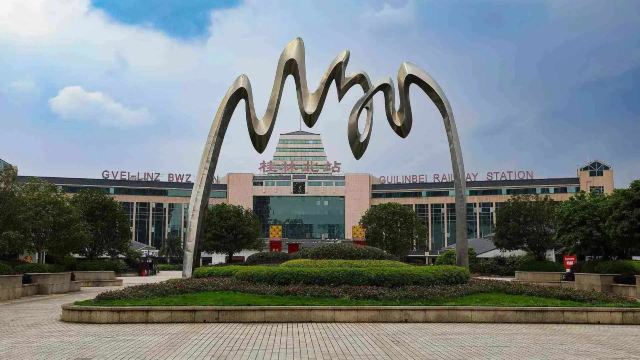
- Guilin Railway Station is the most centrally located option and is convenient for travellers staying around downtown Guilin. Hotels, restaurants, and attractions such as Elephant Trunk Hill are relatively easy to reach by taxi or local bus. However, fewer Yangshuo-bound trains depart from here, so check the timetable before building your itinerary around this station.
- Guilin West Railway Station is particularly important for international travellers because direct trains from Hong Kong West Kowloon arrive here. It also offers fast rail connections toward Yangshuo, but the station is farther from central Guilin. Allow around 40 minutes by taxi to reach the city centre, depending on traffic, and considerably longer if travelling by public transportation.
For most Mainland China departures, arriving around 45 minutes before your train gives you time for security and passport checks. At Hong Kong West Kowloon, allow at least 60 minutes, as cross-boundary passengers complete both Hong Kong departure and Mainland China immigration procedures before boarding.
Five days from Guilin to Yangshuo and the Li River
Take a morning train from Hong Kong West Kowloon to Guilin West and arrive in the early afternoon. After checking in, spend some time exploring central Guilin before walking along the Two Rivers and Four Lakes waterfront at dusk. In the evening, find a local noodle shop and try your first bowl of Guilin rice noodles.
Take a morning cruise along the Li River from Guilin to Yangshuo. The journey takes around four hours and passes through some of the region’s most spectacular karst scenery. After arriving in Yangshuo, check in near West Street and spend the late afternoon cycling through the Yulong River valley.
Spend the day exploring Xingping and the surrounding Li River scenery. Take a bamboo raft along the river and visit the viewpoint associated with the landscape on China’s 20-yuan banknote. If the weather is clear, head to Xianggong Hill later in the day for panoramic views over the river and karst peaks.
Travel north to the Longji Rice Terraces and explore the mountain villages around Dazhai or Ping’an. The road journey from Guilin takes around 2.5–3 hours each way, so allow a full day for the trip. If you have more time, consider staying overnight in a village guesthouse rather than making the long journey back on the same day.
Continue your journey directly from Yangshuo rather than returning to Guilin. From Yangshuo Railway Station, take a high-speed train to Guangzhou South, where you can connect to a train bound for Hong Kong West Kowloon. This lets you finish your trip in the karst countryside before continuing south towards Hong Kong. Alternatively, continue your rail journey through southern China and connect with other destinations in the wider region.

How to book & ride rail trains in Guilin
Two things make booking trains around Guilin different from travelling through many of China’s larger rail hubs. First, there are only around 25–30 trains a day between Guilin and Yangshuo, far fewer than on some of China’s busiest intercity routes. During weekends, public holidays, and peak travel seasons, the most convenient departures can fill up quickly. The second consideration is the direct service to Hong Kong. With only around three departures a day, concentrated in the morning, missing your preferred train can disrupt an entire day rather than simply mean waiting for the next departure.
China Railway generally releases tickets 15 days before departure. If you are planning further ahead, you can submit your booking through Trip.com before the sales window opens. Trip.com will then attempt to secure your seats once tickets are released. English-language customer support and international payment options also make the booking process more convenient for overseas travellers.
For most Mainland China rail journeys, you do not need to collect a paper ticket. Just bring the original physical passport used to make your booking and use it to pass through the station’s identity checks. If your passport cannot be read by an automatic gate, use the staffed channel instead.
Travelling from Hong Kong West Kowloon requires a little more time. Passengers complete both Hong Kong departure procedures and Mainland China immigration procedures inside West Kowloon Station before boarding, so arrive at least 60 minutes before departure.
Lock in your passport-verified e-tickets on Trip.com early, especially if your itinerary depends on one of the limited morning departures between Hong Kong and Guilin.
Explore more China visa‑free travel inspiration?
➡ See how this route fits into our [China Visa-Free Travel Guide].








- From Guilin’s riverside sights to Yangshuo’s karst countryside
- Scenic day trips from
- Five days from Guilin to Yangshuo and the Li River
- How to book & ride rail trains in Guilin
- Explore more China visa‑free travel inspiration?
Related travel guides
 Updated: October 10, 2026
Things to do in Beijing: palaces to the Great Wall
 Updated: October 10, 2026
Hong Kong to Mainland China transit guide
 Updated: October 10, 2026
Shanghai visa-free rail itineraries
 Updated: October 10, 2026
Yunnan rail guide: From Kunming to Dali and Shangri-La
 Updated: October 10, 2026
Chongqing to Zhangjiajie high-speed train guide
 Updated: October 10, 2026
Shanghai to Hangzhou high-speed bullet train guide
 Updated: October 10, 2026
Beijing to Shanghai high-speed bullet train guide
 Updated: October 10, 2026
Shanghai to Suzhou high-speed trains guide





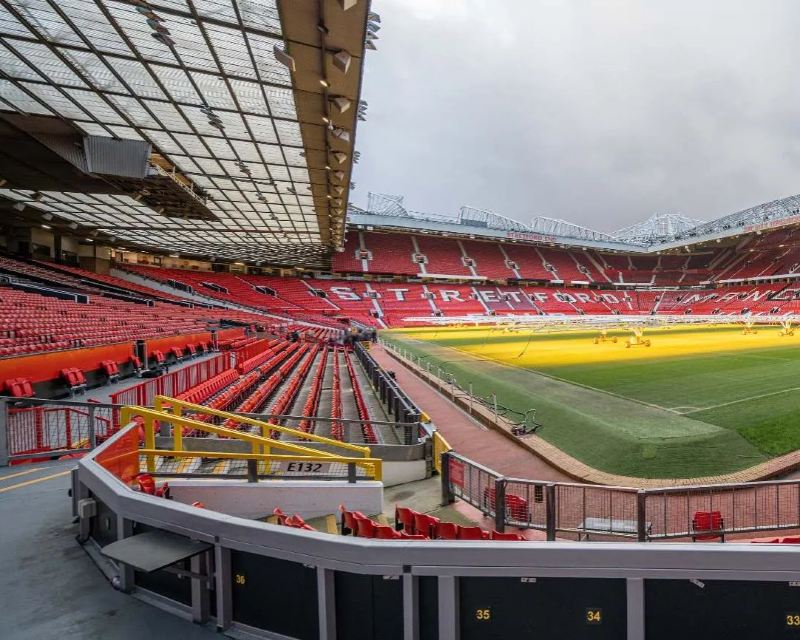

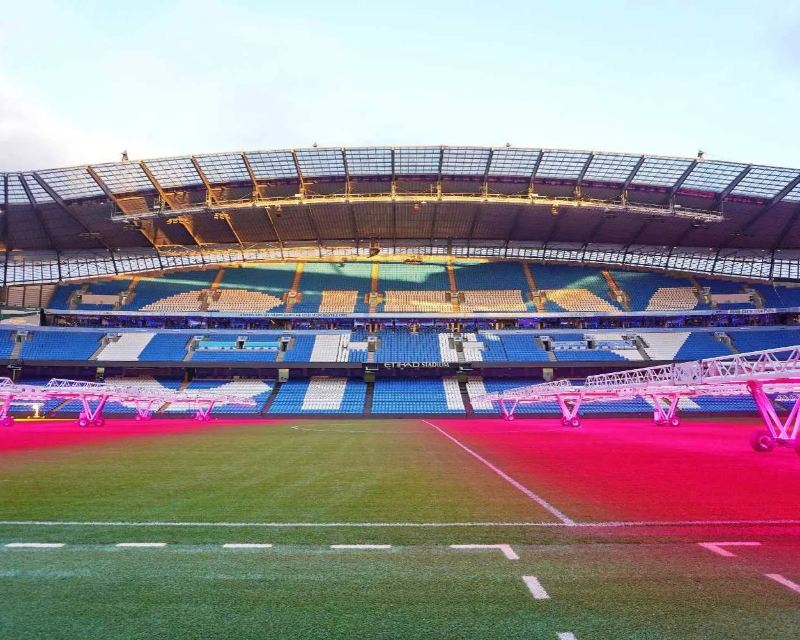

- Getting the train to Warwick Castle | Stations, Routes & FAQsPublished: October 15, 2026
- Getting the train to Tottenham Hotspur Stadium | Stations & RoutesPublished: October 15, 2026
- Travelling by train to Stamford Bridge | Stations & RoutesUpdated: October 15, 2026
- Getting the train to Thorpe Park | Stations, Routes & FAQsPublished: October 15, 2026
- Getting the train to Stonehenge | Stations, Routes & FAQsPublished: October 15, 2026
- Getting the train to Snowdonia | Stations, Routes & FAQsPublished: October 15, 2026
- Trains to Seven SistersPublished: October 14, 2026
- Getting the train to Old Trafford | Stations & RoutesPublished: October 14, 2026
- Getting the train to Legoland Windsor | Stations, Routes & FAQsPublished: October 14, 2026
- Getting the train to the Etihad Stadium | Stations & RoutesPublished: October 14, 2026
- York weekend break by train: The ultimate itinerary and best hotelsPublished: October 13, 2026
- Manchester city break: best hotels & a 2-day train itineraryPublished: October 13, 2026