
Things to do in Beijing: palaces to the Great Wall
Your guide to Beijing's must-see sights and the high-speed rail day trips around them


With expanded visa-free entry and 240-hour visa-free transit making travel easier for many eligible international visitors, Beijing works especially well as the anchor for a first rail-based journey through China.
Top attractions & cultural highlights in Beijing
Beijing’s must-see sights for first-time visitors
If you're searching for the best things to do in Beijing, start with the landmarks that have shaped the city's identity for centuries.
- The Forbidden City (Palace Museum): Also known as Gugong, the Forbidden City is the world's largest surviving imperial palace complex and was home to 24 emperors of the Ming and Qing dynasties. Tickets are sold online-only, released seven days ahead, and tied to your passport, so booking ahead is essential, especially during weekends and peak travel periods. Enter through the Meridian Gate in the south and follow the central axis through monumental halls and courtyards toward the Gate of Divine Prowess in the north. Allow at least three hours for the main sights, or half a day if you want to explore the quieter side courtyards and exhibitions. Afterwards, cross to nearby Jingshan Park and make the short climb to the hilltop for one of Beijing's best panoramic views over the Forbidden City's golden rooftops.
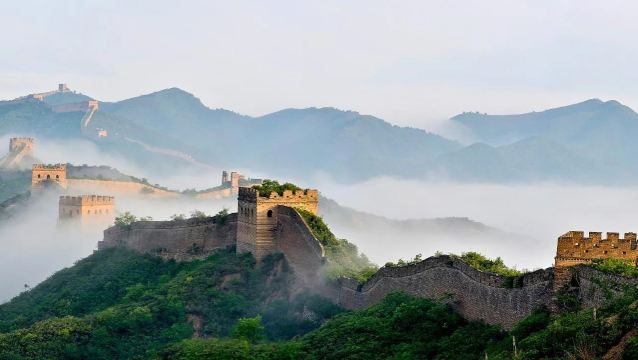
- The Great Wall at Badaling: Badaling is the most-visited section of the Great Wall of China and one of the easiest to reach independently, thanks to a high-speed railway station located directly beneath the scenic area. The Great Wall stretches for roughly 21,000 km across northern China, built and rebuilt over more than two millennia. Much of the crenellated stonework you see at Badaling dates to the Ming dynasty and was restored in the 20th century. And despite the enduring myth, the Great Wall cannot be seen from space with the naked eye. From Beijing North Railway Station, high-speed trains reach Badaling Great Wall Railway Station in around 30–40 minutes, with roughly 25 services a day depending on the schedule. Visit early on a weekday to avoid the biggest crowds. Winter can be particularly atmospheric, with fewer visitors and snow sometimes covering the surrounding mountains.
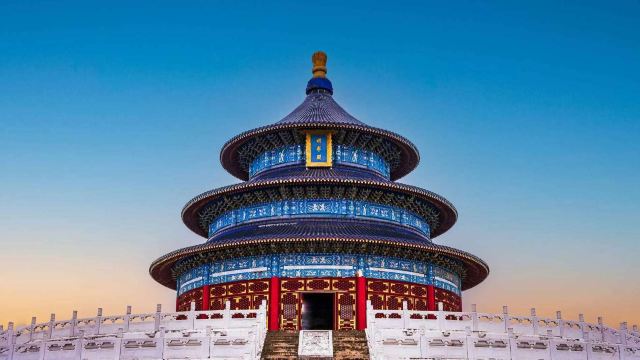
- The Temple of Heaven: Known as Tiantan in Chinese, this imperial complex is one of the best places to experience both monumental architecture and everyday Beijing life. Best visited between 7 am and 9 am, when the surrounding park fills with locals practising tai chi, ballroom dancing, calligraphy on paving stones and jianzi. The circular Hall of Prayer for Good Harvests is the icon, but the park is the experience.
- Summer Palace: Lakes, landscaped gardens, temples, bridges, and pavilions make this former imperial retreat a good counterpoint to the formal architecture of the Forbidden City. Set aside several hours, particularly if you want to walk around Kunming Lake.
- Universal Studios Beijing: For a break from palaces and imperial history, Universal Studios Beijing offers a full day of rides, shows, and themed attractions. The resort is easily reached from central Beijing via Metro Line 7, making it a useful counterweight for families or teenagers who have reached their limit on dynasties. Allow a full day, and consider booking tickets in advance during weekends, school holidays, and other peak periods.
Travellers inspired by Jackie Chan’s invitation to “come see the real China” will find plenty of that story in Beijing, where imperial palaces, traditional neighbourhoods, and the Great Wall offer a vivid introduction to the country’s history and culture.
Eat your way through old and new Beijing
Beijing is more than palaces and monuments. Between sightseeing stops, make time for the city's distinctive food and neighbourhood culture.
Peking duck is an obvious pilgrimage. Crisp-skinned roast duck is carved tableside and wrapped in thin pancakes with scallions, cucumber, and sweet bean sauce. It's worth booking a day ahead at the best-known restaurants, especially on weekends.
Beyond duck, don’t forget to try the iconic zhajiangmian, a dish of thick wheat noodles topped with savory fermented soybean paste. Copper-pot lamb hotpot is another local favorite and a winter institution in Beijing’s hutongs. Jianbing is also worth trying. This crisp, savory breakfast crepe is traditionally sold by street vendors in the morning. For late-night eating, Guijie (Ghost Street) stays lively into the small hours, with restaurants serving everything from spicy crayfish to hotpot.
Food also fits easily around a rail itinerary. Both Beijing South and Beijing North railway stations have plenty of places to grab a meal or snack, useful when a morning at the Great Wall runs into an afternoon train to Tianjin.
For a slower look at local life, explore the hutongs around Shichahai and the Drum and Bell Towers, where narrow lanes and traditional courtyard homes reveal a more intimate side of the capital. Come evening, switch from old Beijing to the restaurants, bars, and shopping around Sanlitun for a glimpse of the city's contemporary side.

Beyond Beijing: Great Wall and high-speed rail escapes
Ride the rails to Badaling, Tianjin and Shanghai
Beijing’s rail network makes it possible to add completely different landscapes and cities to your itinerary without changing hotels.
- Beijing North → Badaling Great Wall: This is one of the most convenient rail trips for first-time visitors to Beijing. The Beijing–Zhangjiakou line put the Wall within a morning's reach, with direct trains reaching Badaling Great Wall Railway Station in around 20–35 minutes, and roughly 25 services per day. Badaling Great Wall Railway Station is the deepest and largest underground high-speed railway station in the world. It is approximately 150 meters from the north cable car and within walking distance of the main climbing entrances. Second-class fares typically range from ¥16 to ¥31. This popular route can sell out quickly, so book early for weekends and Chinese public holidays.
- Beijing South to Tianjin: Looking for a change of pace? Tianjin combines European-influenced architecture, riverside scenery, local snacks, and a distinctive urban character just outside Beijing. High-speed trains reach Tianjin Railway Station in around 30 minutes. C-series intercity trains run frequently throughout the day, often at intervals of around 10–15 minutes, making Tianjin an easy day trip from Beijing. The main Tianjin station provides convenient access to the city's Italian-style area and Five Great Avenues. Check your ticket carefully, as some trains arrive at Tianjin West or Tianjin South instead.
- Beijing South to Shanghai Hongqiao: This is not a day trip, but a natural next leg for travellers on a longer China itinerary. The fastest G-series trains cover the 1,318 km Beijing–Shanghai corridor in around 4 hours 20 minutes, with dozens of departures each day. travelling from city centre to city centre also makes high-speed rail a convenient alternative to flying. Popular weekend services can fill up quickly, so booking early is recommended. The route makes it easy to follow Beijing's imperial palaces and historic neighbourhoods with Shanghai's modern skyline and waterfront.
Which Beijing railway station should you use?
Beijing has several major high-speed railway stations, and they serve different routes, so always confirm your departure station before travelling.
- Beijing South: This is the main hub for high-speed trains to Tianjin and Shanghai. Metro Lines 4 and 14 connect the station with central Beijing. To reach the Tiananmen area, take Line 4 to Xuanwumen and transfer to Line 2 for Qianmen. The metro journey takes around 25 minutes.
- Beijing North: This station is particularly convenient for trains to Badaling Great Wall and Zhangjiakou, as well as destinations such as Datong and Hohhot. It is located at Xizhimen and connects directly with Metro Lines 2, 4, and 13. Tiananmen Square is approximately 8 km away.
- Qinghe: Qinghe is another useful departure point for Badaling Great Wall, with frequent high-speed services along the Beijing–Zhangjiakou line. The station is connected to the city by Metro Line 13, although travellers staying in central Beijing should allow extra time to reach it.
- Beijing West: This is a major hub for high-speed trains to Xi’an, Zhengzhou, Guangzhou, and Hong Kong. Metro Lines 7 and 9 provide convenient connections to the rest of Beijing.
Four days in Beijing: City sights, Great Wall and Tianjin
A four-day itinerary will give first-time visitors enough time to explore Beijing's imperial landmarks, experience local neighbourhoods, and add easy high-speed rail trips without rushing.
- Day 1: Arrival and orientation
Settle in before exploring Tiananmen Square, Qianmen, and Dashilan, where historic shopfronts offer an easy introduction to old Beijing. Spend the evening exploring the surrounding streets and finish your first day with an iconic Peking duck dinner. - Day 2: Imperial Beijing
Start early at the Forbidden City, with your ticket booked and passport ready. Follow the central axis before exiting north toward Jingshan Park for panoramic views over the palace. Continue to the Shichahai lakes and nearby hutongs in the late afternoon. - Day 3: Great Wall day trip
Take an early train from Beijing North or Qinghe to Badaling Great Wall, with journeys taking around 20–35 minutes. Spend several hours exploring the ramparts before returning to Beijing in the afternoon. Head to Guijie in the evening for a late dinner. - Day 4: Tianjin day trip or more of Beijing
Take a C-series train from Beijing South to Tianjin in around 30 minutes. Explore the Italian-style area, Five Great Avenues, and riverside before returning to Beijing in the evening. Prefer to stay in the capital? Spend the day visiting the Temple of Heaven and Summer Palace, or dedicate a full day to Universal Studios Beijing.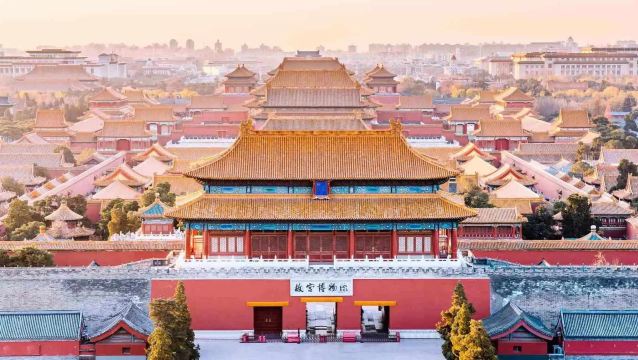
How to book & ride rail trains in Beijing
Beijing’s most popular rail routes are also among its busiest. Trains to Badaling Great Wall and popular Beijing–Shanghai departures can sell out quickly, particularly on weekends and during Chinese public holidays. China Railway generally releases tickets 15 days before departure, which can make planning difficult if you are organizing your trip months in advance.
Booking through Trip.com helps bridge that gap. You can place your order well before the 15-day window opens, and your seats are secured automatically the moment tickets are released. You'll also get English-language customer support and payment with international credit cards, neither of which the domestic system handles smoothly.
At the station, you don’t need a paper ticket. China’s railway network uses passport-linked e-tickets for international travellers. Bring the original physical passport used for your booking, scan it at the automatic gate, and walk through. Make sure your name and passport number on your booking match exactly. A single wrong character means a trip to the ticket office.
Ready to explore beyond Beijing? Lock in your passport-verified e-tickets on Trip.com and have your preferred trains ready before your journey begins.
Explore more China visa‑free travel inspiration?
- Finished in Beijing and heading to Shanghai? Experience one of China's flagship rail routes aboard the Fuxing Hao high-speed train and find the best way to book your journey: ➡ Explore the Beijing to Shanghai High-Speed Train Guide
- Interested in the Terracotta Army? Beijing and Xi'an are two classic destinations for first-time visitors to China. Continue west by high-speed rail to discover the Terracotta Army, Ancient City Wall, and one of China's most historic capitals.
➡ Continue with ourXi'an Rail Guide - Planning a longer trip through China? See how Beijing and other major destinations can fit into a multi-city rail journey under China's visa-free travel policies.
➡ Explore our China Visa-Free Travel Guide.







- Top attractions & cultural highlights in Beijing
- Beyond Beijing: Great Wall and high-speed rail escapes
- Four days in Beijing: City sights, Great Wall and Tianjin
- How to book & ride rail trains in Beijing
- Explore more China visa‑free travel inspiration?
Related travel guides
 Updated: October 10, 2026
Hong Kong to Mainland China transit guide
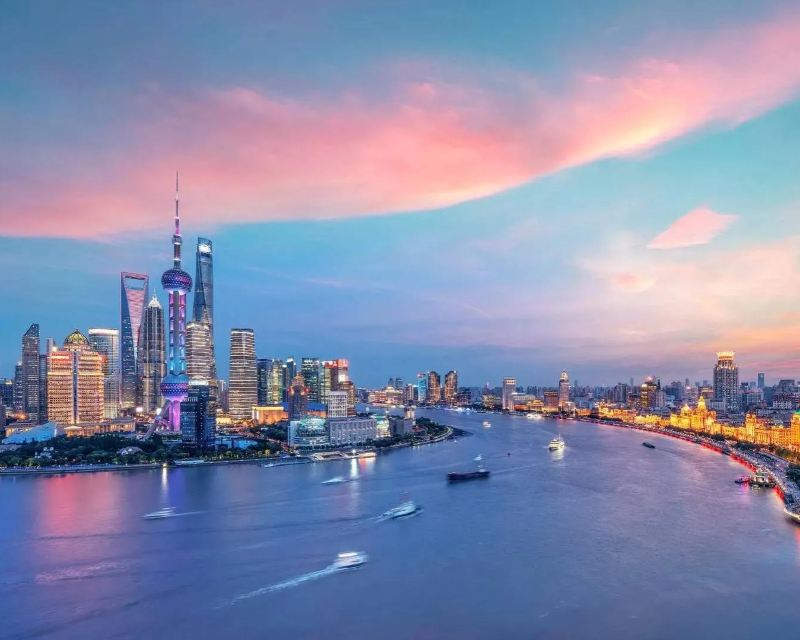 Updated: October 10, 2026
Shanghai visa-free rail itineraries
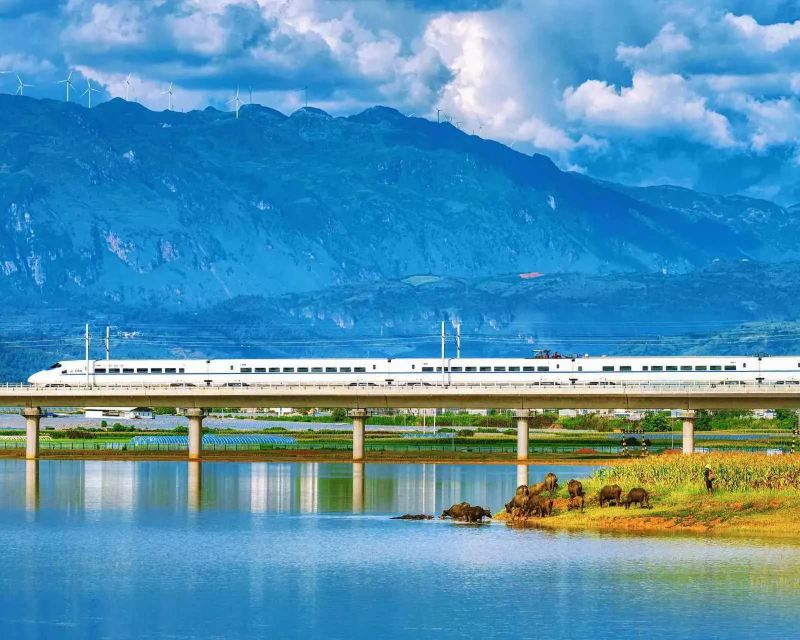 Updated: October 10, 2026
Yunnan rail guide: From Kunming to Dali and Shangri-La
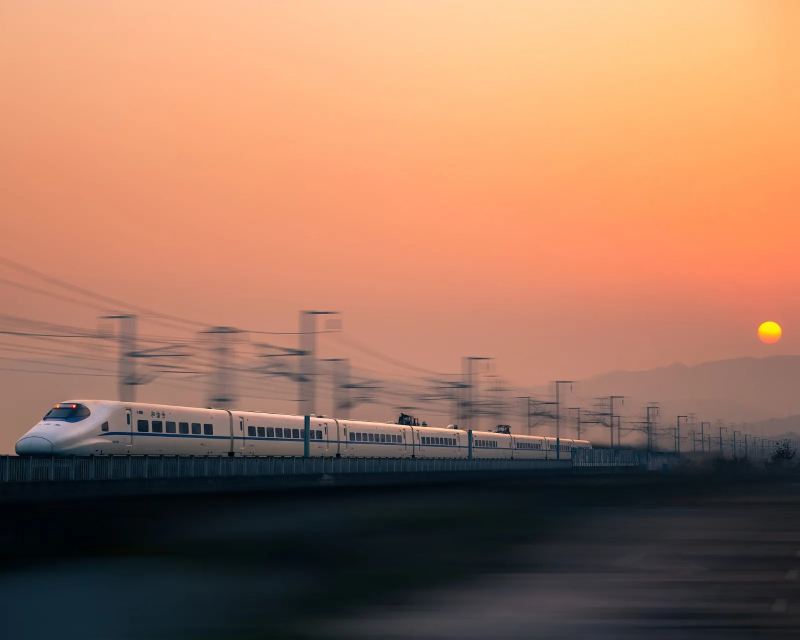 Updated: October 10, 2026
Chongqing to Zhangjiajie high-speed train guide
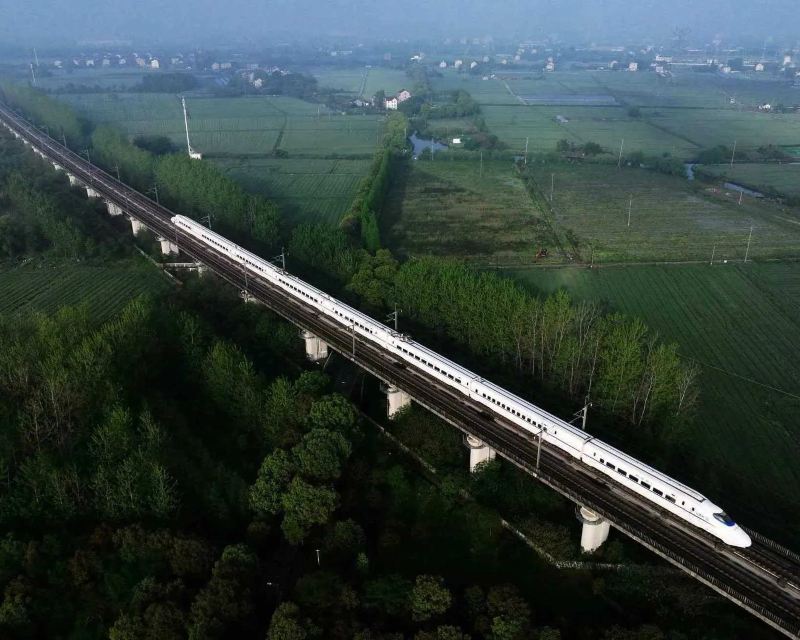 Updated: October 10, 2026
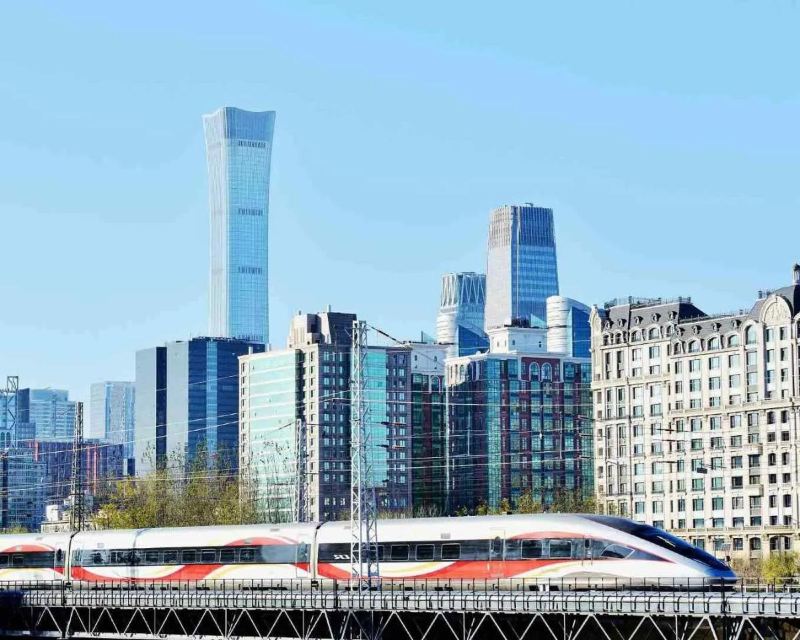
Shanghai to Hangzhou high-speed bullet train guide
 Updated: October 10, 2026
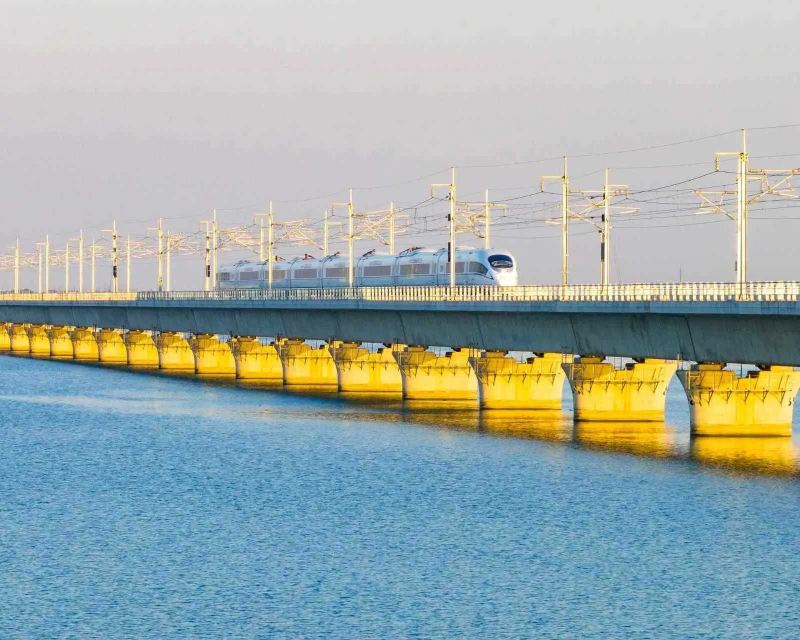
Beijing to Shanghai high-speed bullet train guide
 Updated: October 10, 2026
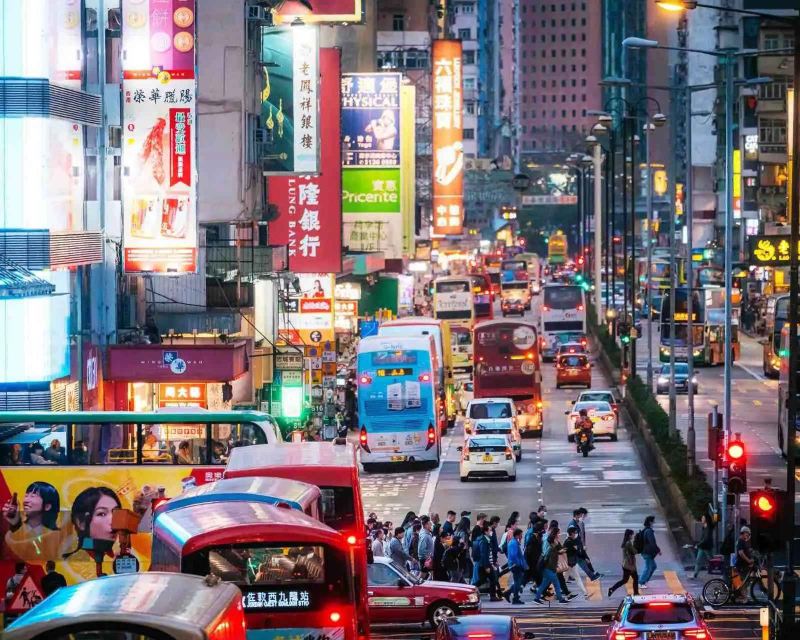
Shanghai to Suzhou high-speed trains guide
 Updated: October 10, 2026
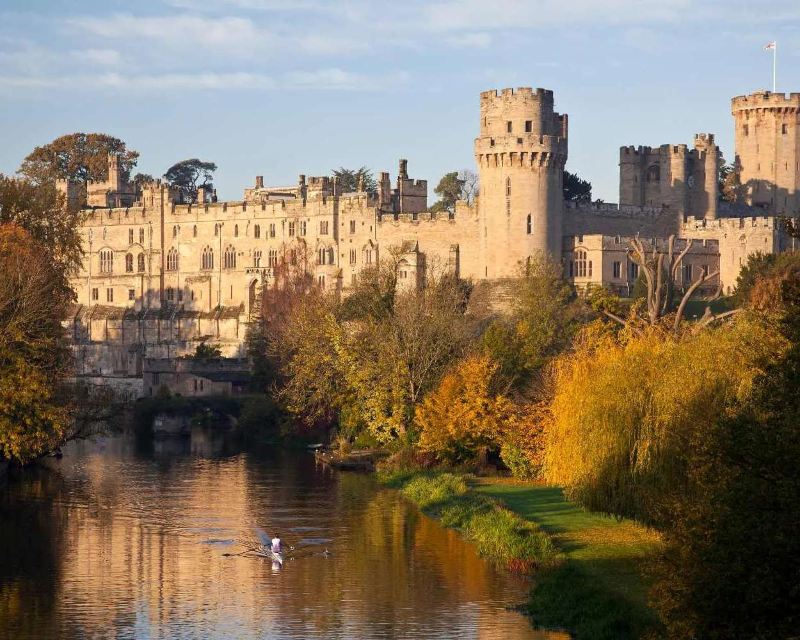
Hong Kong: gateway to Guangzhou and mainland rail


- Getting the train to Warwick Castle | Stations, Routes & FAQsPublished: October 15, 2026
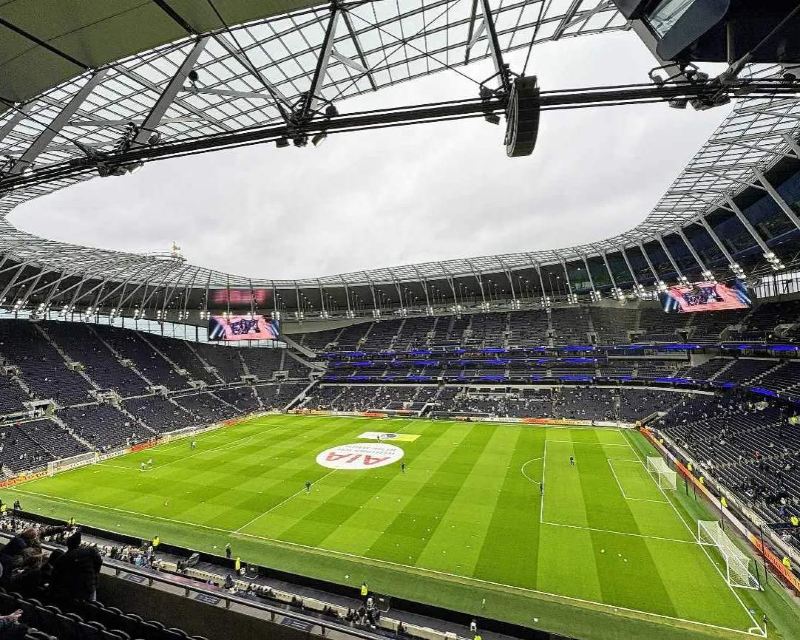
- Getting the train to Tottenham Hotspur Stadium | Stations & RoutesPublished: October 15, 2026
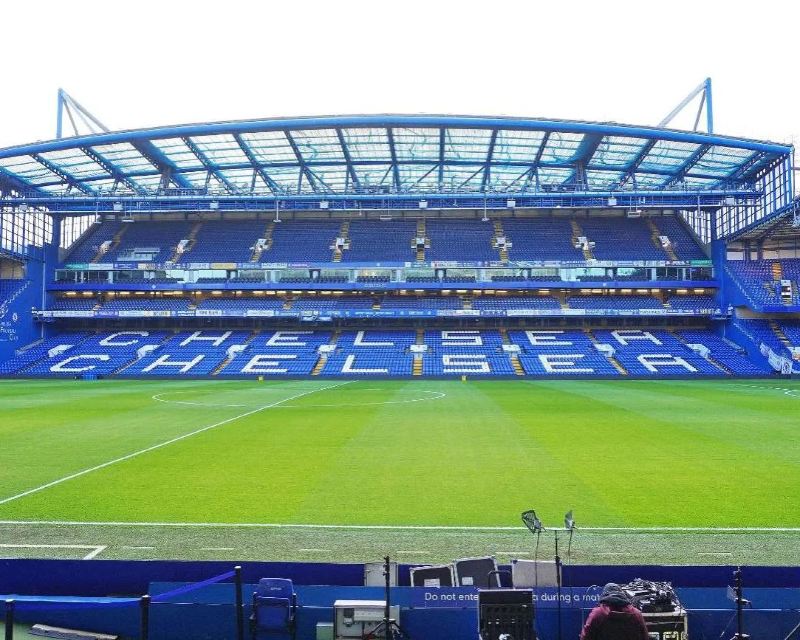
- Travelling by train to Stamford Bridge | Stations & RoutesUpdated: October 15, 2026
- Getting the train to Thorpe Park | Stations, Routes & FAQsPublished: October 15, 2026
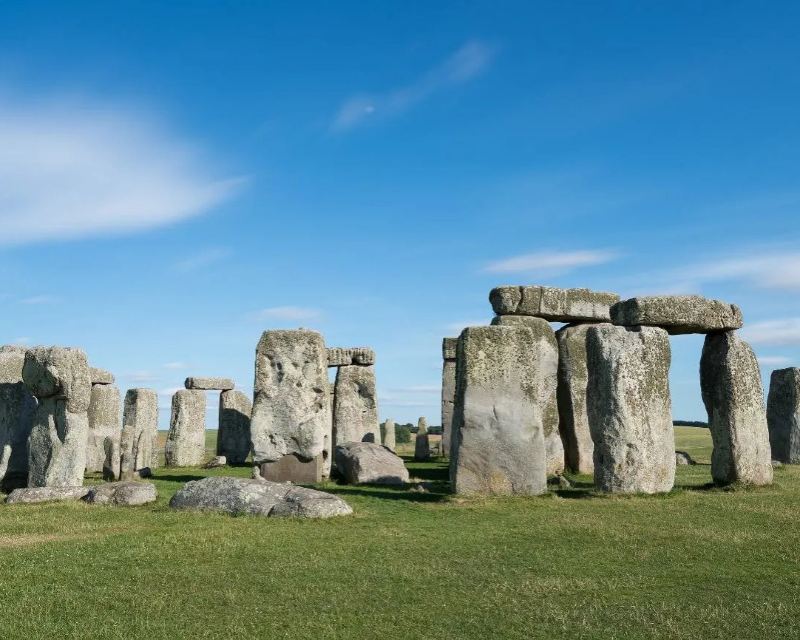
- Getting the train to Stonehenge | Stations, Routes & FAQsPublished: October 15, 2026
- Getting the train to Snowdonia | Stations, Routes & FAQsPublished: October 15, 2026
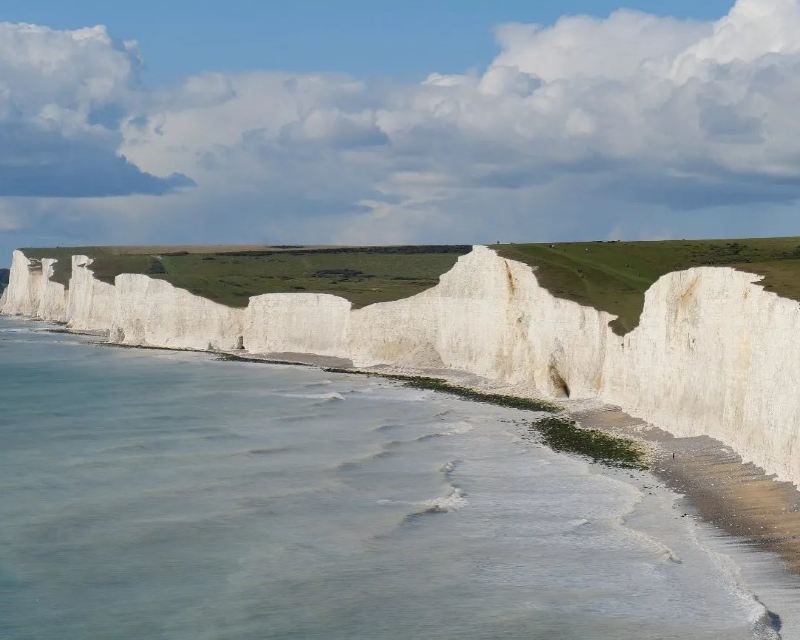
- Trains to Seven SistersPublished: October 14, 2026
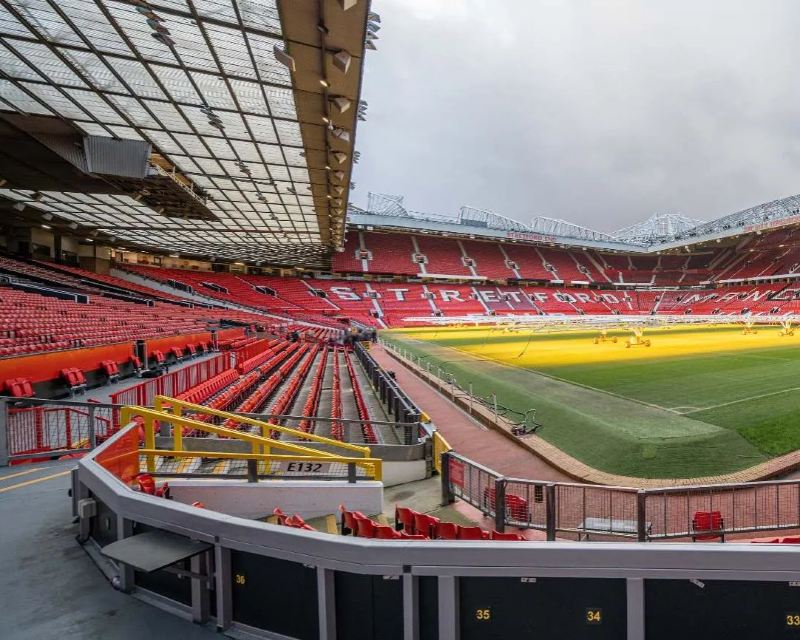
- Getting the train to Old Trafford | Stations & RoutesPublished: October 14, 2026
- Getting the train to Legoland Windsor | Stations, Routes & FAQsPublished: October 14, 2026
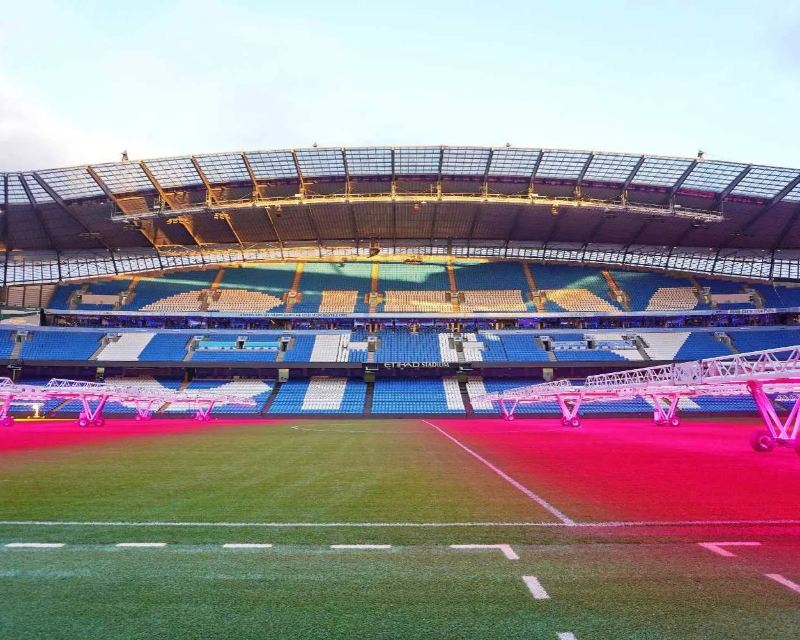
- Getting the train to the Etihad Stadium | Stations & RoutesPublished: October 14, 2026
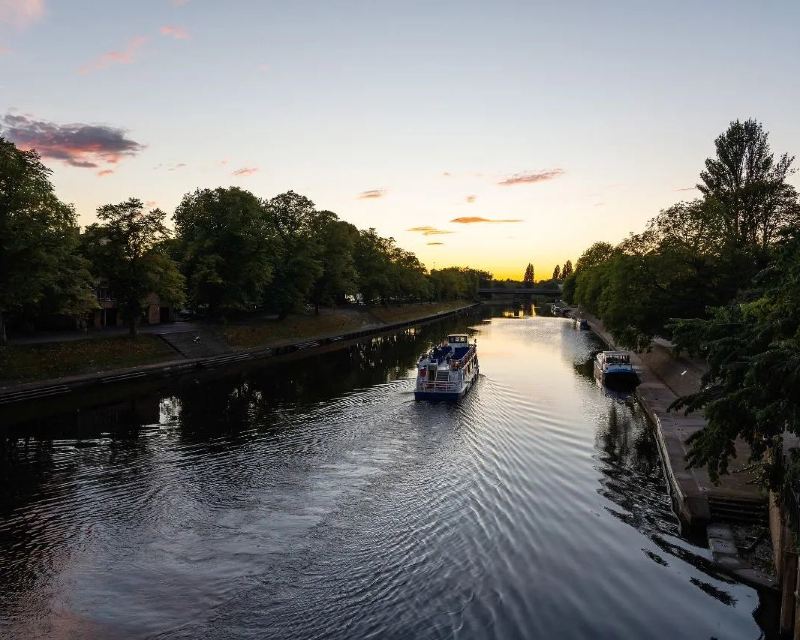
- York weekend break by train: The ultimate itinerary and best hotelsPublished: October 13, 2026
- Manchester city break: best hotels & a 2-day train itineraryPublished: October 13, 2026