
Xi'an rail guide: Terracotta Army and city wall
Discover Xi’an and connect to Beijing, Chengdu and beyond by high-speed rail

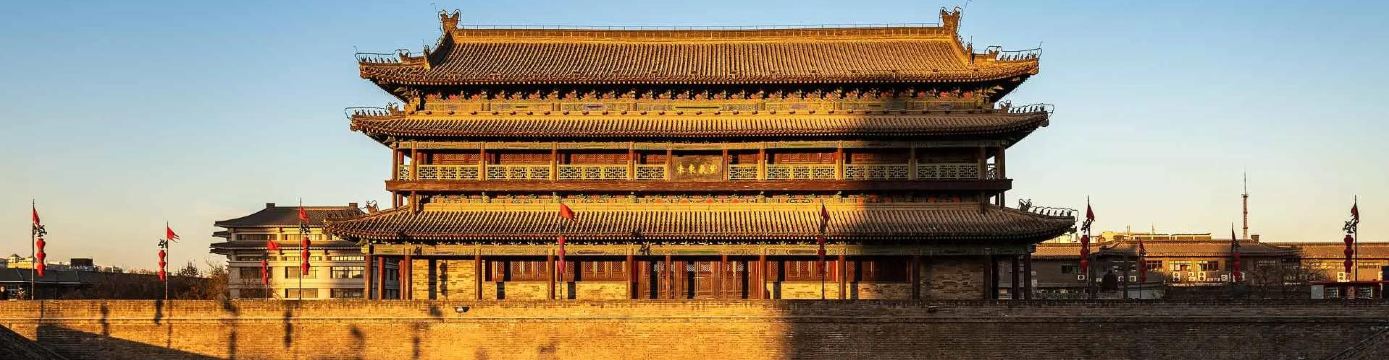
Xi’an has been welcoming travellers for much longer than the railway has. Once known as Chang’an, the city served as an imperial capital for multiple dynasties and became the eastern starting point of the ancient Silk Road. Today, the Terracotta Army still guards the tomb of China’s first emperor outside the city, while the remarkably complete Ming-era City Wall encloses a centre filled with temples, towers and busy food streets.
Top attractions & cultural highlights in Xi’an
From the Terracotta Army to the Tang-era city
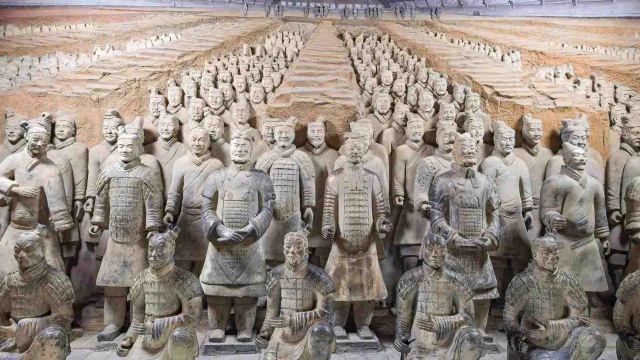
- Terracotta Army: Xi’an’s defining attraction brings together thousands of life-sized warriors, horses and chariots created more than 2,000 years ago for Qin Shi Huang, China’s first emperor. Pit 1 offers the famous view of rows of reconstructed soldiers, while the exhibition halls display bronze chariots and other finds. The site is in Lintong District, outside central Xi’an, so allow at least half a day and arrive early to avoid the busiest crowds.
- Xi’an City Wall: One of China’s best-preserved ancient city walls still forms a complete circuit around the historic centre. Walking a section offers views over old and modern Xi’an, while bicycles are available for the full circuit. Late afternoon into evening is particularly atmospheric as the wall lights up.
- Muslim Quarter and Great Mosque: The lively food streets reflect Xi’an’s centuries-old Hui Muslim community and Silk Road connections. Behind them, the Great Mosque combines Islamic traditions with Chinese courtyards and pavilions. The area works particularly well for an evening of sightseeing and street food.
- Giant Wild Goose Pagoda and Grand Tang Mall: The 7th-century pagoda is closely associated with Buddhist monk Xuanzang and Chang’an’s role in Silk Road exchange. After dark, the surrounding Grand Tang Mall comes alive with illuminated Tang-inspired architecture and street performances, making evening the best time to experience the area.
Roujiamo, biangbiang noodles and Xi’an’s street-food culture
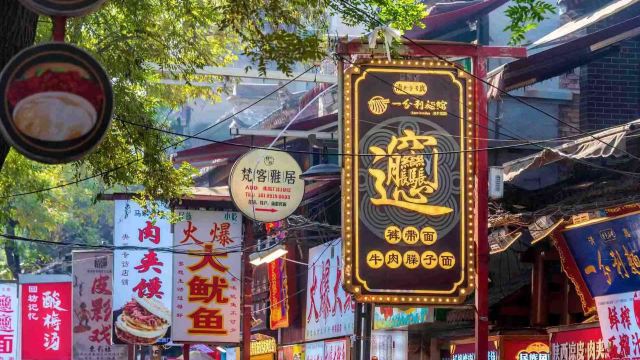
Xi’an is a wheat-based food city, with noodles and flatbreads at the heart of its everyday cuisine. Roujiamo pairs crisp flatbread with chopped, slow-cooked meat, while yangrou paomo is a local classic in which diners tear flatbread into small pieces before adding a rich lamb broth. Biangbiang noodles are known for their broad, hand-pulled shape and chili-oil seasoning, while liangpi offers a lighter combination of chewy cold noodles, vinegar and chili that is especially popular in warmer weather.
The Muslim Quarter is the most atmospheric place for a first introduction to Xi’an’s street food, particularly when combined with the nearby Bell and Drum Towers. For a more local dining scene, the streets around Sajinqiao are another popular option for snacks and casual meals.
Top attractions & cultural highlights in Xi’an
From the Terracotta Army to the Tang-era city
- Terracotta Army: Xi’an’s defining attraction brings together thousands of life-sized warriors, horses and chariots created more than 2,000 years ago for Qin Shi Huang, China’s first emperor. Pit 1 offers the famous view of rows of reconstructed soldiers, while the exhibition halls display bronze chariots and other finds. The site is in Lintong District, outside central Xi’an, so allow at least half a day and arrive early to avoid the busiest crowds.
- Xi’an City Wall: One of China’s best-preserved ancient city walls still forms a complete circuit around the historic centre. Walking a section offers views over old and modern Xi’an, while bicycles are available for the full circuit. Late afternoon into evening is particularly atmospheric as the wall lights up.
- Muslim Quarter and Great Mosque: The lively food streets reflect Xi’an’s centuries-old Hui Muslim community and Silk Road connections. Behind them, the Great Mosque combines Islamic traditions with Chinese courtyards and pavilions. The area works particularly well for an evening of sightseeing and street food.
- Giant Wild Goose Pagoda and Grand Tang Mall: The 7th-century pagoda is closely associated with Buddhist monk Xuanzang and Chang’an’s role in Silk Road exchange. After dark, the surrounding Grand Tang Mall comes alive with illuminated Tang-inspired architecture and street performances, making evening the best time to experience the area.
Roujiamo, biangbiang noodles and Xi’an’s street-food culture
Xi’an is a wheat-based food city, with noodles and flatbreads at the heart of its everyday cuisine. Roujiamo pairs crisp flatbread with chopped, slow-cooked meat, while yangrou paomo is a local classic in which diners tear flatbread into small pieces before adding a rich lamb broth. Biangbiang noodles are known for their broad, hand-pulled shape and chili-oil seasoning, while liangpi offers a lighter combination of chewy cold noodles, vinegar and chili that is especially popular in warmer weather.
The Muslim Quarter is the most atmospheric place for a first introduction to Xi’an’s street food, particularly when combined with the nearby Bell and Drum Towers. For a more local dining scene, the streets around Sajinqiao are another popular option for snacks and casual meals.
Scenic day trips from Xi’an by high-speed rail
Xi’an North: Rail links to Beijing, Chengdu, Luoyang and Pingyao
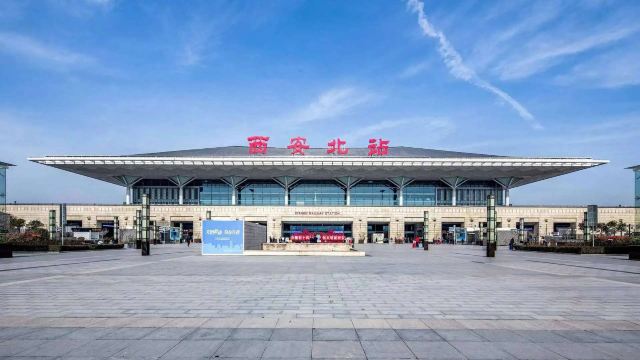
Xi’an’s central location makes it one of China’s most useful high-speed rail hubs. From Xi’an North Railway Station, direct trains run north to Beijing, southwest across the Qinling Mountains to Chengdu, and northeast into Shanxi, making the city easy to build into a longer multi-stop journey.
Route | Main Stations | Fastest Duration | Daily Departures |
|---|---|---|---|
Xi'an – Beijing | Xi'an North→Beijing West | ~4h 10m | ~46 trains |
Xi'an – Chengdu | Xi'an North→Chengdu East | ~3h 05m | ~100 trains |
Xi'an – Pingyao | Xi'an North→Pingyaogucheng | ~2h 25m | ~12 trains |
Xi'an – Luoyang | Xi'an North→Luoyang Longmen | ~1h 15m | High frequency |
Xi’an North, Xi’an Station or Xi’an East: Which one should you use?
Xi’an has several major railway stations, and the distance between them makes it important to check the exact station shown on your ticket. Xi’an North Railway Station is the city’s main high-speed rail hub, handling most long-distance G-series services to destinations including Beijing, Chengdu and Luoyang. Xi’an Railway Station sits much closer to the historic centre, near the northern side of the City Wall, and mainly serves conventional trains alongside selected faster services. Xi’an East Railway Station, the newest major hub, serves a growing network of routes and is located well away from the other two stations.
- Metro Line 2: Connects directly to Bell Tower (city centre) in ~30 minutes and Yongningmen (South Gate of City Wall).
- Metro Line 4: Connects directly to Giant Wild Goose Pagoda in ~40–45 minutes.
- Metro Line 14: Direct link to Xi'an Xianyang International Airport (XIY) in ~40 minutes.
- Taxis and ride-hailing services: Particularly useful when travelling with luggage.
The Terracotta Army requires a little more planning because it lies outside central Xi’an in Lintong.
- Direct Tourist Shuttle / Taxi: A direct taxi or ride-hailing service takes around 1 hour and is the most practical option for groups.
- Public Transit: Take Metro Line 9 toward Lintong, then transfer to a local shuttle bus to the museum (~2 hours total).
Five days in Xi’an: Terracotta Army, Mount Hua and onward to Luoyang
- Day 1: Arrival & Historic centre: Arrive at Xi'an North and take Metro Line 2 to the city centre. Visit the Bell & Drum Towers, explore the City Wall at dusk, and have dinner in the Muslim Quarter.
- Day 2: Terracotta Army & Tang Culture: Spend the morning at the Terracotta Army. Return via Huaqing Palace if time permits, and spend the evening exploring the illuminated Grand Tang Mall.
- Day 3: High-Speed Rail Day Trip to Mount Hua: Take a 30-minute bullet train from Xi'an North to Huashan North. Take cable cars to the peaks for mountain hikes, returning by evening train.
- Day 4: Museums & Pagodas: Visit the Shaanxi History Museum and Giant Wild Goose Pagoda. Explore the Great Mosque and old-city streets in the afternoon.
- Day 5: Xi’an North → Luoyang Longmen: The final morning opens naturally into the next ancient capital. The fastest trains from Xi’an North to Luoyang Longmen take around 1 hour 15 minutes. For travellers ending their journey in Xi’an instead, take the Metro directly to the airport for departure.
How to book & ride rail trains in Xi’an
Booking China train tickets
Xi’an’s rail challenge is not a lack of trains, but high demand and choosing the right station. Major routes to Beijing, Chengdu, and other cities run frequently, yet the most convenient departures can still fill quickly during weekends and peak travel periods such as Labour Day, National Day, and Spring Festival.
China Railway generally releases tickets 15 days before departure, which can surprise international travellers accustomed to booking months ahead. Through Trip.com, you can submit eligible bookings before the sales window opens and have the reservation processed when tickets are released, with English-language support and international payment options available.
Boarding & riding trains at Xi'an stations
Station names also matter in Xi’an. Xi’an North, Xi’an Railway Station and Xi’andong Railway Station are separate stations, so always check the exact departure point shown on your booking. Xi’an North is the main hub for many long-distance high-speed services and is a large station, so arriving with enough time for security and finding your platform is worthwhile.
Mainland China rail travel is largely paperless. There is normally no need to collect a physical ticket; simply bring the original passport used for the booking, which is linked to your reservation and used for identity checks at the station.
Choosing your seat class
Chinese high-speed rail offers various seat class options to meet travellers’ needs. All trains provide First and Second Class seats, and certain services also include Business Class cars. See what’s offered in each seating class so you can make the most of your train travel.
- Second Class: Modern, clean, and cost-effective for short trips.
- First Class: Wider 2+2 seating and quieter carriages, ideal for longer journeys like Xi'an to Beijing (4h) or Chengdu (3h).
- Business Class: Premium lie-flat seating available on select G-series trains.
Lock in your passport-verified e-tickets on Trip.com and connect Xi’an with Beijing, Chengdu, Pingyao and the rest of China’s high-speed rail network.
Explore more China visa‑free travel inspiration?








- Top attractions & cultural highlights in Xi’an
- Top attractions & cultural highlights in Xi’an
- Scenic day trips from Xi’an by high-speed rail
- Five days in Xi’an: Terracotta Army, Mount Hua and onward to Luoyang
- How to book & ride rail trains in Xi’an
- Explore more China visa‑free travel inspiration?
Related travel guides
 Updated: October 10, 2026
Things to do in Beijing: palaces to the Great Wall
 Updated: October 10, 2026
Hong Kong to Mainland China transit guide
 Updated: October 10, 2026
Shanghai visa-free rail itineraries
 Updated: October 10, 2026
Yunnan rail guide: From Kunming to Dali and Shangri-La
 Updated: October 10, 2026
Chongqing to Zhangjiajie high-speed train guide
 Updated: October 10, 2026
Shanghai to Hangzhou high-speed bullet train guide
 Updated: October 10, 2026
Beijing to Shanghai high-speed bullet train guide
 Updated: October 10, 2026
Shanghai to Suzhou high-speed trains guide







- Getting the train to Warwick Castle | Stations, Routes & FAQsPublished: October 15, 2026
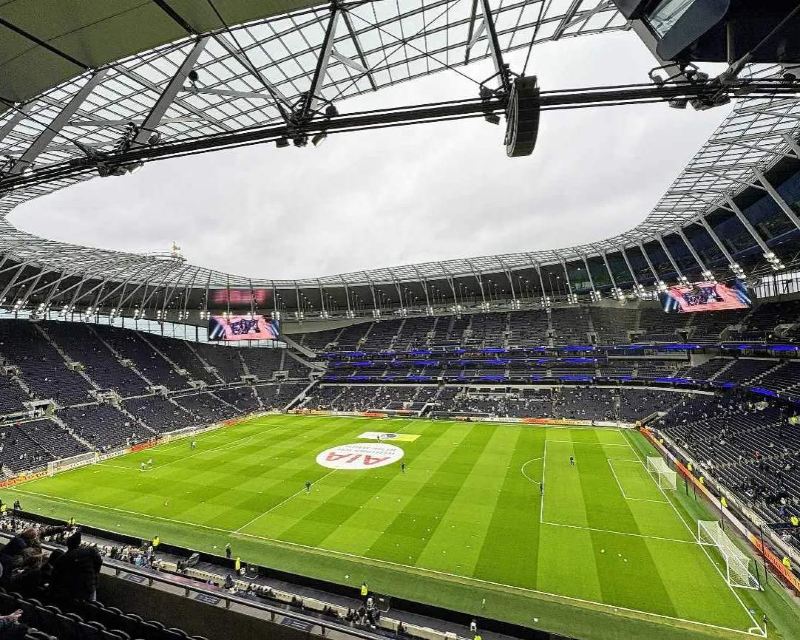
- Getting the train to Tottenham Hotspur Stadium | Stations & RoutesPublished: October 15, 2026
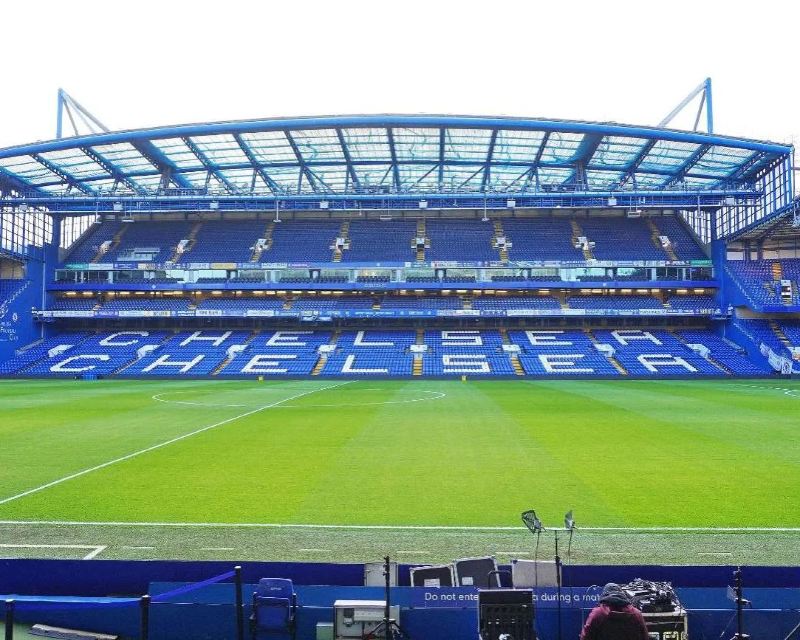
- Travelling by train to Stamford Bridge | Stations & RoutesUpdated: October 15, 2026
- Getting the train to Thorpe Park | Stations, Routes & FAQsPublished: October 15, 2026
- Getting the train to Stonehenge | Stations, Routes & FAQsPublished: October 15, 2026
- Getting the train to Snowdonia | Stations, Routes & FAQsPublished: October 15, 2026
- Trains to Seven SistersPublished: October 14, 2026
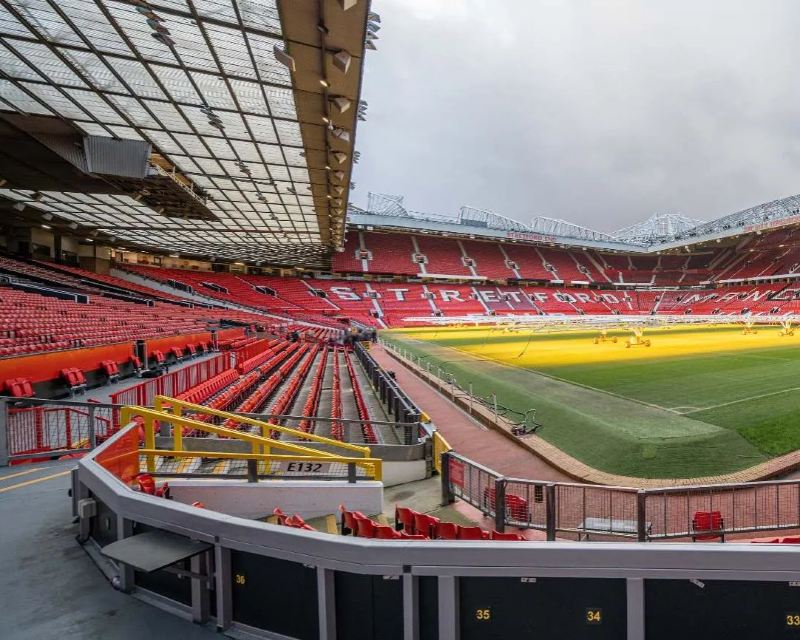
- Getting the train to Old Trafford | Stations & RoutesPublished: October 14, 2026
- Getting the train to Legoland Windsor | Stations, Routes & FAQsPublished: October 14, 2026
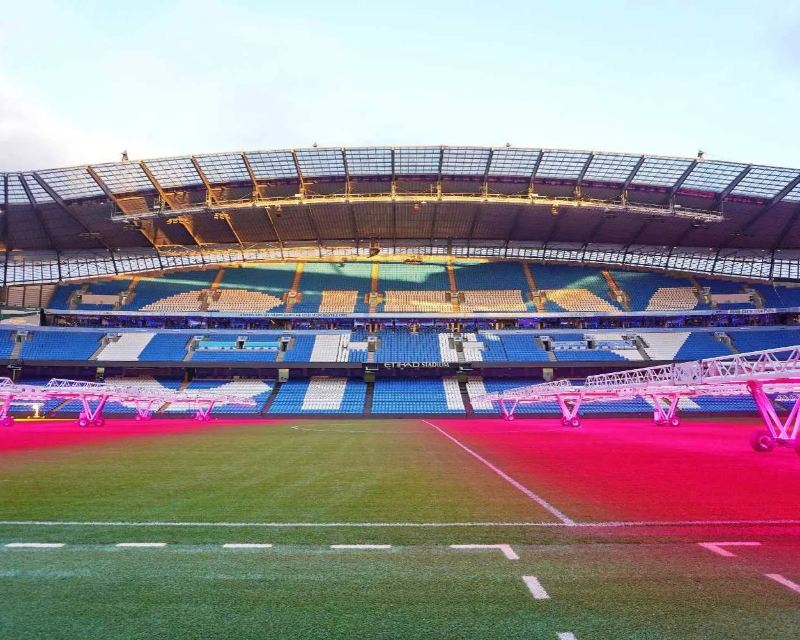
- Getting the train to the Etihad Stadium | Stations & RoutesPublished: October 14, 2026
- York weekend break by train: The ultimate itinerary and best hotelsPublished: October 13, 2026
- Manchester city break: best hotels & a 2-day train itineraryPublished: October 13, 2026