
Dunhuang by rail: the last oasis on the Silk Road
Where the Hexi Corridor railway ends and the Gobi begins, 2.5 hours west of Jiayuguan South

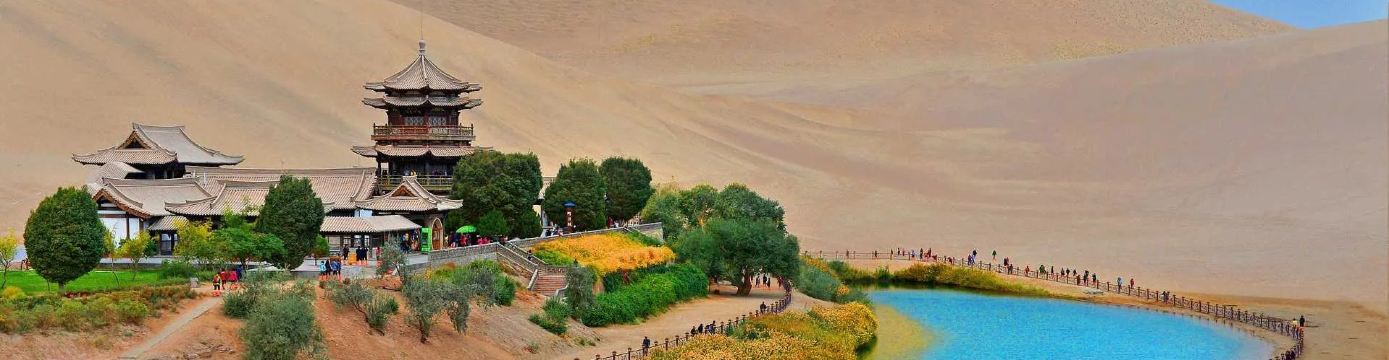
But the caves are only part of Dunhuang’s appeal. Set on the edge of the Gobi Desert in western Gansu, the city is surrounded by Singing Sand Dunes, the crescent-shaped oasis of Crescent Spring and vast desert landscapes. Despite its remote setting, Dunhuang fits naturally into a rail journey through the Hexi Corridor, with direct trains connecting it to Jiayuguan and Lanzhou and onward connections toward Zhangye.
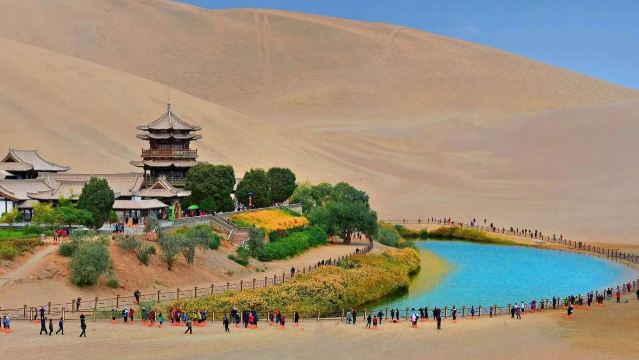
Top attractions & cultural highlights in Dunhuang
From the Mogao Caves to Mingsha Mountain and the Gobi
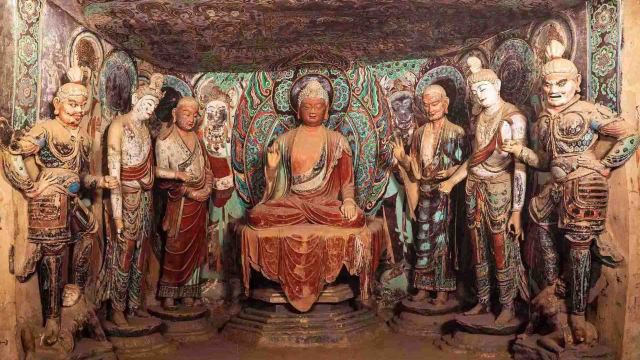
A visit follows a carefully managed route designed to protect the fragile artwork. It typically begins at the Mogao Caves Digital Exhibition centre, followed by a shuttle to the cliff, where a guide leads each group through a rotating selection of caves. Photography is not permitted inside the caves. Visitor numbers are limited, so advance reservations are particularly important during summer and Chinese public holidays. The original passport used for booking should also be carried on the day of the visit.
Dunhuang is also featured in Trip.com Group’s global Go China campaign with Jackie Chan, Global Ambassador for China Travel, highlighting the city as a gateway to China’s Silk Road heritage and western desert landscapes.
Donkey noodles, lamb and Dunhuang’s Silk Road flavors
Dunhuang eats like the desert crossroads it has been for centuries, with wheat noodles, lamb, vinegar and dried fruit shaping much of the local food culture. Influences from Gansu, Xinjiang and the wider Silk Road come together in dishes that tend to be hearty, savory and well suited to the dry climate.
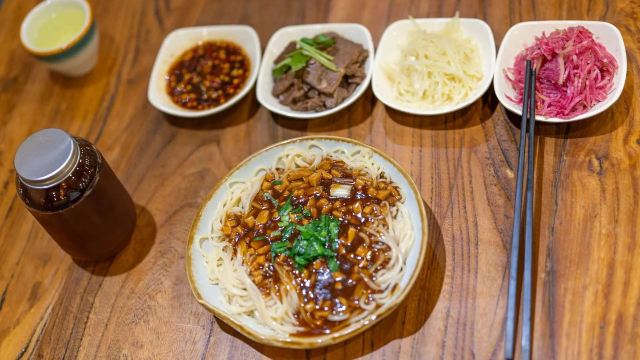
The city’s best-known specialty is donkey meat yellow noodles, made with thin handmade noodles served with a savory sauce and slices of donkey meat. Huyang menbing is another filling local dish, combining lamb with pieces of flatbread that absorb the rich sauce as they cook. Lamb also appears throughout Dunhuang’s everyday food scene, particularly in grilled skewers, soups and noodle dishes.
For something lighter, apricot skin water is one of Dunhuang’s characteristic drinks. Made from dried apricots, it has a distinctive sweet-and-sour flavor and is usually served cold, making it especially refreshing after an afternoon in the desert.
After dark, Shazhou Night Market is the easiest place to sample several local flavors in one evening. Lamb skewers, handmade noodles, dried apricots and local melons fill the stalls, while the relaxed street-side atmosphere offers a lively contrast to the caves and vast desert landscapes that define Dunhuang during the day.
Scenic day trips from Dunhuang by high-speed rail
Following the Hexi Corridor east from Dunhuang
Dunhuang’s desert excursions, however, are road trips rather than rail trips. Mingsha Mountain is close enough to the city for a half-day visit, while Yumen Pass, the Han Great Wall and Yadan National Geopark are usually combined into a full-day journey through the Gobi.
Dunhuang Station or Liuyuan South: Which one should you use?
From Dunhuang Railway Station, the main sights are relatively straightforward to reach:
- Mogao Caves: Around 20 minutes by taxi from the station. A dedicated bus connection also operates between the railway station and the Mogao area.
- Dunhuang city centre: Around 15 minutes by taxi, with taxis and ride-hailing services particularly convenient when travelling with luggage.
- Mingsha Mountain and Crescent Spring: Around 20 minutes by taxi from central Dunhuang, with local bus services also available.
- Yumen Pass, Yangguan Pass and Yadan National Geopark: These desert sites lie much farther from the city and are typically visited by hired car, shared vehicle or organized day tour.
Dunhuang has no metro network, but the city itself is compact and distances within the urban area are relatively short. The main exception is the western desert route, where longer road transfers need to be factored into the itinerary.

Five days from Dunhuang through the Hexi Corridor
Arrive at Dunhuang Railway Station and settle into your hotel before exploring the compact city centre. The Danghe riverfront is pleasant for an easy first walk, followed by dinner around Shazhou Night Market, where noodles, lamb skewers, dried fruit and local snacks offer a first taste of Dunhuang’s Silk Road food culture.
A pre-booked morning visit to the Mogao Caves leaves plenty of time to explore the site’s Buddhist art without rushing. After a break back in town, the late afternoon can be spent at Mingsha Mountain and Crescent Spring. Temperatures become more comfortable toward evening, while the changing light across the dunes makes sunset one of the most atmospheric times to be there.
The third day moves farther into the desert on a full-day road trip through Dunhuang’s western landscapes. Yumen Pass, surviving sections of the Han-dynasty Great Wall and Yadan National Geopark can be combined into one route, with Yangguan Pass as an additional stop for an early start. The distances are substantial, so this is best treated as a full day rather than squeezed between other attractions.
Take a morning train from Dunhuang and continue east along the Hexi Corridor to Jiayuguan. The fastest direct services reach Jiayuguan South in around 2 hours 23 minutes, leaving enough of the afternoon to visit Jiayuguan Fort and get a first look at the western end of the Ming Great Wall.
From Jiayuguan, the railway continues east toward Zhangye West, where the colorful Danxia landscapes make a natural next stop on a longer Gansu journey. travellers with less time can instead continue toward Lanzhou West, reconnecting with China’s wider high-speed rail network for onward journeys to Xi’an and other major cities.
How to book & ride rail trains in Dunhuang
Train travel around Dunhuang requires a little more planning than routes between China’s major eastern cities. There are far fewer departures. Current schedules show around eight daily trains between Dunhuang and Jiayuguan and around nine between Dunhuang and Lanzhou, compared with the dozens or even hundreds of departures available on some major high-speed corridors.
Booking through Trip.com allows international travellers to search train schedules in English, enter passport details and pay using international payment methods. Eligible journeys can also be reserved before tickets officially go on sale, with the booking submitted when the railway sales window opens.
Paper tickets are generally unnecessary for mainland China rail travel. Keep the original physical passport used to make the reservation with you, as the booking is linked to your identity document and the passport is used when entering the station and boarding.
Seat options depend on the particular service. On D-series trains, Second Class is comfortable for the roughly 2.5-hour trip to Jiayuguan, while First Class offers wider seating and more personal space. Dunhuang also has conventional Z-, T- and K-series services, so always check the train type, journey duration and arrival station rather than assuming every departure is a high-speed train.
For a longer Gansu journey, the railway follows a natural eastbound sequence: Dunhuang → Jiayuguan → Zhangye → Lanzhou. Each stop reveals a different part of the Hexi Corridor before the route gradually reconnects with China’s broader high-speed rail network.
Ready to continue along the Silk Road? Lock in your passport-verified train tickets on Trip.com and connect Dunhuang with Jiayuguan, Lanzhou and the rest of Gansu.
Explore more China visa‑free travel inspiration?






- Top attractions & cultural highlights in Dunhuang
- Scenic day trips from Dunhuang by high-speed rail
- Five days from Dunhuang through the Hexi Corridor
- How to book & ride rail trains in Dunhuang
- Explore more China visa‑free travel inspiration?
Related travel guides
 Updated: October 10, 2026
Things to do in Beijing: palaces to the Great Wall
 Updated: October 10, 2026
Hong Kong to Mainland China transit guide
 Updated: October 10, 2026
Shanghai visa-free rail itineraries
 Updated: October 10, 2026
Yunnan rail guide: From Kunming to Dali and Shangri-La
 Updated: October 10, 2026
Chongqing to Zhangjiajie high-speed train guide
 Updated: October 10, 2026
Shanghai to Hangzhou high-speed bullet train guide
 Updated: October 10, 2026
Beijing to Shanghai high-speed bullet train guide
 Updated: October 10, 2026
Shanghai to Suzhou high-speed trains guide
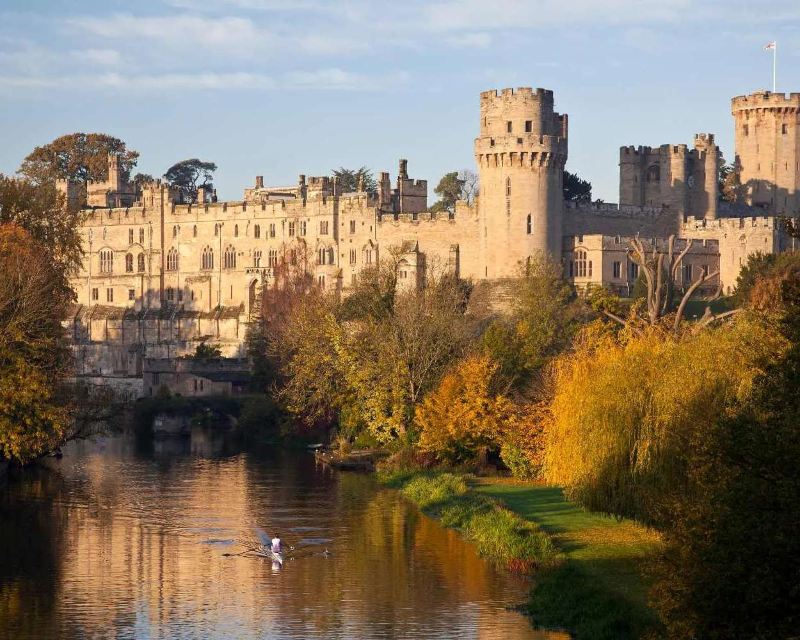
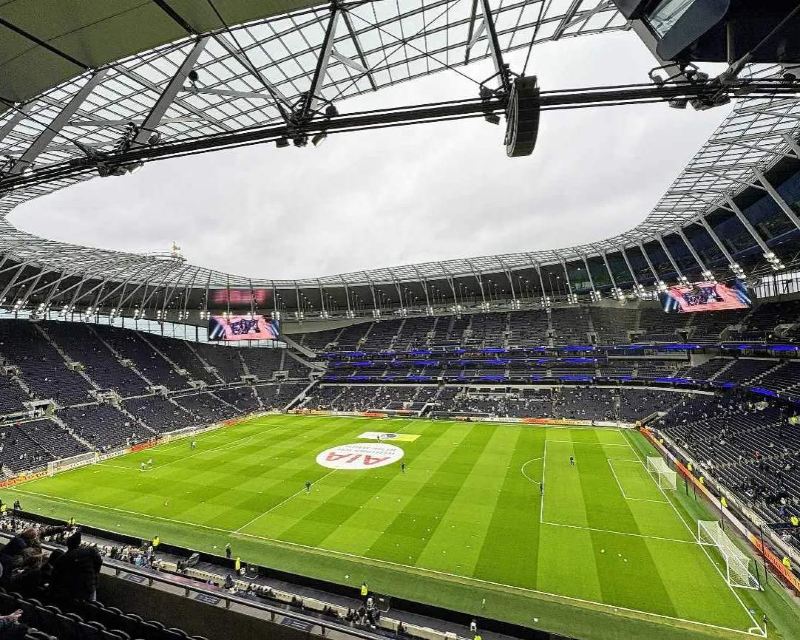
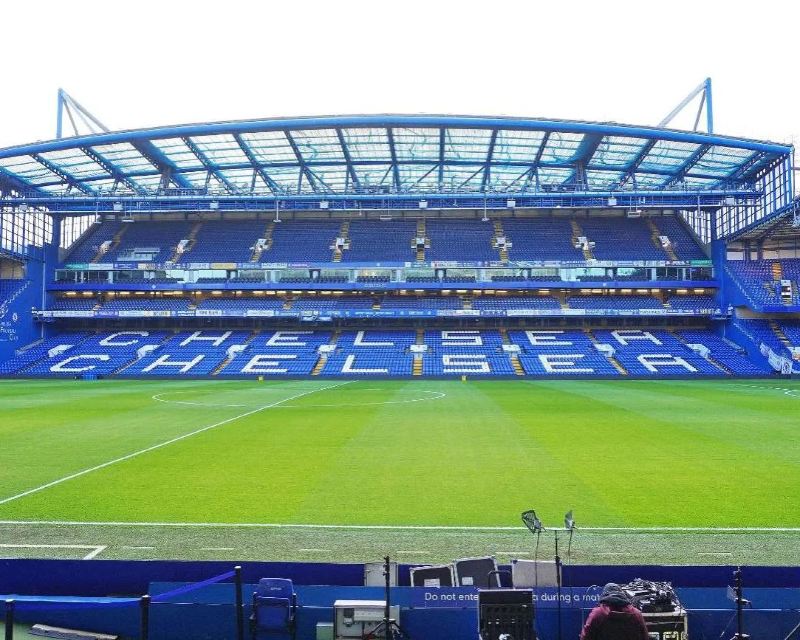


- Getting the train to Warwick Castle | Stations, Routes & FAQsPublished: October 15, 2026
- Getting the train to Tottenham Hotspur Stadium | Stations & RoutesPublished: October 15, 2026
- Travelling by train to Stamford Bridge | Stations & RoutesUpdated: October 15, 2026
- Getting the train to Thorpe Park | Stations, Routes & FAQsPublished: October 15, 2026
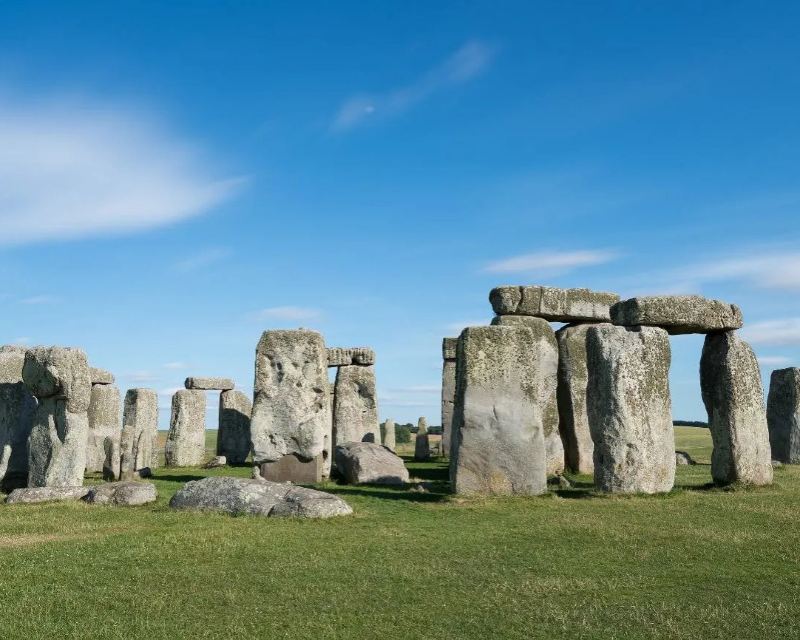
- Getting the train to Stonehenge | Stations, Routes & FAQsPublished: October 15, 2026
- Getting the train to Snowdonia | Stations, Routes & FAQsPublished: October 15, 2026
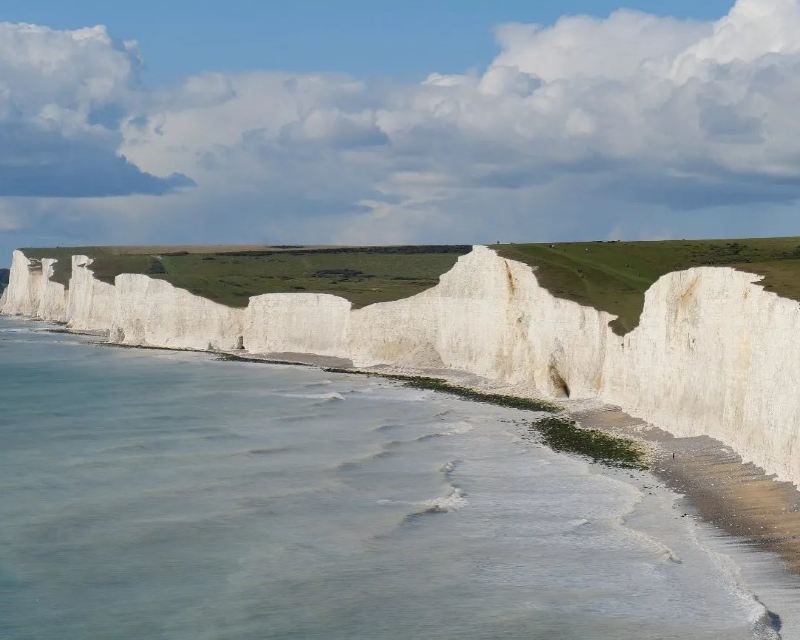
- Trains to Seven SistersPublished: October 14, 2026
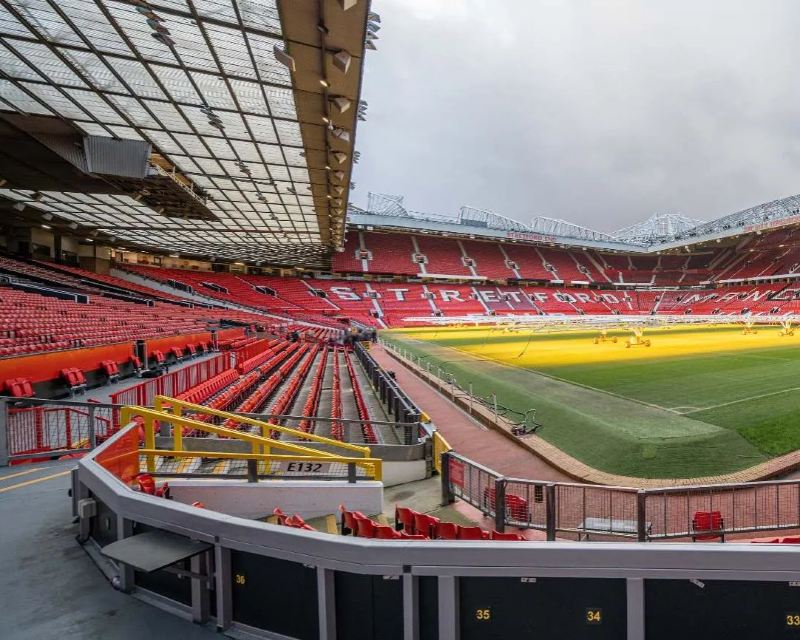
- Getting the train to Old Trafford | Stations & RoutesPublished: October 14, 2026
- Getting the train to Legoland Windsor | Stations, Routes & FAQsPublished: October 14, 2026
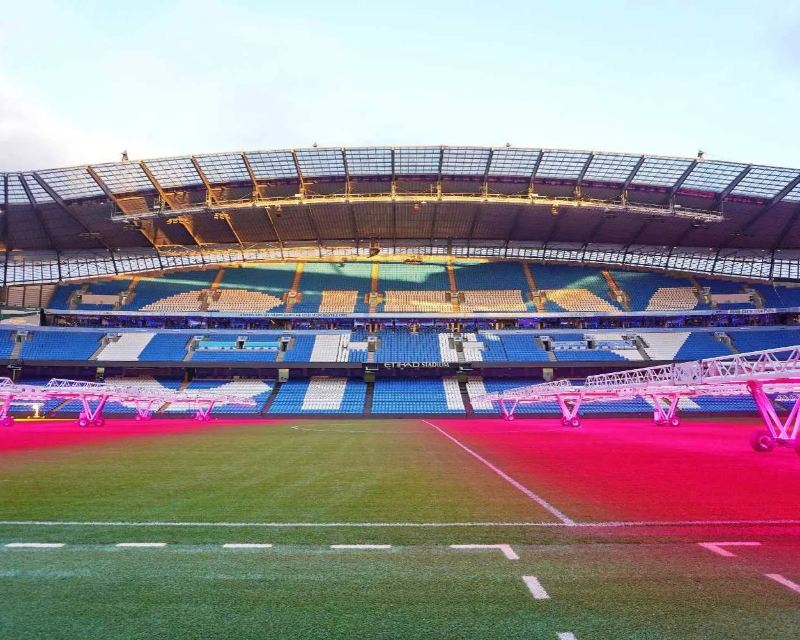
- Getting the train to the Etihad Stadium | Stations & RoutesPublished: October 14, 2026
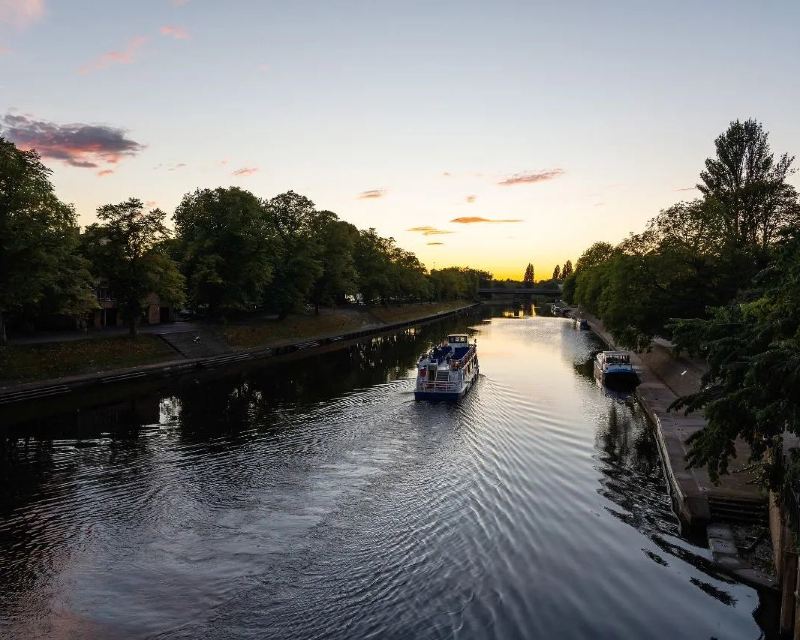
- York weekend break by train: The ultimate itinerary and best hotelsPublished: October 13, 2026
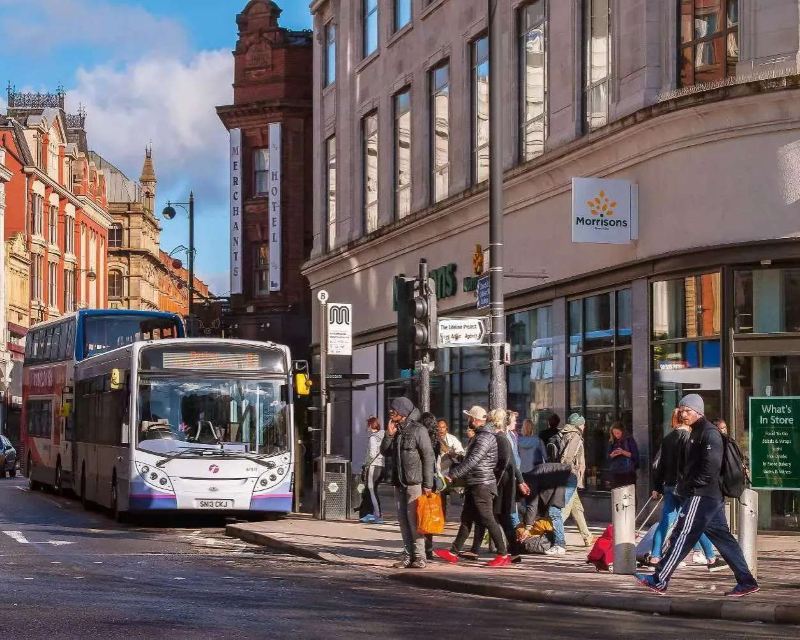
- Manchester city break: best hotels & a 2-day train itineraryPublished: October 13, 2026