Madrid Travel Guide 2026: Top Attractions, Things to do & Itinerary | Trip.com | August, 2026
About Madrid
Recommended trip: 2–4 day(s)
Recommended trip: 2–4 day(s)Current weather conditions
 23°C
23°CMadrid Local Experiences Map






Trending in Madrid
Madrid Local Travel Guide 2026
Madrid Brief Guide
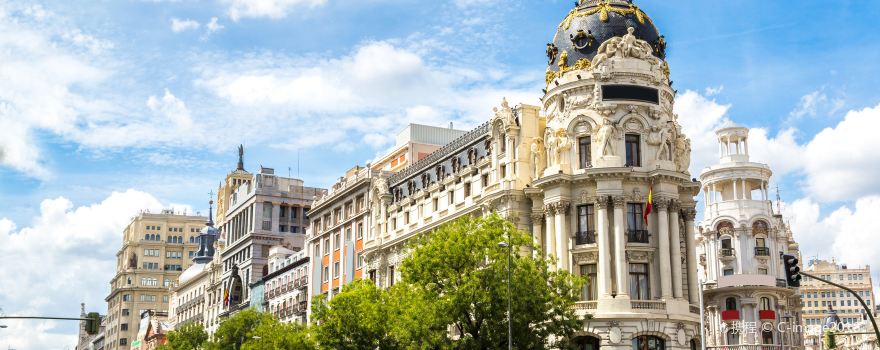
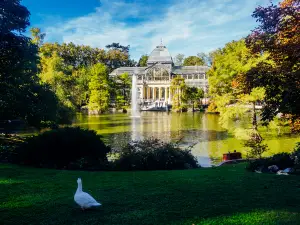
Madrid, Spain's vibrant capital, is a cultural hub featuring stunning architecture like the Royal Palace and Plaza Mayor, along with world-class museums such as the Prado and Reina Sofía. Enjoy lush green spaces like Retiro Park, a lively tapas scene in Malasaña and La Latina, passionate flamenco shows, and bustling markets like El Rastro. With an average of 300 days of sunshine, it boasts vibrant nightlife, football at Santiago Bernabéu Stadium, and day trips to historic Toledo or Segovia. Plan your perfect Madrid adventure with our guide.
Madrid Must-try local experiences
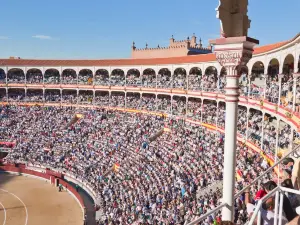
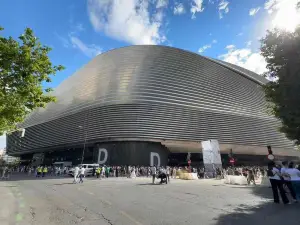
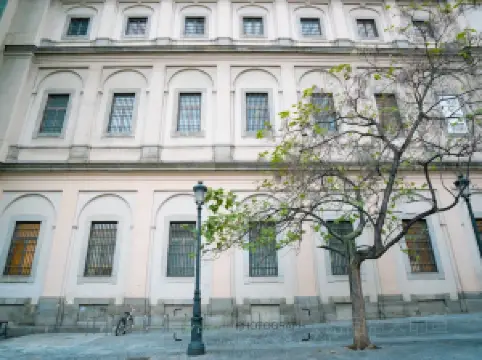
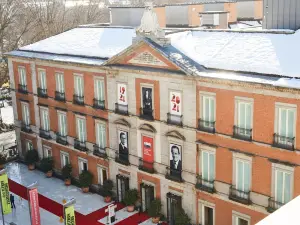
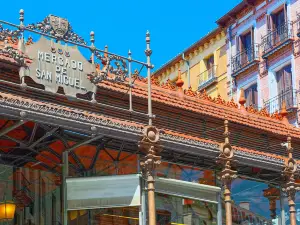
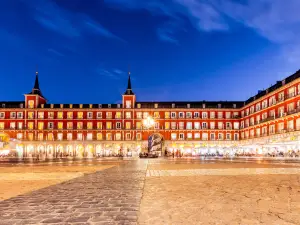
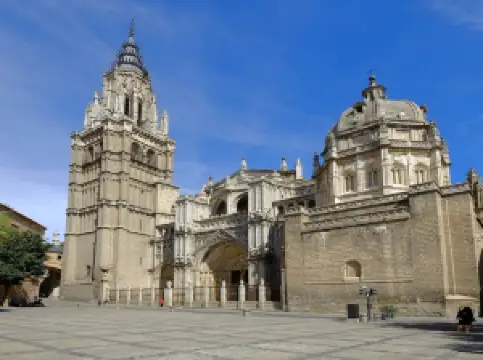
1. Discover Madrid's Iconic Landmarks Visit the Royal Palace, stroll through El Retiro Park, and experience the vibrant energy of Plaza Mayor. These landmarks showcase Madrid's rich history, architectural brilliance, and lively atmosphere. 2. Discover Art at the Golden Triangle of Art Explore masterpieces at the Prado Museum, Museo Nacional Centro de Arte Reina Sofía, and Thyssen-Bornemisza Museum. These museums house works by Velázquez, Goya, Picasso, and Dalí. 3. Experience a Traditional Flamenco Performance Delve into Spanish culture with a captivating flamenco performance. Witness the passionate dance, soulful music, and intricate footwork at one of Madrid's renowned tablaos. 4. Sample Local Cuisine Try traditional dishes like tapas, cocido madrileño, and churros with chocolate. Visit a local market like San Miguel Market for a true taste of the city's food culture. 5. Savor Spanish Wines and Sangria Enjoy a glass of Spanish wine or a refreshing sangria at one of Madrid's many bars and restaurants. Spain is known for its excellent wines, and Madrid offers plenty of opportunities to sample them. 6. Find Treasures at El Rastro Flea Market Experience the lively atmosphere of El Rastro, One of the Madrid's largest open-air flea markets, held every Sunday. Discover unique antiques, vintage clothing, and handmade crafts. 7. Shop at Gran Via and Calle de Serrano Visit Gran Via for high-street brands and theaters, and Calle de Serrano for luxury boutiques and designer stores. 8. Capture the Beauty of Temple of Debod Head to Temple of Debod for stunning sunset views. The ancient Egyptian temple, set against the vibrant hues of the Madrid sky, offers a picturesque spot for memorable photos. 9. Catch a Real Madrid Football Match For an unforgettable experience, catch a Real Madrid football match at Santiago Bernabéu Stadium. Immerse yourself in the electric atmosphere and witness world-class football firsthand. 10. Take a Day Trip to Toledo Escape the city for a day and visit Toledo, a UNESCO World Heritage site. Explore its medieval streets, historic buildings, and stunning views of the Tagus River. 11. Attend a Bullfight at Las Ventas Bullring Experience the traditional Spanish sport of bullfighting at Las Ventas Bullring, Madrid's famous bullring. While controversial, it remains an integral part of Spanish culture and history.
Madrid Must-see Attractions
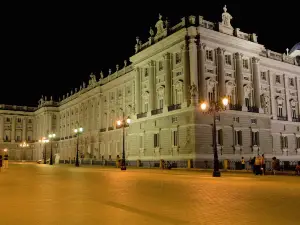
Madrid is a city steeped in cultural richness, boasting landmarks like the Royal Palace with its artistic heritage, the Prado Museum's extensive European art collection, the iconic Santiago Bernabéu Stadium, the traditional Las Ventas Bullring, and the modern art-filled Museo Nacional Centro de Arte Reina Sofía, each offering unique historical insights and experiences.
Madrid Food Guide
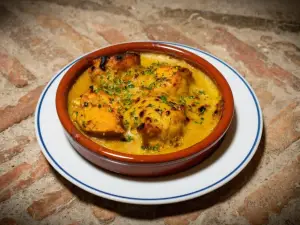
Madrid's food scene is a rich tapestry of traditional Spanish flavors, featuring iconic dishes such as the seafood-laden Paella, the sweet indulgence of Churros with hot chocolate, the ubiquitous Tortilla de Patata integral to tapas culture, and the hearty Cocido Madrileño stew, each reflecting the city's culinary heritage and love for both simple and elaborate fare.
Madrid Transportation
Madrid is easily reached by air through its main international airport, with quick public transport links to the city center, or by high-speed trains and buses from across Europe and Spain. By Air: Adolfo Suárez Madrid–Barajas Airport (MAD), situated 13 km (8 miles) northeast of the city, serves as Spain's busiest hub for international and domestic flights, operated by carriers such as Iberia, Ryanair, and Air Europa. To City Center - Airport Express Bus (Line 203): Upon exiting any terminal (T1-T4), follow the signs to the bus stops located outside (most international flights are near T1/T2). The yellow Express Bus (Line 203) operates from all terminals to key locations in the city center. Daytime (6:00 a.m. to 11:30 p.m.): The bus ends its route at Atocha Station. Nighttime (11:30 p.m. to 6:00 a.m.): The bus concludes at Plaza de Cibeles. The journey takes around 30 to 45 minutes, depending on traffic and your departure terminal. The fare is approximately €5, payable directly to the driver in cash or by contactless card. - Metro (Line 8): This is a fast and affordable way to get into the city, but you will likely need to transfer to a different line to reach your final destination. Metro Line 8 (the pink line) connects the airport stations at Terminal 2 (T1-T2-T3 station) and Terminal 4 (T4 station) to Nuevos Ministerios station. From Nuevos Ministerios, you can transfer to other metro lines. The journey takes approximately 15 to 20 minutes. The metro operates from around 6:05 a.m. to 1:33 a.m. The ticket price includes a base fare plus an airport supplement, totaling around €4.50 to €5. You will need to purchase a reusable Multi Card, which costs €2.50, and load your ticket onto it. - Cercanías Train (C1/C10): The most direct public transport option to major train stations is the Cercanías commuter trains, specifically Lines C1 and C10. These trains connect Terminal 4 (T4) at the airport to key stations in the city, including Chamartín and Atocha. If you arrive at a different terminal, a free shuttle bus is available to take you to T4. The journey to Atocha station takes approximately 30 minutes. Train services run from around 6:00 a.m. to midnight, and you can purchase tickets from the vending machines at the station. - Taxis: A fixed fare of €33 applies to all official taxis for trips between the airport and any destination within Madrid's central M-30 zone. To find an official taxi, follow the signs to the taxi ranks located outside the arrivals halls of each terminal. Always ignore drivers offering rides inside the terminal. Taxis are available from the ranks outside the terminals 24/7, and up to 4 passengers can travel together, with luggage included. Payment can be made in cash or by card at the end of the ride; however, please be aware that traffic conditions may vary. - Ride-Shares: Using Uber, Bolt, or FreeNow from designated areas (as directed by the app) costs between €25 and €40 to reach the center (20-40 minutes), with potential surge pricing during peak times. It's advisable to book after landing (data is needed), and the payment is cashless. These services are often cheaper than traditional taxis, but availability can fluctuate. By Train: Madrid Atocha (Madrid Puerta de Atocha-Almudena Grandes): This is the largest and most central station, handling most high-speed (AVE) and long-distance trains from cities like Barcelona, Seville, and Valencia. Connects directly to Metro Line 1 (light blue). Madrid Chamartín-Clara Campoamor: Located in northern Madrid, this station primarily serves domestic routes to the north and northwest, as well as some international connections and night trains. Connects to Metro Lines 1 (light blue) and 10 (dark blue). Atocha Cercanías: Adjacent to the central Atocha station, this serves the local and regional Cercanías commuter trains. By Bus: Bus travel is a budget-friendly and flexible option for reaching Madrid, particularly from other Spanish or European cities. Estación Sur (Méndez Álvaro): Located in the south of Madrid, this is the main hub for long-distance and international bus services, operated by companies such as FlixBus and ALSA. The station is directly connected to the Méndez Álvaro metro station (Line 6). Avenida de América: This station primarily serves buses to and from the north and northeast of Madrid, and the surrounding areas. The station is a major transport interchange, offering connections to multiple metro lines.
Madrid Where to Stay
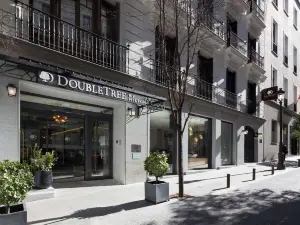
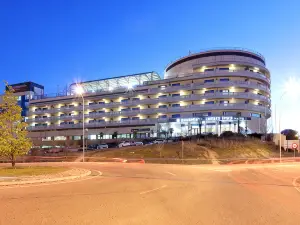
Madrid is a city that offers a diverse range of accommodation options, with each neighborhood providing its own unique charm and characteristics.
Madrid Best Time to Visit
The best time to visit Madrid is during the spring, specifically from March to May, when the city's parks are vibrant with blooming flowers and the weather is warm but not too hot, making it perfect for outdoor sightseeing. Additionally, the Fiestas de San Isidro in mid-May offer a rich cultural experience with traditional festivities.
Madrid Travel Tips
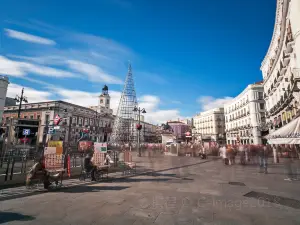
1. Dress Modestly at Religious Sites: When visiting churches and other religious sites in Madrid, dress modestly. Avoid wearing shorts, sleeveless tops, and hats inside these places. 2. Watch for Pickpockets: Madrid is generally safe, but pickpocketing can be an issue in crowded areas like Puerta del Sol. Keep your belongings secure, avoid placing bags on chair backs, and keep valuables out of sight. Use front pockets for wallets and ensure bags have zippers. 3. Drone Photography Restrictions: Flying drones in Madrid requires special permits. Avoid using drones near airports, military bases, and crowded areas to comply with local regulations. Always check the ENAIRE Drones application for current restrictions and ensure you have the necessary authorizations from AESA, especially for urban areas. 4. Museo Reina Sofía Photo Policy: Photography is allowed in most areas of the Museo Reina Sofía without flash, tripods, or selfie sticks. Some temporary exhibitions may have stricter no-photo policies, so always check with staff or look for signage before taking pictures. 5. Save with Menu del Dia: Many restaurants offer a 'Menu del Dia,' a fixed-price lunch menu that includes multiple courses and is often cheaper than ordering a la carte. 6. Alcohol Consumption Rules: Drinking alcohol in public places is prohibited in Madrid, except in outdoor cafés and bars or during official fiestas. Enjoy your drinks at bars, restaurants, or designated areas to avoid fines. Alcohol cannot be sold to persons under 18 or in shops after 10 pm.
Madrid Useful Guide
Spanish is the primary language, spoken with a Castilian accent in Madrid. English is widely spoken in tourist areas, hotels, restaurants, shops, and transport hubs due to Madrid's international appeal. It's easy to navigate using English alone, with many signs and menus bilingual; however, in residential areas or when interacting with older locals, basic Spanish phrases and translation apps can be helpful.
Trip.Best: Madrid

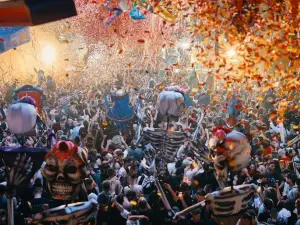
Things to do in Madrid
What to do
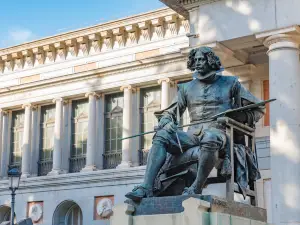

Where to stay






What to eat
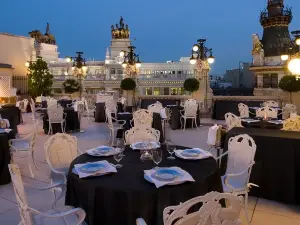






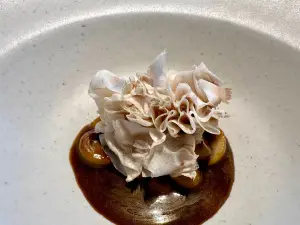




Madrid Moments: Through Travelers' Eyes
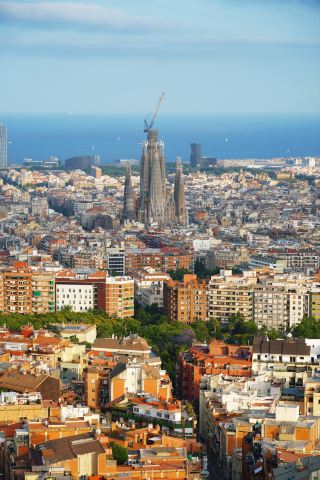
First time visiting Spain, this guide is all you need|Itinerary|Flights

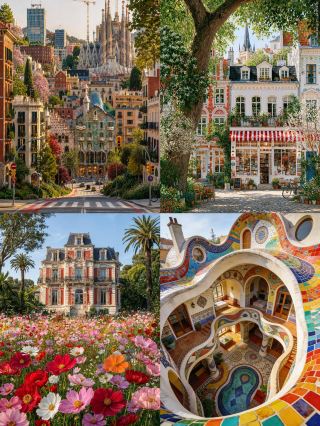
Low-cost family travel destination Barcelona relaxed guide

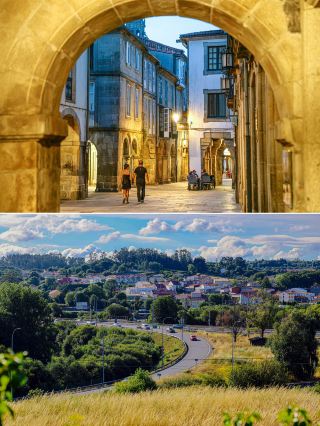
Capture the vibrant summer scenes of Spain through my lens and bring them home

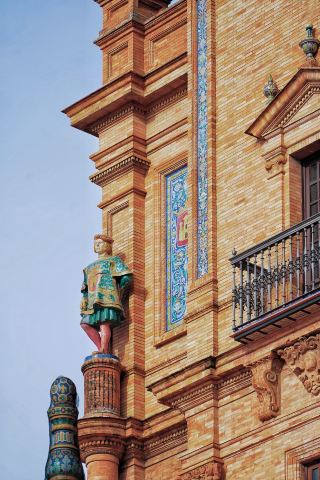
Seville, Spain 2–3 day travel guide

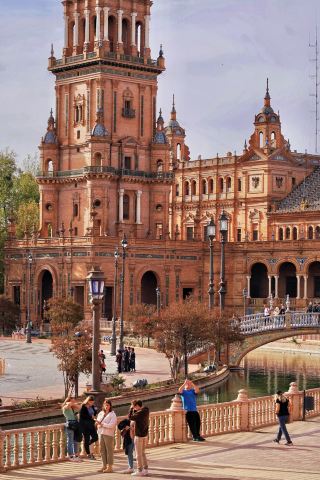
Seville | Andalusia, Spain B travel guide


Spain’s two sides | half fire, half sea

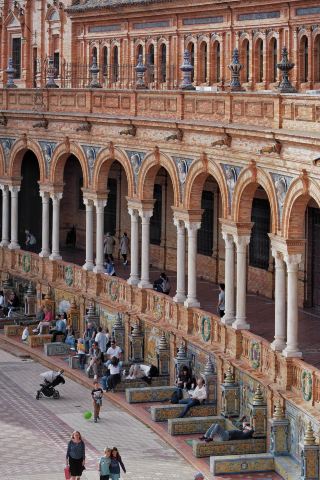
Seville, Spain: Game of Thrones filming location guide


Castles, Cathedrals, and Aqueducts in Segovia, Spain.

Best of Madrid
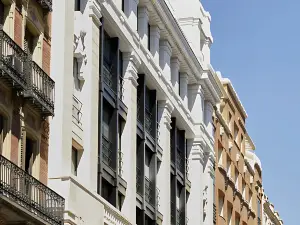
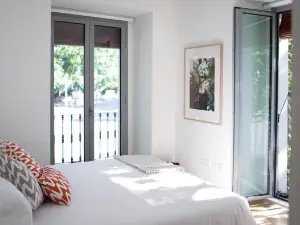
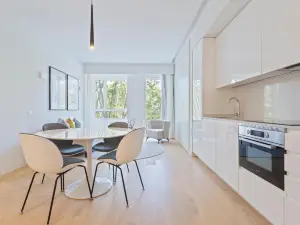
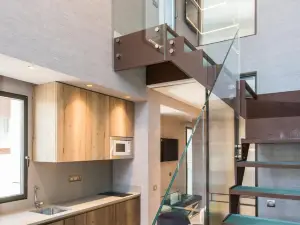
Top 10 Vacation Homes in Madrid




Top 10 Gourmet Hotels in Madrid
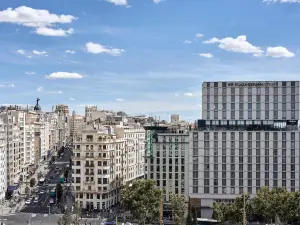
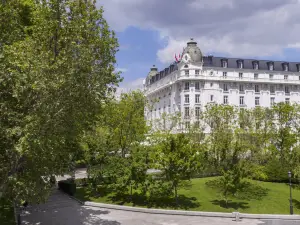

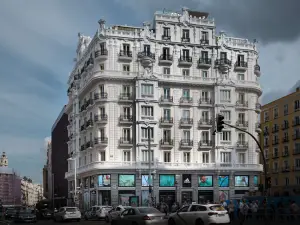



Top 20 Premium Hotels in Madrid
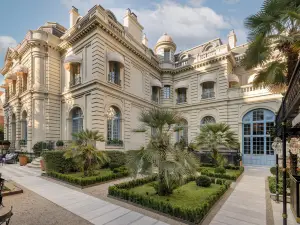
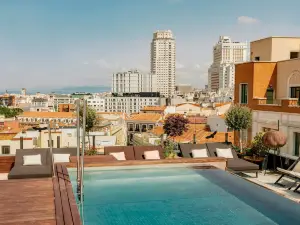





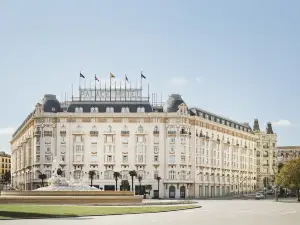



Top 20 4-Star Select Hotels in Madrid
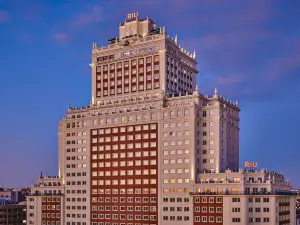


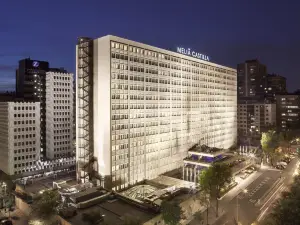
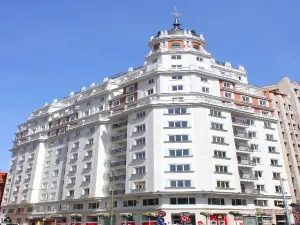
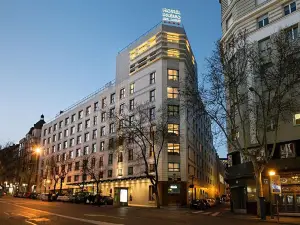

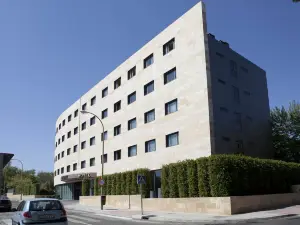

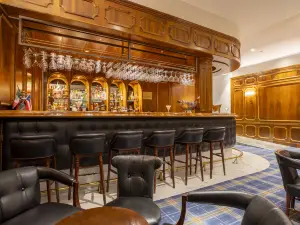

Popular Best Things to Do Near Madrid
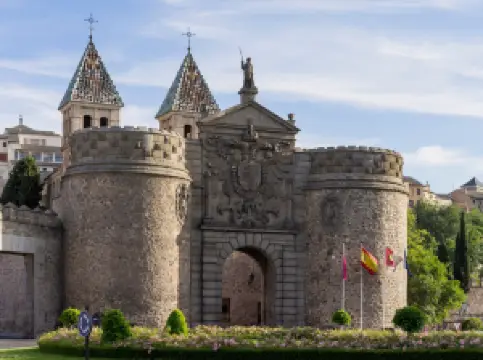
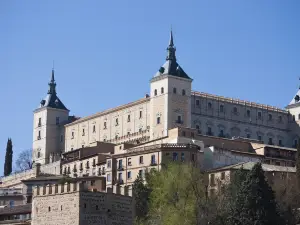


Popular Premium Hotels Near Madrid
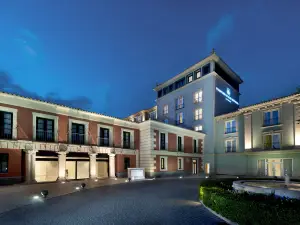
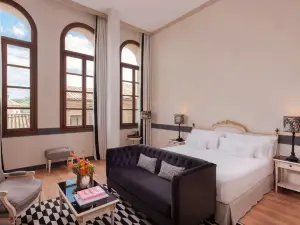

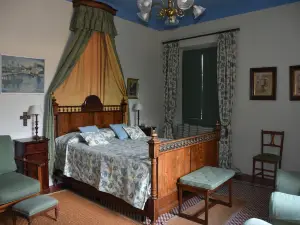








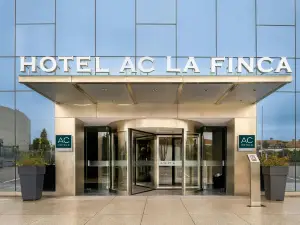
Popular 4-Star Select Hotels Near Madrid








Other recommended cities
Barcelona
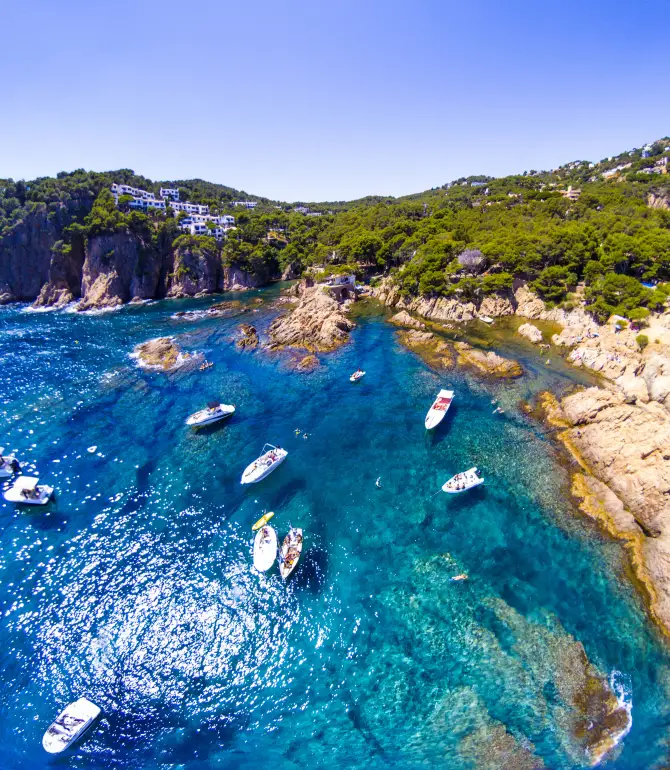
Province of Barcelona
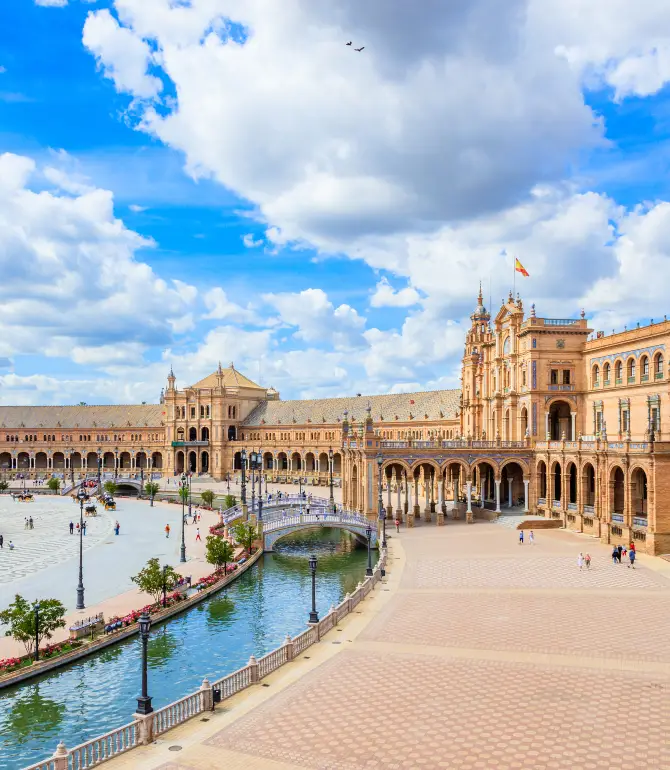
Seville