Nanjing China 2026: Top Attractions, Food & Things to Do

Contents
- Nanjing at a Glance
- Best Time to Visit Nanjing
- Spring (March to May)
- Summer (June to August)
- Autumn (September to November)
- Winter (December to February)
- Top Attractions in Nanjing
- 1. Sun Yat-sen Mausoleum
- 2. Ming Xiaoling Mausoleum and the Sacred Way
- 3. Nanjing Museum
- 4. Confucius Temple and the Qinhuai River
- 5. Zhonghua Gate and the Ming City Wall
- 6. Presidential Palace
- 7. Xuanwu Lake and Jiming Temple
- 8. Memorial Hall of the Victims in Nanjing Massacre
- Nanjing Ticket Prices and Opening Hours at a Glance
- Beyond the City Centre: Purple Mountain, Qixia and Niushoushan
- Purple Mountain and the Cable Car
- Qixia Mountain in Autumn
- Niushoushan and the Buddha Top Palace
- Suggested Routes: 2 Days or 3 Days in Nanjing
- Two-Day Classic Route
- Three-Day Route with a Mountain Day
- How to Get to Nanjing
- Flights to Nanjing Lukou Airport
- Trains to Nanjing
- Airport to the City Centre
- Getting Around Nanjing
- Metro
- Taxis, Bikes and Walking
- What to Eat in Nanjing
- Nanjing Salted Duck
- Duck Blood and Vermicelli Soup
- Breakfast and Street Snacks
- Where to Eat in Nanjing
- Where to Stay in Nanjing
- Xinjiekou and Gulou
- Confucius Temple and Laomendong
- Nanjing South Railway Station
- Nanjing Travel Tips and Costs
- More China Travel Guides
Show more
Nanjing is a city where one metro ride takes you past six dynasties of tombs, a Ming city wall and a 21st-century skyline. As the capital of Jiangsu and the former capital of China under the Ming and the Republic, it holds 2,500 years of history in a walkable core around Xuanwu Lake and the Qinhuai River - and several of its headline sights cost nothing at all. This guide covers when to go, the attractions worth your time, two- and three-day routes, how to reach the city from Lukou Airport, what to eat (start with salted duck) and where to stay.
| What it is | Capital of Jiangsu province, on the Yangtze River, about 300 km west of Shanghai |
| Best time | October to November for clear, dry weather and autumn leaves; late March to April for cherry and plum blossom |
| How long | 2 days for the essentials, 3 days to add a museum day or a mountain trip |
| Airport | Nanjing Lukou International Airport (NKG), 35 km south of the centre |
| Airport to city | Metro Line S1 to Nanjing South, then Line 1 or 3: about 1 hour for CNY 7-9 |
| Getting around | Metro reaches almost every sight; taxis and ride-hailing are cheap for short hops |
| Daily budget | CNY 300-500 budget, CNY 600-1,000 mid-range, CNY 1,500+ for five-star hotels |
| Book ahead | Sun Yat-sen Mausoleum and Nanjing Museum are free but require a timed reservation |
Nanjing sits in the humid subtropics, so the seasons are sharp: short, damp winters, a hot and sticky summer, and two genuinely lovely windows in spring and autumn. Your choice depends on whether you want blossom, foliage or fewer people.
Spring is Nanjing at its most photogenic. Plum blossom opens first, usually from mid-February to mid-March on Plum Hill inside the Ming Xiaoling scenic area, then cherry blossom takes over along Jiming Temple Road and around Xuanwu Lake in late March and early April. Daytime highs climb from around 12C in March to 24C in May. The Qingming holiday in early April brings the first big domestic travel wave of the year, so book trains and hotels early if you travel that week.
Expect 28-36C with high humidity, and the plum rain season from mid-June to mid-July, when it can rain for days. Summer is the season for lotus on Xuanwu Lake and for museums and mausoleums in the morning, with the Qinhuai River at its liveliest after dark. If you cannot handle heat, this is the month to skip - or to trade the city for the shaded trails of Purple Mountain.
Autumn is the best all-round season. Humidity drops, skies clear, and temperatures settle between 15C and 25C through October. Osmanthus scents the streets in late September, and from late October the leaves turn: the 600-metre Sacred Way at Ming Xiaoling and the slopes of Qixia Mountain are the classic spots. Avoid the National Day holiday from October 1 to 7, when every ticket and hotel in the city spikes.
Winters are cold and damp rather than snowy, hovering between 0C and 8C, with occasional snow that makes the city wall and the mausoleum roofs look their best. Crowds are thin outside the Spring Festival week, hotel rates are at their lowest, and plum blossom starts again in February. Bring a windproof coat: the Yangtze wind cuts through the open terraces at the mausoleums.
| Season | Months | Weather | Best for |
| Spring | Mar-May | 10-24C, breezy, occasional rain | Plum and cherry blossom, Ming Xiaoling |
| Summer | Jun-Aug | 28-36C, humid, plum rain in June | Lotus, museums, evening river cruises |
| Autumn | Sep-Nov | 15-25C, clear and dry | Red leaves, city wall walks, photography |
| Winter | Dec-Feb | 0-8C, damp, rare snow | Low prices, plum blossom from February |
Nanjing's sights cluster into three areas: Purple Mountain in the east, the old city centre around Xinjiekou and the Presidential Palace, and the Qinhuai River district in the south. Plan one area per half-day so you are not crossing the city twice.
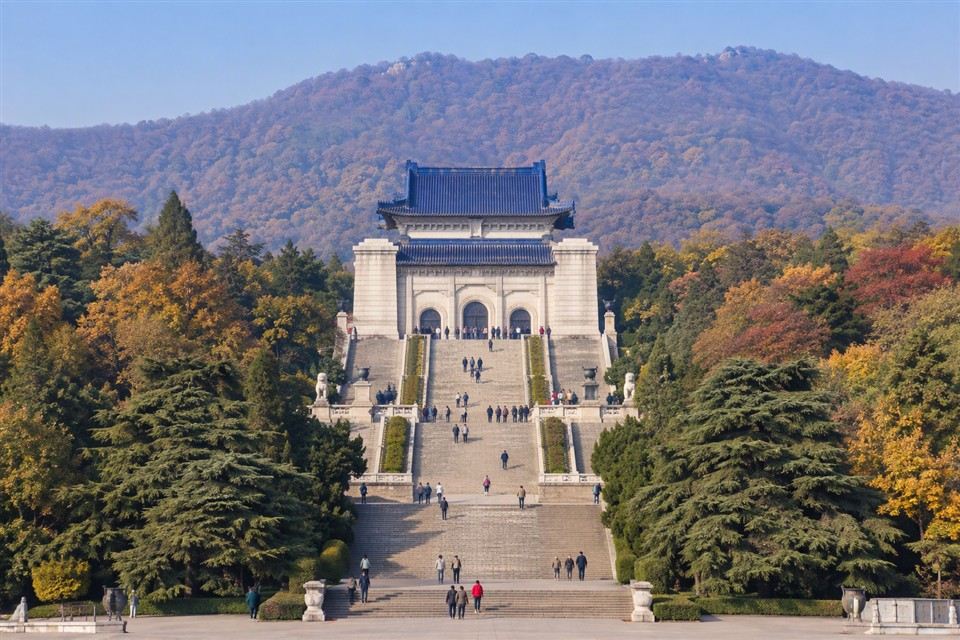
The mausoleum of the founding father of the Republic of China is the city's defining monument: a white granite hall with a blue glazed-tile roof, raised on 392 steps that climb the southern slope of Purple Mountain. The number is said to represent the 392 million Chinese people of 1925, and the design plays a trick on the eye - from the bottom you see only steps, from the top only platforms.
Admission is free, but entry is by timed, real-name reservation only, released seven days ahead at 16:00 through the official Nanjing Zhongshan Scenic Area WeChat mini-program. The gate and everything above it open 08:30-17:00 and close every Monday except public holidays. The burial chamber itself opens Tuesday to Friday only. Take Metro Line 2 to Muxuyuan, exit 1, then either walk 20 minutes or pay CNY 10 for the scenic shuttle. Arrive at opening for the quietest light and the shortest queue at the steps.
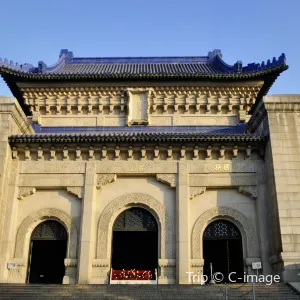
 The most outstanding scenery of Zhongshan is the mausoleum of Dr. Sun Yat-sen and its affiliated memorial buildings. The Sun Yat-sen Mausoleum is located on the southern slope of Maoshan in Zijin Mountain. It is surrounded by vast plains in front and cliffs in the back. It was designed by the famous Chinese architect Lü Yanzhi. It integrates the essence of ancient Chinese and Western architecture. It is solemn, simple and innovative. The whole cemetery is in the shape of a "warning bell", which means "to make the world reach the truth".
Built for the Hongwu Emperor, founder of the Ming dynasty, in 1381 and listed by UNESCO in 2003, Ming Xiaoling is the largest imperial tomb of its era in China. The approach matters as much as the tomb: the 600-metre Sacred Way is lined with paired stone elephants, camels, lions, horses and mythical beasts, and in late November it becomes the most photographed avenue in the city.
Tickets cost CNY 70, with entry from 06:30 to 18:30 between February and November and 07:00 to 17:30 in December and January. Entry is free before 06:30, which locals use for morning walks. A combined ticket covering Ming Xiaoling, Meiling Palace (CNY 30), Linggu Scenic Area (CNY 35) and the Music Stage (CNY 10) costs CNY 100 and is worth it if you plan to spend the whole day on the mountain. Metro Line 2 to Muxuyuan, exit 1, puts you at the No. 3 gate.
One of China's three great museums, with more than 400,000 objects spanning the Neolithic to the Republic, Nanjing Museum is free - and the hardest ticket in town on a rainy weekend. The collection includes bronze, porcelain, lacquer and calligraphy, and the basement reconstruction of a 1930s Republican-era street is the part most visitors remember.
Opening hours are 09:00-17:00 with last entry at 16:00, closed Mondays except public holidays. All visitors need a real-name, timed reservation through the museum's official WeChat mini-program; tickets are released at 18:00 seven days ahead and are not re-released on the day. Metro Line 2 to Minggugong, exit 1, then 300 metres east. Allow three hours, more if a special exhibition is running.
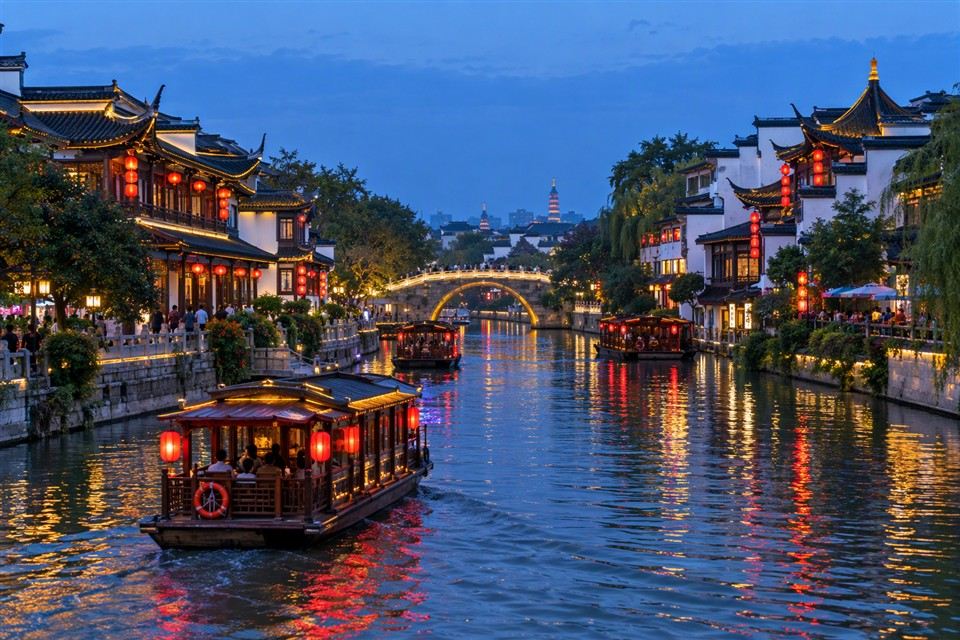
The Confucius Temple area is a free-to-wander grid of Ming- and Qing-style lanes on both banks of the Qinhuai River, and it is at its best after dark, when red lanterns come on and painted boats drift under the bridges. The temple itself and the Jiangnan Examination Hall, where imperial civil-service candidates sat for centuries, charge separate small fees; the Examination Hall museum costs CNY 50 and is the most interesting paid sight here.
A 40-50 minute river cruise costs roughly CNY 80-100 depending on the route and the boat, and leaves from several wharves along the canal. Come at 18:30 for the light, stay for dinner, then walk 15 minutes south to Laomendong, a restored quarter of grey-brick lanes with snack stalls and courtyard restaurants. Metro Line 3 to Fuzimiao, exit 2.
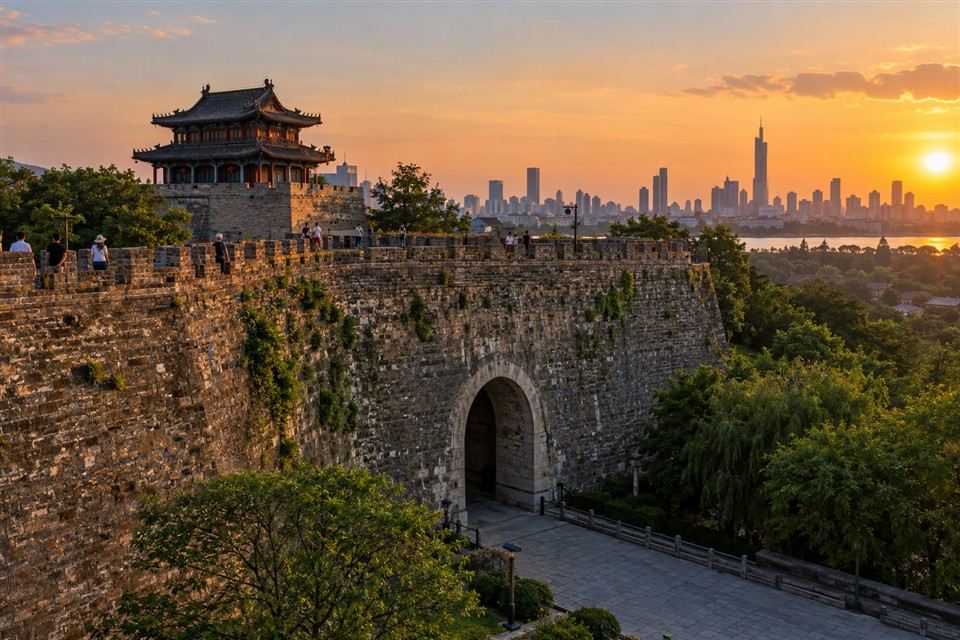
Nanjing's city wall was 35 km long when it was finished in the 1360s; about 25 km still stands, making it the longest surviving ancient city wall in China. Zhonghua Gate is its masterpiece: a barbican with four rows of arched chambers - 27 vaults in all - designed to trap attackers between successive gates. You can climb onto the ramparts and walk for kilometres along the top.
The wall section from Dongshuiguan to Jiqingmen, which includes Zhonghua Gate, costs CNY 50; the shorter Shence Gate to Taiping Gate section costs CNY 30 and pairs well with Xuanwu Lake. Hours are roughly 08:30-17:00, with seasonal extensions in summer. Metro Line 1 to Zhonghuamen, exit 2, puts you at the gate.
This sprawling compound has been a Ming prince's mansion, the office of the Qing viceroy of Liangjiang, the Taiping Heavenly Kingdom palace and finally the seat of the Republic of China's government. The gardens, the 1912-era offices and the exhibition halls give you 600 years of Chinese political history in one walk, and English signage is good throughout.
Tickets are CNY 35, half price for students and seniors. From March 1 to October 14 it opens 08:30-18:00 with last entry at 17:00; from October 15 to the end of February, 08:30-17:00 with last entry at 16:00. It closes on Mondays. Reserve through the official channel up to two days ahead. Metro Lines 2 and 3 to Daxinggong, exit 5.
Xuanwu Lake is the city's front garden: five islands linked by causeways, a 2,000-year-old shoreline and a free entry policy. Walk the wall on the lake's south side for the classic view of Purple Mountain across the water, or rent a boat in summer when the lotus is out.
Jiming Temple, a short walk from the lake's southwest corner, costs CNY 10 including three incense sticks and opens 07:30-17:00. In late March the road in front of it becomes a tunnel of cherry blossom and the queue for the temple gate stretches down the street. Metro Line 1 to Xuanwumen for the lake, Line 3 to Jimingsi for the temple.
This free museum documents the 1937 Nanjing Massacre with testimony, artefacts and an intact mass-grave site. It is sombre, extremely well curated and, for many visitors, the most affecting hour of their trip. Admission is free but requires a reservation one to seven days ahead through the official WeChat account; tickets are released at 08:00 and 17:00.
Normal hours are 08:30-17:30 with last entry at 16:30, closed Mondays. Check before you go: the hall has announced a closure from November 9 to December 13, 2026 for maintenance and commemorative events. Metro Line 2 to Yunjinlu, exit 2.
| Attraction | Ticket | Hours | Nearest metro |
| Sun Yat-sen Mausoleum | Free | 08:30-17:00, closed Mon | Line 2 Muxuyuan |
| Ming Xiaoling | CNY 70 | 06:30-18:30, to 17:30 in winter | Line 2 Muxuyuan |
| Nanjing Museum | Free | 09:00-17:00, closed Mon | Line 2 Minggugong |
| Confucius Temple area | Free | All day; shops from 10:00 | Line 3 Fuzimiao |
| Zhonghua Gate and wall | CNY 50 | 08:30-17:00 | Line 1 Zhonghuamen |
| Presidential Palace | CNY 35 | 08:30-18:00, closed Mon | Lines 2/3 Daxinggong |
| Jiming Temple | CNY 10 | 07:30-17:00 | Line 3 Jimingsi |
| Massacre Memorial Hall | Free | 08:30-17:30, closed Mon | Line 2 Yunjinlu |
If you have a third day, or you want to escape the tour groups, these three are worth the extra metro or taxi ride.
The mountain itself is free. A cable car runs to the ridge for CNY 60 one way or CNY 100 return, and the ride gives you the whole city, the Yangtze and the mausoleum roofs in one frame. Walkers can take the forest trails up from the Ming Xiaoling area; allow two hours up and one down.
Qixia, 20 km northeast of the centre, is one of China's four great maple-viewing mountains. Admission is CNY 50, rising to CNY 80 during the maple festival that usually runs through November; hours are about 07:00-17:00. The temple at the foot of the hill dates to 489 AD, and the hilltop views over the Yangtze are the reason to climb. Come on a weekday - November weekends are packed.
Niushoushan, south of the city, is a modern Buddhist complex built around a relic of the Buddha. The Buddha Top Palace is an underground hall of pale stone, gold and glass that has to be seen to be believed. Tickets are CNY 160 (CNY 80 for children, students and seniors), opening 08:30-17:30 with ticket sales ending at 16:30. Take Metro Line 1 to Tianlongsi and a local bus, or a 40-minute taxi from the centre.
Two days covers the mausoleums, the museums and the old river quarter at a comfortable pace. Add a third if you want a mountain day or time in the museums without rushing.
| When | Where | What | Practical |
| Stop 1, 08:00 | Ming Xiaoling | Sacred Way, then the tomb complex | Enter before 08:30 for empty avenues |
| Stop 2, 10:30 | Sun Yat-sen Mausoleum | 392 steps, memorial hall, city view | Book the 08:30-10:30 slot in advance |
| Stop 3, 13:00 | Meiling Palace or Linggu | Pick one: Republican villa or forest temple | Combined ticket covers both |
| Stop 4, 18:30 | Fuzimiao and Qinhuai | Lanterns, river boat, dinner | Boat wharves close around 21:00 |
| Stop 5, 09:00 | Nanjing Museum | History galleries and the 1930s street | Reserve at 18:00 seven days ahead |
| Stop 6, 13:30 | Presidential Palace | Gardens and Republican offices | Closed Mondays |
| Stop 7, 15:30 | Zhonghua Gate | Barbican vaults and wall walk | Sunset light on the bricks |
| Stop 8, 18:00 | Laomendong | Snacks in restored lanes | 15-minute walk from Fuzimiao |
| When | Where | What | Practical |
| Stop 1, 08:30 | Xuanwu Lake | Wall walk and lake views | Free; wall section CNY 30 |
| Stop 2, 10:30 | Jiming Temple | Incense, city wall and cherry road | CNY 10, includes incense |
| Stop 3, 13:30 | Massacre Memorial | Museum and testimony | Free, timed reservation; check closures |
| Stop 4, 16:30 | Niushoushan or Qixia | Buddha palace or autumn maples | Pick by season, not both |
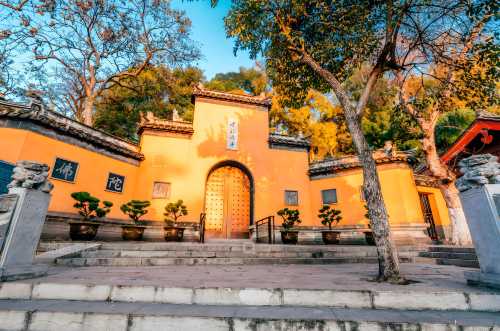
Nanjing is on the Beijing-Shanghai high-speed line, so most travellers arrive by train rather than plane. If you are already in Shanghai, the train is faster door to door than flying.
Nanjing Lukou International Airport (NKG) sits 35 km south of the city centre and handled 31.4 million passengers in 2025. Terminal 2 takes all international flights plus China Eastern and Juneyao domestic services; Terminal 1 handles other domestic carriers. Both connect to the same transport centre, which holds the metro station, coaches, a hotel and food outlets.
Nanjing South Railway Station is one of Asia's largest rail hubs, with 28 platforms and around 324 high-speed trains a day. Almost all G-trains use it; a handful still use the older Nanjing Station near Xuanwu Lake, so check the station code on your ticket. Book with your passport - Chinese rail is fully e-ticketed and the passport is your ticket at the gate.
| Route | Fastest | Second class | Notes |
| Shanghai Hongqiao - Nanjing South | 1 hour | From CNY 140 | Trains every few minutes, 06:00-22:00 |
| Hangzhou East - Nanjing South | 1 hour 30 | From CNY 120 | Good pairing with a Shanghai trip |
| Suzhou - Nanjing South | 40 minutes | From CNY 70 | Easy morning hop |
| Beijing South - Nanjing South | 3 hours 30 | From CNY 445 | Faster than flying once you add transfers |
| Xi'an North - Nanjing South | 5 hours | From CNY 480 | Daytime departures only |

The metro is the default choice: Line S1 runs from the airport to Nanjing South in about 35 minutes for CNY 7, every 8-10 minutes from roughly 06:00 to 22:40. At Nanjing South, change to Line 1 for Xinjiekou or Line 3 for Fuzimiao; the full trip to the centre takes around an hour and costs CNY 8-9.
| Option | Cost | Time | Best for |
| Metro S1 plus Line 1/3 | CNY 7-9 | About 1 hour | Light luggage, daytime arrivals |
| Airport shuttle bus | CNY 20-30 | 60-90 minutes | Heavy bags, hotels on the route |
| Taxi or DiDi | CNY 100-150 | 45-60 minutes | Late arrivals, families |
The metro is fast, cheap, air-conditioned and signed in English. Fares are distance-based and start at CNY 2. Lines 1, 2 and 3 cover almost everything a visitor needs: Line 1 for Xinjiekou, the city wall and Nanjing Station; Line 2 for Purple Mountain, the museum and the Presidential Palace; Line 3 for Fuzimiao and Jiming Temple. Pay with the Alipay or WeChat transport QR code, or buy a single ticket from the machines, which accept notes and coins.
Taxis are metered and easy to flag in the centre; a cross-town ride usually lands between CNY 20 and 40. DiDi works with an international card in the Alipay mini-program. Shared bikes are everywhere and the old city is flat, so a 20-minute ride between Fuzimiao and Xinjiekou is often quicker than the metro once you count the stairs. Crossing big intersections takes nerve: wait for the green pedestrian signal and walk with the crowd.
Nanjing cooking is Jiangsu cuisine at its most comfort-driven: duck, pork, river fish, sweet-savoury braises and a serious breakfast culture. The city eats an estimated 100 million ducks a year.
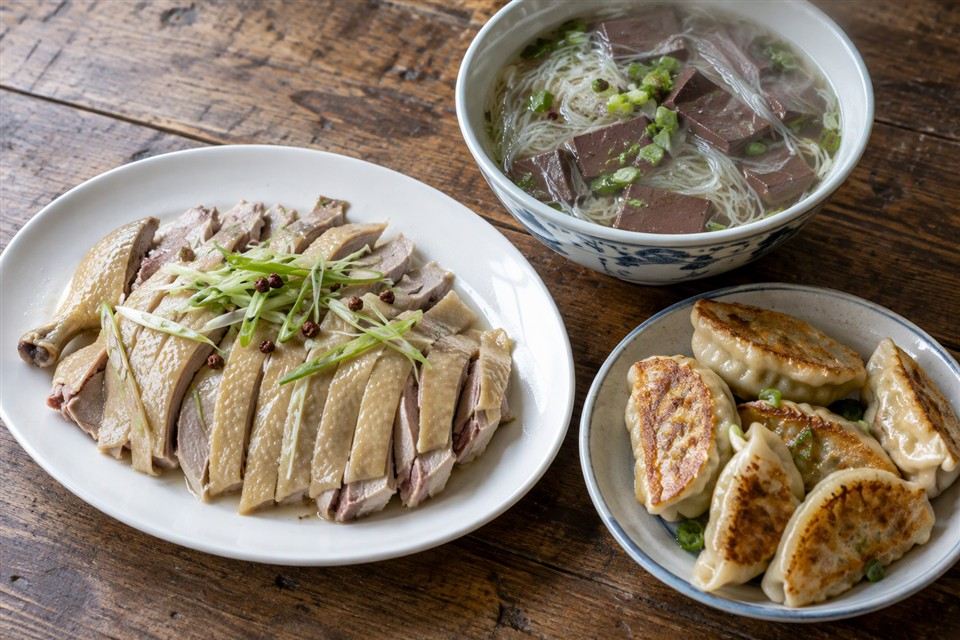
Salted duck is the dish the city is judged by. Unlike Beijing duck it is poached and chilled rather than roasted, so the skin is pale and the meat is gently salty, juicy and faintly perfumed with star anise and Sichuan pepper. Buy it by weight from a shop counter, ask for it chopped, and eat it within a day. A whole duck at a good shop costs CNY 55-88. Our guide to Nanjing salted duck lists eight shops and what to pay.
Yaxue fensi tang is Nanjing's everyday bowl: duck blood curd, duck liver and intestine, translucent sweet-potato vermicelli and a milky duck broth, finished with coriander and chilli oil. It costs CNY 15-25 and is the best cheap lunch in the city. Look for shops with a queue of locals at 11:30.
Beef potstickers, pan-fried in a huge circular pan and sold five at a time for CNY 10-15, are the classic breakfast. Add soup dumplings (CNY 15-25 a basket), meiling porridge - a sweet rice porridge with yam and soy milk named after Madame Chiang - and osmanthus taro for dessert. Laomendong and the lanes behind Fuzimiao are the easiest places to graze.
Nanjing Impressions is the safe, fun introduction: a chain styled as an old Jiangnan market hall, with salted duck, duck blood soup and snacks on one menu for CNY 60-80 a head. For duck itself, the old shops around Fuzimiao and Xinjiekou sell vacuum-packed versions you can carry home.
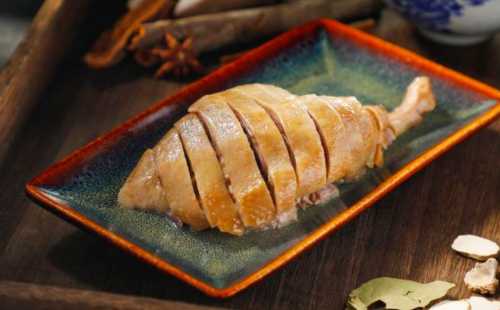
Nanjing Impressions
 No. 2 of Global Traveller-Picked Restaurants in Nanjing
Choose your base by what you want to walk to at night. The metro makes everything reachable, but the three areas below have very different atmospheres.
The commercial centre, where Lines 1 and 2 cross. You are 20 minutes from Purple Mountain and 15 from Fuzimiao, with malls, cinemas and late-night food on the doorstep. Best for first-timers and anyone who wants a big-city hotel with a gym and a pool.
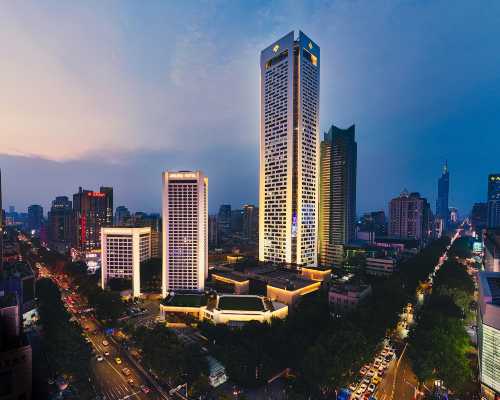
Nanjing Jinling Hotel- City Center
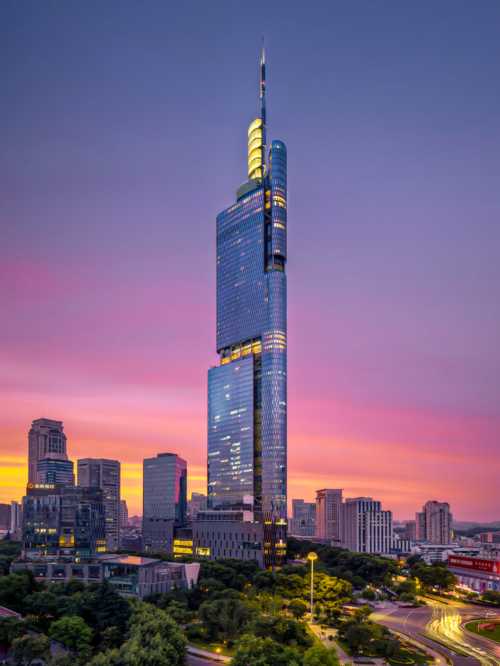
InterContinental Hotels NANJING by IHG
No. 1 of Scenic Hotels in NanjingStaying by the Qinhuai River puts the lanterns, boats and snack lanes outside your window. Rooms are smaller and streets are noisy until 22:00, but the atmosphere is unmatched, and the metro still reaches Xinjiekou in 10 minutes.
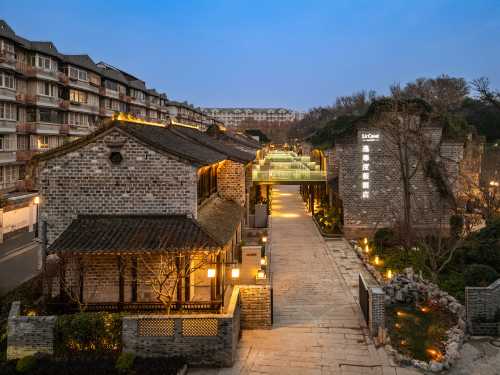
UrCove by Hyatt Nanjing Confucius Temple Laomendong Resort
No. 12 of Cultural Hotels in NanjingIf you arrive late or leave early, hotels around the South Station are practical and cheaper, with the airport metro and high-speed trains in the same complex. It is a 25-minute metro ride from the sights, so treat it as a transit base rather than a holiday base.
Nanjing is cheaper than Shanghai and Beijing by a noticeable margin, especially for hotels and taxis.
| Item | Budget | Mid-range | Comfort |
| Hotel per night | CNY 150-300 | CNY 400-700 | CNY 900+ |
| Food per day | CNY 80-120 | CNY 150-250 | CNY 300+ |
| Transport per day | CNY 10-20 | CNY 30-60 | CNY 100+ |
| Sights per day | CNY 0-50 | CNY 70-150 | CNY 160+ |
Payment. Alipay and WeChat Pay both accept foreign cards and are used for everything from metro gates to street stalls. Carry CNY 200-300 in cash for small vendors and temple donation boxes.
Visas. China's visa-free transit policy gives eligible travellers up to 240 hours (10 days) when they arrive at Lukou and depart to a third country, and several nationalities now have full visa-free entry. Rules change often - check the current list before booking.
Connectivity. Buy an eSIM before you fly or a local SIM at the airport; Google, WhatsApp and Instagram are blocked on local networks, and an international eSIM with roaming keeps them working.
Etiquette and practicalities. No tipping. Tap water is not drinkable; hotels provide kettles and bottled water. Queues are informal, so hold your place. The city is very safe, including at night around Fuzimiao.
Planning a wider trip? These guides pair well with Nanjing:
Nanjing Lukou Airport: Terminal Map, Metro and Transfers - the full arrival guide.
Nanjing Salted Duck: The Must-Eat Dish and 8 Best Shops - where to buy the city's signature food.
Best Day Trips from Shanghai - including how Nanjing fits a Shanghai itinerary.
China Where to Visit: Top 15 Destinations - where Nanjing sits in a two-week route.
Best Month to Visit China - month-by-month weather across the country.
Popular recommendations

The Best Things to Do in Ho Chi Minh City
 _marialina___
Popular Picks
Majestic Hotel, Cardiff
4.3/5(94)
€109.00

Zedwell Capsule Hotel Piccadilly Circus
4.1/5(1,498)
€62.00

Mainland China 5G eSIM | Day Pass/Total Data Package | ChatGPT Available | 24-Hour Billing | 1-365 Days | QR Code
4.6/5(77,928)
€0.08€0.16
TRIBE Manchester Airport
4.5/5(994)
€148.00
Royal National Hotel
4.1/5(3,424)
€103.00