Guangzhou Travel Guide 2026: Top Attractions, Things to do & Itinerary | Trip.com | April, 2026
About Guangzhou
Recommended trip: 2–5 day(s)
Recommended trip: 2–5 day(s)Current weather conditions
 25°C
25°CGuangzhou Local Experiences Map






Trending in Guangzhou
Guangzhou Local Travel Guide 2026
Guangzhou Brief Guide
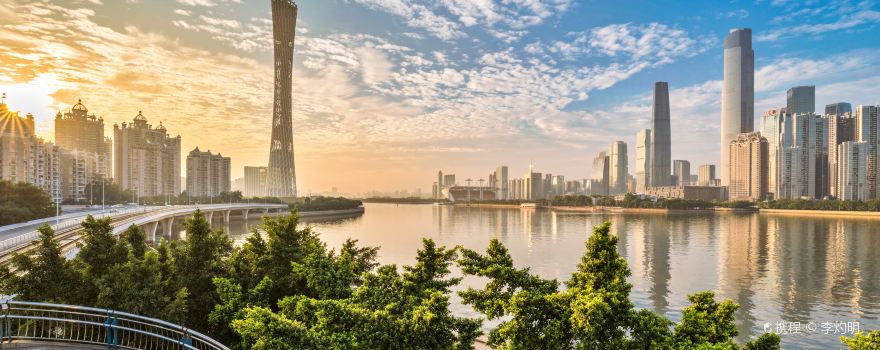
Along the Pearl River, Guangzhou, Guangdong’s powerhouse, dazzles with modern architecture, historic lanes, and world-famous Cantonese eats. Plan your dream journey with this guide and enjoy Guangzhou's vibrant fusion of innovation and tradition.
Guangzhou Must-try local experiences
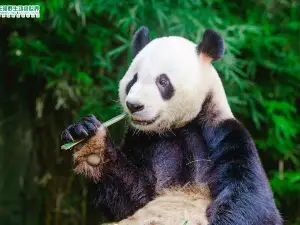
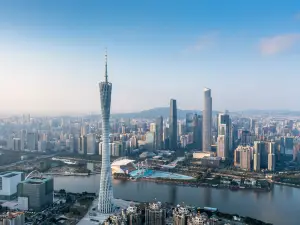
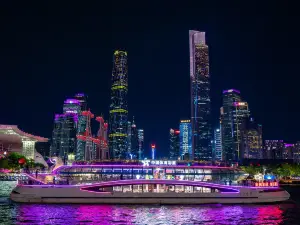
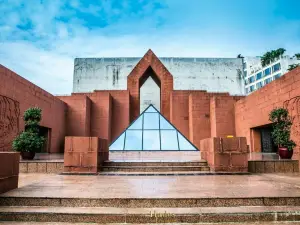
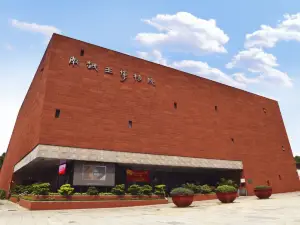
1. Bubble Tram Ride Ride the Bubble Tram at Canton Tower—a slow spin 460 meters up in a glass pod, circling the top with Guangzhou sprawling below. Book online a day ahead, the 360-degree view hits peak magic around 6 PM when the city lights flicker on. Snap shots through the glass—it’s a thrill you won’t find anywhere else in China. 2. Pearl River Bridge Chase Cruise from Dashatou Wharf at night to chase the Pearl River’s bridge light show—Haizhu and Liede bridges light up the dark, a local favorite that steals the skyline’s thunder. Boats run till 10 PM—aim for dusk, around 6:30 PM, when the glow hits its stride. Grab a top-deck seat near Yanjiang Road and soak in Guangzhou’s lit-up arches. 3. Cantonese Food Crawl Dive into Guangzhou’s food scene with a day-to-night crawl—start your morning at Lian Xiang Lou, where dim sum carts roll out shrimp dumplings and sticky rice by 10 AM, just 5 mins from Xiguan’s lanes. Then hit Xi Hua Lu after dark—roast goose glistens, claypot rice sizzles, and rice rolls vanish fast around 8 PM. Try double-skinned milk for a sweet finish—silky, chilled, and pure Cantonese; it’s a flavor marathon that shows why this city eats everything. Bring cash and stretchy pants—tables turn quick. 4. Opera Night Unraveled Step into Cantonese opera at Yongqingfang—costumes flash, voices soar with tales of old Guangdong, a weekend treat around 2 PM. Stick around after—tea stalls on Enning Lu hum with chatter about the show, 5 mins away; it’s a performance that pulls you in, wails and all. Bring curiosity—the makeup’s half the story. 5. Xiguan Dawn Stroll Step into Xiguan’s old lanes—Baohua Road’s wooden homes boast Lingnan charm. Chess games hum, stalls simmer ginger milk, and double-skinned milk offers a silky taste of Guangzhou’s past. Visit early when it’s cool; this quiet corner near Liwan reveals the city’s roots with every step and bite. 6. Nanyue Tomb Dive Explore the Southern Yue King Museum—a 2,000-year-old tomb hides jade armor and bronze relics in Yuexiu, carved into a hill. Open 9 AM—hit it midweek around 10 AM when it’s hushed, one stop from old Guangzhou; linger at the jade burial suit—it’s a time capsule that grips you. 7. Chimelong Safari Trek Visit Chimelong Safari Park in Panyu—gates open 9:30 AM, pandas chew and giraffes roam free. Stick to walking trails for quiet views of tigers and koalas—less circus, more wild. Bring binoculars; shade’s thin but the sights pop. It’s Guangzhou’s untamed escape. 8. Shamian Island Hang Take a walk and settle on Shamian Island’s porches—old homes with wide verandas line quiet streets, a Guangzhou breather 5 mins from the riverfront. Hit it late afternoon—sunset softens the stone, and tea carts roll by around 5 PM; bring a book—time slows here like nowhere else in the city. 9. Baiyun Peak Snap Hike Baiyun Mountain for city views—trails reach misty peaks, haze permitting. Cable cars start 6:30 AM near downtown; early climbs catch cool air and skyline glimpses. Bring a camera—Guangzhou from up high rewards the effort.
Guangzhou Must-see Attractions
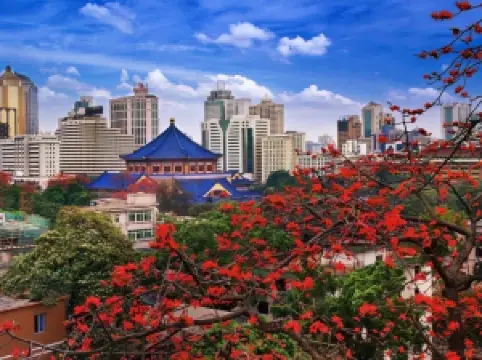
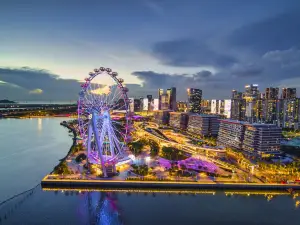
Guangzhou is a dynamic city home to the world's largest safari park and amusement park, the third-tallest tower with panoramic views, and the largest permanent circus, offering a diverse array of world-class attractions and entertainment experiences.
Guangzhou Food Guide
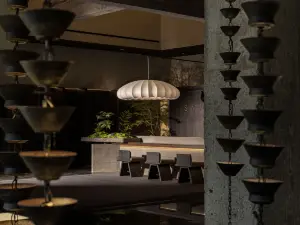
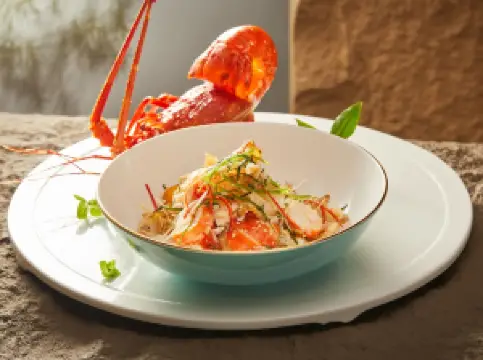
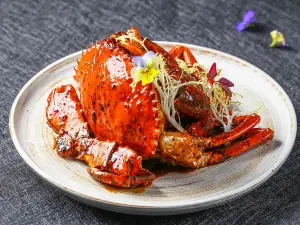
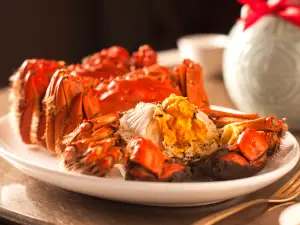
Guangzhou's food is renowned for its exquisite cooking skills and diverse flavors, from the crispy rice crust of clay pot rice to the fresh and delicious taste of boat congee, to the smooth and sweet double skin milk, the tender and juicy white cut chicken, and the soft and tasty Guangzhou-style rice noodle rolls, each dish is the essence of Guangdong's culinary culture.
Guangzhou Transportation
By Air Guangzhou Baiyun International Airport (CAN): The primary gateway, located 28 km (17 miles) north of downtown. Serves international flights and extensive domestic routes. To City Center from CAN: Metro Line 3 (30–40 minutes, ¥7) connects to downtown; Line 18 Airport Express connects to East Station in 22 minutes. Airport shuttles (45 minutes, ¥20–30) or taxis (¥120–180, depending on traffic) are also available. By Train Guangzhou South Railway Station: The main hub for high-speed trains (G-series), connecting to Hong Kong (50 minutes), Shenzhen (30–40 minutes), Beijing (8–10 hours), and Shanghai (7–9 hours). Guangzhou Railway Station and East Station: Mostly handle slower trains and regional routes. All major stations are linked to Guangzhou’s metro system. By Bus Guangdong Provincial Bus Station and Tianhe Bus Station connect Guangzhou to regional destinations like Shenzhen (2 hours) or Guilin (5–7 hours). By Road Driving or private transport is possible via expressways like the G15 (to Shenzhen) or G94 (to Hong Kong). Road travel is less recommended for international visitors due to complex driving regulations and language barriers. By Sea Huangpu Port handles ferries from Hong Kong—about 2.5 hours via high-speed boats. It’s less common than flights or trains, but handy for Pearl River Delta travelers; metro Line 13 connects from Yufengwei Station.
Guangzhou Where to Stay
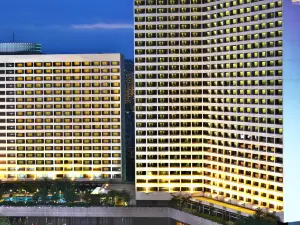
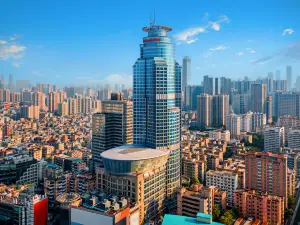
Guangzhou is a sprawling metropolis known for its vibrant culture, historical landmarks, and as a hub for commerce and trade. The city's accommodation options are spread across various districts, each offering unique experiences and conveniences for travelers.
Guangzhou Best Time to Visit
Spring (March–April) is the best time to visit Guangzhou, offering mild weather, blooming flowers, and comfortable conditions that are ideal for exploring the city’s attractions, such as the Canton Tower and Yuexiu Park. Spring: Temperatures range from 15–25°C (59–77°F), with moderate humidity and occasional rain. Parks bloom with azaleas and lotus flowers, especially at Baiyun Mountain. The Canton Fair (April/May) attracts business travelers but increases hotel prices. Summer: Hot and humid, 25–34°C (77–93°F), with heavy rain and occasional typhoons. The Dragon Boat Festival (June, lunar calendar) features exciting river races. Fall: Pleasant and less humid, 20–30°C (68–86°F), with clear skies. Winter: Cool and dry, 10–18°C (50–64°F), with rare rain. Fewer crowds make it budget-friendly. The Spring Festival (January/February, lunar calendar) brings colorful celebrations.
Guangzhou Travel Tips
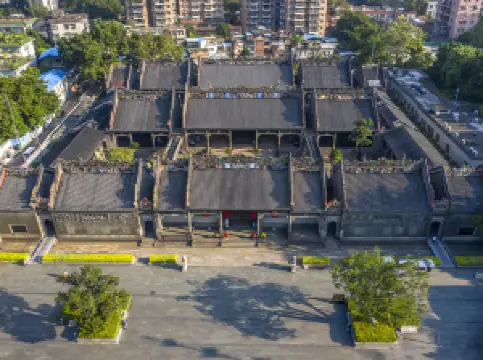
1.Book Your Big Hits Ahead Reserve spots for Canton Tower’s Bubble Tram or Chimelong Safari online—weekends and holidays (like Spring Festival) sell out fast. Aim for dusk at the tower (6 PM) or early safari entry (10 AM)—peak crowds fade, and the vibe’s better. Use your passport name—real-name rules apply. 2. Pick Busy Food Stalls At Xi Hua Lu or night markets, hit stalls with buzz—long lines mean fresh fresh and delicious food, not leftovers sweating in the heat. Empty spots can disappoint—stick to the action, especially after dark. 3. Ride DiDi, Not Taxis Skip the taxi hunt—DiDi’s app books rides fast, tracks your route, and dodges shady detours, a win in Tianhe or Liwan’s chaos. Have your destination in Chinese ready—drivers rarely speak English. 4. Pack for the Humidity Guangzhou’s wet air amps everything—summer’s high heat turns sauna-like, winter’s cool bites colder than dry climates. Bring loose tees and a towel for July, layers and a scarf for January—comfort’s key. 5. Dodge the Holiday Crush Spring Festival and National Day (Oct 1-7) pack Baiyun Mountain and Shamian Island—shift a week off-peak or hit midweek. You’ll dodge the swarm and actually enjoy it. 6. Sample Food Before You Commit Food stalls near Xiguan or Huacheng Square often let you taste—nibble roast goose or double-skinned milk before ordering big. Flash a grin and point—that’s how you find gold in Guangzhou’s culinary jungle. 7. Stick to Bottled Water Tap water’s a no-go—grab bottled water or tea from corner shops near the Pearl River to stay hydrated in the sticky heat. Skip ice in street drinks—it melts fast and muddies the taste. 8. Carry Passport Copies Random ID checks pop up—museums like Chen Clan or streets near Tianhe might ask foreigners for proof. Keep a passport copy handy just in case—saves a trek back to your hotel.
Guangzhou Useful Guide
Mandarin Chinese is the official language. Cantonese dialect is common. English is widely spoken in tourist and business areas, but less common outside of these areas.
Trip.Best: Guangzhou



Things to do in Guangzhou
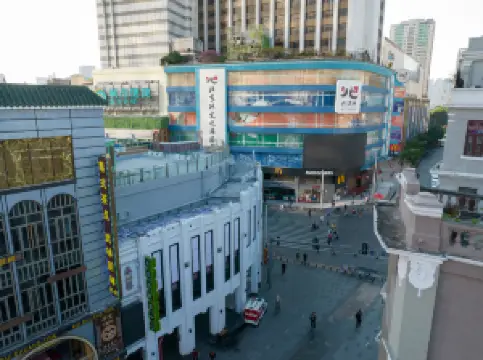
What to do

Where to stay







What to eat
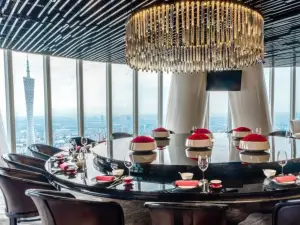
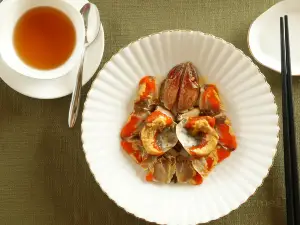

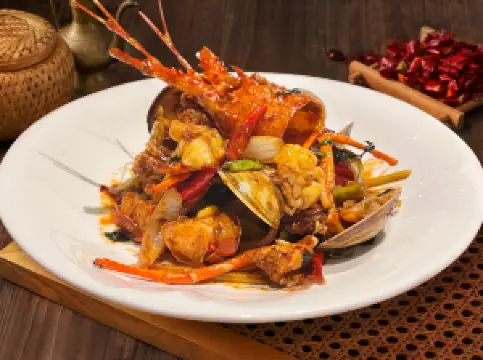
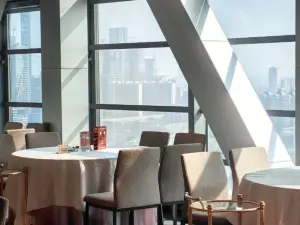
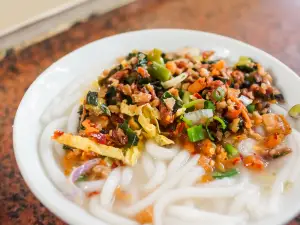
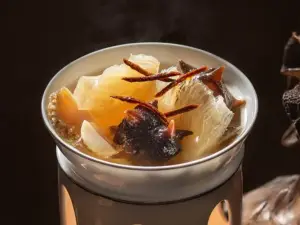
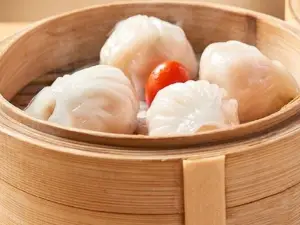
Guangzhou Moments: Through Travelers' Eyes
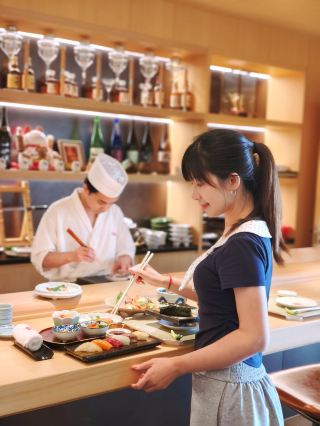
You wouldn't have guessed, would you? Guangzhou actually has all-you-can-eat Omakase!

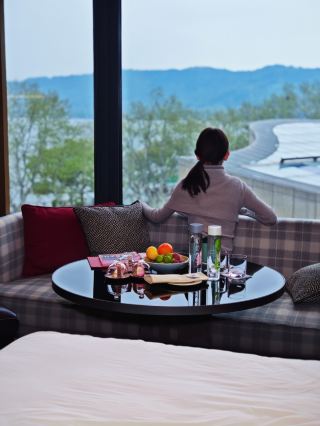
I stayed one night at the Grand Hyatt by West Lake, and now I don't want to go back to Guangzhou.

Stunning photos at Nansha Yacht Club

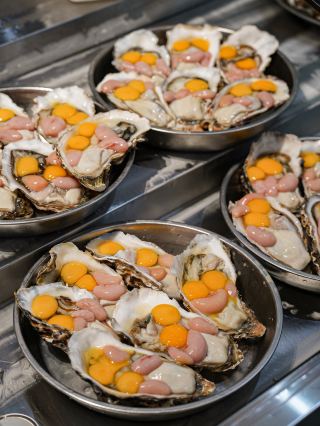
A master at eating oysters! A man's energy booster and a woman's beauty salon.

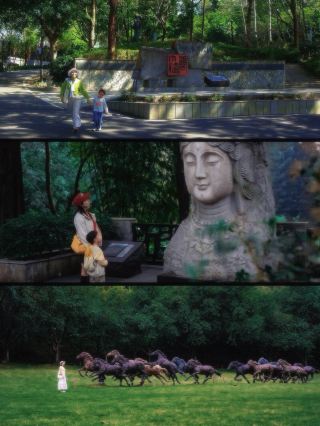
The oasis in the city center is absolutely amazing

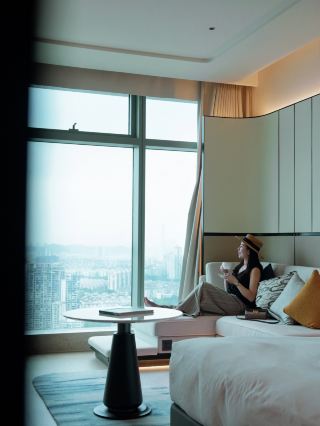
Guangzhou Staycation | This is the resort hotel I've been looking for

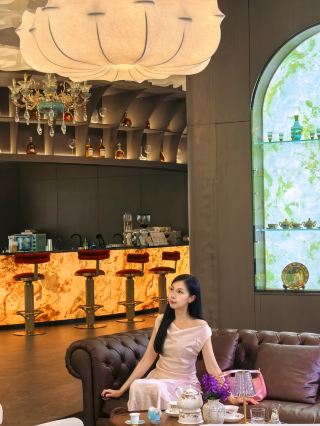
The atmosphere of this European-style hidden gem restaurant in the city is simply divine.

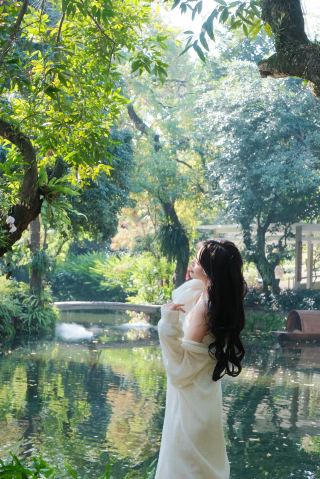
This hidden Jiangnan garden in the bustling city of Guangzhou is less crowded and more beautiful than in photos

Best of Guangzhou
Top 20 Instagrammable Hotels in Guangzhou
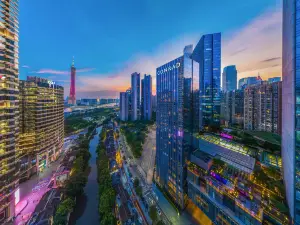
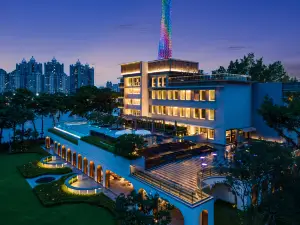
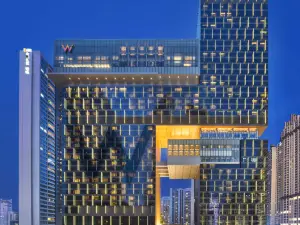
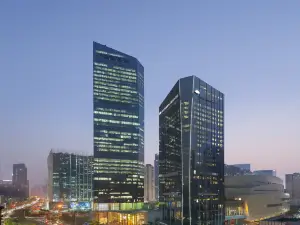
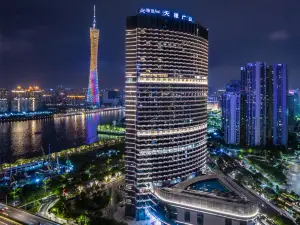
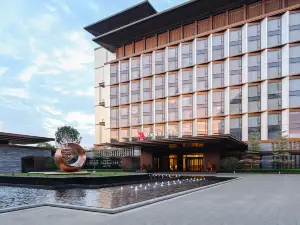
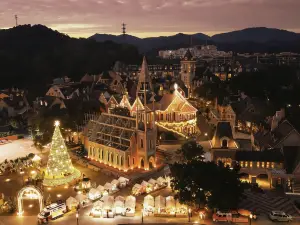
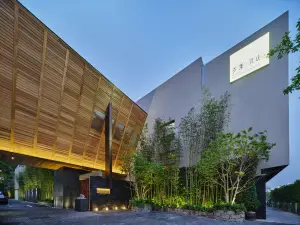


Top 10 Hot Springs Attractions in Guangzhou

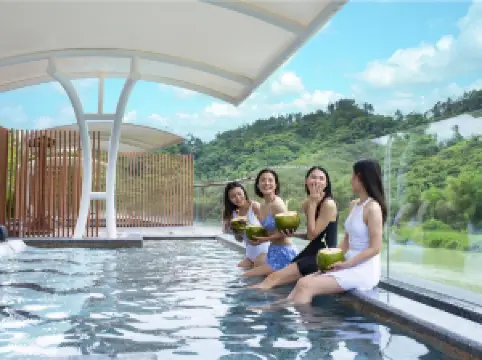
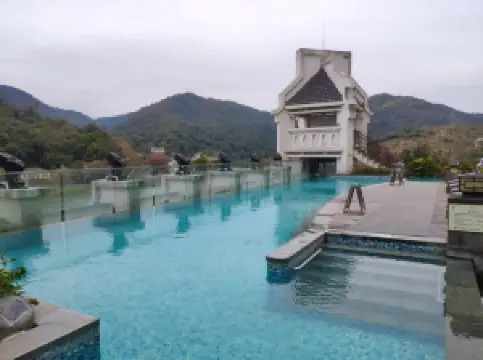
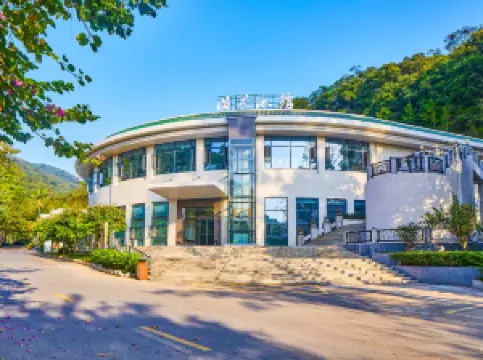



Top 50 Vacation Homes in Guangzhou
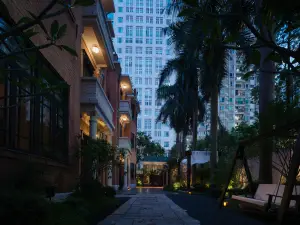

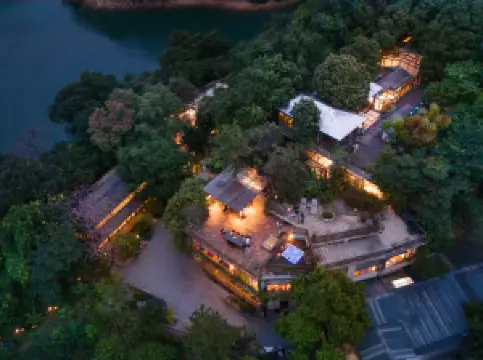
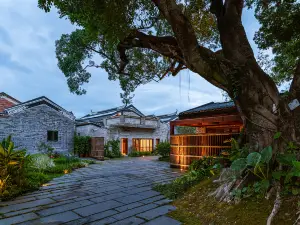

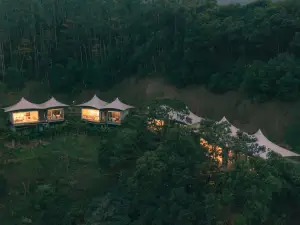
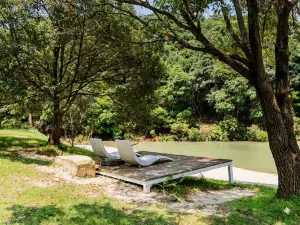
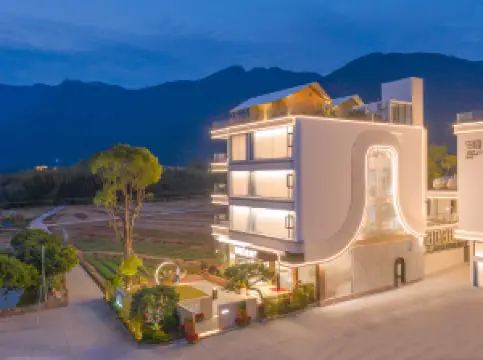
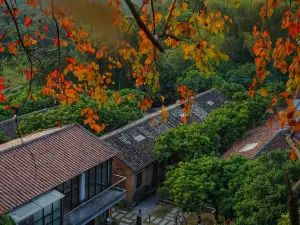
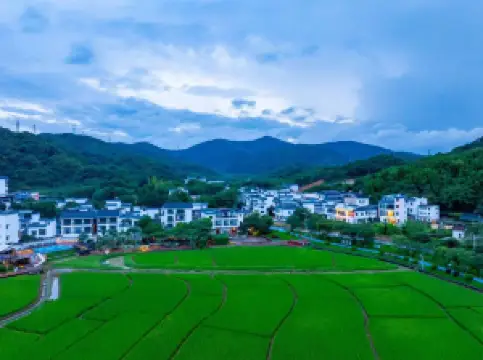

Top 20 Hot Spring Hotels in Guangzhou

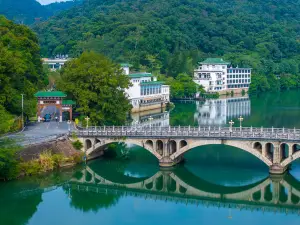
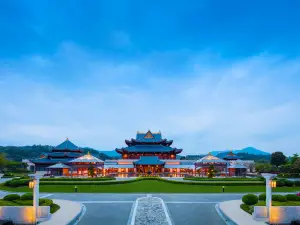
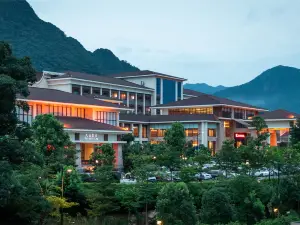
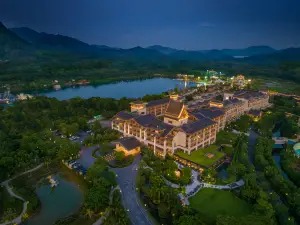
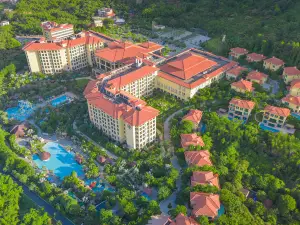
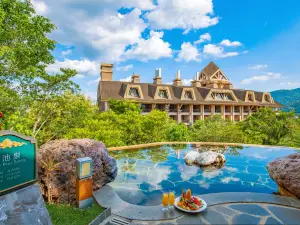
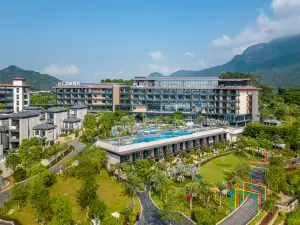
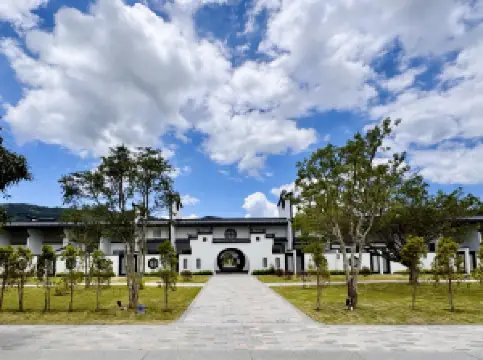
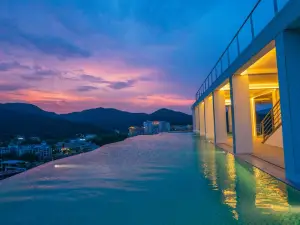
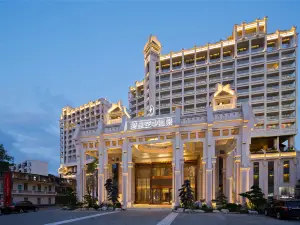
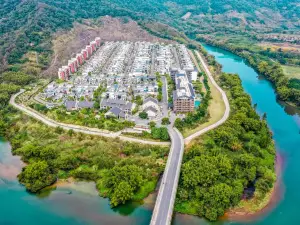
Top 20 Gourmet Hotels in Guangzhou
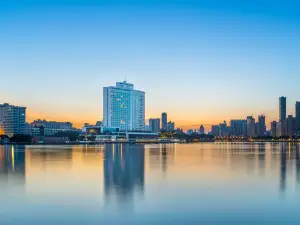
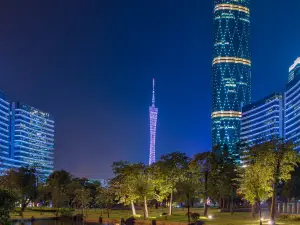
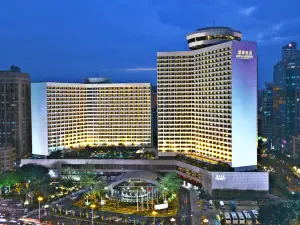
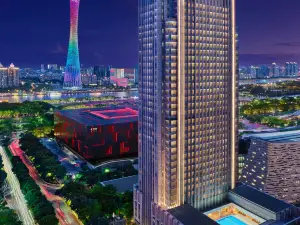
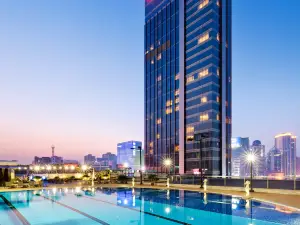
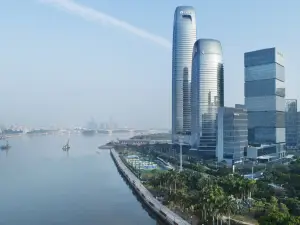
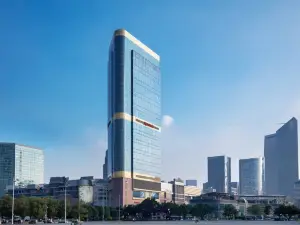
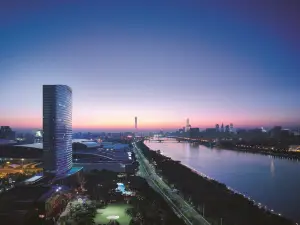

Top 20 Premium Hotels in Guangzhou
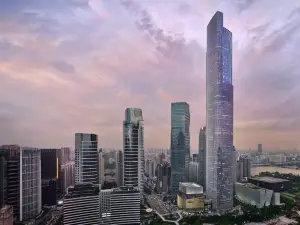
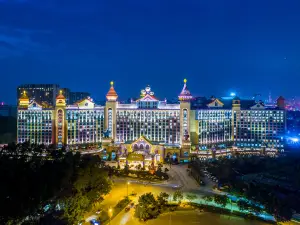
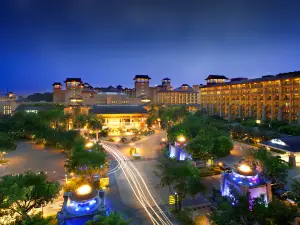
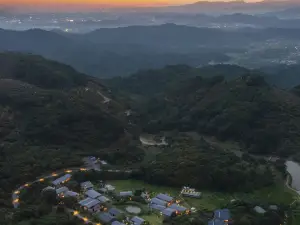
Top 20 4-Star Select Hotels in Guangzhou

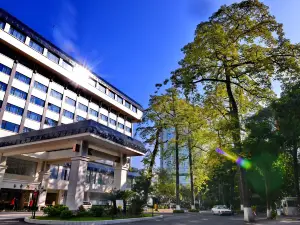

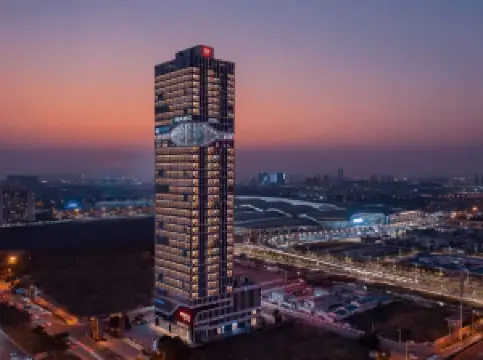
Top 50 Best Things to Do near Guangzhou
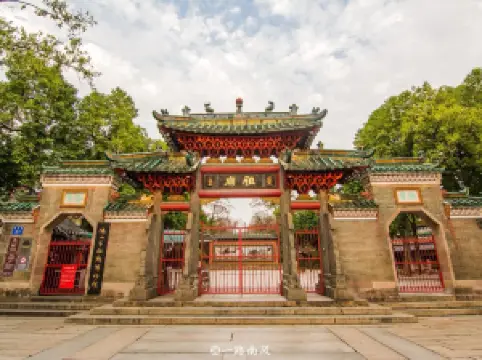
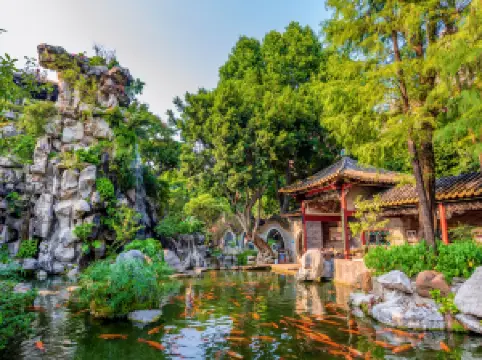
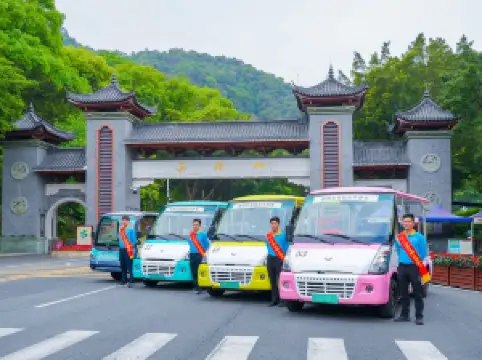

Top 50 Family-friendly Attractions near Guangzhou
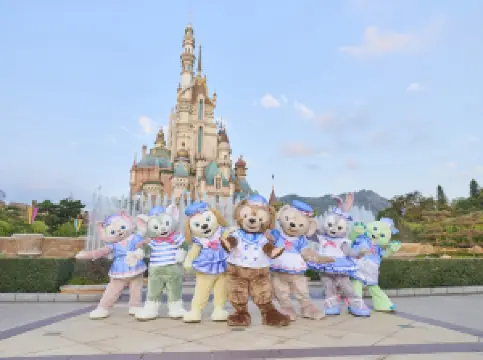
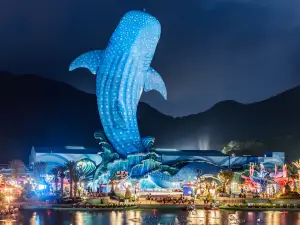

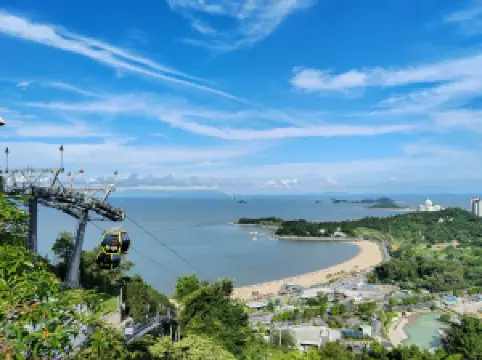

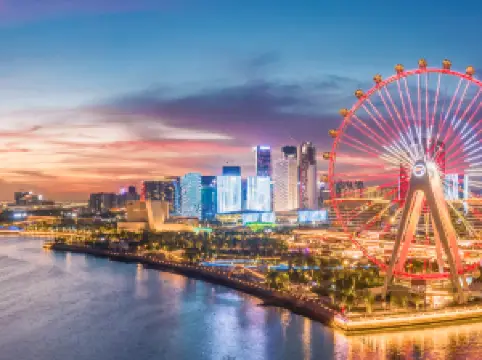



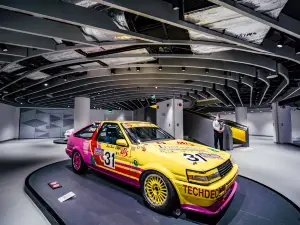
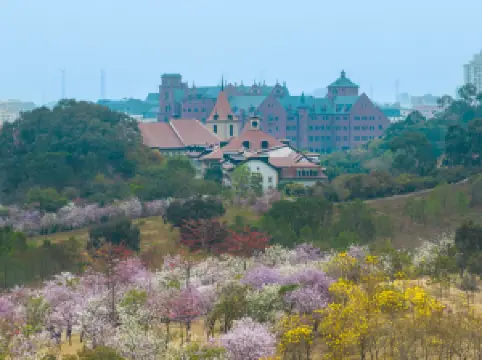
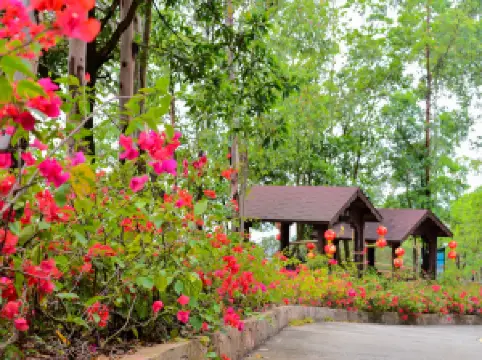
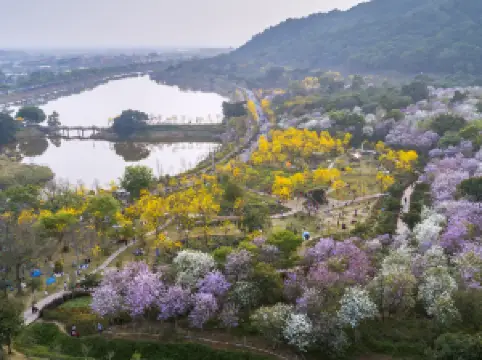
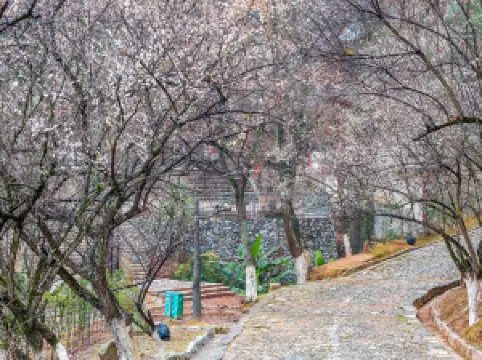
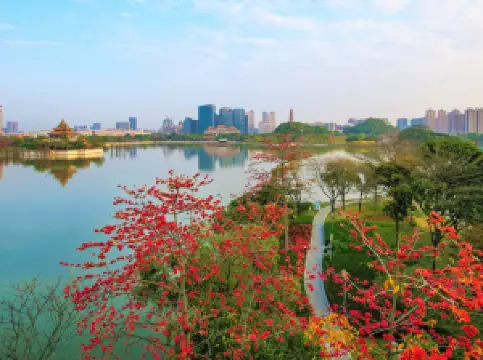
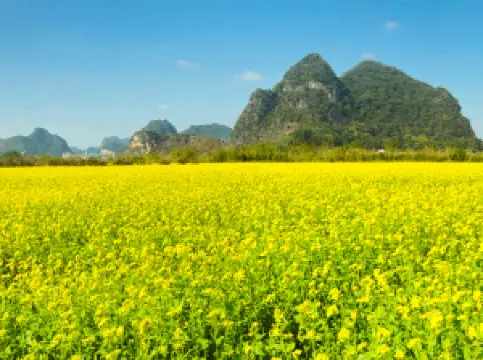
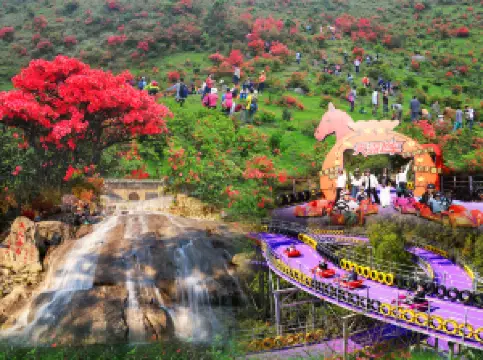
Top 50 Spring Outings near Guangzhou
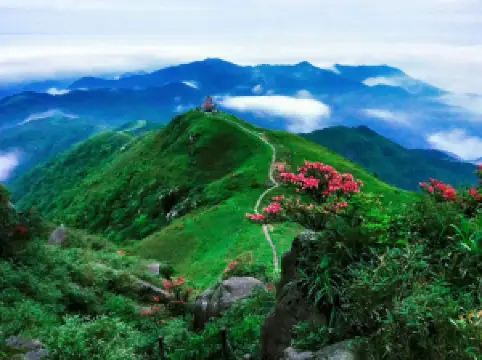
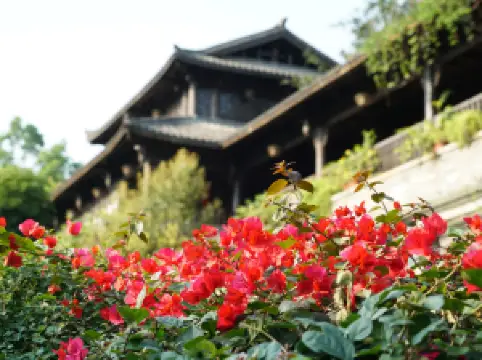


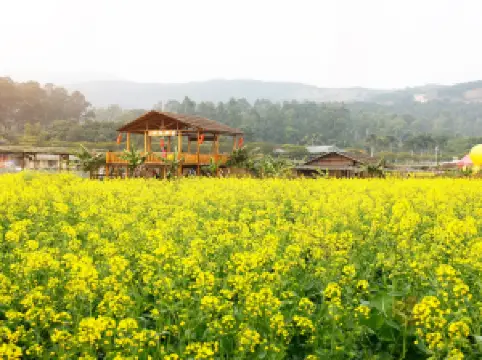
Other recommended cities
Hangzhou
Shanghai
Chengdu
Xiamen
About
Site Operator: Trip.com Travel Singapore Pte. Ltd.