Top Things to do in Huangshan: Best Activities & Must-Sees

By Tina
October 23, 2026
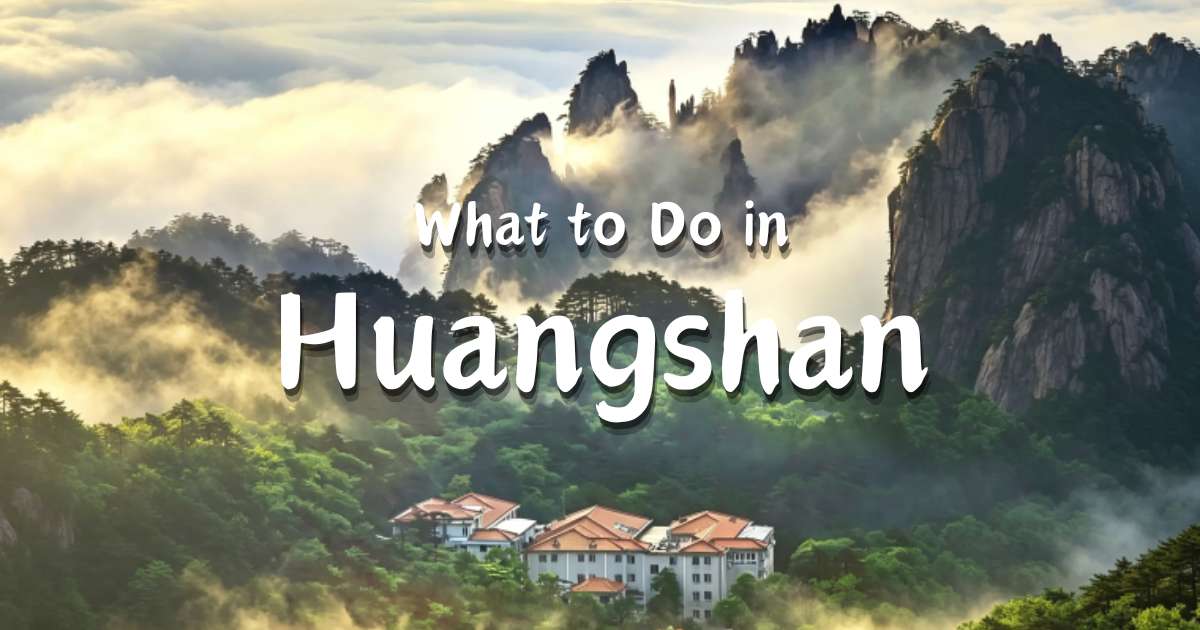
Mount Huangshan (“Yellow Mountain” in Chinese) has been celebrated for centuries in the history of Chinese art and literature and is described by UNESCO as “the loveliest mountain in China”. However, the Huangshan region also offers an important historical and cultural heritage.
This Trip.com guide will help you plan a complete trip to discover Mount Huangshan, with its iconic landscapes, and the historic sites of the region, characterised by traditional Huizhou architecture.
🎫 Top Things to Do in Huangshan
- ⛰️ Mount Huangshan entrance ticket, from approx. £20 – Access to the network of high-altitude trails and the iconic cloud-wrapped peaks.
- 🏘️ Hongcun admission, from approx. £6 – Stroll along the canals and snap memorable photos in one of the two historic villages of the UNESCO site in southern Anhui.
- ⛩️ Entry to the ancient village of Xidi, from approx. £6 – Visit the other jewel of this UNESCO site, known for its traditional Ming and Qing architecture and memorial archways.
- 🚡 Cable car ticket (Yungu or Yuping), from approx. £10 each way – Allows you to reach higher-altitude areas with breathtaking views more quickly, reducing some of the elevation gain you would otherwise have to tackle on foot. Prices may vary depending on the season and operating conditions.
- ♨️ Huangshan hot springs, from approx. £23 – An option to relax and soothe your muscles after a day of mountain trekking, with outdoor pools available in the area at the foot of the massif.
✈️ What to Do in Huangshan Based on Your Stay
Planning an itinerary in Huangshan requires attention to timing, as you'll need to coordinate shuttle buses, cable cars, and walking routes. Before organising your visits, therefore, carefully consider how many days you have available. The length of your stay will determine how many and which areas you can include without overloading your schedule.
Here is a practical summary of what to see and do in Huangshan in 1 day, 2–3 days, 4–5 days, or a week, depending on how much time you have and the type of trip you are planning.
Duration | Couple ❤️ | Family 👨👩👧👦 | Friends 👫 | Solo 🚶♂️ |
1 day | Hongcun and Tunxi Old Street. A stroll through the canals and Moon Pond, followed by a gastronomic evening in Tunxi. | Tunxi Old Street and Hongcun. A cultural focus with accessible walks, avoiding strenuous mountain hikes. | Ascent by cable car to Mount Huangshan, visit to the main scenic spots (e.g. Welcoming Pine) and descent. | Yuping Peaks. A quick itinerary to the main viewpoints near the cable car stations. |
2–3 days | The classic Huangshan experience. A day on the mountain, a visit to Hongcun, and an evening on Tunxi Old Street. | Nature and History. Ascend the mountain by cable car, followed by visits to the flatland villages of Hongcun and Xidi. | Trekking and Villages. An intense hike on the mountain, with subsequent stops in Xidi and Chengkan. | Sunrise at altitude. Overnight stay at the summit for panoramic viewpoints and sunrise over a sea of clouds, then descent towards Hongcun or Xidi. |
4–5 days | Nature, culture and relaxation. Two days on the mountain, Hongcun and Xidi, with stops in Tunxi and some downtime at the hot springs. | A day in the mountains, Hongcun, the ancient city of Huizhou, and cultural workshops/activities in Tunxi. | Huangshan, Chengkan, Huizhou Ancient City and exploration of local cuisine in Tunxi. | Extended trekking on Mount Huangshan and a photographic journey between Shexian County and the historic village of Chengkan. |
1 week | Slow stay. A relaxed pace among the mountain peaks, historic villages, Tunxi and rejuvenating sessions at the hot springs. | A flexible-paced trip. A planned alternation between days in nature and easy visits to Hongcun, Xidi and Chengkan. | More advanced trekking. Complete exploration of Huangshan, the villages of Huizhou and an excursion to the sacred Mount Qiyun (cable car available). | More time to discover the hidden corners of Huangshan, the historic towns of Shexian, Chengkan and Huizhou, and Hui culture. |
Attractions and tours in Huangshan
See all attractions
 33 booked


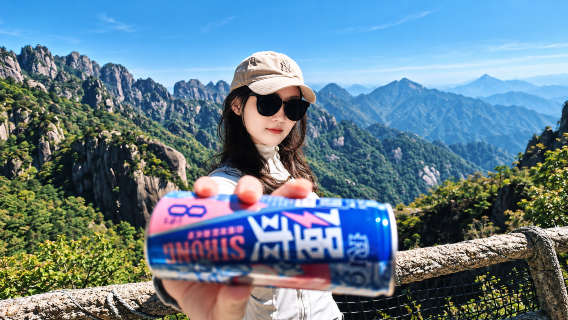


🏙️ Must-Visit Areas in Huangshan
Every area of Huangshan holds a unique atmosphere. Within the same region, you can move from lively historic urban centres to rural villages that seem suspended in time, all the way to legendary mountain peaks. This mix of nature's majesty and deep cultural heritage makes a trip to Huangshan unforgettable.
Tunxi: the city's historic and cultural heart
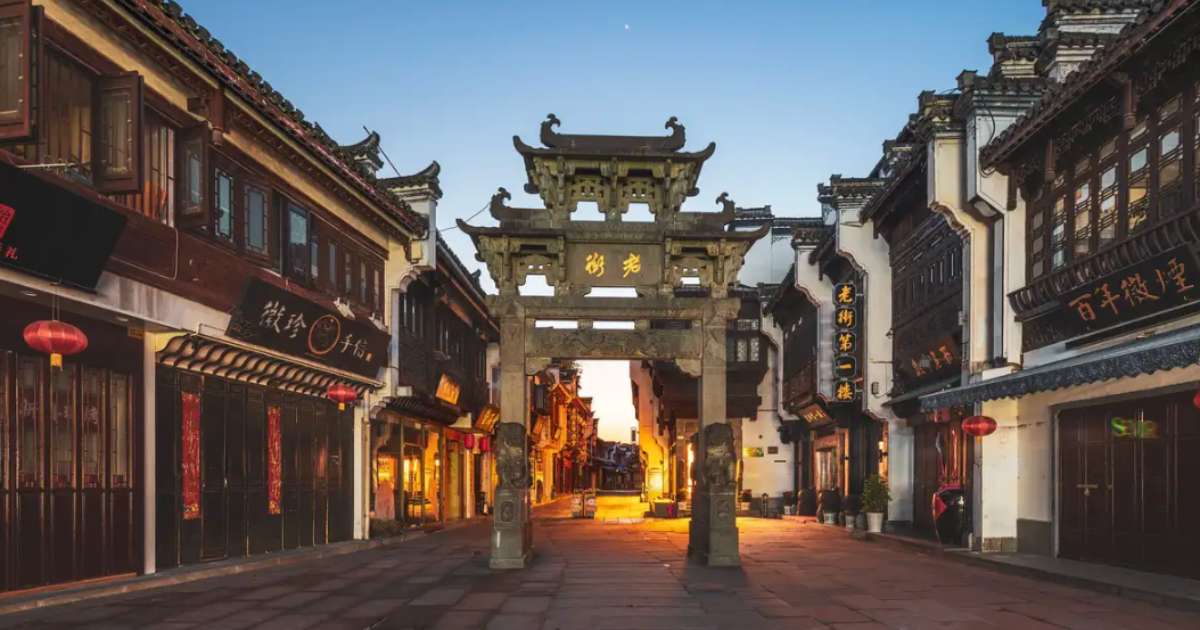
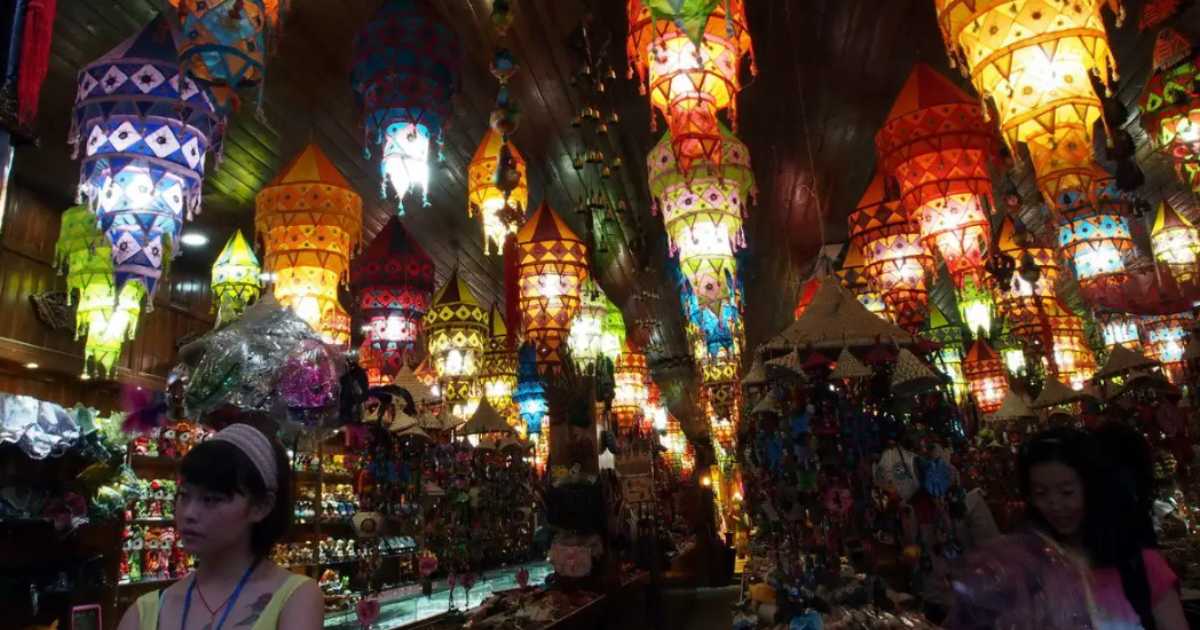
Tunxi is the main urban centre of Huangshan, where modernity meets history. It is the gateway to the region and the ideal base for staying overnight before or after your mountain excursion. Beyond the famous ancient pedestrian street, the area offers modern amenities, the lively Liyang evening district, and splendid views from the bridges over the Xin'an River.
Walking here means immersing yourself among dark wooden facades, grey roof tiles, and historic shops selling ink, calligraphy stones, and fine local teas like Huangshan Maofeng.
Not far away, the Liyang district and the bridges over the Xin'an River offer stunning views, especially from late afternoon into the evening, when the red lanterns light up and the streets come alive with traditional restaurants.
Tangkou: the mountain's scenic gateway
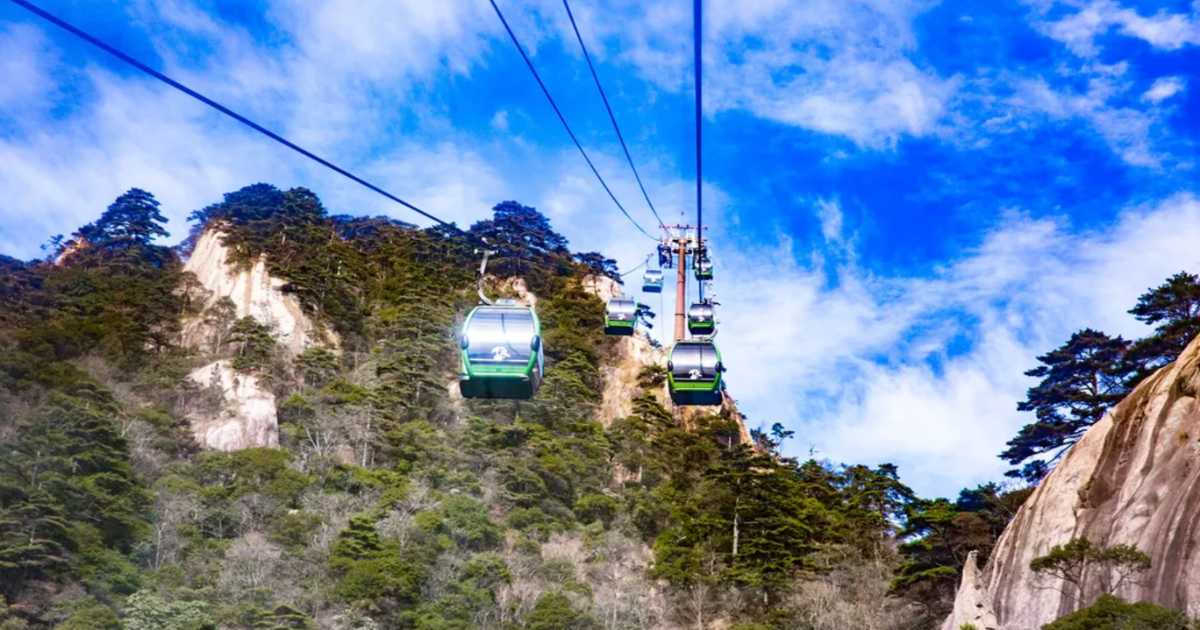
Located right at the foot of the mountain range, Tangkou is a lively transit town entirely dedicated to mountain tourism. It isn't a historic village, but a dynamic area full of energy, constantly bustling with hikers from all over the world.
It’s the go-to spot for anyone looking to go trekking, pick up technical gear, or reach the shuttle bus terminals that take you to the National Park’s cable cars.
The peaks of Mount Huangshan
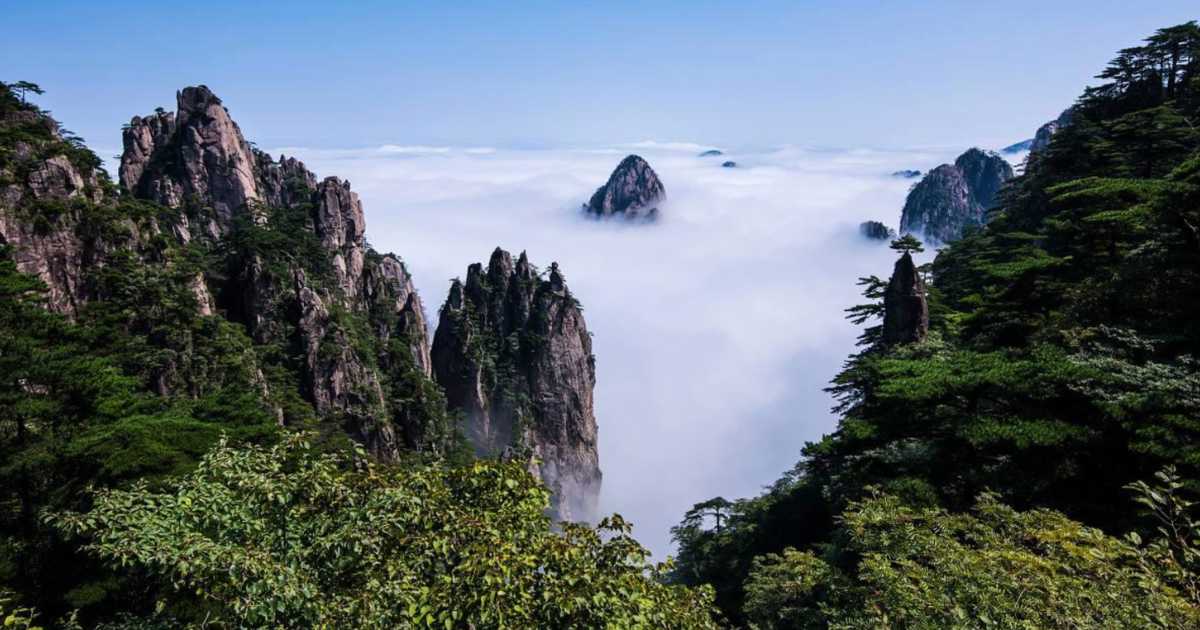
The Mount Huangshan area encompasses some of the mountain's main scenic zones, including Beihai (the Back Mountain) and Yuping (the Front Mountain), which are connected by a dense network of paths carved directly into the rock.
The area features granite peaks, distinctively shaped pines, and several viewpoints perfect for watching the sunrise and sunset.
Yi County: the historic villages of Huizhou
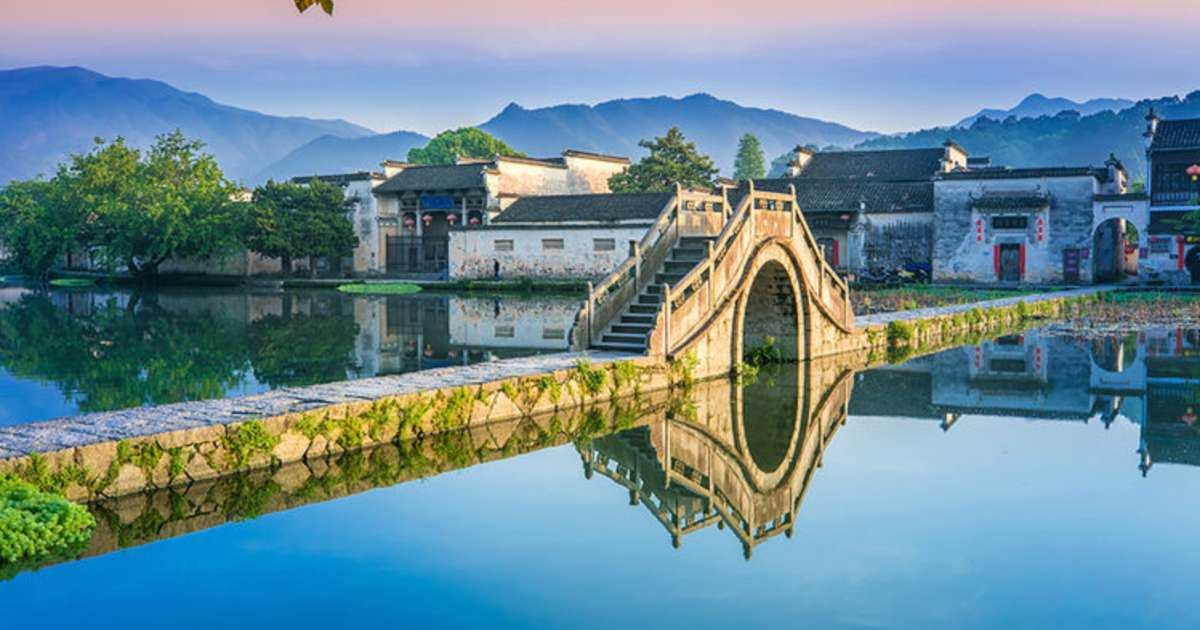
Yi County preserves some of the most representative examples of Huizhou rural architecture. Villages like Hongcun and Xidi offer an authentic glimpse into life in ancient China, with historic residences and waterscapes that are particularly popular with photographers.
It’s the perfect place for those looking to escape modernity and capture untouched scenes of rural daily life.
Shexian and Chengkan: Huizhou history and architecture
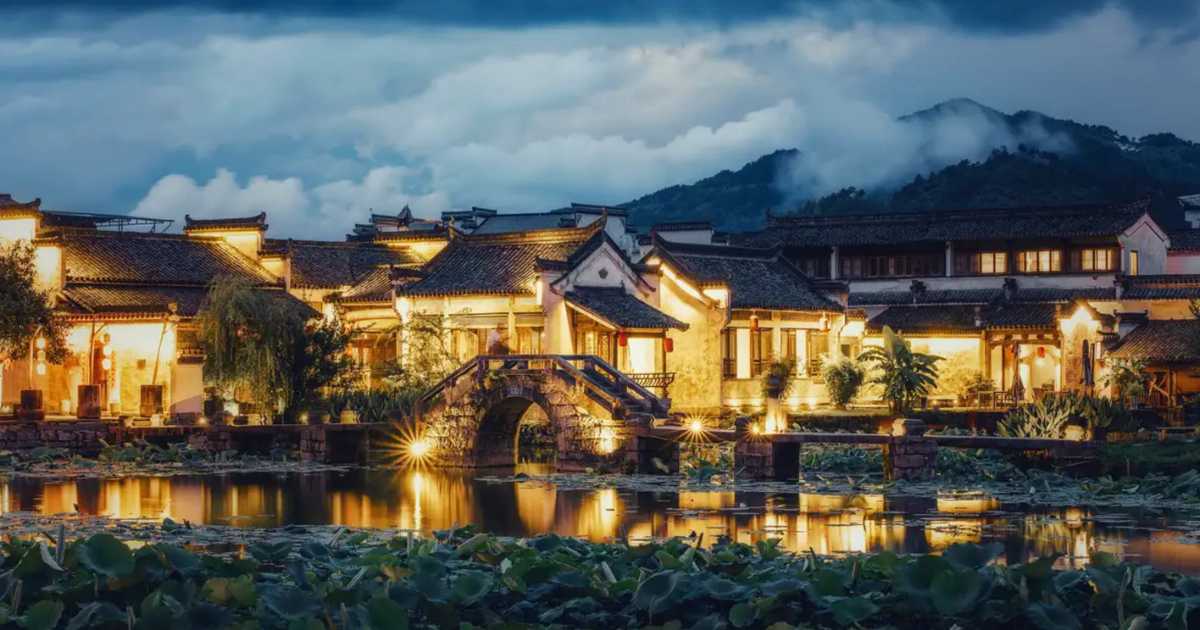
Shexian County was historically the administrative and political centre of the Huizhou region. This area allows you to delve deeper into the region's history, away from the more crowded tourist routes.
Here you'll find monumental complexes and ancestral villages that safeguard the legacy of the region's most influential families. It's the perfect destination for those looking to escape the main tourist trails and get to know the region's historical heritage a little better.
A short distance away lies the village of Chengkan, famous for its thousand-year-old urban layout and geometric waterways, perfect to combine with Shexian for an immersion into Huizhou tradition.
Hotels: Save up to 10% (Book online or on Mobile)
Homes & Apts: Save up to £39 (App-only deal)
Top Hotels in Huangshan
5 star
Excellent10051 Reviews
On the mountain Huangshan City|50.13km from city centre
Facilities: Very good. It was raining on the day of my stay and the occupancy was relatively low, so the hotel kindly upgraded my room for free. When the toilet broke, they fixed it very promptly.
Cleanliness: Totally fine.
Environment: The surrounding scenery is breathtaking. The interior of the room is minimalist and aesthetically pleasing—definitely not outdated.
Service: The butler service was exceptional. They answered questions promptly and patiently, and handled requests thoroughly. While the price is indeed on the high side, paired with the stunning views of Mount Huangshan, a delicious buffet, and thoughtful service, it is well worth it.FromUS$158
Outstanding2339 Reviews
Municipal Government/Waterfront Tourist Area Huangshan City|1.13km from city centre
This hotel is definitely among the top-tier in Huangshan, boasting a prime riverside location and exquisite decor. Special thanks to Manager Zhu and Xiao Zhang at the front desk for their exceptional service. They even went out of their way to remind us when we left an item behind. Much appreciated! We'll definitely be back to stay here again.FromUS$73
Good458 Reviews
Huangshan City|7.58km from city centre
The hotel is situated on the outskirts of Tunxi. It's a good kilometer from the main entrance of the scenic/resort area to the lobby of Hotel Building 3, much of which is an uphill, winding path. It's quite a trek, especially if you're pulling luggage. Having your own car is practically a must for staying here. While the in-room facilities are a bit dated, the room itself was clean and tidy, with neat and comfortable bedding. The views from the balcony were delightful. Breakfast offered a rich variety of both Chinese and Western options.FromUS$36
Very Good1460 Reviews
Municipal Government/Waterfront Tourist Area Huangshan City|4.91km from city centre
The accommodation was fantastic and the experience was great! The front desk lady was also beautiful, and I really loved their lobby! This is arguably one of the best hotels I've stayed at in Huangshan; overall, it gives you a feeling of being right at home. From check-in to check-out, every step was well-arranged and thoughtful. The room was clean and comfortable, and the service was attentive and meticulous. I highly recommend it to everyone!FromUS$56
Good1283 Reviews
Tunxi/Liyyang Old Streets Huangshan City|3.1km from city centre
The room was very spacious, facing the mountain, and very quiet. From the bed, I could see the lush greenery, which was very peaceful. The hotel itself is also large, with two buildings, A and B. Parking is convenient at the entrance and it's free. It's about 2 kilometers to Liyang Old Street, which is great for dining and exploring the city. I'd recommend Liyang Old Street over Tunxi Old Street.FromUS$55
Business travel
Excellent32046 Reviews
On the mountain Huangshan City|48.99km from city centre
If there’s 6 stars I would give it. From check in to check out, we were taken care off by Ms Huang Xinghua. At checked in, she came quickly and offered help with itinerary suggestions, and got us connected with WeChat where are got assorts of relevant information like weather, sunset watching timing, sunrise, even offered to reserve a place for stargazing at 4.30am. Dinner reservations. Stayed in so many hotels and I don’t think the attentive service we got was matched. We were really well taken care off. Highly recommend the hotel and ask for her assistance. ⭐️ ⭐⭐️⭐️⭐️⭐️
Also the amenities are quite thoughtful. Washing detergents, foot bath tub, warm jacket for use as well. 👍🏼FromUS$147
Excellent5317 Reviews
On the mountain Huangshan City|47.92km from city centre
As Xu Xiake once wrote, ”With Tiandu on the left, Lianhua on the right, and Yuping Screen at your back, the scenic beauty of both peaks is within arm's reach.” This perfectly captures the location of Yupinglou Hotel. Staying here puts you very close to the Yuping Cableway, making it the best starting point for climbing Tiandu Peak. The famous Greeting Pine is right at the hotel's doorstep, and it's extremely convenient for watching both sunrise and sunset.FromUS$170
180 Reviews
Municipal Government/Waterfront Tourist Area Huangshan City|0.73km from city centre
This time I was very lucky to book a room by the river. I can see the river view when I sleep on the bed. It is suitable for a family to come for a holiday. There is an induction cooker and range hood in the room. You can cook by yourself. Parking is also very convenient. The most satisfying thing is that the price is also affordable. The hotel should be some years old. So there are still some flaws in the details.FromUS$18
Excellent6474 Reviews
On the mountain Huangshan City|50.18km from city centre
Facilities: The canteen is a bit old-school, but the accommodation building and rooms have a much more modern and youthful decor.
Cleanliness: Excellent across the board. The duvet covers were clean and didn't cause any itching.
Location: Very close to Danxia Peak, making it convenient to watch the sunrise.
Service: The staff were warm and attentive. When we got up in the middle of the night to make instant noodles and used the bottled water in the room, they even replaced them with two new ones.
Souvenir: They gave us a DIY fish lantern as a gift, which made up for not being able to visit Chengkan.FromUS$170
Excellent3551 Reviews
On the mountain Huangshan City|50.26km from city centre
The hotel was easy to find, clean, and I slept wonderfully on the mountain. Shilin Hotel is truly the king of value for money. Thanks to Qiuxiang for the thoughtful service 🌹. The foot soak packets were a lifesaver, especially with the unexpected snow.
In September, the autumn colors had just begun to touch the peaks of Huangshan.
Standing on Bright Summit in the early morning, the sea of clouds spread beneath my feet. The sun slowly rose from behind Lotus Peak, painting the entire sky a fiery orange. The Guest-Greeting Pine was as iconic as ever, leaning out from the cliffside, as if waving to every passerby. A gust of mountain wind sent the sound of rushing pines rolling up from the valley, a deeply comforting sound.
On the way down, I passed through an ancient Huizhou village. White walls and black-tiled roofs nestled quietly at the foot of the mountain, and the air was filled with the sweet scent of osmanthus.
Who wouldn't fall in love with Huangshan?FromUS$131
Family friendly
69 Reviews
Tangkounandamen Huangshan City|45.08km from city centre
Lovely homestay in Feicui village that's 5 min walk from Emerald Valley, which is another worthy attraction itself. It is 10 min drive from Tangkou town which is at the foot of Huangshan. Booked this place thanks to another review that mentioned Tangkou is cluttered and not scenic (which proved to be absolutely true). Homestay owners also arranged free rides to Huangshan entrance and back as well as raincoats and hiking sticks for the climb. Wonderfully appointed rooms with hearty breakfast provided everyday. Couldn't ask for more. Thank you to the owners and housekeeper who made our stay a memorable one.FromUS$51
Outstanding763 Reviews
Municipal Government/Waterfront Tourist Area Huangshan City|0.85km from city centre
I stayed for two nights during the Spring Festival. The breakfast was average, it was very chaotic with so many people, there was no place to sit, and the children were charged half price regardless of whether they had breakfast or not, which was directly deducted from the deposit. The hotel has poor sound insulation. The waiters were talking loudly and noisily when they were cleaning other rooms in the morning. The shower water was not very hot after 10 o'clock. There was no one to take care of the parking at the door. The car was stuck in the morning and it took several minutes to get out. The accommodation experience was poor!FromUS$40
Outstanding1259 Reviews
Tunxi/Liyyang Old Streets Huangshan City|4.39km from city centre
This hotel is strategically located near the business district and has convenient transportation. The lobby is elegantly designed and the public areas are filled with pleasant fragrance. The rooms are spacious and bright, the bedding is soft and comfortable, and the daily cleaning is meticulous and the supplies are replenished in time. The service team is professional and enthusiastic, and the response is fast from the front desk reception to the room service. The breakfast is rich in variety and the freshness of the ingredients is worthy of recognition. The overall cost performance is super high.FromUS$40
1138 Reviews
Tunxi/Liyyang Old Streets Huangshan City|2.41km from city centre
Facilities: The room is fully equipped and comfortable, and the night view outside is also beautiful
The hotel is in a good location, you can go to the old street at night
Free. 2 adult tickets for Mount Qiyun: I was given two tickets for Mount Qiyun. The scenery of Mount Qiyun is nice, but the weather was not very good on the day I went there. It rained all day. 🌧️FromUS$34
Outstanding640 Reviews
Tunxi/Liyyang Old Streets Huangshan City|2.59km from city centre
The room was spacious with a great river view, and overall, a pleasant experience. The dining recommendation from the front desk was fantastic; we left feeling full and happy. It's also not far from the old town. Breakfast was decent, and the noodles had a good texture.FromUS$29
⭐ Top 5 Activities and Landmarks in Huangshan
Huangshan brings together mountain landscapes, historic villages and traditional architecture. You can therefore alternate a day on the mountain trails with exploring the region's villages and historic centres. If you don't know where to start, here are five experiences that will allow you to discover some of the most characteristic aspects of Huangshan.
Trekking in the West Sea Grand Canyon
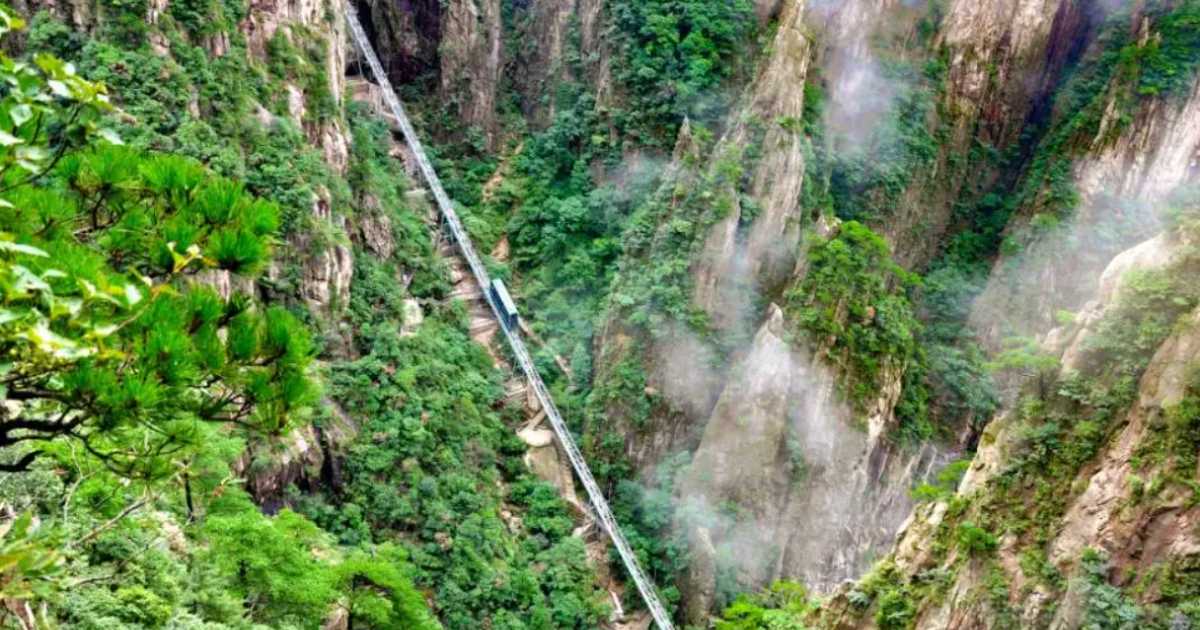
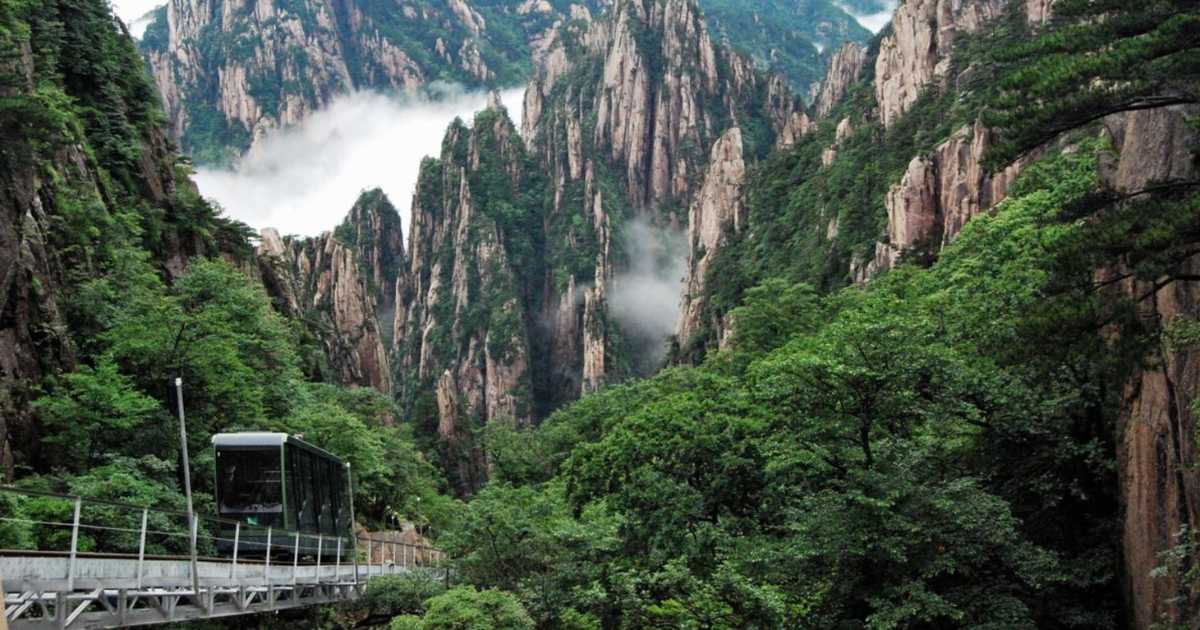
The West Sea Grand Canyon is one of the most interesting areas for those who want to explore Mount Huangshan on foot. The trails cross deep gorges and granite formations, with varying elevations and viewpoints.
It’s a more challenging hike compared to the mountain’s main trails and takes several hours.
- Difficulty: medium-high.
- Duration: approx. 3–5 hours.
- Ideal for: hikers with a good level of fitness.
- Cost: access to the trails is included in the general Mount Huangshan ticket; the scenic monorail has an additional cost of 100 CNY (approx. £11).
Travel note: during winter (from December to March), the most exposed paths in the valley and the scenic monorail are regularly closed for safety reasons due to ice.
🥾 Book your tour to Mount Huangshan on Trip.com
Yuping Cable Car and Greeting Pine
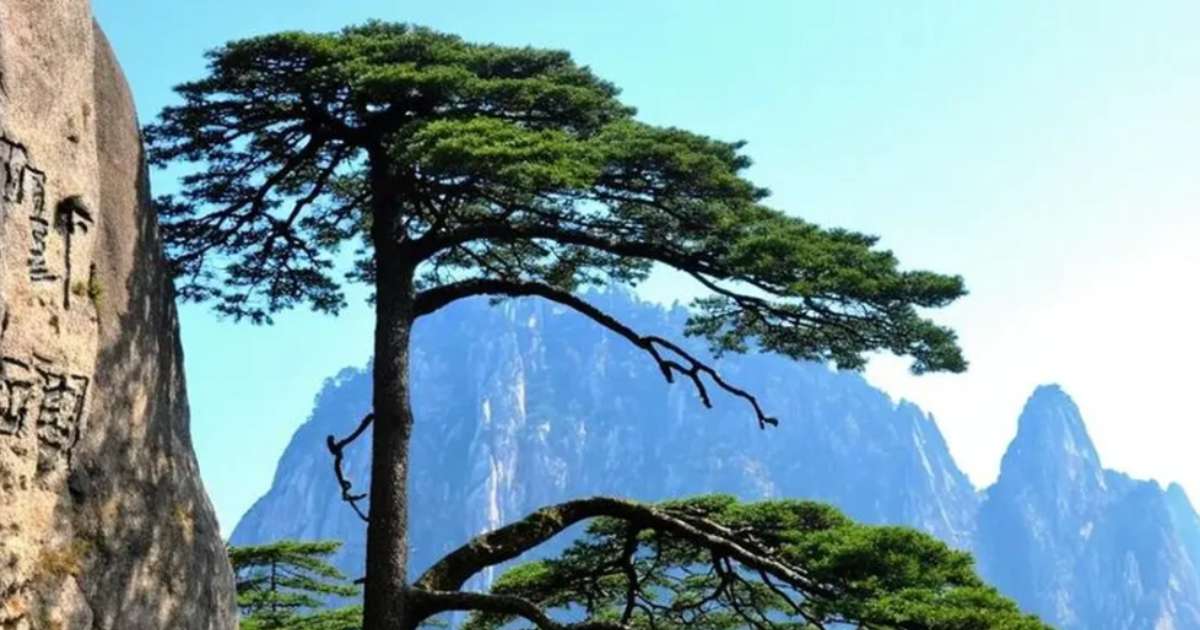
The Yuping cable car allows you to reach the southern area of Mount Huangshan without tackling the entire climb on foot. From the upper station, you can continue towards the famous Welcoming Pine and along some of the area's scenic trails.
- Access: via the Yuping cable car (the valley station can be reached by dedicated shuttle buses).
- Duration: about 2–3 hours to explore the surrounding area.
- Ideal for: those who want to quickly reach one of the main scenic areas while reducing the elevation gain on foot.
- Cost: 90 CNY (approx. £10) each way for the cable car. Please note: in addition to the cable car, you must purchase the Mount Huangshan entrance ticket and the shuttle bus from Tangkou.
Did you know that... the monumental Welcoming Pine is not just an ancient tree, but a true national symbol reproduced in countless paintings, tapestries, and works of art throughout China.
🚡 Book the Yuping cable car on Trip.com
Hongcun and Xidi
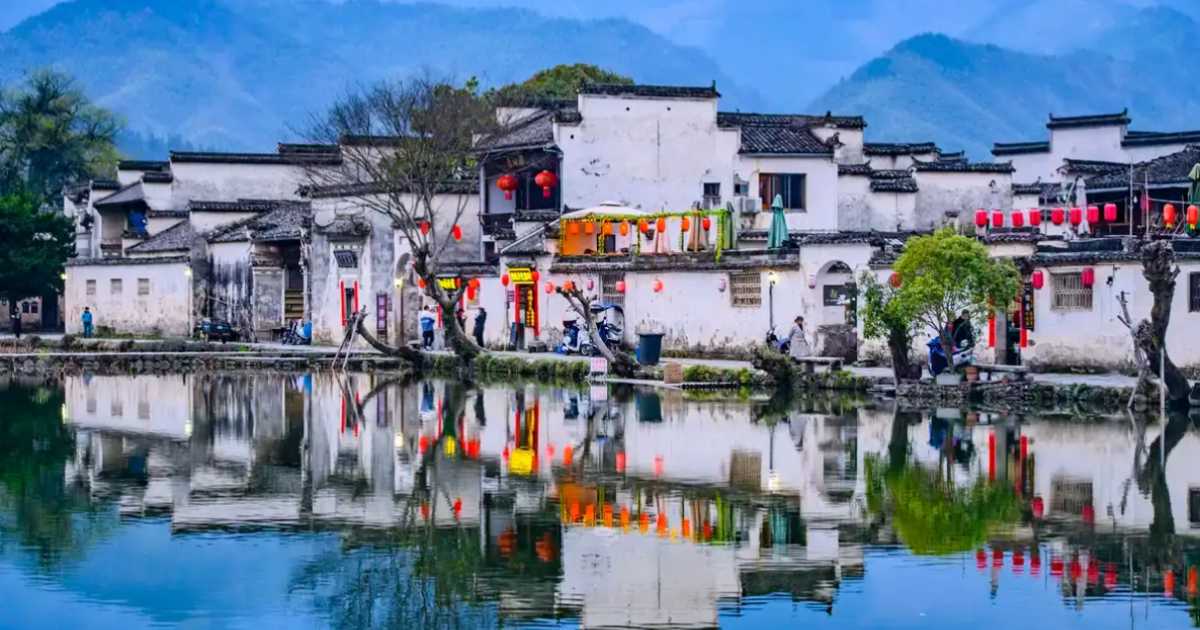
Hongcun and Xidi are two important historic villages, declared UNESCO World Heritage sites, which offer a glimpse into the region's traditional architecture.
Strolling through the alleyways of Hongcun and Xidi is like stepping into an ink wash painting. Focus on the reflections in Moon Pond in Hongcun and the intricate wood and stone carvings of the residences in Xidi.
- Duration: about half a day for each village.
- Ideal for: those interested in history, photography, and traditional Chinese architecture.
- Cost: approx. 104 CNY (£12) per individual village (tickets are purchased separately).
🏘️ Book tickets for Hongcun and Xidi on Trip.com
Exploring Tunxi Old Street
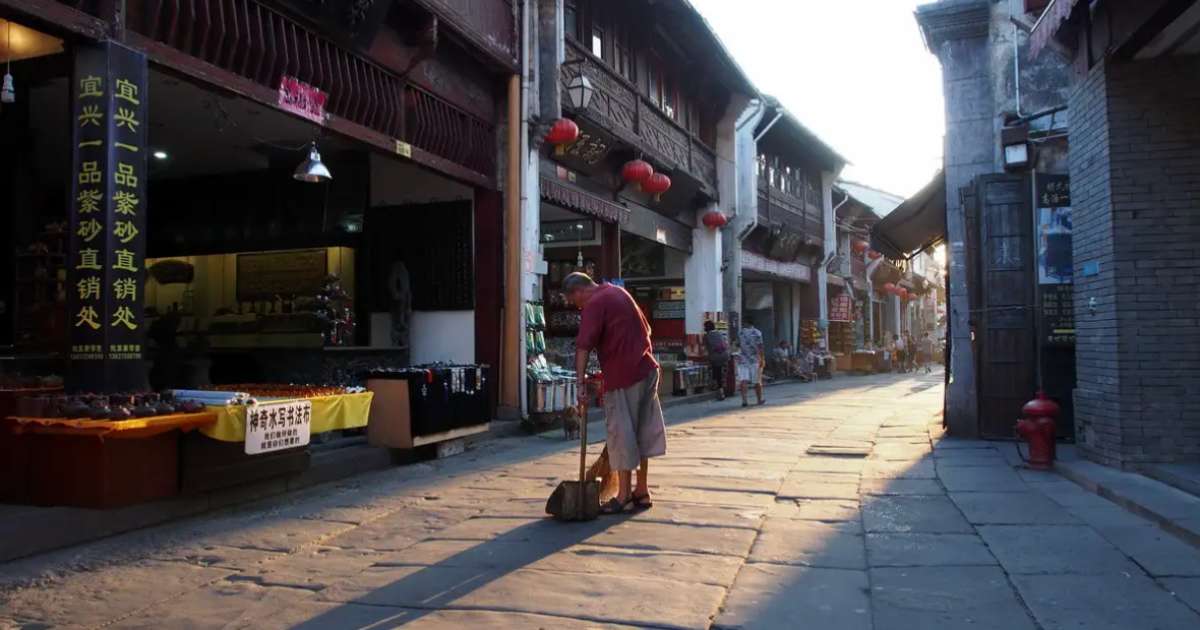
Tunxi Old Street is the ideal choice for spending a few hours in the more urban part of Huangshan. Along this historic pedestrian street, you'll find a concentration of historic shops, tea houses, and restaurants offering the gastronomic specialities of Anhui cuisine.
It is particularly pleasant in the late afternoon and evening, when the red lanterns light up and you can dine or go shopping.
- Duration: approx. 2–3 hours.
- Not to be missed: traditional ink shops, tea shops, and local restaurants.
- Ideal for: local culture, shopping for authentic souvenirs, and gastronomy.
- Entry: free.
The street follows the ancient commercial axis of the Ming and Qing dynasties and remains one of the best places today to see the architectural details, cornices, and black-and-white facades of the Huizhou style up close.
🏮Book a tour of Tunxi Old Street on Trip.com
Admire the sunrise or sunset from Guangmingding Peak
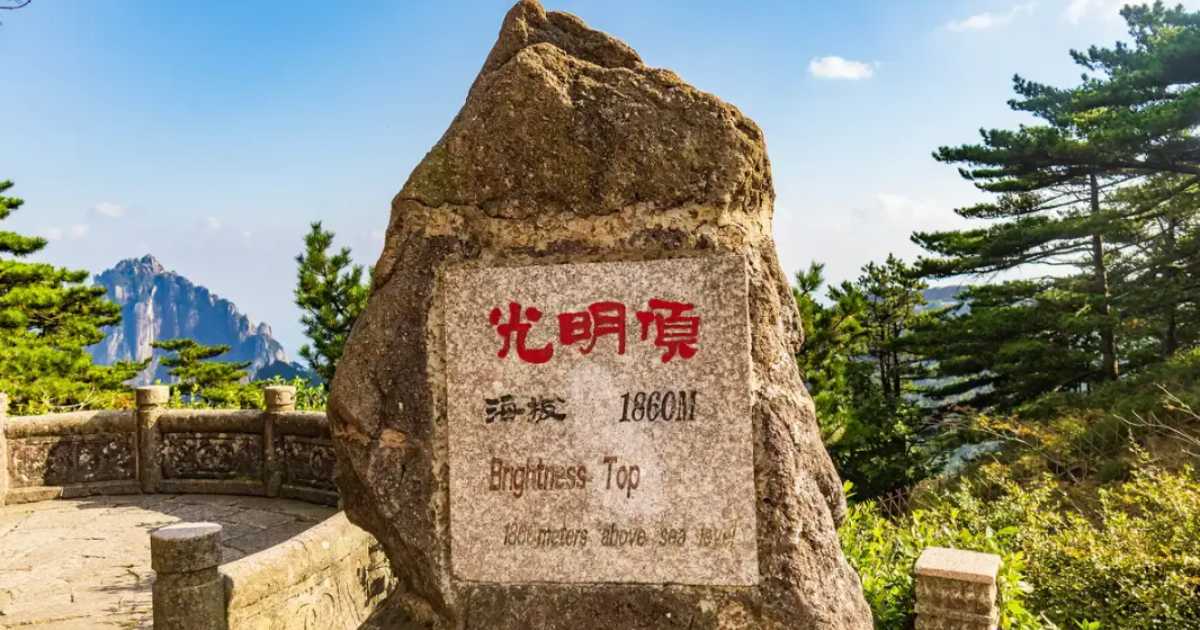
Guangmingding Peak is one of the main scenic spots on Mount Huangshan. Thanks to its broad, flat summit, it is one of the most popular places to witness two of China's most famous natural spectacles: the sunset and the sunrise over the “sea of clouds”.
It can be reached via the mountain's main trails, although the route still requires tackling elevation changes and numerous steps.
- Access: main trails connecting the front and back areas of the mountain.
- Duration: about 1-2 hours for the stop and photos (we recommend arriving early to grab a spot).
- Perfect for: all travellers and fans of landscapes and photography.
- Cost: included in the general Mount Huangshan entrance ticket.
A tip for enjoying the sunrise without having to hike in the dark for hours: the best choice is to stay overnight in one of the hotels located at the summit. You can plan your excursion to include a stay at altitude.
🌅 Book your tour and hotel stay on Mount Huangshan on Trip.com
🍜 What to Eat in Huangshan

The Huangshan region finds its most authentic expression in the bond between Hui cuisine and tea culture.
Local gastronomy, rooted in the historic Huizhou region, favours bold flavours, artisanal preservation methods, and raw ingredients linked to the mountain environment. At the same time, tea sets the rhythm of daily life and represents one of the region's most renowned agricultural products.
🍲 Hui cuisine and Huizhou specialities
Hui cuisine is one of the eight great culinary traditions of China. Among its most iconic specialities are Chou Guiyu, a fermented mandarin fish with a tender texture and distinctive aroma, and Mao Doufu, a tofu that develops a fine, thread-like surface before cooking. These dishes are known for their bold flavours, which are also linked to ancient techniques for preserving mountain produce.
Huangshan's restaurants offer an excellent introduction to these flavours, but the culinary experience is completed by visiting the historic villages of Hongcun and Xidi. Here, the cuisine blends with the period architecture of the local inns, where you can taste dishes based on wild bamboo shoots, high-altitude mushrooms, and cured meats.
🍵 The excellence of local teas: Maofeng and Keemun
The region's climatic characteristics favour the production of top-quality tea. The most famous variety is Huangshan Maofeng, a high-mountain green tea recognisable by its young buds covered in a light silvery down and its floral notes.
The nearby Qimen County, on the other hand, is the birthplace of Keemun, one of the most internationally acclaimed Chinese black teas, celebrated for its complex and fruity aromatic profile.
The most interesting way to understand this culture is to visit the terraces and processing workshops, thus connecting the natural landscape with the region's agricultural traditions.
🌤️ Best Time to Visit Huangshan
Huangshan enjoys a continental mountain climate that varies greatly depending on altitude. In summer, the peaks are cool and windy, while winters are harsh and can bring snow. Spring and autumn, on the other hand, are characterised by frequent plays of mist.
If you are wondering what the best time to visit Huangshan is, generally the months with clearer skies and less rainfall are the most recommended.
Season | 🌡️ Average temperature | 🌦️ Weather | 🎯 Recommended activities |
Spring (Mar–May) | 🏡 Valley: 12–20 °C 🏔️ Altitude: 5–12 °C | 🌸 Frequent fog, heavy rain and high humidity. | Admire the azaleas in bloom on the peaks, photography in the historic villages of Hongcun and Xidi shrouded in mist. |
Summer (Jun–Sep) | 🏡 Valley: 25–32 °C 🏔️ Altitude: 15–20 °C | 🔥 Heavy rain and lush greenery. | Cool trekking in the West Sea Grand Canyon to escape the heat, and exploring the thermal areas in the valley. |
Autumn (Oct–Nov) | 🏡 Valley: 15–22 °C 🏔️ Altitude: 8–15 °C | 🍂 Stable conditions, dry air and clear skies. | Clear sunsets from the Cloud Dispelling Pavilion, watching the sea of clouds, and autumn colours in Tachuan. |
Winter (Dec–Feb) | 🏡 Valley: 2–10 °C 🏔️ Altitude: -5 to 0 °C | ❄️ Very cold, with possible snow and ice at higher altitudes. | Witness the spectacle of rime ice on the ancient pine trees, and relax in the Tangkou hot springs at the end of your hike. |
Flights to Huangshan
Hotels in Huangshan
eSIM China
See all flights











🚆 Day Trips from Huangshan
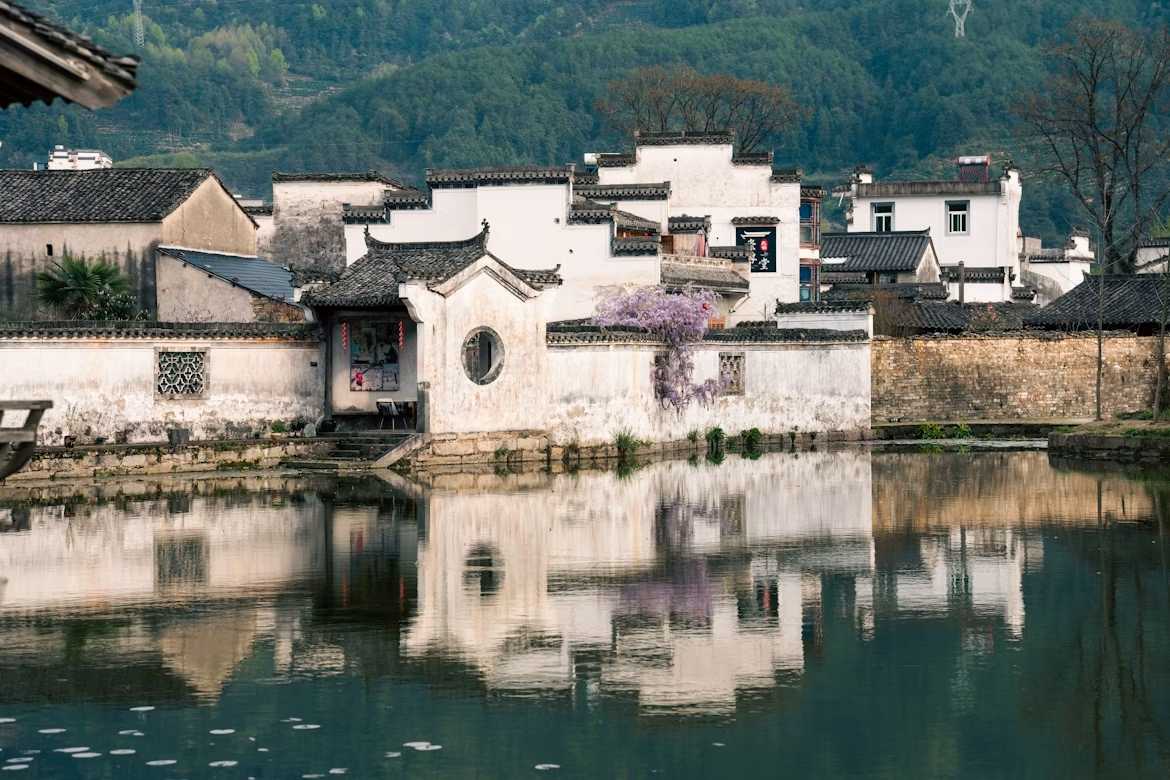
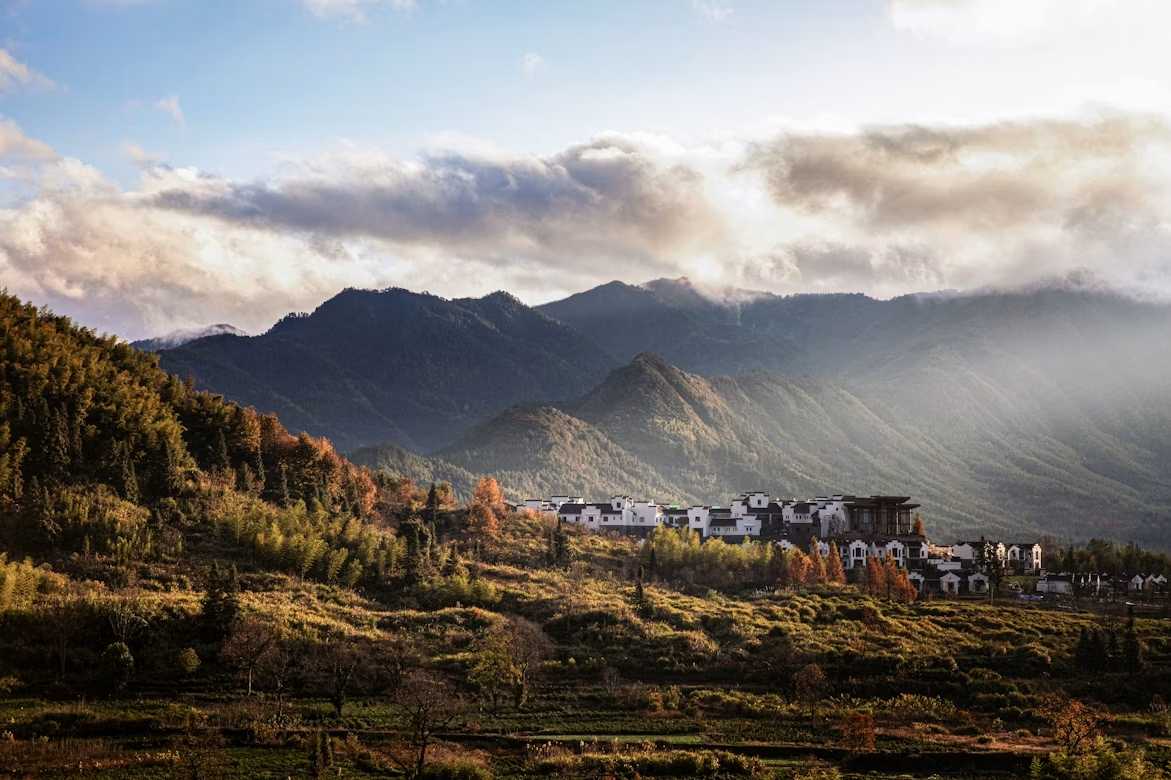
In the surroundings of Huangshan, you can dedicate a day to discovering the historic villages and cultural heritage of the Huizhou region.
🏘️ Hongcun and Xidi: UNESCO villages and ancient dwellings
This combination is one of the most classic excursions around Huangshan. Hongcun is famous for the reflections on the water that served as the backdrop for the Oscar-winning film “Crouching Tiger, Hidden Dragon”.
Xidi, on the other hand, is an open-air museum of ancient mercantile wealth, dominated by majestic stone arches and finely decorated noble residences.
- Travel time: approximately 60 minutes from the area's main stations.
- How to get there: direct buses from the terminals in Huangshan City (Tunxi) or from Tangkou.
- Don't miss: Moon Pond and South Lake in Hongcun, and the Governor's Arch in Xidi.
⛩️ Shexian and ancient Huizhou: monumental heritage and power
This area represents the ancient heart of the region's political power. It's a trip for those seeking the more imposing side of the local heritage, made up of fortified walls and commemorative complexes unique in the country, very different from the classic rural dwellings.
- Travel time: approx. 45 minutes.
- How to get there: local buses from Huangshan City central station, or by private car.
- Don't miss: the rare Xu Guo Arch (the only eight-pillared arch in China) and the majestic Tangyue memorial archway complex (Paifang).
🧭 Chengkan: architecture and Feng Shui
Less crowded than other villages, Chengkan is one of a kind because it was entirely designed centuries ago according to the principles of Bagua, a traditional system linked to Feng Shui that organises spaces according to precise relationships between architecture, orientation, and the environment.
The village preserves its narrow alleys, shimmering pools of water, and traditional architecture.
- Travel time: approx. 40 minutes.
- How to get there: bus services are less extensive, so the best option to make the most of your time is to use a ride-hailing app like Didi or book a tour with a private driver.
- Don't miss: the majestic Baolun Hall with its original frescoes and the maze of geometric alleyways.
❓ FAQ – Things to Do in Huangshan
-
How do you get to Huangshan from Shanghai or Hangzhou?
-
What is the best way to visit Mount Huangshan in one day?
-
How long do you need to visit Hongcun and Xidi?
-
What is the best time to visit Huangshan?
-
Do you need to book in advance for Mount Huangshan?
🧩 Explore More Travel Guides
How to get to Huangshan Mountain: 2026 Guide
How to get to Huangshan Mountain from Shanghai, Beijing, or Hangzhou by train, flight, or bus. Complete guide with prices, times, and travel tips.
October 31, 2026
Where to Stay in Huangshan: Best Areas, Hotels & Attractions
Looking for a good place to stay in Huangshan? Discover the best areas, hotels, activities and top attractions for an unforgettable trip.
October 31, 2026
Best China eSIM (with VPN) from £0.44
Find the best China eSIM plans, compare providers, learn how eSIM works, where to buy, setup steps, traveller reviews, FAQs, and tips for using eSIM in China.
October 31, 2026
Hiking Huangshan Mountain: Best Routes, Maps & Tips
Discover the best hiking routes in Huangshan Mountain, also known as Yellow Mountain: 1 and 2-day itineraries, cable cars, difficulty and practical tips.
October 31, 2026
Top Things to Do in Shanghai: Best Activities & Must-Sees
Discover the best things to do in Shanghai: top activities, vibrant neighbourhoods, local culture, and must-see attractions to make the most of your stay.
October 31, 2026
Top Things to Do in Nanjing: Best Activities & Must-Sees
Discover the best things to do in Nanjing: top activities, vibrant neighbourhoods, local culture, and must-see attractions to make the most of your stay.
October 31, 2026
Top Things to Do in Suzhou: Best Activities & Must-Sees
Discover the best things to do in Suzhou: top activities, vibrant neighbourhoods, local culture, and must-see attractions to make the most of your stay.
October 31, 2026
Top Things to Do in Hangzhou: Best Activities & Must-Sees
Discover the best things to do in Hangzhou: top activities, vibrant neighbourhoods, local culture, and must-see attractions to make the most of your stay.
October 31, 2026
Top Things to Do in Guangzhou: Best Activities & Must-Sees
Discover the best things to do in Guangzhou: top activities, vibrant neighbourhoods, local culture, and must-see attractions to make the most of your stay.
October 31, 2026
Top Things to Do in Shenzhen: Best Activities & Must-Sees
Discover the best things to do in Shenzhen: top activities, vibrant neighbourhoods, local culture, and must-see attractions to make the most of your stay.
October 31, 2026
Top Things to do in Guilin: Best Activities & Must-Sees
Discover the best things to do in Guilin: top activities, vibrant neighbourhoods, local culture, and must-see attractions to make the most of your stay.
October 31, 2026
Top Things to do in Sanya: Best Activities & Must-Sees
Discover the best things to do in Sanya: top activities, must-see sights, and local neighbourhoods. Plan your perfect trip and make the most of your visit.
October 31, 2026
Top Things to Do in Yunnan: Best Activities & Must-Sees
Discover the best things to do in Yunnan: top activities, vibrant neighbourhoods, local culture, and must-see attractions to make the most of your stay.
October 31, 2026
Top Things to Do in Chengdu: Best Activities & Must-Sees
Discover the best things to do in Chengdu: top activities, vibrant neighbourhoods, local culture, and must-see attractions to make the most of your stay.
October 31, 2026
Top Things to do in Chongqing: Best Activities & Must-Sees
Discover the best things to do in Chongqing: top activities, vibrant neighbourhoods, local culture, and must-see attractions to make the most of your stay.
October 31, 2026
Top Things to do in Beijing: Best Activities & Must-Sees
Discover the best things to do in Beijing: top activities, vibrant neighbourhoods, local culture, and must-see attractions to make the most of your stay.
October 31, 2026
Top Things to Do in Xi'an: Best Activities & Must-Sees
Discover the best things to do in Xi’an: top activities, vibrant neighbourhoods, local culture, and must-see attractions to make the most of your stay.
October 31, 2026
Disclaimer: This article has been provided by an individual contributor or third party platform. If there is any discrepancy regarding the copyright, please contact us directly and we will delete the content immediately.
Popular Searches
-
Travel guides