📍 Where Is Yu Garden in Shanghai?
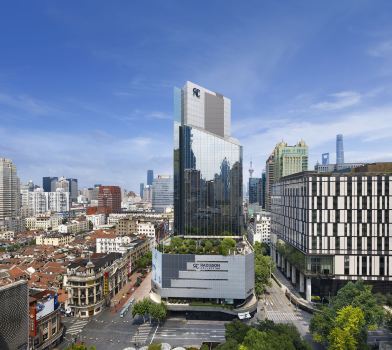
If you're wondering where Yu Garden in Shanghai is, the answer is simple: right in the heart of the Huangpu district, within the city's old town.
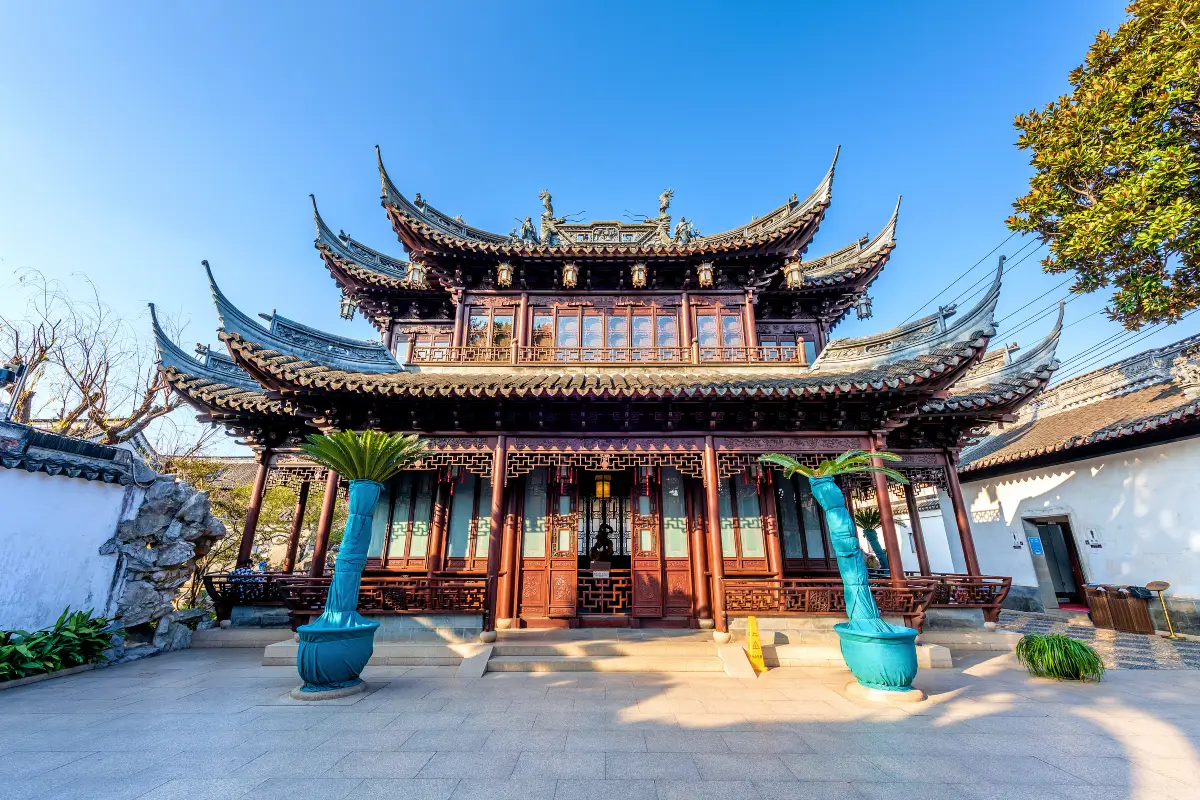
Come on, it's certainly not lost in the outskirts, far from it. On the contrary, it's part of that historic area where you can still breathe in the most traditional side of Shanghai, amidst narrow alleyways, curved rooftops, and markets adorned with red lanterns.
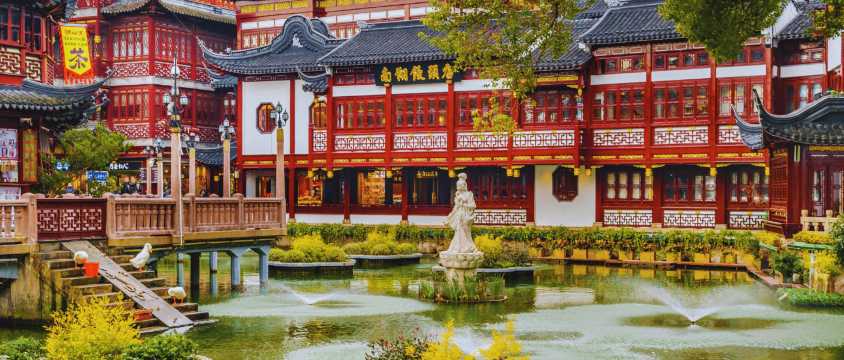
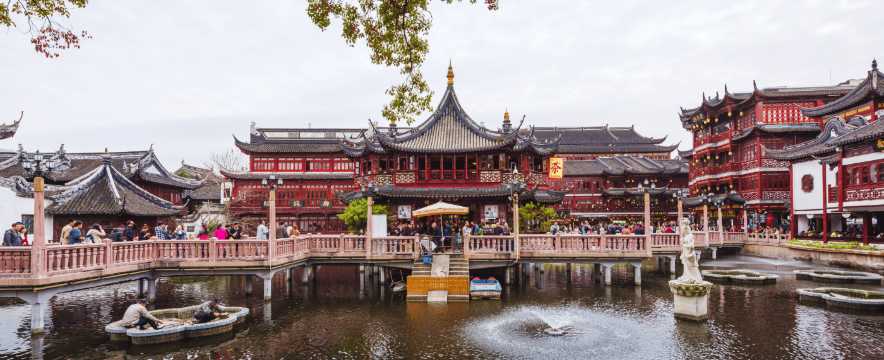
The location of Yuyuan Garden is strategic, as it is surrounded by some of the most interesting attractions in Shanghai. Right next door, you'll find the lively Yuyuan Bazaar, filled with craft shops, traditional sweets, and souvenirs.
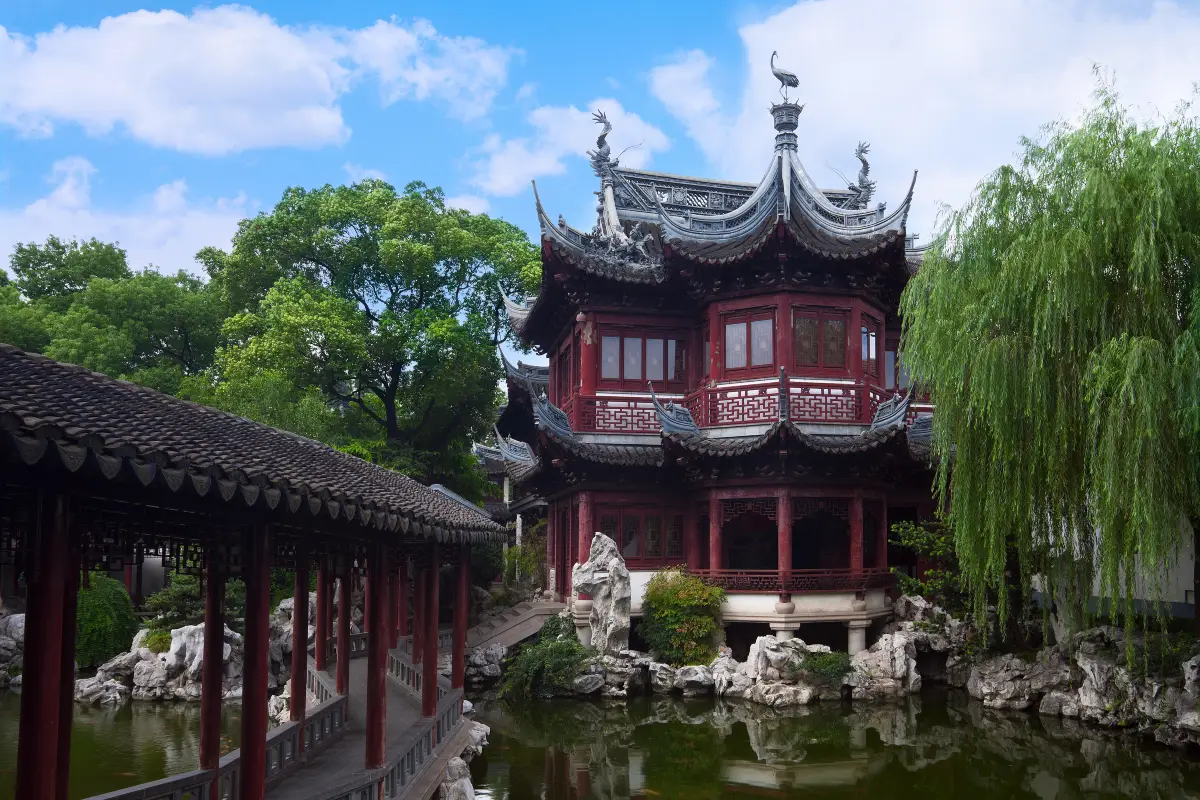
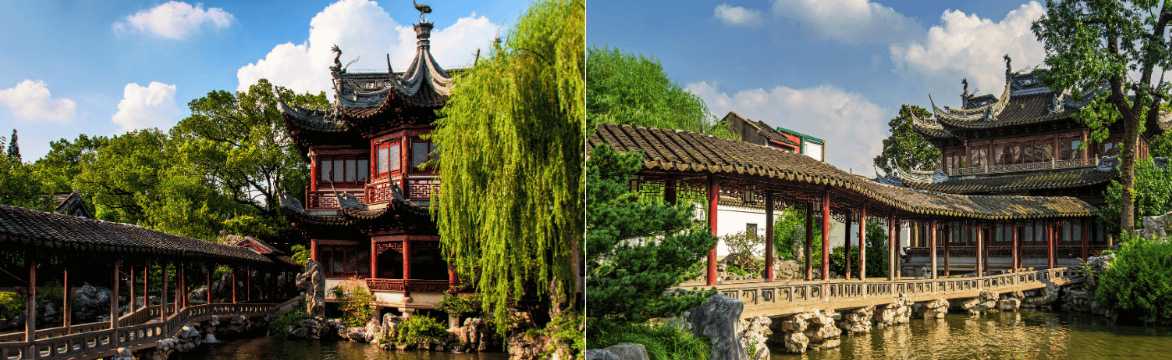
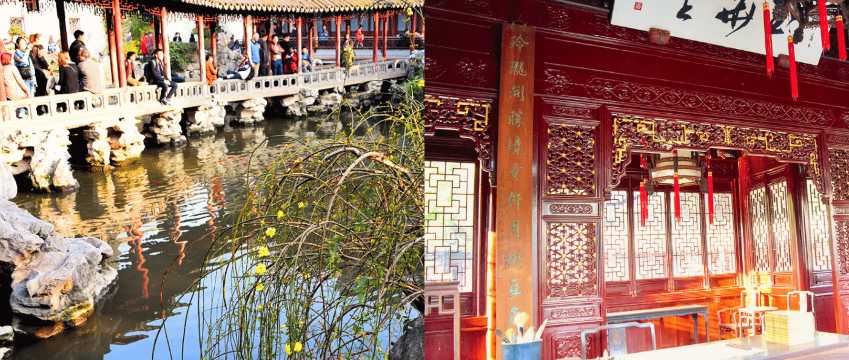
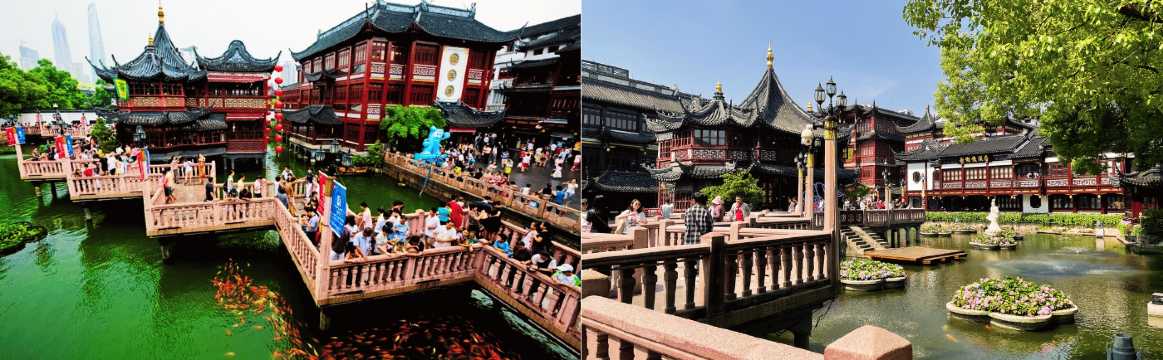
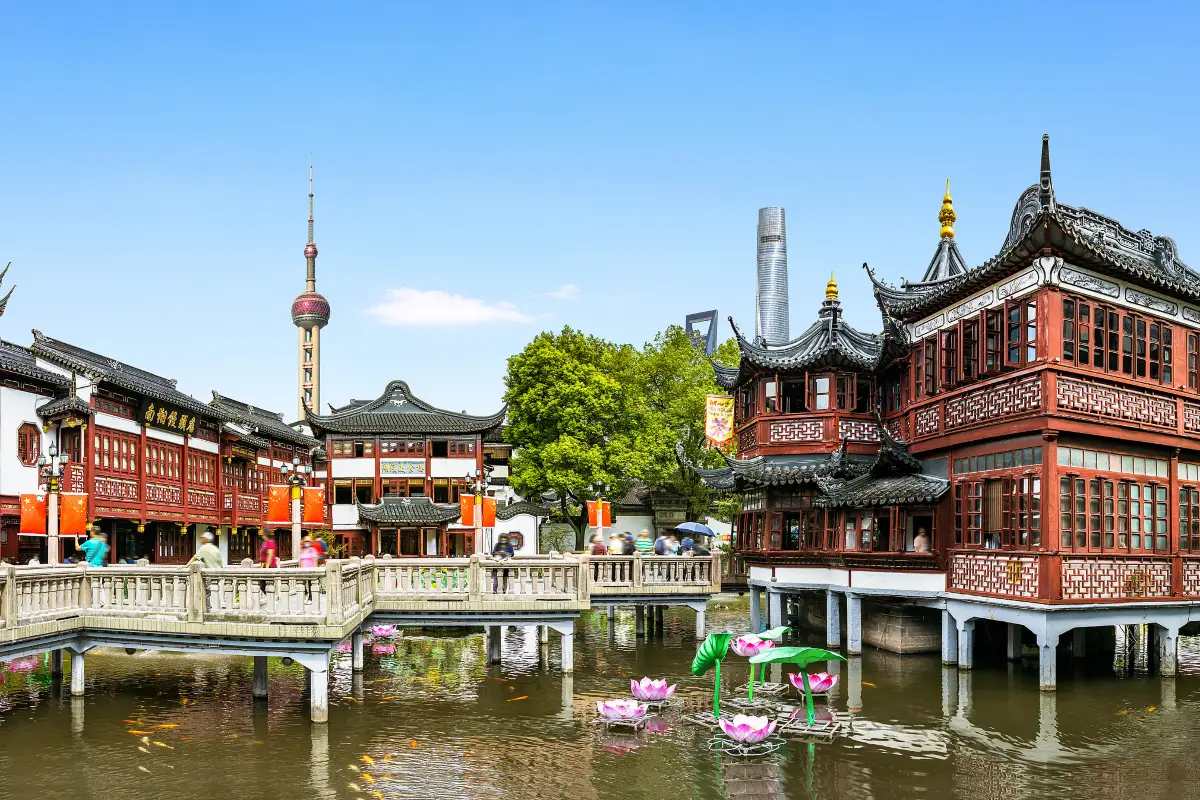
Just a short walk away, you'll find the iconic Huxinting Teahouse, floating on the pond as if it were from another era; and, very close by, the City God Temple, which remains an active place of worship. You can easily incorporate a visit into any city centre itinerary.
Essential information for visiting Yu Garden
Information | Details |
Address | No. 168 Fuyou Road, Huangpu District, Shanghai, China |
Area | Approximately 2 hectares |
Number of zones | 6 main areas |
Recommended duration | 1.5 – 2 hours |
Style | Classic Jiangnan Garden |
🎟️ Yu Garden Shanghai Tickets: Prices and How to Buy
Tickets for the Yu Garden in Shanghai aren't expensive, but the price does vary depending on the season. During quieter months, you'll find lower prices, while in spring or autumn, when the garden is at its most beautiful, they can rise a little.
General tickets are usually affordable, and there are discounts available for students and groups, though it's a good idea to bring some ID if you want to take advantage of reduced fares. If you're travelling on a weekend or a Chinese public holiday, be prepared for larger crowds.
When it comes to buying tickets for Yuyuan Garden, you have two options: purchase them at the ticket office or book online. Here's the key: if you want to avoid queues and guarantee entry during peak season, it's best to book in advance.
Ticket type | Price (approx. £) | Eligibility |
🎫 Adult | £3.27 | Aged 18 to 60 |
🎓 Student | £1.64 | Full-time university students or below |
👴 Senior | £1.64 | 60 years old and above |
🎟️ 🎁 You can find tickets for Yu Garden in Shanghai on Trip.com from just £3.27, with quick confirmation so everything is ready before you arrive.
🕒 Yu Garden Opening Hours
The opening hours for Yu Garden in Shanghai are generally consistent, though they can vary depending on the season. Typically, the garden is open Tuesday to Sunday from 9:00 to 16:30, with the last entry allowed shortly before closing time.
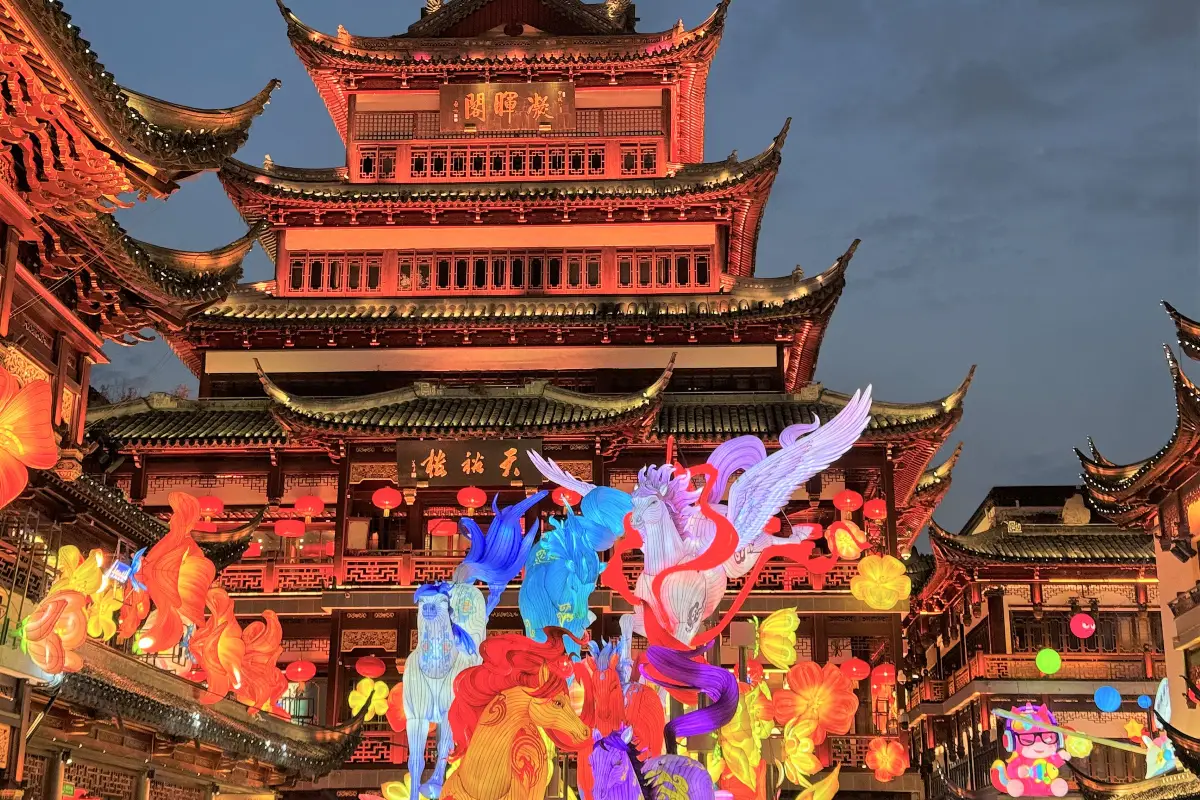
However, there are times of the year when the atmosphere changes completely. During the Chinese New Year, for example, the venue is filled with lanterns and celebrations, and opening hours may be extended for special events. And, of course, that means more visitors.
If you're wondering when to visit Yu Garden, here's the key: the earlier, the better. First thing in the morning, right when it opens, you can enjoy the garden with a different kind of calm. Later on, from mid-morning onwards, it starts to get busy.
Day | Opening hours | Notes |
Tuesday – Sunday | 9:00 – 16:30 | Last entry at 16:00; closes at 16:30 |
Monday | Closed | Except on official national holidays |
🏯 History of Yu Garden: From the Ming Dynasty to Today
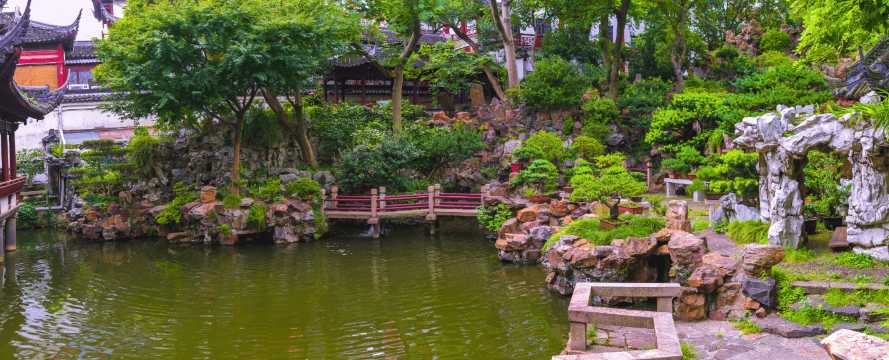
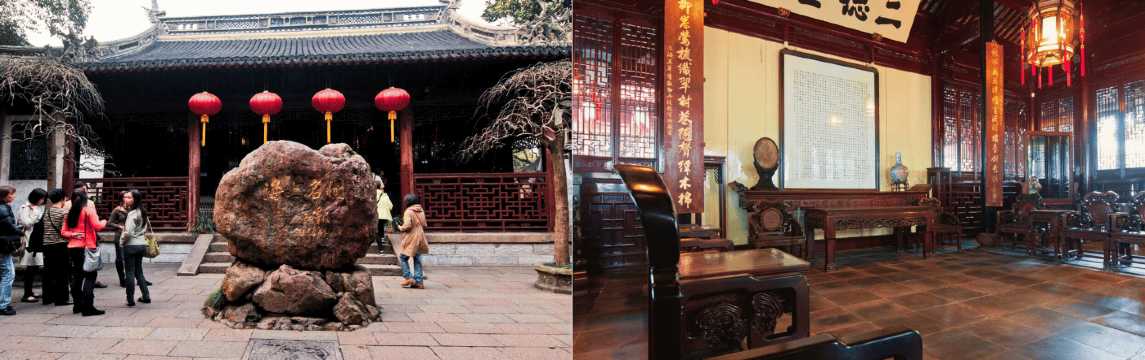
The story of Yu Garden in Shanghai begins in 1559, right in the heart of the Ming Dynasty, when Pan Yunduan commissioned this garden as a peaceful retreat for his parents.
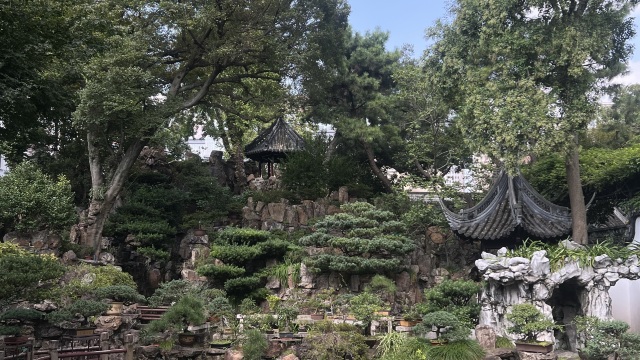
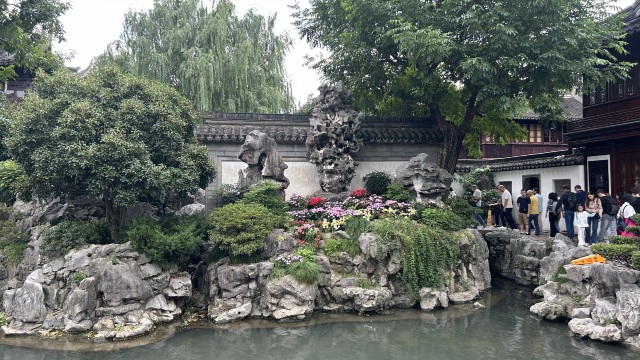
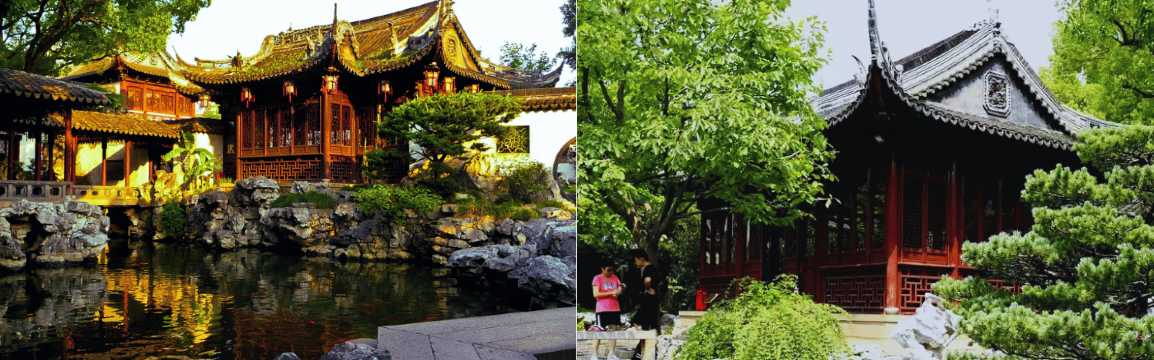
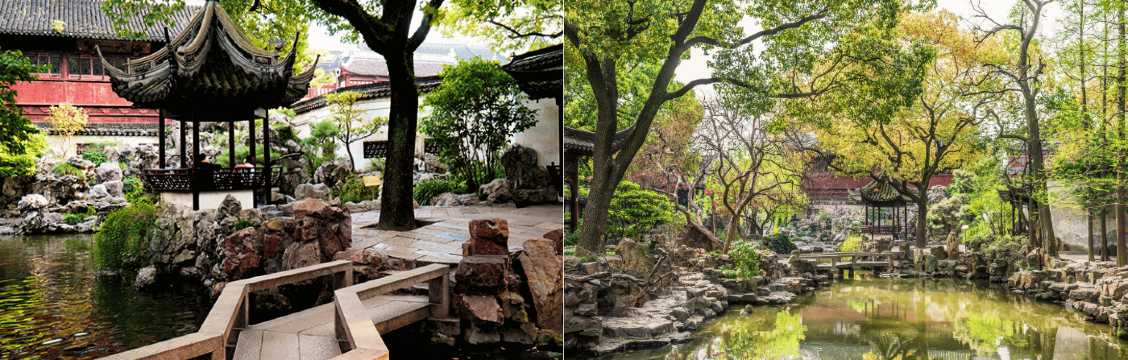
It wasn't a public space, but rather a private sanctuary designed for rest and contemplation, following the classic principles of harmony between water, rocks, and architecture.
Over time, the site suffered significant damage, particularly during the Taiping Rebellion and various subsequent conflicts. Like many of Shanghai's historic gardens, it went through periods of neglect before being restored.
From the 20th century onwards, more serious restoration work began, returning it to its original structure and cementing its status as one of the best-preserved classical complexes in the city. Today, it retains that Ming essence that makes it so special, despite everything it has been through.