


Shanghai Travel Guide 2026: Top Attractions, Local Food & Travel Tips | Trip.com
About Shanghai
Recommended trip: 2–5 day(s)
Recommended trip: 2–5 day(s)Current weather conditions
 16°C
Shanghai Local Experiences Map










Trending in Shanghai
Shanghai Local Travel Guide 2026
Shanghai Brief Guide
Shanghai, often dubbed "the Paris of the East", charms with its iconic skyline of soaring towers and historic lanes alive with delicious local foods. Use our guide to explore everything this magnificent city offers, from iconic sights to local gems.
Shanghai Must-try local experiences
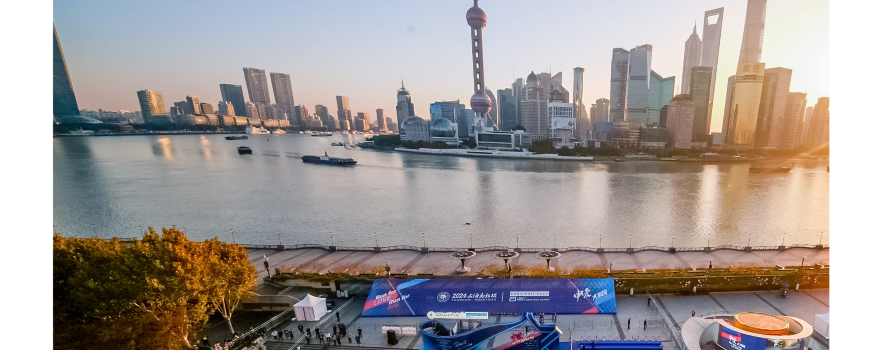
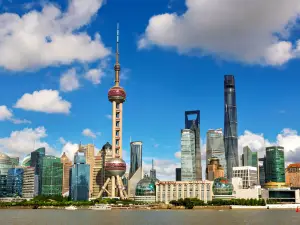
1. Riverside Skyline Strolls Stroll the Bund along the Huangpu River—grand, historic facades line the waterfront, staring down Pudong’s neon skyline that sparks up at dusk; dawn’s quieter for snapping shots. A river cruise from the Bund’s piers dazzles after sunset, slicing through the city’s glow—grab a cheap public boat for the full ride. It’s Shanghai’s timeless artery, alive with light and legacy. 2. Towering City Views Climb Shanghai Tower in Pudong—632 meters up, its deck shrinks the city below, with fast elevators to 128 floors. Nearby, the Oriental Pearl Tower adds its own iconic view, while the Shanghai World Financial Center—aka the Bottle Opener—brings a 492-meter perch with a trapezoidal cutout framing the sky. A discount pass often bundles these towers for a full skyline sweep; aim for clear evenings—haze can blur the magic. 3. Old Town Wandering Step into Ming-era calm with Yu Garden’s pavilions and ponds, then spill into Yuyuan Bazaar’s snack-and-trinket labyrinth. It’s a 16th-century retreat turned bustling hub—mid-morning keeps it sane before it gets more crowded around lunchtime. 4. Dive into Museums & Galleries Shanghai Museum unpacks China’s past—bronzes, calligraphy, and jade glow under soft lights on People’s Square. Over at M50, an old mill turned art district along Suzhou Creek, galleries and studios pulse with edgy works—think M50’s ShanghART for a contemporary jolt. 5. Theme Park Escapades Dive into Shanghai’s thrill scene—Shanghai Disney Resort spins magic across seven lands, from Enchanted Storybook Castle to Zootopia’s recent debut; Tron zips fast, shows hook all ages, best on weekdays to skip the crush. Happy Valley Shanghai, an hour out in Songjiang, throws four big coasters—think Diving Coaster’s 65-meter drop—and a splashy water zone; summer weekends pack it, so hit early. 6. Taste Shanghai Cuisine Chase the Shanghainese delicious classics—xiaolongbao burst with broth, hongshao rou simmers rich and red, shengjian mantou fry up crisp and meaty. These dishes carry old home recipes, blending sweet soy with slow cooks. Street stalls sling shengjian sizzling hot, while hongshao rou hides in local restaurants—hunt them where lines spill out. 7. Jazz Night Vibes Shanghai’s jazz scene hums with variety—live horns fill spots from sleek Blue Note, opened in 2019 with global acts, to cozy dives like Heyday. The Fairmont Peace Hotel’s Jazz Bar, rocking since the 1930s, pairs classic tunes with an old-world vibe—think veteran players and vintage cocktails. Catch Blue Note on North Sichuan Road for a big-stage night, or hit Peace Hotel post-9 PM for that timeless kick. 8. Urban Outdoor Retreats Picnic or stroll at West Bund’s riverside—locals and expats dance, yoga, or chill with pets; late afternoon turns it social with sunset hues. An hour out, Zhujiajiao’s centuries-old canals and stone bridges offer Jiangnan calm—boats glide past teahouses; mornings keep it peaceful. Shanghai’s green and watery escapes collide here. 9. Shopping Sprees Hit West Nanjing Road—flagship stores and neon blaze since the 1920s; dusk lights up a snack-charged spree. Middle Huaihai Road flaunts high-end boutiques and glossy malls like IAPM—think luxe, not local. For artsy loot, weave through Tianzifang’s tight lanes—weekends get busy. Shanghai’s shopping game is cashless—WeChat or Alipay accepted everywhere. 10. Explore Modern Hangouts Xintiandi blends shikumen charm with sleek bars and bistros—coffee by day, cocktails by night. Columbia Circle buzzes with artisanal cafes and poolside eats, while Shang Kang Li mixes trendy restaurants with Riink’s neon roller disco; INS in Fuxing Park stacks six floors of bars and clubs. Start mid-morning for brunch—pace builds through the day. 11. Park Morning Rituals Watch park mornings—tai chi flows, retirees belt old songs, mahjong tiles clack under trees at spots like Zhongshan, Luxun, or Fuxing; catch it around 7 AM for the full spirit. Zhongshan in Changning hums with line dancing, Luxun in Hongkou nods to literary roots, Fuxing in Huangpu blends French flair—each a slice of daily Shanghai. It’s the city waking up, unscripted and alive. 12. Greenhouse Wonders The Expo Culture Park Greenhouse turns an old steel factory into a lush, cloud-shaped wonder—plants spill from desert cacti to rainforest ferns across sprawling pavilions. Opened in 2021, it’s a green escape where walkways lift you over waterfalls and fish-filled pools. Aim for a weekday visit—weekends draw crowds; spring catches blooms at their peak.
Shanghai Must-see Attractions
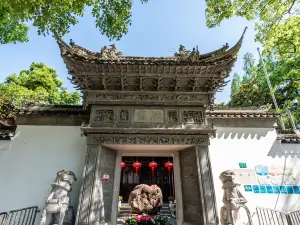
Shanghai’s a city that dances between old and new—its landmarks tell the tale. From Disney’s sparkle to Yu Garden’s calm, here’s what pulls you in. Shanghai Disney Resort blends Disney magic with Chinese flair—since 2016, its seven lands, from Pirate Cove’s shipwreck thrills to Zootopia’s recent debut, buzz with rides like Tron’s neon rush and shows that run dawn to dusk. The Enchanted Storybook Castle, the world’s tallest Disney centerpiece, anchors it—snap pics from the front plaza or boat through Voyage to the Crystal Grotto below. Midweek cuts the weekend crush; take Metro Line 11 to Disney Resort Station (end of the line) and arrive early for shorter queues—bring comfy shoes and a portable charger for a full day’s haul. The Oriental Pearl Tower spikes Pudong’s skyline—its 11 pink spheres and tripod legs riff on ancient poetry, a quirky beacon since 1994. Climb to the Space Module (351m) for a 360-degree city sweep or the Sightseeing Floor (259m) for a closer gaze—early mornings dodge haze, nights ignite the lights. Metro Line 2 to Lujiazui Station drops you steps away; pair it with a Bund stroll across the river—tripods beat shaky hands for dusk shots. The Bund lines the Huangpu River, a 1.5km stretch of 52 neoclassical relics—Gothic spires and Art Deco curves from Shanghai’s 1920s trading heyday, now mixing luxe bars and hotels. Dawn walks catch the quiet before selfie sticks swarm; evenings glow with Pudong’s skyline as a backdrop—start at the Peace Hotel for a history-soaked pivot. Metro Line 2 or 10 to East Nanjing Road Station gets you close. Shanghai Wild Animal Park, kicking off in 1995 as China’s first national wildlife spot, swaps cages for open ranges—giraffes munch, tigers stalk, and pandas loaf across 153 hectares. Hop the bus tour for close-ups (book at entry) or roam themed zones like the African savanna; mornings wake the animals—bring binoculars and a hat for sun-soaked trails. Metro Line 16 to Wild Animal Park Station, then a short taxi hop—check feeding times online to catch the action. Yu Garden sprawls over five acres—a Ming-era gem since 1559, weaving pavilions, koi ponds, and dragon-walled paths around the Exquisite Jade Rock, a porous marvel that smokes with incense. Hit it early to soak in the calm before tour groups flood; next door, Yuyuan Bazaar tempts with dumplings and trinkets—grab a snack to-go. Metro Line 10 to Yuyuan Garden Station lands you a block away—wear grippy shoes for slick stone paths, especially after rain.
Shanghai Food Guide
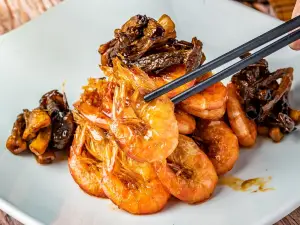
Shanghai’s food scene buzzes with Hu cuisine classics—street stalls and home kitchens dish out flavors that define the city. Shanghai mornings fire up with a lineup of savory stars—Shengjian Mantou brings crispy-bottomed pork buns oozing broth, You Tiao offers golden fried sticks paired with sweet soy milk or savory bean curd, Guotie delivers pan-fried potstickers packed with meat, and Xiao Hun Tun serves tiny wontons in a light, clear soup. These local staples have been waking locals since the teahouse era—born from street carts and still a daily ritual. Xiaolongbao are Shanghai’s steamy pride—thin dough wraps pork or crab, sealing in a hot broth that demands a careful bite; often enjoyed with with ginger and vinegar. A local icon from old-school kitchens, they’re a must for their delicate balance of juice and chew. Jia Jia Tang Bao on Huanghe Road sets the bar—line up by 8 AM and get the pork, crab or shrimp fillings. Scallion Oil Noodles are a Shanghai street staple—fresh scallions sizzle in a wok, infusing oil with a deep, nutty aroma that coats chewy wheat noodles. Born in the ‘30s from quick-fry stalls, they’re a comfort dish everyone loves for their bold simplicity—sometimes spiked with a dollop of peanut sauce for extra kick. Hongshao Rou is a pork belly dish noone can resist—braised with soy, sugar, and anise, it’s red, tender, and sticky with a sweet-savory punch. A home-cooked staple since Shanghai’s old days, it’s comfort food that Shanghainese enjoy year-round. Tang Cu Pai Gu braises short ribs in a sweet-sour sauce—caramelized and glossy, this Hu cuisine classic balances tender meat with a tangy bite. It’s a dinner table fixture, loved for its loud flavors since the city’s culinary roots took hold.
Shanghai Transportation
Shanghai's transportation infrastructure is robust, with its airports and railway stations being the primary hubs for intercity travel. By air Shanghai Pudong International Airport (PVG): This is Shanghai's primary international airport, located approximately 40 km (25 miles) east of the city center, serving as the arrival point for most overseas tourists. To the city center: - Maglev + Metro: For the fastest journey, take the high-speed Maglev train from the airport to Longyang Road Metro Station (8 minutes). From there, transfer to Metro Line 2 to reach People's Square and other downtown areas. - Metro: Metro Line 2 runs directly from the airport to downtown stations like People's Square, but the journey is longer. - Taxi/Ride-hailing: Available 24/7. Fares to the city center are typically between ¥160 and ¥220 during the day. Ride-hailing apps like DiDi are also widely available and often slightly cheaper. - Bus: Several airport bus routes serve different parts of the city. While budget-friendly, the journey is longer and susceptible to traffic congestion. Shanghai Hongqiao International Airport (SHA): This airport primarily serves domestic flights and short-haul international flights to destinations such as Tokyo and Seoul. It is located much closer to the city center, approximately 13 km (8 miles) to the west. To the city center: - Metro: The most efficient option. Metro Lines 2 and 10 connect the airport to central Shanghai. A metro ride to People's Square takes about 25–40 minutes. - Taxi/Ride-hailing: A taxi is a quick and convenient option, with a journey taking 25–40 minutes depending on traffic. By Train: High-speed trains are a popular way to travel to Shanghai from other Chinese cities, offering efficiency and scenic views. Shanghai Hongqiao Railway Station: This is the primary station for most high-speed (G-series) and bullet (D-series) trains. Adjacent to Hongqiao Airport (SHA), roughly 15 km (9 miles) from the city center. Shanghai Railway Station: Located in the downtown area, this station serves both regular-speed (T, K, and Z series) and some high-speed trains. Shanghai's public transportation network is highly advanced, clean, and efficient, making it straightforward for travelers to get around. Payment methods: Mobile payment, tap-to-pay, and a dedicated transport card are the most convenient ways to pay. - International credit/debit cards Shanghai has made it easier for foreign travelers to use their credit and debit cards with the recently implemented Tap-to-Pay system. Metro stations now accept contactless payments from international cards like Visa, Mastercard, American Express, and JCB directly at the turnstiles. Apple Pay and other popular digital wallets linked to a foreign card are also supported. - Alipay and WeChat Pay This is the most common payment method for both locals and tourists across all public transport, taxis, and ride-hailing services. Download and register for Alipay or WeChat Pay before you arrive. You can link these accounts to an international credit card (e.g., Visa or Mastercard) and receive a transport QR code. Scan the QR code at the metro gates or on buses to pay. - Shanghai Public Transportation Card This is a prepaid, rechargeable card used for the metro, buses, taxis, and ferries. You can purchase the card at the staffed counters at metro stations. There is a card deposit fee (20 yuan), and you top up the card with credit. - Cash Ticket machines at metro stations generally accept cash. You can pay the exact fare with cash on buses, but drivers do not give change, so it's essential to have small bills. Shanghai Metro: With an Extensive network, the Metro is the most efficient, clean, and reliable way to get around Shanghai, connecting most major attractions and both airports. Stations and trains have signs and announcements in both Chinese and English, making it very foreigner-friendly. Most lines operate from approximately 5:30 a.m. to 11:00 p.m.. Costs between ¥3 and ¥15, based on the distance of your journey. Taxis and ride-hailing: Traditional taxis can be hailed on the street, but ride-hailing apps are far more popular and convenient. Always check that the taxi has a meter. The most popular app is DiDi Chuxing, China's equivalent of Uber. It features an English interface and enables easy, cashless payments through linked international cards or mobile payment apps. Buses: With nearly 1,500 lines, buses can take you to areas not covered by the metro. Buses are less recommended for tourists due to the lack of English signage at stops and limited English-speaking staff. But you can plan your routes via the Amap app. Maglev Train: This magnetic levitation train is the world's first commercial Maglev and the fastest train ride in the world. It connects Pudong International Airport (PVG) to Longyang Road Metro Station in just 8 minutes. A single-journey ticket is ¥50, with a discount if you show a same-day flight ticket. Ferries: Public ferries cross the Huangpu River for a low cost, offering scenic views of the Bund and Pudong skyline. A ride costs only a few yuan and provides a different perspective of the city. Shared bikes: Bicycles are available for short trips through mini apps like Hello Bike and Meituan Bike, accessible through Alipay and WeChat. Scan to ride and lock the bike to complete the ride.
Shanghai Where to Stay
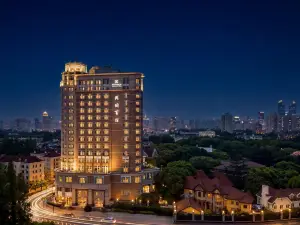
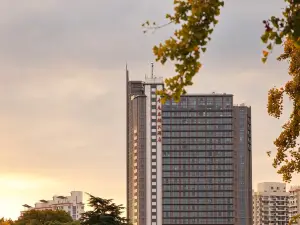
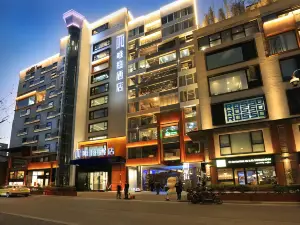
Shanghai’s neighborhoods pulse with distinct beats—pick your spot for the vibe you’re chasing. From The Bund’s nightlife kick to Lujiazui’s skyline perch, here’s where to crash with the how-to baked in. The Bund lines the Huangpu River with 1920s grandeur—think Gothic arches and marble at stays like Waldorf Astoria (luxe with history) or Fairmont Peace Hotel (jazz-bar charm). Steps from Pudong’s neon—Oriental Pearl Tower glints across—and Yu Garden’s quiet, it’s a nightlife hub—Vue’s rooftop cocktails or Glam’s sleek vibe hum late; dawn walks dodge the rush. Metro Lines 2 and 10 at East Nanjing Road Station keep you wired—suits night owls and history buffs; be ready for the waterfront buzz. Shanghai Disney Resort sprawls in Pudong—a seven-land playground where Shanghai Disneyland Hotel (storybook elegance) or Toy Story Hotel (playful quirks) land you at the gates for rope drop; or you can opt for nearby accommodations to stay close and be first in line when the doors swing open. Disneytown’s eats—Cheesecake Factory or bao stalls—glow outside; shuttle buses to Metro Line 11 (Disney Resort Station) link city jaunts—hit Tron or fireworks late, crowds thin by 9 PM. Families and Disney fans thrive here—pack comfy shoes and a camera for the magic stretch. Jing’an District mixes temple calm with urban snap—Jing’an Temple’s golden roofs peek over Nanjing West Road’s bustle; crash at The PuLi (zen luxe) or Cachet Boutique (artsy edge). High-end malls like Jing’an Kerry Centre, indie cafés, and the Natural History Museum sit close—slurp ramen at Ichiran or sip at Speak Low’s speakeasy; evenings hum with locals. Metro Lines 2 and 7 at Jing’an Temple Station knot it up—urban explorers and culture hounds fit here; bring a light jacket for night strolls.
Shanghai Best Time to Visit
Shanghai’s humid subtropical climate features distinct seasons, with temperatures ranging from 3 °C to 34 °C (37–93 °F) and humidity levels of 70–85%. March–May and September–November offer mild weather, fewer crowds, and better deals. Note: Avoid holiday spikes for fewer crowds. Labor Day (May 1–7). National Day (Oct 1–7). Spring: Cool-to-warm temperatures (3°C–24°C / 37°F–75°F) and high rainfall. Cherry blossoms bloom in March and early April. Crowds are mild, and hotel rates are reasonable (except for Labor Day week). Fall: Pleasant early fall (18°C–26°C / 64°F–79°F) cools to 9°C–15°C (48°F–59°F) by November. Typhoon risk in September. Hairy crab season delights foodies from October to November. Crowds are moderate (except for National Day week). Summer: Hot and humid, with temperatures of 26°C–38°C (79°F–100°F) with 90%+ humidity and frequent downpours. Crowds peak at theme parks, and hotel prices rise. Winter: Chilly and damp -2°C–10°C (28°F–50°F), with occasional light rain/smog. Few tourists except during the Chinese New Year (Jan/Feb), when prices double.
Shanghai Travel Tips
1. Book Big Draws Early Shanghai Tower, Pearl Tower, and Disney tickets vanish fast—book online at least a week ahead, longer during holidays like Golden Week (early October). Sunset slots at Shanghai Tower fill quickest; secure them early for a smoother trip. 2. Grab a Metro Card Shanghai’s metro hums on a Jiaotong Card—buy one at stations (20 RMB/$2.80 deposit, load at the machines). It works across the sprawling network—Pudong to Puxi—plus buses and ferries. Skip ticket queues; mornings get hectic. 3. Use Local App Alternatives Uber and Google Maps don’t work here—DiDi’s your ride-hail pick, WeChat and AliPay handle chats and payments. Baidu or Amap sub in for maps. DiDi’s got English options for easy cab booking; download them pre-trip—they’re slick and essential. 4. Pre-download Alipay Alipay rules payments—street stalls to malls take it—so download and link a bank card (Visa/Mastercard’s fine) before arriving. Shanghai’s nearly cashless; setting this up ahead keeps you hassle-free. 5. Dodge the “Tea Scam” Friendly strangers near the Bund or Nanjing Road pushing “tea tastings” can sting with steep bills. A firm “bu yao” (no thanks) and a quick exit work—stick to legit teahouses like those around Yu Garden. 6. Bargain at Markets Yuyuan Bazaar or Tianzifang vendors expect a bit of a haggle, a fun little back-and-forth—start at half the asking price, settle around 30% off. It’s a game—smile, don’t push too hard; they’ll nudge if you’re close. 7. Skip Peak Metro Hours Shanghai’s metro packs tight—7-9 AM and 5-7 PM turn many popular lines like Line 2 and 10 into a sardine cans. Time rides for mid-morning or late evening—less shove, more space. Avoid People’s Square station at rush; it’s a choke point. 8. Time the Crowds Right Weekends and holidays (like May Labor Day or October National Holiday week) jam the Bund, Disney, Nanjing Road—go midweek or early (8-9 AM) to breathe. Disney’s quieter Tuesday; Yu Garden thins pre-10 AM. Locals flood parks Sundays—plan around it. 9. Skip the Tip Tipping’s not a thing in Shanghai—servers don’t expect it, and some wave it off as odd. High-end spots might tack a 10% service fee—check the bill. Save your money; it’s all in the price. 10. Carry a Power Bank Apps like DiDi, Alipay, and maps drain phones fast—Shanghai’s on-the-go lifestyle doesn’t slow for a dead battery. Bring your own charger, since outlets are scarce outside hotels. Or try rental stations—scan a code at spots like malls or metro hubs, pay a small fee via Alipay, and grab a power bank; return it to any station of the same brand citywide. Either way, stay juiced up for the ride.
Shanghai Useful Guide
Mandarin Chinese is the official language; Shanghainese is a local dialect spoken by locals. English Usage: Widely spoken by younger locals, hotel staff, and in tourist areas. Signage at attractions often includes English. Stops on the metro are announced in both Chinese and English, with English signs. No Englsih signs on busses. WeChat: China’s all-in-one app for messaging, social media, and digital payments. English interface available. Alipay: A leading payment app for cashless transactions at restaurants, shops, and public transport. Its “Transport” feature supports metro and taxi payments. English version available. DiDi: China’s top ride-hailing app, offering taxi and private car services with an English interface. Integrates with Alipay or WeChat for seamless payments. Baidu Maps: The most reliable navigation app in China, offering detailed maps, real-time traffic, and transit routes for metro and buses. Superior to Google Maps for local accuracy. Alternative: Amaps app. Youdao Dictionary: A Chinese-English dictionary and translation app, perfect for communicating with non-English-speaking taxi drivers or reading menus. Includes offline OCR for scanning signs. Shanghai Disney Resort: Essential for Disney visits. Real-time ride wait times, FastPass bookings, and more. SmartShanghai: English-language local events and listings. Stay connected—a local SIM makes everything easier. Staying connected in Shanghai is essential for navigation, payments, and communication, given China’s reliance on mobile apps and limited access to some Western services. eSIMs: eSIMs are a convenient option for travelers, enabling instant activation without the need for a physical SIM card. Purchase online before your trip; activate upon arrival. Ensure your device supports eSIM. Local SIM Cards: Local SIMs from providers like China Mobile, China Telecom, or China Unicom offer reliable 4G/5G coverage in Shanghai. Available at airports or official provider shops. Present your passport at the time of purchase; airport staff can assist with setup. China Unicom often has better English support. Wi-Fi: available in hotels, hostels, and some cafes (e.g., Starbucks) but less common in public spaces like parks or streets. Many Wi-Fi networks require a Chinese phone number for SMS verification. The official currency is the Chinese Yuan (CNY, ¥), also known as Renminbi (RMB). Notes come in denominations of ¥1, ¥5, ¥10, ¥20, ¥50, and ¥100; coins are available in denominations of ¥0.1, ¥0.5, and ¥1. Digital Payments: Shanghai is largely a cashless city, with mobile apps dominating transactions. WeChat Pay and Alipay are widely accepted. Link a foreign bank card (Visa/Mastercard) to WeChat or Alipay before arrival. Cash: Cash is rarely needed but can be useful for small vendors (e.g., street food stalls), single-ride tickets on public transportation, or in rural areas. Carry small denominations (¥1–20) for convenience. Credit/Debit Cards: Visa and Mastercard are accepted at major hotels, upscale restaurants, and some retailers in Shanghai, but less common at smaller venues. American Express is rarely accepted. Notify your bank of travel plans to avoid card blocks. ATMs and Cash Withdrawals: ATMs accepting foreign cards (Visa/Mastercard) are widely available at banks, airports, and shopping areas. Most offer English interfaces. Look for PLUS (Visa) or Cirrus (Mastercard) logos. American Express is rarely accepted, except at select ATMs in airports or high-end hotels. Fees: ¥10–15 per withdrawal (some banks waive for partners). Home bank fees: ~3% + $5 (check your issuer). Currency conversion fee: 1–3% (Visa/Mastercard rate). Reliable Banks: Bank of China, ICBC, China Construction Bank, HSBC China.
Trip.Best: Shanghai





Plan Your Shanghai Trip
What to do




Where to stay



What to eat



Shanghai Moments: Through Travelers' Eyes

Coffee lovers, come on in! New store opening with triple promotions!

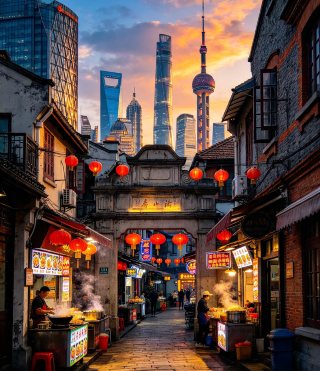
🌆✨ Uncover Shanghai: Iconic Attractions, Food & New Hotels to Stay In! 🔗 Useful Links Below

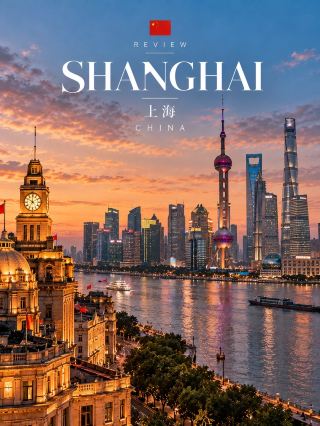
🇨🇳 Shanghai Review: A City in China That's Like Something Out of a Movie! 🌆✨ If Chongqing is the city of the future, Shanghai is the city that combines luxury, classic style, and modern lifestyle all in one place. 🥹💙 Here you'll find skyscrapers along the river, European-style streets, chic cafes, and charming old town areas unlike any other. 📍 5 Must-See Places in Shanghai 🌃 1. The Bund A landmark along the Huangpu River, offering stunning views of the Pudong skyline, especially the Oriental Pearl Tower. The night view is amazing; we recommend visiting in the evening to see the city lights up. ✨ 🏙️ 2. Lujiazui & Oriental Pearl Tower The skyscraper district, an iconic image of Shanghai, featuring both the Oriental Pearl Tower and the Shanghai Tower. Perfect for those who appreciate cutting-edge architecture and panoramic city views. 🏮 3. Yu Garden An ancient Chinese garden with pavilions, ponds, bridges, and traditional architecture. The atmosphere is a stark contrast to the high-rise area. The market around the park is perfect for strolling and finding something to eat. ☕ 4. Wukang Road A European-style street lined with trees, old buildings, cafes, and cute little shops. Perfect for a leisurely stroll and taking photos, especially in the afternoon when the light is beautiful 📸 🛍️ 5. Nanjing Road A famous shopping district full of shops, department stores, and restaurants. It's also a good place to continue on to The Bund, making it ideal for a two-stop trip. 🥟 Food you should try When in Shanghai, you must try Xiaolongbao (small steamed buns with hot soup inside), as well as Shanghai-style noodles and other flavorful local dishes. Be careful, the soup inside is very hot, so bite slowly before eating 😋 🚇 Can I travel around Shanghai on my own? Absolutely! The subway covers many major tourist attractions. You can use Alipay or WeChat Pay to scan and board the train once your travel service is activated, or buy tickets at the station. Subway fares start at around 3 yuan depending on the distance. 🍂 When is the best time to visit? Spring (March–May) and autumn (October–November) are generally ideal for walking around, as the weather is more comfortable than the hot and humid summers. ✨ In summary: Shanghai is perfect for those who enjoy beautiful cities, cafes, shopping, architecture, and walking tours with plenty of photo opportunities. Allow 3–4 days to explore both the modern city and the old town at a relaxed pace. #ChinaTravel #Shanghai #ChinaTravelReview

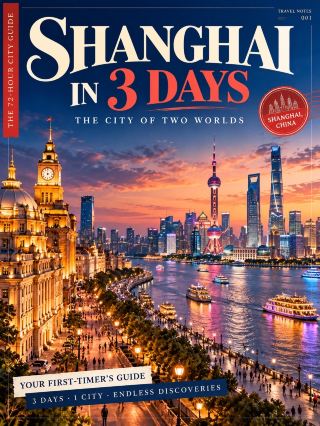
🇨🇳✨ SHANGHAI IN 3 DAYS — เซี่ยงไฮ้ 3 วัน เที่ยวครบทั้งเมืองเก่าและมหานครแห่งอนาคต

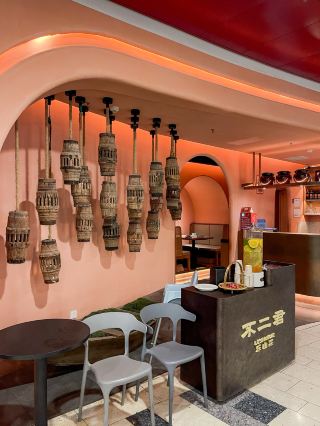
🇨🇳 I came to Shanghai in search of braised fish with pickled cabbage…and I found this restaurant! 🐟🔥

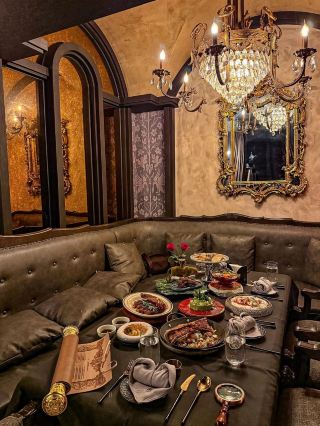
Shanghai’s Dreamy Vintage Castle Restaurant for Epic Date Nights 🏰✨

[span_5](end_span)
· November 2-15: Southwest Folk Dance Theme and Special Performances from Gaohong[span_6](start_span)[span_6](end_span)
🏠 Surrounding Atmosphere:
Immersed in the atmosphere of ancient Chinese civilization, sparkling lights reflecting on the water's surface, bustling with people and beautiful music. Perfect for a stroll, taking beautiful photos, and soaking up local culture at night.[span_7](start_span)[span_7](end_span)
💡 Caution:
Music performances on the central stage on the water start at 9:00 PM. No advance ticket reservation is required,[span_8](start_span)[span_8](end_span), but it's recommended to allow extra time to find the best photo spots. Book in advance because it gets quite crowded.
#YuyuanGarden #豫园 #ShanghaiTravel #ShanghaiReview #ShanghaiNightView #ShanghaiMusicFestival #tripcom](https://ak-d.tripcdn.com/images/1mi3y224x9b1rl4lv80C4_W_320_0_R5.jpg?proc=source/trip)
🏮 Traditional Chinese Romance! The Yuyuan Garden World Heritage Music Festival – Shanghai Music Season – features spectacular illuminations and dazzling performances 🎶✨ 📍 Trip Overview: A must-see destination for enjoying the lights and immersing yourself in traditional Chinese romance (Guofeng) at the “Yuyuan Garden World Heritage Music Festival” (非遗大豫园音乐季), running for a full 58 years from September 19th to November 15th! The festival boasts a full range of world heritage cultural performances, magnificent lantern exhibitions, spectacular parades, and concerts featuring a blend of folk and modern music by the lake. The atmosphere is breathtaking, like stepping into a dream at night. 🚆 How to Get There & Location: · Place Name: Yuyuan Garden / Shanghai Old Town (上海豫园 - Yuyuan Garden) · Event Period: September 19 - November 15 · Transportation: Take Metro Line 10 or 14 to Yuyuan Garden Station (豫园站). It's a short walk from there. Very convenient. ✨ Highlights & Must-Do Activities: · Lantern Sea (灯笼海): Admire the spectacular display of lanterns inspired by ancient paintings, beautifully adorning Nihui Road and Golden Square. · Moonlit Procession (走月亮巡游): A special procession led by NPCs in ancient Chinese costumes. • Lantern parade under the moonlight and participate in prayer ceremonies in the central square. · Fusion Folk Music Concert (九曲桥音乐演出): A spectacular live music performance on the stage in the middle of the Nine-Arch Bridge, featuring a fusion folk music band (New Folk Music Band) that blends Chinese instruments such as the guzheng, flute, and drums with modern electronic music. The performance starts at 9:00 PM. · Special Festival Performance Schedule: · October 19 - November 1: Theme: Urban Grassland (Shows by artists Zhang Zhaosan, Hanggai Band, and Mongolian/Kazakhstani performances)[span_5](start_span)[span_5](end_span) · November 2-15: Southwest Folk Dance Theme and Special Performances from Gaohong[span_6](start_span)[span_6](end_span) 🏠 Surrounding Atmosphere: Immersed in the atmosphere of ancient Chinese civilization, sparkling lights reflecting on the water's surface, bustling with people and beautiful music. Perfect for a stroll, taking beautiful photos, and soaking up local culture at night.[span_7](start_span)[span_7](end_span) 💡 Caution: Music performances on the central stage on the water start at 9:00 PM. No advance ticket reservation is required,[span_8](start_span)[span_8](end_span), but it's recommended to allow extra time to find the best photo spots. Book in advance because it gets quite crowded. #YuyuanGarden #豫园 #ShanghaiTravel #ShanghaiReview #ShanghaiNightView #ShanghaiMusicFestival #tripcom

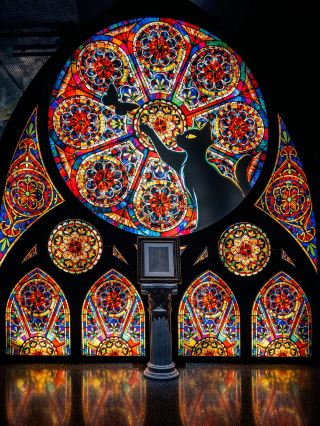
🐱 พิกัดนิทรรศการแมวสุดปัง! “นิทรรศการประวัติศาสตร์แมวโลก (British Library Cat Exhibition)”🏛️
Best of Shanghai
Top 50 Fall Viewing Attractions in Shanghai
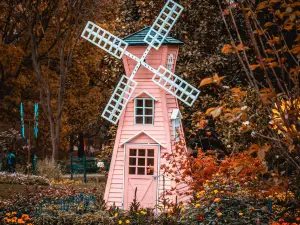

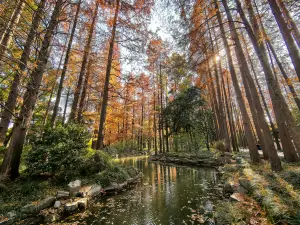
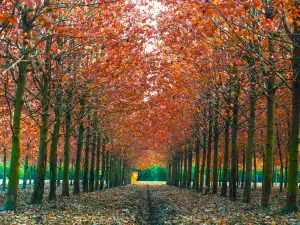

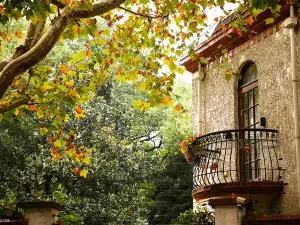
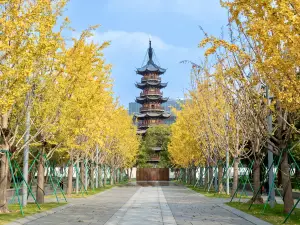
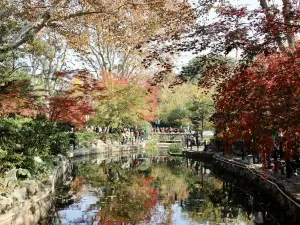


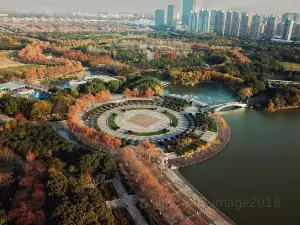
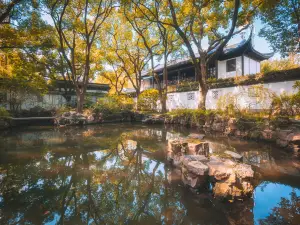
Top 50 Cultural Hotels in Shanghai


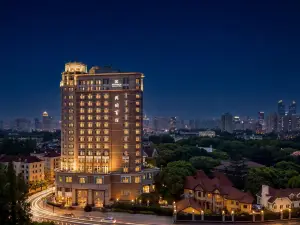


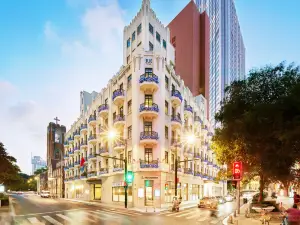


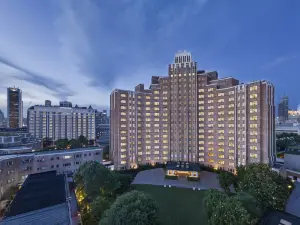
Top 10 Hot Springs Attractions in Shanghai


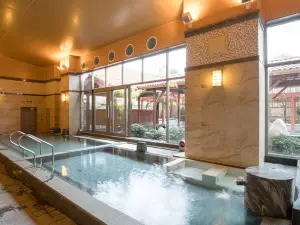
Top 50 Instagrammable Hotels in Shanghai


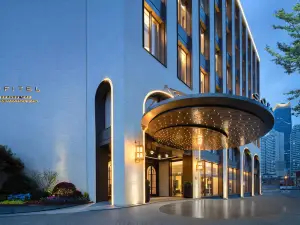

Top 50 Vacation Homes in Shanghai





Popular Hot Spring Hotels in Shanghai

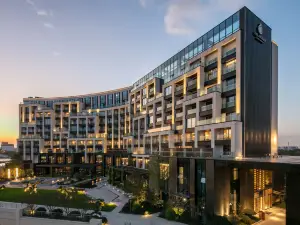

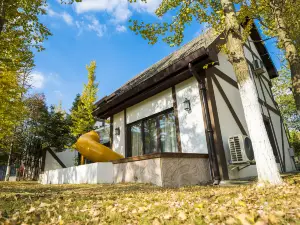
Top 50 Gourmet Hotels in Shanghai


Top 20 Premium Hotels in Shanghai


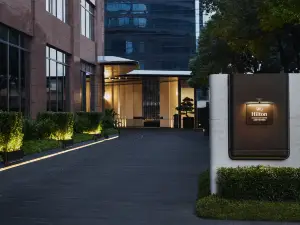
Top 20 4-Star Select Hotels in Shanghai


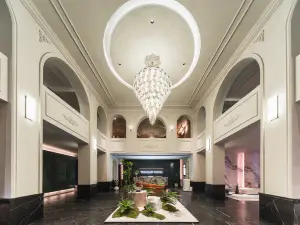
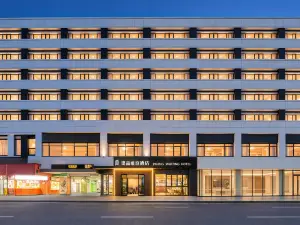
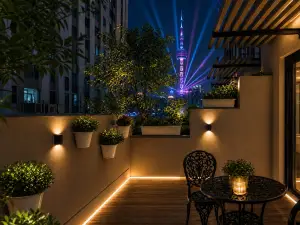




Popular Best Things to Do Near Shanghai




Other recommended cities

Hangzhou
Chengdu
Xiamen
