Bangkok Travel Guide 2025: Top Attractions, Things to do & Itinerary | Trip.com | December, 2025
About Bangkok
Recommended trip: 3–5 day(s)
Recommended trip: 3–5 day(s)Current weather conditions
 26°C
26°CBangkok Local Experiences Map






Trending in Bangkok
Bangkok Local Travel Guide 2025
Bangkok Brief Guide
Bangkok, the heart of Thailand, dazzles with ornate palaces, golden temples, and delicious food. Known for its lively street markets, energetic nightlife, and cultural landmarks, Bangkok offers a different adventure every day. Create your ideal Bangkok trip with our guide.
Bangkok Must-try local experiences
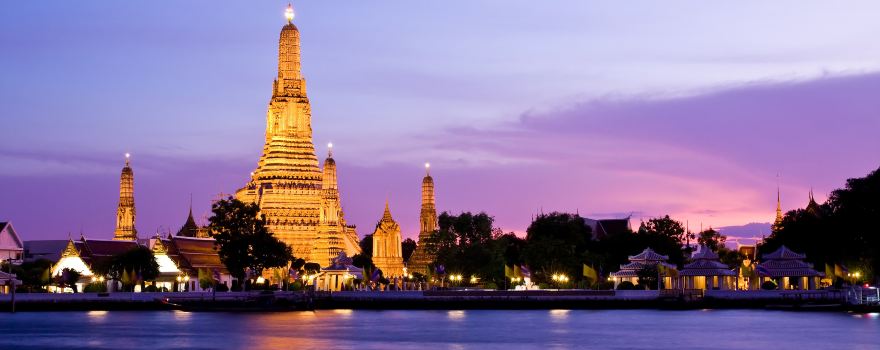
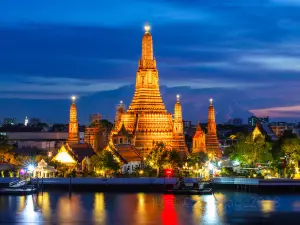
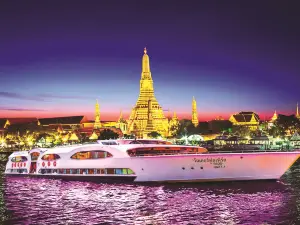
1. Explore Bangkok’s Historic Landmarks Step into Thailand’s past at Wat Arun, Wat Pho, and the Grand Palace—golden spires and murals spin a vivid tale of kings and faith. Their beauty drags you deep into the kingdom’s heritage, alive in every carved wall—Bangkok’s history glows here. 2. Cruise Along Chao Phraya River The Chao Phraya River flows through Thai life and lore—hop an express boat or dinner cruise to catch riverside villages humming. Piers like Tha Wang Lang, Tha Maharaj, or Tha Phra Athit frame old temples and homes—Bangkok’s heart beats along these banks. 3. Experience Vibrant Floating Markets Drift into Bangkok’s floating markets—Khlong Lat Mayom or Taling Chan buzz with vendors paddling boats of fresh eats and odd trinkets. It’s a bright, splashing piece of Thai river life tradition, holding strong—snap a shot, snag a snack. 4. Discover Night Markets Bangkok’s night markets brim with energy, and Chatuchak Market stands out as the world’s largest outdoor market. Browse clothes, antiques, art, or grab some street food—there’s plenty to discover. 5. Try Traditional Thai Massage Sink into a Thai massage—acupressure, stretches, and gentle rocks melt stress away. Wat Pho’s version, born from old wisdom, feels like Thailand’s soothing soul—pure calm washes over you. 6. Pay Respects at the Erawan Shrine Alongside Buddhism, many Thais honor Brahman beliefs at the Erawan Shrine, praying to Lord Brahma, known as the "arbiter of fate", for good fortune. Its vibrant, detailed design makes it a striking spot to visit or snap a photo. 7. Feel the Thrill of Muay Thai at Rajadamnern Head to Rajadamnern Stadium (known as home of Muay Thai) for a live Muay Thai match, where modern upgrades meet old-school vibes. The wai kru rituals, pi glong music, and Art Deco style add layers to the electric atmosphere embodying the mystique of Thai boxing.
Bangkok Must-see Attractions
Bangkok hums with life, weaving together history, culture, and a modern edge. You’ve got timeless treasures like the Grand Palace, Wat Phra Kaew, and Wat Arun echoing the city’s golden past, alongside fresh draws like SEA LIFE Bangkok and colorful shopping districts.
Bangkok Food Guide
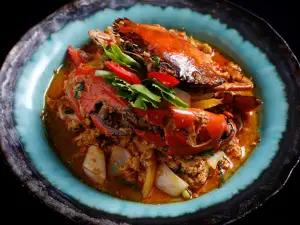
They say you’ll catch the scent of food as soon as you land in Bangkok—and they’re not wrong. This city’s a paradise for anyone who loves to eat, dishing up Thai classics and global bites around every corner.
Bangkok Transportation
Bangkok is a major transportation hub, accessible by air, rail, bus, or road from international and domestic locations. By Air Suvarnabhumi International Airport (BKK): The main airport, 30 km (19 miles) east of central Bangkok, serves international flights and domestic routes. To City Center (Siam/Central Bangkok): Airport Rail Link (ARL): Basement level of the airport; connects to Phaya Thai (BTS) or Makkasan (MRT Phetchaburi) in ~17–30 minutes, THB 15–45. Operates 5:30 AM–midnight, every 10–15 minutes. Airport Shuttle Bus: Routes A1 (to BTS Mo Chit, ~30–40 minutes, THB 50) or A2 (to BTS Victory Monument, ~30–40 minutes, THB 50). Pay onboard with cash. Taxis: Metered, THB 400–500 (30–60 minutes, plus THB 50 airport fee and ~THB 20–70 tolls). Don Mueang International Airport (DMK): 24 km (15 miles) north of central Bangkok, it handles low-cost carriers for domestic and regional flights. To City Center (Siam/Central Bangkok): From DMK: Shuttle Bus: A1 to BTS Mo Chit or A2 to BTS Victory Monument (~20–40 minutes, THB 50). Taxis: THB 300–400 (20–40 minutes, plus THB 50 airport fee). By Train Krung Thep Aphiwat Central Terminal (Bang Sue): Thailand’s primary hub for all long-distance/intercity trains. Bang Sue connects to MRT Blue Line (10 minutes, THB 16–42). Hua Lamphong Station: Handles commuter/regional routes only. Connects to MRT (Hua Lamphong). By Bus Mo Chit 2 (Northern/Northeastern routes, e.g., Chiang Mai, ~10 hours), Ekkamai (Eastern routes, e.g., Pattaya, ~2 hours), and Sai Tai Mai (Southern routes, e.g., Phuket, ~12 hours). Buses are budget-friendly but slower than trains; book early for long routes. By Road Driving via highways like Route 1 (Phahonyothin) or Route 3 (Sukhumvit) is possible but not recommended due to traffic and safety risks. Car rentals require an International Driving Permit.
Bangkok Where to Stay
Bangkok’s got plenty of places to stay, each district with its own feel—from Sukhumvit’s buzz to the old-world charm near the Grand Palace. Whatever your plans, there’s a spot that fits.
Bangkok Best Time to Visit
Winter (December–February) is Bangkok’s optimal season, offering cooler temperatures, clear skies, and vibrant festivals. Avoid April’s extreme heat and September’s monsoon peak for comfortable exploration. Spring: Sweltering 30–40°C (86–104°F); intense humidity. Songkran Festival water fights (mid-April); sunrise visits to Wat Arun; mangoes and durian peak at Or Tor Kor Market. Summer: Hot, humid 28–36°C (82–97°F); often thunderstorms. Emerald Buddha glows in post-rain light; covered long-tail boat tours through khlongs (canals). Autumn: Warm, wet 26–34°C (79–93°F); monsoon downpours. Loy Krathong lanterns on Chao Phraya River (November); golden Wat Pho reclining Buddha misted by rain.. Winter: Mild, dry 22–32°C (72–90°F); hazy sunshine. New Year flower markets, cool evenings at Asiatique’s riverside dining.
Bangkok Travel Tips
1. Dress Right for Temples and the Grand Palace When you’re heading to the Grand Palace or temples like Wat Phra Kaew and Wat Pho, keep it modest—cover your shoulders, knees, and ankles. Skip sleeveless tops, shorts, or anything tight or see-through. Some spots have cover-ups to borrow if you need them. If you’re a woman visiting temples, give monks some room - they avoid physical contact due to their vows. 2. Steer Clear of Strays Watch out for stray dogs, cats, and even monitor lizards lounging in Bangkok’s parks. Give them space and don’t tease them for fun. 3. Respect the Monarchy Thais deeply respect their royal family. Avoid saying anything negative about them—it’s a big deal here and could get you into legal trouble. 4. Head and Feet Etiquette In Thai culture, the head’s considered the highest part of the body, and feet the lowest. Don’t touch anyone’s head, and keep your feet from pointing at people or sacred things. 5. Dodge Scams and Overcharges Be wary of tuk-tuk drivers pitching super-cheap tours or random folks offering help out of the blue. Watch for tricks like “the site’s closed” claims, gem deals, or detours to shops. Stick with trusted tour operators and double-check details before buying. 6. Eat Smart on the Streets Street food’s usually fine—just go for busy stalls cooking fresh stuff on the spot. Skip anything raw or half-cooked, and stick to bottled water. If you’re unsure, peek at how clean and thorough they are with prep. 7. Know the Drone Rules Flying a drone? You’ll need permits from Thailand’s Civil Aviation Authority (CAAT) and the NBTC. In Bangkok, some spots—like near airports, palaces, temples, or government buildings—need extra okay from whoever owns the land. 8. Pack Your Own Tissues Public bathrooms here often don’t have toilet paper, so bring some dry or wet wipes along. 8. Follow Alcohol Guidelines Alcohol’s sold only during designated windows (typically 11 AM-2 PM and 5 PM-midnight) and not at all on big Buddhist holidays. You can’t drink in temples, government spots, or public clinics, and the legal age is 20. 9. Time Your Travel Smart Bangkok traffic can be a beast during rush hours—think morning and late afternoon. Plan around those times if you can to dodge the gridlock. 10. Thailand Uses the Buddhist Calendar Thailand counts years by the Buddhist calendar—543 years ahead of ours, from Buddha’s Nirvana. Translation apps might trip over dates, so double-check. 11. Check air quality Protect yourself from PM2.5 Bangkok’s air can get hazy with PM2.5 dust—check apps for real-time updates. Grab a mask to filter it out, or duck into museums when it spikes. Stay safe and enjoy the city’s indoor gems. 12. Emergency Contact Numbers: Keep emergency numbers handy: 191 (general), 1669 (medical), and 1155 (Tourist Police). The "Thailand Tourist Police" app also allows direct reporting. 13. Complete Thailand’s Digital Arrival Card Before Entry: Starting May 1, 2025, all foreign nationals entering Thailand by air, land, or sea must complete the Thailand Digital Arrival Card (TDAC) electronically at least three days before arrival. The TDAC is required for all foreign passport holders, except those transiting without immigration clearance or entering with a Border Pass. Register at the Thailand Immigration Bureau’s official website.
Bangkok Useful Guide
Thai’s the main language here, but many locals speak English too. Learning a few phrases can come in handy: Hello: Sawasdee (sah-wahs-dee) Thank you: Khob khun (kob koon) Yes: Chai (chai) No: Mai (my) Excuse me/Sorry: Khor toht (kor tote)
Trip.Best: Bangkok

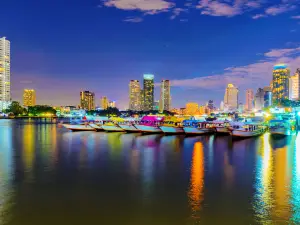



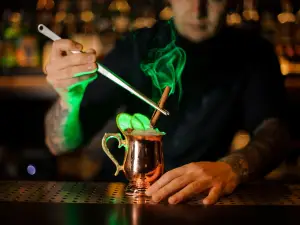

Things to do in Bangkok
What to do
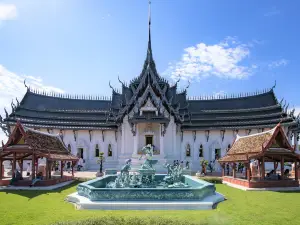

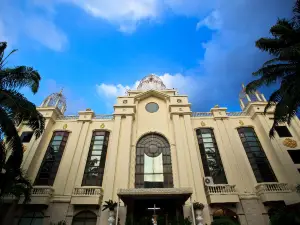

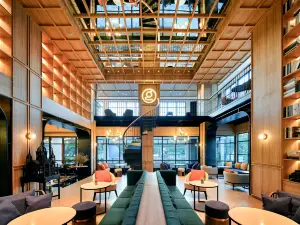
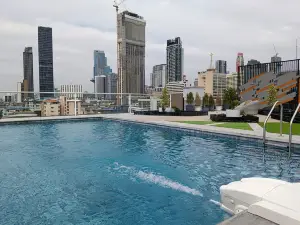
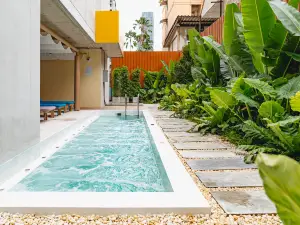
Where to stay






What to eat


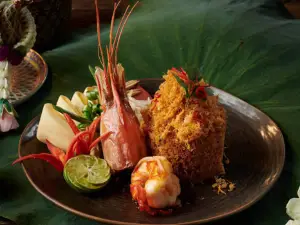




Bangkok Moments: Through Travelers' Eyes

Recommended Weekend International Travel Destinations from Jiangsu, Zhejiang, and Shanghai


Home Matcha: บ้านของคนรักมัทฉะ 🍵


【Bangkok, Thailand】Quietly captivating, a sophisticated luxury.

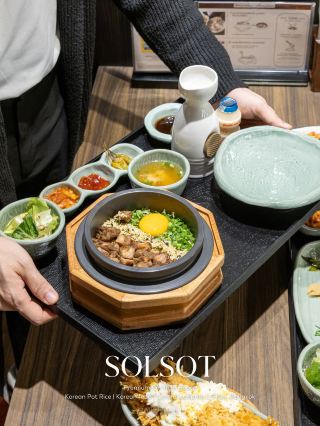
Solsot: Premium Korean Baked Rice 🍲
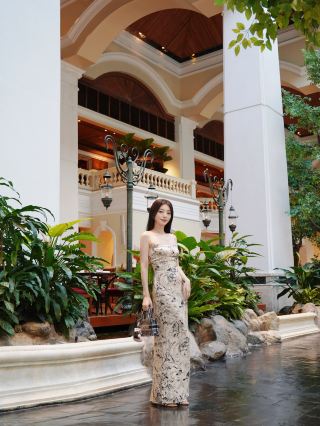
Bangkok Grand Hyatt | Thai-style Elegant Old Money Castle Garden Hotel

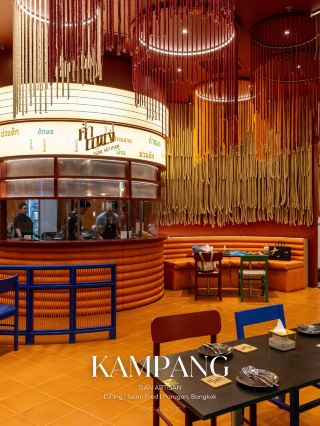
Khampaeng: Contemporary Isan brings a new branch to Paragon

Holiday Inn Express Bangkok Siam

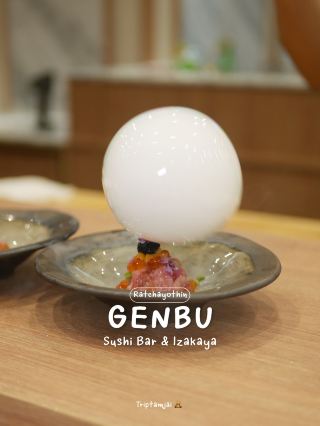
𝗚𝗲𝗻𝗯𝘂 Sushi Bar & Izakaya 🍱🍶

Best of Bangkok
Top 50 Gourmet Hotels in Bangkok
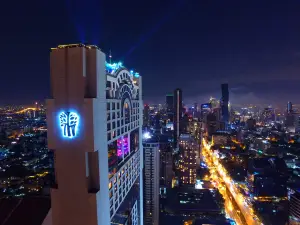
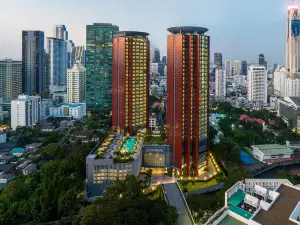
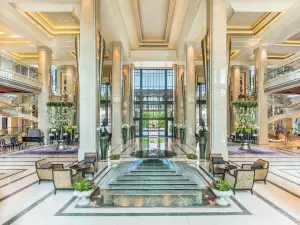
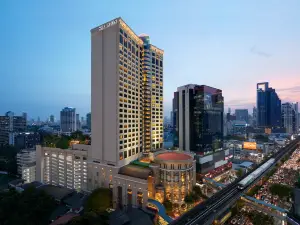
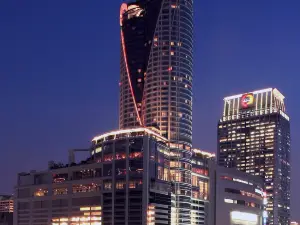
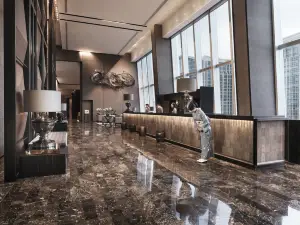
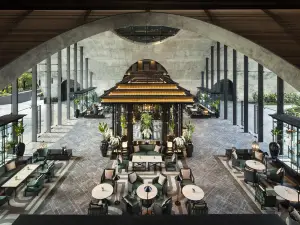
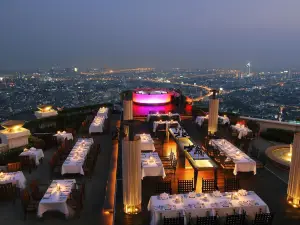
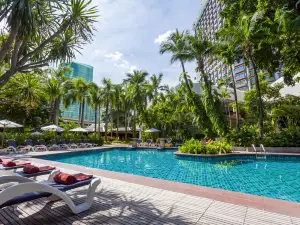
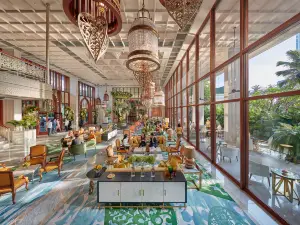
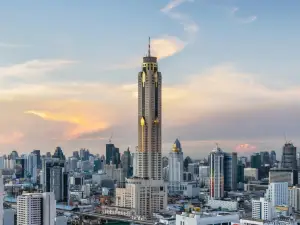

Top 20 Premium Hotels in Bangkok

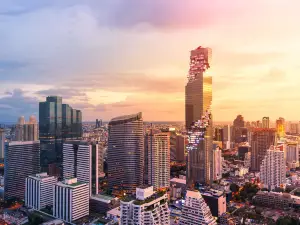
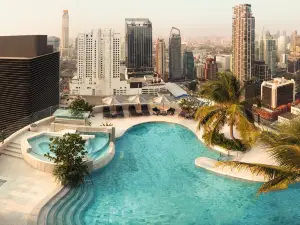
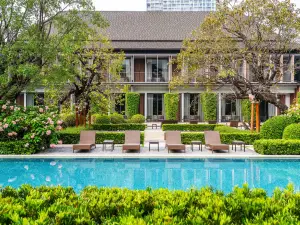
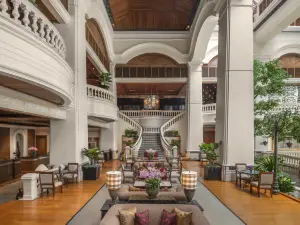
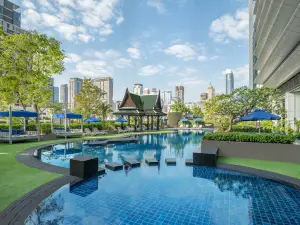
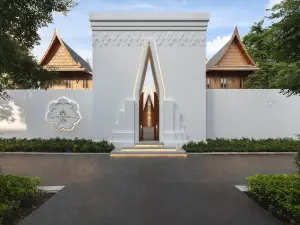
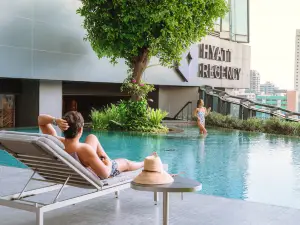
Top 20 4-Star Select Hotels in Bangkok
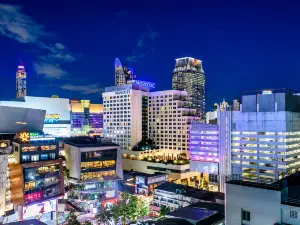
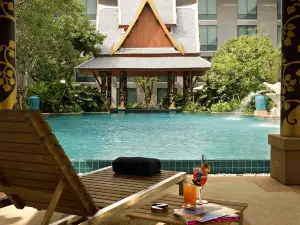
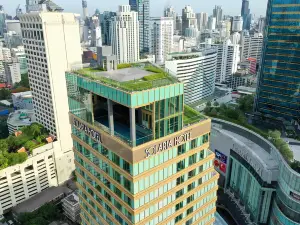
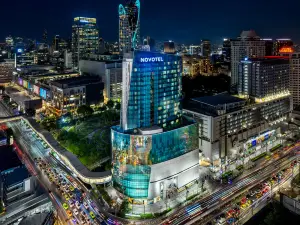
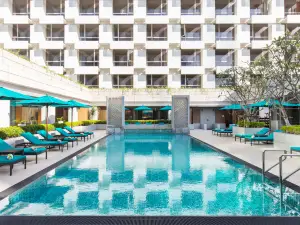
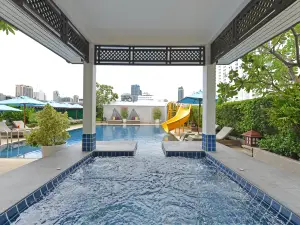

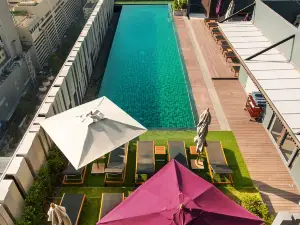

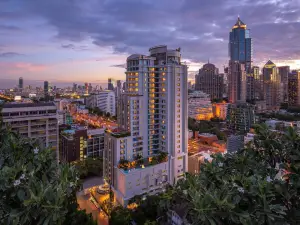
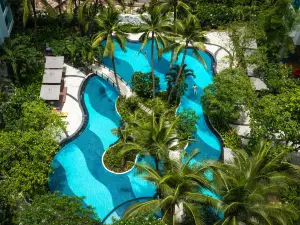
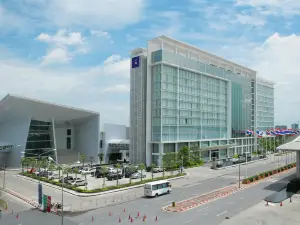
Top 50 Best Things to Do near Bangkok

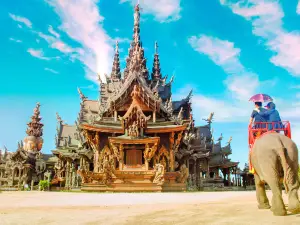
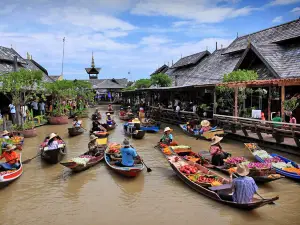
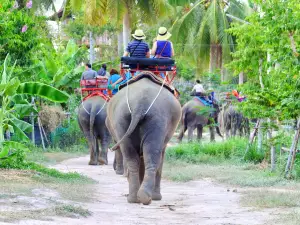
Pattaya Elephant Village
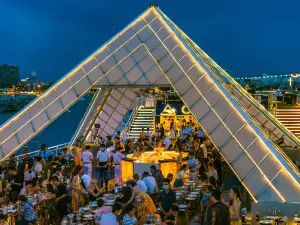
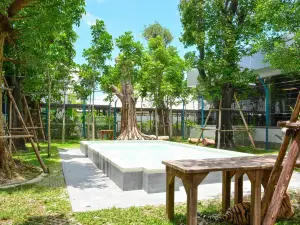
Tiger Park Pattaya
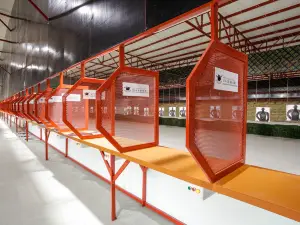

Underwater World Pattaya


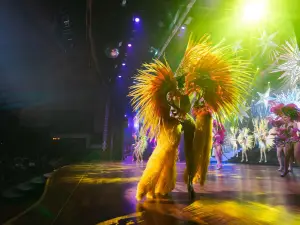
99 Show Pattaya
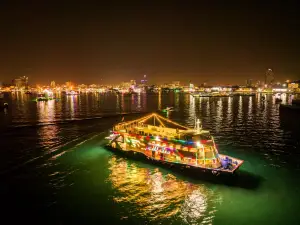
Top 20 Family-friendly Attractions near Bangkok
Pattaya Elephant Village
Tiger Park Pattaya
Underwater World Pattaya


Vana Nava Water Jungle

Pattaya Dolphinarium
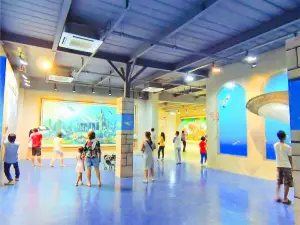

Monster Aquarium Pattaya
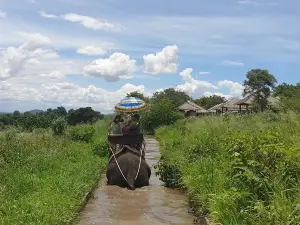
Hua Hin Safari & Adventure Park

The Million Years Stone Park & Pattaya Crocodile Farm

Pattaya Water Park

Black Mountain Water Park
Top 20 Luxury Hotels near Bangkok
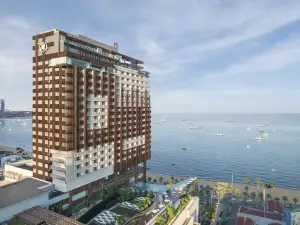
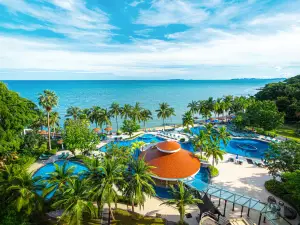
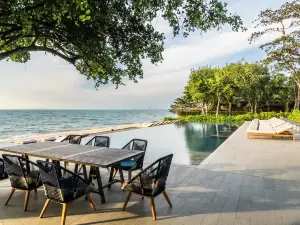
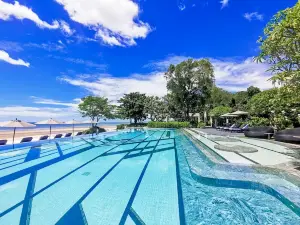
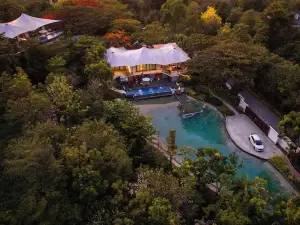
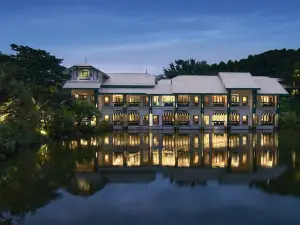
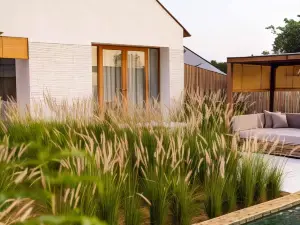
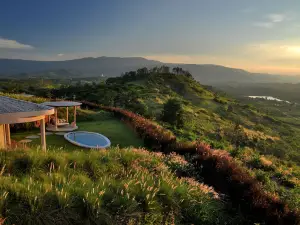
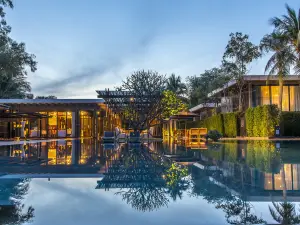
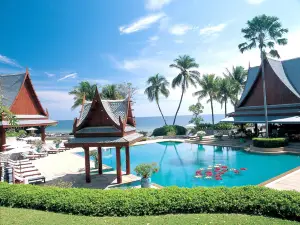
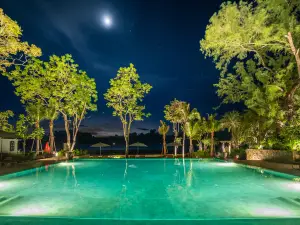
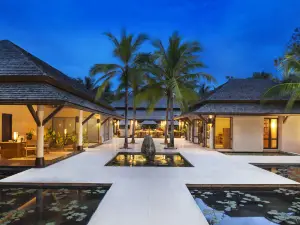
Top 20 Family Hotels near Bangkok

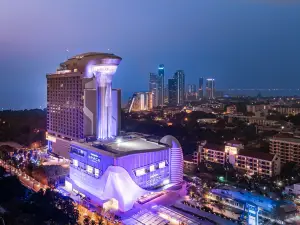
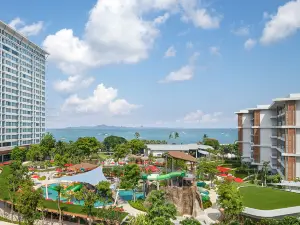
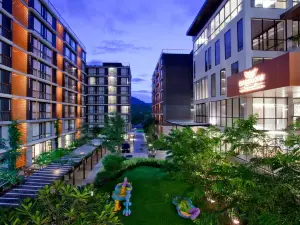

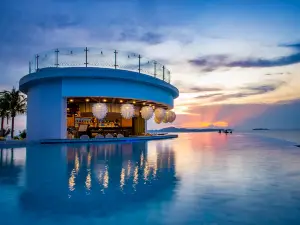


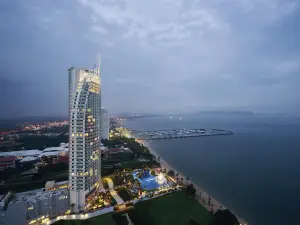

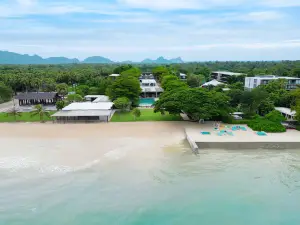
Top 50 Scenic Hotels near Bangkok

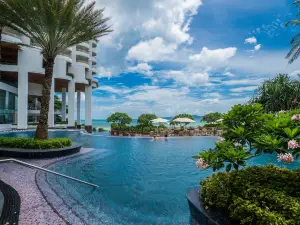
Top 20 Instagrammable Hotels near Bangkok
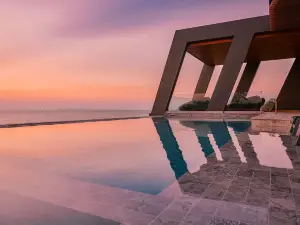
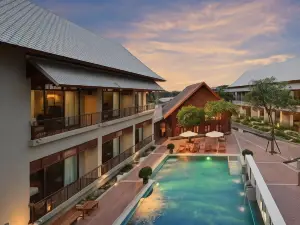




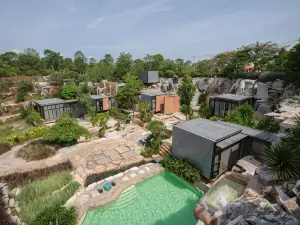


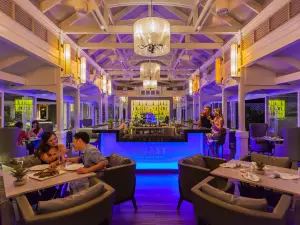
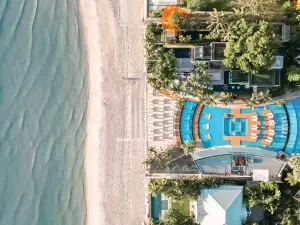
Top 10 Gourmet Hotels near Bangkok
Other recommended cities
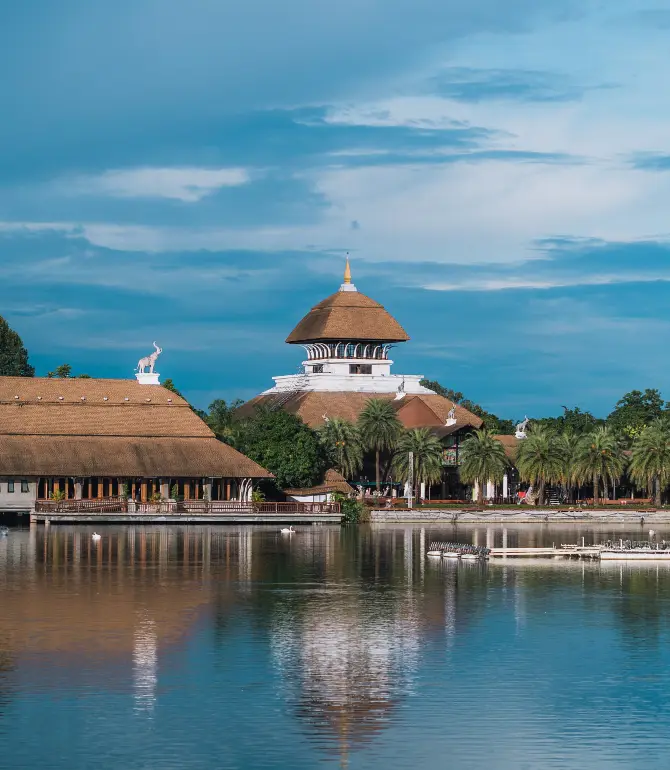
Chiang Mai
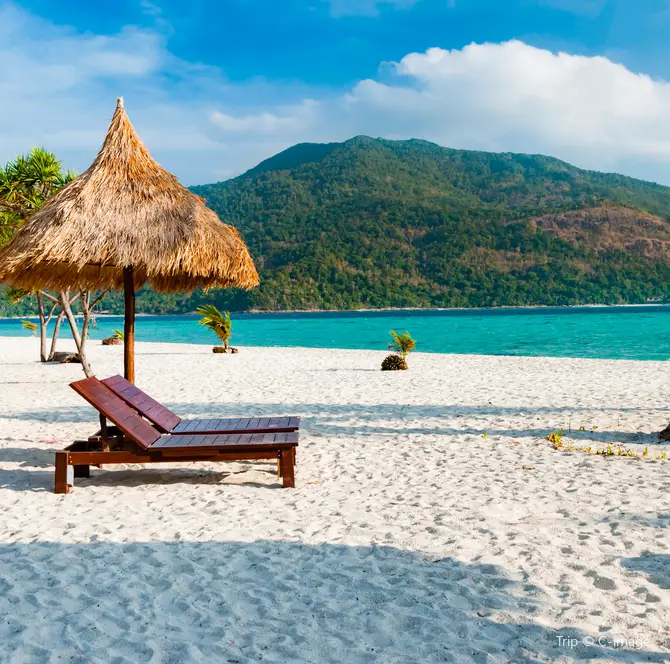
Phuket
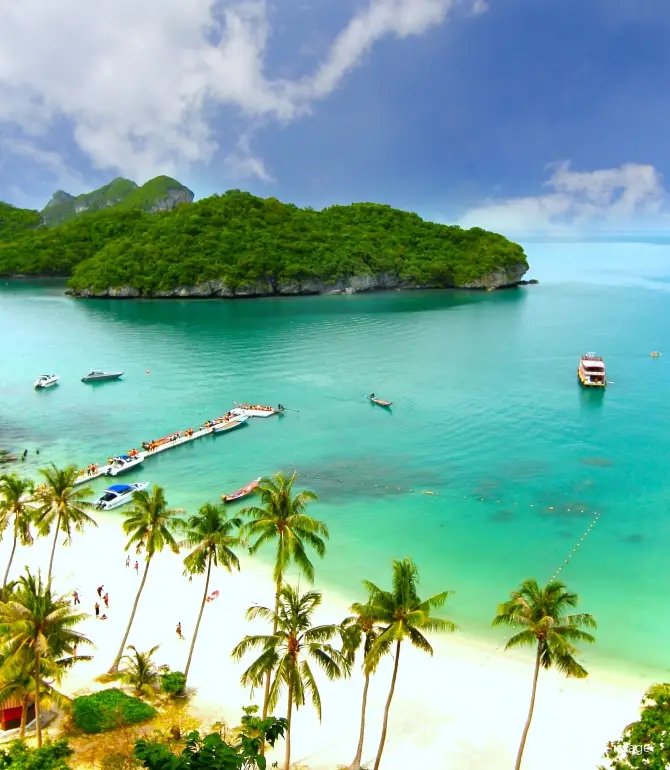
Koh Samui
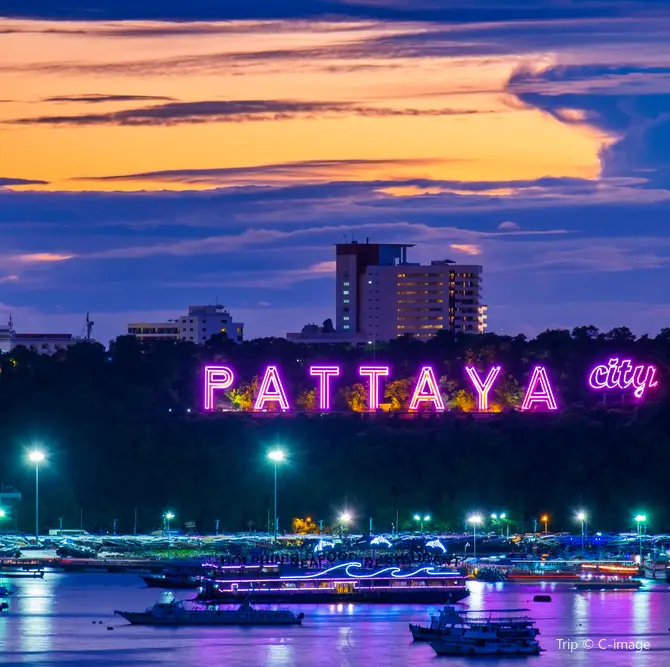
Pattaya
About
Site Operator: Trip.com Travel Singapore Pte. Ltd.