Top Things to do in Harbin: Best Activities & Must-Sees

By Tina
October 23, 2026

Known as the “Ice City”, Harbin is the go-to destination in north-east China for the winter season. The city owes its fame not only to the large snow installations that come to life every year, but also to a cosmopolitan history clearly visible in the architecture of its Baroque buildings and characteristic Orthodox domes.
Exploring Harbin in the depths of winter is an experience of constant contrasts: you brave the biting cold to admire the ice sculptures, only to then stop off in the cafés and alleyways of the historic districts. This Trip.com guide will accompany you in planning your trip, discovering the main attractions, and offering practical tips for organising your visit in any season.
🎫 Top Things to Do in Harbin
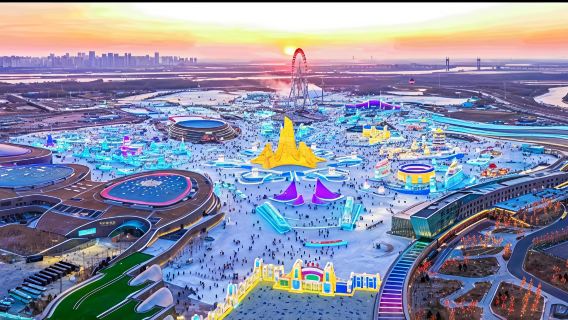
- ❄️ Harbin Ice and Snow World, from approx. £30 – A vast winter park featuring ice architecture and sculptures that are illuminated after sunset.
- 🐅 Siberian Tiger Park, from approx. £14 – A sanctuary dedicated to the conservation of the Siberian tiger, which can be visited via specially designated areas.
- ❄️ Harbin Sun Island, from approx. £21 – A vast park on the Songhua River, best known in winter for its massive snow sculptures.
- 🚡 Harbin Sightseeing Cableway, from approx. £7 – A scenic cable car that crosses the Songhua River, offering a different perspective on the city centre and the urban landscape.
- 🐧 Harbin Polarland, from approx. £21 – A park dedicated to polar wildlife, featuring indoor facilities and activities suitable for the whole family.
✈️ What to Do in Harbin Based on Your Stay
Planning your time in Harbin is particularly important during the winter months. The freezing temperatures make it useful to alternate outdoor visits with indoor breaks and to organise attractions based on their location.
Here’s how to plan your visits to Harbin based on how much time you have.
Duration | Couple ❤️ | Family 👨👩👧👦 | Friends 👫 | Solo 🚶♂️ |
1 day | Zhongyang Street, Saint Sophia Cathedral and the Ice and Snow World by night. | Harbin Polarland in the morning, the historic centre and Ice and Snow World in the evening. | Daoli District, typical Dongbei cuisine and the Ice and Snow World by night. | Saint Sophia Cathedral, Zhongyang Street and the Ice and Snow World by night. |
2–3 days | Ice and Snow World, Sun Island and a walk along the Songhua River. | Sun Island, Siberian Tiger Park and Harbin Polarland. | Ice and Snow World, street food in Daowai and Zhongyang Street. | Architecture in Daoli and Daowai, city museums and Sun Island. |
4–5 days | Harbin Sightseeing Cableway, Sun Island and the historic centre at a leisurely pace. | Excursion to Yabuli for snow activities and city attractions. | Excursion to Yabuli, ice festival and nightlife in the city centre. | Historic districts, museums, Harbin Grand Theatre and local excursions. |
1 week | City parks, relaxation, urban architecture and excursions in the surrounding area. | Theme parks, snow games and a more relaxed pace for the kids. | Excursion to China Snow Town and more time to explore the city. | In-depth museums, self-guided architectural tours and regional nature. |
📌 Useful tip: If you have more days available, you can extend your itinerary by including some destinations in Heilongjiang, from ski resorts to natural parks, choosing excursions based on the season.
Attractions and tours in Harbin
See all attractions
 53 booked




🏙️ Must-Visit Districts in Harbin
The tourist layout of Harbin is closely linked to the Songhua River, which separates the historic centre from the major attraction areas developed on the northern bank. Here are five neighbourhoods to consider for your stay.
Daoli: the historic, pedestrian heart
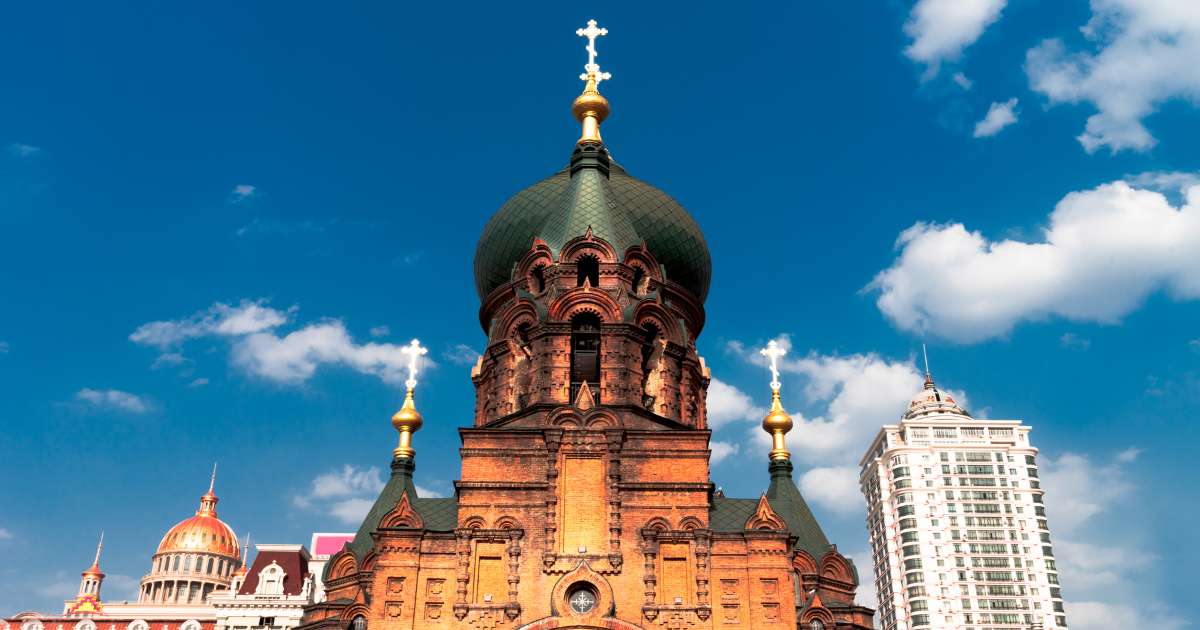
Daoli is the district that concentrates some of the main attractions in the centre of Harbin. Its main axis is Zhongyang Street (Central Street), a long pedestrian boulevard lined with historic buildings, shops, and restaurants.
In the same area stands Saint Sophia Cathedral. Its Orthodox architectural lines make it the city's most recognisable symbol and the most evident tourist legacy of the historic Russian footprint in the district.
Songbei: riverside attractions and wide-open spaces
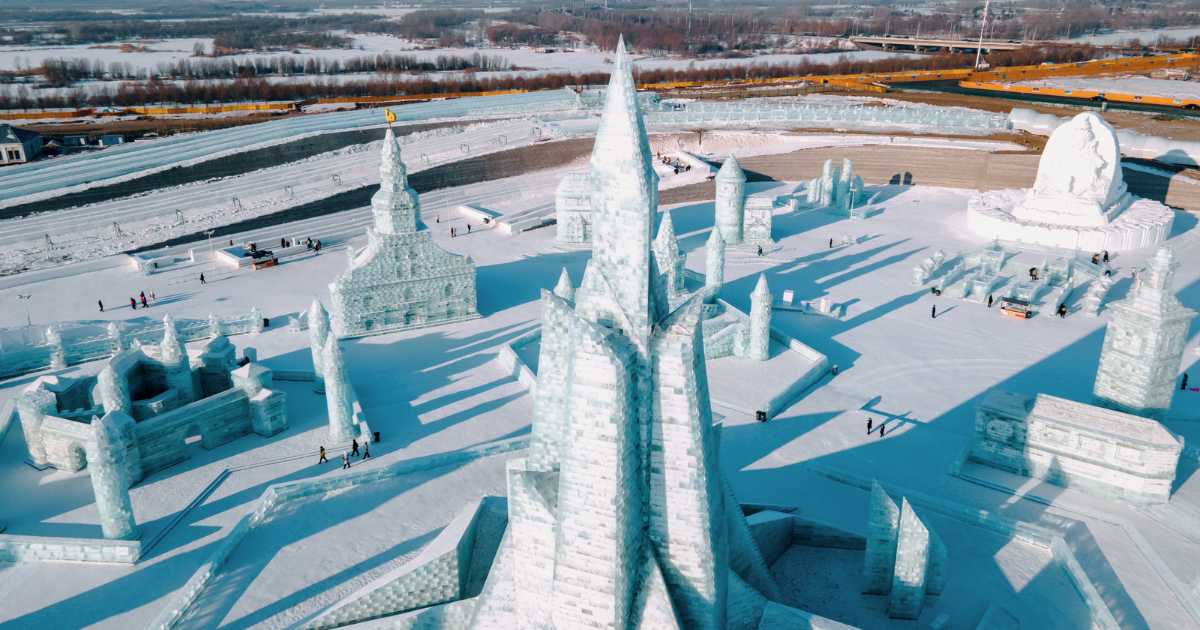
Songbei is located on the northern bank of the Songhua River and is home to some of Harbin's main contemporary and winter attractions. It’s where you’ll find the Harbin Ice and Snow World, Sun Island, and the Harbin Grand Theatre, all set amongst large green areas and expansive urban spaces. The area is also connected to the city centre by the Harbin Sightseeing Cableway, which crosses the Songhua and offers a panoramic perspective of both the river and the city.
📌 Things to do: spend an evening at the Ice and Snow World, arriving before sunset to see the structures in both daylight and illuminated. Visit Sun Island and, in milder seasons, take advantage of its green spaces for a walk or a bike ride.
Daowai: historic architecture and local traditions
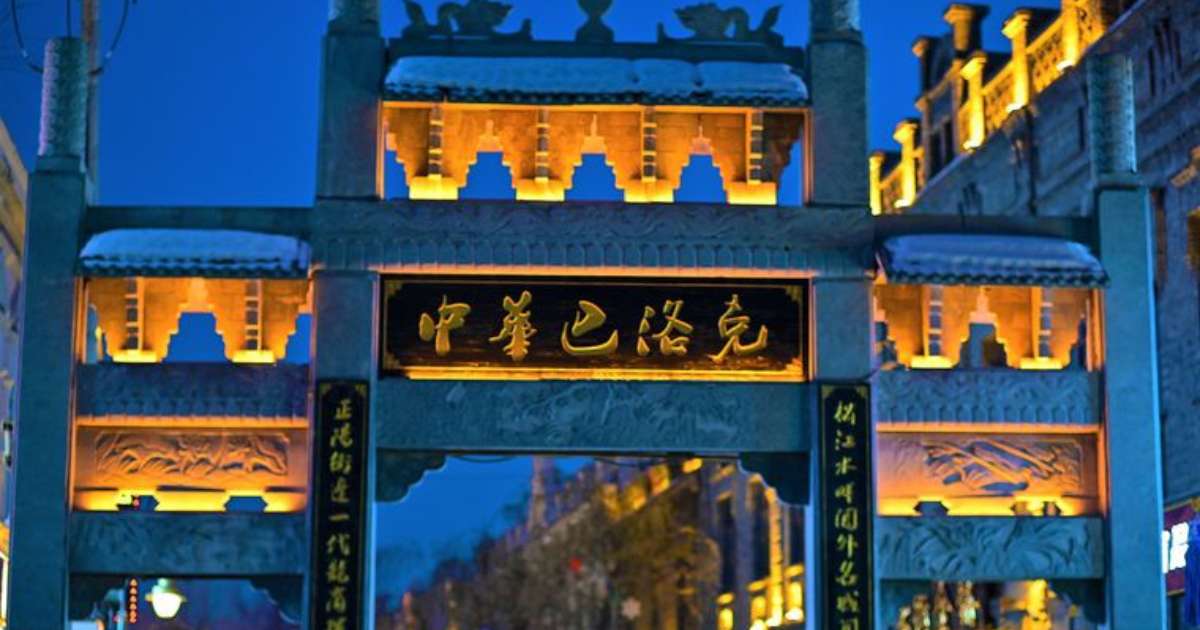
Daowai preserves some of Harbin's most distinctive historic areas. The district is best known for its Chinese Baroque, an architectural style that combines Western decorative elements with traditional Chinese structures and motifs. Elaborate facades coexist with courtyards, shops, restaurants, and streets that retain a different character compared to the city's more modern areas.
📌 Things to do: explore the Chinese Baroque Historic Block on foot, admire the facades of the historic buildings, and stop by the local restaurants and small food shops in the area.
Nangang: Shopping, museums and central hubs
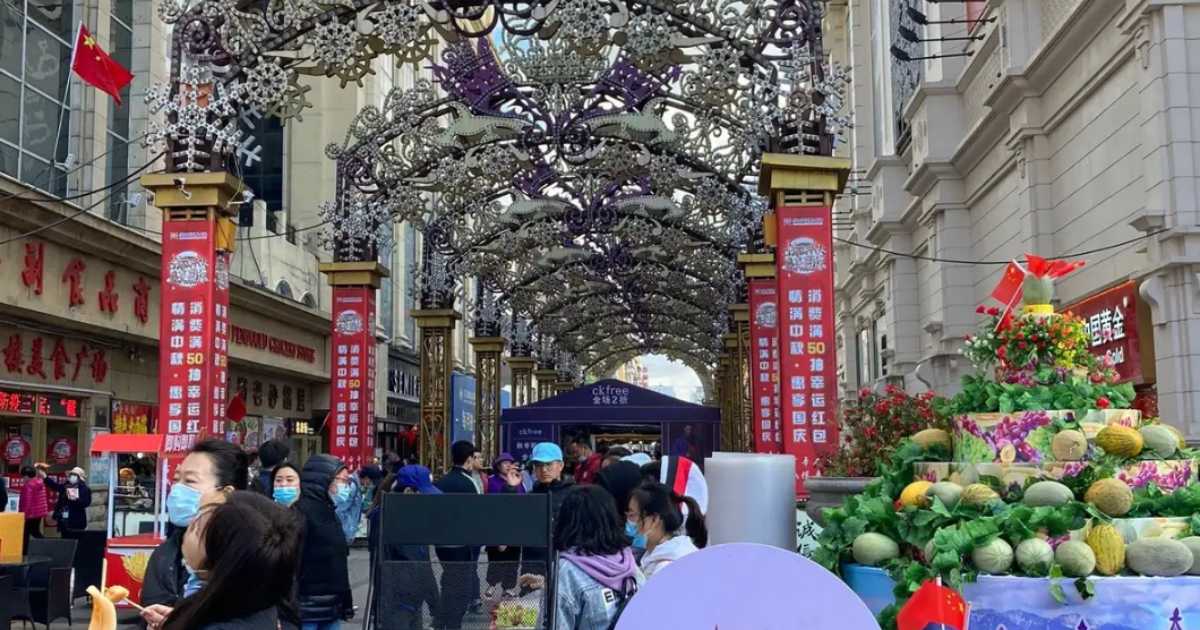
Nangang is one of Harbin's main commercial, cultural and institutional areas. The district is home to Harbin railway station, important shopping and university zones, and several museums.
Points of interest include Guogeli Street, the Heilongjiang Provincial Museum and the shopping areas around Hongbo Square and Qiulin.
📌 Things to do: visit the Heilongjiang Provincial Museum, stroll along Guogeli Street and explore the district's main shopping areas. The area around the station is also convenient for those planning excursions or train travel.
Haxi: a youthful and contemporary area
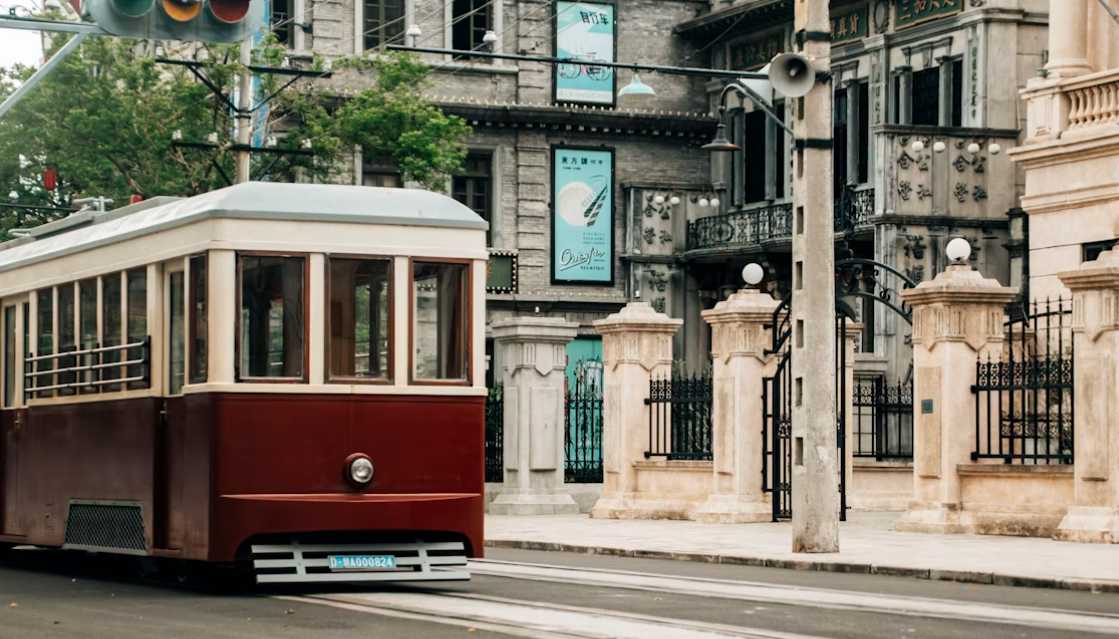
Haxi is a modern area of Nangang developed around Harbin West railway station, one of the main arrival points for high-speed trains. Compared to the historic city centre districts, it offers a more recent, urban environment, characterised by shopping complexes, restaurants and amenities frequented mainly by locals and young people.
Haxi can be an interesting way to discover a more contemporary side of Harbin, and it’s particularly convenient for anyone arriving at or departing from Harbin West station.
📌 Things to do: explore the Xicheng Hongchang mall, stop by the local restaurants and cafés, and use Haxi as a starting or arrival point if your itinerary includes travel by high-speed train.
Hotels: Save up to 10% (Book online or on Mobile)
Homes & Apts: Save up to £39 (App-only deal)
Top Hotels in Harbin
5 star
Good5477 Reviews
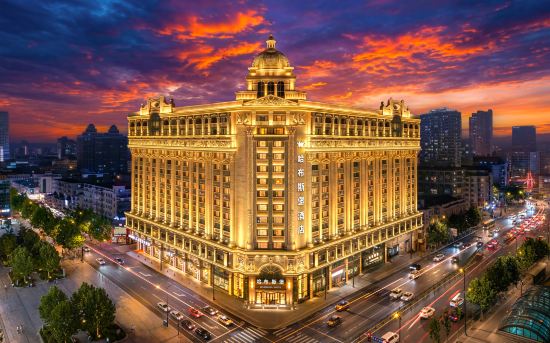
Central Avenue.St. Sofia Church. the Songhua River Harbin|3.67km from city centre
This veteran five-star hotel truly lives up to its reputation. The location is superb, offering unbeatable river views from the window. The hardware clearly shows its past glory, and the overall atmosphere is excellent, making for a super comfortable night's sleep. The front desk lady during check-in was exceptionally kind (I even wrote down her employee ID, but accidentally washed the paper). She was so nice and patient. On a cold day, the duty manager arranged for heating and pork rib soup. When I needed to switch rooms, a tall, handsome guy in a red uniform, about 1.89 meters tall, helped me move all my belongings – I'm incredibly grateful. The staff outside the lobby entrance provided excellent service, opening car doors and handling luggage. Simply fantastic!From£56
Excellent2372 Reviews
Jiangbei Sun Island. City Hall Area Harbin|12.36km from city centre
This hotel is incredibly spacious, with beautiful landscaping, excellent service, and great dining options. It also boasts a gym, swimming pool, sauna, and a lovely back garden. The concierge service is incredibly warm, attentive, and thoughtful, always greeting guests politely with a wonderful attitude. They even have cute little robots that deliver room service! The breakfast spread is very diverse, offering both Chinese and Western options, showing great attention to detail and variety. The hotel's location is also superb, close to large shopping malls, making it convenient for shopping and dining out.From£38
Excellent4719 Reviews
Central Avenue.St. Sofia Church. the Songhua River Harbin|4.05km from city centre
Ever since staying on the 79th floor once, I've developed a bit of an obsession with high-floor views. Of course, I also picked this place because the hotel is relatively new, and I’d never stayed at a Ritz-Carlton before.
I booked a City View King Room to stay within my budget. I skipped breakfast thinking I'd check out the local morning market instead, but dinner portions every night were so huge that I never had to worry about going hungry in the morning anyway. The room also came with a capsule coffee machine; although the pod selection wasn't huge, it was plenty enough for me.
At check-in, I mentioned that I didn't need full housekeeping during my stay—just taking out the trash and restocking amenities would do. Yet, something was always missed every single time. The craziest part was encountering a missing shower gel for the very first time. On the second day, when I went to the front desk to extend my check-out by two hours and recut my room key, I brought it up directly. Still, by that evening, there was no shower gel. I guess their Diptyque amenities are strictly rationed per day—use more than the quota, and you're on your own. On the other hand, they were surprisingly generous with bottled water, which makes me think different staff members handled different tasks.
Also, turndown service only happened on the first night and never again after that. I figured the complimentary bedtime drink was just the local ”Harbin Frozen Pear Drink,” so I didn't bother bringing it up.
That said, I really loved the heated towel rack—a huge plus for someone like me who likes hand-washing small laundry items. The dual-layer motorized curtains were great, the lighting controls were user-friendly, and I really liked the overall interior design.
At the end of the day, I chose this hotel myself, so it is what it is. Oh, and my check-in date happened to be my birthday, but there were no greetings or recognition at all. Ironically, China Eastern Airlines surprised me with a plush toy and a handwritten card. Truly a ”unique” level of service here.From£117
Excellent4365 Reviews
Jiangbei Sun Island. City Hall Area Harbin|12.32km from city centre
Our stay at this hotel was fantastic! It's conveniently located near an amusement park and a shopping mall, making it super easy for shopping, entertainment, and dining. The front desk staff were professional and efficient, and they even upgraded our room. It's a pet-friendly hotel with a beautiful back garden and lake views. They offer a free shuttle service, and their family rooms are very popular. The delivery robots were a great touch, making deliveries quick and easy. We'll definitely choose this hotel again next time we're in the area!From£38
Good4363 Reviews
Central Avenue.St. Sofia Church. the Songhua River Harbin|2.8km from city centre
The hotel's location is excellent, right on Central Street with many Russian shopping malls, barbecue restaurants, and 'iron pot stew' nearby. Five-star rating! Special thanks to Butler Zang Xiaoguo, whose service was thoughtful and efficient. He responded quickly to any issues and even recommended local Harbin attractions and delicious food. The hotel has a great location, clean and warm rooms, and a wonderful stay experience. I highly recommend Huate Hotel to anyone visiting Harbin! 👍From£30
Business travel
Excellent6287 Reviews
Central Avenue.St. Sofia Church. the Songhua River Harbin|2.14km from city centre
The room was quite spacious and comfortable. The bathroom facilities were excellent, with a Dyson hairdryer and a powerful, hot shower. The breakfast spread was extensive, and they even offered afternoon tea and a Madieer popsicle. There was also a late-night snack service, but we were too full to order anything.
The hotel service was great, and the staff were all very enthusiastic. The hotel's location is excellent, very close to St. Sophia Cathedral and Central Street, just a few minutes' walk, making it very convenient for shopping.
Perhaps because it was during the National Day holiday, parking wasn't very convenient when we arrived on October 5th. However, when we left on October 7th, the last day of the long holiday, we noticed there were quite a few empty parking spaces.From£23
Excellent3873 Reviews
Central Avenue.St. Sofia Church. the Songhua River Harbin|1.66km from city centre
The hotel's location is excellent, especially close to St. Sophia Cathedral and relatively near the subway, making getting around very convenient. The room was quite clean. I stayed on a higher floor, which was quiet, and the hot water supply was plentiful, completely unaffected by the higher floor. The hotel breakfast was quite rich, and I highly recommend purchasing it (currently, there's a promotion where you get breakfast vouchers if you become a member). The staff's service attitude was also great; they responded to messages almost instantly (the recommended 'Guo Bao Rou' dish was indeed delicious). The only downside was that being on a high floor made waiting for the elevator quite troublesome.From£17
Excellent3169 Reviews
Haxi Wanda/West Bus Station Business Cirlce Harbin|7.79km from city centre
I chose this hotel mainly for its overall ambiance and amenities. The common areas are spacious and grand, and the facilities are very well-equipped. If you want to work out, there's a gym, and if your clothes are dirty, you can use the laundry room's dryer, which saved a lot of hassle. When I was checking in, I wasn't clear about some member-related questions, and the front desk staff patiently explained everything to me with a very enthusiastic attitude. My overall stay was excellent; all the facilities were convenient to use, and getting around was quite easy. Highly recommended.From£35
Excellent1917 Reviews
Jiangbei Sun Island. City Hall Area Harbin|9.72km from city centre
My stay here exceeded expectations. The hotel environment is quiet and peaceful. The cleanliness was impeccable; even the corners were spotless. The toiletries were of good quality. The staff were very gentle and responsive to any requests. The room was spacious, with excellent natural light and ventilation, and all the facilities worked perfectly. The location is easy to find, with convenient dining and shopping nearby. Overall, it was clean, comfortable, and definitely worth recommending to friends traveling to the area.From£21
758 Reviews
Central Avenue.St. Sofia Church. the Songhua River Harbin|2.84km from city centre
A bit disappointed. We were driving, so parking was our top priority. Many hotels near Central Street either only have a few parking spots right at the entrance or no parking at all. This hotel has its own parking lot, and the location is indeed excellent, very close to Central Street. However, the room was tiny, pitifully so; the bed was right there as soon as you opened the door. And the facilities were very, very old. I honestly felt that for this price, the room was a huge letdown – the discrepancy was just too big. The front desk staff, though, were quite friendly and good. I forgot to take pictures, so I used the hotel's images. The pictures are accurate, but in reality, the facilities are much older.From£14
Family friendly
Outstanding5310 Reviews
Harbin Railway Station/Harbin Muesum Business Circle Harbin|0.25km from city centre
Our stay at this new hotel was fantastic! The room was super spacious, perfect for two adults and a child. They even set up a sofa bed for us, so everyone had their own bed. Having a bathtub was a huge plus – after a day of digging for shells, a hot soak was incredibly relaxing for the little one. Our room on the 15th floor offered amazing views from the large window, and the soundproofing was excellent, ensuring a quiet night's sleep. The self-service laundry was convenient, and my child thoroughly enjoyed the gym. The wontons at breakfast were delicious, and they even added beef! While the selection wasn't as vast as a Hilton, the quality of ingredients was outstanding. We especially loved the healthy salads with kale. The hotel's location is absolutely perfect, right in the city center. It's only a 10-minute walk to Qinhuang Alley, and a short taxi ride to Xigang Garden, Jinmeng Coast, and Qianshuiwan. We truly enjoyed our stay and will definitely choose this hotel again next time we visit Qinhuangdao!From£34
Very Good617 Reviews
Jiangbei Sun Island. City Hall Area Harbin|12.38km from city centre
The hotel service was excellent, and the staff were very welcoming. The room was clean and tidy, and being on a high floor, it offered a wide view with plenty of sunlight. We could even see the Sunac Land lantern display, which the kids absolutely loved. The price was also very reasonable, and having parking spaces downstairs was super convenient. Our trip to Harbin was fantastic, and I highly recommend the Aoxue Hotel.From£16
1114 Reviews
Central Avenue.St. Sofia Church. the Songhua River Harbin|2.42km from city centre
I specifically chose this place for my trip because of its location, and it really delivered! Once I checked in, I found it to be excellent. The surrounding amenities are incredibly complete – there's a convenience store and restaurants right downstairs. Getting around is super easy too; the subway station is just a few minutes' walk away, and it's only about a 10-15 minute taxi ride to various attractions. I stayed for a week and had a fantastic overall experience. Whether it was for daily meals or going out sightseeing, everything was very convenient and stress-free. I'd definitely choose this place again next time! 👍From£17
Outstanding1253 Reviews
Harbin Railway Station/Harbin Muesum Business Circle Harbin|1.39km from city centre
The location is close to the train station and not far from Central Street, making it very convenient to get around. Transportation is easy, the breakfast is quite rich, and the service is warm and attentive. I always stay in this area for business trips, and staying here is just very convenient.From£29
Very Good6302 Reviews
Central Avenue.St. Sofia Church. the Songhua River Harbin|1.86km from city centre
This hotel is the most highly recommended I've ever stayed at. Check-in was super quick and efficient, no delays. The room had great soundproofing, and the bed was incredibly comfortable. Breakfast offered a wide variety of delicious options. They checked in daily to see if I needed anything. It's also conveniently located, just a five or six-minute walk from Central Street, with a subway station, bus stop, and airport shuttle stop all nearby. The environment is lovely, and the lobby even provides guests with pear juice, hot water, and coffee, which is a very thoughtful touch. Highly recommended!From£12
⭐ Top 5 Activities and Landmarks in Harbin
Harbin is a city that transforms into a world of ice and lights in winter, but it also offers culture and history in every season.
Here are five suggestions that perfectly capture the city's soul and are suitable for almost any trip.
Harbin Ice and Snow World
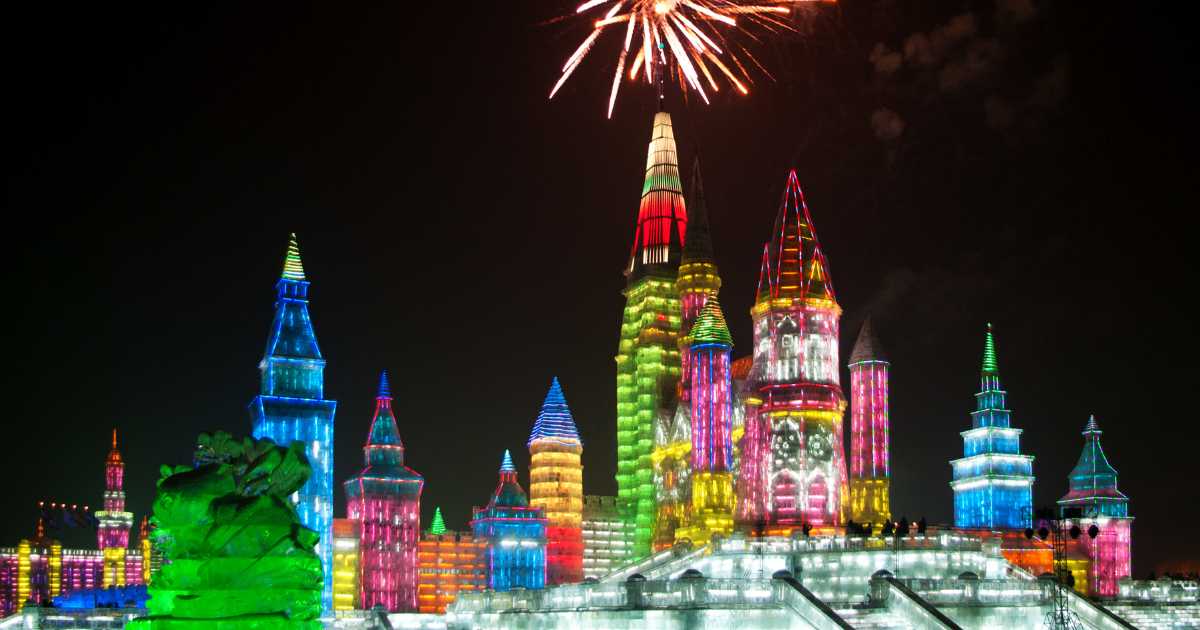
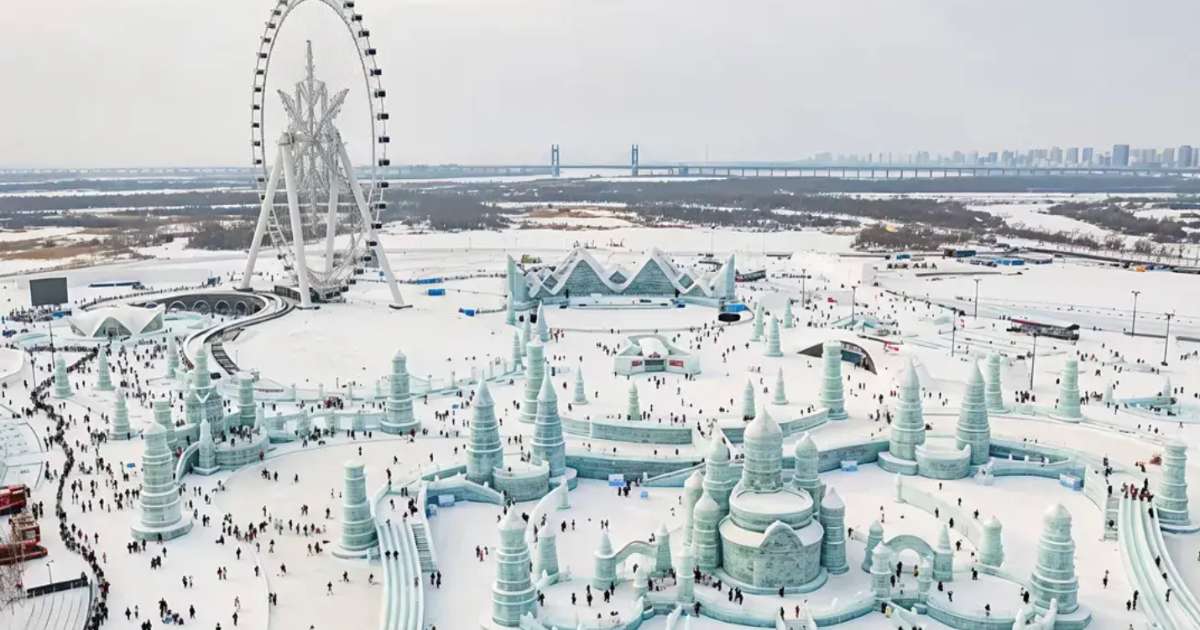
A large theme park built with thousands of cubic metres of ice and snow, featuring monumental sculptures, an ice slide, and a snowflake-shaped Ferris wheel. It is the beating heart of the International Ice and Snow Festival, an experience that goes beyond a simple sightseeing visit.
Inside, you can also enjoy ice theatre shows and figure skating performances featuring international athletes. The blocks used are harvested directly from the nearby Songhua River.
- Entry: approx. 328 RMB / £37 (adults), with concessions available for students and residents.
- The magical moment: the switching on of the lights transforms the park every evening into a unique setting, where ice and illumination create a fairytale world.
🧊 Book your admission to Harbin Ice and Snow World on Trip.com.
Saint Sophia Cathedral
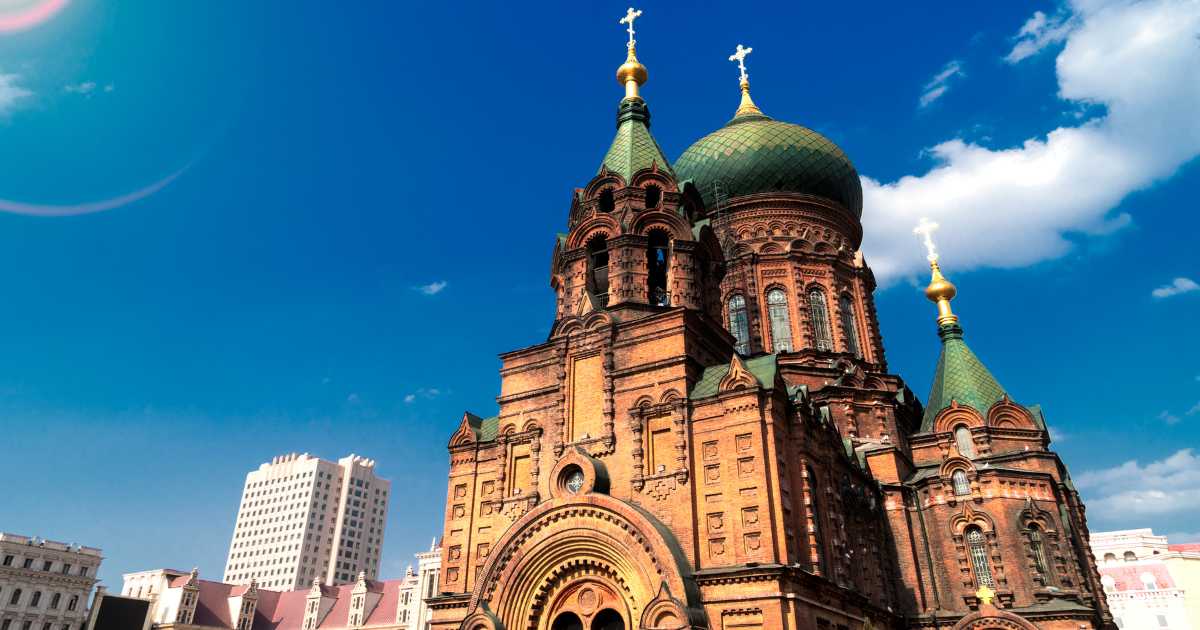
Built of wood in 1907 for the local Orthodox community and completed in its current masonry structure in the 1930s, today it is no longer a place of worship but houses the Museum of Architectural Art.
The exterior is dominated by the monumental green onion dome, while inside, an exhibition of vintage photographs traces the city's urban development. The surrounding pedestrian square is one of Harbin's liveliest meeting points.
- Entry: approx. 15–25 RMB / £2–£3 (museum entry), the outdoor area on the square is free.
- A unique architectural detail: at sunset, the red bricks seem to light up against the winter sky.
⛪ Book your visit to Saint Sophia Cathedral on Trip.com
Zhongyang Street (Central Street)
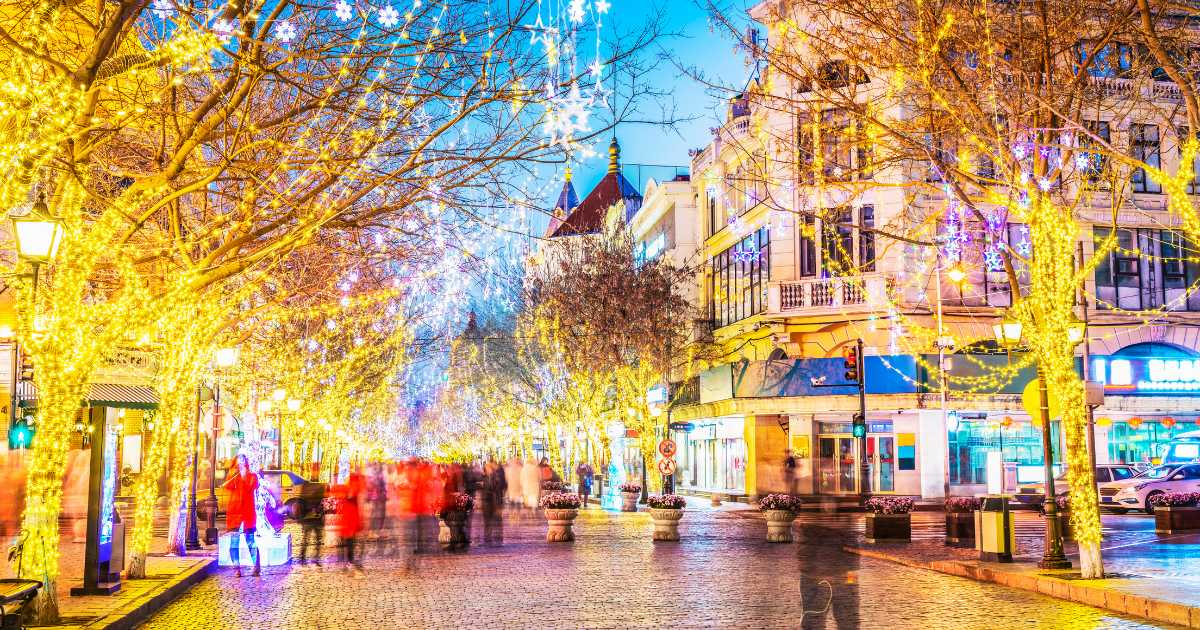
The historic centre's pedestrian street: a boulevard of approximately 1.4 km lined with buildings in European Renaissance and Baroque styles. It is the commercial and cultural heart of Harbin, ideal for strolling among shops, restaurants, and historic cafés. Walking along it, you can breathe in a unique atmosphere, where Russian culinary culture blends with Chinese. In the establishments along the street, you can taste local beer and traditional "dalieba" bread.
- Entry: free.
- Looking down at your feet: The street is paved with green stones and, during the winter festival, it hosts ice sculptures all along the way.
🚶 Book a tour of Zhongyang Street and Harbin's historic centre on Trip.com
Sun Island (Taiyang Dao)
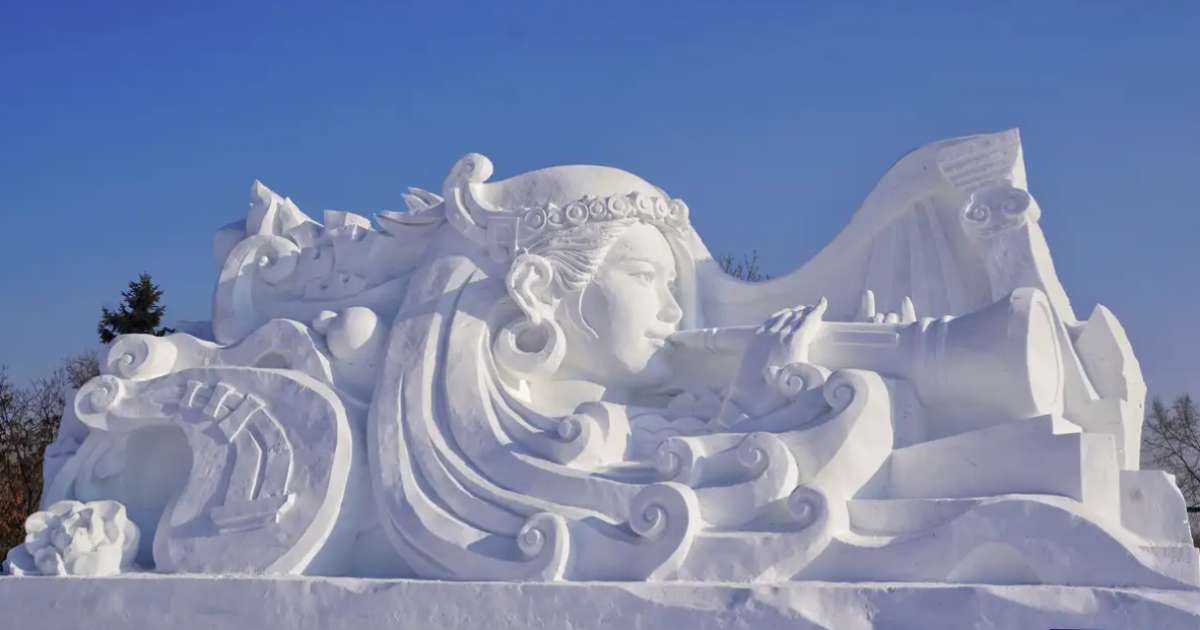
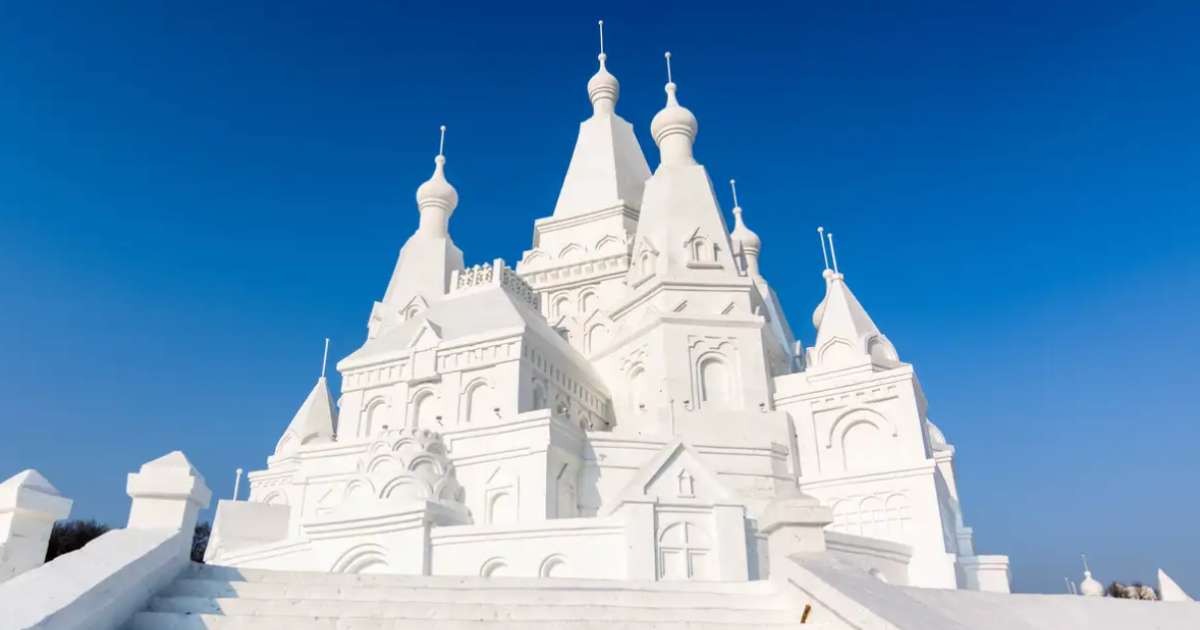
A large park located on the northern bank of the Songhua River, known for the International Snow Sculpture Expo, which is held every winter and features works made entirely of snow.
During the cold season, the park transforms into an open-air art gallery with pristine installations reaching thirty metres in height. In summer, however, the island offers a cool retreat, with artificial ponds, wooden bridges, and an area dedicated to local wildlife.
- Winter entry: 198 RMB / approx. £22 (standard adult ticket), reduced rate of 128 RMB / approx. £14 (students and seniors). Promotional and reduced rates available depending on the area or season.
- Travel tip: The largest sculptures are completed by mid-January, which is the best time to see the Expo at its peak.
☃️ Book your admission to the Sun Island Snow Sculpture Expo on Trip.com
Siberian Tiger Park

A facility dedicated to the conservation of the Siberian tiger, with organised bus tours to observe the animals in their habitat. The park is the largest breeding and reproduction centre for Siberian tigers in China.
Visitors travel inside special protected cabin vehicles to see the big cats hunting, playing, or resting in the snow. Beyond the tigers, the reserve is also home to other rare species like leopards, cheetahs, and white lions.
- Entry: approx. 110 RMB / £12 (adults) with standard tourist bus, 130 RMB / £14.50 with “thrill” bus.
- Fun fact about the Siberian tiger: it is the largest living cat on the planet, and an adult male can weigh up to 320 kg.
🐅 Book your admission to the Siberian Tiger Park on Trip.com.
🍜 What to Eat in Harbin

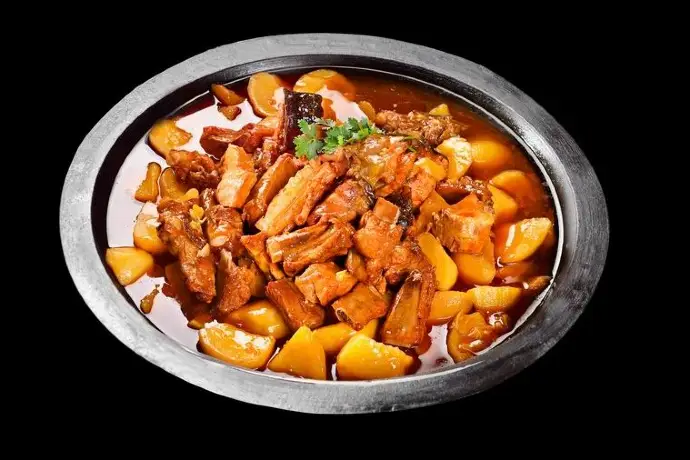

The hearty local cuisine blends regional Dongbei traditions with strong Russian influences, creating dishes that are perfect for braving the harsh winters.
If you want to discover what to eat in Harbin, here are some specialities to add to your list.
🥩 Guobaorou and Hongchang: the flavours of Dongbei
Guobaorou is one of the first dishes you simply have to try. It consists of fried pork, cut into pieces and coated in a sweet and sour sauce: crispy on the outside and with a bold flavour, it is one of the most iconic dishes of Dongbei cuisine.
Hongchang, on the other hand, is a smoked red sausage typical of Harbin. Its history is also linked to the European and Russian influences that have shaped the local gastronomy, and today it is one of the city's most recognisable products. You can find it in restaurants, specialist shops, and markets, even packaged to take home.
🍞 Dalieba and Russian-Chinese tradition
One of Harbin's most distinctive products is Dalieba, a large, rustic bread tied to the city's culinary tradition. Its presence on local tables reflects the historical ties between Harbin and the Russian community, which have left a clear mark on the local cuisine as well.
You can taste it on its own or accompany it with meat, sausages, and other local products. To explore this part of Harbin's gastronomy, the Daowai district is one of the most interesting areas, thanks to the presence of traditional restaurants and small eateries.
🍦 Madieer ice cream: a tradition even at -20°C
One of the most curious gastronomic experiences in Harbin is eating a Madieer ice cream in the middle of winter. This speciality is primarily associated with Zhongyang Street, where it is sold outdoors even when temperatures drop well below freezing.
It might seem counterintuitive, but that’s exactly the beauty of it: while strolling among the historic buildings on the pedestrian street, you can stop for an ice cream even on a freezing day, just as many locals do. If you are visiting Harbin during the International Ice and Snow Festival, it’s a little local experience worth adding to your itinerary.
🌤️ Best Time to Visit Harbin
The best time to visit Harbin depends on the type of trip you have in mind. Winter is the season most associated with ice and snow attractions, while spring, summer and autumn allow you to dedicate more time to parks, historic districts and outdoor excursions.
Temperatures change significantly throughout the year: in winter, the seasonal average drops to around −16 °C, while in summer it hovers around 22 °C.
Season | 🌡️ Average temperature | 🌦️ Weather | 🎯 Recommended activities |
Spring (Mar–May) | around 6 °C | Cool at the start of the season, then getting progressively milder. | Museums, Daoli and Daowai architecture, walks. |
Summer (Jun–Aug) | around 22°C | Mild, with higher rainfall in summer. | Parks, Sun Island, outdoor activities and walks along the Songhua River. |
Autumn (Sep–Nov) | around 6 °C | Mild in September, then getting progressively colder. | Photography, historic centres and nature excursions. |
Winter (Dec–Feb) | around −16 °C | Very cold, with snow and average temperatures below freezing. | Ice and Snow World, snow sculptures and winter activities. |
Flights to Harbin
Hotels in Harbin
eSIM China
See all flights








🚆 Day Trips from Harbin
Harbin is a good base for exploring other areas of Heilongjiang too, especially if you want to alternate city attractions with mountains, snow, and natural landscapes.
Some destinations are easily reachable as a day trip, while others require more time and are better suited to a stay of one or more nights. Here are three destinations to consider, choosing based on the season and the time you have available.
⛷️ Yabuli: Heilongjiang's main ski resort
Yabuli is one of the main ski destinations and one of the best-known spots around Harbin. The resort offers slopes and facilities for winter sports, but it can also be interesting for those who don't ski and want to spend a few hours in the mountains.
- Time from Harbin: just over an hour with the fastest rail connections, depending on the service.
- How to get there: high-speed train from Harbin station to Yabuli West, followed by a transfer to the resort.
- Don't miss: snow activities, ski lifts, and views of the surrounding mountains.
❄️ China Snow Town (Xuexiang): the village of snow
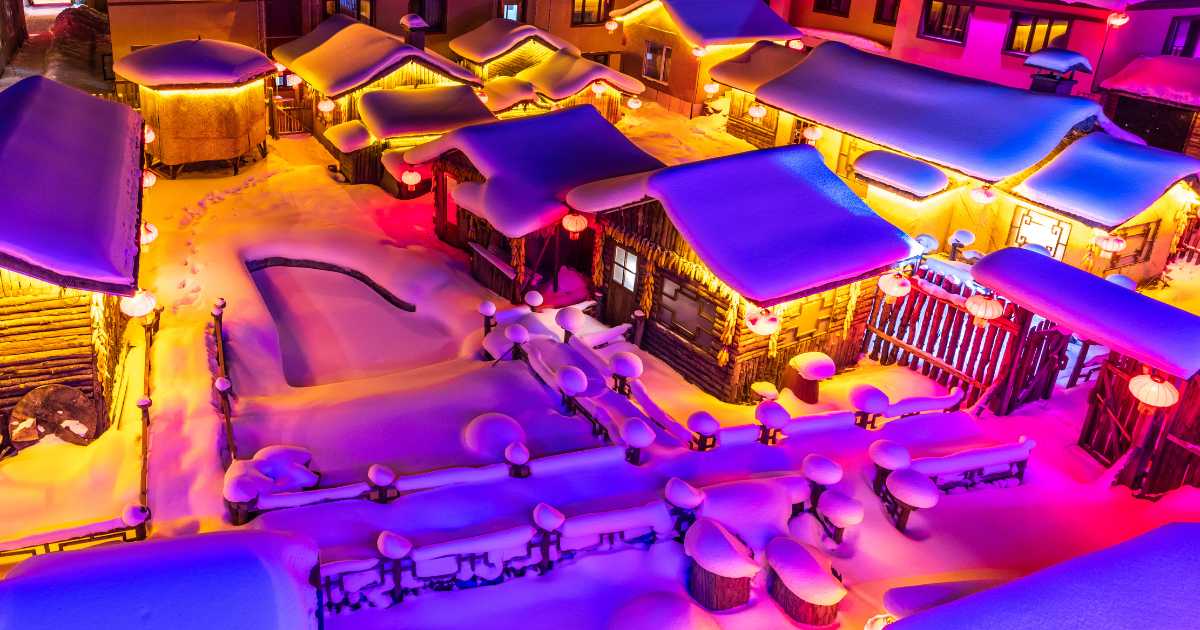
China Snow Town, also known as Xuexiang, is one of the most distinctive winter destinations in Heilongjiang. This village is famous for its heavy snowfall.
During the cold season, snow settles heavily on the roofs of the traditional wooden houses, creating unique shapes and a dreamlike atmosphere, while in the evening, lanterns light up the streets.
- Time from Harbin: about 5-6 hours of travel, depending on the mode of transport used and road conditions in winter.
- How to get there: tourist bus, private transfer, or organised tour. You can also reach Xuexiang via Yabuli.
- Don't miss: Xueyun Street, the traditional snow-covered houses, and the viewpoints overlooking the village.
📌 Top tip: Keep in mind that the journey takes several hours. So, plan to spend at least one night in Xuexiang to give yourself time to explore the village after sunset, without having to face a long journey back on the same day.
🌲 Mao’ershan: nature and trails near Harbin
If you want to dedicate a day to nature, Mao'ershan offers an alternative to the snow and ice-related attractions. The mountain area is characterised by forests, hiking trails and viewpoints, with particularly interesting landscapes in autumn, when the foliage changes colour.
The area can be reached by train from Harbin and allows you to include a nature excursion in your trip without having to travel to the more distant destinations in Heilongjiang.
- Time from Harbin: the journey generally takes a couple of hours, considering the rail connection and the transfer to the hiking area.
- How to get there: train from Harbin to Mao'ershan, followed by a local transfer to the tourist area.
- Don't miss: the forest trails, the viewpoints, and the glass observation decks.
📌 Good to know: in winter, snow and ice can make some trails more challenging. Suitable hiking boots are recommended.
[5% Off] China Train Ticket Discount for New Users
24/7 Ticketing · 3-Minute Booking · E-Tickets
❓ FAQ – Things to Do in Harbin
-
What is the best time to visit Harbin?
-
How cold is Harbin in winter?
-
What should I wear for things to do in Harbin in winter?
-
How long do you need to visit Harbin?
-
How do you get around Harbin?
🧩 Explore More Travel Guides
How to get to Harbin: 2026 Guide
How to get to China Harbin Ice and Snow Sculpture Festival? Find flights from the UK and trains from Beijing & Shanghai. Start planning your trip.
October 26, 2026
Where to Stay in Harbin for Ice Festival: Best Areas, Hotels & Attractions
Looking for the best places to stay in Harbin for ice festival? Discover the best areas, hotels, activities and top attractions for an unforgettable trip.
October 26, 2026
Best China eSIM (with VPN) from £0.44
Find the best China eSIM plans, compare providers, learn how eSIM works, where to buy, setup steps, traveller reviews, FAQs, and tips for using eSIM in China.
October 26, 2026
How to Get from Harbin Airport to city center
Travel from Harbin Airport to the city centre by bus, taxi, private transfer, or car rental. Compare costs, journey times, and choose the best option.
October 26, 2026
Harbin Ice Festival: Tickets & Guide
Plan your Harbin Ice Festival trip with our guide. Find ticket prices, opening hours, top things to do, what to wear, where to stay, and insider travel tips.
October 26, 2026
Top Things to Do in Shanghai: Best Activities & Must-Sees
Discover the best things to do in Shanghai: top activities, vibrant neighbourhoods, local culture, and must-see attractions to make the most of your stay.
October 26, 2026
Top Things to Do in Nanjing: Best Activities & Must-Sees
Discover the best things to do in Nanjing: top activities, vibrant neighbourhoods, local culture, and must-see attractions to make the most of your stay.
October 26, 2026
Top Things to Do in Suzhou: Best Activities & Must-Sees
Discover the best things to do in Suzhou: top activities, vibrant neighbourhoods, local culture, and must-see attractions to make the most of your stay.
October 26, 2026
Top Things to Do in Hangzhou: Best Activities & Must-Sees
Discover the best things to do in Hangzhou: top activities, vibrant neighbourhoods, local culture, and must-see attractions to make the most of your stay.
October 26, 2026
Top Things to Do in Guangzhou: Best Activities & Must-Sees
Discover the best things to do in Guangzhou: top activities, vibrant neighbourhoods, local culture, and must-see attractions to make the most of your stay.
October 26, 2026
Top Things to Do in Shenzhen: Best Activities & Must-Sees
Discover the best things to do in Shenzhen: top activities, vibrant neighbourhoods, local culture, and must-see attractions to make the most of your stay.
October 26, 2026
Top Things to do in Guilin: Best Activities & Must-Sees
Discover the best things to do in Guilin: top activities, vibrant neighbourhoods, local culture, and must-see attractions to make the most of your stay.
October 26, 2026
Top Things to do in Sanya: Best Activities & Must-Sees
Discover the best things to do in Sanya: top activities, must-see sights, and local neighbourhoods. Plan your perfect trip and make the most of your visit.
October 26, 2026
Top Things to Do in Yunnan: Best Activities & Must-Sees
Discover the best things to do in Yunnan: top activities, vibrant neighbourhoods, local culture, and must-see attractions to make the most of your stay.
October 26, 2026
Top Things to Do in Chengdu: Best Activities & Must-Sees
Discover the best things to do in Chengdu: top activities, vibrant neighbourhoods, local culture, and must-see attractions to make the most of your stay.
October 26, 2026
Top Things to do in Chongqing: Best Activities & Must-Sees
Discover the best things to do in Chongqing: top activities, vibrant neighbourhoods, local culture, and must-see attractions to make the most of your stay.
October 26, 2026
Top Things to do in Beijing: Best Activities & Must-Sees
Discover the best things to do in Beijing: top activities, vibrant neighbourhoods, local culture, and must-see attractions to make the most of your stay.
October 26, 2026
Top Things to Do in Xi'an: Best Activities & Must-Sees
Discover the best things to do in Xi’an: top activities, vibrant neighbourhoods, local culture, and must-see attractions to make the most of your stay.
October 26, 2026
Disclaimer: This article has been provided by an individual contributor or third party platform. If there is any discrepancy regarding the copyright, please contact us directly and we will delete the content immediately.
Popular Searches
-
Travel guides