

Top Things to Do in Yokohama: Best Activities & Must-Sees

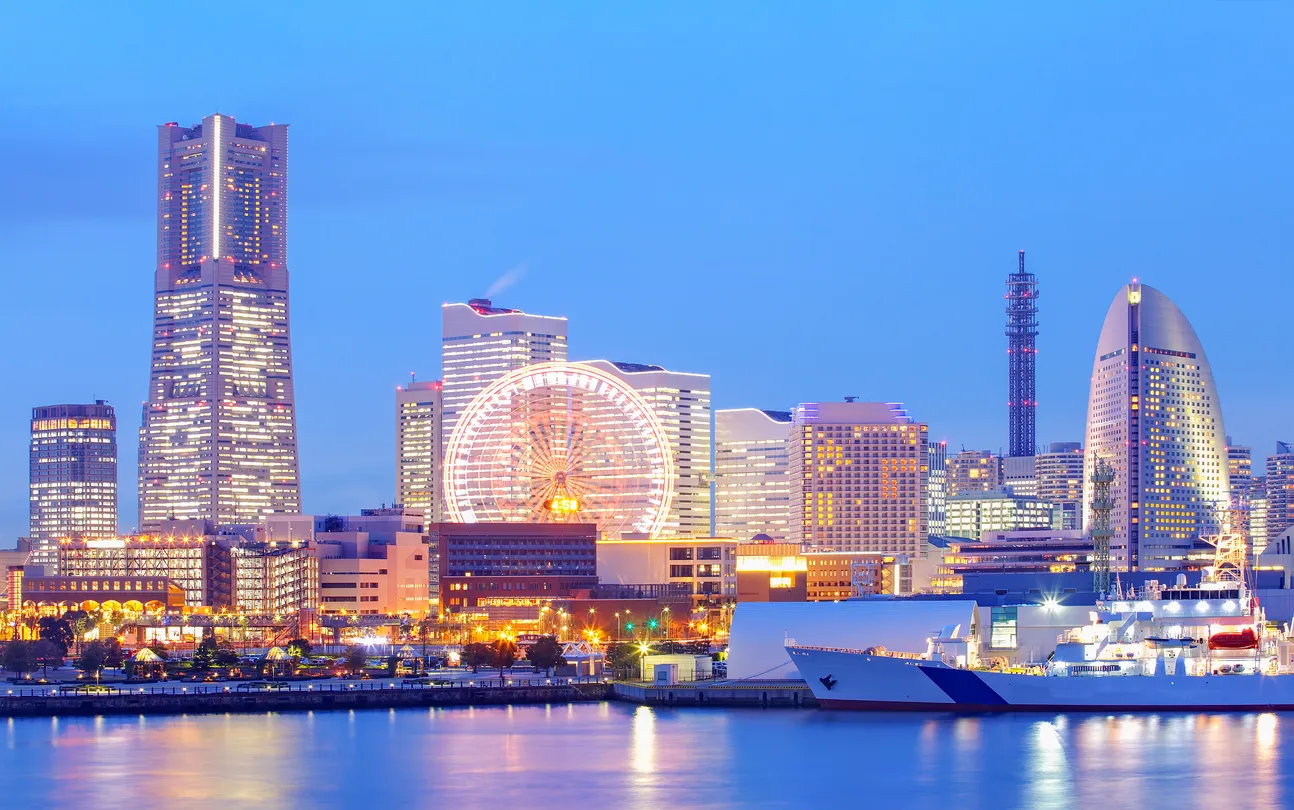
Yokohama is a bit like Tokyo’s big neighbour that we tend to overlook—or don’t even know—and that’s a real shame. Just thirty minutes by train from the Japanese capital, this port city has a charm all its own: a seafront that sparkles at night, red-brick warehouses reinvented as trendy venues, a vast and colourful Chinatown, sleek modern towers facing the bay, and a vibe that’s noticeably more laid-back than Tokyo’s.
So, what exactly should you see in Yokohama? How should you organise your time if you want to visit Yokohama in a day, or, on the other hand, stay for 3 days?
🎡 Popular Yokohama activities at great prices
- 🐬 Yokohama Hakkeijima Sea Paradise 🎢 – From £27.04 – A large seaside complex combining an aquarium, rides and family-friendly attractions
- 🌇 Minatomirai ✨ – Free – A modern bayfront district with an iconic skyline and giant shopping centres
- 🍜 Shin‑Yokohama Ramen Museum 🍥 – Prices vary by season – Theme park-style museum with a recreated 1950s street and regional stalls
- 🚡 YOKOHAMA AIR CABIN 🌉 – Prices vary – Urban cable car linking Sakuragichō Station to the waterfront, offering bird’s‑eye views over Minato Mirai
- 🏙️ Yokohama Landmark Tower 🔭 – Free to enter the building, paid observatory (Sky Garden) with panoramic views of the bay and Mount Fuji on clear days
📅 What to Do in Yokohama Based on Your Stay
Yokohama is the second-largest city after Tokyo. Even so, the city suits a one-day visit just as much as a three-day stay. It all depends on what you want to see, your schedule, and your pace.
Duration | Couple | Family | Friends | Solo |
1 day | Minato Mirai + stroll in Yamashita Park + Osanbashi Pier + dinner in Chinatown | Minato Mirai + Cosmo World Ferris wheel + stroll + street food in Chinatown | Minato Mirai + YOKOHAMA AIR CABIN + Red Brick Warehouse + evening in Chinatown | Full waterfront stroll (Yamashita, Osanbashi, Minato Mirai) + night photos from the Landmark Tower |
2 days | Day 1: Bay (Minato Mirai, Chinatown, Osanbashi) Day 2: Hakkeijima Sea Paradise or a bay cruise | Day 1: Cosmo World + YOKOHAMA AIR CABIN + Chinatown Day 2: Hakkeijima Sea Paradise (aquarium + rides) | Day 1: waterfront tour + Red Brick Warehouse + rooftop bars Day 2: Ramen Museum + stroll through less touristy neighbourhoods | Day 1: Bay circuit (Yamashita, Osanbashi, Minato Mirai) Day 2: Sankeien Garden or a day trip to Kamakura |
3 days | Days 1–2: 2-day itinerary + free time for shopping and stylish cafés Day 3: Kamakura or Enoshima | Days 1–2: family-friendly attractions (Sea Paradise, Cosmo World, Ramen Museum) Day 3: Zoo or interactive museum depending on age | Days 1–2: bay exploration, museums, nightlife Day 3: a leisurely stroll through parks and gardens | Days 1–2: Exploring Yokohama Day 3: photography/writing day by the water or Tokyo getaway |
👉 How many days do you need to visit Yokohama?
- In 1 day, you’ll see the waterfront essentials, Minato Mirai and Chinatown.
- In two days: add a visit to an amusement park such as Hakkeijima Sea Paradise, or to the city's museums (listed below).
- In 3 days: you can either delve deeper into Yokohama or take a side trip to Kamakura or Enoshima.
🎁 Get 5% off & save up to £2 on your first Yokohama Attractions & Tours booking! 👇
Yokohama's Top Attractions and Tours
See all attractions
 309 booked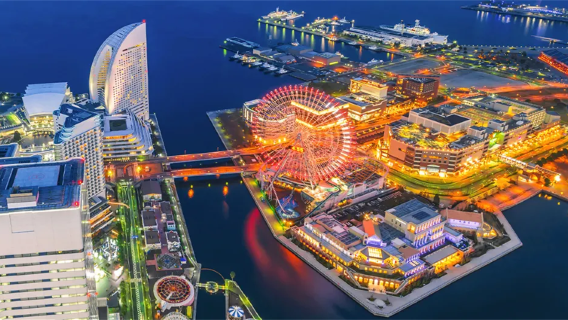
🔥 Must-Visit Districts in Yokohama
Minato Mirai 21: the modern, radiant heart
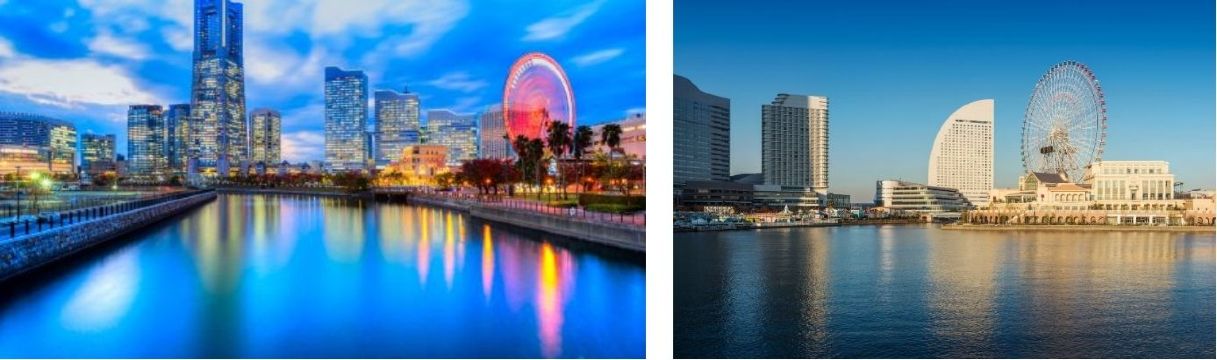
It’s hard to talk about Yokohama without mentioning Minato Mirai 21, one of the city’s largest districts. Set along the bay, it’s where most of the action is: shopping centres, offices, hotels, museums, and the famous Cosmo World amusement park with its giant Ferris wheel.
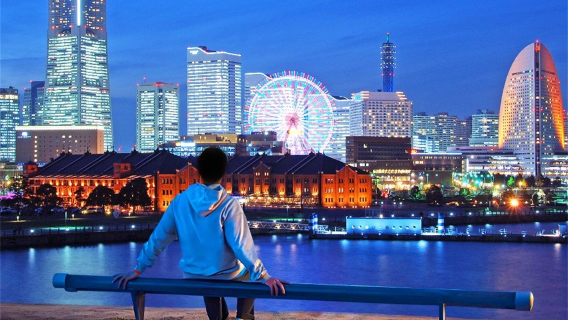
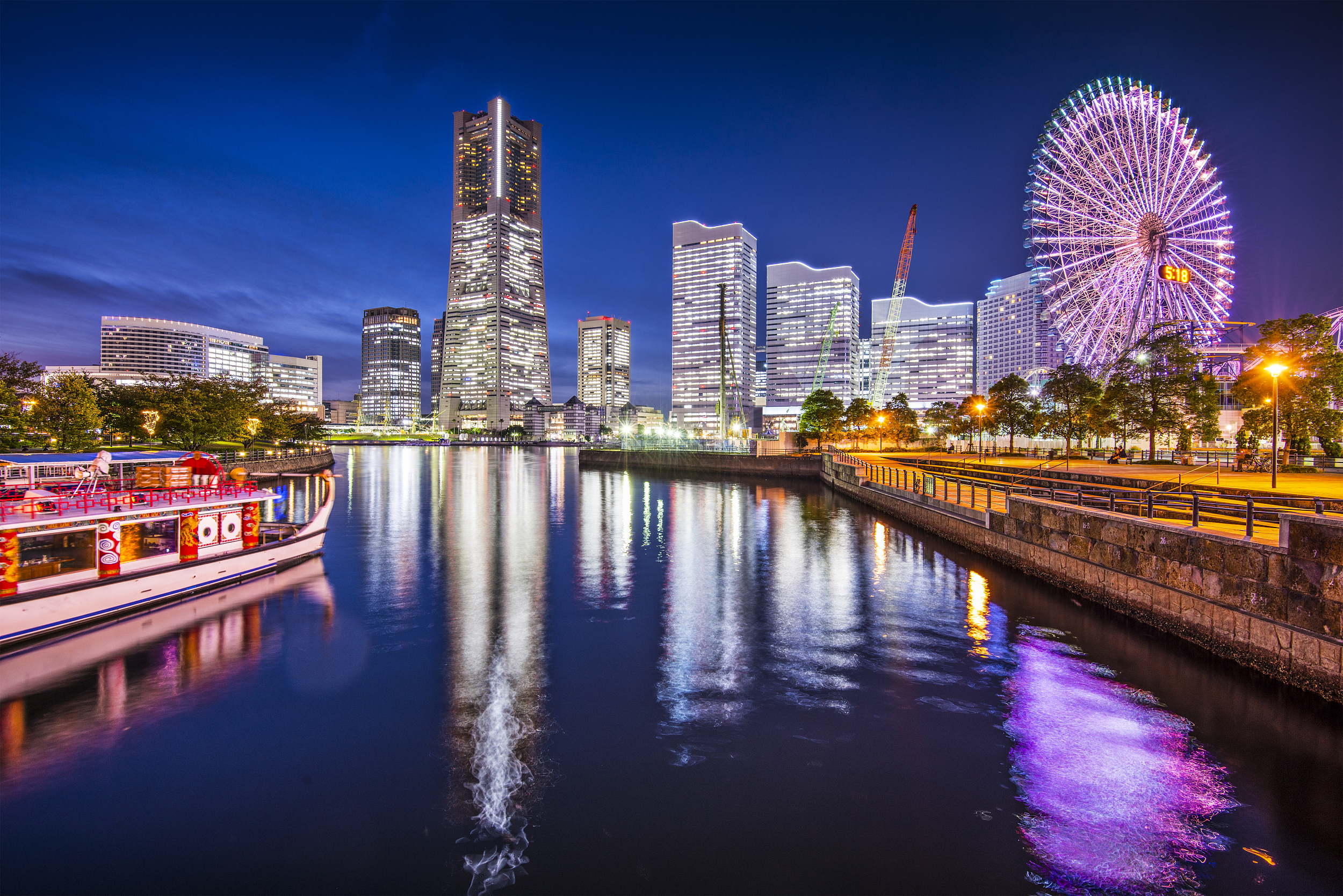
In the evening, all the towers light up, and the whole scene is mirrored in the bay, creating a skyline almost as spectacular as Hong Kong’s or Singapore’s!
It’s also home to the famous Yokohama Landmark Tower (which was Japan’s tallest for many years), the old brick warehouses converted into shops and restaurants (Red Brick Warehouse), and several museums as well.
📌 Top tip: if you only have half a day, this neighbourhood is perfect for packing in the sights, photos and dinner.
Chinatown: Yokohama Chinatown
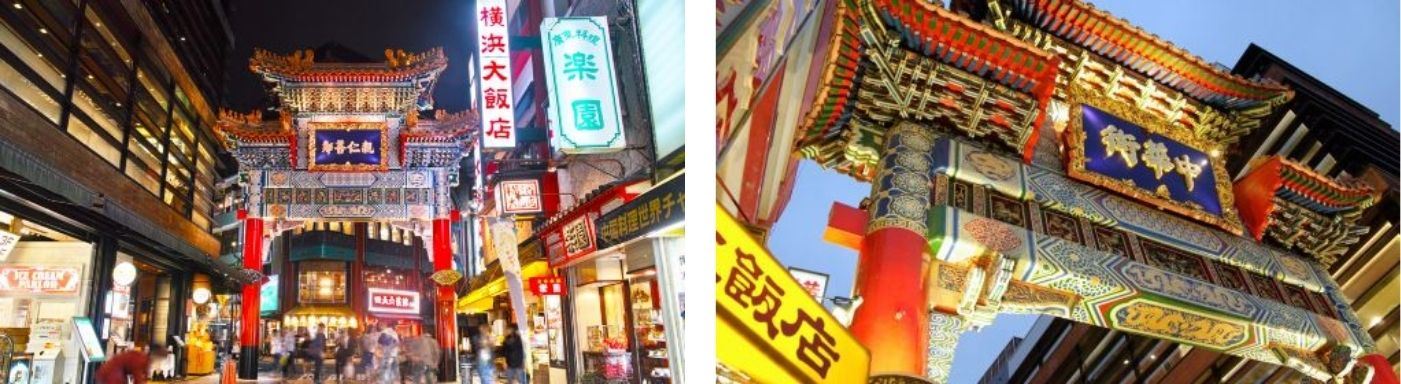
Second essential neighbourhood to visit: Yokohama’s Chinatown (yes, really!). Yes, you’re in Japan, but even so, this is the largest Chinatown in Japan—and quite possibly one of the biggest in the world.
- Red lanterns suspended from overhead wires,
- Buddhist and Taoist temples adorned with golden dragons,
- Street food stalls filling the air with sweet or spicy steam,
- Authentic Chinese restaurants.
It really feels like China! For anyone who loves Chinese food, you’ll find delicious xiaolongbao (little steamed soup dumplings), pillowy buns stuffed with pork or vegetables, Peking duck, pastries filled with red bean paste, grilled skewers… In short, a real paradise for foodies.
📌 Tips: Allow at least a good hour for a wander, longer if you’d like to linger in a traditional restaurant.
Yamashita Park and the seafront promenade
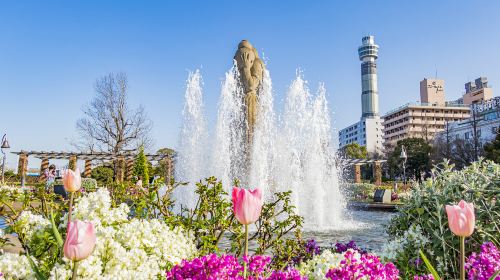
Between Minato Mirai and the Chinatown district, treat yourself to a long, well-kept promenade that hugs the bay. It’s a lovely place to walk, cycle, or simply sit on a bench and watch the boats go by (when the weather’s fine).
In the same vein, Yamashita Park is the best-known park on this promenade: manicured lawns, beds of roses or tulips depending on the season, and a clear view of the Cosmo World Ferris wheel in the distance. A soothing little interlude!
A little further along, Osanbashi Pier offers a panoramic view of the entire Yokohama skyline.
💡Trip.com’s recommendation: this is the perfect spot for photos, especially at sunset or in the evening when the whole city lights up. If you love waterside strolls, don’t miss it!
Shin‑Yokohama: the neighbourhood of quirky museums
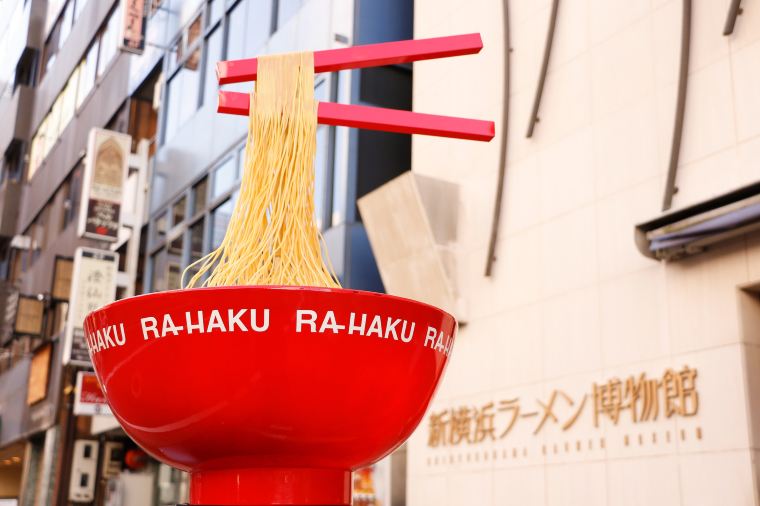
Shin‑Yokohama, set a little back from the seafront, is best known for two things: the Shinkansen (high‑speed train) station and the Shin‑Yokohama Rāmen Museum.
This museum-theme park recreates a typical 1950s Japanese street, where several stalls serve bowls of ramen from different regions across the country. You can also discover the history of this now-iconic noodle soup.
💡Trip.com fun fact: this neighbourhood is also home to Yokohama International Stadium (famous for hosting football matches during the 2002 World Cup and the 2021 Olympic Games).
Hotels: Save up to 10% (Book online or on Mobile)
Homes & Apts: Save up to £39 (App-only deal)
Our Top Picks
5 star
Great1183 Reviews
Yokohama City Centre Yokohama|1.55km from city centre
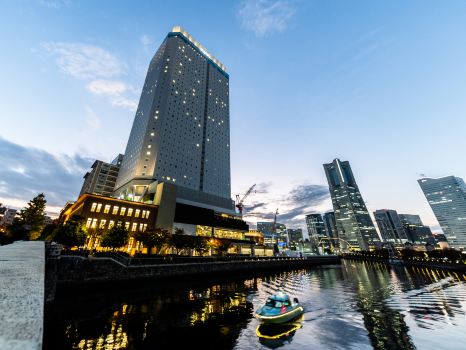
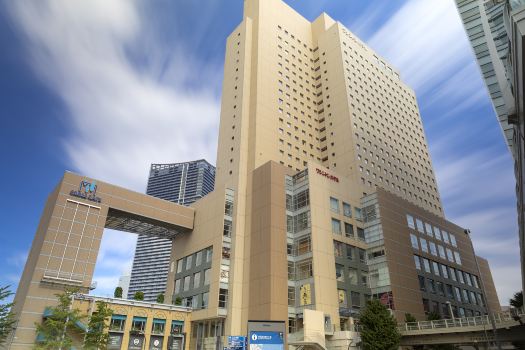
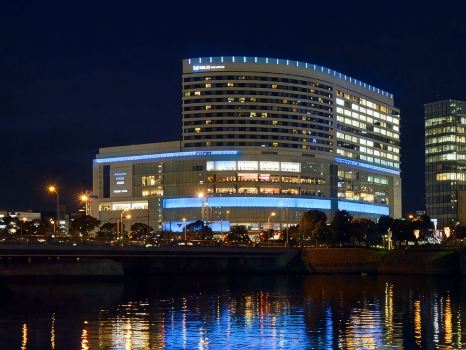
For my Yokohama trip, I chose the InterContinental Yokohama Grand, and the overall experience was absolutely stunning – easily the most satisfying hotel of my Kanto trip. It offered a high-end stay with a perfect blend of city views, quality service, and an unbeatable location, making it ideal for an in-depth exploration of Yokohama, enjoying the nightscapes, and a relaxing getaway.
The hotel's location is truly unparalleled. It's right next to Yokohama Port, the iconic Ferris wheel, the Red Brick Warehouse, and shopping districts. Step outside, and you're on a seaside promenade, perfect for walks, photos, and enjoying the night view. World Porters shopping mall and various restaurants and cafes are within walking distance, and there's a convenience store downstairs, so you'll never have to worry about food or shopping. Transportation is also very convenient; it's close to the station and has a direct airport bus, making travel and departures completely hassle-free.
The biggest bonus was definitely the unbeatable floor-to-ceiling harbor view. While Japanese hotels are generally on the smaller side, the InterContinental's rooms are spacious and airy, with an elegant and tidy layout. During the day, natural light is abundant, offering expansive views of the clear harbor sky. At sunset, the gentle glow is incredibly therapeutic. As night falls, Yokohama Port lights up brilliantly, and the Ferris wheel's spectacular lights create a magical ambiance. You can enjoy a front-row view of the nightscape right from your bed, and the atmosphere is simply immersive.
The overall hardware reflects the quality of an established five-star hotel. The decor is elegant and luxurious, and maintenance is impeccable, showing no signs of age. The bedding in the room was soft and comfortable, and the soundproofing was excellent, ensuring a very quiet night's sleep. The bathroom had a separate wet and dry area, and the toiletries were high-quality and thoughtfully detailed, making for a very comfortable stay.
Service was consistently excellent throughout. The front desk efficiently handled check-in with professionalism, and the staff were polite, gentle, and responsive. Luggage storage and room service were meticulous, making the entire experience feel secure and dignified. The hotel's public areas are clean and grand, perfect for strolling, taking photos, or simply relaxing.
The only minor drawback is that since the hotel has been open for a while, some of the facilities have a more traditional style, not the trendy minimalist look. However, the overall maintenance is superb, and it doesn't detract from the living experience.
Overall, the InterContinental Yokohama Grand is a benchmark hotel that's a must-stay when visiting Yokohama. With its unbeatable views, killer location, and reliably high-quality service, it's highly recommended for couples, families, or independent travelers. I'll definitely choose this place again on my next trip to Yokohama.FromJPY 20,424
Great933 Reviews
Yokohama City Centre Yokohama|1.48km from city centre
The hotel's location is absolutely fantastic, situated right in Yokohama's bustling Queen's Square. The check-in desk is on the second floor, and downstairs there's direct access to Minatomirai Station. I booked a high-floor bay view room on the 21st floor, and the views are incredible, overlooking Minatomirai Bay. There's an amusement park right below, and the night view is stunning. The room itself is spacious enough, with comfortable bedding and ample space. The toiletries are a local brand, and the bathroom features a separate wet and dry area. The hotel is about a 10-15 minute walk from the Red Brick Warehouse and close to several other attractions. They also offer a shuttle bus service to Haneda Airport, running approximately every 40 minutes, and if you miss it, public transport is also very convenient.FromJPY 19,487
Amazing891 Reviews
Yokohama City Centre Yokohama|0.7km from city centre
Facilities: Comprehensive
Cleanliness: Spotless
Environment: Beautiful, close to the sea
Service: Attentive
This hotel offers great value for money. The surrounding area is full of beautiful scenery, and the rooms are quite spacious. It's excellent, and the cocktails on the first floor are delicious too.FromJPY 22,438
Amazing213 Reviews
Yokohama City Centre Yokohama|1.05km from city centre
Overall, my stay was very satisfying. This is a seasoned five-star hotel with a rich heritage. I booked a sea-view room, which was spacious and airy. The room decor had a unique, vintage, and nostalgic ambiance. Unfortunately, I encountered typhoon weather on the day of my check-in, so I couldn't enjoy the clear, expansive sea view, which was a bit of a shame. I imagine the view from the window would be exceptionally stunning on a clear day. The hotel's service and facilities are definitely up to five-star standards, making for a comfortable stay. I'll definitely return on a sunny day to experience the sea views!FromJPY 21,173
Amazing152 Reviews
Yokohama City Centre Yokohama|3.03km from city centre
The service is warm and friendly, the breakfast offers a wide variety of delicious options, and the rooms are spacious. It's located right across from Yokohama Station, accessible via the West Exit's underground passage, which is incredibly convenient. The Minatomirai Line for a city walk is also accessible from here. Highly recommended!FromJPY 30,261
Amazing93 Reviews
Yokohama City Centre Yokohama|2.1km from city centre
The staff's hospitality was excellent.
Since it was our anniversary, they took photos for us, and we were even upgraded, so we had a relaxing time in a lovely room. ♪
The view from the room, the turndown service, the TWG tea, and the bath amenities were all great.
However, when I woke up in the morning, I was itchy and had signs of a tick bite, so the cleanliness was a minus point.
The TV was full of Japanese programs, so I wish they would introduce something like Netflix or Amazon Prime so I could relax and enjoy movies during my hotel stay.
I was able to listen to music via Bluetooth, but it seemed a bit behind the times.
The breakfast, which I was looking forward to, had a limited variety and was average in taste.
I had high expectations because I knew the regular price in advance, but it was quite disappointing.
The restaurant staff's service was cheerful and gave me a Hawaiian feel.
I also had the Kahala Hotel's popular Shin Pancakes, which were delicious.
The Eggs Benedict, a signature Hawaiian dish, was *perhaps overcooked*, but the yellow color solidified and wasn't thick enough, and the sauce wasn't very tasty.
Overall, I felt that it was a 5-star hotel except for the customer service, with everything else at a 4-star level.
Thank you for the wonderful experience.FromJPY 34,922
Business travel
Very Good1746 Reviews
Yokohama City Centre Yokohama|0.91km from city centre
The hotel feels a bit dated, but it's clean.
The location is very convenient, with restaurants and convenience stores downstairs. It's also very close to the station and PIA ARENA, both within a 10-minute walk.
From the night view room, you can see the Ferris wheel, but the room is a bit small for a double, making it more suitable for a solo traveler.
Check-out is quite early at this hotel, by 10 AM.FromJPY 8,432
Amazing461 Reviews
Yokohama City Centre Yokohama|0.36km from city centre
I first stayed for two nights, then went to Izu for two days, and came back for another three nights – I was very satisfied. The first time I checked out, the gentleman who assisted me was very kind and helped me reserve a corner room, which was great because it has large windows on two sides! The second time, a lovely lady helped me check in; she was also very gentle and spoke excellent English. The hotel is very close to Yokohama Park, Yokohama Stadium (where I even got to experience the excitement of a baseball game!), Kannai Station, and Chinatown. It's very clean, and having a Lawson convenience store downstairs made it easy to grab supplies. Extremely satisfied!FromJPY 7,378
Very Good382 Reviews
Yokohama|1.48km from city centre
The location was convenient. There are two train stations a quick walk away, as well as several buses that easily take you towards the red brick warehouses and cosmoworld area. Housekeeping wasn’t provided daily, but you could pick up fresh towels, cleansers and toothbrushes downstairs for free. Staff were very polite and helpful with any concerns. The room did feel a bit cramped, the little walkway towards the bed being just wide enough to keep my suitcase. If you have a lot of luggage, keeping it in your room could feel difficult. Luggage storage was available at reception.FromJPY 6,535
Very Good813 Reviews
Shin-yokohama Yokohama|7.52km from city centre
Most hotels in Japan, though small, are incredibly well-equipped. They maximize every inch of space and are spotlessly clean to an astonishing degree—you won't find a single stain, water mark, lint, or speck of dust. Coupled with the wooden furniture, this creates a warm and inviting atmosphere that truly helps you relax.FromJPY 8,783
Very Good152 Reviews
Yokohama City Centre Yokohama|0.8km from city centre
The hotel's location is unbeatable, right next to Chinatown, making it incredibly convenient for dining. The beds in the rooms are quite large, unlike typical twin beds. Although the hotel is a bit old, the cleanliness is decent. However, on our last night, around 4 AM, a drunk Japanese guest tried to open our room door. While they didn't succeed, it genuinely scared us. We immediately reported it to housekeeping, asking them to check the surveillance cameras. Housekeeping initially said the cameras couldn't see that area. Since it was still early morning, we decided to address it again at check-out the next day. When we checked out, we raised the issue once more. The front desk assistant manager, a woman named Junko, handled our complaint very seriously. Her English was excellent. I insisted that the cameras be checked immediately. When we returned from dinner, she confirmed it was a drunk Japanese guest. Regardless of whether that's true or not, I appreciated her positive attitude. Everyone knows Japanese people enjoy drinking, and I just wanted to bring this to the hotel's attention, hoping they'll take incidents involving intoxicated guests trying to open random doors seriously to prevent them from happening again!FromJPY 11,289
Great1992 Reviews
Yokohama City Centre Yokohama|2.14km from city centre
First off, let's talk about cleanliness. It was quite dusty, with dust on various surfaces, lamp shades, and even some unknown white liquid on the sofa. Overall, it looked clean at first glance, but wasn't very hygienic. Seeing large patches of dust on the lamp shade with the lights on at night was quite annoying.
Secondly, the location is excellent. It's about a 10-minute walk to Yokohama Station, and there's a subway station nearby. Mark Is is also just a 10-minute walk away.
As for service, I didn't experience much as it was mostly self-service. For check-out, you just drop the room key into a box on the 1st or 9th floor. I'd planned to have breakfast, but I never managed to wake up in time. What's worth mentioning is that the key drop-off box clearly states you can return the key between 7 AM and 11 AM, but the lady who checked me in insisted I check out by 10 AM, which was quite unreasonable.
Finally, the facilities were a letdown. Seriously, for such a large hotel, couldn't they provide better shampoo and a hairdryer? The hairdryer was incredibly bad, and so was the shampoo. I stayed at a hotel in Nagoya that was not as highly rated as this one, but it had Refa hairdryers that left my hair smooth after washing and drying. The hairdryer here felt like it was on par with Toyoko Inn's.
The view, however, was quite beautiful.FromJPY 12,226
Family friendly
Very Good117 Reviews
Yokohama City Centre Yokohama|1.36km from city centre
The location was good in Yokohama, but I found out when I got there that the amusement park in front was closed. I didn't have enough information in advance. It was good value for money considering the cost of hot springs + lodging + breakfast. Dinner was also delicious and ate to my heart's content for about 100,000 won for 4 people. The hot spring facilities seemed a bit old, but they seemed well-maintained. The staff were friendly, and there was a shuttle bus to Yokohama, so it would be good to check in advance.FromJPY 15,458
Very Good70 Reviews
Yokohama|9.96km from city centre
The hotel is great. The view is amazing. I changed 3 hotels and only this one offers free cleaning. Other places may charge a fee or clean once every 5 days. I want to bring my daughter here to play at the end of the year and I want to stay in this hotel. Affordable and greatFromJPY 4,731
Great617 Reviews
Yokohama City Centre Yokohama|0.43km from city centre
First off, the hotel's location is superb. It's a five-minute walk from JR Kannai Station, thirty seconds from a subway station, and about eight minutes from Bashamichi Station, making it incredibly convenient whether you're exploring Yokohama or heading into Tokyo. For shopping, there are two or three convenience stores nearby, and a shopping street just across the road, so buying anything is a breeze. Car rental is also very convenient, with a Toyota Rent a Car service point within a five-minute walk, and plenty of affordable parking lots around.
As for cleanliness and facilities, it's pretty standard for a business hotel. They still clean every three days, and you have to leave your trash bin outside your door before you go out, which is a minor inconvenience.
The most inconvenient aspect of the service is that you have to go to the front desk to get towels and bath towels yourself, which leads to a significant difference in service quality. One older gentleman provided excellent service; he always asked how many I needed and packed the towels nicely in a bag. However, the younger staff I encountered lacked this awareness. They seemed a bit impatient with foreign guests and didn't bag the towels, making me carry them by hand. This is definitely an area that needs significant improvement.FromJPY 7,565
Great398 Reviews
Yokohama City Centre Yokohama|0.67km from city centre
The hotel is right by Exit 3 of Bashamichi Station, but there's no elevator. When you're arriving or leaving with luggage, you can use Exit 5, which is just around the corner to the right of the hotel and also very close. You can pick up toiletries at the front desk, but the toothbrush bristles were quite hard and the head was small, making it a bit uncomfortable to use. It's within walking distance to the Red Brick Warehouse. If you head towards Kannai Station, there are plenty of dining options.FromJPY 7,917
Very Good1149 Reviews
Kannai Yokohama|0.53km from city centre
The room was incredibly spacious with a two-seater sofa and all the necessary amenities. The hotel is conveniently located right above a subway station, making it easy to get to major hubs like Yokohama Station. Plus, it's surrounded by a large commercial district, offering a wide array of shopping and dining options.FromJPY 7,144
Very Good200 Reviews
Yokohama City Centre Yokohama|0.55km from city centre
Overall, it was pretty good. The location is convenient, and the facilities are decent. It's right near Yokohama Chinatown, a bit small, but perfect for one person. It was very clean, and there's a bathtub where you can sit and soak, though you can't really lie down in it. The price was quite reasonable, and the hotel has full amenities, including a microwave and a humidifier. The kettle didn't work, but I guess nobody drinks tap water anyway, right?FromJPY 8,853
Breakfast
Very Good737 Reviews
Sakuragicho Yokohama|0.86km from city centre
The hotel is a convenient 5-minute walk from Sakuragicho, making it easy to get around Yokohama on foot. Although the facilities are a bit dated, they are clean and complete. The room isn't small, the bedding is comfortable, and I appreciated being able to check in at 2 PM and check out at 12 PM the next day. I'd definitely choose this hotel again next time.FromJPY 8,853
Very Good275 Reviews
Kannai Yokohama|0.17km from city centre
This hotel is super close to Kannai Station, which makes getting around a breeze. The rooms are pretty standard, and like most hotels in Japan, they're on the smaller side – exactly what I expected. If you're on the larger side, you might find it a bit cramped, especially the bathroom. You really have to turn sideways to get in and out!FromJPY 5,996
Amazing973 Reviews
Yokohama City Centre Yokohama|0.9km from city centre
This was my second stay here after 5 years, and the room facilities are still very well-maintained. I really love the bathroom with the separate toilet, sink, and shower/bath, and the large bathtub was perfect for a relaxing soak every day. At the front desk, you can help yourself to various Sekkisei lotions, emulsions, and daily toiletries, as well as bath salts. The hotel is conveniently located just 2 meters from the New South Exit, and there's a Seijo Ishii supermarket on the first floor. Crossing through the South Exit brings you right to Minato Mirai, which is super convenient if you enjoy exploring that area. ☺️FromJPY 12,671
Great479 Reviews
Yokohama|2.97km from city centre
The hotel is conveniently located with easy access to the subway and bus lines. It's just a 10-minute walk from the West Exit of Yokohama Station if you keep to your left. I was personally very impressed by three things: the hotel windows, the fact that they provide full duvet covers instead of just a sheet, and its close proximity to a supermarket. The supermarket even has a microwave and a spacious area to eat and relax. Thanks for the stay! I'll be sure to take more pictures with my family next time.FromJPY 16,911
Great474 Reviews
Yokohama City Centre Yokohama|1.14km from city centre
Within walking distance of Piamm, you can use a skybridge all the way without encountering any traffic lights. The hotel is located right above a shopping mall, and there's a 24-hour 7-Eleven just outside on the second floor. You can enjoy great views of the bay and the Ferris wheel from the hallway window.FromJPY 12,765
Great660 Reviews
Yokohama|3.04km from city centre
I had a 17-hour layover in Yokohama on my way to Washington, so I decided to spend a night here. The location is excellent! From Yokohama Station's NEWoMan building, you just follow the signs on the second-floor concourse, and it leads straight to the hotel – about a 6-7 minute walk after exiting the station. If you don't want to walk through the mall, after exiting Yokohama Station, look for the North Exit first, then the Northwest Exit; this also connects directly to the concourse, so you're sheltered from any weather. I chose a room with breakfast, which was pretty standard but perfectly fine for filling up. They had a great selection of amenities, very comprehensive. And with my Trip.com points, the price was an absolute steal!FromJPY 10,751
Gym
Very Good37 Reviews
Shin-yokohama Yokohama|7.38km from city centre
I stayed here for a concert at Yokohama Arena, and wanted to leave my luggage there, so I arrived an hour before check-in, but they kindly allowed me to check in early.
It was very convenient as it was close to the station.FromJPY 12,203
Amazing1599 Reviews
Yokohama City Centre Yokohama|1.64km from city centre
The hotel's location is truly unbeatable. There's an art gallery and a shopping mall right downstairs, and all major landmarks are within walking distance. Dining options are plentiful; you can open a map app to check ratings and make reservations. We booked a room with laundry facilities, but the room itself was incredibly small. Once luggage was in, there was barely any space to move around, which would be quite inconvenient if you're traveling with children. I'd definitely recommend booking a larger room, especially since there's also a shared laundry room on each floor. One thing I'd like to complain about is that this hotel seems to be a popular spot for influencers, as it's always crowded, even outside of holidays. There's an outdoor hot tub that's quite popular online, requiring a reservation to enter. However, this pool is on the same floor as the check-in area, and the terrace is connected with no barriers. This means that while you're posing in your swimwear, the long line of people checking in have a full view of you, almost like they're observing you through a glass. Plus, non-guests can also access that terrace to take photos. For introverted people, this can be quite awkward. So, if you're coming here primarily for photos, you might not even need to stay at the hotel; booking a table at their restaurant or having a drink at their lobby bar would suffice.FromJPY 24,499
Great75 Reviews
Yokohama City Centre Yokohama|2.2km from city centre
Stayed here for a live show at K Arena. The room and hotel were both very clean.
I felt safe during the earthquake as the disaster prevention center provided detailed explanations.
I wish the amenities were a bit better. Despite having a separate bath and toilet, there were no bath amenities. It would have been even better if there were bath salts or body wash available.FromJPY 19,440
Great305 Reviews
Yokohama City Centre Yokohama|0.74km from city centre
## Environment:
The location is excellent, just a five-minute walk from Sakuragicho Station, right on the street. It's quite convenient for visiting various attractions in Yokohama.
## Service:
Check-in was smooth, and the front desk staff could communicate in English.
## Hygiene:
Personally, I felt the room carpet looked a bit dirty. It wasn't just the color scheme; there were some noticeable stains on it.
## Facilities:
The hotel exterior still looks quite new. On the second floor, there's a laundry room, complimentary soft drinks, and a public lounge area.FromJPY 7,589
Very Good707 Reviews
Yokohama City Centre Yokohama|0.6km from city centre
The hotel is conveniently located, just a 10-minute walk to the Nihon-ōdōri subway station. You can also easily walk to Yokohama Chinatown, the Red Brick Warehouse, and the Ferris wheel. The room was clean and tidy, but they don't provide complimentary bottled water.FromJPY 7,448
Great340 Reviews
Yokohama City Centre Yokohama|0.47km from city centre
Room is enough space for luggage, but bed is just nice for 2 peoples only. I am very satisfied the service they provided. Location is very near to the town and easy to everywhere, convenient shop and restaurants between everywhere make you no need to travel to far places. Amenities is fully provided, this is perfect. Really recommend to everyone as overall the price for the hotel is cheap and reasonable. The breakfast is a set, I like the curry rice so much, it is the best choice from the 4 types of choice.FromJPY 6,019
🎫 Top 4 Activities and Landmarks in Yokohama
Now that you’ve got an idea of the neighbourhoods to explore, let’s talk about the experiences that truly make a stay in Yokohama memorable: waterfront theme parks, quirky museums, an urban cable car, dizzying skyscrapers…
Yokohama Hakkeijima Sea Paradise: aquarium and seaside amusement park
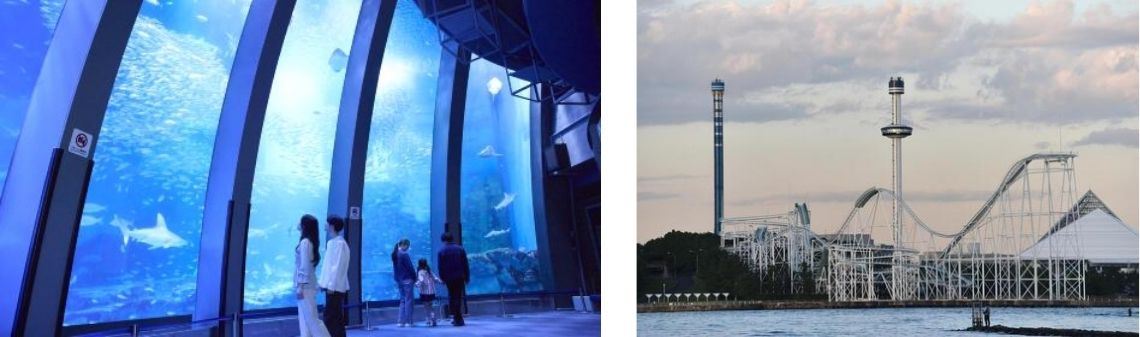
Hakkeijima Sea Paradise is something of the star attraction for families visiting Yokohama. Set on an artificial island connected by a bridge, the complex brings together numerous aquariums (with dolphins, sea lions, penguins, sharks…) and a fully fledged amusement park with a big wheel, roller coasters and water rides.
You can also enjoy dolphin shows, as well as interactive pools where you can touch certain marine species (children’s favourite activity!).
💡Trip.com’s recommendation: allow at least half a day, or even longer if you want to enjoy the rides.
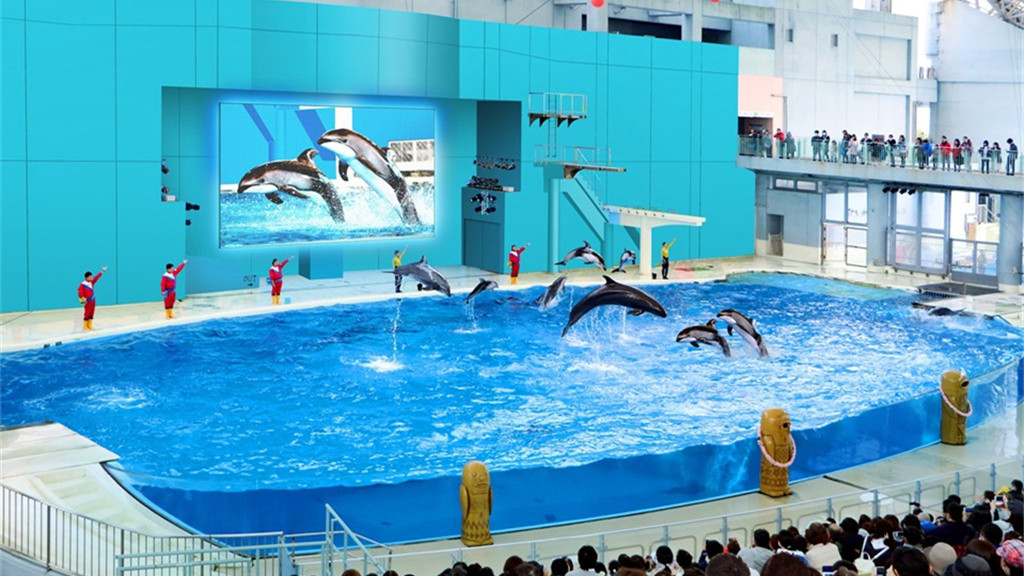
Yokohama Hakkeijima Sea Paradise
4.6/5
177 Reviews
 It was great to be able to enter so smoothly! 😆😆😆
JPY 4,720
The Ramen Museum: a journey into the 1950s
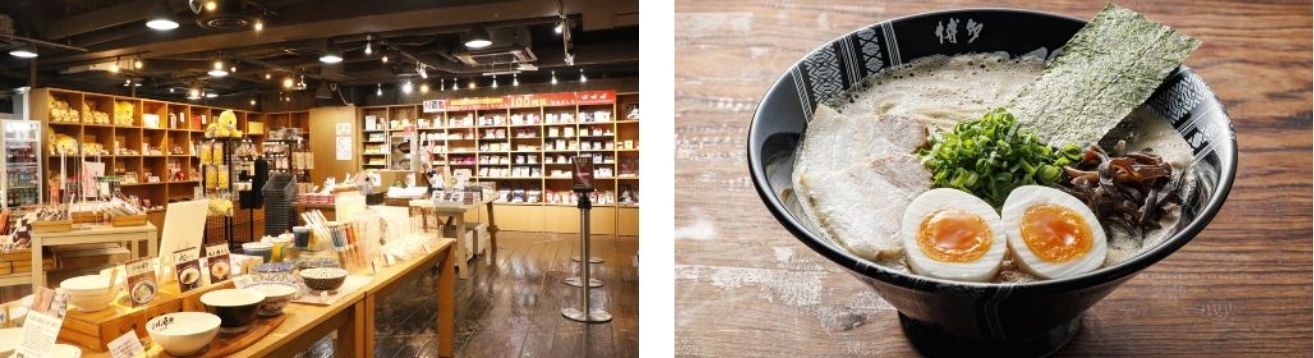
We mentioned it briefly earlier: the Shin‑Yokohama Rāmen Museum is an unmissable experience. Imagine a museum that recreates a typical 1950s Japanese street, with vintage signs, retro lighting and neat rows of little stalls… except that in each one you can tuck into a proper bowl of rāmen from a different region of Japan! Incredible, isn’t it?
The place also takes you through the full history of this now-iconic dish and the invention of instant ramen. If you love food and have a soft spot for retro vibes, you’ll love it.
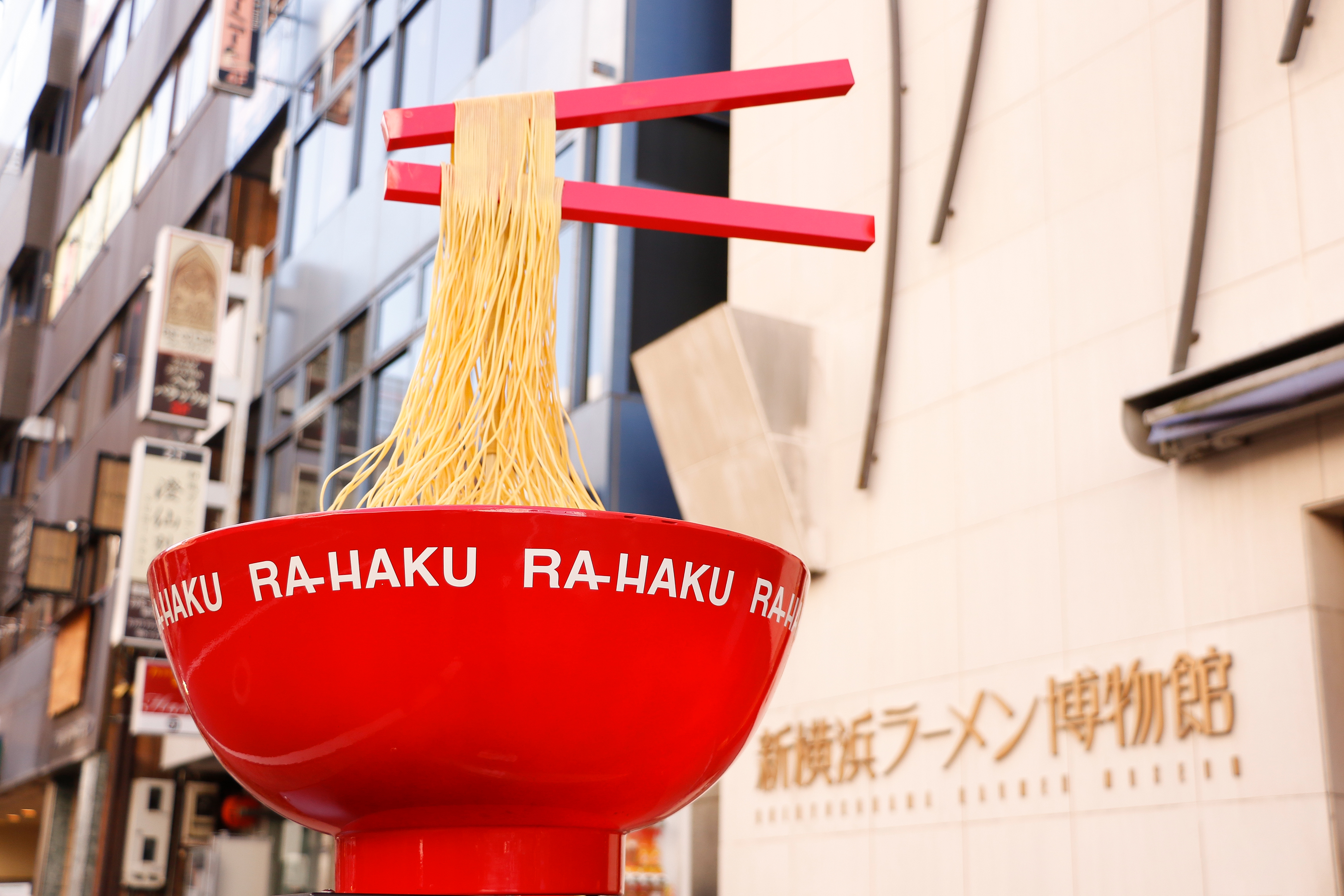
Shin-Yokohama Ramen Museum
4.5/5
121 Reviews
 A museum with a Showa-era retro atmosphere!
It's great that you can eat ramen from all over Japan!
The fact that they have half-size portions is a big plus!
It's a great place to visit, where you can enjoy not only the ramen but also the atmosphere!
You can even make your own custom cup ramen!
A museum with a Showa-era retro atmosphere!
It's great that you can eat ramen from all over Japan!
The fact that they have half-size portions is a big plus!
It's a great place to visit, where you can enjoy not only the ramen but also the atmosphere!
You can even make your own custom cup ramen!JPY 450
YOKOHAMA AIR CABIN: Soar over the city in a cable car
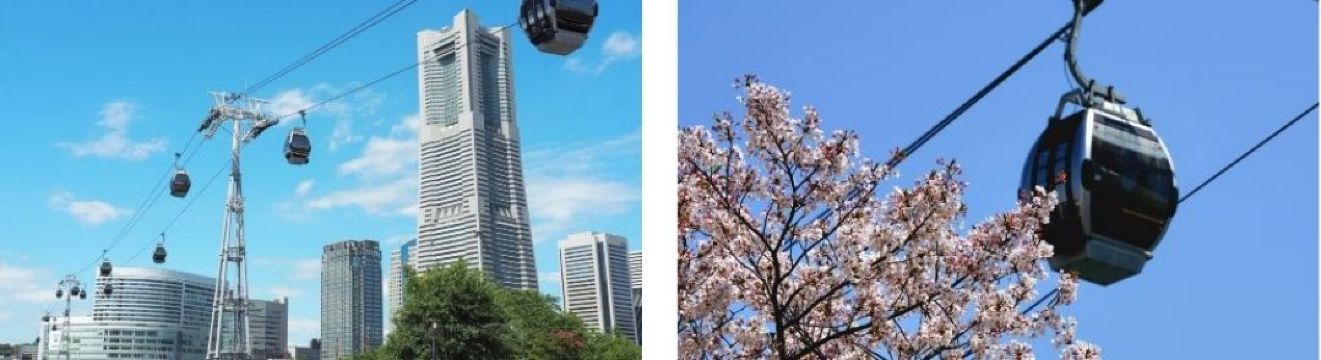
The YOKOHAMA AIR CABIN is a brand-new urban cable car that links Sakuragichō Station to the waterfront in just a few minutes. You glide over neighbourhoods, parks and skyscrapers, with a bird’s-eye view across the entire bay. It’s a short ride, but really worth it—especially towards the end of the day, when the lights start to come on.
The cabins are modern, with glass on all sides, and rise high enough to offer a lovely panoramic view.
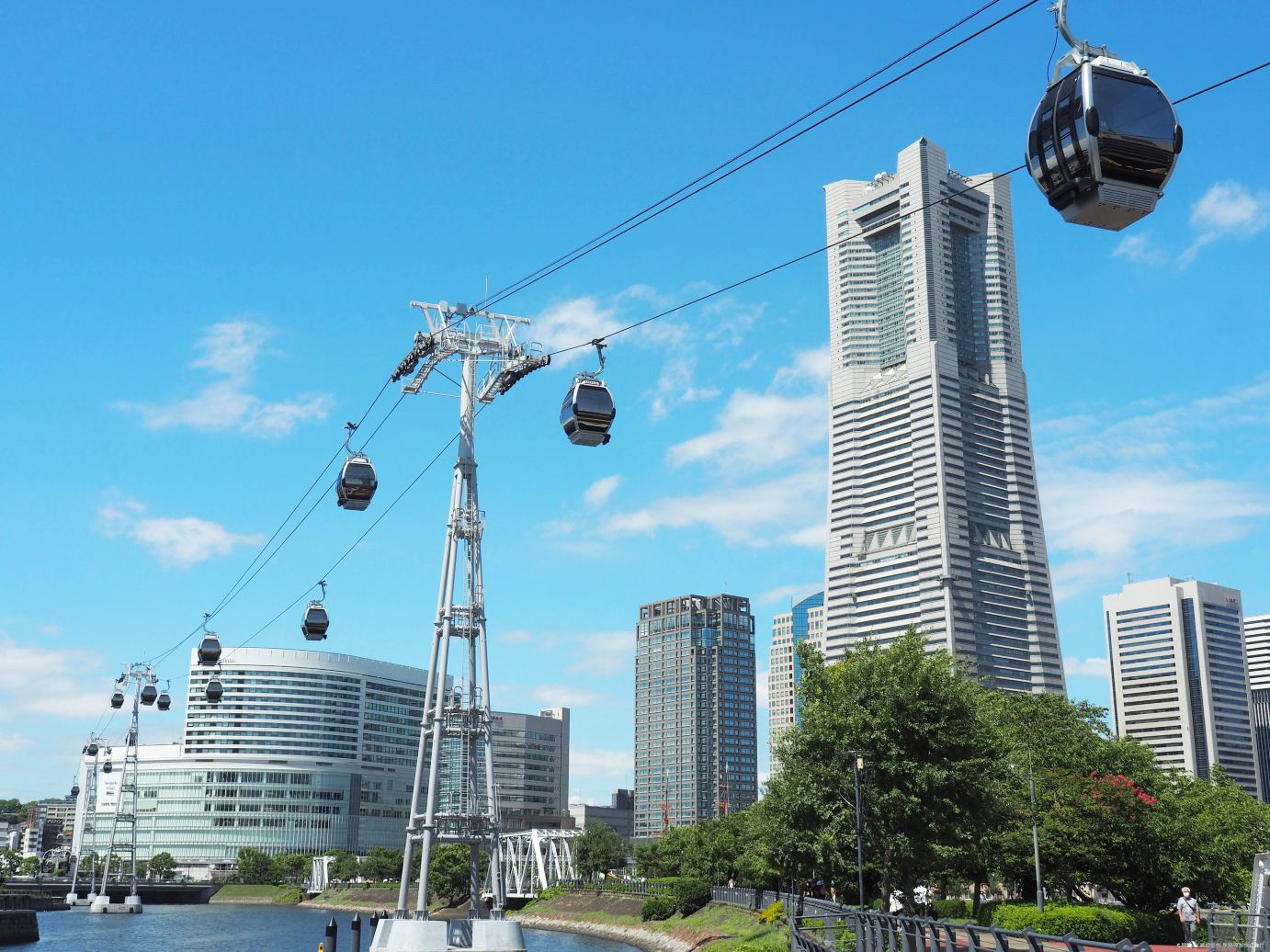
YOKOHAMA AIR CABIN
4.7/5
31 Reviews
 Especially in summer, the cable car ride is pleasantly air-conditioned, and the surrounding scenery, including the Ferris wheel, is a delightful experience.
JPY 1,000
Yokohama Landmark Tower: the view from above
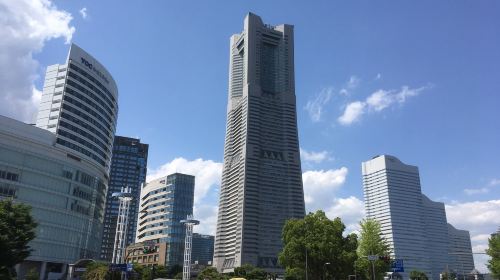
Finally, how could we not recommend the Yokohama Landmark Tower? At 296 metres, it long held the title of Japan’s tallest skyscraper. On the 69th floor, you’ll find the Sky Garden, a panoramic observatory offering 360° views over the entire bay, the city, and on clear days, Mount Fuji!
In the evening, it’s even better: all of Yokohama’s lights sparkle below, the giant Ferris wheel stands out in the distance, and you really get a sense of how far the city stretches along the bay. If you love views from up high, it’s an absolute must!
Yokohama Landmark Tower
4.7/5
84 Reviews
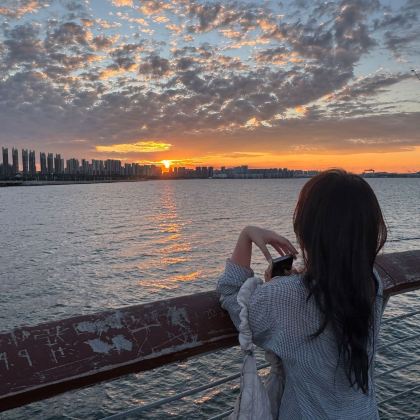 I didn't have high expectations because it was an observatory, but once I went up, the 360-degree view was amazing, and the soda-flavored ice cream that was only sold here was delicious!!
🌸 Best Time to Visit Yokohama
Yokohama’s climate is, of course, very similar to Tokyo’s, with four well-defined seasons. You can visit the city all year round, but certain times of year are more pleasant for enjoying the bay and leisurely strolls.
Season | Weather | Highlights |
Spring (March–May) | Mild, pleasant | Cherry blossoms in bloom in the parks, perfect weather for a stroll along the bay |
Summer (June–August) | Hot and humid, but a sea breeze in the evening | Festivals, fireworks, seafront terraces, night-time illuminations on the skyline |
Autumn (Sep–Nov) | Pleasant temperatures | Often clear skies, beautiful colours in gardens like Sankeien—perfect for photos. |
Winter (Dec.–Feb.) | Cold but generally dry | Clear view of Mount Fuji from the Landmark Tower, winter illuminations, fewer crowds |
If you're unsure: spring and autumn bring mild temperatures, clear skies and outdoor events, making them truly delightful times to enjoy the bay and the parks.
Flights to Yokohama
Hotels in Yokohama
Japan eSIM
See all flights





🚄 How do I get from Tokyo to Yokohama?
Getting to Yokohama from Tokyo is really simple:
- From Tokyo Station or Shinagawa: the JR Tokaido Line or Yokosuka Line takes around 25–30 minutes.
- From Shibuya or Shinjuku, the JR Shōnan‑Shinjuku Line or the private Tokyu Toyoko Line will get you to Yokohama quickly.
For Minato Mirai: the Minatomirai Line serves the bayfront stations directly. Most other neighbourhoods are easy to reach on foot, by metro or by bus from the main station.
Now you know everything! Treat yourself to a day trip or a longer stay in Japan’s second-largest city, Yokohama! If you’re planning to visit Tokyo, it’s an unmissable getaway with plenty of sights and activities to enjoy!
Enjoy your stay in Yokohama! ✨
👇Book Japan Train Tickets with Trip.com👇
Official JR partner · Wide coverage · Easy changes
❓ FAQ – Things to Do in Yokohama
-
Can you visit Yokohama in one day from Tokyo?
-
What can you do in Yokohama in 3 days?
-
How many days do you need to visit Yokohama?
-
Where is the best place to stay in Yokohama?
🧩 Explore Yokohama & Beyond
Top Things to Do in Kyoto: Best Activities & Must-Sees
Discover the best things to do in Kyoto: top activities, vibrant neighbourhoods, local culture, and must-see attractions to make the most of your stay.
October 7, 2026
Top Things to Do in Hiroshima: Best Activities & Must-Sees
Discover the best things to do in Hiroshima: top activities, vibrant neighbourhoods, local culture, and must-see attractions to make the most of your stay.
October 7, 2026
Top Things to Do in Hakone: Best Activities & Must-Sees
Discover the best things to do in Hakone: top activities, vibrant neighbourhoods, local culture, and must-see attractions to make the most of your stay.
October 7, 2026
Top Things to do in Tokyo: Best Activities & Must-Sees
Discover the best things to do in Tokyo: top activities, vibrant neighbourhoods, local culture, and must-see attractions to make the most of your stay.
October 7, 2026
Top Things to Do in Osaka: Best Activities & Must-Sees
Discover the best things to do in Osaka: top activities, vibrant neighbourhoods, local culture, and must-see attractions to make the most of your stay.
October 7, 2026
Top Things to Do in Nagoya: Best Activities & Must-Sees
Discover the best things to do in Nagoya: top activities, vibrant neighbourhoods, local culture, and must-see attractions to make the most of your stay.
October 7, 2026
Top Things to Do in Kobe: Best Activities & Must-Sees
Discover the best things to do in Kobe: top activities, vibrant neighbourhoods, local culture, and must-see attractions to make the most of your stay.
October 7, 2026
Top Things to Do in Yokohama: Best Activities & Must-Sees
Discover the best things to do in Yokohama: top activities, vibrant neighbourhoods, local culture, and must-see attractions to make the most of your stay.
October 7, 2026
Best eSIM for Japan from £0.37
Choose the best eSIM for Japan. Compare prices, providers & activation to stay connected with high-speed data during your trip - all on Trip.com.
October 7, 2026
Universal Studios Japan: Tickets & Guide
Plan your perfect visit to Universal Studios Japan! Book USJ tickets, check USJ opening hours, and get tips on the best rides, shows, and things to do at Universal Studios Japan.
October 7, 2026
Tokyo Disneyland: Tickets & Guide
Book cheaper Tokyo Disneyland tickets and get tips for your visit. Adult tickets from £45.77 for magical rides, shows, and a perfect family adventure in Japan!
October 7, 2026
Disclaimer: This article has been provided by an individual contributor or third party platform. If there is any discrepancy regarding the copyright, please contact us directly and we will delete the content immediately.
Trending Searches
-
Travel guides