China or South Korea: Which one is best for a holiday?

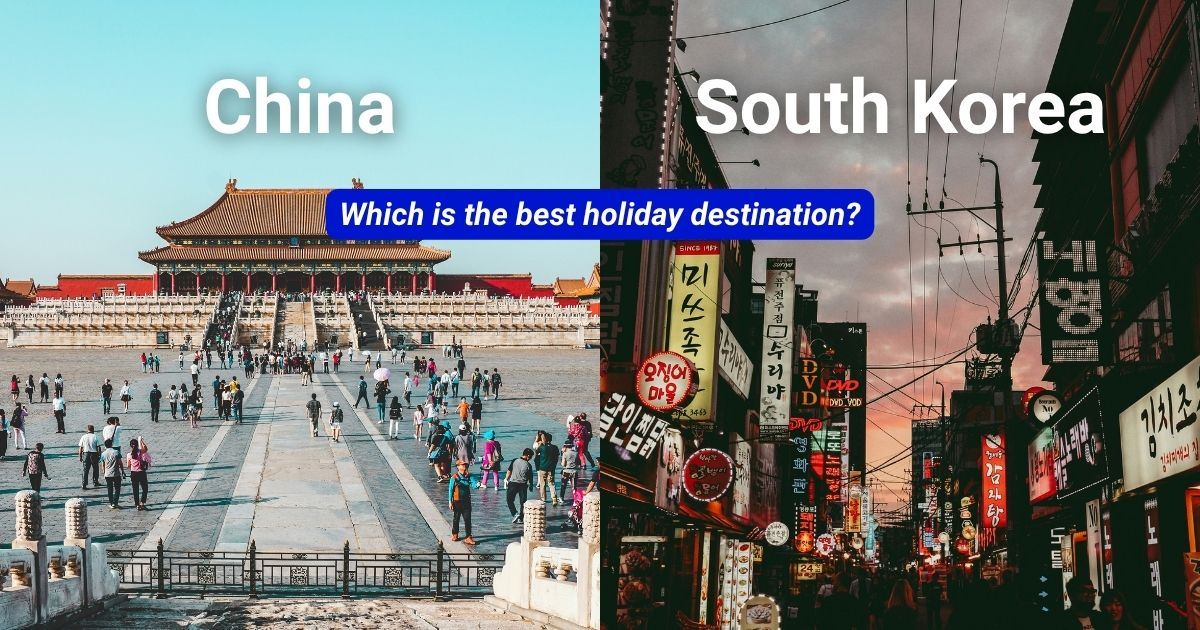
Venturing to East Asia for the first time is exciting for any British traveller, but deciding where to visit first can feel like a big decision. And if that decision is between China and South Korea, you might be feeling a little stumped. Which country should you prioritise? And which one is better for a holiday?
At Trip.com, we’re ready to help you figure out which destination is right for you. We’ve put together a guide that covers all the key details you’ll want to know, including what to budget for your holiday to either country, the different things you can do, and basically what to expect during your trip. Let’s begin!
✈️ China or South Korea: Key Travel Differences
When choosing between China and South Korea for that upcoming trip, a good place to start is to learn about the key travel differences between each country. What are the visa requirements like? Is one destination quicker to get to? How much money do you need to budget for a trip?
We’ve put together a table so you can compare important details to help you make your decision.
Category | China | South Korea |
Entry requirements | Visa-free for UK citizens: up to 30 days | Visa-free for UK citizens: up to 90 days |
Flight time from the UK | ✈️ 10-12 hours (direct) | ✈️ 12-13 hours (direct) |
Avg. 2-week Budget | 💰 Budget: £800 to £1,400pp ⭐ Moderate: £1,700 to £3,100pp ✨ Luxury: £5,000 to £11,000+pp Average: £2,400pp | 💰 Budget: £1,000 to £1,800pp ⭐ Moderate: £2,100 to £3,600pp ✨ Luxury: £6,000 to £12,000+pp Average: £2,800 to £3,200pp |
Payment methods | 📱 Mobile payments are dominant (Alipay, WeChat Pay), while cash and cards are less commonly used. | 💴 Contactless cards and mobile payments are very common, with cash used less often in cities. |
Public transportation | 🚄 Extensive high-speed rail and metro networks, with buses and taxis connecting cities and regions. Fewer options in rural areas. | 🚄 Excellent subway networks, with high-speed trains, buses and taxis covering cities and towns. |
Internet access | 🌐 The majority of Western websites are blocked. Use a Trip eSIM to keep connected. | 🌐 Keep in touch and stay online with a Trip eSIM. Hassle-free installation with no need for a physical SIM. |
English spoken | 🗣️ English is limited outside major cities, but more common in tourist areas, hotels and international businesses. | 🗣️ English is limited in everyday life, but more common in Seoul, tourist areas and major hotels. |
Safety | ✅ Generally safe for visitors, with low violent crime but some risks from scams and petty theft in busy areas. | ✅ Very safe for travellers, with low crime rates and few concerns beyond occasional scams or petty theft. |
Vegetarian options | 🥬 Good choices in major cities, but check for hidden meat, seafood ingredients and animal-based broths. | 🥬 Growing number of options in cities, but traditional dishes often include meat, fish sauce or seafood-based ingredients. |
Best time to visit | 🌸🍂 April to May, and September to October | 🌸🍂 April to May, and September to October |
Best city breaks | 🏙️ Beijing, Shanghai, and Guangzhou | 🏙️ Seoul, Busan, and Gyeongju |
Best nature spots | 🌿 Zhangjiajie National Forest Park, Jiuzhaigou Valley, and Guilin and the Li River | 🌿 Jeju Island, Seoraksan National Park, and Suncheon Bay Wetland Reserve |
Best for | ⛰️ Diverse landscapes, rich history, and world-famous cuisine | 🍜 Iconic street food, exciting city vibes, and K-Pop experiences |
Flights to top cities in China & South Korea
to Beijing
to Shanghai
to Guangzhou
to Seoul
to Jeju City
to Busan
See all flights


China or South Korea: Which destination is cheaper?
Overall, China is cheaper than South Korea. Things like hotels, flights, attraction tickets, entertainment and transportation generally run cheaper in China. However, that’s not to say South Korea doesn’t offer value for money, especially when compared to European destinations.
Our comparison table below will give you some insight into how much to budget for a trip to either country.
Travel Expenses | China | South Korea |
Economy flight from the UK | £500 to £900 return | £600 to £1,000 return |
Business flight from the UK | £2,500 to £5,500 return | £2,800 to £5,500 return |
Budget hotel price | £20 to £70 per night | £30 to £80 per night |
Luxury hotel price | £200 to £600+ per night | £200 to £600+ per night |
Daily expenses | 💰 Budget: £25 to £50pp ⭐ Moderate: £70 to £150pp ✨ Luxury: £250 to £600+pp Average: £100 to £180pp | 💰 Budget: £35 to £70pp ⭐ Moderate: £90 to £180pp ✨ Luxury: £300 to £700+pp Average: £120 to £220pp |
Top hotels in China & South Korea
Beijing
Shanghai
Guangzhou
Shenzhen
Seoul
Busan
Incheon
Jeju City
See All Hotels
 NO.1
NO.1


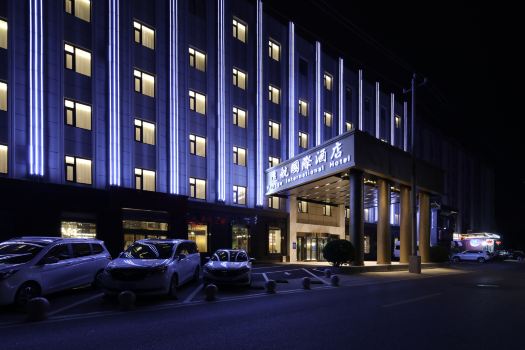


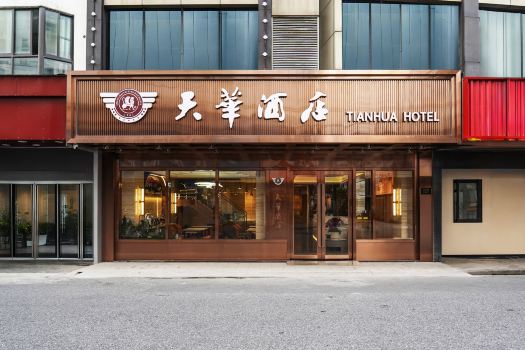

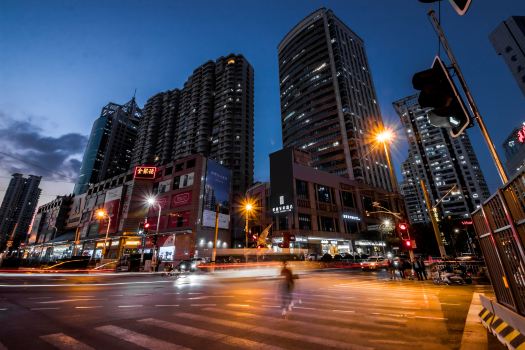




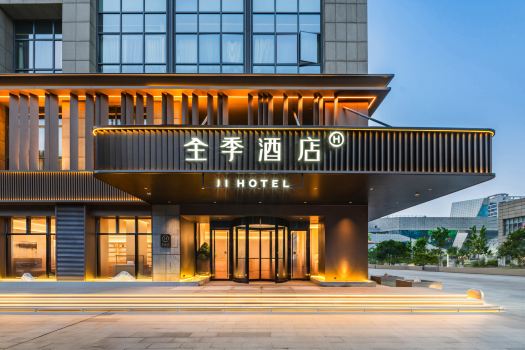









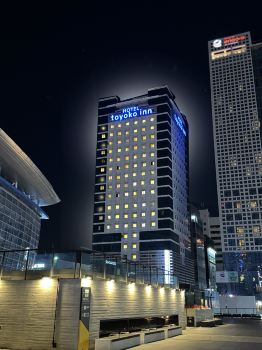
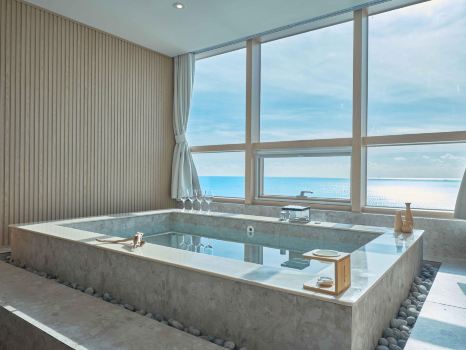


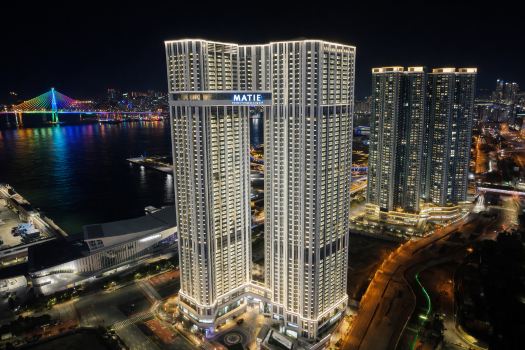
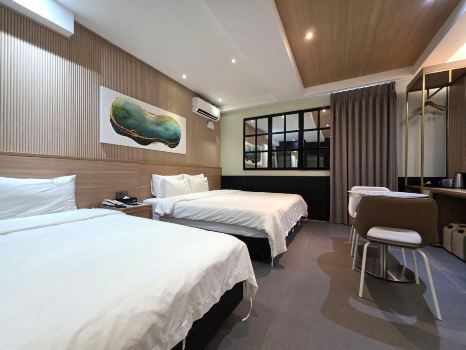














🎯 China or South Korea: Which is the better fit for your travel style?
🍜 China or South Korea for food lovers: Which has the best cuisine?

Going to a different country and immersing yourself in their food culture is one of the best things about travel. Whether you’re a big-time foodie or just like the idea of trying something new, discovering new flavours and local dishes is a great way to make those lasting travel memories.
So, when it comes to China and South Korea, which one has the best food? Obviously, this all comes down to personal taste - neither one is actually better than the other. It’s all about the type of flavours you particularly enjoy. In general, China offers more regional diversity and variety (given how big the country is!), and South Korea is famed for bold, punchy flavours. Check out some of our recommendations below on what to try.
Best food to try in China
- Peking Duck: Hailing from Beijing, Peking Duck is crispy and tender, and is frequently served with pancakes or included in stir-fries.
- Mapo Tofu: A classic Sichuan dish that’s (very!) spicy and savoury, made up of tofu, minced meat, chilli beans and a whole lot of Sichuan peppercorns.
- Xiaolongbao (Soup Dumplings): A Shanghai favourite, these soup dumplings are commonly filled with seasoned meat and, you guessed it, a savoury broth.
- Biang Biang Noodles: These hearty extra-long, belt-like noodles are served with spicy chilli oil, veggies, garlic, and sometimes meat.
Best food to try in South Korea
- Bibimbap: A delicious bowl of warm and spicy goodness, bibimbap has a rice base topped with veggies, beef, spicy gochujang sauce, and a fried egg.
- Dakgalbi: Often cooked on the table itself on a hot plate, this dish combines stir-fried chicken, vegetables, rice cakes and a gochujang-based sauce.
- Korean Barbecue: Another hands-on dining experience, grill up some marinated meats (like beef bulgogi or pork samgyeopsal) on your table-top grill, served up with banchan side dishes.
- Milmyeon: Originally from Busan, milmyeon comes with chewy noodles served in either a chilled, tangy broth or a spicy sauce, along with vegetables, sliced beef and a boiled egg. Great for the hot months when you need something refreshing!
🏙️ China or South Korea for city breaks: Which is the most exciting?
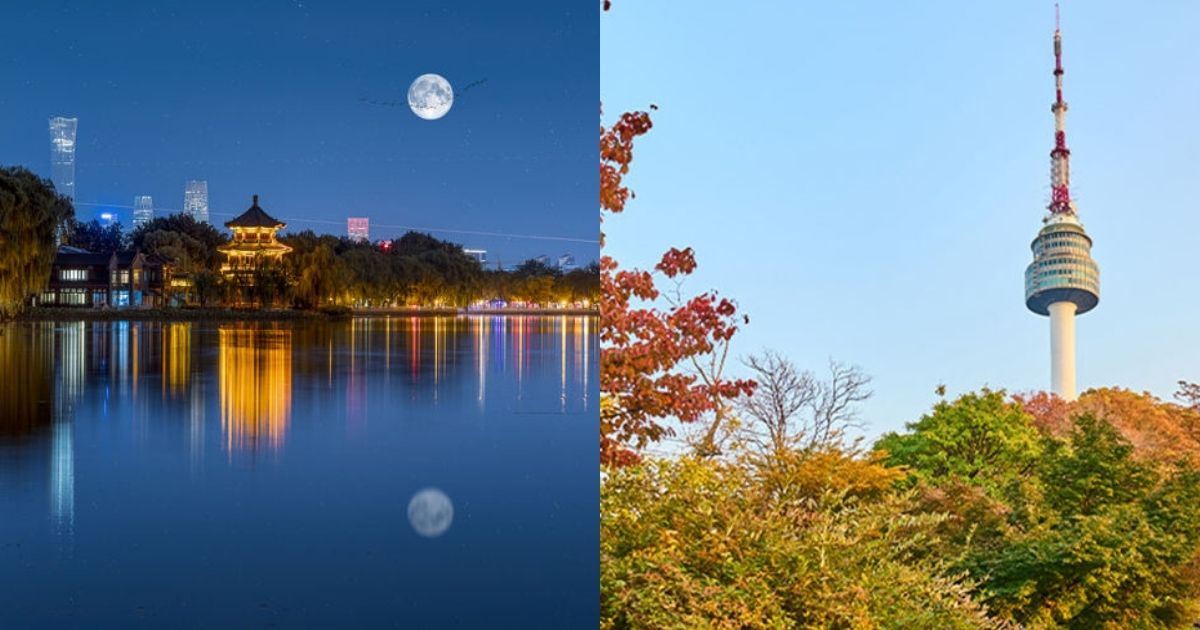
If you’re heading to China or South Korea with a city break in mind, either exclusively or to add on to your travel itinerary, you might be wondering which is home to the most exciting cities?
Both offer incredible city experiences, but there are subtle differences between the two. With China, you’ll find a huge range of urban destinations, from historical centres to cutting-edge locations. South Korea has a greater focus on ultra-modern cities, and may be more suited for travellers who may be a little overwhelmed by the sheer choice of places to explore in China.
Best cities to visit in China
- Beijing: As China's historic capital, Beijing is brimming with history and culture, and is home to world-famous landmarks like the Forbidden City and the Great Wall.
- Shanghai: Vibrant and modern, but still with its historic neighbourhoods, Shanghai is best known for its impressive skyscrapers and diverse food scene.
- Guangzhou: Located in Southern China, Guangzhou is well-known for its dim sum, as well as a mix of traditional and contemporary architecture.
- Shenzhen: A truly modern city, Shenzhen sits on the coast and is a great hub for exploring the area’s natural landscapes.
Best cities to visit in South Korea
- Seoul: South Korea’s capital city, buzzy and vibrant Seoul is a haven for K-pop fans and foodies.
- Busan: For a city with a beach, head to Busan. Here, you’ll find colourful hillside neighbourhoods, delicious seafood, and a slightly more relaxed feel.
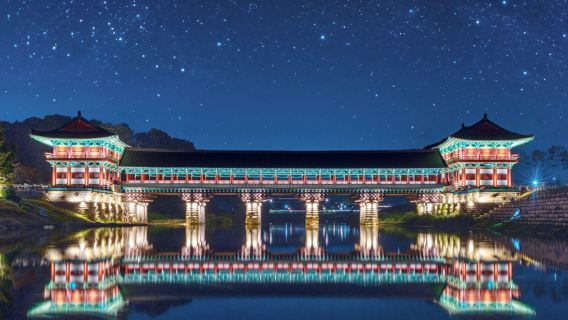
- Gyeongju: The country’s ancient capital, Gyeongju is brimming with temples, royal tombs, and UNESCO sites.
- Jeonju: This historic city is famous for its Hanok Village, and is the birthplace of bibimbap. A must for history-lovers!
🌳 China or South Korea for nature lovers: Which has the best landscapes?

China and South Korea are home to incredible nature; there’s no absolute winner here! What might sway your opinion is the type of nature you are looking to explore. China’s landscapes are spectacular for their sheer scale, from mountains to glaciers, forests to deserts. South Korea is equally as beautiful, but may be an easier option as they’re a little more accessible.
Best nature spots in China
- Zhangjiajie National Forest Park: Home to incredible towering sandstone pillars and misty mountains. You can see why they inspired Pandora in the Avatar films!
- Jiuzhaigou Valley: Just on the edge of the mountains, this nature reserve is covered in cascading waterfalls, snow-capped peaks, and dense forests.
- Guilin and the Li River: Karst mountains and traditional villages can be found all around the Guilin area, and on the Li River.
Best nature spots in South Korea
- Jeju Island: This volcanic island is lined with dramatic coastlines, with lava caves and waterfalls that are perfect to explore when hiking.
- Seoraksan National Park: Based in a mountain range, this national park is lined with peaks, ancient temples, and colourful forests.
- Suncheon Bay Wetland Reserve: Well-known for its reed fields and tidal flats, this reserve is home to a wide variety of birds, making it the perfect destination for birders.
🧑🧑🧒🧒 China or South Korea: Which is best for families?

Both countries offer fantastic experiences for families, although South Korea is a little bit easier to navigate with children. China is a huge country, so it’s worth considering journey lengths between attractions and whether these are suitable for younger travellers.
Whatever destination you choose, here are our recommendations of the top family-friendly attractions to visit across both South Korea and China.
Best family attractions in China
- Shanghai Disneyland: The newest Disney park, Shanghai Disney is a must for Disney fans of all ages! Enjoy state-of-the-art rides featuring your most-loved characters.
- Universal Beijing Resort: From Minions to Jurassic Park, Kung Fu Panda and more, Universal Beijing is filled with rides and attractions based on your favourite films.
- Zhuhai Chimelong Ocean Kingdom: Part aquarium, part theme park, beat the heat and head inside the gigantic Ocean Kingdom for a fun-filled day!
Best family attractions in South Korea
- Lotte World Adventure: Perfect for escaping the elements, the partially indoor Lotte World has a fantastic line-up of rides, parades and live entertainment.
- Everland: South Korea’s largest theme park, Everland has plenty to keep visitors of all ages entertained. Be sure not to miss the animal exhibits!
- Children’s Museum of the National Folk Museum of Korea: This museum has been designed exclusively with children in mind and features interactive, hands-on exhibits all about South Korea’s folklore traditions.
🕐 What to see in China or South Korea, depending on the length of your trip
Now we’ve done a rundown of what you can expect when visiting China and South Korea, it’s time to think about planning. How much can you do in a set amount of time? What sort of things can you do in that set amount of time?
To set you off, here are some ideas for what you can do with your time in either country!
Length of trip | China | South Korea |
1-2 weeks | Discovering China’s highlights
| A first taste of Korea
|
2-3 weeks | Exploring landscapes and cultural heritage
| A balance of culture and nature
|
3 weeks - 1 month | From coast to countryside
| The complete experience
|
Top things to do in China and South Korea
To do in China
To do in South Korea
eSIM China
eSIM South Korea
See all attractions
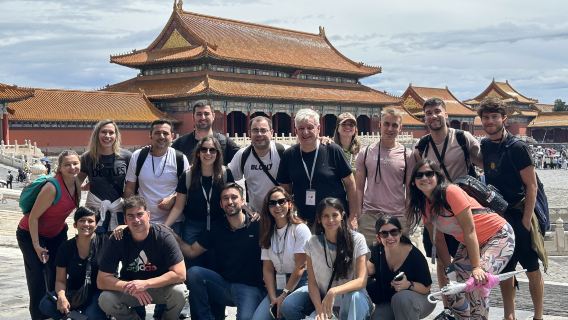
![Lijiang Jade Dragon Snow Mountain Cableway + Blue Moon Valley + Impression Lijiang + Sunrise over Golden Snow Mountain Day Trip [Guaranteed Ticket]](https://ak-d.tripcdn.com/images/0353f12000mv99k2m00B0_C_568_320.jpg)
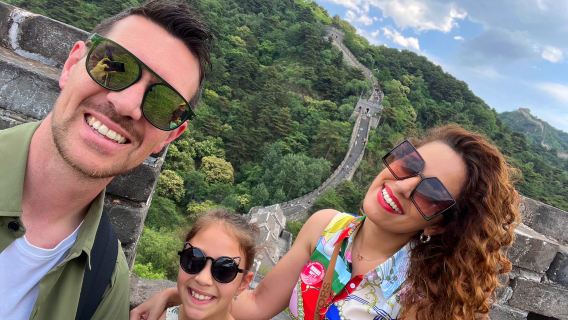
![Mutianyu Great Wall Day Trip [ZANBUS - Daily departures from 8:00 AM to 11:45 AM]](https://ak-d.tripcdn.com/images/0356012000sgcf58vC123_C_568_320.jpg)
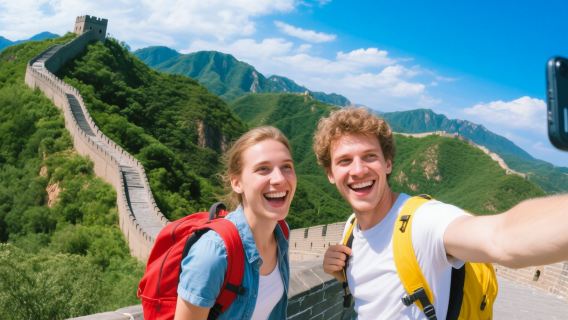
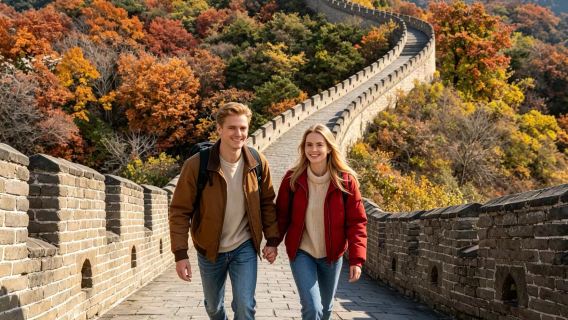

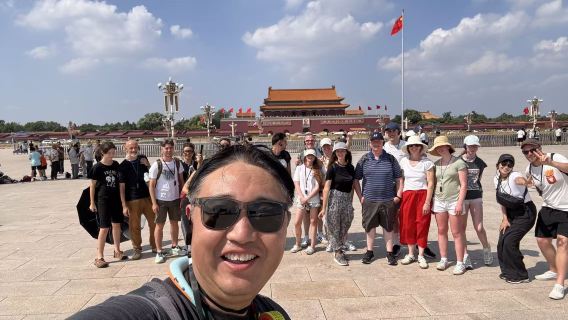


![Busan 1-day tour [Haeundae Blueline Park/Gamcheon Culture Village/Cheongsapo/Yonggungsa Temple]](https://ak-d.tripcdn.com/images/0351p12000tid85rmB791_C_568_320.jpg)



🌤️ Best time to visit China and South Korea
Choosing whether to visit China or South Korea can be as simple as looking at what the weather is like when you’re able to schedule your annual leave. As China is much larger, there’s a wider variety of climates to contend with. South Korea, on the other hand, has a four-season climate, but expect hotter summers and colder winters than the UK.
To learn more about what to expect weather-wise when you visit, and whether you need to pack an umbrella or a knitted scarf, keep reading.
🇨🇳 When to visit China
As China is so big, there’s no consistent climate across the country. However, there are loose patterns you can expect. The best months to visit all depend on where you want to go, but as a general rule, April to May and September to October are usually the driest and most comfortable time to go.
Season | Average temperature | What to expect |
🌸 Spring (Mar–May) | 10°C to 25°C | Mild and increasingly warm, with generally pleasant conditions, although rain and dust storms can affect some northern areas. |
⛱️ Summer (June–August) | 25°C to 35°C | Hot and humid across much of eastern and southern China, with heavy rainfall and occasional typhoons along the coast |
🍂 Autumn (Sep–Nov) | 15°C to 28°C | Cooler and drier, with comfortable temperatures for sightseeing and clear skies in many regions. |
❄️ Winter (Dec–Feb) | 0°C to 15°C | Cold and dry in the north, milder in central China and much warmer in the south, with snow possible in northern and mountainous areas. |
🇰🇷 When to visit South Korea
South Korea can get very hot during the summer, so visiting during April to May or September to October is your best bet. These months are mild, dry, and importantly, not too humid!
Season | Average temperature | What to expect |
🌸 Spring (Mar–May) | 7°C to 20°C | Mild and increasingly warm, with plenty of clear days and occasional spring showers. Late April and May can feel pleasantly sunny and comfortable. |
⛱️ Summer (June–August) | 23°C to 30°C | Hot, humid and wet, with heavy monsoon rainfall and occasional typhoons. |
🍂 Autumn (Sep–Nov) | 12°C to 26°C | Warm at first before turning cooler, drier and sunnier, with colourful foliage later in the season. |
❄️ Winter (Dec–Feb) | -3°C to 5°C | Cold, dry and often bright, with freezing temperatures and snow possible, particularly in northern and mountainous areas. |
Find top deals on hotels, flights, and attractions.
❓ FAQ - Should you visit China or South Korea?
-
Is it better to visit China or South Korea?
-
Which is better for backpacking, China or South Korea?
-
Which country is richer, China or South Korea?
-
Which is more beautiful, China or South Korea?
-
Which is better for travel, China or South Korea?
🧩 More travel guides
Best China eSIM (with VPN) from £0.44
Find the best China eSIM plans, compare providers, learn how eSIM works, where to buy, setup steps, traveller reviews, FAQs, and tips for using eSIM in China.
September 28, 2026
China 2026 Entry Rules for UK: Visa-Free Policy & Process
Complete guide to China entry requirements 2026. Learn visa-free countries, required documents, and step-by-step entry process for foreign travellers.
September 28, 2026
Top Things to do in China: Best Activities & Must-Sees
Discover the best things to do in China: top activities, vibrant neighbourhoods, local culture, and must-see attractions to make the most of your stay.
September 28, 2026
How to Book Hotels in China as a Foreigner: Step-by-Step Guide
Learn how to book hotels in China with Trip.com. Step-by-step guide, payment tips, popular hotels, and practical advice for foreign travellers.
September 28, 2026
Best Cities to Visit in China: Top Places to Explore
Discover the best cities to visit in China, from iconic destinations to hidden gems. Plan your itinerary with tips, travel ideas and must-see places.
September 28, 2026
Best eSIM for South Korea from £0.45
Find the Best eSIM for South Korea from £0.19! Compare fastest & cheapest plans. Includes Japan South Korea eSIM. Stay connected.
September 28, 2026
South Korea entry requirements for UK travellers: What visa or documents do you need?
Check South Korea entry requirements, including visa rules, documents, health requirements and stay limits for UK and international travellers.
September 28, 2026
Top Things to Do in Seoul: Best Activities & Must-Sees
Discover the best things to do in Seoul: top activities, vibrant neighbourhoods, local culture, and must-see attractions to make the most of your stay.
September 28, 2026
Where to Stay in Seoul: Best Areas, Hotels & Attractions
Discover the best areas to stay in Seoul: Myeongdong, Jongno, Hongdae, Gangnam & Itaewon. Book affordable hotels for sightseeing and nightlife.
September 28, 2026
How to Get from Incheon Airport to Seoul City
Compare transport options from Incheon Airport to Seoul city: AREX train, airport bus, taxi, and private transfer, along with distance, price, and travel time.
September 28, 2026
Disclaimer: This article has been provided by an individual contributor or third party platform. If there is any discrepancy regarding the copyright, please contact us directly and we will delete the content immediately.